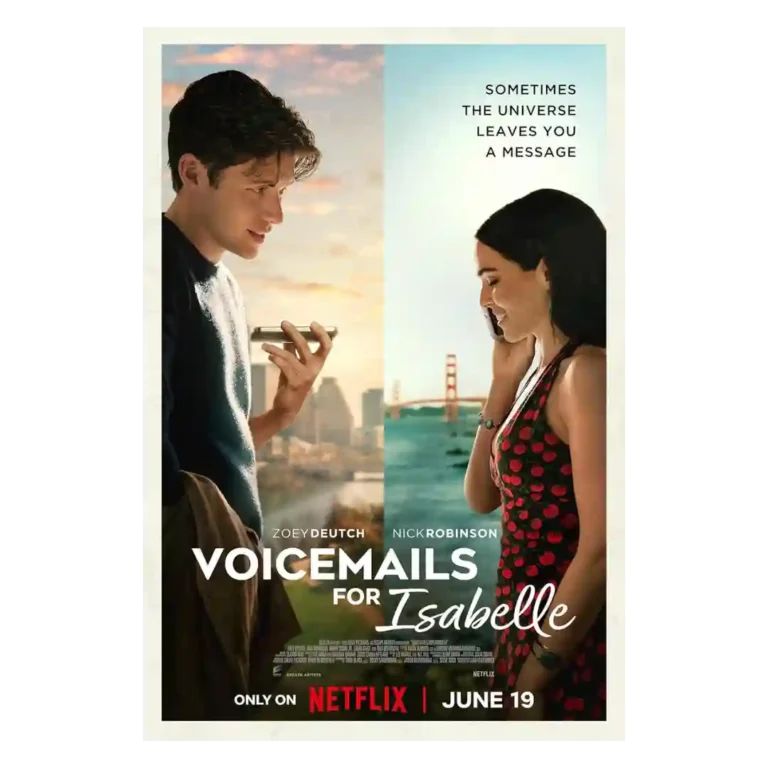
- Review score
- 2.2
Voicemails for Isabelle Movie Review
Bottom Line
Choose it for a funny, tear-soaked sisterhood story, magnetic Zoey Deutch, and comforting rom-com chemistry. Skip it if Wes’s privacy violation, frequent sexual material, or a nearly two-hour familiar formula will outweigh the emotional payoff.
Best for viewers who want a cathartic sisterhood drama wrapped in a glossy, funny, nostalgic rom-com. It especially suits fans of emotional comfort watches and charismatic lead performances.
Skip it if privacy-crossing romantic behavior ruins the fantasy, or if you prefer brisk, restrained rom-coms without heavy grief, frequent sex talk, and strong language.
Voicemails for Isabelle succeeds most when it treats Jill’s bond with her late sister as the real love story. That foundation gives the film unusually strong emotional weight, and Zoey Deutch’s comic energy and grief work carry the familiar rom-com structure. Nick Robinson’s charm and the pair’s generally praised chemistry make the romance enjoyable for many, while the soundtrack and San Francisco setting add comfort-watch polish. The major tradeoff is impossible to ignore: Wes uses private voicemails to engineer intimacy, and several critics find that behavior creepy, underexamined, or too easily forgiven. The near-two-hour runtime, predictable plotting, and occasional tonal whiplash also draw criticism, but the sisterhood, humor, and cathartic ending leave the overall response clearly positive.
Feature Scorecards
Summary
34 reviewed features- Very positive 4.5-5.0 35% 12 features
- Positive 3.5-4.4 41% 14 features
- Neutral 2.5-3.4 9% 3 features
- Negative 1.5-2.4 9% 3 features
- Very negative below 1.5 6% 2 features
Pros
-
Cathartic emotion, humor, memorable music, and comfort-romance familiarity give it strong repeat-watch potential. Its warmest scenes are built to be revisited.
-
The dialogue is strongest when it captures inside jokes, banter, and humor rooted in character history. Its witty, touching exchanges help the relationships feel lived in.
-
The overall production is polished and carefully made, giving the Netflix release more presence than routine streaming fare. Its glossy finish supports the romantic fantasy.
-
One highly enthusiastic response says the film would have justified a theatrical ticket, not just a streaming click. Its emotional and entertainment payoff can feel unusually strong for Netflix rom-com fare.
-
The sisterhood, loss, and farewell scenes are the film’s clearest triumph, repeatedly prompting tears without losing warmth. Even mixed reviews acknowledge the opening’s emotional force.
-
Jill and Isabelle’s bond is established with vivid personality and believable history, giving Jill’s grief real psychological weight. Wes also receives some welcome softness beyond the generic romantic-lead template.
-
The direction handles grief, comedy, and romance with confidence and sells individual emotional moments. Polished cuteness occasionally blunts the darker implications of Wes’s behavior.
-
The film’s message is that grief does not disappear, love cannot fix everything, and moving forward is not the same as forgetting. Its feminist emphasis on Jill’s self-recovery is also warmly received.
-
The movie is funny, moving, and easy to enjoy despite evident flaws. Its emotional warmth and magnetic lead performance make it a strong comfort-watch candidate.
-
The film finds substantial depth in grief, identity, sisterhood, workplace sexism, and the fear of moving forward. Those serious ideas sometimes deserve more space beyond the rom-com framework.
-
The finale is moving, uplifting, and satisfyingly full-circle. Its weakest point is how quickly Wes is forgiven and how lightly his actions are punished.
-
The central cast elevates the familiar premise, with the leads and younger performers carrying both comedy and grief. A few dramatic choices wobble, but the ensemble remains a major strength.
-
Zoey Deutch and Nick Robinson are usually credited with easy, palpable chemistry that helps sell the fantasy. A smaller group finds their connection underdeveloped or much weaker than the sisterly bond.
-
The screenplay combines sharp, character-based humor with an openhearted treatment of grief. Its self-aware rom-com references can become heavy-handed.
-
Tears, humor, attractive leads, and nostalgic romance give the film broad mainstream appeal. The privacy-crossing courtship will sharply reduce its charm for anyone unable to suspend disbelief.
-
The comedy lands through Jill’s rants, inside jokes, and eccentric kitchen characters. Comic relief occasionally interrupts the grief too aggressively.
-
The grief-and-sisterhood story gives familiar rom-com material uncommon heart and meaning. The film becomes lighter, staler, and less convincing whenever the romance overwhelms that core.
-
San Francisco provides a glossy, romantic backdrop, and several scenes are beautifully framed. The saturated streaming look can also appear bland and generic.
-
The drama begins as a tear-jerker and transitions into romance while retaining poignant notes. Its grief remains more convincing than its lighter romantic machinery.
-
The early chop-chop editing gives the kitchen scenes energy, strengthens jokes, and mirrors Jill’s frantic routine. Momentum becomes less consistent once the central deception takes over.
-
The blend of grief, broad comedy, and romance often works beautifully when the sisterhood stays central. Comic relief and self-aware sweetness occasionally intrude on the heavier emotions.
-
Robyn and Taylor Swift cues give the movie a strong emotional identity and help key scenes soar. The needle drops can also feel overused, overly obvious, or distracting.
-
As a nostalgic rom-com, it delivers familiar pleasures and affectionate nods to the genre’s 1990s peak. The formula also restricts a more serious and psychologically interesting movie.
-
The romance is sweet, optimistic, and highly watchable, but it is also the film’s most divisive element. Wes’s use of private voicemails can make the courtship feel creepy or unearned.
-
The visuals range from glossy and romantic to blandly streaming-generic. San Francisco locations provide the strongest and most distinctive visual asset.
-
The reveal mechanics are clever and plausible within rom-com logic, but the reassigned-number premise and Wes’s behavior still strain credibility. The sequence of events is clear even when the ethics are not convincing.
Cons
-
The voicemail device and modern sensibility can feel fresh, but the movie openly borrows from classic romances and follows familiar beats. Its originality lies more in emotional framing than plot architecture.
-
The plot heavily echoes You’ve Got Mail, Sleepless in Seattle, Love Again, and other rom-com templates. A few appreciate the voicemail update, but most see the structure as predictable and derivative.
-
Pacing is a frequent weakness: the opening and middle can feel overextended, while Wes’s pursuit develops too quickly. The strongest sections move briskly when focused on Jill and Isabelle.
-
The near-two-hour runtime is one of the clearest weaknesses. Trimming workplace detours and repeated setup would create a tighter, more persuasive romance.
-
The sisterhood themes are warm, but frequent sex talk, sexual situations, and strong language limit family friendliness. It is better suited to mature teens and adults.
-
Profanity and rude sexual dialogue are harsher and more frequent than the rating may suggest. The language is unsuitable for anyone seeking a restrained romantic comedy.
-
Sexual references, comic encounters, and suggestive scenes are frequent enough to limit suitability for families. The material feels prominent and relentless rather than occasional.
-
Despite a teen-accessible rating, the sexual material and strong language raise suitability concerns. Families should not assume the emotional sister story makes it a gentle all-ages watch.
Cast & Creators
-
IsabelleBravo makes a strong emotional impression with limited screen time, grounding the sisterhood and giving Isabelle vivid life before her death. Her warmth is crucial to the film’s impact.
-
JillComer’s young Jill quickly establishes the sisters’ playful loyalty and emotional intimacy. Her brief work gives the later grief a stronger foundation.
-
IsabelleEverly’s young Isabelle immediately captures the warmth, wit, and intimacy at the center of the story. Her performance helps make Isabelle’s absence resonate.
-
JillDeutch is the film’s clearest strength, combining charisma, comic timing, and emotionally open grief work. A few monologues feel overplayed or less nuanced than her comedy.
-
ArthurGage brings a colorful supporting presence and effective comic character work. His subplot is amusing but not essential.
-
Chef BastienOfferman supplies exaggerated comic relief and memorable workplace absurdity. The chef subplot is funny but can feel expendable or tonally distracting.
-
BreedaMcKendrick brings confident direction, sharp writing, and deft shifts between comedy, romance, and pathos. Her self-aware cuteness occasionally softens ideas that deserved a more serious treatment.
-
WesRobinson’s relaxed charm and vulnerability help sell Wes as a romantic lead despite his invasive choices. The characterization can still feel thin or unable to overcome the premise.
Compared With Category Average
Compared with other Movies, this product is above average in value for money, dialogue quality, character development, below average in age appropriateness, sexual content level.
Summary
8 compared features- Above average 0.4+ pts higher 75% 6 features
- Same as average within 0.3 pts 0% 0 features
- Below average 0.4+ pts lower 25% 2 features
| Attribute | This product | Category average | Difference |
|---|---|---|---|
| value for money | 5.0 | 2.7 | +2.3 |
| age appropriateness | 1.0 | 3.0 | -2.0 |
| dialogue quality | 5.0 | 3.0 | +2.0 |
| character development | 4.8 | 3.0 | +1.8 |
| sexual content level | 1.3 | 3.0 | -1.8 |
| screenplay quality | 4.4 | 2.8 | +1.7 |
| emotional impact | 4.8 | 3.7 | +1.1 |
| rewatch value | 5.0 | 3.6 | +1.4 |
FAQ
Is Voicemails for Isabelle more grief drama or romantic comedy?
The grief and sisterhood story carries the most emotional weight, while the romance provides the familiar structure and lighter payoff.
Does the romance overcome its creepy premise?
Many viewers accept it because of the leads’ charm and chemistry, but a substantial group never gets past Wes using private voicemails to engineer the relationship.
How are the performances?
Zoey Deutch is the clear standout, with strong support from Nick Robinson and an especially affecting brief turn from Ciara Bravo.
Will the movie make me cry?
Very likely. The opening, Jill’s grief, and the sister-focused ending are consistently described as deeply moving and cathartic.
Is it family-friendly?
The sisterhood themes are warm, but frequent sexual references, sexual situations, and strong language make it better suited to mature teens and adults.
Is it worth watching?
It is a strong choice for an emotional, funny comfort watch, provided the invasive meet-cute and nearly two-hour runtime are not dealbreakers.
Sample Expert Reviews We Analyzed
These are a few of the reviews included in our analysis.

Video Reviews
Article Reviews
A new Netflix release is quickly becoming a must-watch, but there’s one thing you should know before pressing play: it may leave you reaching...
- Review score
- 5.0
Dive into the world of Zoey Deutch in Voicemails for Isabelle, a romantic comedy that blends drama with humor.
- Review score
- 3.4
Netflix’s ‘Voicemails for Isabelle’ is often sweet, sometimes funny and, all too often, problematic as well.
Leah McKendrick, who wrote the script and stars, tells TODAY.com about her connection with her own sister, her love for San Francisco and...
Given the rawly emotional tone of the likable “Isabelle,” you’d think it was based on a popular young-adult novel. Yet it’s neither about...

- Review score
- 4.7
Compared in Reviews
Products reviewers directly compared with this model, grouped into quick takeaways.
Jerry Maguire
- Compared: borrowed scene construction One praised sequence is criticized as a direct lift rather than an original invention.
Love Again
- Similar: grief messages reaching a stranger The film is compared to another poorly received romance built around messages to a deceased loved one.
Ratatouille
- Compared: food-memory sequence The borrowed food-memory scene is derivative but emotionally effective in its new context.
Consider This Instead
If you want better sexual content level
Choose The Invite. It scores 4.5 vs 1.3 for sexual content level, with a 4.5 overall score.
If you want better language level
Choose Bouchra. It scores 4.5 vs 1.5 for language level, with a 4.3 overall score.
If you want better age appropriateness
Choose Girls Like Girls. It scores 4.5 vs 1.0 for age appropriateness, with a 4.0 overall score.
If you want better romance quality
Choose Romería. It scores 4.5 vs 3.7 for romance quality, with a 4.5 overall score.
Top Movies to Consider
Best for a profound, formally inventive meditation on grief, memory, and the ethics of filming family. Skip it if intensely personal addiction material, a 114-minute runtime, or occasional repetition will...
Pros: plot originality, ending satisfaction
Cons: runtime, pacing

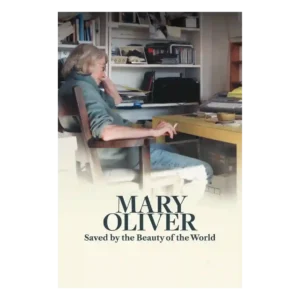
Best for a tender, accessible portrait that lets Oliver’s poetry, friends, and archival voice carry the experience. Skip it if you want a brisk, deeply investigative biography; the calm rhythm...
Pros: romance quality, faithfulness to source material
Cons: none
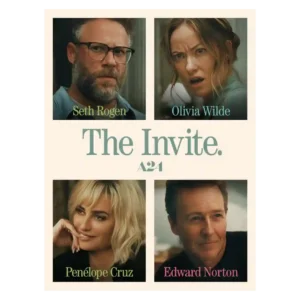
Best for razor-sharp adult comedy, exceptional ensemble work, and a surprisingly moving marriage story. Skip it if talk-heavy chamber pieces, explicit relationship discussions, or an occasionally intrusive string score wear...
Pros: plot originality, lead performance
Cons: runtime, score quality
Best for luminous coastal imagery, an exceptional debut performance, and a tender search through family memory. Skip it if slow pacing, subdued conflict, or a late shift into magical realism...
Pros: ending satisfaction, acting performance
Cons: character development, score quality