- Better: overall value and recommendation PCMag still favored the more affordable Fitbit Charge 6 as its Editors' Choice despite Whoop improvements.
- Alternative: real-time monitoring with screen Fitbit Charge 6 was presented as a slim alternative with a screen and real-time monitoring.
Whoop 5.0 Review
Bottom Line
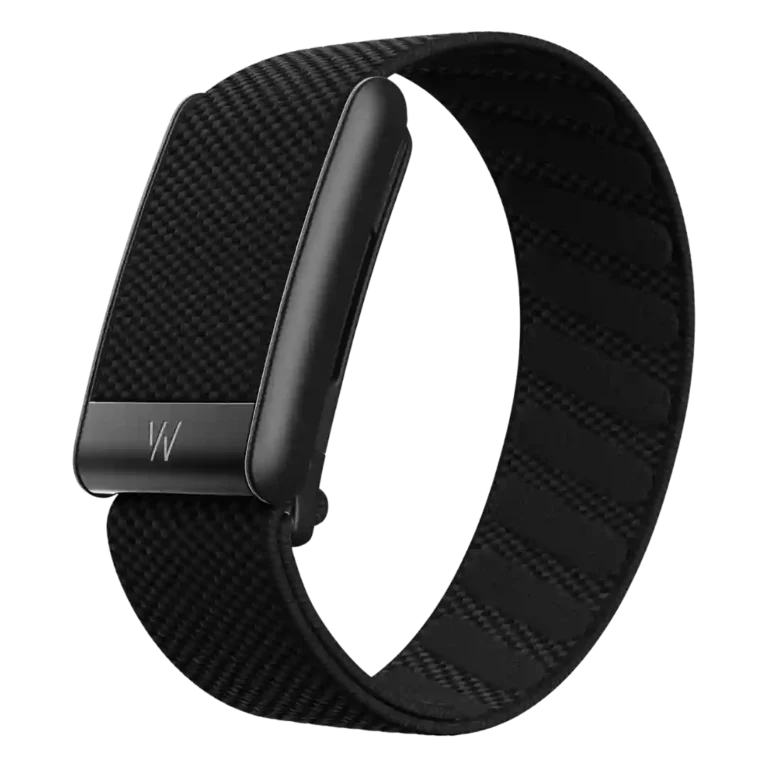
Choose Whoop 5.0 if you want a screenless, long-lasting recovery tracker with excellent app insights. Skip it if you need low-cost ownership, live wrist metrics, smart features, or highly consistent wrist HR during intense workouts.
Best for data-driven athletes, fitness enthusiasts and recovery-focused users who will wear a screenless band continuously and act on sleep, strain, recovery and health trend insights.
Not for buyers who want a one-time purchase, on-wrist workout metrics, maps, music controls, texts or calls, or a traditional smartwatch replacement.
Across reviews, Whoop 5.0 stands out less as a traditional fitness watch and more as a recovery, sleep, strain and long-term health platform. Reviewers repeatedly praised its roughly two-week battery life, wear-and-charge convenience, strong auto-detection, and app-driven coaching. The tradeoff is that the screenless design strips away live wrist feedback, music controls, calls, texts and robust on-device sports metrics. Heart-rate accuracy also depends heavily on use case: several reviewers trusted it for general trends or biceps wear, while others found wrist or strength-session readings inconsistent. The subscription model is the most divisive part, especially the expensive Life/MG tier, but lower tiers were often seen as more defensible for users who will actually act on the data.
Compared in Reviews
Products reviewers directly compared with this model, grouped into quick takeaways.
- Worse: activity and health tracking The reviewer said Whoop was superior to Apple Watch for activity and health tracking.
- Similar: battery life The reviewer said Whoop's improved battery life effectively matched the Garmin Fenix 8 in their use.
Feature Scorecards
Summary
60 reviewed features- Very positive 4.5-5.0 23% 14 features
- Positive 3.5-4.4 32% 19 features
- Neutral 2.5-3.4 20% 12 features
- Negative 1.5-2.4 22% 13 features
- Very negative below 1.5 3% 2 features
Pros
-
Activity reminders and cues were praised when they helped with bedtime, caffeine timing and readiness-based training decisions.
-
App alerts were helpful when focused on recovery, readiness, bedtime and caffeine guidance.
-
Goal tracking was praised through the plan feature, which one reviewer found easy and motivating.
-
Battery life was the strongest consensus, with reviewers repeatedly praising roughly two weeks or more of use.
-
Workout mode variety was praised for a broad set of activities and live tracking options.
-
Fitness coaching was a major software strength, with reviewers praising advice, AI coaching, metric explanations and actionable context.
-
The companion app was repeatedly praised as intuitive, detailed, high-quality and central to the Whoop experience, despite some density.
-
Charging convenience was a major strength because many reviewers valued charging while wearing, though wired/basic-tier charging was less convenient.
-
Health trend insights were widely praised, with Healthspan, Whoop Age and habit correlations seen as compelling and useful for long-term behavior.
-
Automatic workout detection was one of the strongest features, with reviewers praising accurate auto-detection and start/end recognition.
-
Menstrual and hormonal insights were broadly positive, especially for linking cycle stages with sleep, strain, recovery and training decisions.
-
Customization was positive for custom workouts and device color choices.
-
Third-party compatibility was positive where reviewers discussed connected apps, auto-uploading and nutrition/health integrations.
-
Strava compatibility was positive, especially for workout syncing and workout-specific Strava images.
-
Recovery insights were repeatedly praised as behavior-shaping, easy to act on, and central to Whoop’s value.
-
Data syncing reliability improved, with reviewers noting faster syncing and reduced sleep/workout sync delays.
-
Sleep tracking was a major strength, with reviewers praising detail, improvement, and agreement with reference wearables, though one reviewer felt they did not need all the sleep data.
-
Comfort was generally positive for continuous wear, but a few reviewers with small wrists or sensitivity found discomfort.
-
Reviewers split activity accuracy between strong passive recognition and limits for detailed sports data; several praised overall tracking, while one called the device limited.
-
Durability was positive due to IP68/water resistance, daily-wear toughness and nearly indestructible impressions.
-
Habit tracking was strong when reviewers used the journal or correlations, though one reviewer had not yet seen much impact.
-
Water resistance was generally positive, with reviewers citing pool, sea and continuous-wear durability.
-
Weight was mostly positive because reviewers described the band as light or compact, though the MG version was noted as slightly heavier.
-
Apple Health compatibility was useful for sending and receiving health data.
-
Reliability was positive in one review that reported no data drops or errant readings during general use.
-
Resting heart rate tracking was valued as part of the broader recovery and training insight package.
-
Stress tracking was useful for understanding body load and matched some reviewers’ lived experience, but one reviewer found it less informative than sleep and recovery.
-
Readiness scoring was polarizing: some found it motivating, accurate or addictive, while one reviewer criticized the underlying readiness concept.
-
Workout tracking ranged from excellent strength and workout-span handling to concerns about underreported heart rate or strain in strength sessions.
-
Charging speed was acceptable, with reviewers describing a few-hour or at least 90-minute recharge.
-
Step counting was generally seen as aligned or improved, though one reviewer noted Whoop is not mainly aimed at dedicated step tracking.
-
The user interface was mixed: some found it easy to navigate, while others found it less friendly or overwhelming.
-
Fit was somewhat adjustable but required changes between sleep and high-intensity workouts.
Cons
-
Heart-rate accuracy was the most mixed core metric: several reviewers praised it in general use or improved sensors, while others found wrist, MG or strength-session readings inconsistent.
-
Alarm feedback was mixed: some loved the haptic alarm, while others disliked the app controls or recommended another wake-up tool.
-
Design and appearance split reviewers: some liked the modern, minimal or refined look, while others found it unattractive or too obvious.
-
Bluetooth reliability was mixed: sports-kit/watch pairing worked broadly, but one reviewer had Android disconnects.
-
Band quality was mixed: some bands were comfortable or durable, while fabric dampness, sogginess, compatibility changes and finicky straps hurt scores.
-
Sleep-stage evidence was mixed: one reviewer criticized wearable sleep-stage accuracy broadly, while another noted an updated sleep algorithm.
-
Route tracking was described as basic, with app maps available but less detail than dedicated cycling devices.
-
Value for money was mixed-to-negative, with reviewers often preferring lower tiers and questioning extra Life/MG spending.
-
Build quality was mixed, with reviewers citing scratches and a cheap-feeling clasp or frame.
-
Swimming tracking had caveats because reviewers noted variable or wonky heart-rate readings in water.
-
Data privacy and information load were a mild concern for one reviewer who found the amount of health data potentially too much.
-
Elevation tracking was treated as basic and much less detailed than data from a cycling computer.
-
Subscription value was the biggest concern: lower tiers or Peak sometimes made sense, but reviewers repeatedly criticized cost, Life/MG pricing and mandatory subscription ownership.
-
Guided workouts were useful in concept but often scored lower because reviewers found them clunky, shallow or not meaningfully updated.
-
Distance tracking scored low because reviewers wanted richer workout metrics and cycling detail than Whoop provides.
-
Size drew complaints from smaller-wrist users who still found the hardware bulky.
-
Connected GPS was limited by its phone dependence, which made the tracker less useful as a standalone workout device.
-
Pairing reliability scored low because one reviewer had trouble pairing and repairing the device.
-
Display quality scored low because the product has no screen for time, in-workout metrics or glanceable feedback.
-
Pace tracking was weak because the screenless band lacks glanceable pace feedback and often omits specific performance metrics.
-
Call alerts were absent, which reviewers framed as part of Whoop’s minimalism but a limitation for smartwatch replacement.
-
Calorie tracking drew a low score because one reviewer said it was still wildly underreported versus other wearables.
-
GPS accuracy scored low because reviewers emphasized that Whoop has no built-in GPS and depends on the phone/app for mapping.
-
Text alerts were absent along with call notifications, limiting connected-device usefulness.
-
Timer functionality scored low because one reviewer missed smartwatch-style timer access.
-
Smartphone notifications were a weakness for users expecting smartwatch-style connected features.
-
Music controls were missing, a repeated drawback for users expecting smartwatch-style controls.
Compared With Category Average
Compared with other Activity & Fitness Trackers, this product is above average in third-party app compatibility, menstrual cycle tracking, below average in pairing reliability, calorie tracking usefulness, call alerts.
Summary
8 compared features- Above average 0.4+ pts higher 25% 2 features
- Same as average within 0.3 pts 0% 0 features
- Below average 0.4+ pts lower 75% 6 features
| Attribute | This product | Category average | Difference |
|---|---|---|---|
| pairing reliability | 2.0 | 4.4 | -2.4 |
| calorie tracking usefulness | 1.5 | 3.9 | -2.4 |
| call alerts | 1.5 | 3.5 | -2.0 |
| third-party app compatibility | 4.5 | 2.5 | +2.0 |
| display quality | 1.5 | 3.4 | -1.9 |
| smartphone notifications | 1.3 | 3.1 | -1.8 |
| value for money | 2.7 | 4.5 | -1.8 |
| menstrual cycle tracking | 4.5 | 2.8 | +1.7 |
FAQ
Is Whoop 5.0 good for sleep and recovery tracking?
Yes. Reviewers repeatedly praised the depth of sleep and recovery insights, and several said the data helped them adjust habits, training and rest.
How long does the Whoop 5.0 battery last?
Battery life was the clearest strength. Many reviewers reported or praised about two weeks of use, with some calling the upgrade game-changing.
Is Whoop 5.0 accurate for heart rate?
It depends on use. Some reviewers found it accurate for general trends or biceps wear, while others saw inconsistent wrist, MG or strength-session heart-rate readings.
Can Whoop 5.0 replace a smartwatch?
Most reviewers did not treat it as a smartwatch replacement. It has no screen, limited live workout feedback, and lacks texts, calls, music controls and watch-style tools.
Is the Whoop subscription worth it?
Reviews were divided. Peak or lower tiers were often easier to justify, but Life/MG pricing and mandatory ongoing subscription costs were repeated concerns.
Who should consider the Whoop 5.0?
It suits people who want continuous recovery, sleep, strain and health trend coaching more than real-time sports stats or connected smartwatch features.
Sample Expert Reviews We Analyzed
These are a few of the reviews included in our analysis.

Video Reviews
- Review score
- 4.2/5
Article Reviews
- Review score
- 3.5/5
- Review score
- 4.4/5
- Review score
- 3.6/5
Consider This Instead
If you want better subscription value
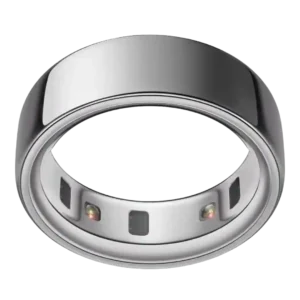
Choose RingConn Gen 2 Air. It scores 5.0 vs 2.4 for subscription value, with a 3.6 overall score.
If you want better pace tracking
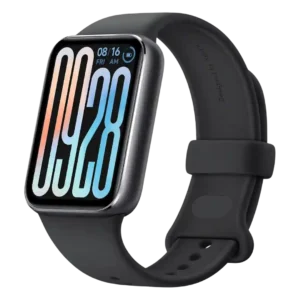
Choose Fitbit Charge 6. It scores 4.5 vs 1.5 for pace tracking, with a 3.6 overall score.
If you want better timer function
Choose Fitbit Inspire 3. It scores 4.5 vs 1.5 for timer function, with a 3.9 overall score.
Overall Top Activity & Fitness Trackers Alternatives
Good if you want a light, comfortable tracker with long battery life and strong sleep/activity basics. Skip it if you need built-in GPS, a larger screen, advanced training data, or...
Pros: fitness coaching, Strava compatibility
Cons: music controls, third-party app compatibility
Best for a comfortable, affordable tracker with strong battery life, sleep tracking and everyday health stats. Skip it if you need dependable built-in GPS, advanced running metrics, broad music controls...
Pros: Strava compatibility, workout mode variety
Cons: elevation tracking, data syncing reliability
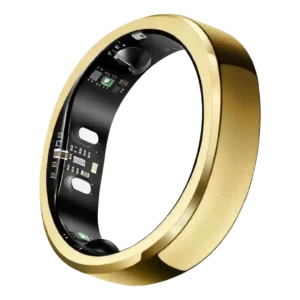
Best for a comfortable, long-lasting, subscription-free smart ring at a low price. Skip it if you need dependable workout heart-rate data, richer coaching, or the Gen 2 charging case.
Pros: Bluetooth reliability, subscription value
Cons: smartphone notifications, automatic workout detection
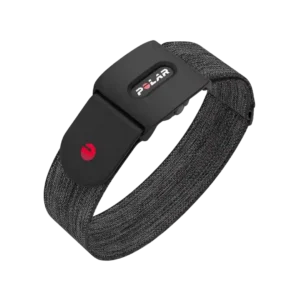
Good if you want a screenless, long-lasting recovery tracker with excellent app insights. Skip it if you need low-cost ownership, live wrist metrics, smart features, or highly consistent wrist HR...
Pros: activity reminders, goal tracking
Cons: music controls, smartphone notifications