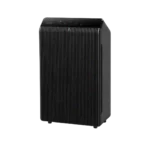
Winix 5510 Feature Scores
Explore all 47 feature scores for Winix 5510, organized into pros and cons.
Scores by Feature
Summary
47 reviewed features-
Very positive 4.5-5.017 (36%)
-
Positive 3.5-4.420 (43%)
-
Neutral 2.5-3.47 (15%)
-
Negative 1.5-2.43 (6%)
Pros
Sort
-
Design was one of the strongest areas, with repeated praise for the modern, elegant, high-end, and living-room-friendly appearance.
-
Ozone-free operation evidence was strong, with reviewers citing safe operation, no harmful ozone, or zero ozone emissions in tests.
-
Odor reduction was a major strength, with reviewers reporting light household, cooking, pet, and litter-box odor improvement.
-
Maintenance was consistently praised as simple, from filter changes to removing and cleaning the pre-filter.
-
Sleep mode was well regarded for bedroom use, dimming behavior, and automatic night-mode operation.
-
Safety evidence was strong, with reviewers citing verified performance, strict standards, and zero ozone-emission results.
-
The pre-filter was praised for easy cleaning, pet usefulness, visible capture, and supporting longer filter life.
-
HEPA filtration earned strong praise as a key reason behind test performance and as a major part of allergen and particle capture.
-
The true HEPA filter received strong praise as a crucial filtration stage and a key reason for the purifier’s performance.
-
Most reviewers praised the Winix 5510 as a strong purifier, though comparison testing criticized weaker quiet-speed performance and a noisier smaller chassis.
-
Value opinions were mixed: many reviewers called it worthwhile or exceptional, while comparison testing preferred alternatives or older models.
-
Smoke removal evidence was positive, with reviewers citing smoke-test results and quick cleanup after cooking smoke.
-
Reviewers liked the separate pellet carbon setup and odor role, but one comparison warned the carbon amount is too low for serious chemical fumes.
-
Reviewers liked the multi-stage and separate-filter design, especially the ability to handle carbon and particle filters separately.
-
App connectivity was generally reliable and easy to set up, although one comparison review called the app basic rather than advanced.
-
Room coverage was generally positive within recommended spaces, though one review cautioned against significantly oversized rooms.
-
Build quality was praised, with reviewers describing the unit as outstanding, high quality, and solid in side-by-side handling.
-
Coverage evidence was positive, with reviewers citing multiple air changes per hour in recommended rooms and effective circulation in typical spaces.
-
The washable pre-filter was consistently praised for easy cleaning and long-term savings.
-
Wi-Fi reliability was positive, with reviewers reporting clean setup, no bugs, and no connectivity issues.
-
Size and footprint were praised for compactness and easy placement, though one comparison linked the smaller body to performance and noise tradeoffs.
-
Smart features were useful overall, especially app control and automatic functions, but several reviewers found the smart ecosystem basic.
-
CADR-related evidence was positive at top speed, with reviewers citing strong clean-air delivery and competitive raw performance.
-
Portability was positive, with reviewers citing the handle, solid body, and compact design as making movement easier.
-
Indicator lights were useful to reviewers, providing visible air-quality feedback and filter-change cues.
-
Allergen evidence was positive, with reviewers connecting HEPA filtration to allergy relief and removal of allergens and dust.
-
Handle design was praised in movement contexts, with reviewers noting the top slot or handles make the purifier easier to relocate.
-
Filter life was viewed positively, with reviewers citing long-lasting filters and indicators that help avoid premature replacement.
-
Fan speed evidence was mixed, with praise for strong airflow and balance on some modes but criticism of performance drops at quiet speeds.
-
Particle removal was strong in several tests, including 96% improvement claims, but quieter-speed comparison results were weaker.
-
Controls and display readability were viewed positively, with reviewers describing the panel as intuitive and the buttons as clear.
-
Dust removal evidence was positive but limited, supported by a visibly dirty pre-filter and HEPA comments about catching dust.
-
VOC reduction was mixed: reviewers liked carbon and PlasmaWave roles, but carbon quantity was criticized for serious chemical fumes.
-
Auto mode drew mixed reactions: reviewers liked automatic speed changes, but gas-sensor limitations and lack of sensitivity control reduced confidence.
-
Pet-related evidence was favorable, especially for pet owners needing pre-filter capture, dander removal, and odor control.
-
Pollen removal evidence was positive but narrow, tied to allergen-removal discussion that named pollen as being removed.
-
Reliability evidence was limited but positive, centered on verified, reliable purification rather than long-term ownership data.
Cons
Sort
-
Filter availability was a recurring drawback because reviewers noted limited third-party or generic filter options for the newer model.
-
Child lock was a clear weakness in the comparison review, which called its absence disappointing.
-
PM2.5 and particle detection was weak in comparison evidence because the 5510 relies on a gas sensor rather than a particle sensor.
-
Scheduling was mixed to weak: basic timers were appreciated, but advanced scheduling and automation were repeatedly described as lacking.
-
Sensor feedback was mixed: odor detection worked in some reviews, but several reviewers criticized the gas-only sensor for limited particle responsiveness.
-
Filter replacement cost was mixed to negative, with some reasonable-maintenance language but repeated concerns about expected price and lack of generic savings.
-
Energy efficiency was mixed: some reviewers called operation economical or well optimized, while others found it less efficient or more power hungry.
-
Power consumption was mixed: some reviews found usage economical or fair, while others called it less efficient and more power hungry.
-
Real-time monitoring was mixed: LED and odor detection were useful, but app data lag and lack of off-state tracking were drawbacks.
-
Noise was the most divisive attribute: low and sleep speeds were praised, but top speed was repeatedly criticized as loud.