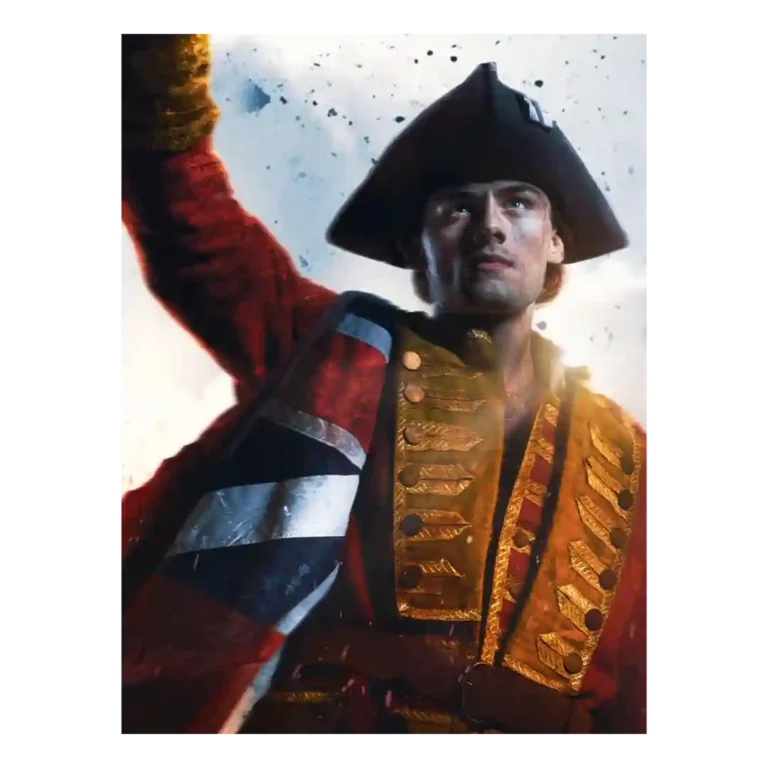
Choose Young Washington for a patriotic, faith-friendly historical drama with strong battle scenes and period scale. Skip it if you need nuanced character work, brisk pacing, or rigorous handling of slavery and history.
Best for
Best for viewers who want a patriotic, faith-friendly historical drama about early George Washington, especially those interested in colonial warfare, providence themes, and big-screen period spectacle.
Not for
Not for viewers who want a psychologically complex biopic, a fast-moving war epic, or a historically rigorous treatment of slavery, Native peoples, and 18th-century material culture.
Verdict
Young Washington comes across as an ambitious, often handsome origin story that plays best when it leans into battlefield scale, period atmosphere, and earnest themes of humility, courage, providence, and national memory. Many reviewers praised the visuals, war sequences, and recognizable supporting cast, and some found the film genuinely entertaining or inspiring. The tradeoff is depth: a steady stream of critics found Washington too bland or simplified, the screenplay too generic, and the pacing slow or uneven. Historical treatment is also divided, with some calling it mostly solid and others objecting to sanitized slavery, loose material culture, and hero-making shortcuts.
Compared in Reviews
Products reviewers directly compared with this model, grouped into quick takeaways.
Assassin's Creed
Compared: costume and material culture lookA historian reviewer grouped the film’s material culture with an Assassin’s Creed-like look rather than close fidelity.
Lincoln
Better: historical biopic executionOne critic says the movie attempts a young-icon biopic mode that Lincoln handled better.
Outlander
Compared: costume and material culture lookA historian reviewer thought the material culture looked like a knockoff of other period-media aesthetics.
Rewatch value is unusually strong for one enthusiastic reviewer who had already watched the movie three times. That enthusiasm is not universal, but it shows the film can work very well for its ideal audience.
The colonial setting impressed reviewers when the movie opened up into wide shots, historic homes, stone cities, and wilderness travel. That sense of world gives the film more scale than a small biopic might suggest.
As drama, the movie works best for reviewers open to a broad, inspirational historical adventure. It is called compelling and engrossing by fans, though not everyone felt the same depth.
Cinematography gets positive notice when reviewers discuss the battle sequences and the film’s period scale. The photography helps make the movie feel bigger and more theatrical.
Battle scenes are widely cited as one of the film’s strengths, with many reviewers praising their staging, scale, and impact. A few found the action exaggerated or less convincing, but the war sequences still drive much of the movie’s appeal.
Genre satisfaction depends heavily on appetite for patriotic historical biopics. Enthusiastic reviewers called it immersive and worthy, while others thought it felt more like the beginning of a TV miniseries.
Production design usually helps sell the period world, especially costumes, sets, horses, and battle environments. A historian reviewer liked one dancing scene but had concerns about broader material culture.
Message quality is a major reason supporters respond to the movie, especially its emphasis on humility, courage, providence, perseverance, and national reflection. Skeptics saw the same messaging as simplistic or propagandistic.
Family friendliness is helped by restrained content for a PG-13 war movie. One reviewer said general audiences can watch it because the violence holds back enough.
Visual style is one of the steadier strengths, with repeated praise for attractive images, wide views, and production polish. Negative reviewers still found some shots overdone or artificial.
Entertainment value is highly polarized. Fans found it good, engaging, thoroughly entertaining, or great, while detractors called it a nothing movie or too dull to justify the trip.
Audience appeal is strongest for faith-friendly, patriotic, and history-curious viewers. The film’s accessibility to secular audiences is praised, though broader appeal is less certain.
supporting cast performance: 3.8, based on 14 reviews
The supporting cast is a major selling point for many, especially Ben Kingsley, Kelsey Grammer, and Andy Serkis. Still, some critics felt the famous names stood out awkwardly or had too little to do.
Direction is another split area. Admirers credit Jon Erwin with clarity, scale, and graceful handling of faith themes, while detractors saw a lack of creative point of view.
The themes of ambition, providence, humility, and nation-building give the movie more weight for sympathetic reviewers. Others felt the film raises those ideas without enough complexity.
Costumes mostly support immersion, and some reviewers found them authentic enough or naturally worn. One historian-minded critique argued the period material culture leaves a lot to be desired.
Historical accuracy is sharply divided. Some reviewers thought the film was mostly solid or surprisingly accurate, while historian-minded critics objected to characterization, material culture, and simplified heroism.
Humor is not a major feature, but one positive review noted some lines land too hard rather than play naturally. The film is generally treated as earnest historical drama, not comedy.
William Franklyn-Miller gets real praise from some reviewers for presence, poise, and ambition, but others found his Washington bland, too polished, or not physically convincing. His performance works better for youthful striving than for fully persuasive greatness.
Dialogue drew both praise and criticism. Some reviewers liked its smart, polished, or even beautiful lines, while others found it too on-the-nose, misleading, or TV-miniseries-like.
Editing is split between a viewer who liked the editing and choreography and a critic who found a key ordeal quick and disorienting. The cutting can either energize the movie or blunt its emotional weight.
Violence is present but usually described as war violence rather than gore. Reviewers mention blood, deaths, mud, and jarring battles, while also noting it is not over-the-top or romanticized.
Realism is uneven. Some reviewers admired realistic battle staging, while others thought the movie leaned into stylized hero moments or audience-friendly polish over believability.
Acting reactions are mixed. Supporters call the performances solid or good, while several critics thought the cast felt uneven, underdirected, or weakened by accents and stiff delivery.
The ending divided reviewers sharply. One found the final emotional payoff elevated the whole film, while another thought the final act became hilariously bad.
Effects comments are mixed because some reviewers saw polish and good trailer effects, while others called the AI-looking moments distracting. The movie’s scale impressed some viewers but not all of its digital choices did.
Age suitability depends on tolerance for war scenes. Reviewers note no vulgarity or sexual content, but battle deaths and blood may unsettle younger viewers.
The movie is more intellectually stirring than emotionally overwhelming for at least one reviewer. Its ideas about nationhood and ambition can register even when the personal drama feels muted.
The story lands best for viewers who enjoy a patriotic origin tale about Washington learning through failure. Detractors found it flat, textbook-like, or too uninspiring to make the legend feel newly alive.
Several reviewers said the film explains the historical situation clearly enough, but others felt the arc loses focus or lacks the decisive moment that makes Washington feel inevitable. Viewers unfamiliar with the period may miss some character significance.
Character development is the most contested trait: some reviewers liked watching Washington grow through defeats, while many felt he remained too distant, bland, or simplified. The movie often presents the idea of greatness more strongly than the inner life behind it.
Pacing is one of the most repeated complaints. Even positive viewers noticed slow stretches, while less impressed reviewers called the first act jarring, sluggish, or dragged out.
The romance subplot is one of the weaker recurring notes. Some saw it as harmless, but others called it stiff, superfluous, or shoehorned into the script.
Cultural representation is one of the most consistent concerns among critical reviewers. Slavery is repeatedly described as overlooked, sanitized, or kept off-screen, even when the movie gestures toward the issue.
The screenplay gets frequent caveats. Reviewers liked its straightforward shape in places, but many said it does not dig deeply enough into Washington or human emotion.
Runtime is a concern in the review that discusses it directly. The movie was called very long, especially given complaints that it remains superficial.
Reviewers who touched on originality found the movie familiar rather than fresh, with some calling it generic or artificial. Its founding-father setup is clear, but the telling rarely surprised skeptics.
CGI-related remarks are negative where they appear. One critic felt the AI-looking battle imagery stuck out enough to sour otherwise competent action.
Compared With Category Average
Compared with other Movies, this product is above average in production design, dialogue quality, action sequences, below average in originality, plot originality, runtime.
Summary
8 compared features
Above average0.4+ pts higher63%
5 features
Same as averagewithin 0.3 pts0%
0 features
Below average0.4+ pts lower38%
3 features
Attribute
This product
Category average
Difference
production design
4.1
2.5
+1.6
dialogue quality
3.4
2.1
+1.3
originality
1.9
3.2
-1.3
plot originality
1.9
3.2
-1.3
runtime
2.0
3.2
-1.2
action sequences
4.2
3.3
+1.0
visual style
3.9
3.0
+0.9
supporting cast performance
3.8
3.2
+0.6
FAQ
Is Young Washington more of a war movie or a character drama?
Reviews describe it as both, but the war-movie elements tend to land better. The character drama is where many critics wanted more depth.
Are the battle scenes good?
Yes, battle scenes are one of the most frequently praised parts. Several reviewers called them well-staged, harrowing, captivating, or visually compelling, though a few found some action exaggerated or artificial.
Is the movie historically accurate?
Opinions are split. Some reviewers found the history mostly solid or surprisingly accurate, while historian-minded critics objected to characterization, costumes, material culture, and simplified context.
Is it appropriate for families?
The content is restrained for PG-13, with no vulgar language or sexual content noted. The caution is war violence, including battle scenes, deaths, and some blood that may unsettle younger viewers.
How is William Franklyn-Miller as George Washington?
Some reviewers praised his poise, presence, and ambition. Others found him bland, too polished, or better at playing youthful striving than convincing future greatness.
What is the biggest weakness reviewers mention?
The most common weakness is thin characterization. Many critics felt the screenplay does not let viewers far enough into Washington’s inner life.
Sample Expert Reviews We Analyzed
These are a few of the reviews included in our analysis.

Best for a patriotic, faith-friendly historical drama with strong battle scenes and period scale. Skip it if you need nuanced character work, brisk pacing, or rigorous handling of slavery and...
Best for a fast AI-court popcorn thriller with suspense and Rebecca Ferguson. Skip it if weak logic, messy themes, or a divisive ending will ruin the ride.
Best for Milly Alcock, Lobo moments, practical creature work, and a darker DC space-western mood. Skip it if you need a tight story, strong villain, kid-friendly tone, or satisfying action...