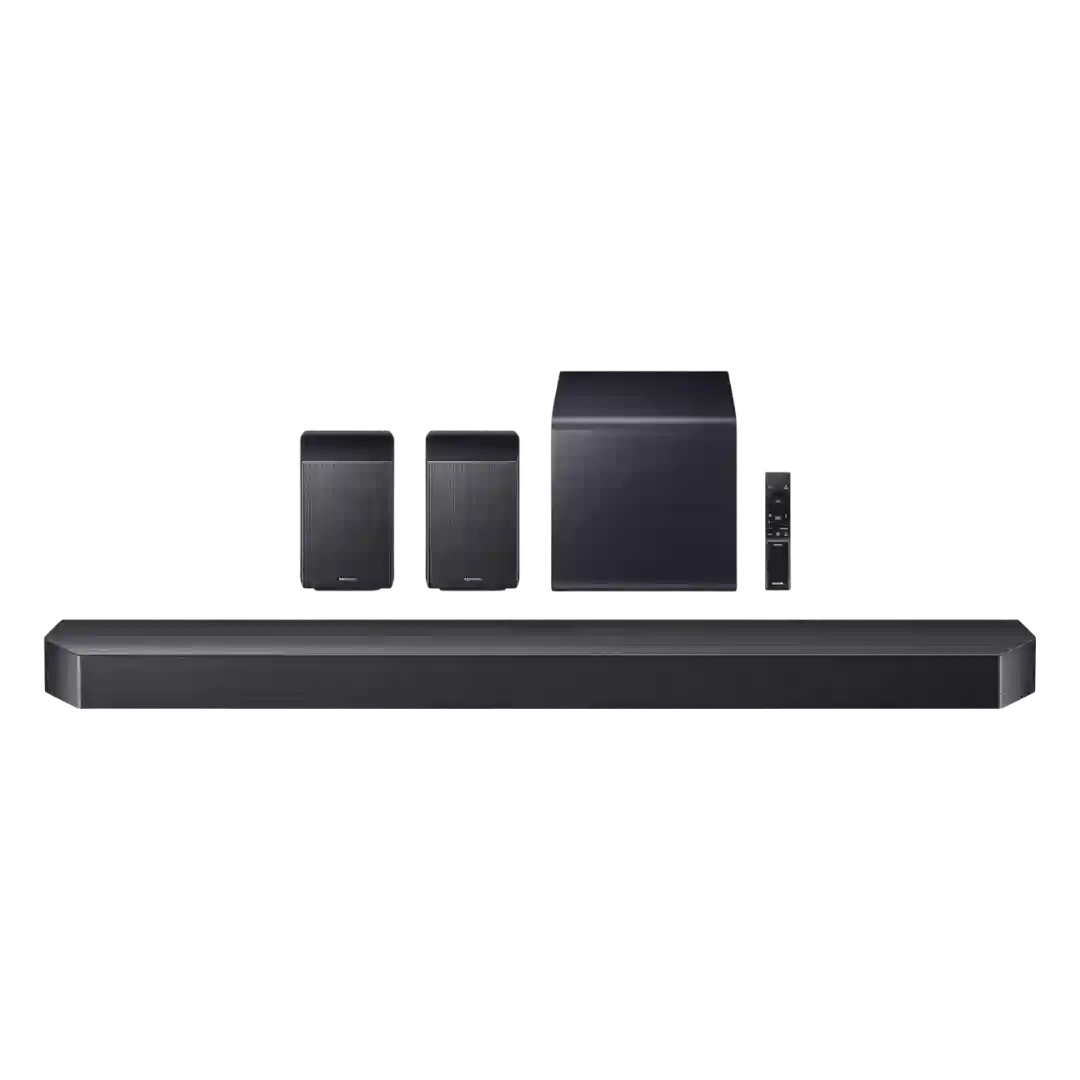
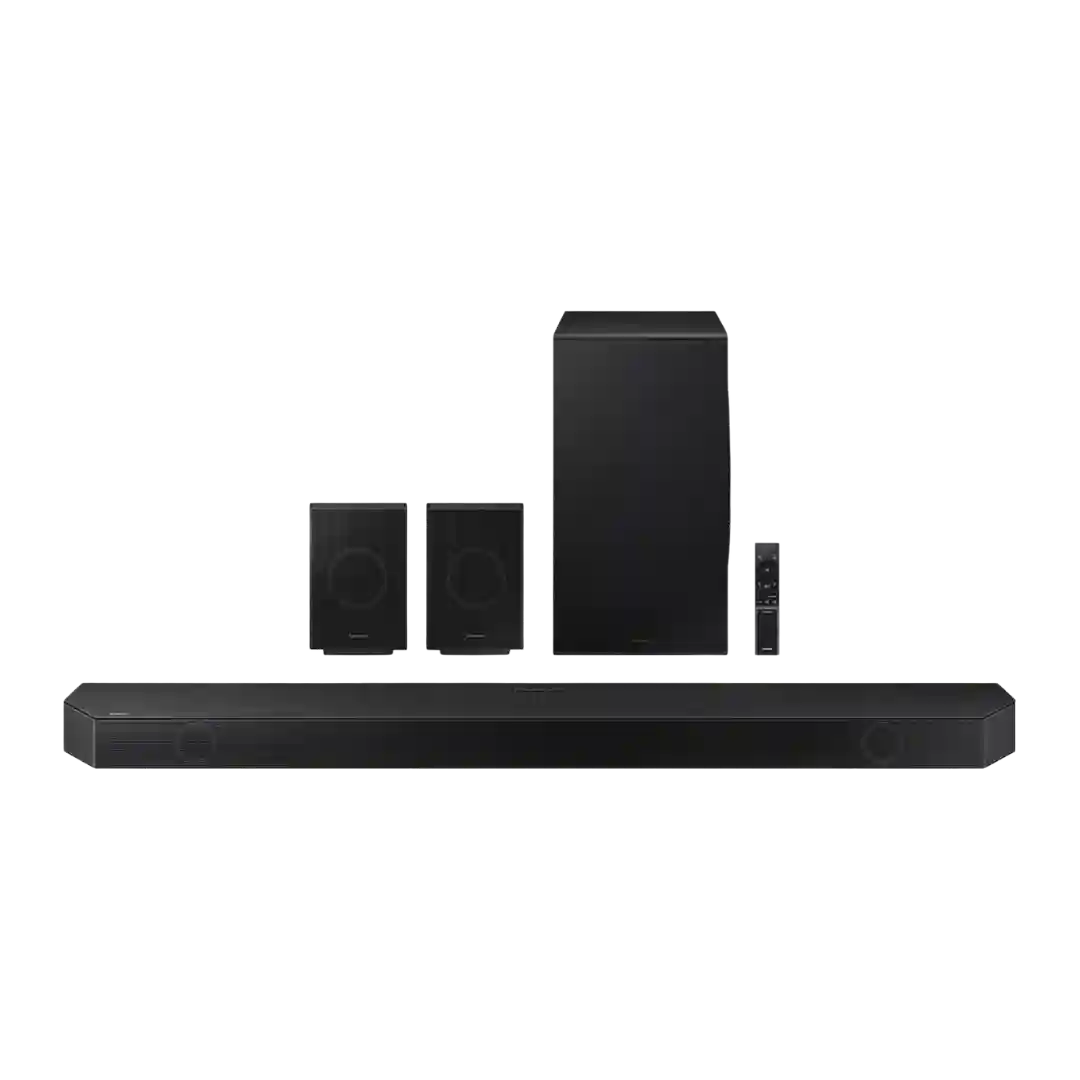
Format support is a major strength: reviewers cite Dolby Atmos and DTS:X support, with some also noting Samsung/Google’s Eclipsa Audio readiness alongside common Dolby legacy formats.
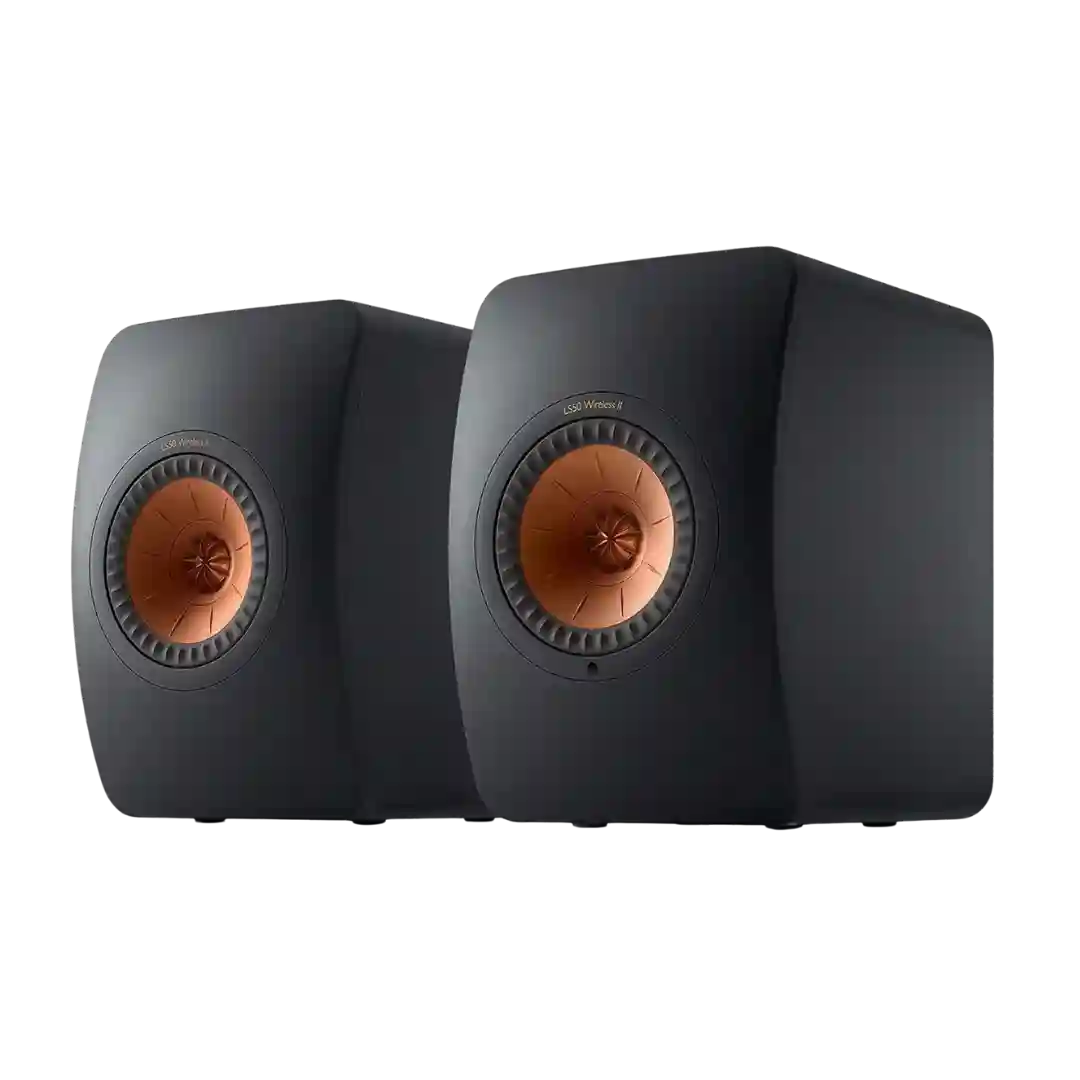
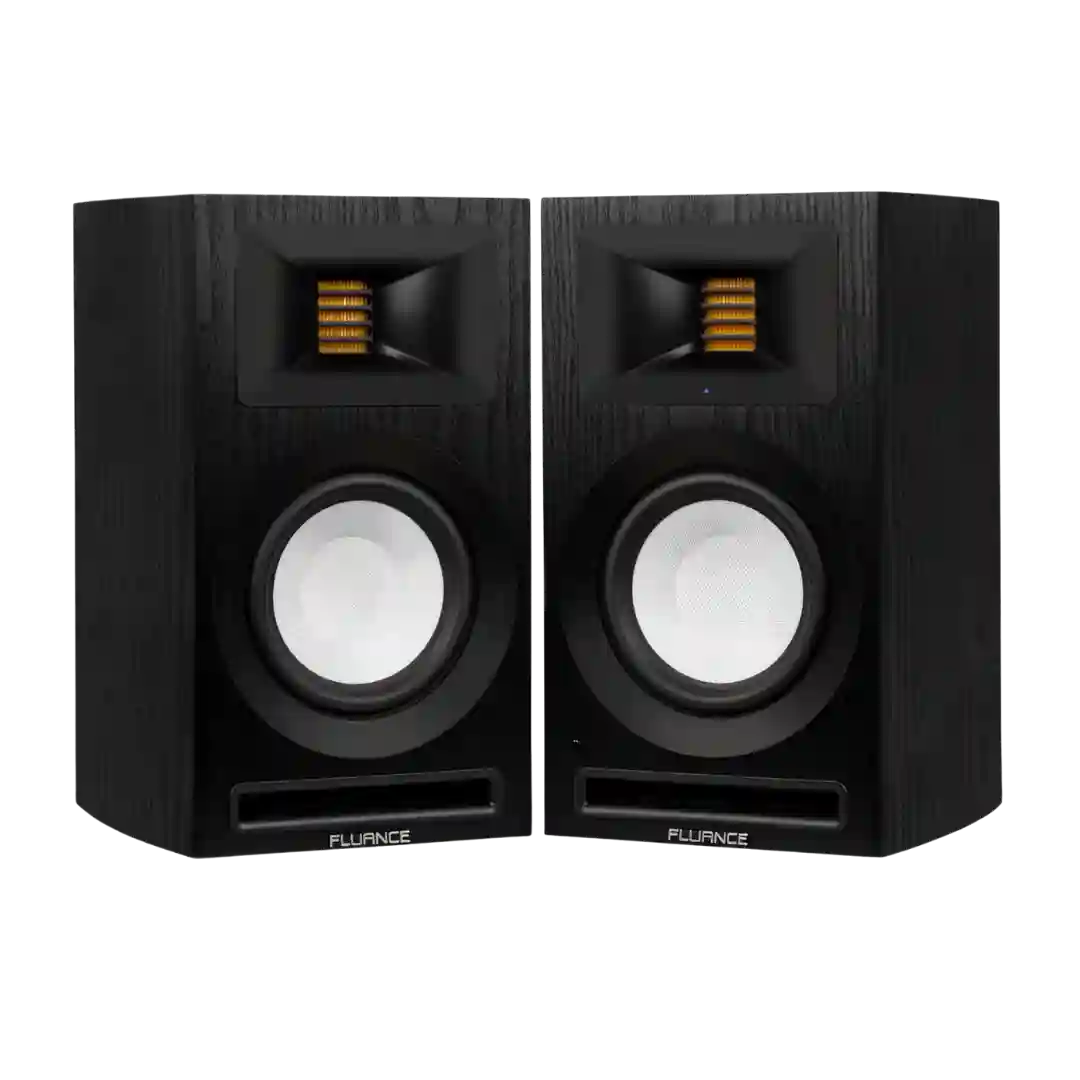
Wireless II is repeatedly credited with broad hi-res support including up to 24-bit/384kHz playback, plus DSD256 and MQA core decoding; several reviews note that speaker-to-speaker wireless linking can downsample and that wiring the pair unlocks higher inter-speaker resolution.
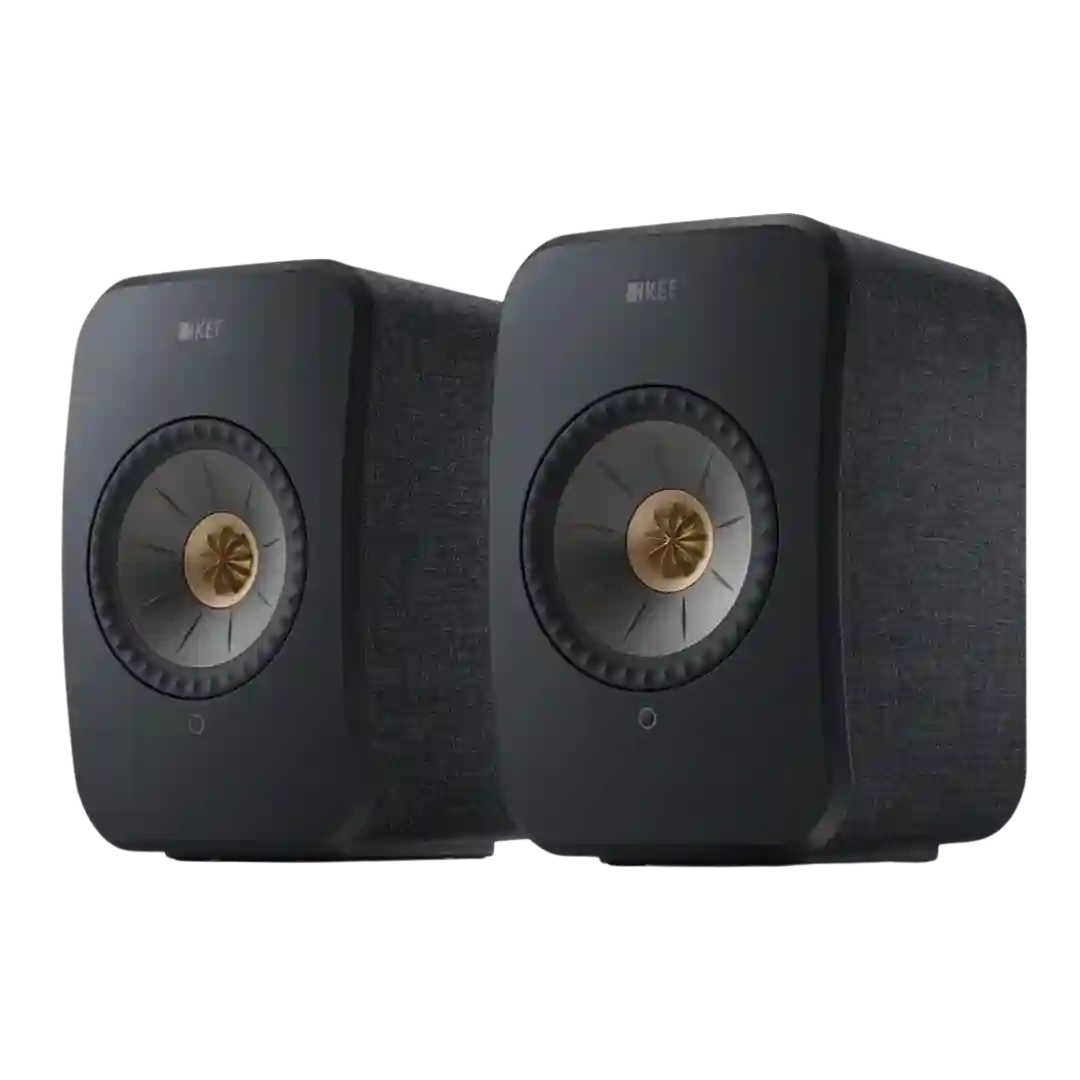
Format support is a clear strong point, with repeated praise for broad hi-res handling, streaming service coverage, and flexible digital playback paths.
Codec and signal support are solid for the price, with AAC and aptX-family Bluetooth plus HDMI ARC, though the omission of USB and optical narrows digital-audio flexibility.
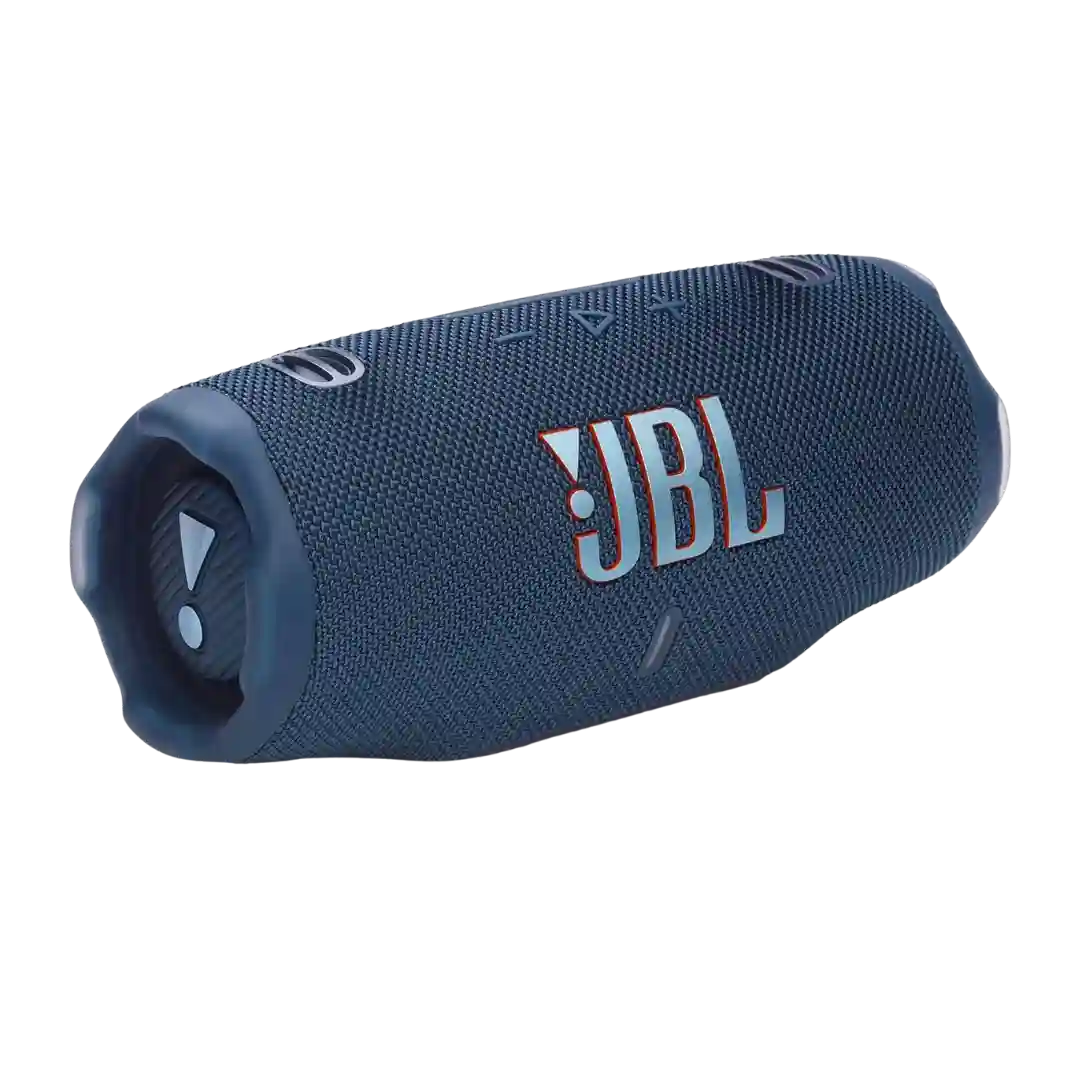
Beyond standard Bluetooth playback, multiple reviews highlight USB-C wired playback supporting lossless or hi-res audio from compatible sources, making format support a notable strength when used wired.
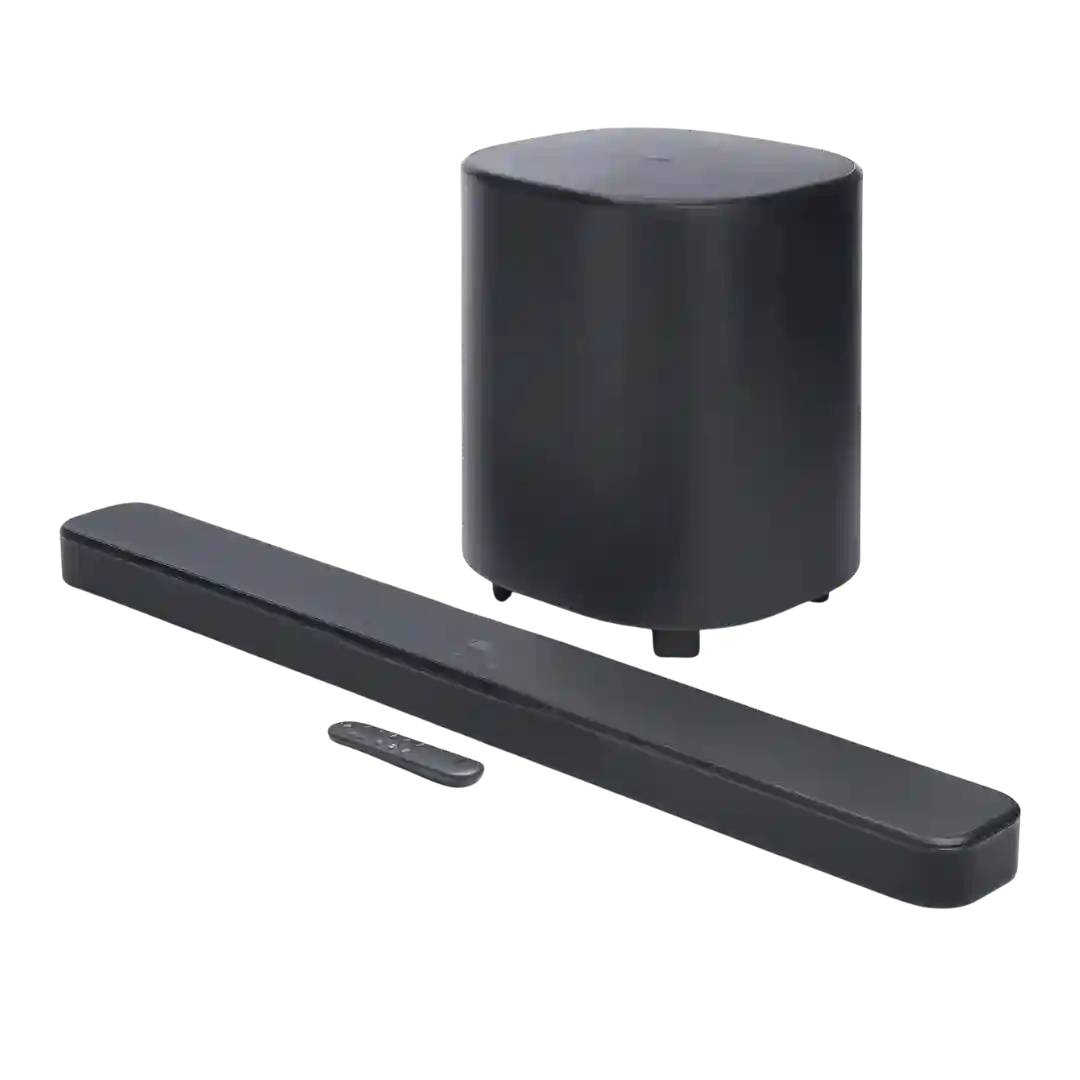
Dolby Atmos support is consistently referenced; some reviews also mention DTS Virtual:X, while at least one video review (older Bar 500) notes a lack of DTS support. Expect strong format coverage for mainstream movie streaming and discs, with some variability by generation.
Strong Dolby support is a headline feature, including Dolby Atmos; higher quality Atmos can depend on eARC and proper TV passthrough. Optical fallback is typically limited to non-Atmos formats, and DTS:X is not supported.
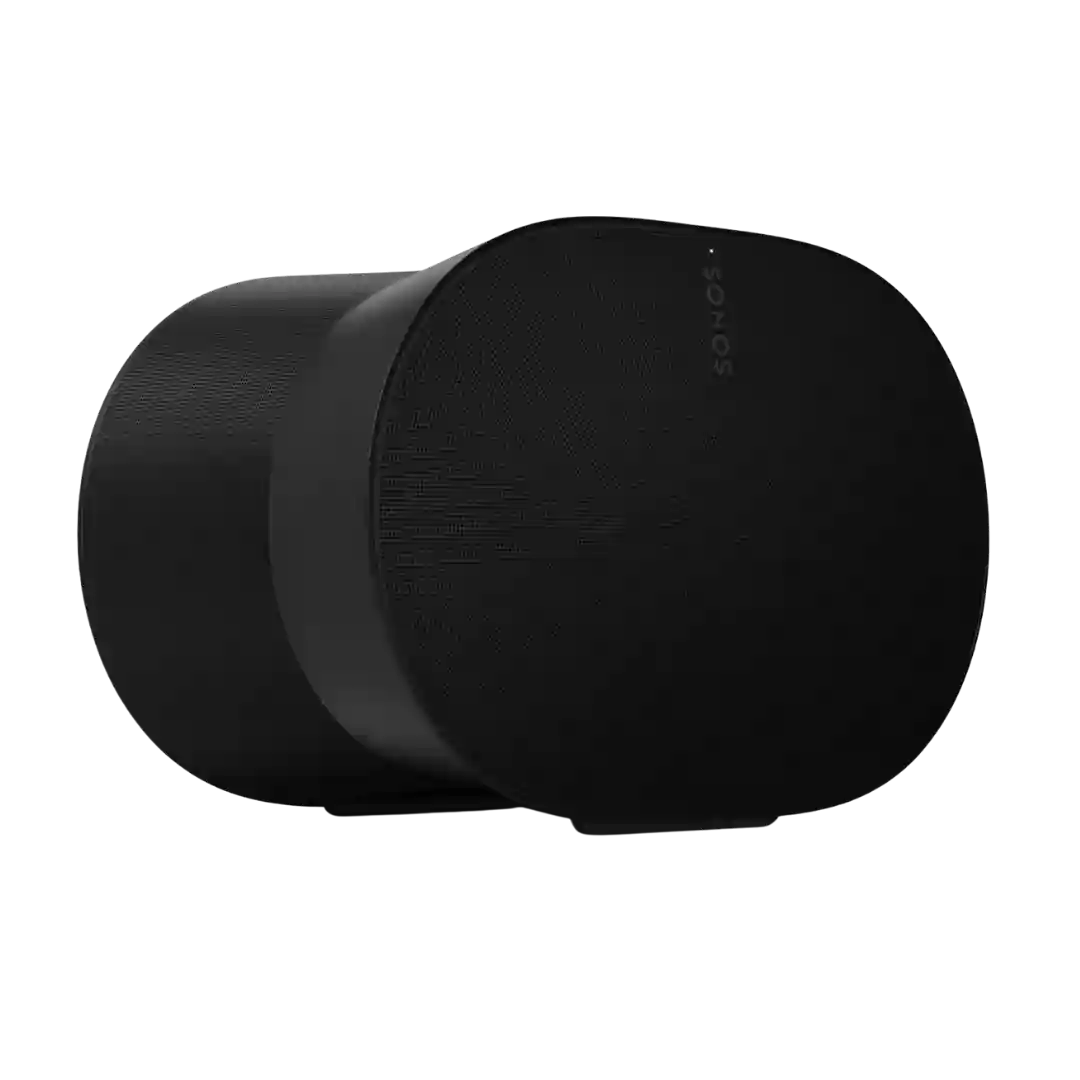
The Era 300 handles stereo, high-res, and Dolby Atmos well, but its headline Atmos support is still constrained by service compatibility and app-based playback. That keeps format support strong overall rather than completely frictionless.
Digital format support is solid for mainstream use, especially with USB-C and HDMI ARC. A few reviewers flagged the 24-bit/96kHz USB ceiling as acceptable but not especially future-proof.
Reviews agree the Nova S50 handles Dolby Atmos and Dolby Digital signals properly for a budget bar, but several reviewers stress that it delivers virtual rather than true Atmos because the 2.1 layout lacks real height drivers.
Strong Dolby Atmos decoding and broad hi-res/lossless support, but notable gaps include no DTS:X and limited Dolby Atmos Music support depending on source and service.
USB-C wired playback is reported to support lossless/hi-res sources in several reviews, but some hear only subtle gains versus Bluetooth and one reviewer could not get USB audio working, making it somewhat setup-dependent.
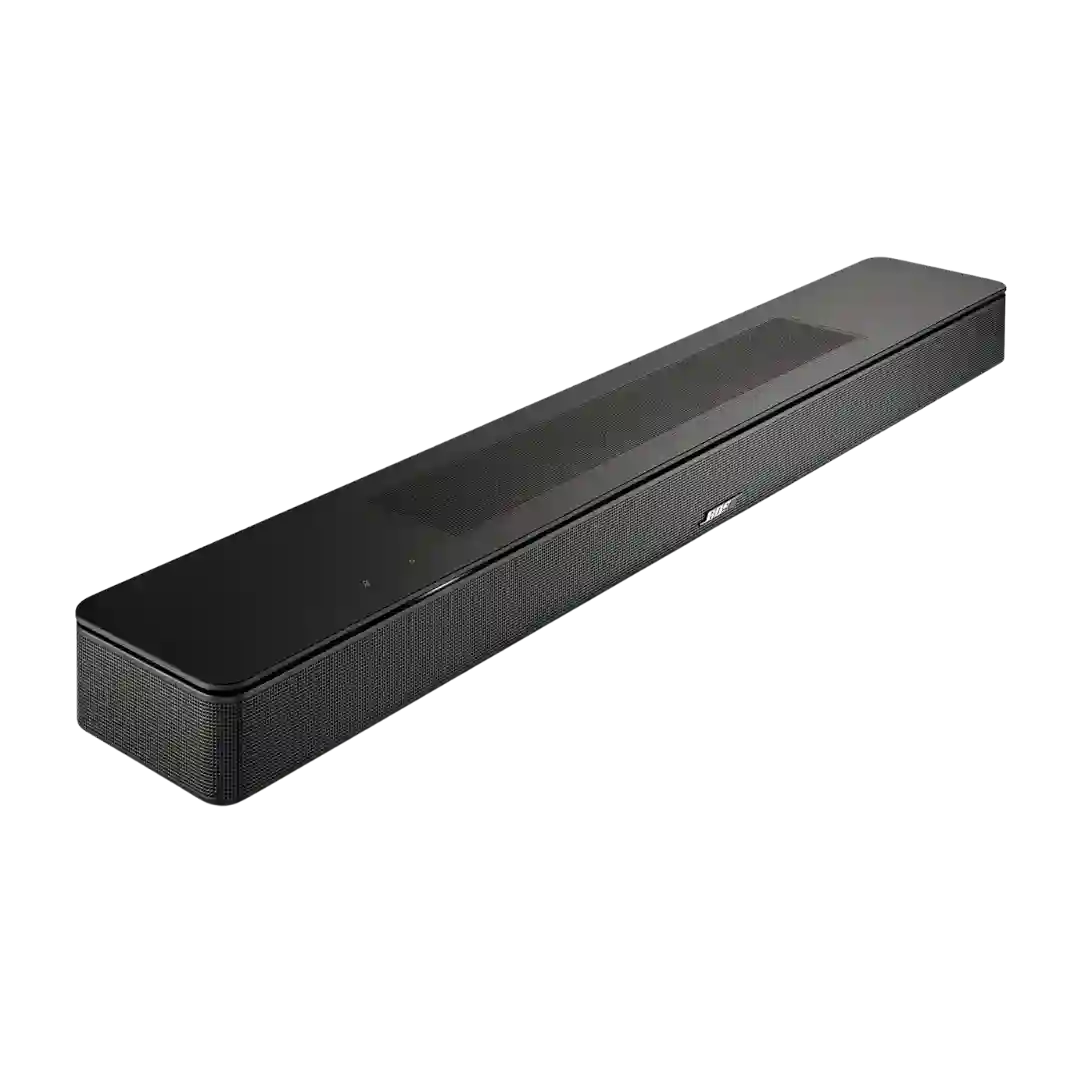
The bar supports Dolby Atmos and Bose TrueSpace processing, but reviewers also noted missing DTS or DTS:X support and the need to use HDMI rather than optical for full Atmos playback.
Reviews agree the HT-S100F handles basic TV audio well but has limited format ambition, with explicit mention of missing DTS and no Atmos-grade presentation.
Audio format support is described as basic: Dolby Digital/Dolby Audio is referenced, while Dolby Atmos and DTS-family immersive/decoding features are repeatedly noted as missing.