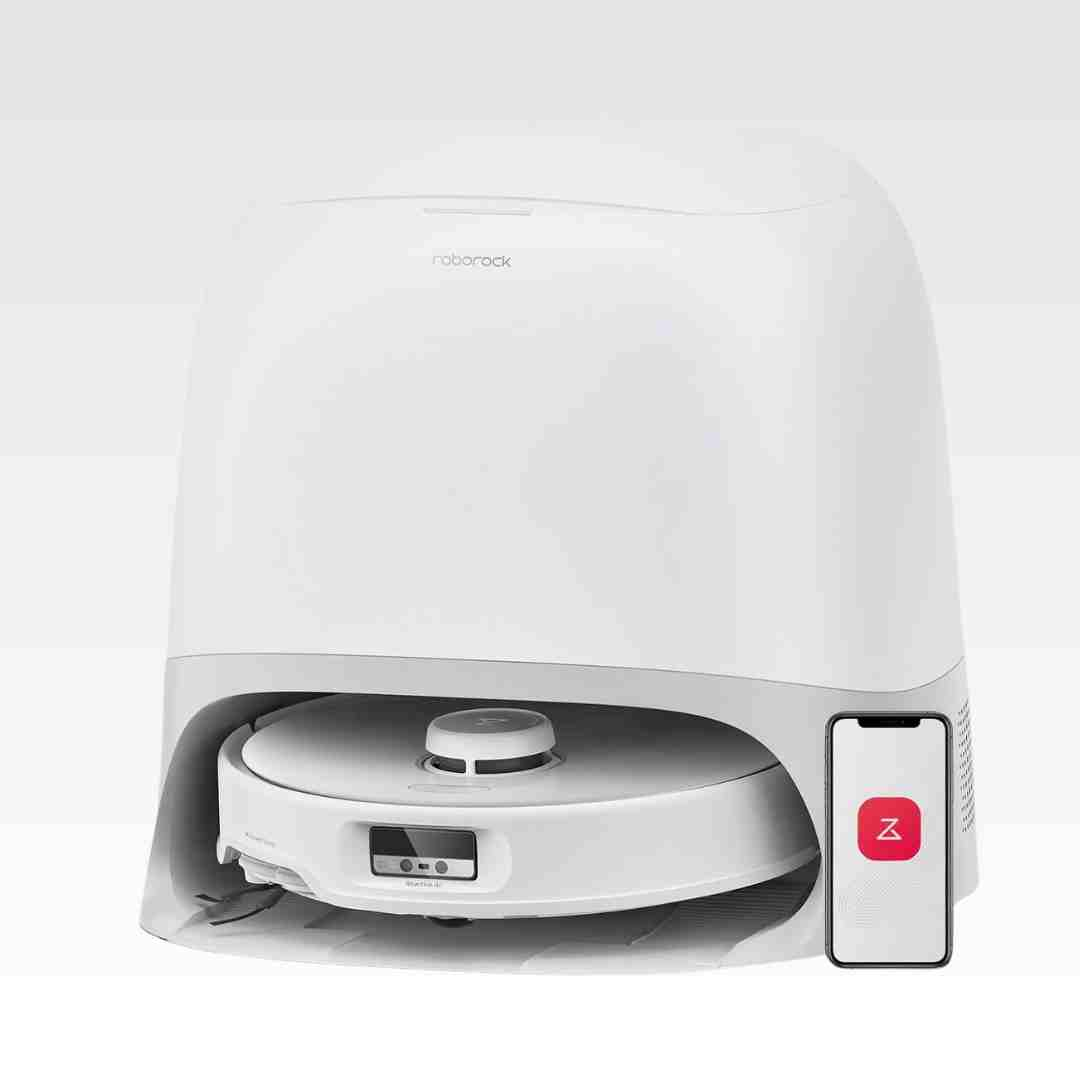
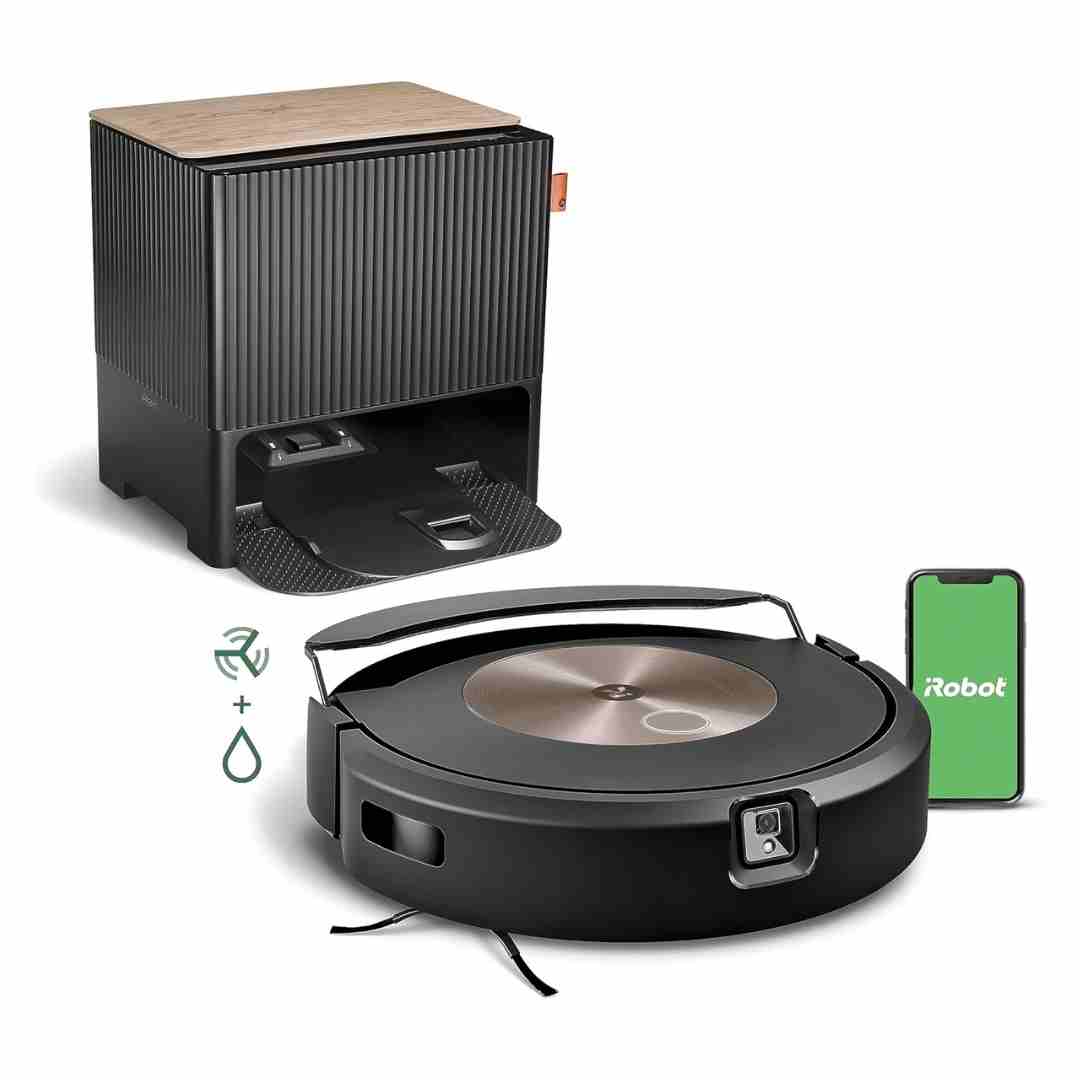
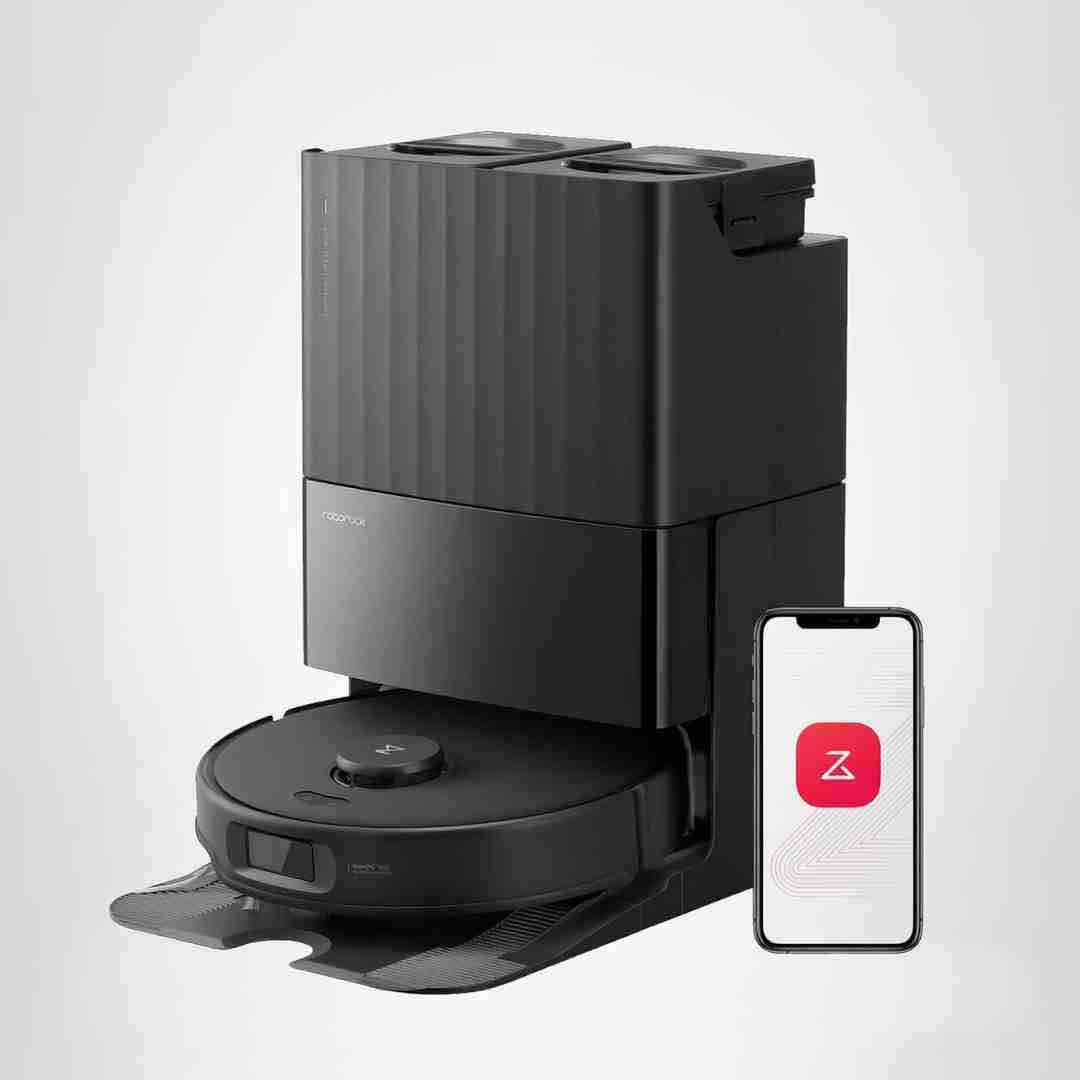
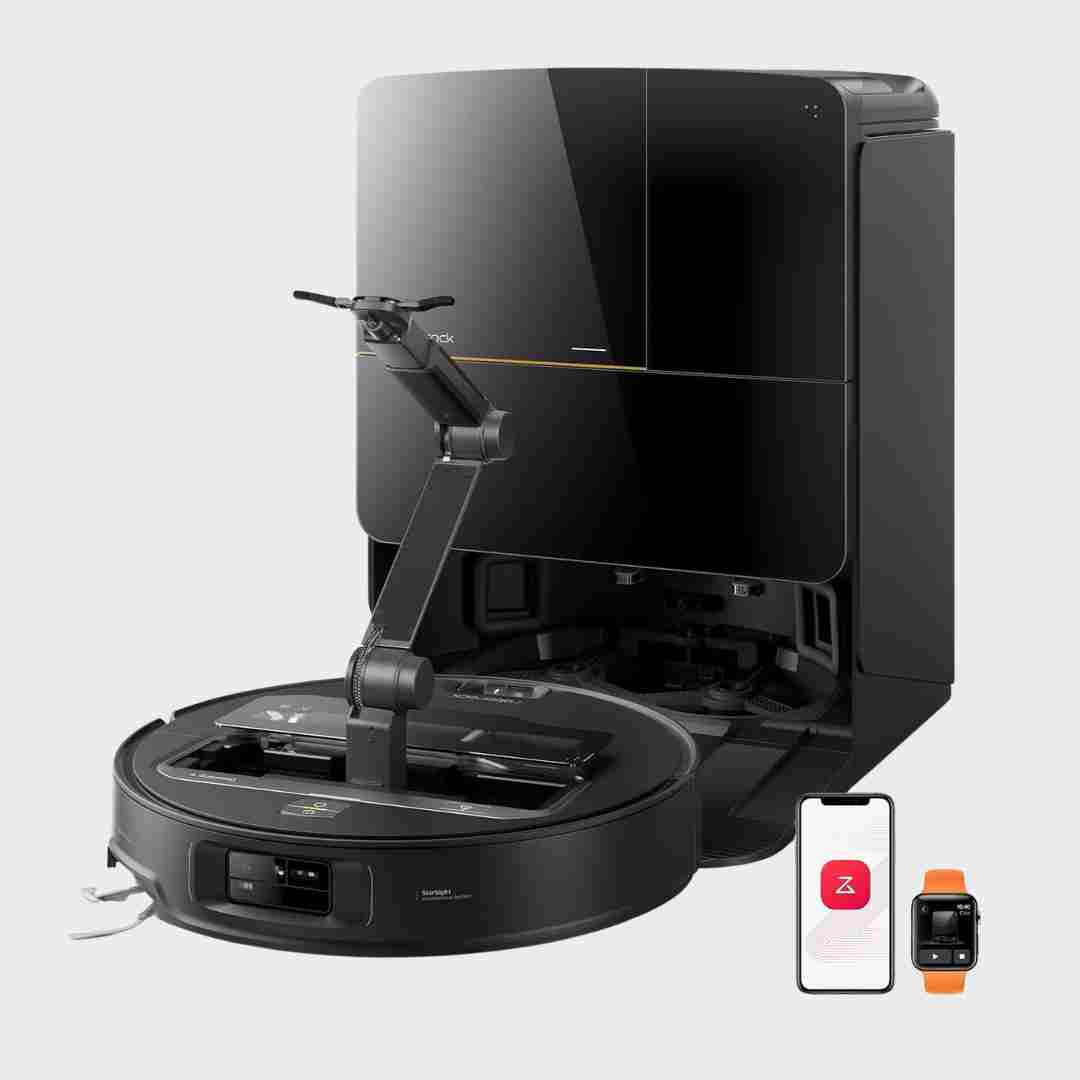
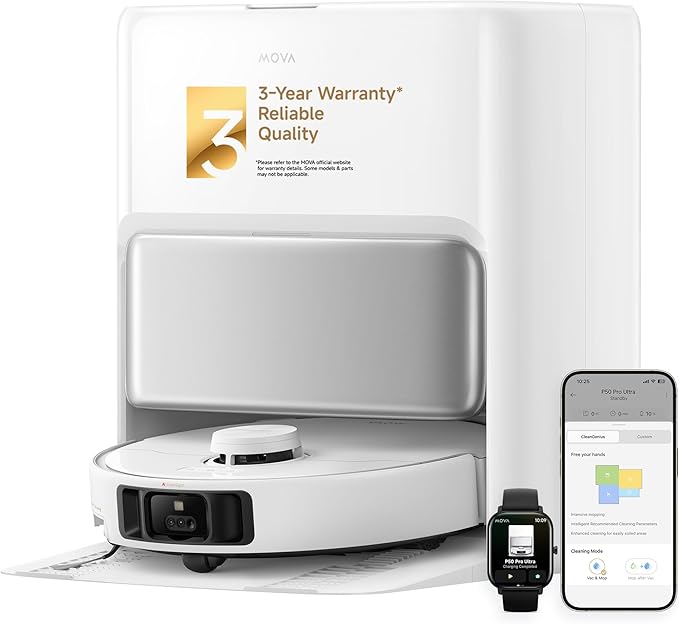
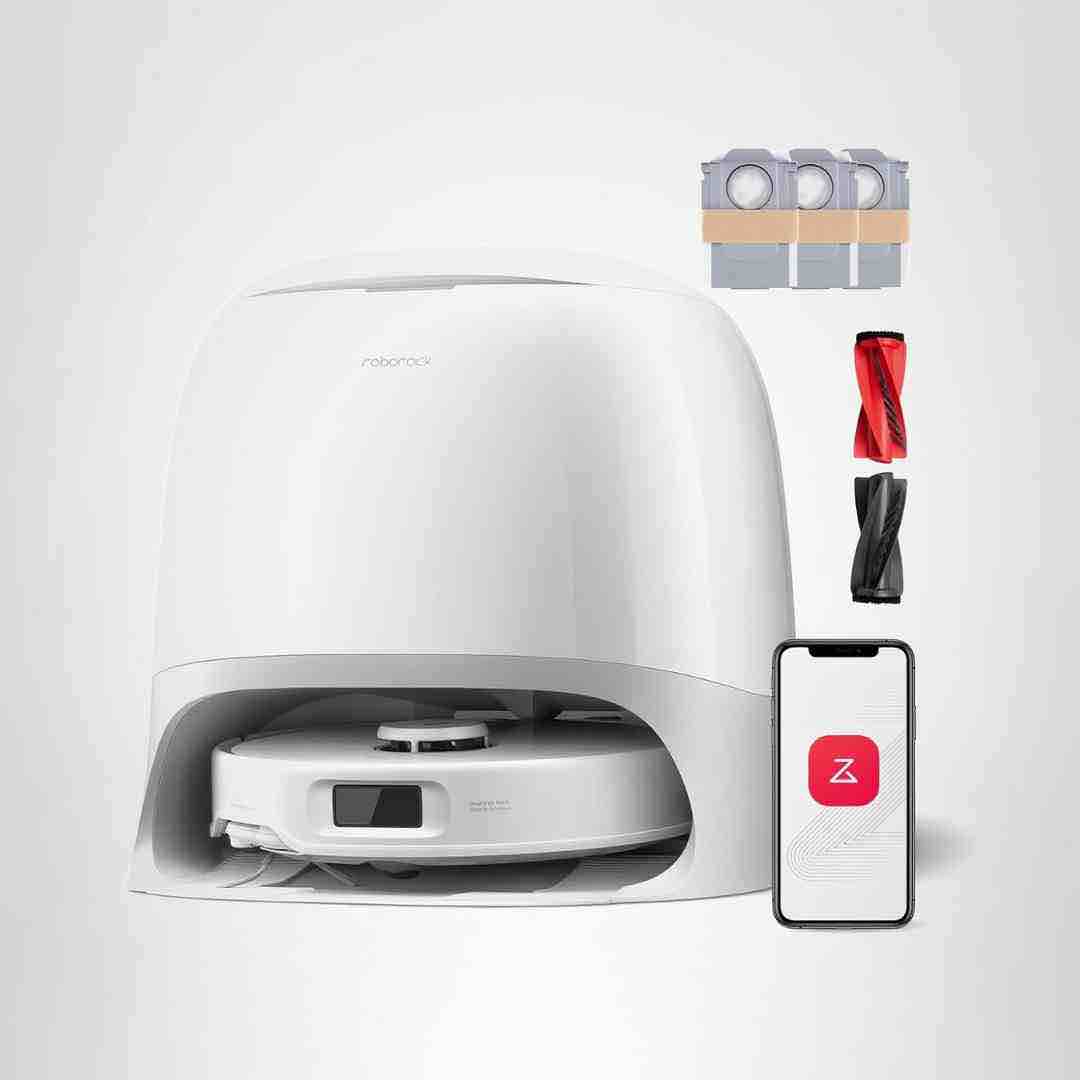
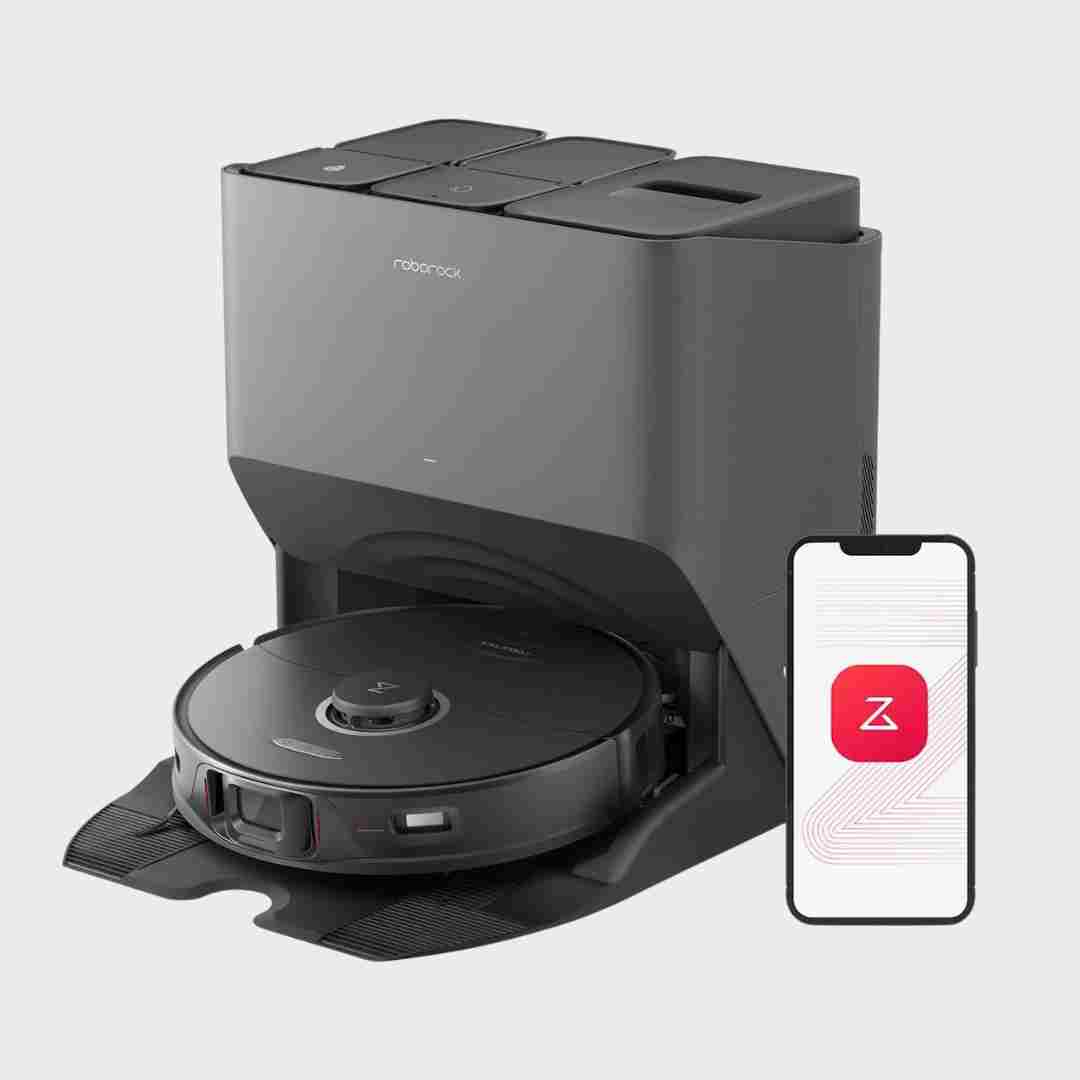
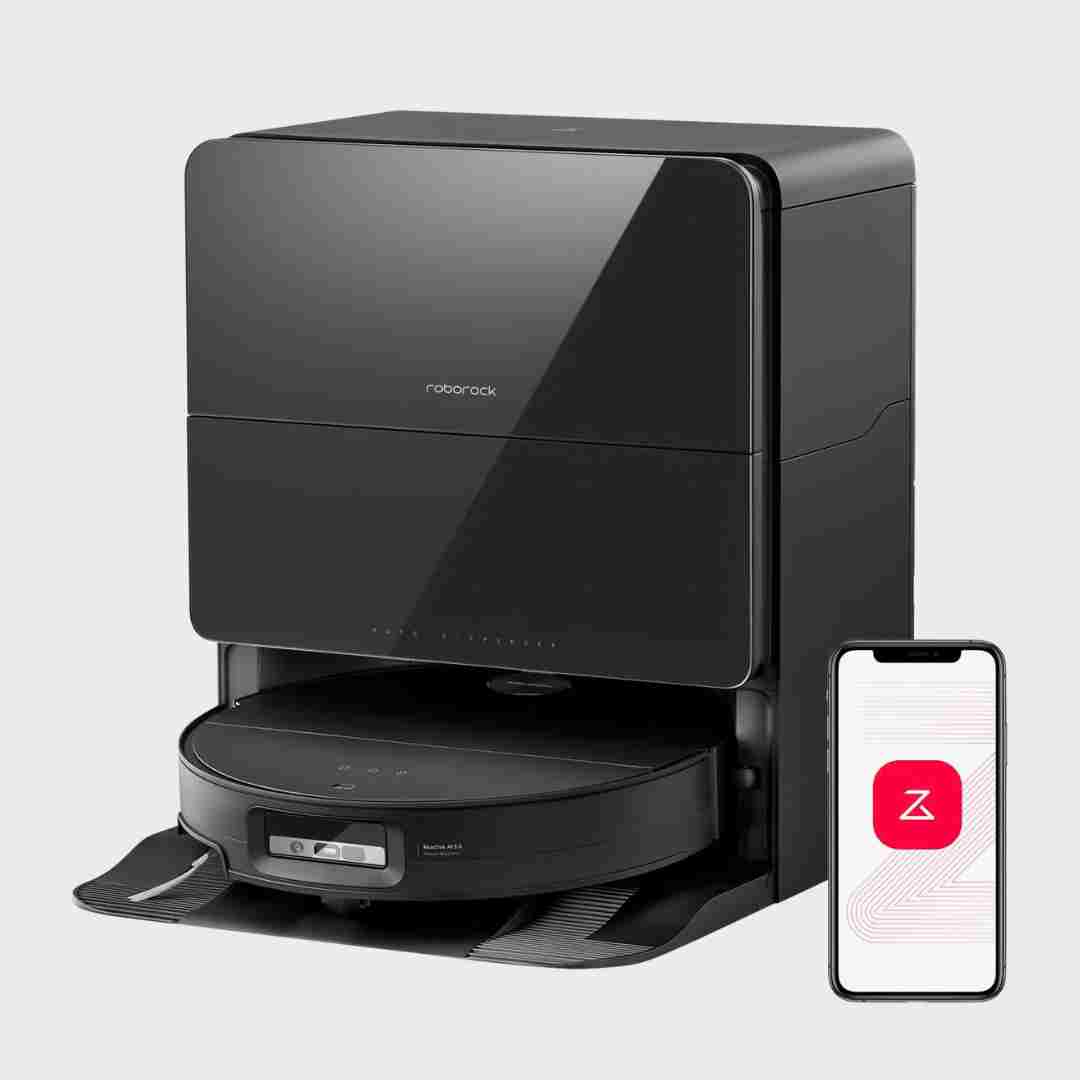
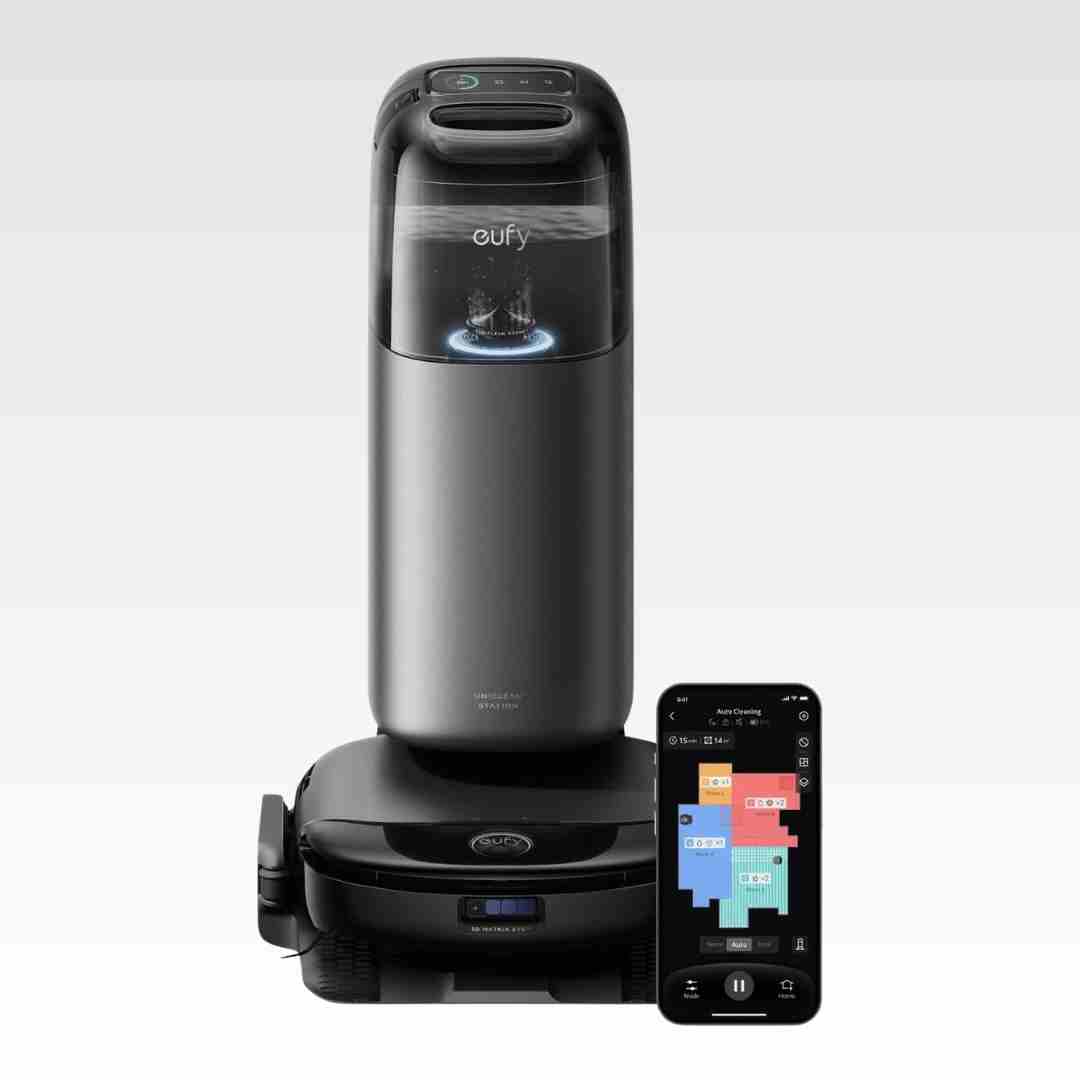
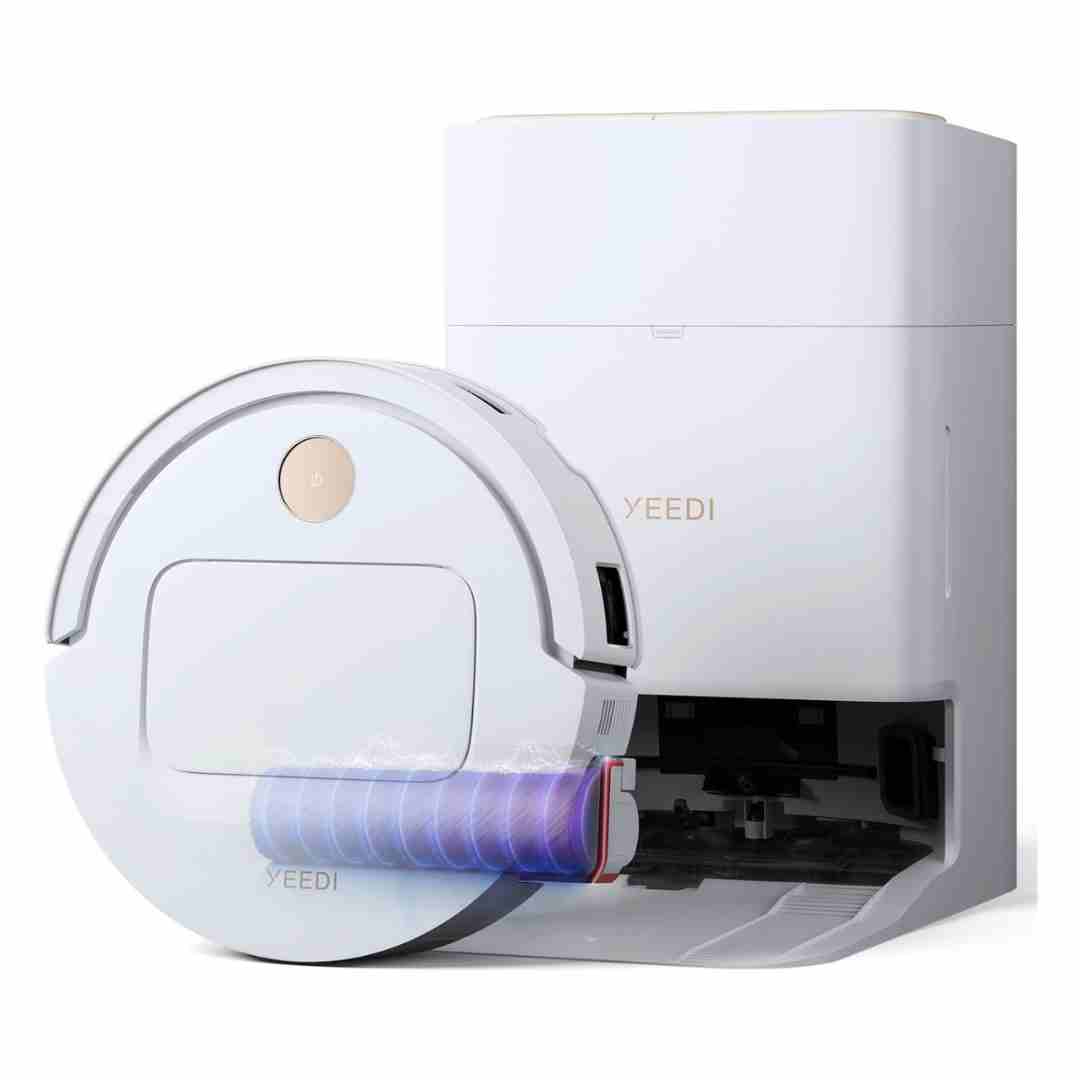
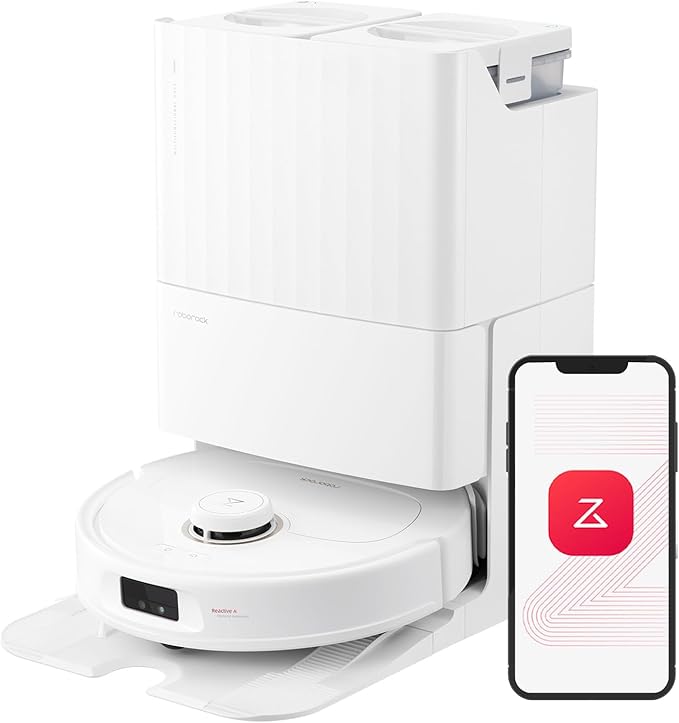
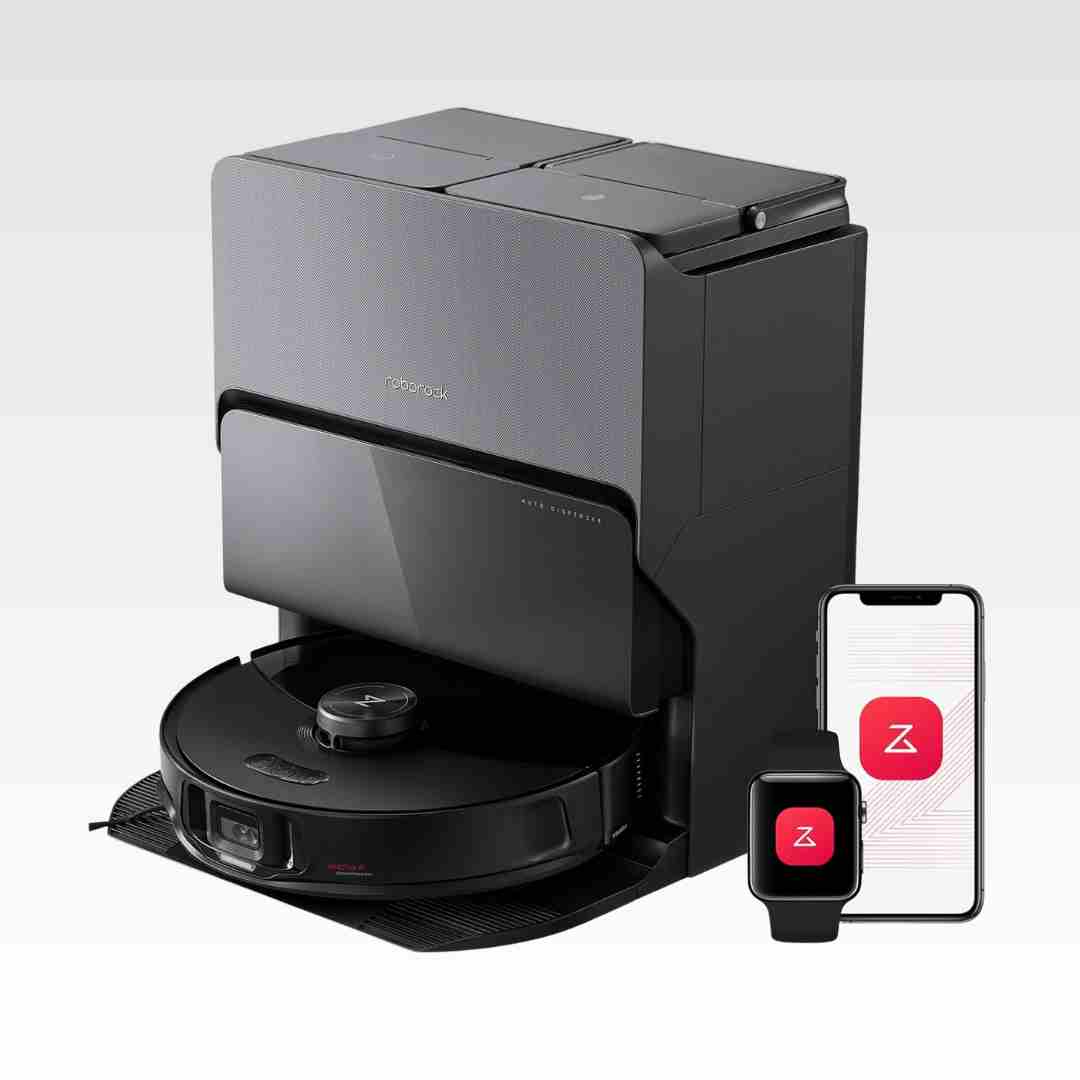
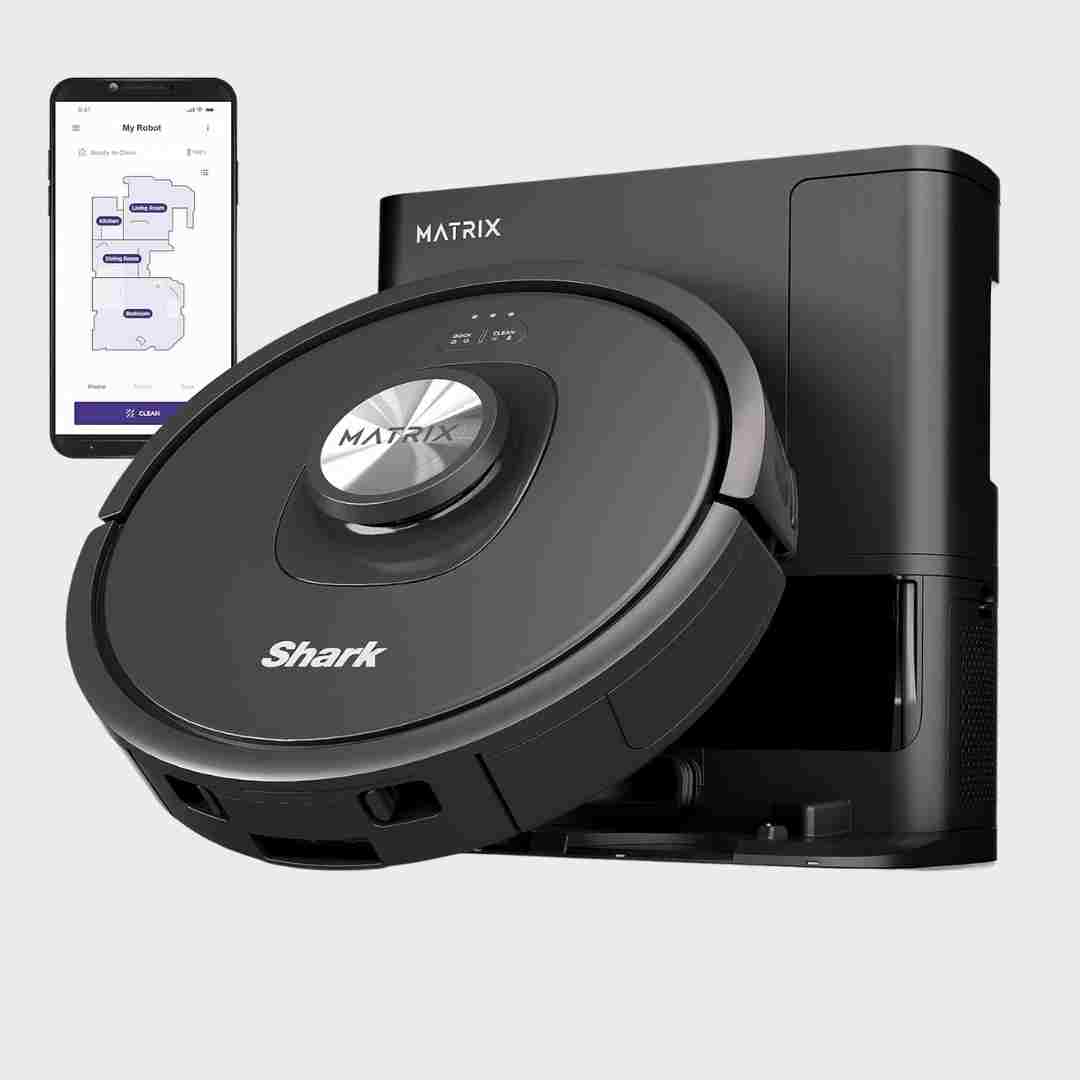
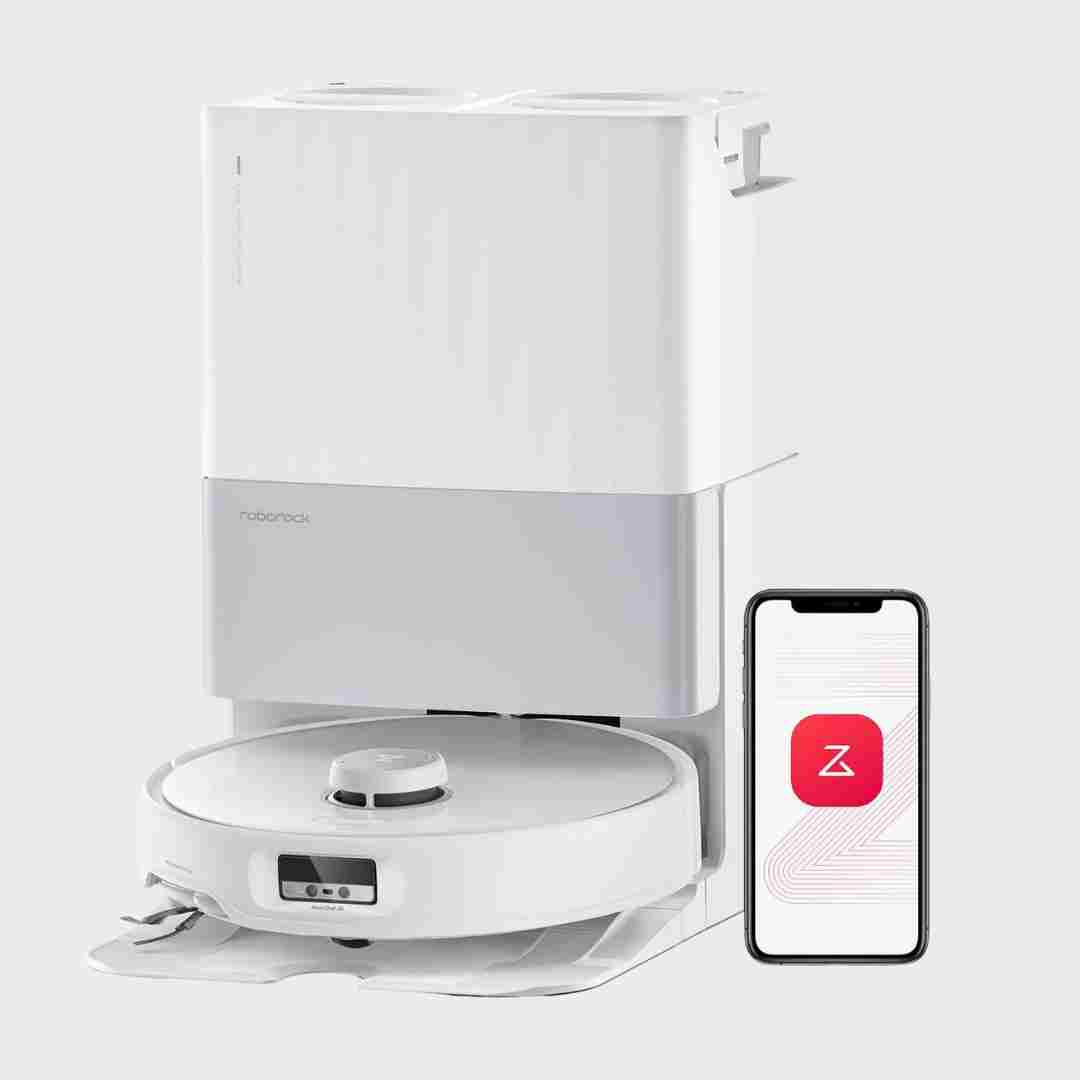
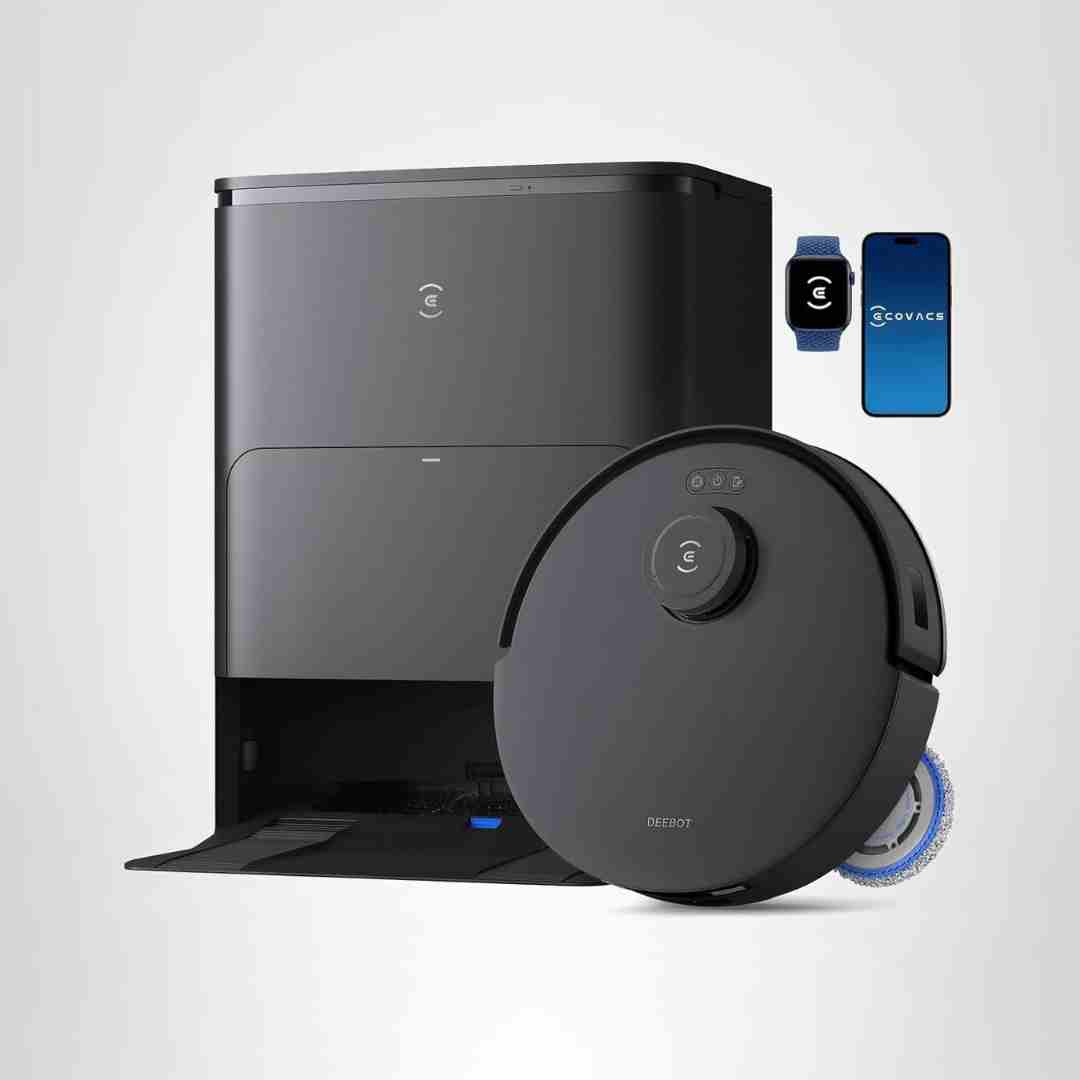
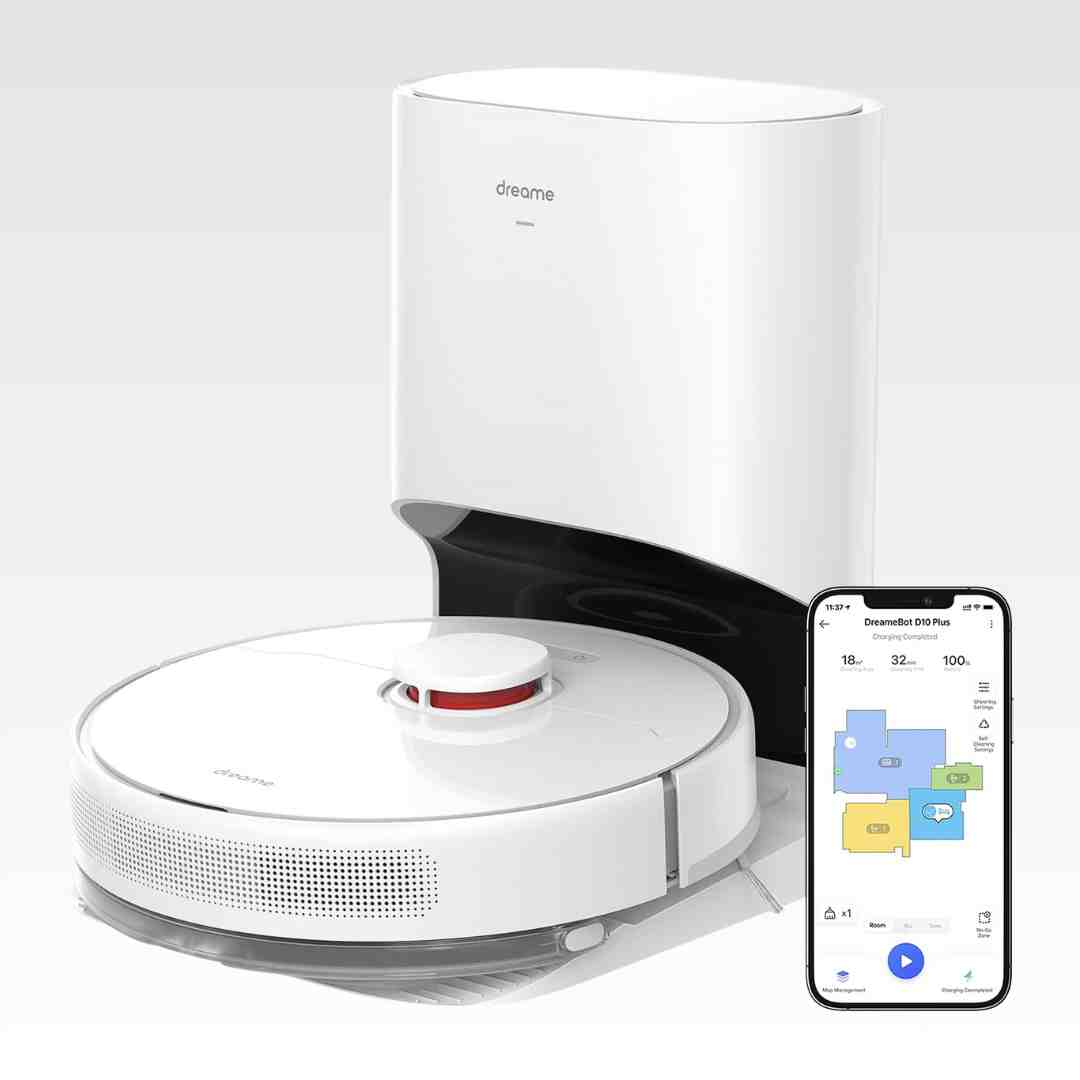
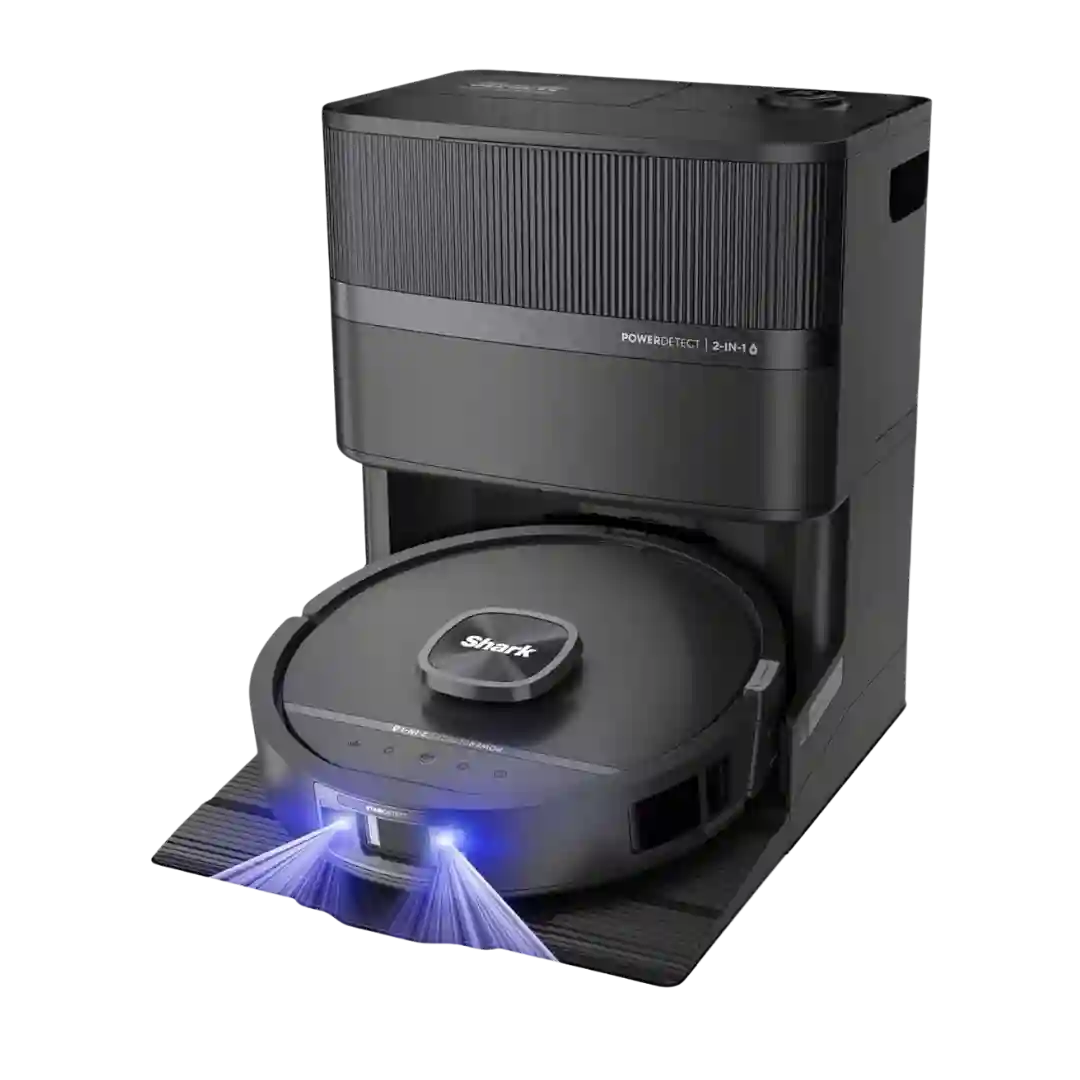
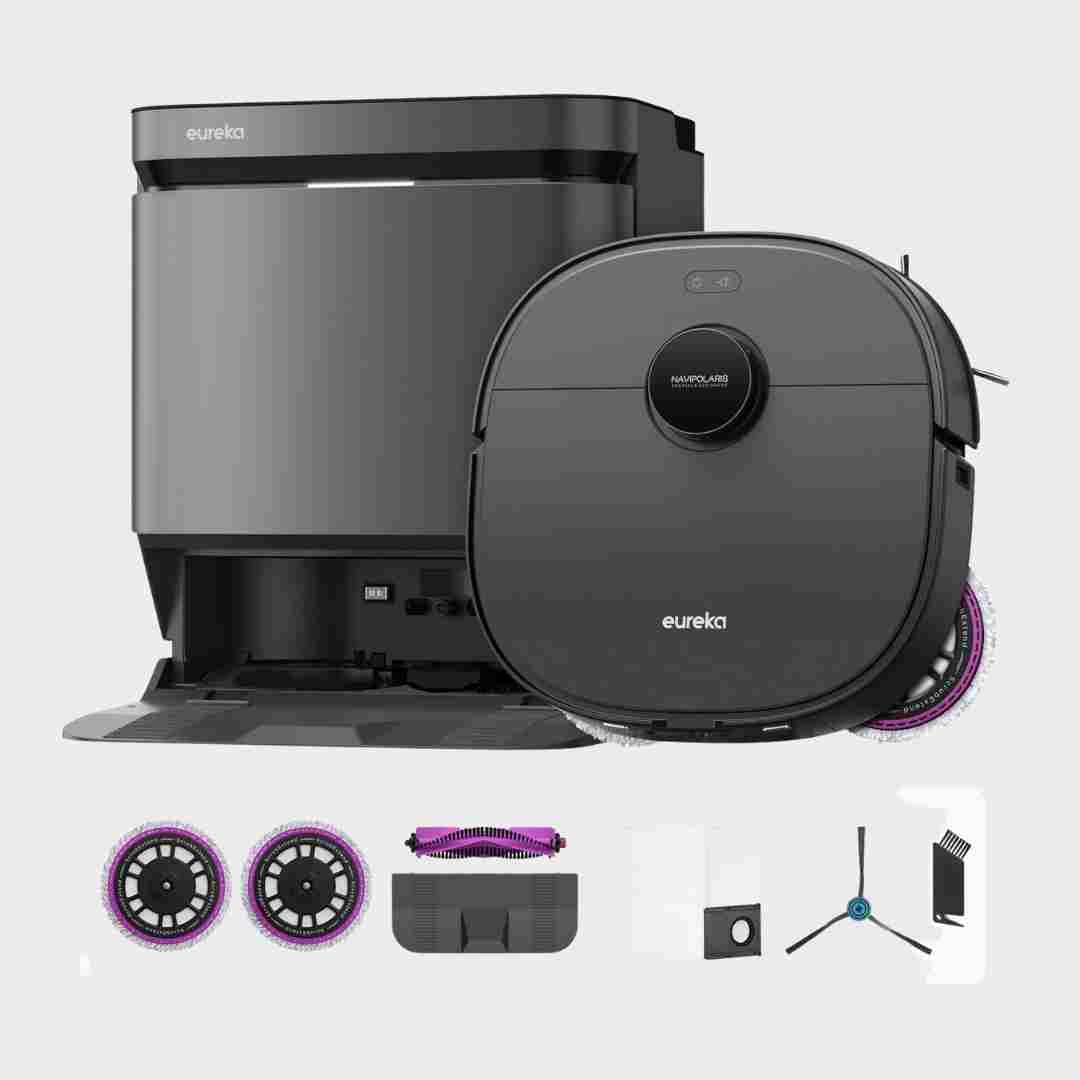
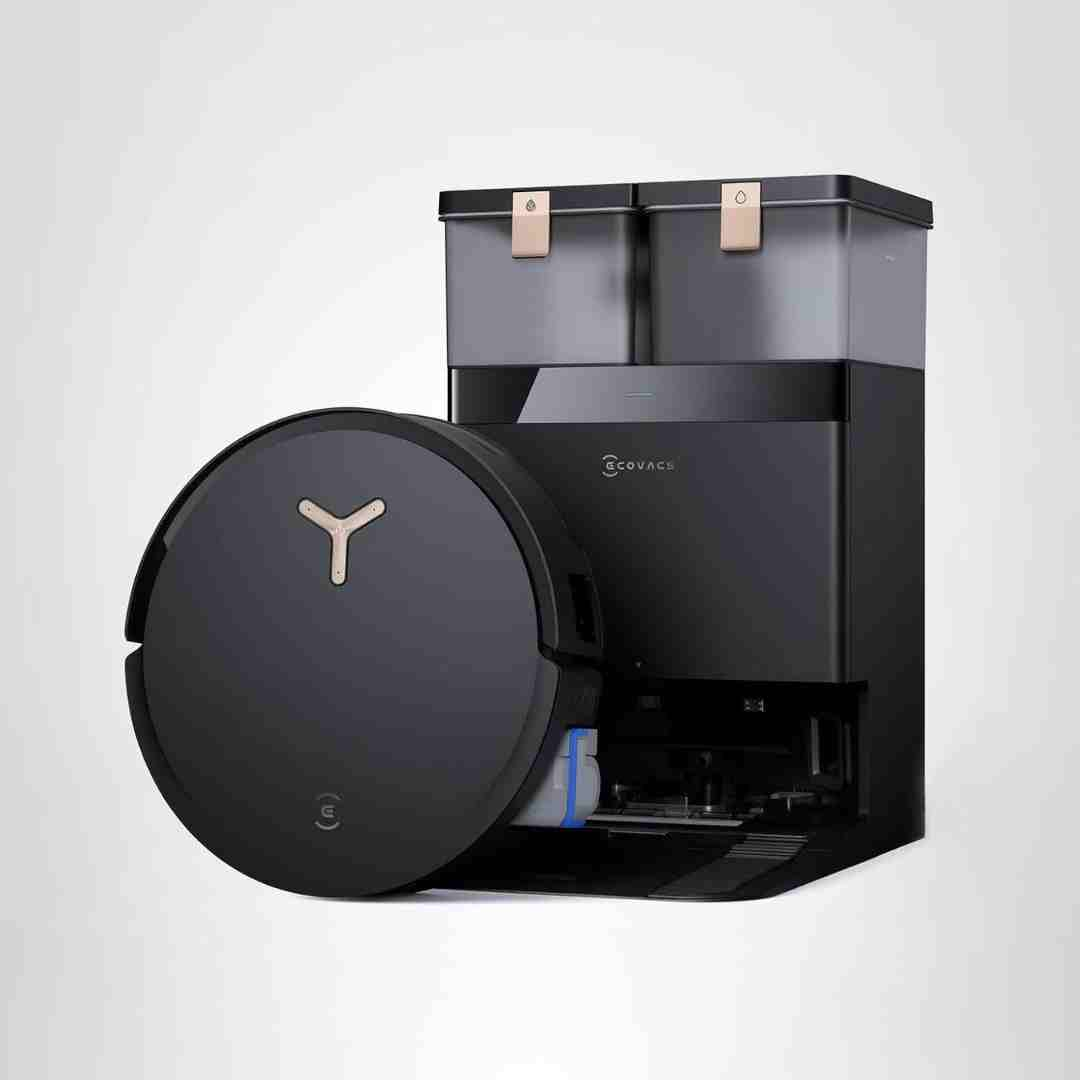
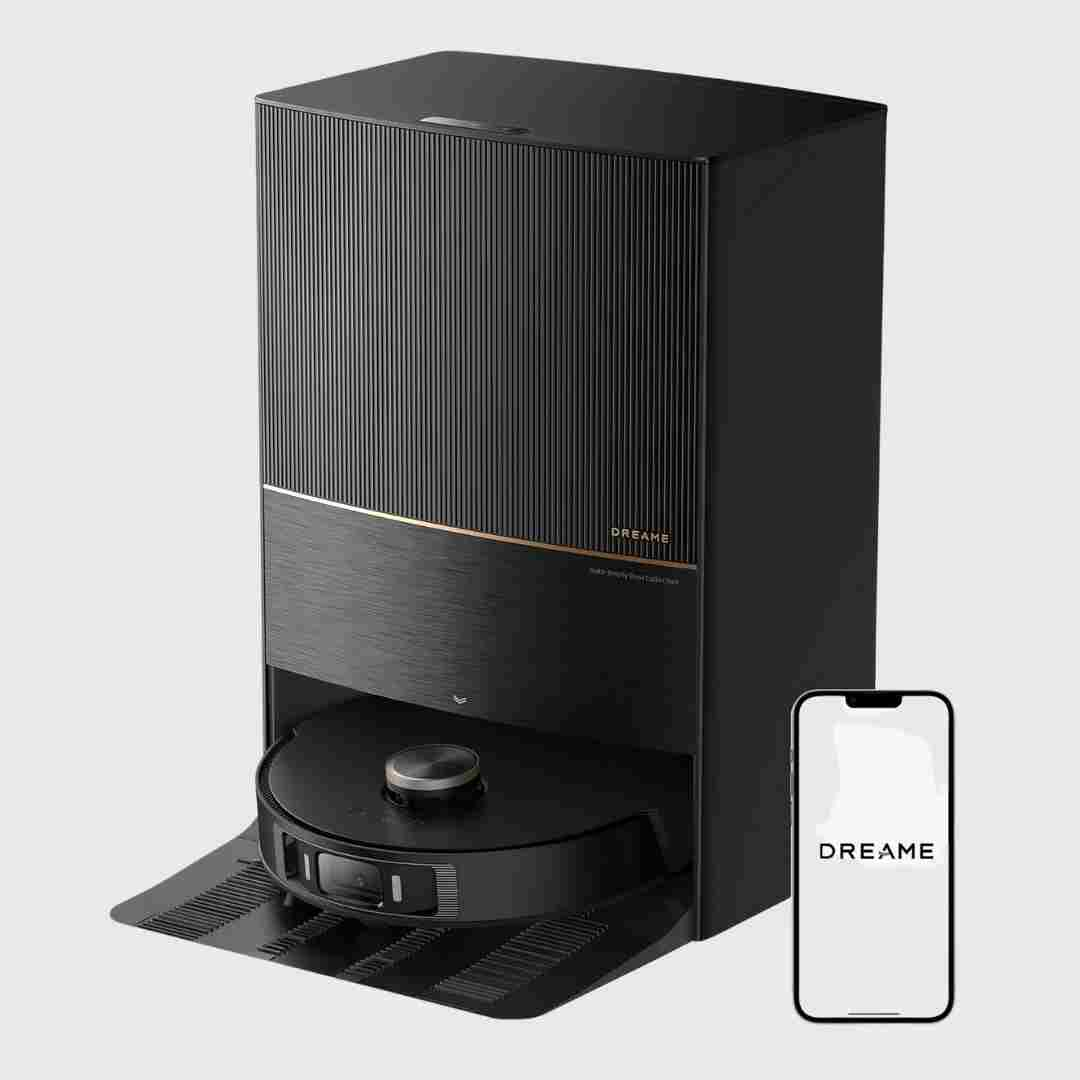
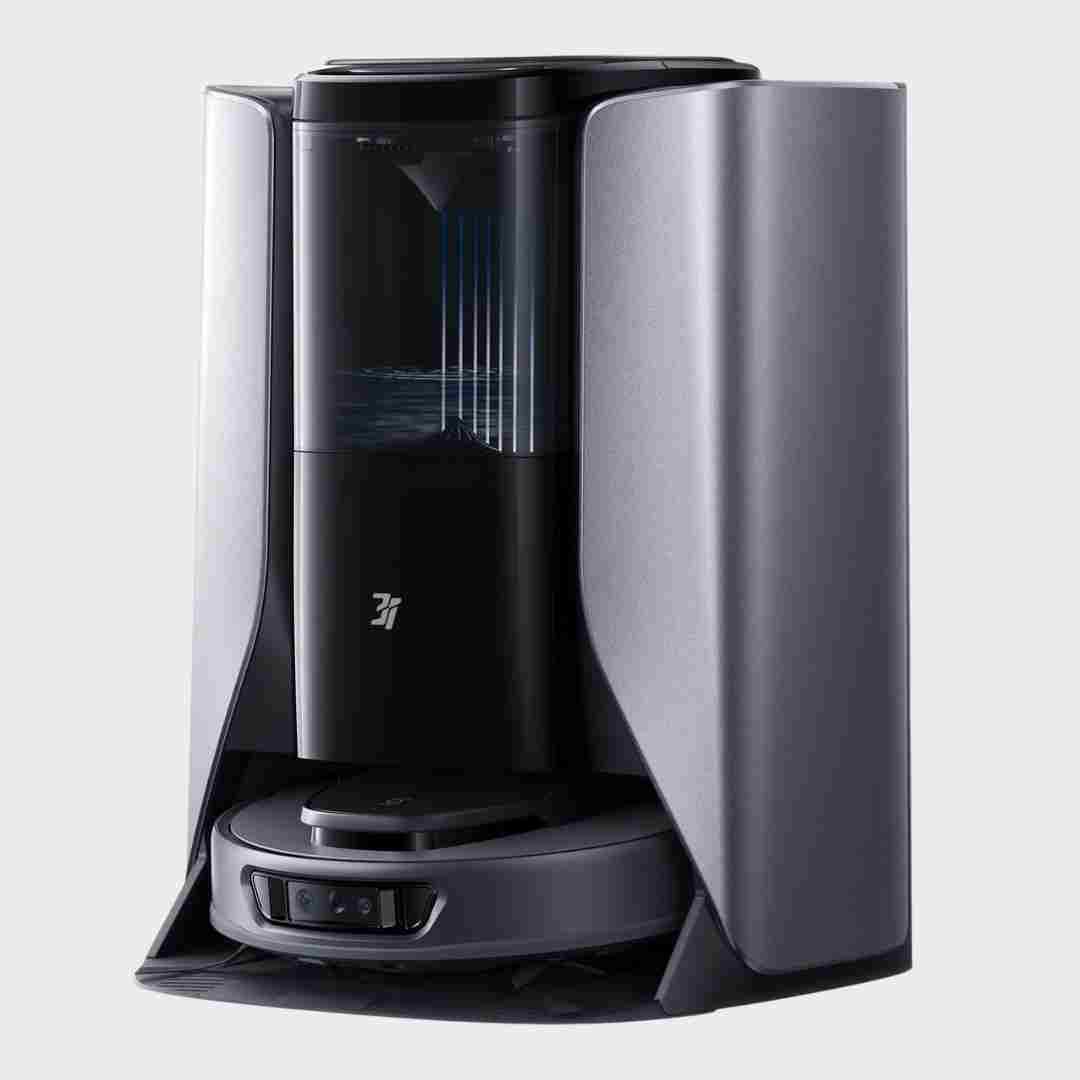
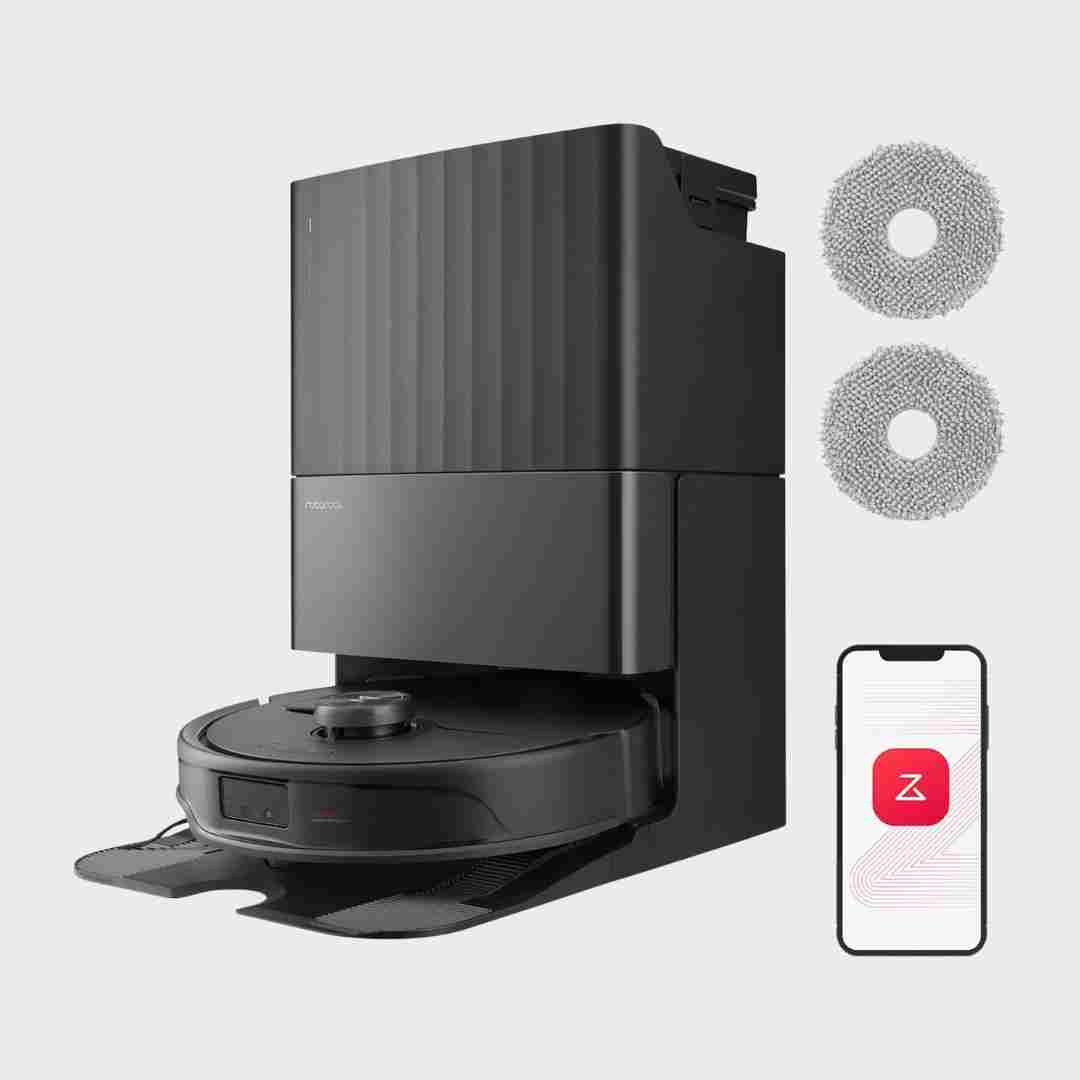
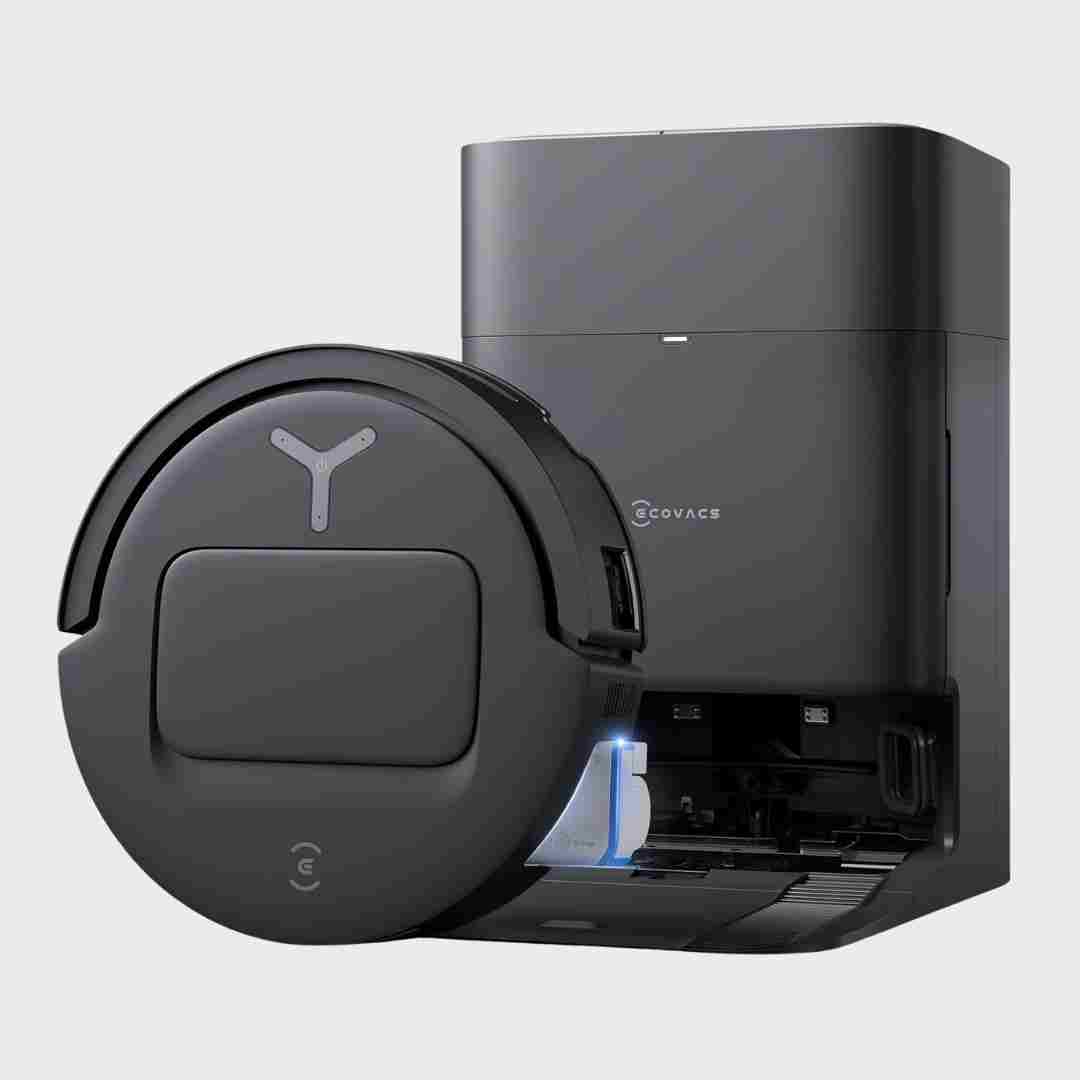
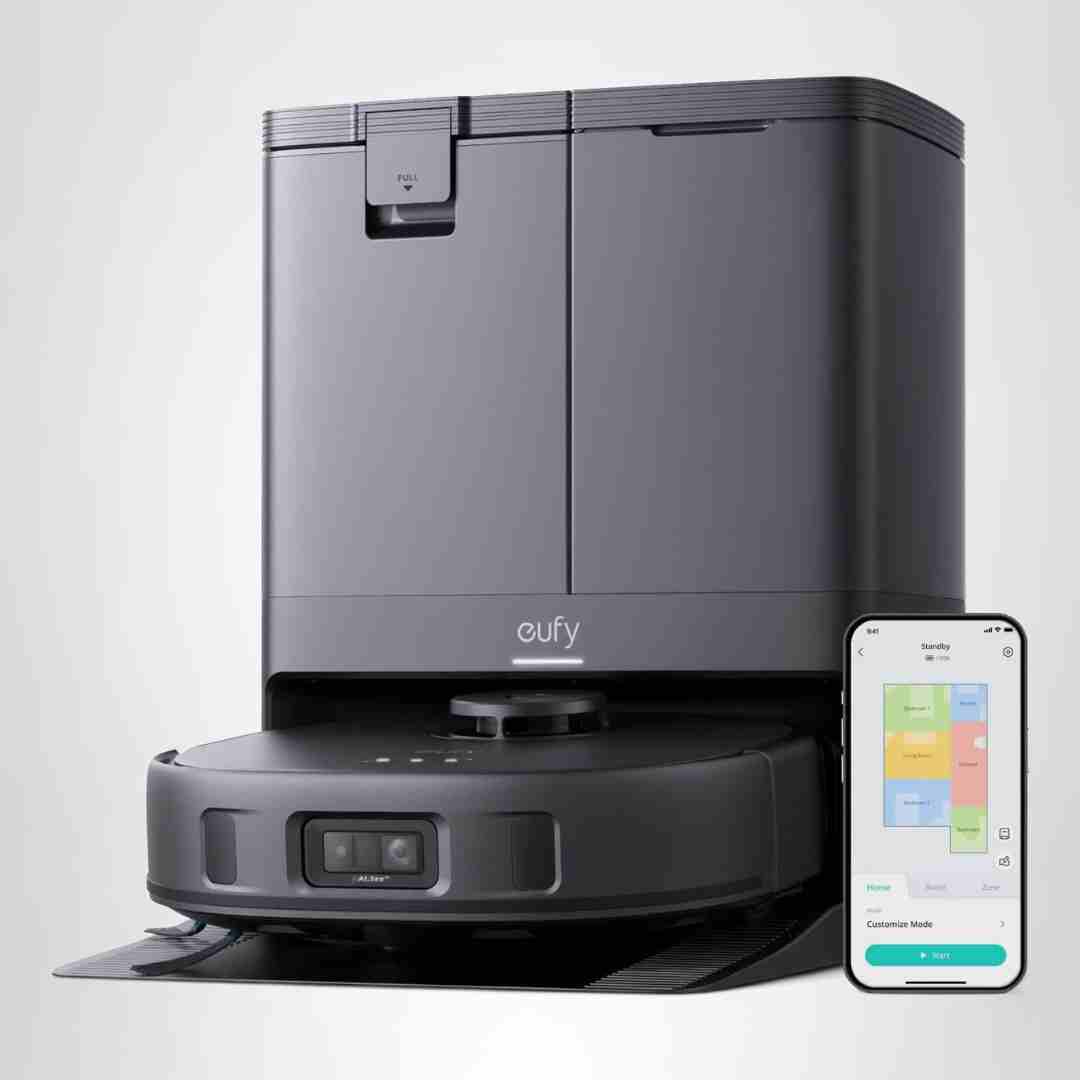
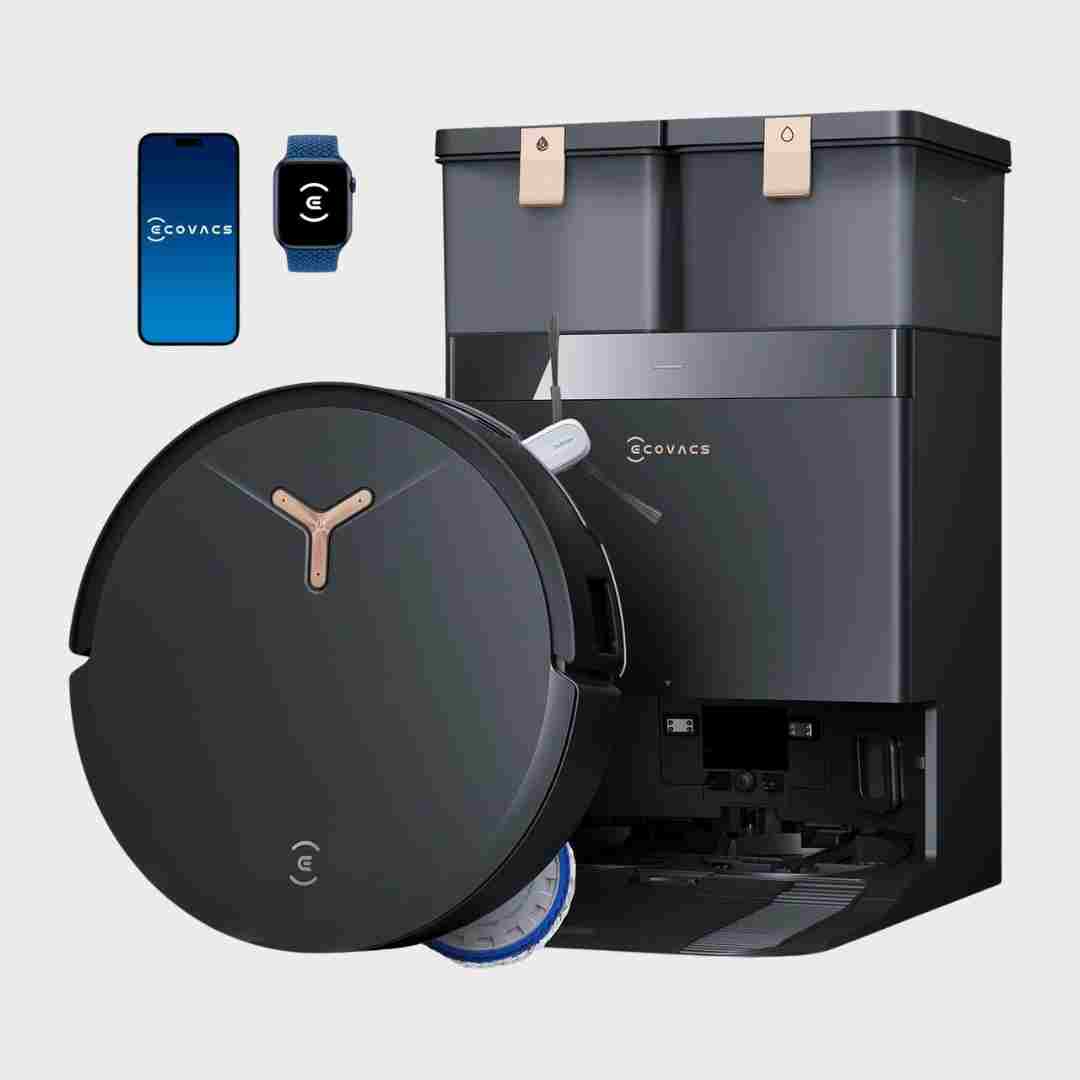
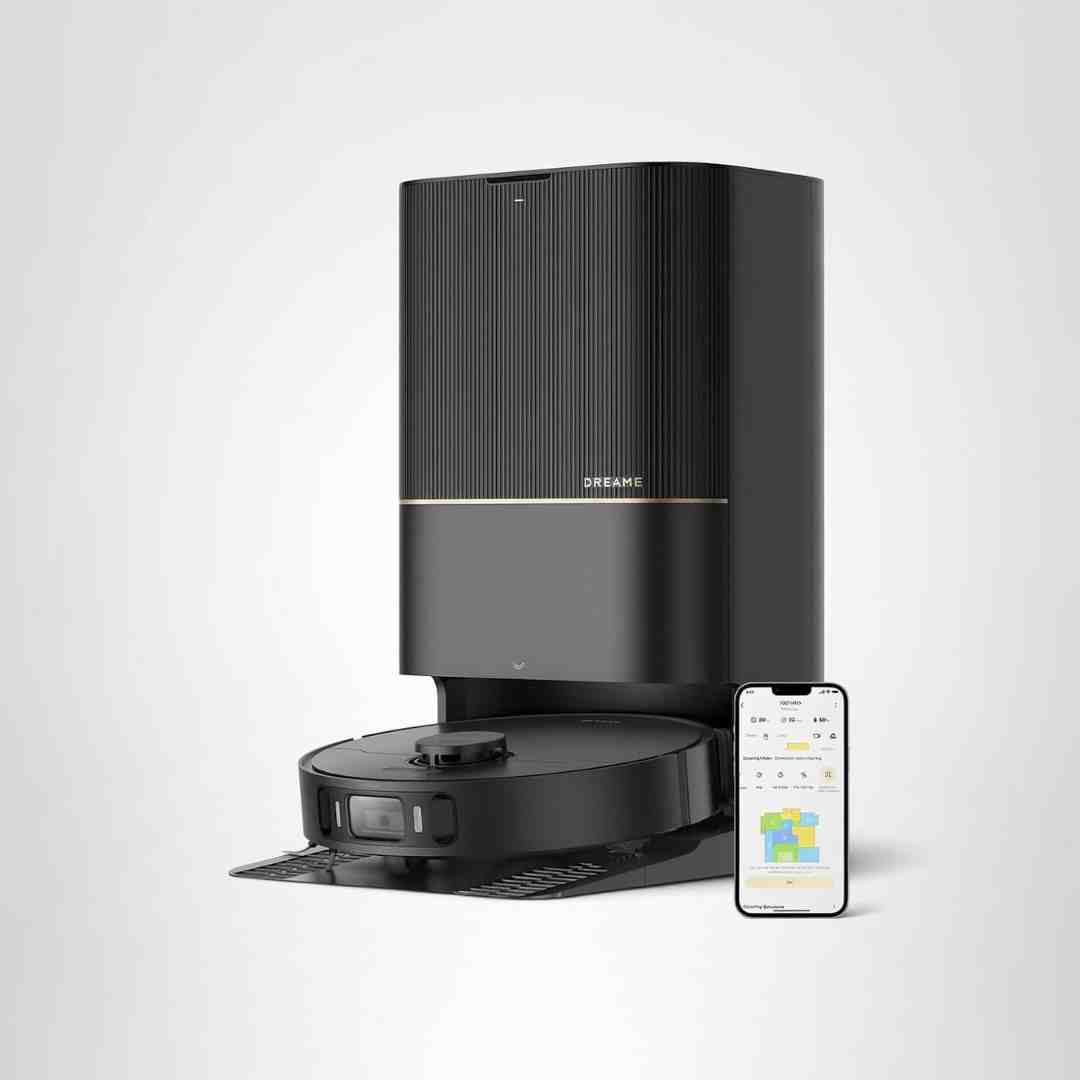
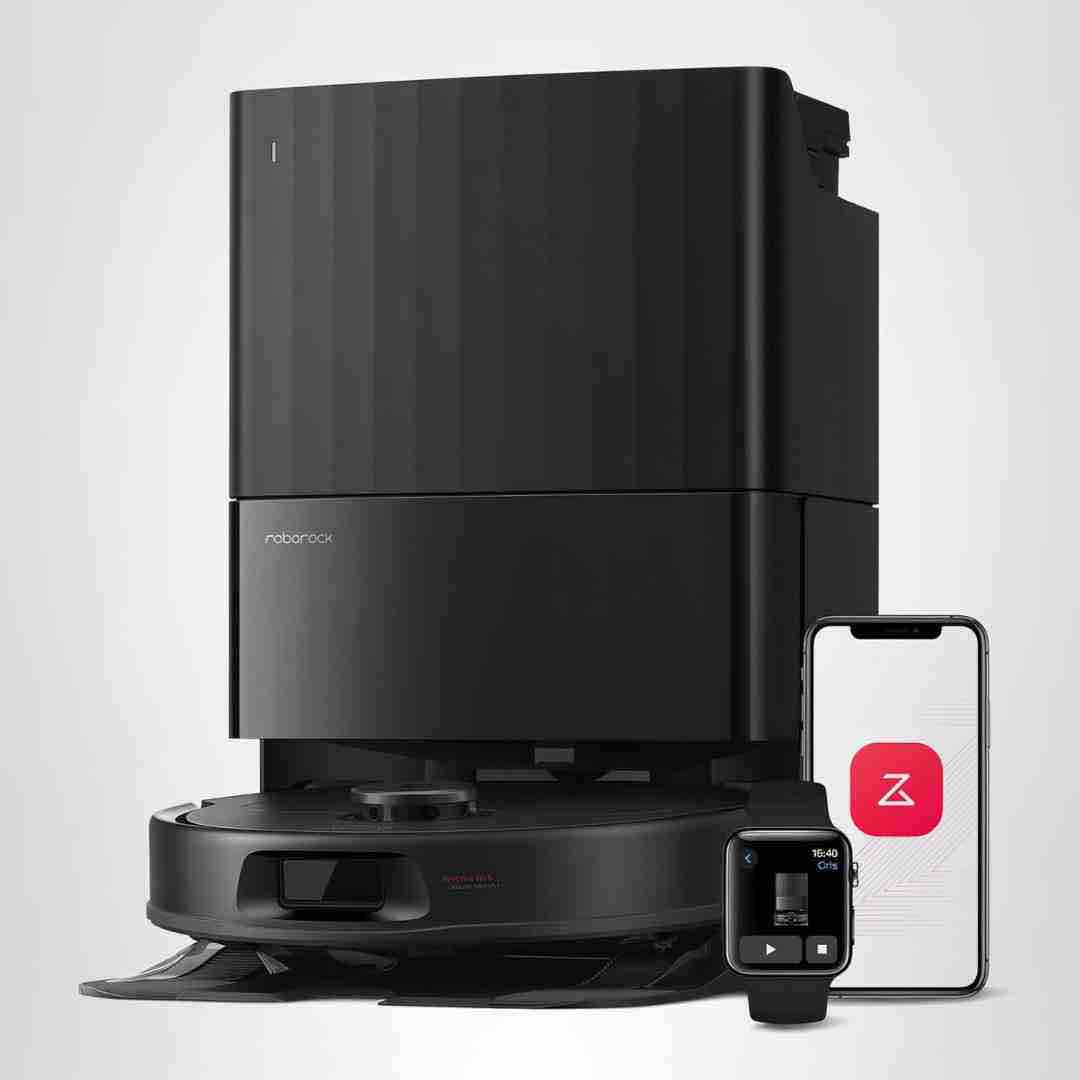
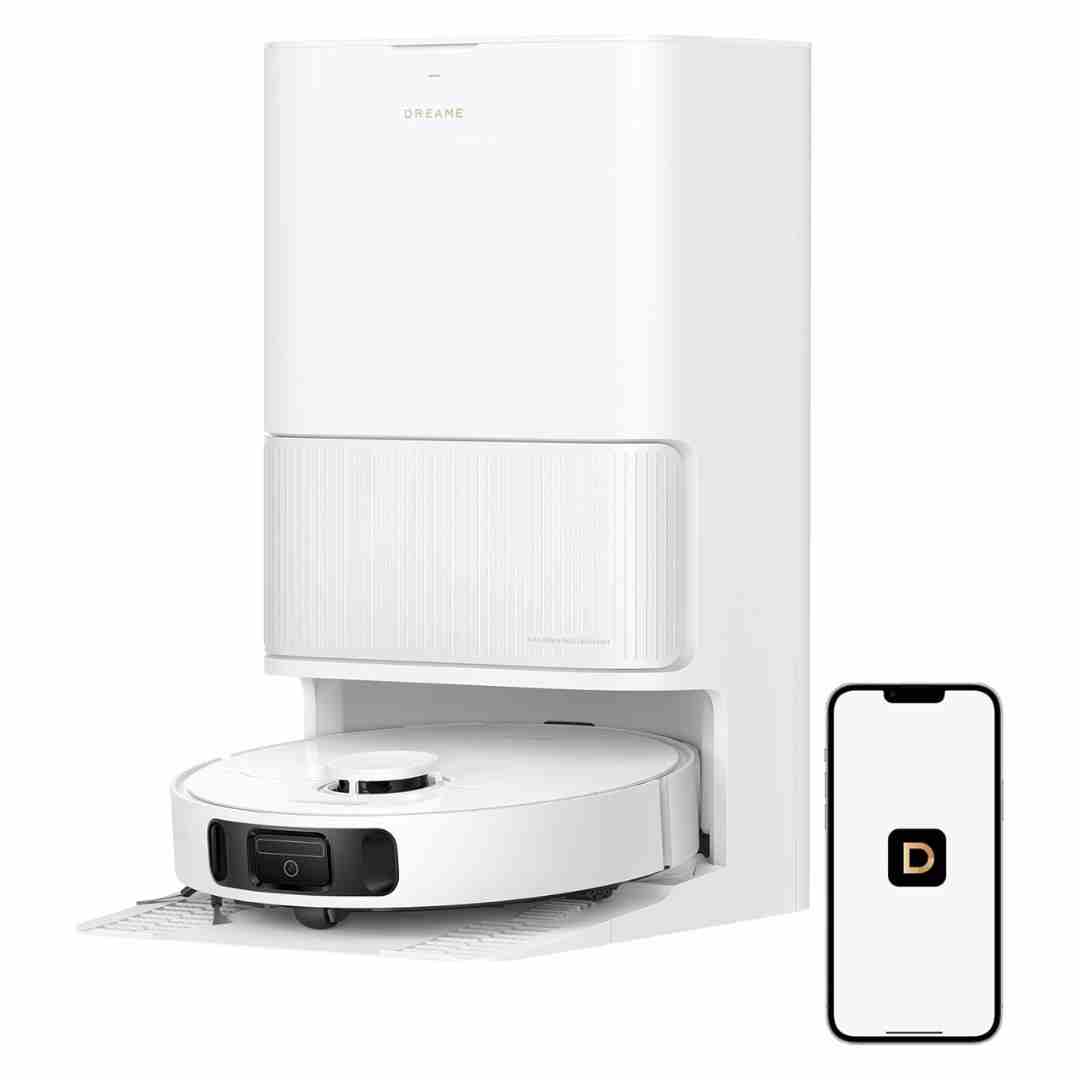
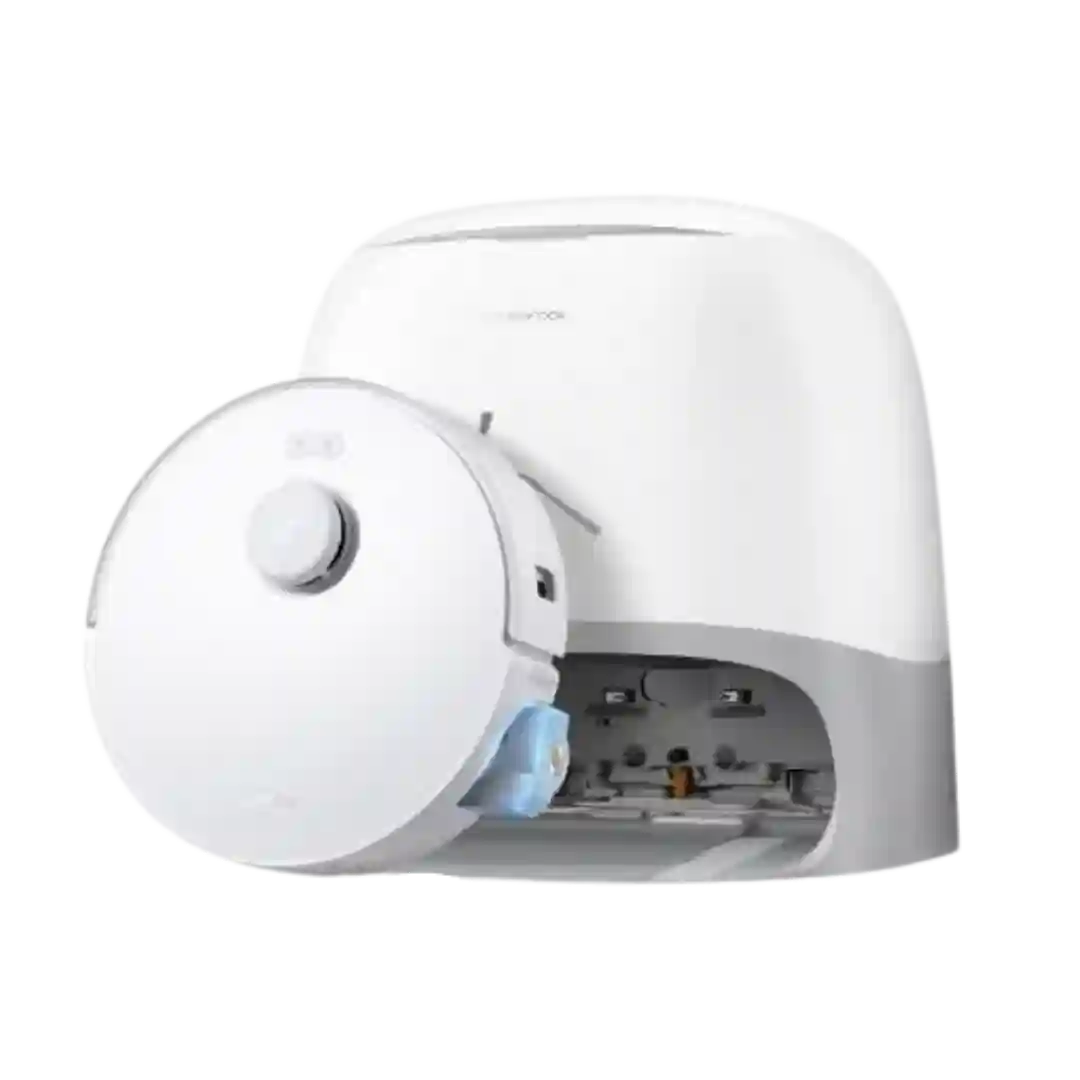
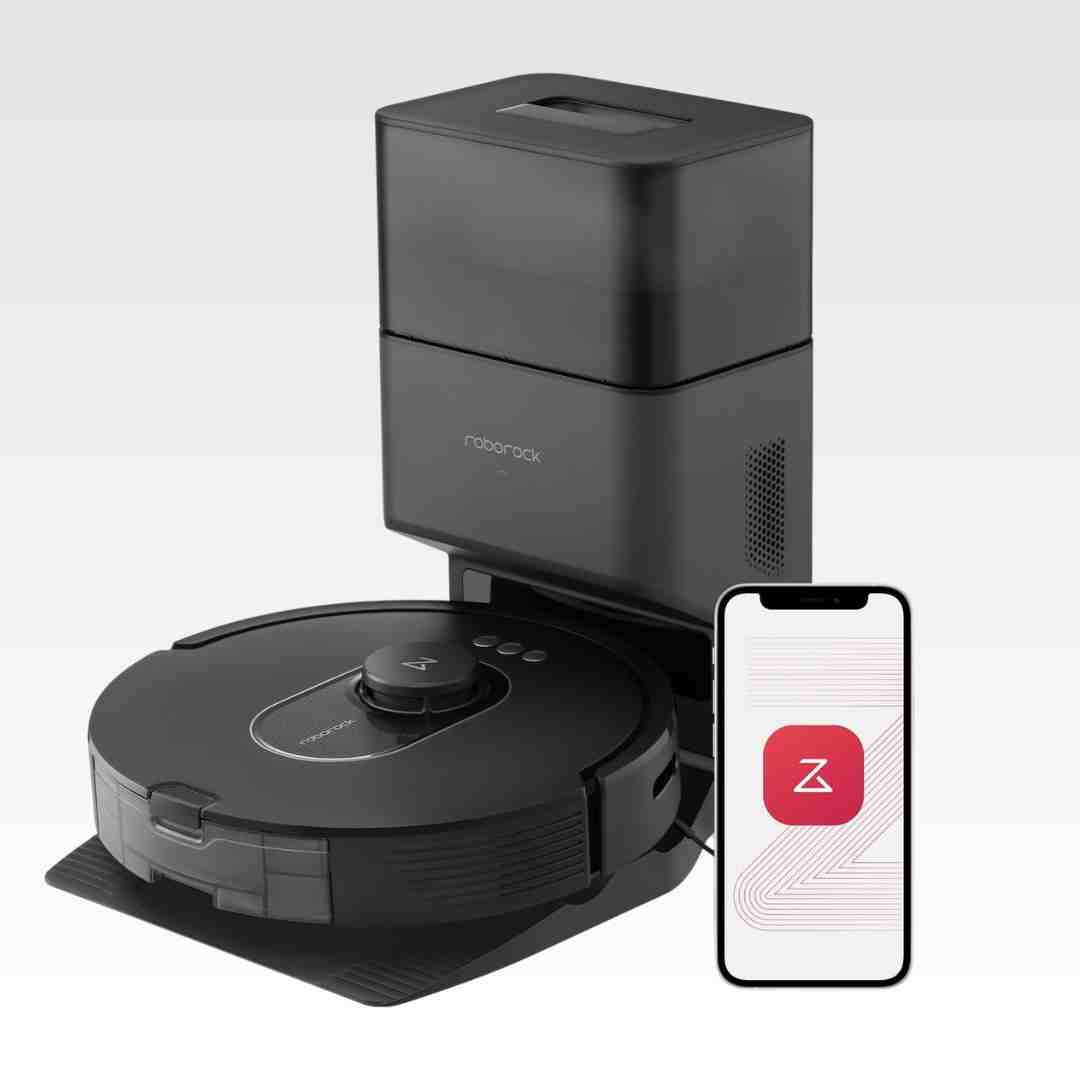
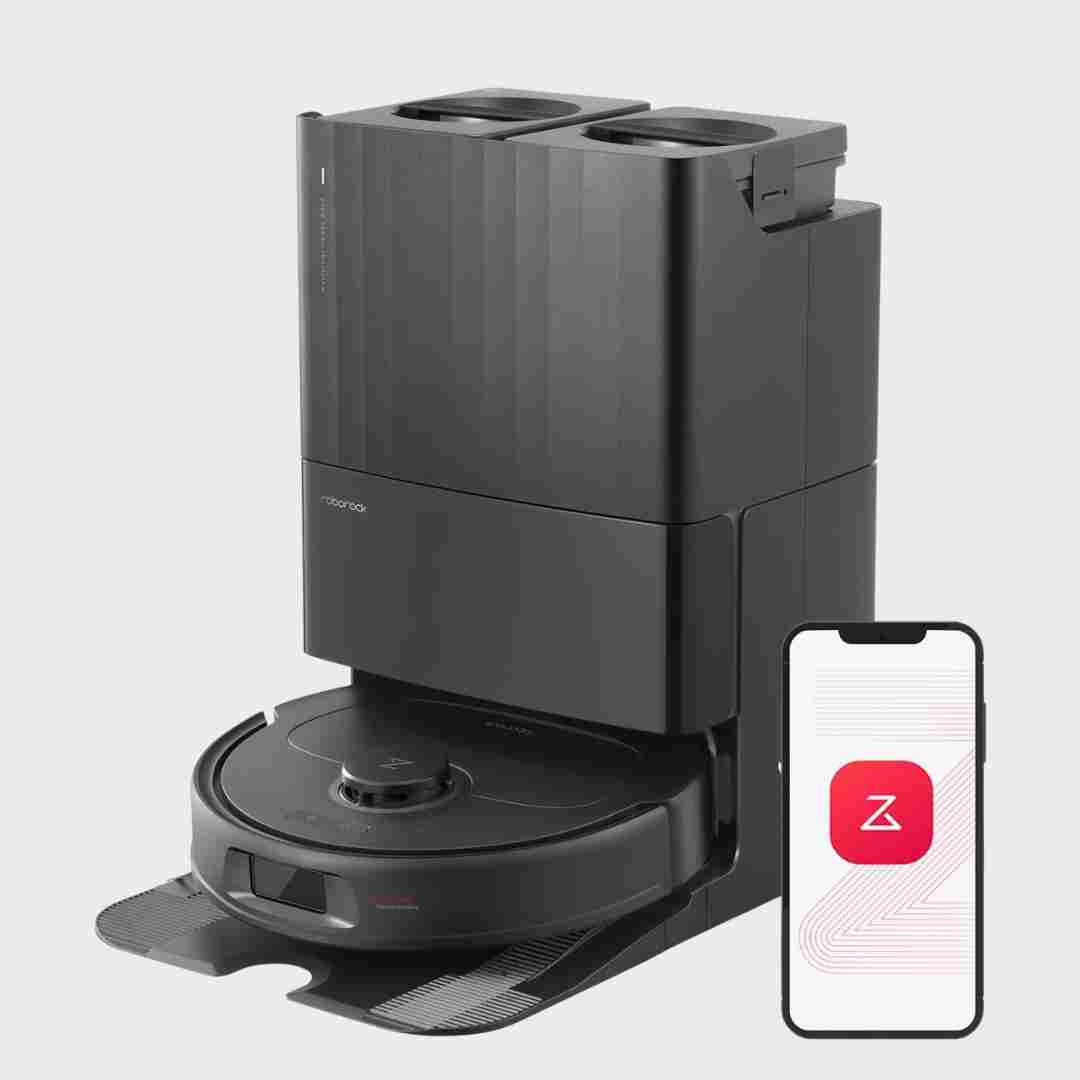
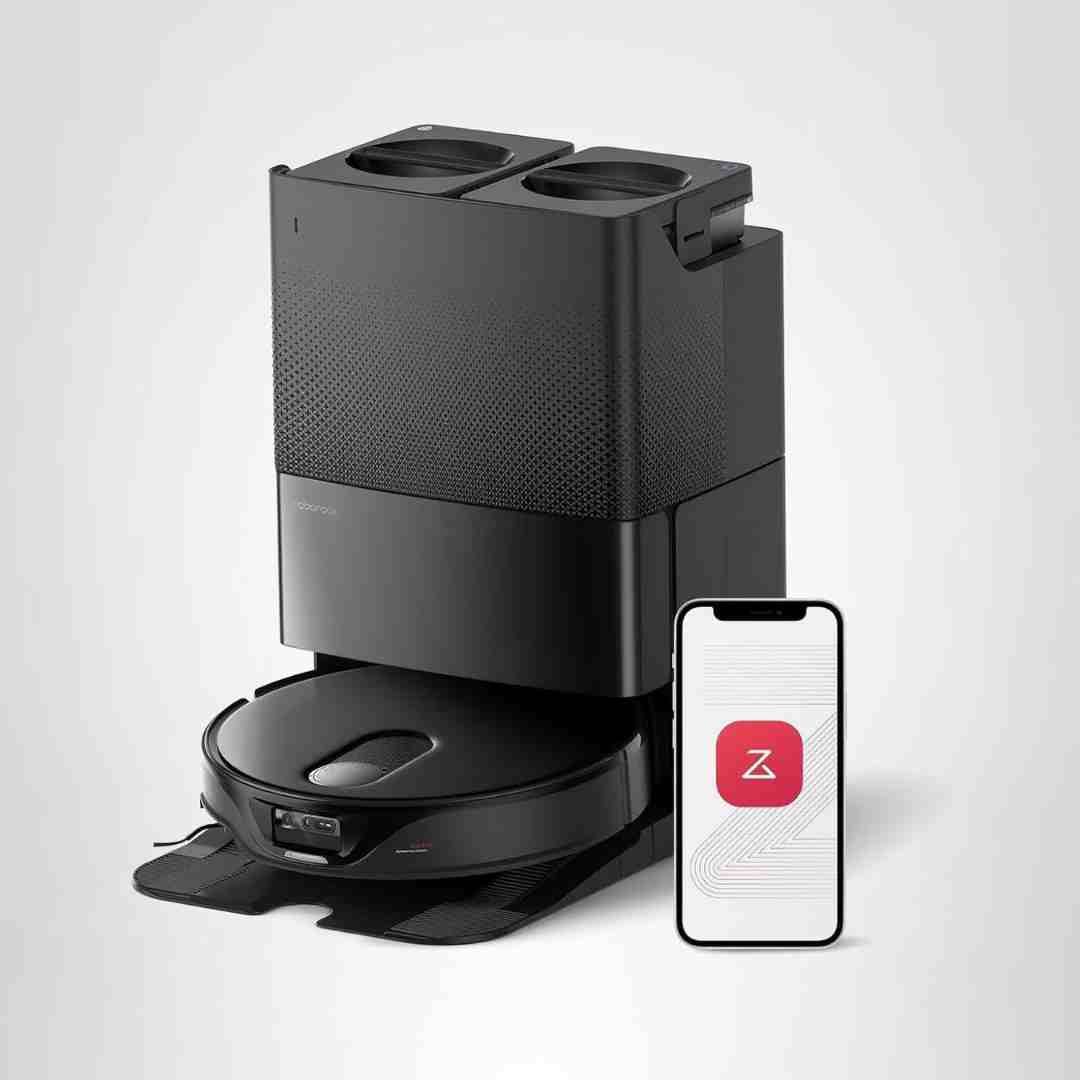
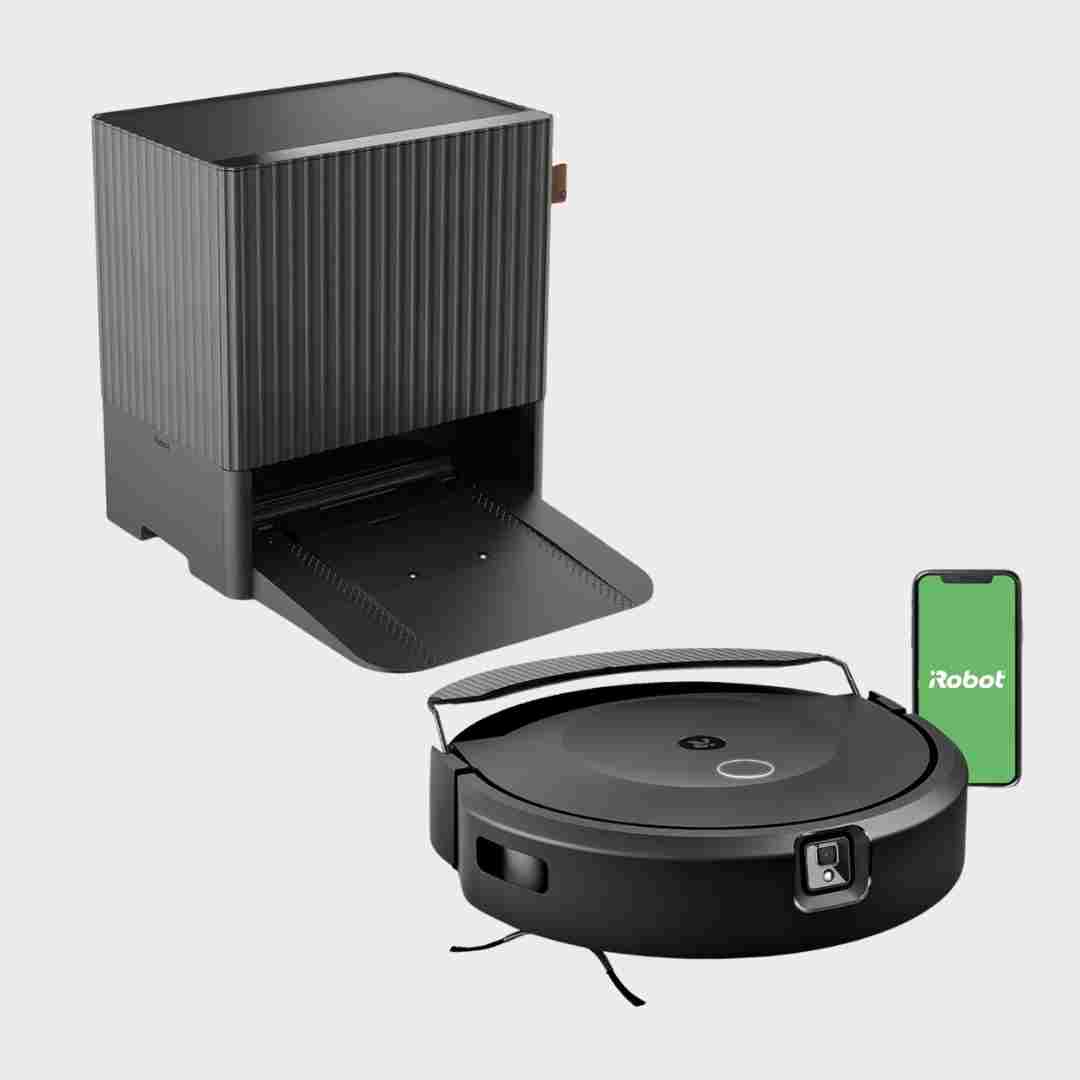
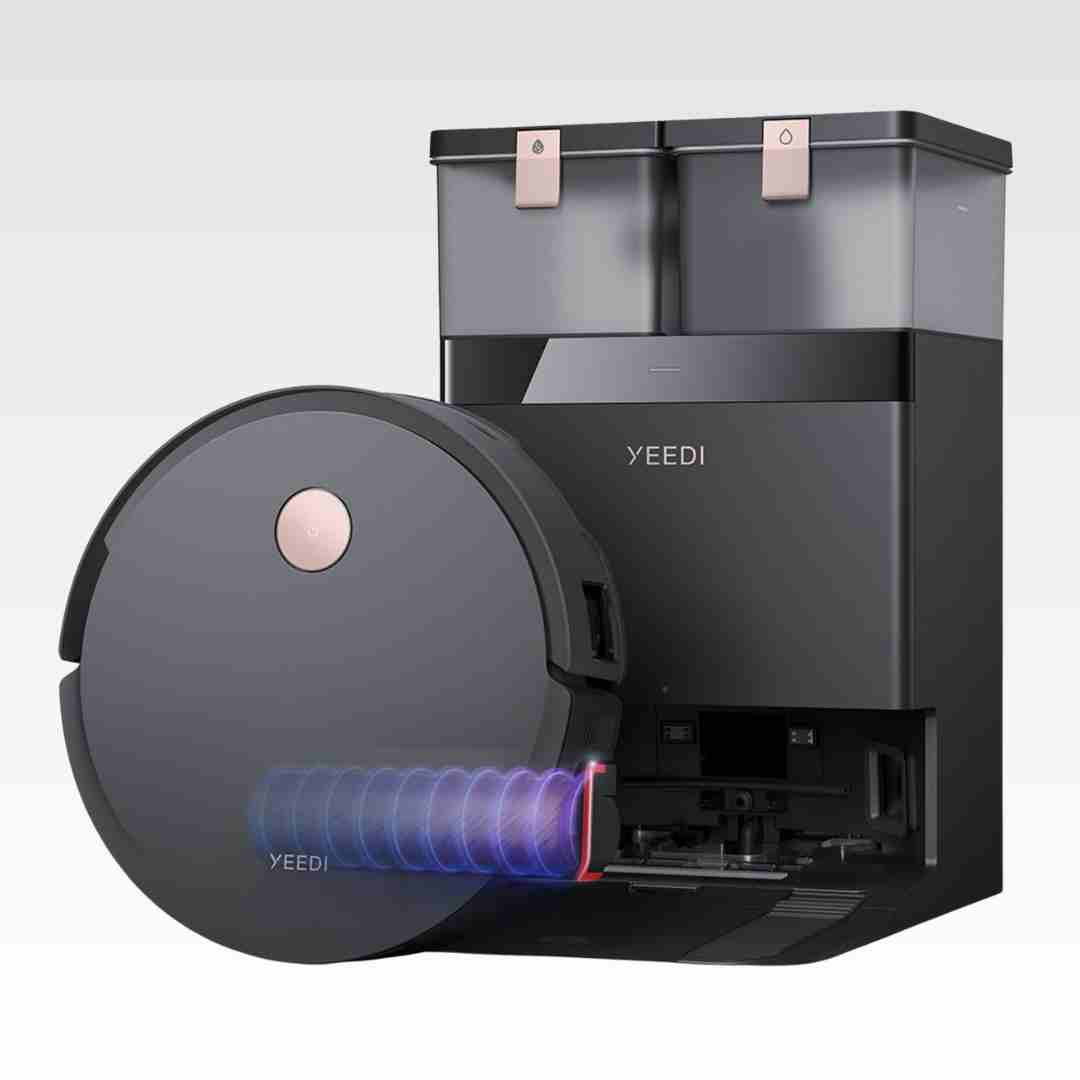
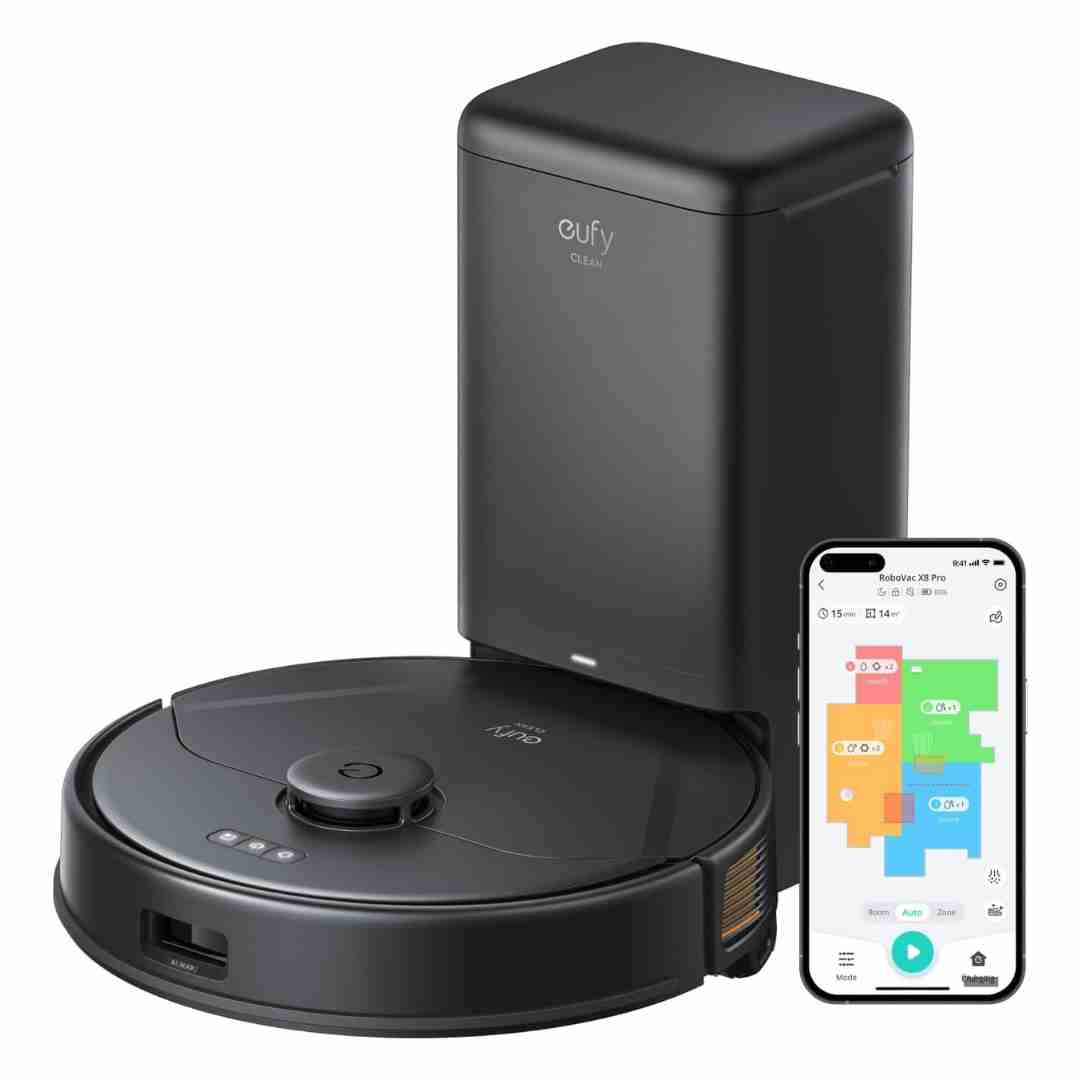
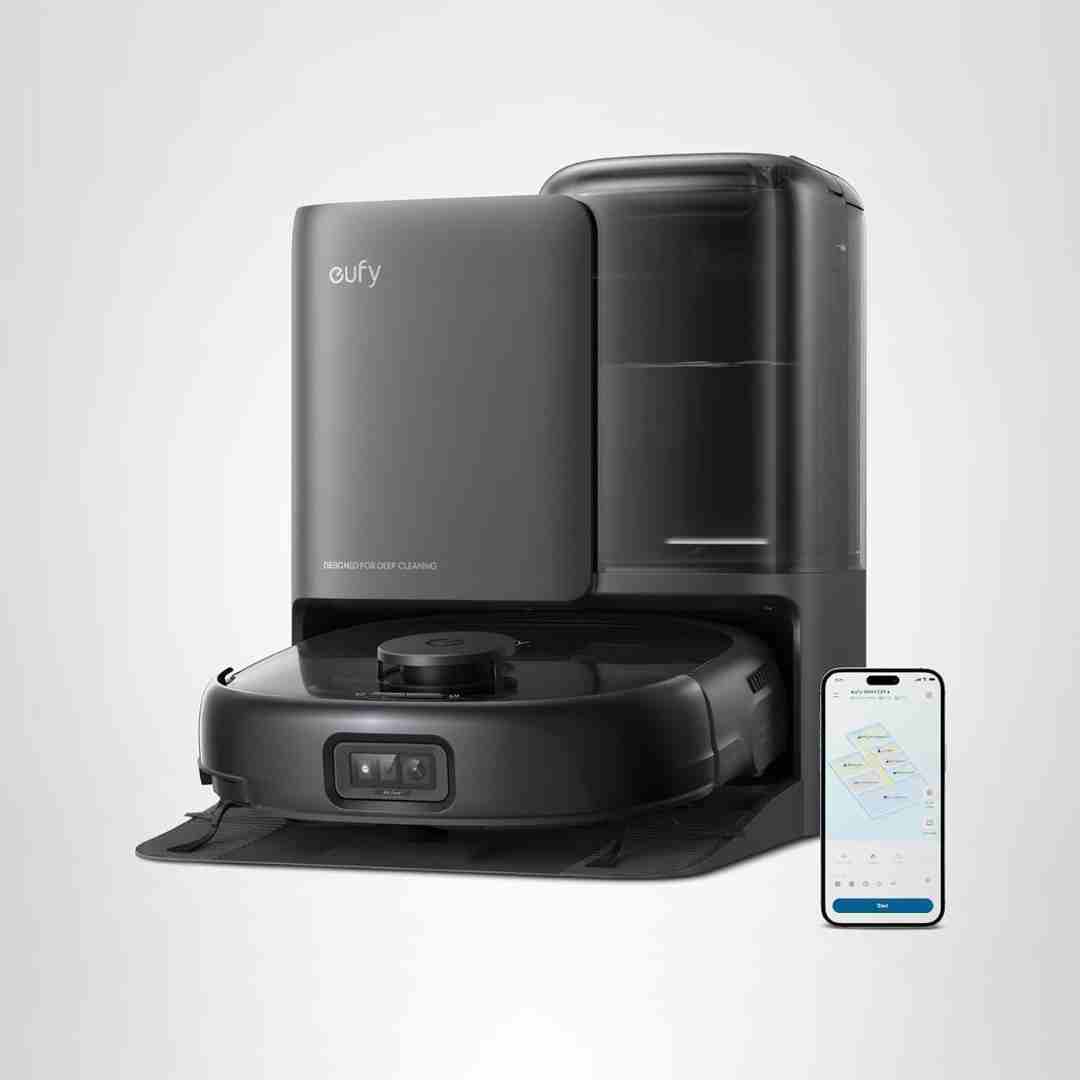
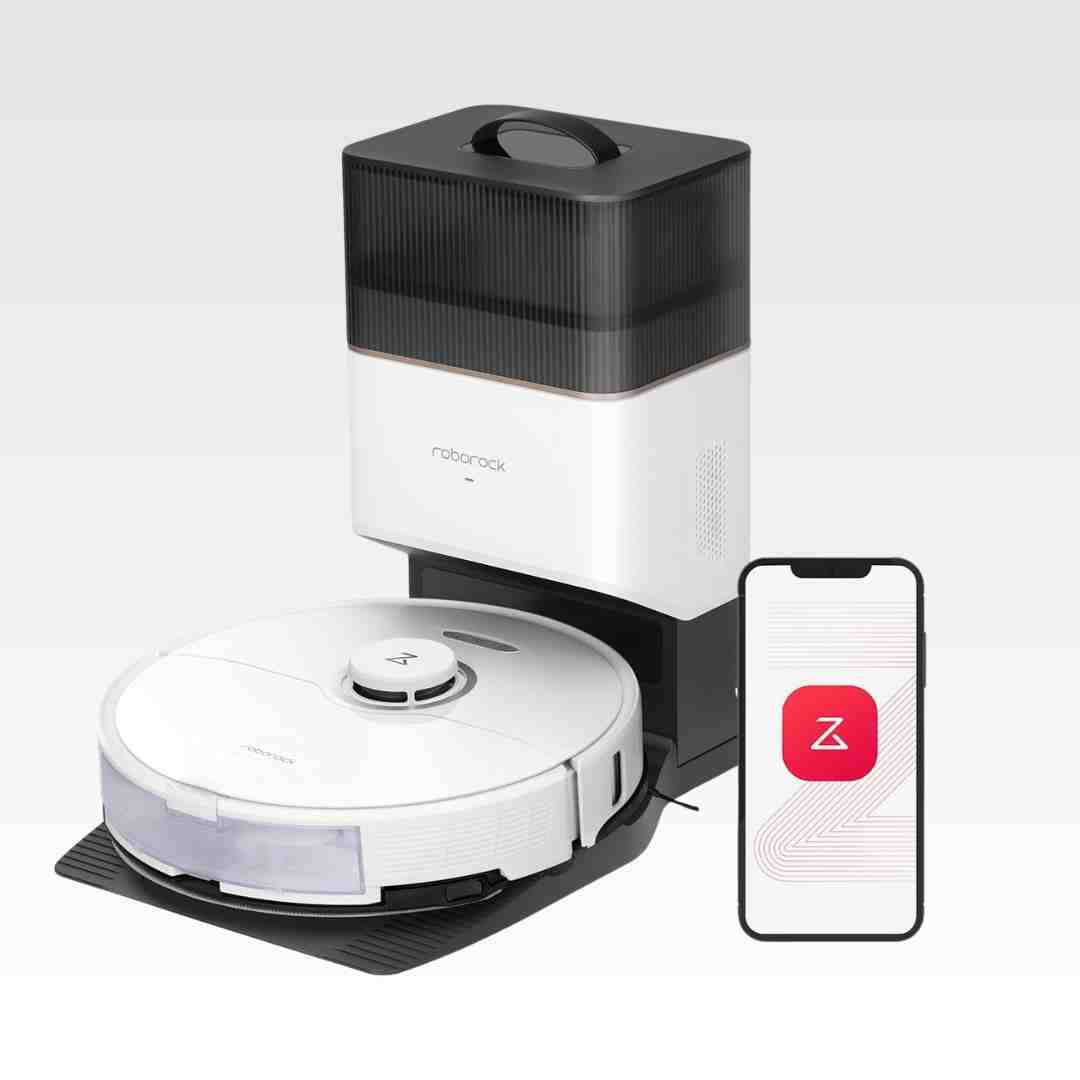
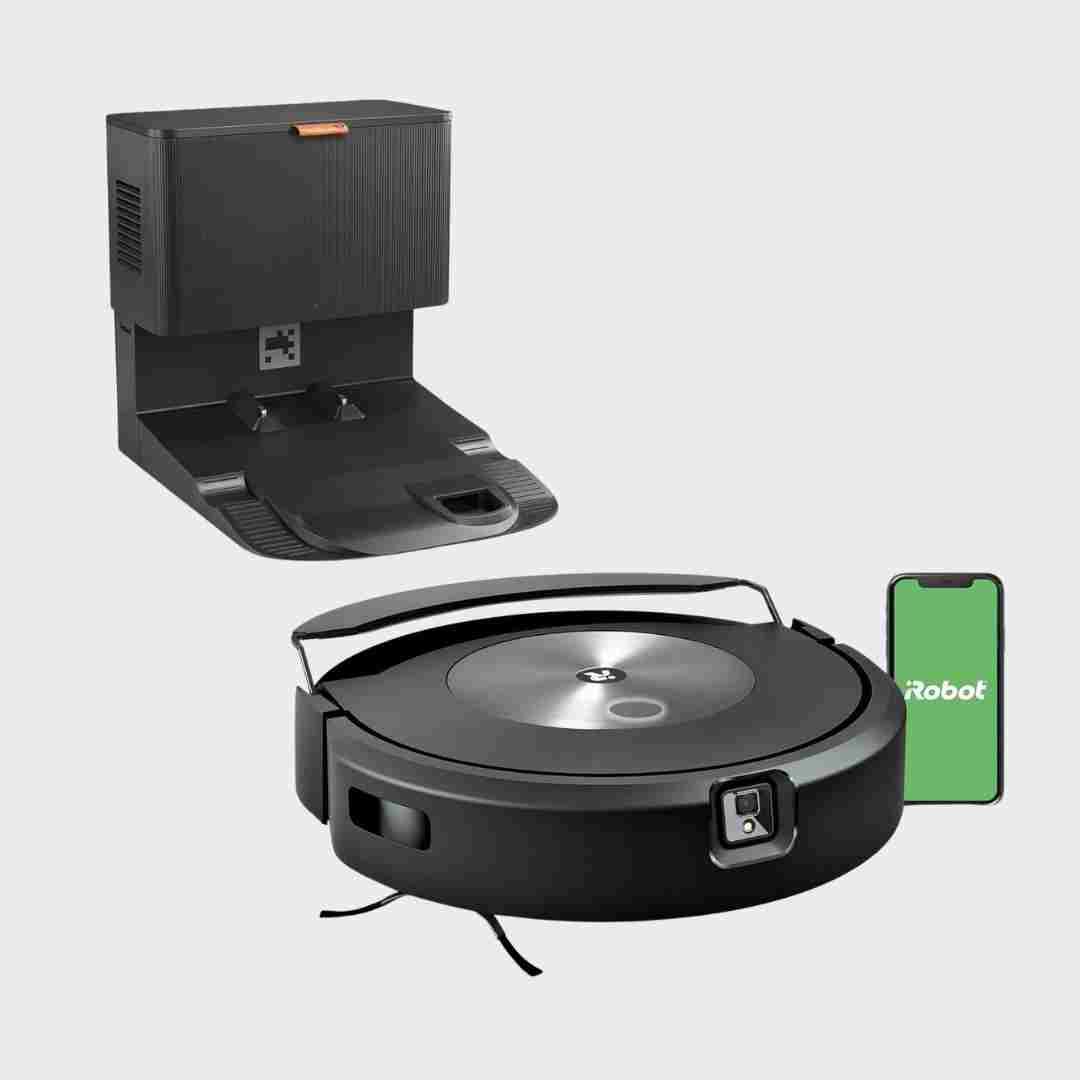
Docking and auto-empty reliability are repeatedly praised: the robot returns consistently, empties well, and handles mop washing/drying and refills with little fuss.
Auto-empty docking is consistently reliable, with the robot returning to empty and resume without much user intervention. Bagged disposal keeps the process clean, and many users report weeks of hands-free vacuuming before needing to swap the bag.
Docking and automation are consistently reliable in reviews: automatic dust emptying, water refilling, mop washing, and drying generally work as expected. The tradeoff is a larger dock footprint compared with simpler stations.
Docking and base automation are a defining strength: auto-empty, water handling, and mop washing/drying work well overall, with only occasional hiccups like re-docking retries.
Dock performance is a major selling point, with consistent mentions of auto-emptying to a bag, mop washing, hot-air drying, solution dispensing, and self-cleaning dock components. Overall reliability sentiment is strong, contributing heavily to its hands-free reputation.
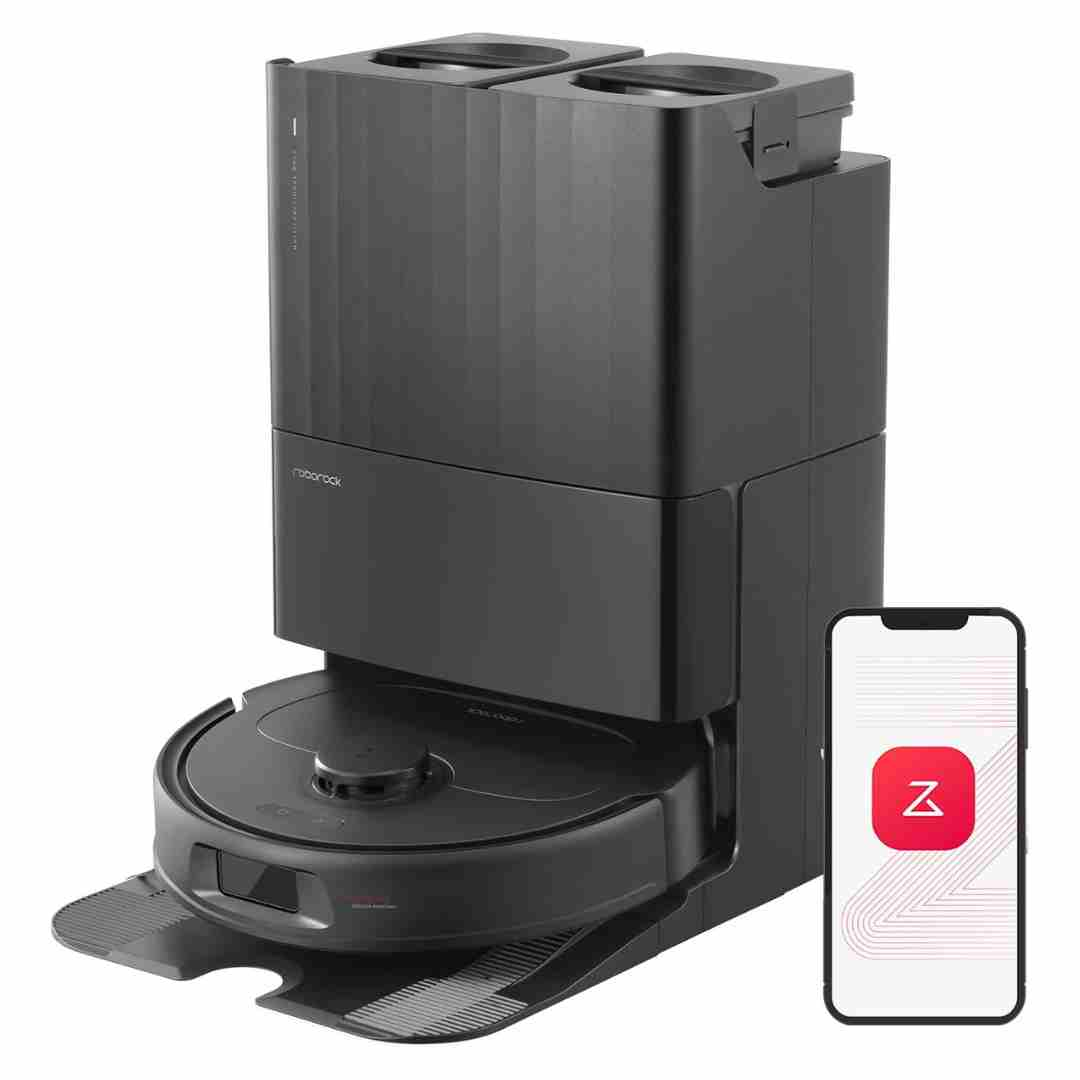
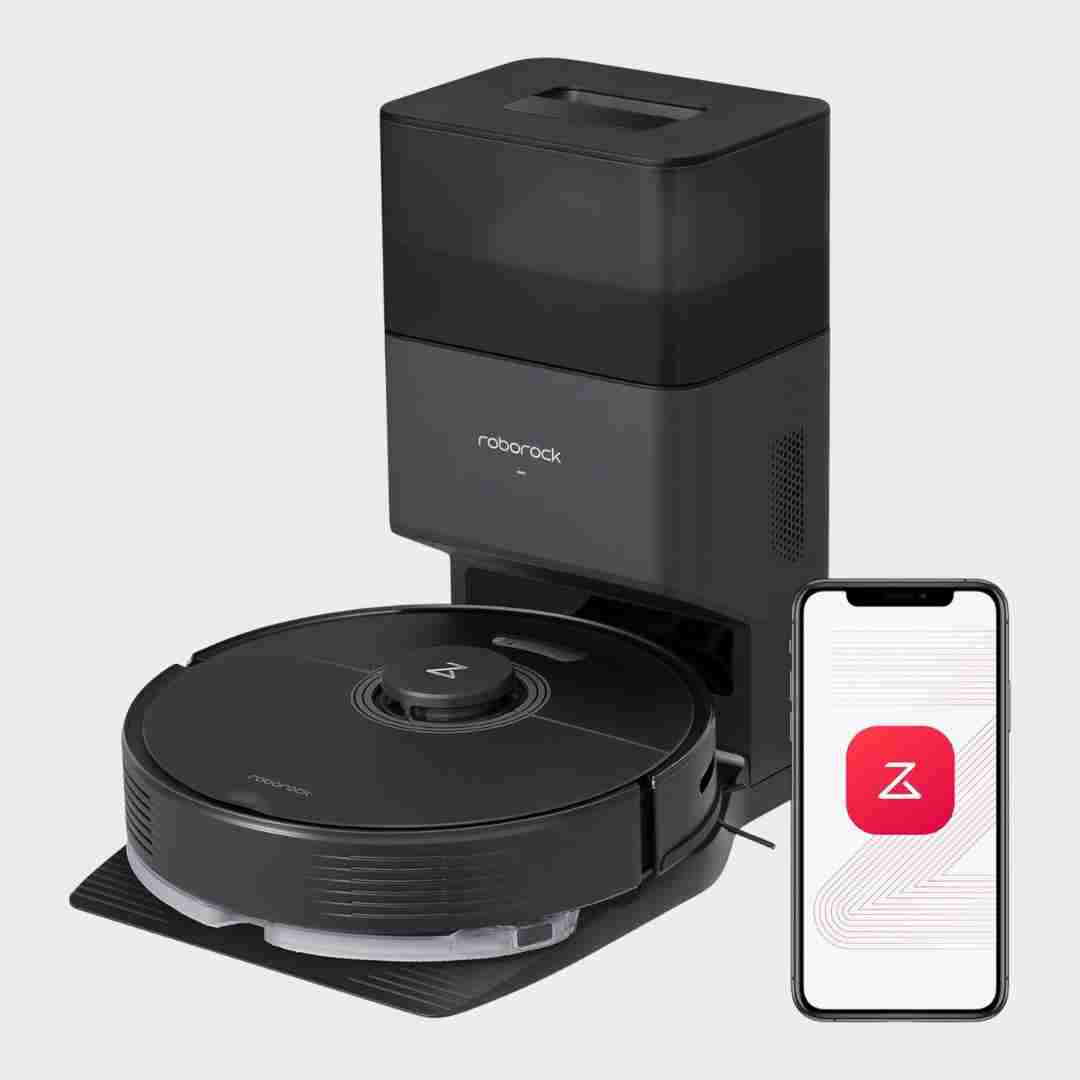
The multifunction dock is repeatedly described as the product’s key value: bagged auto-empty, mop washing with heated water, mop drying with warm air, and water refilling to keep hands-on effort low. Reliability feedback is strongly positive overall, with the auto-empty step being quick but louder.
Across reviews, the RockDock Ultra is consistently described as reliable and genuinely automating ownership: auto-emptying, mop washing, water refilling, dirty water collection, and hot-air drying generally work as intended, with only occasional complaints about edge-case behavior or loud emptying.
Dock reliability and automation are consistently highlighted: auto-emptying, heated pad washing, warm-air drying, detergent dosing, and base self-cleaning reduce manual maintenance. The dock is often described as both capable and unusually space-conscious for the feature set.
Docking and auto-empty behavior are usually reliable in the provided reviews, with consistent emptying reported, plus integrated mop washing and drying that reduce daily hands-on work.
Docking and automation reliability are widely praised: the robot typically returns to the station, empties debris, refills water, washes the roller, and hot-air dries it as expected. A few practical caveats include station size constraints and routine dirty-water handling.
The dock is a core strength (auto-empty + hot-water mop washing + drying), but it still requires water-tank service and occasional tray/plate cleaning.
Docking and automatic emptying are widely seen as dependable, with the robot reliably returning for emptying and mop service. App settings let you tune emptying/washing frequency to match your routine.
Docking and auto-empty behavior is usually reliable even in less-than-ideal placements, and bag capacity is often cited as lasting weeks to months. A few mention minor leftover debris after emptying, but not enough to derail normal use.
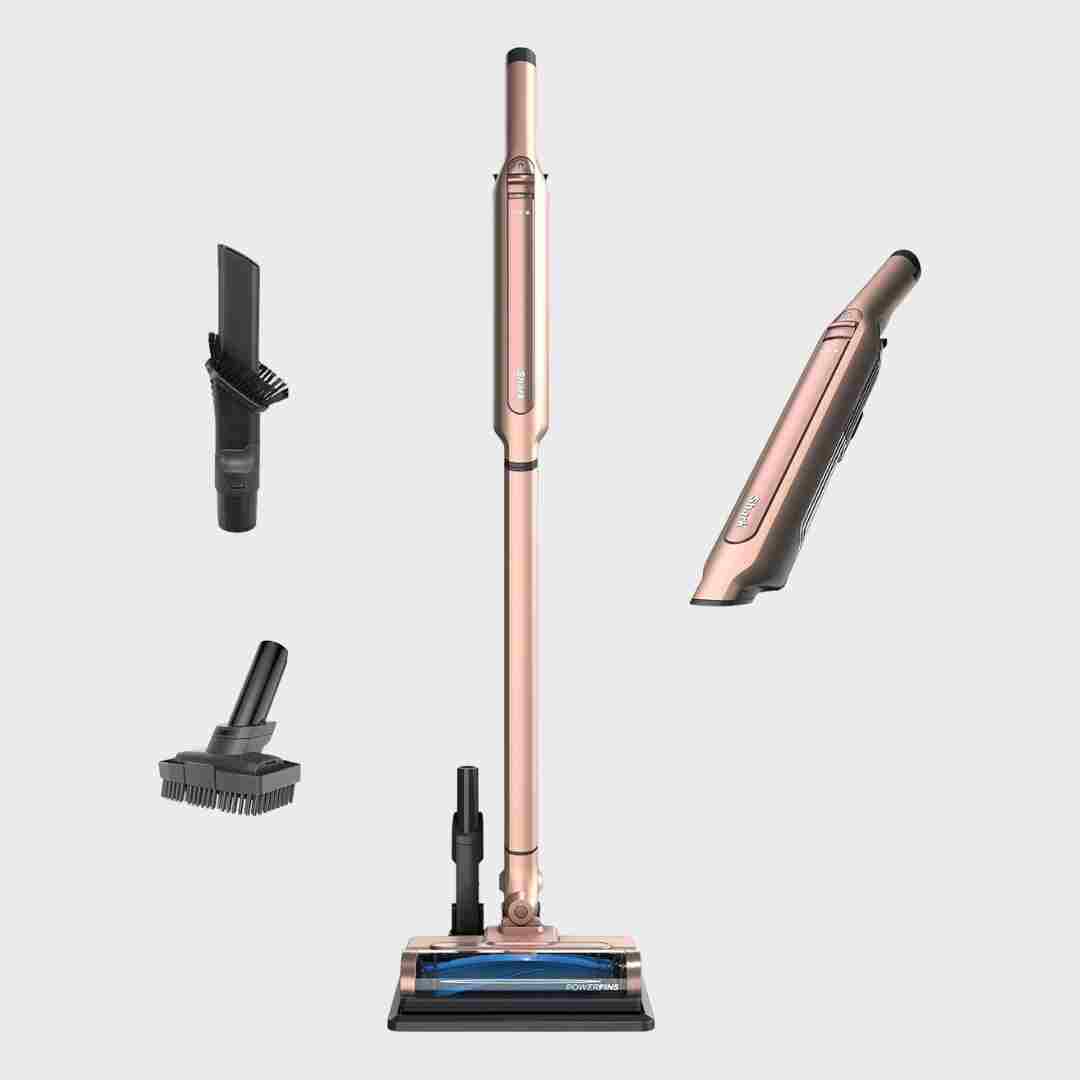
Only discussed for the cordless Clean & Empty variant, where the auto-empty dock and large bagless container are highlighted as a major convenience. No long-term reliability issues are described in the review text.
Auto-empty and docking are largely reliable and highly valued for hands-off cleaning; however, a few measurements found residual debris left in the robot bin after emptying, so settings and debris type matter.
Docking and auto-empty reliability is mostly praised, with consistent returns to the base and effective emptying; occasional complaints are more about noise and filter upkeep than outright docking failures.
Docking and auto-empty reliability is viewed as high, with dependable returns to the base and consistent mop washing/drying and emptying behavior in most reports.
Docking and auto-empty reliability is generally strong for the robot, including bagged emptying and automated mop servicing. A minority of feedback notes the dock may not always fully evacuate debris from the handheld vacuum’s narrow bin when using Combo variants.
Docking and auto-empty performance is reviewed positively overall, with reliable returns to dock and effective emptying plus mop washing/drying that supports hands-off ownership.
Docking and auto-empty reliability are generally strong, with bags lasting weeks for many homes and consistent returns-to-dock behavior noted by reviewers.
Docking and auto-emptying are generally reliable and a core part of the hands-free experience, including mop washing/drying. Comparative testing shows it can leave more debris in the onboard bin than the very best docks in some scenarios, but day-to-day performance is still strong.
When the robot successfully returns home, emptying is highly reliable and clears even dense debris; however, in cluttered environments some reviewers saw missed docks or mid-run stranding that prevents auto-emptying until rescued.
The dock is one of the vacuum's strongest assets, handling self-emptying, mop washing, drying, and re-prep with little intervention and generally dependable behavior.
Docking and automation are major highlights, with the dock handling dust emptying, water refills, dirty-water draining, and mop care. Some reviews note extra dock returns during stain work, but overall reliability is described as strong.
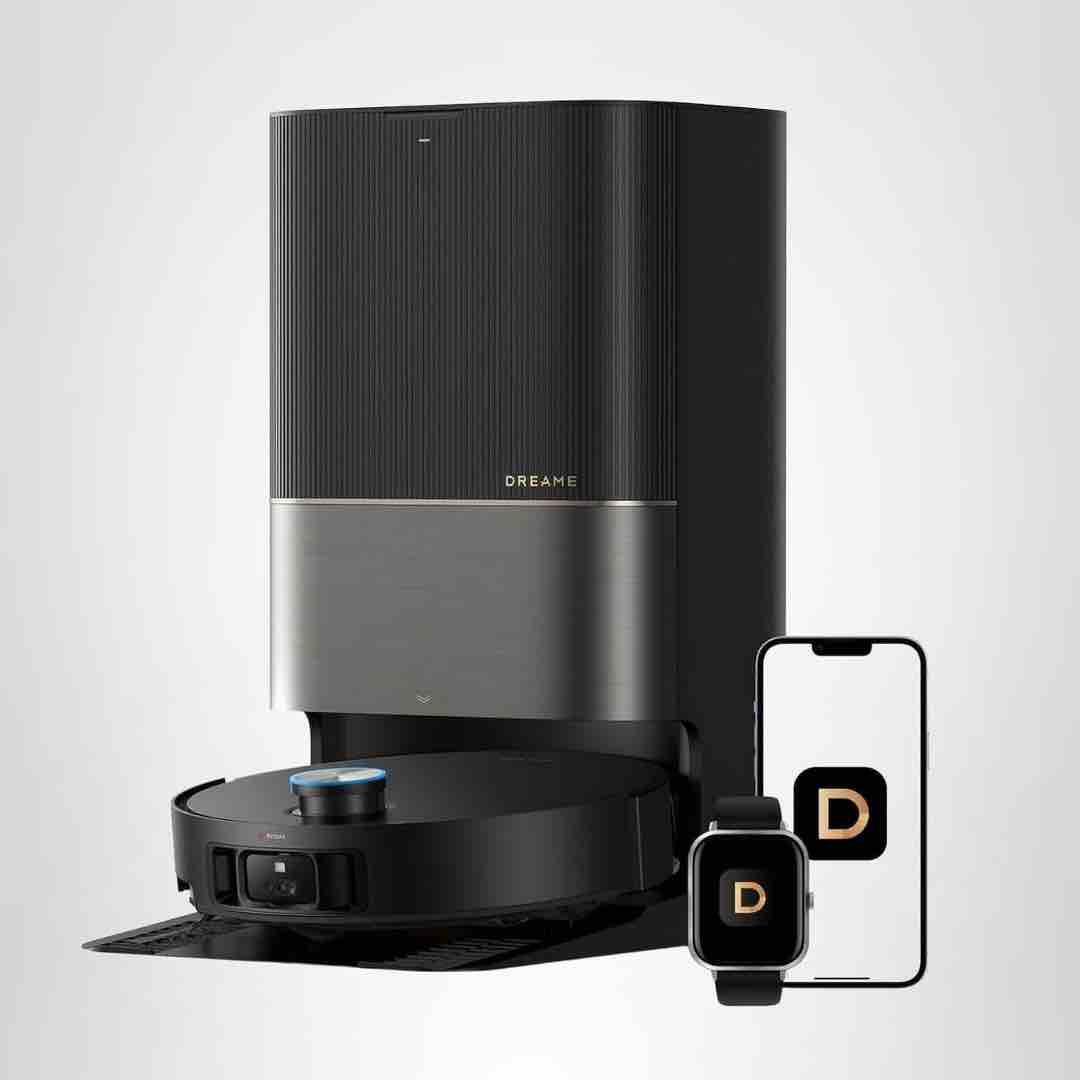
The Omni Station is broadly seen as feature-rich and effective (auto-empty, hot wash, hot-air dry, refills/empties tanks), though auto-emptying is loud and a small amount of debris can remain in the onboard bin after a run.
Docking and station automation is usually reliable for charging, washing, drying, and emptying, but a few reviewers cite slower drying, louder operation, or occasional quirks that still require check-ins.
Docking/auto-empty is generally reliable with strong suction and automated wash/dry/refill; a few docking-angle or sensor issues are reported but often resolved with cleaning.
The OmniStation is generally viewed as robust and highly automated, handling auto-empty, hot-water washing, and hot-air drying reliably. Most complaints tie to navigation/stuck events rather than repeated docking failures.
Dock reliability is generally rated highly for a hands-off workflow (auto-empty, wash/dry, refill), with the biggest drawbacks being its large footprint and the inherent complexity of a water-handling base.
Docking and auto-emptying are generally reliable and convenient, with long bag intervals and automated mop routines; a few reviews mention occasional hiccups with certain pet fur or early-unit issues.
Auto-emptying, mop washing/drying, and refilling behaviors are generally reliable and significantly reduce manual chores. Still, several sources stress that the dock is not truly maintenance-free and may need periodic tray/washboard cleaning.
Docking, auto-empty, and auto-refill functions are described as reliable in normal use and contribute to the set-and-forget experience. A few notes mention docking alignment can be a little finicky, but overall automation works as intended.
Dock reliability is generally praised (auto-empty, refills, hot wash and dry), though long-term performance depends on keeping filters and the wash area clean.
Docking and automated dock functions are a clear strength. Returning to base, washing, drying, and bagged emptying are usually reliable, with only occasional debris-chute complaints.
Auto-emptying is widely viewed as a major advantage, usually clearing the onboard bin effectively. A few notes mention occasional leftover debris in corners or timing/behavior quirks that can affect repeat empty cycles.
Auto-empty and dock servicing are portrayed as reliable and central to the ownership experience, with routine emptying and mop maintenance happening automatically after runs.
Dock automation is broadly reliable: auto-emptying, mop washing, and hot-air drying keep day-to-day maintenance low. A few scenarios mention docking sensitivity on very thick/shag rugs or that dock actions are the loudest part of operation.
Docking and auto-empty behavior is generally reliable, with consistent returns to the base and effective bin emptying. The main reliability caveat mentioned is occasional clogging in the emptying path, which can require manual clearing.
Docking and auto-empty reliability are strong points overall, with consistent reports of solid bin evacuation and dependable returns to the base in typical layouts.
Docking and auto-empty behavior is generally reliable, with many reports of consistent returns and empty-then-continue behavior, but some note failures when the bin is overly compacted or the base fills faster than advertised.
Docking and automation are strong overall, handling emptying, tank management, and mop care, but a few reviews mention first-run docking alignment issues or occasional base-finding quirks.
The self-empty dock is widely seen as reliable and convenient, extending emptying intervals to roughly 45–60 days, though a minority experienced mis-docking or charging issues.
Auto-emptying, mop washing, drying, refills, and wastewater handling deliver a mostly hands-off experience; the main downside is occasional mid-clean dock returns and, in one review, severe software issues that interrupt runs.
Docking and auto-empty reliability is mostly good, with strong performance on typical dust, sand, and hair. A more rigorous test indicates the dock can struggle with some larger mixed debris loads, making it best for routine maintenance rather than big chunky spills.
Docking and auto-empty are generally reliable and convenient, though a few reports describe occasional emptying failures or hardware issues with a unit/base; most users still find the dock a major usability upgrade.