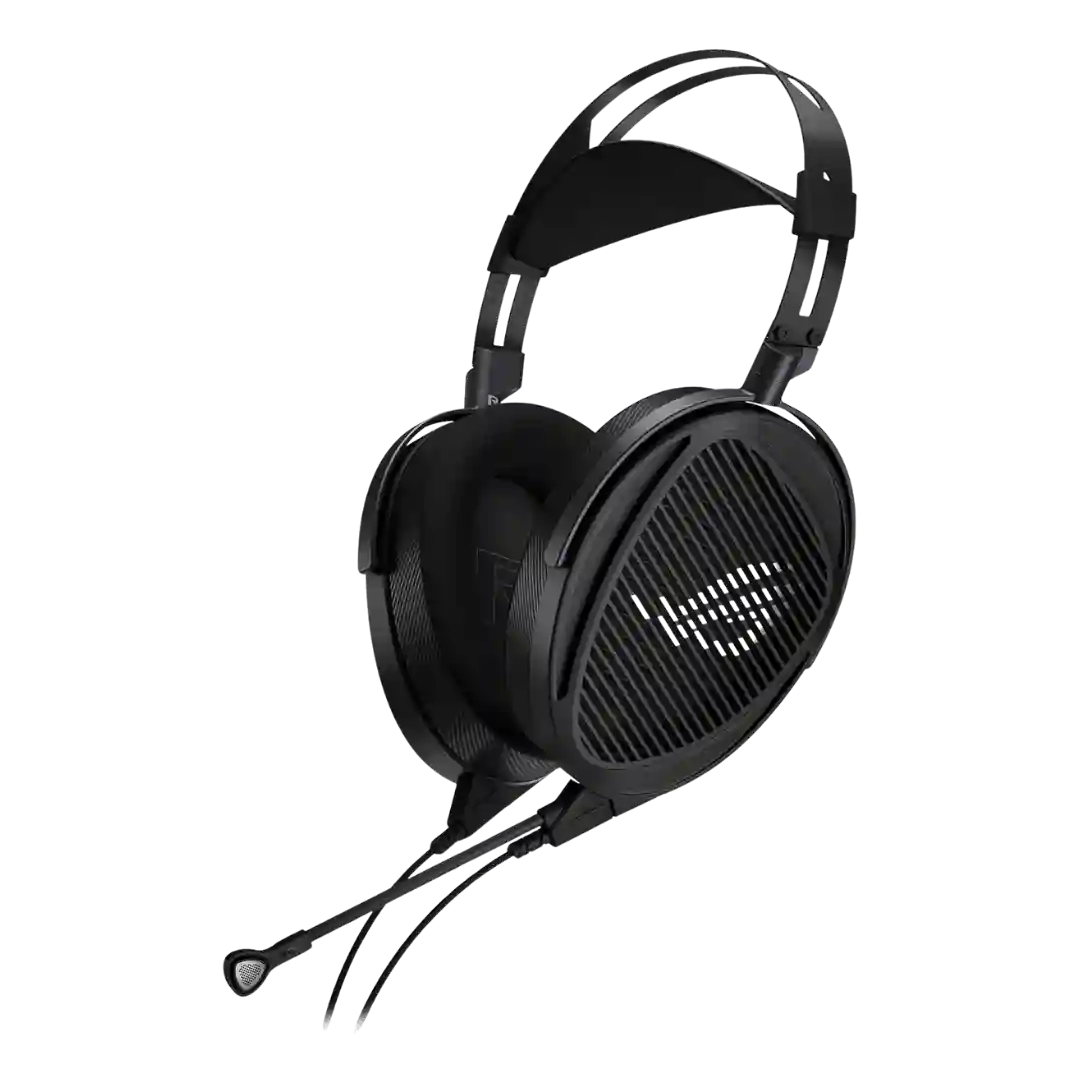
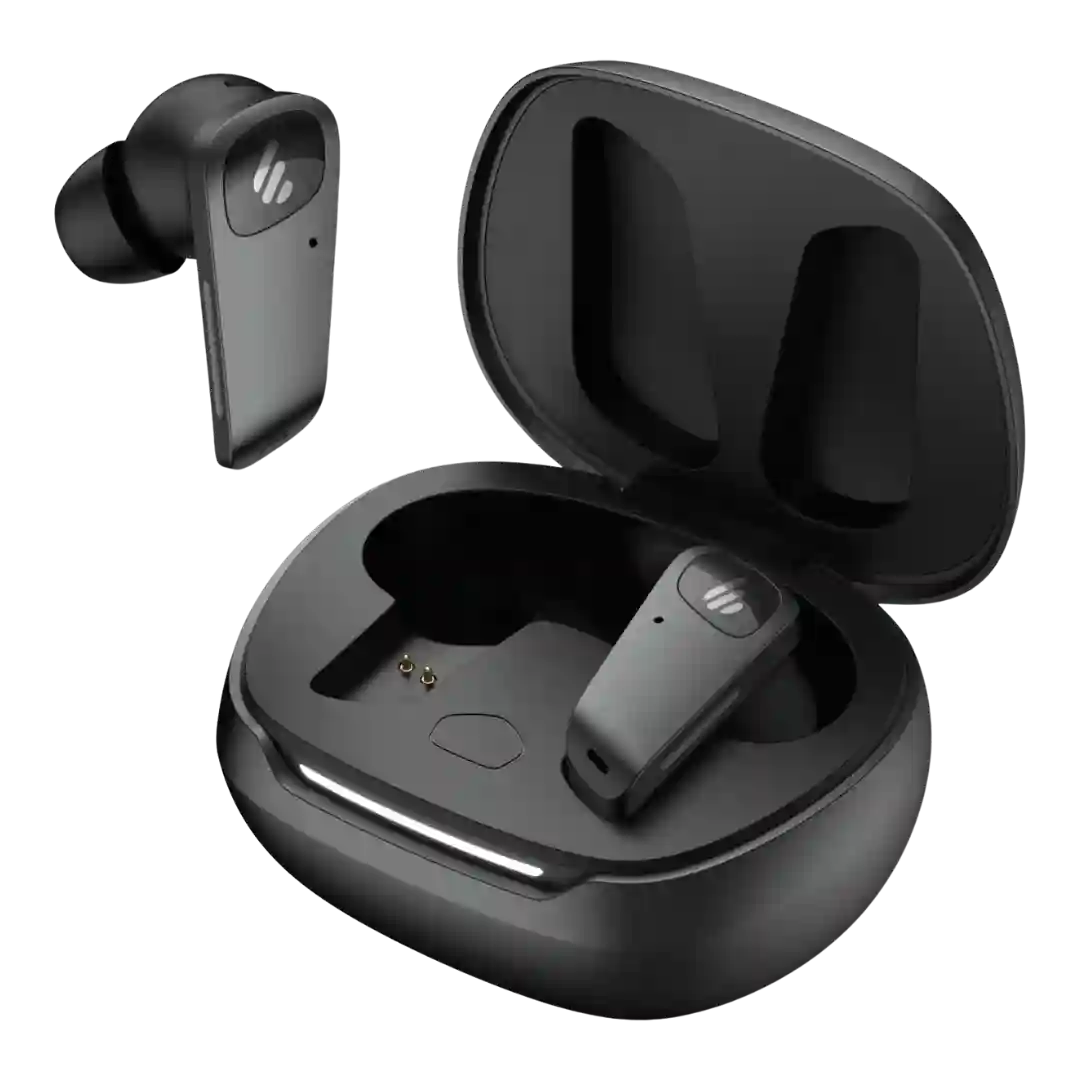
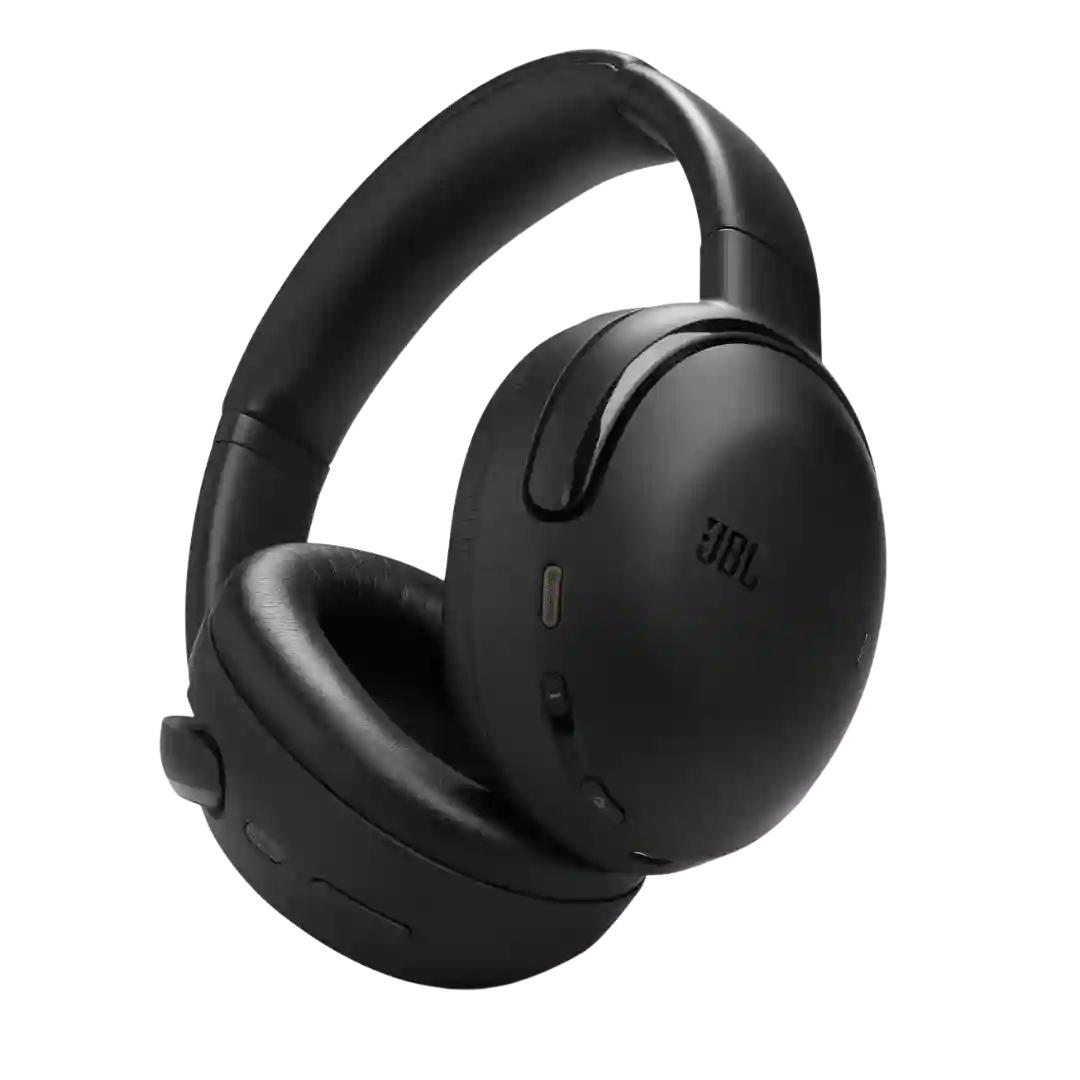
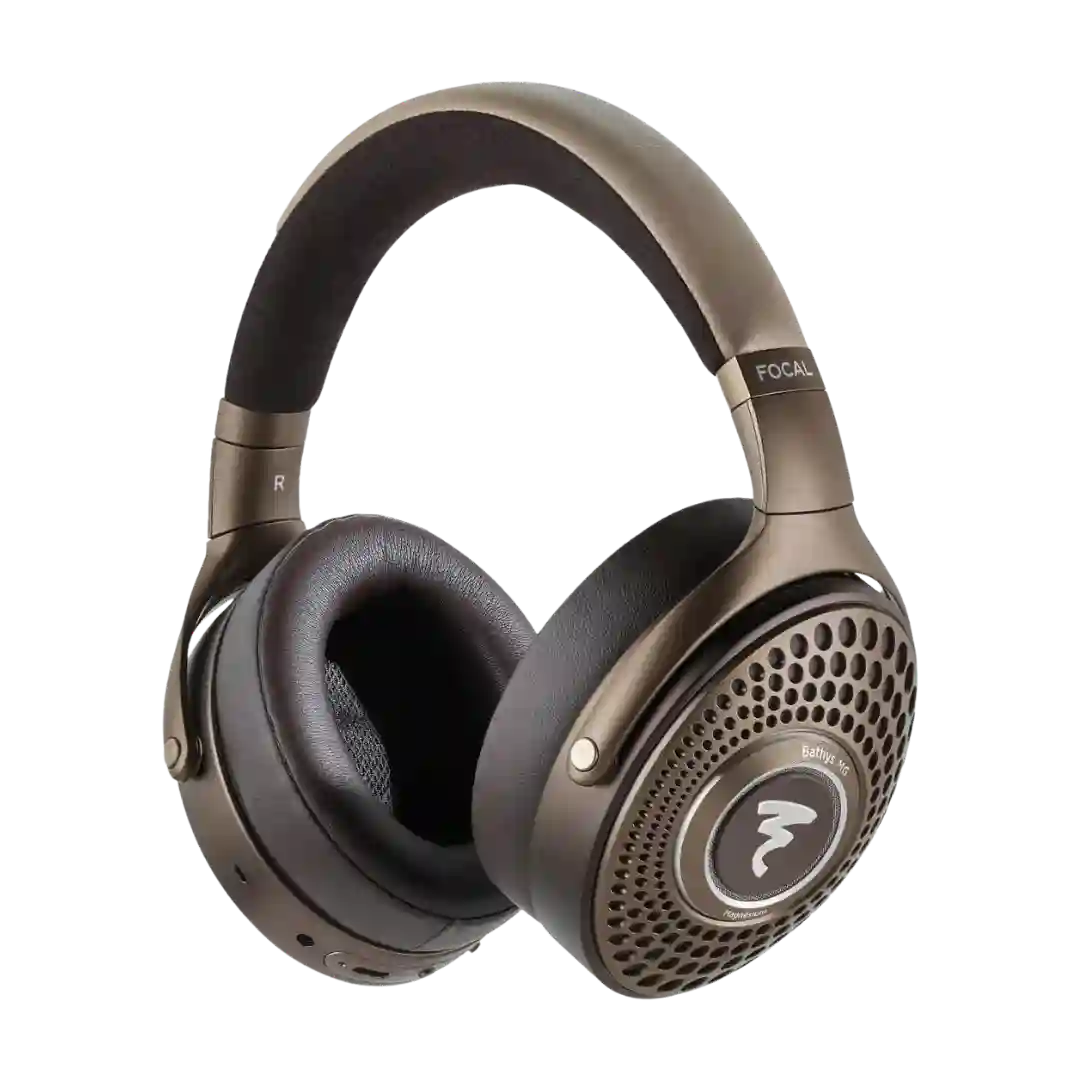
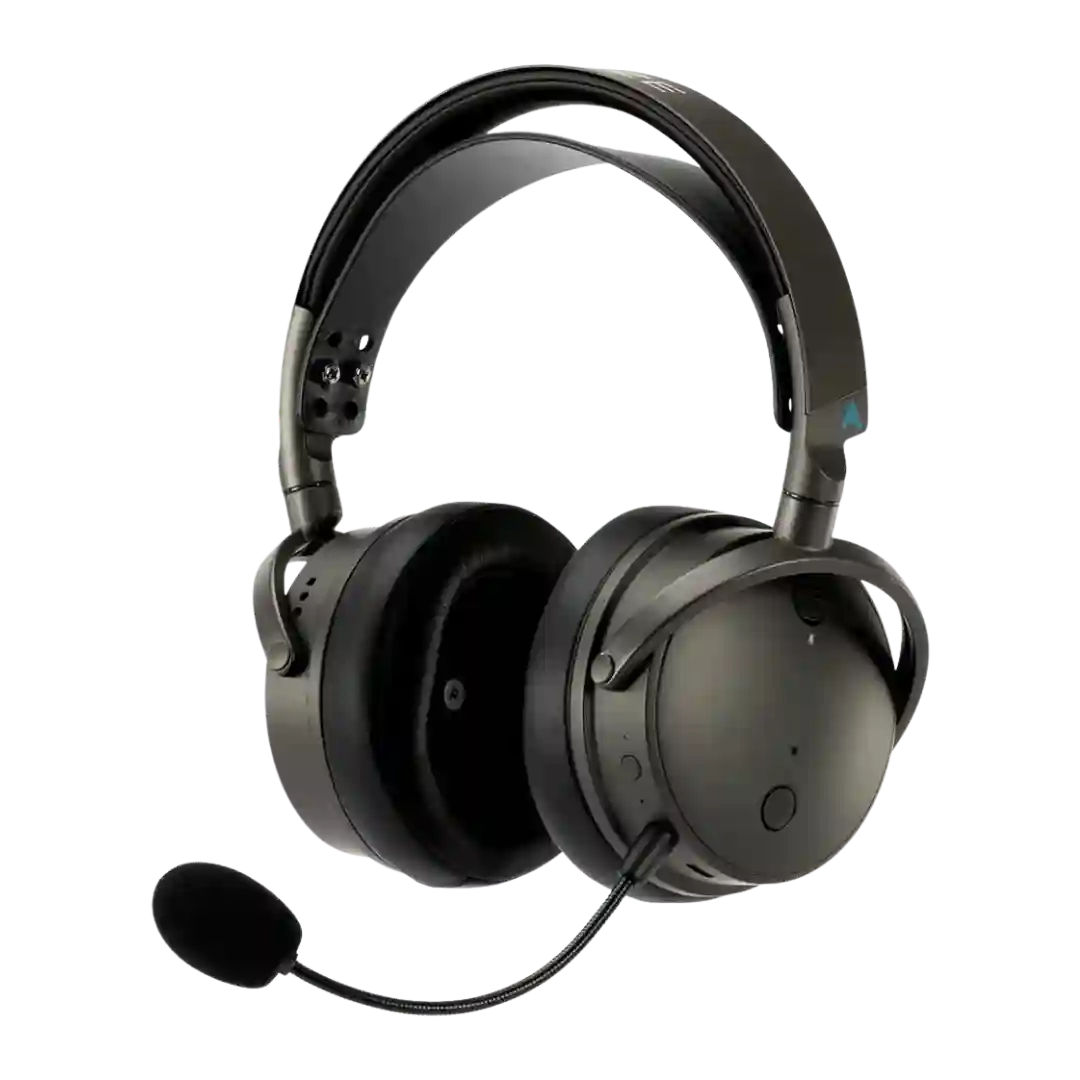
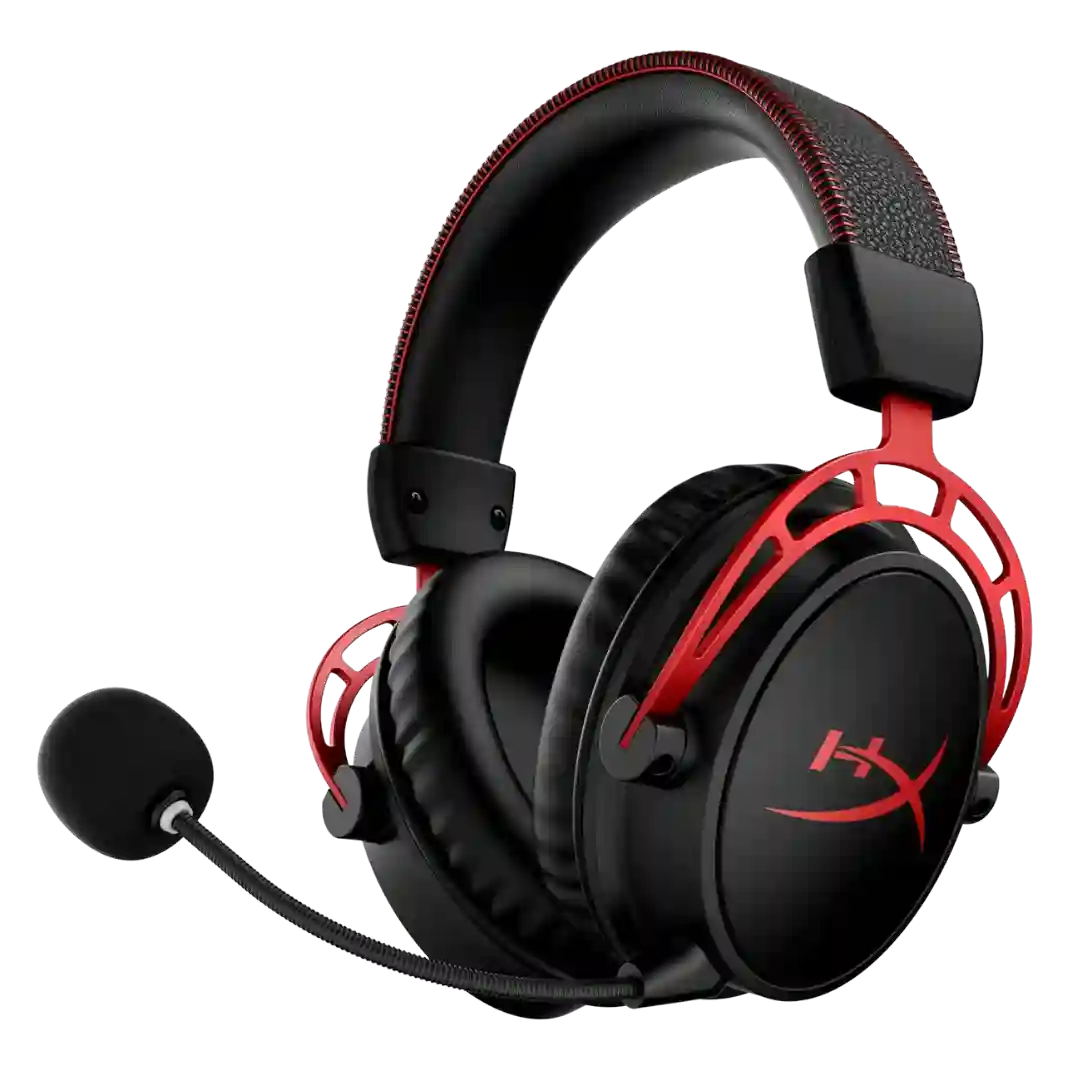
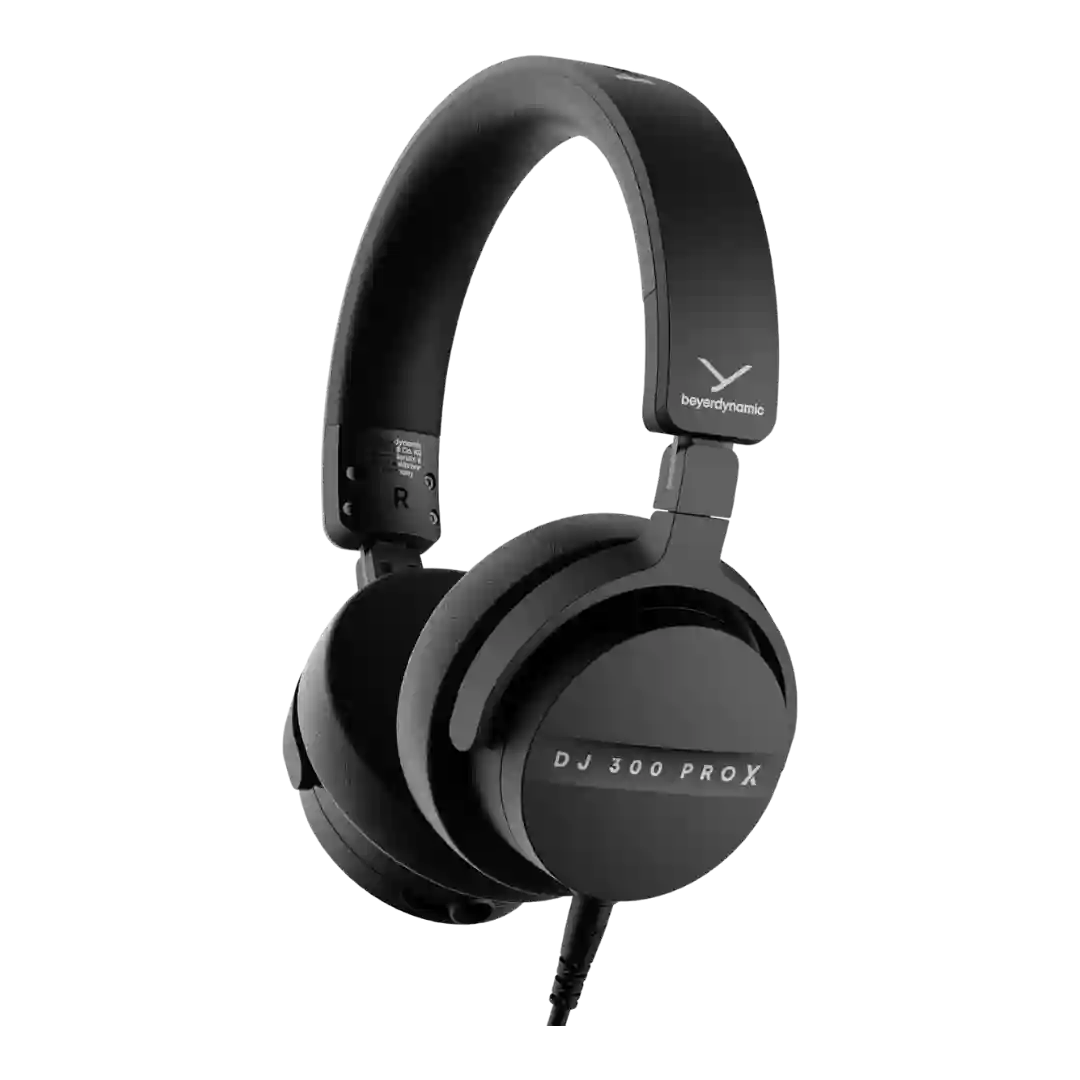
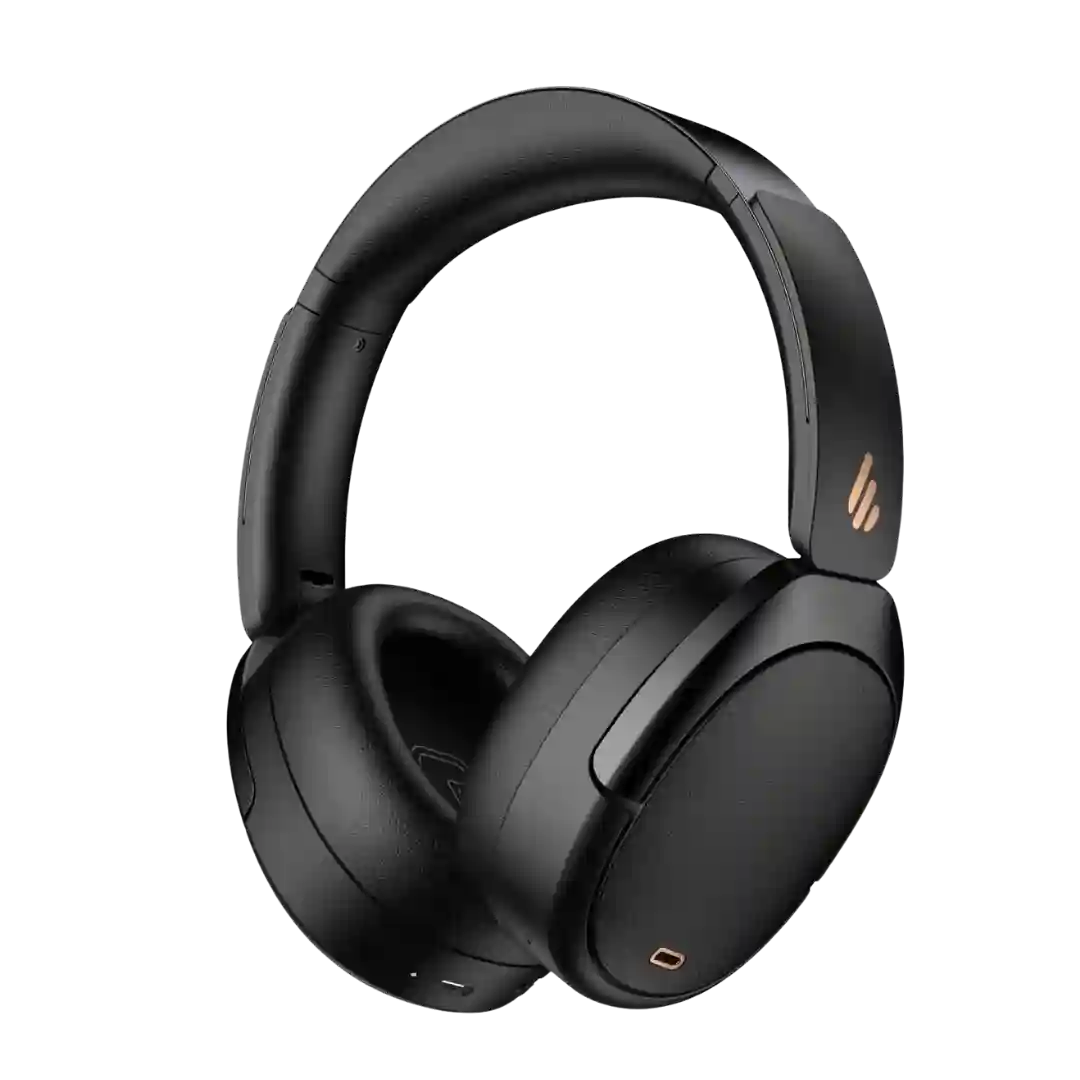
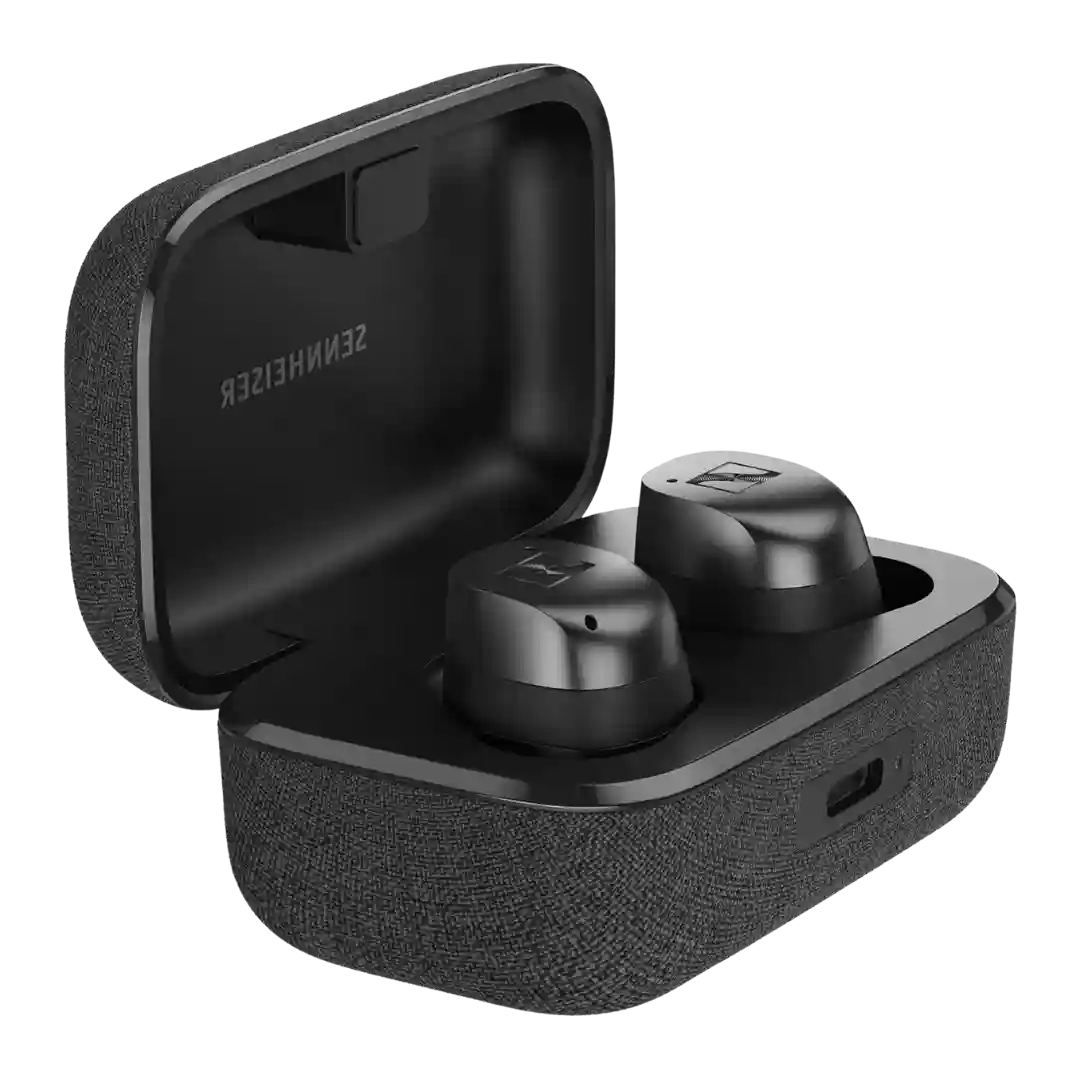
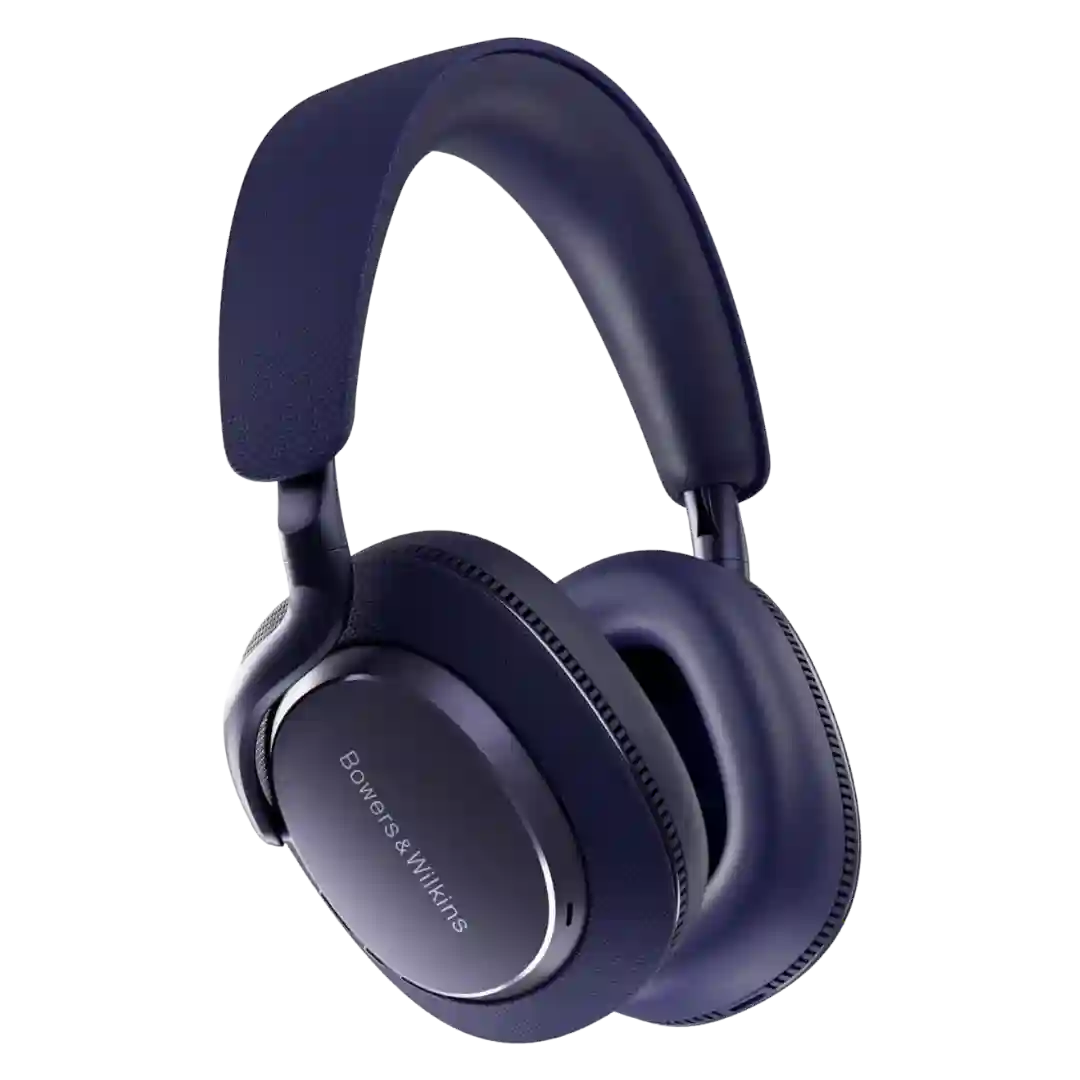
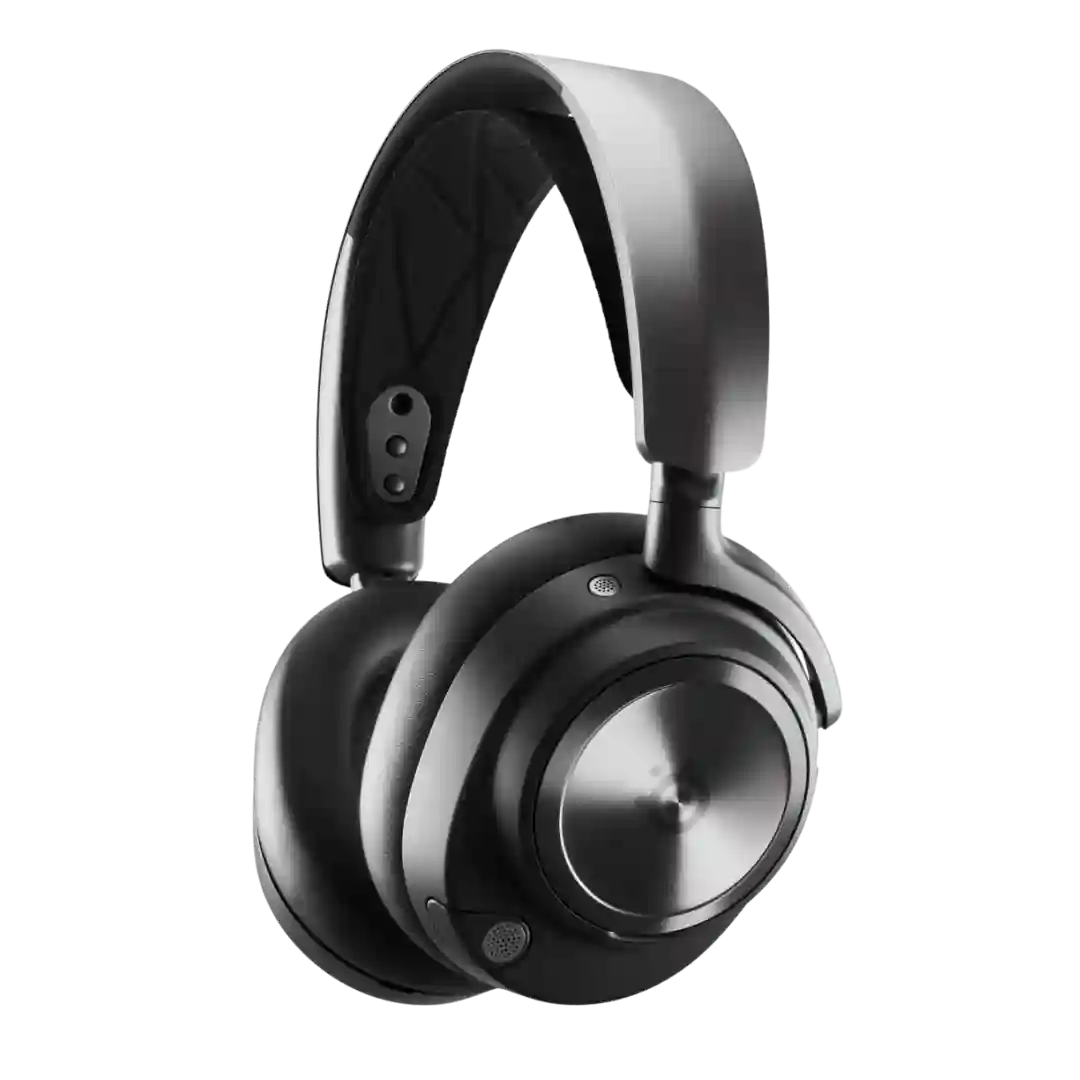
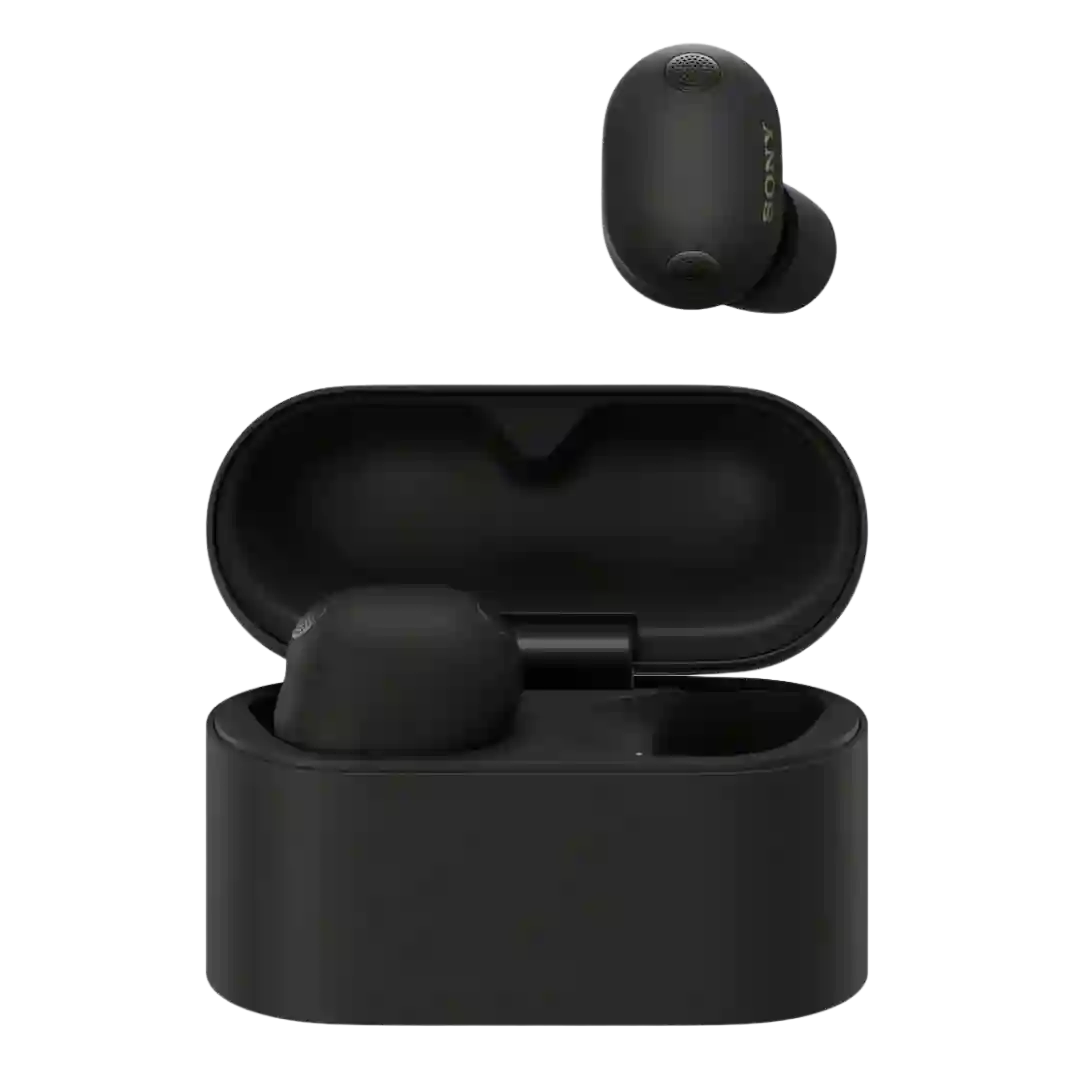
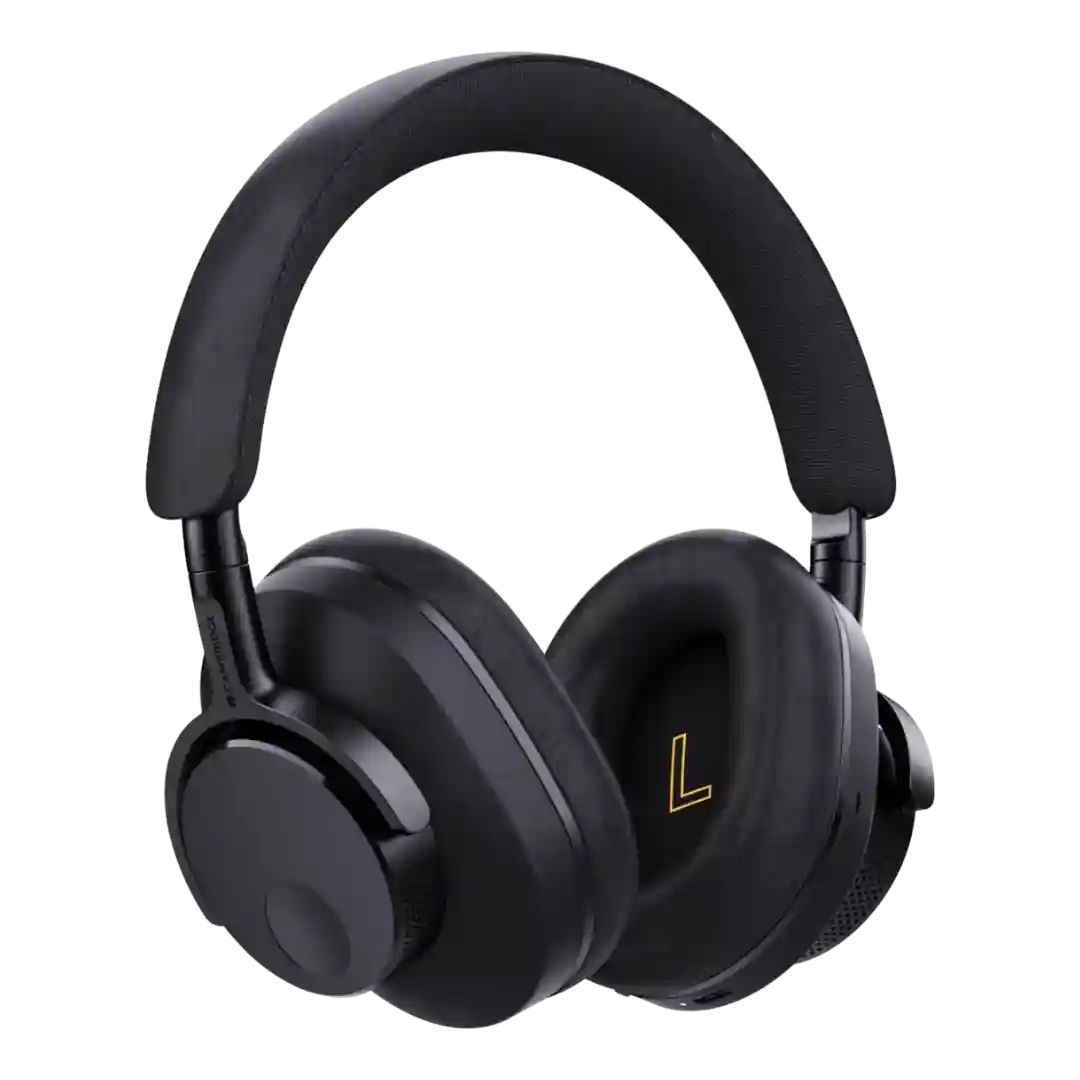
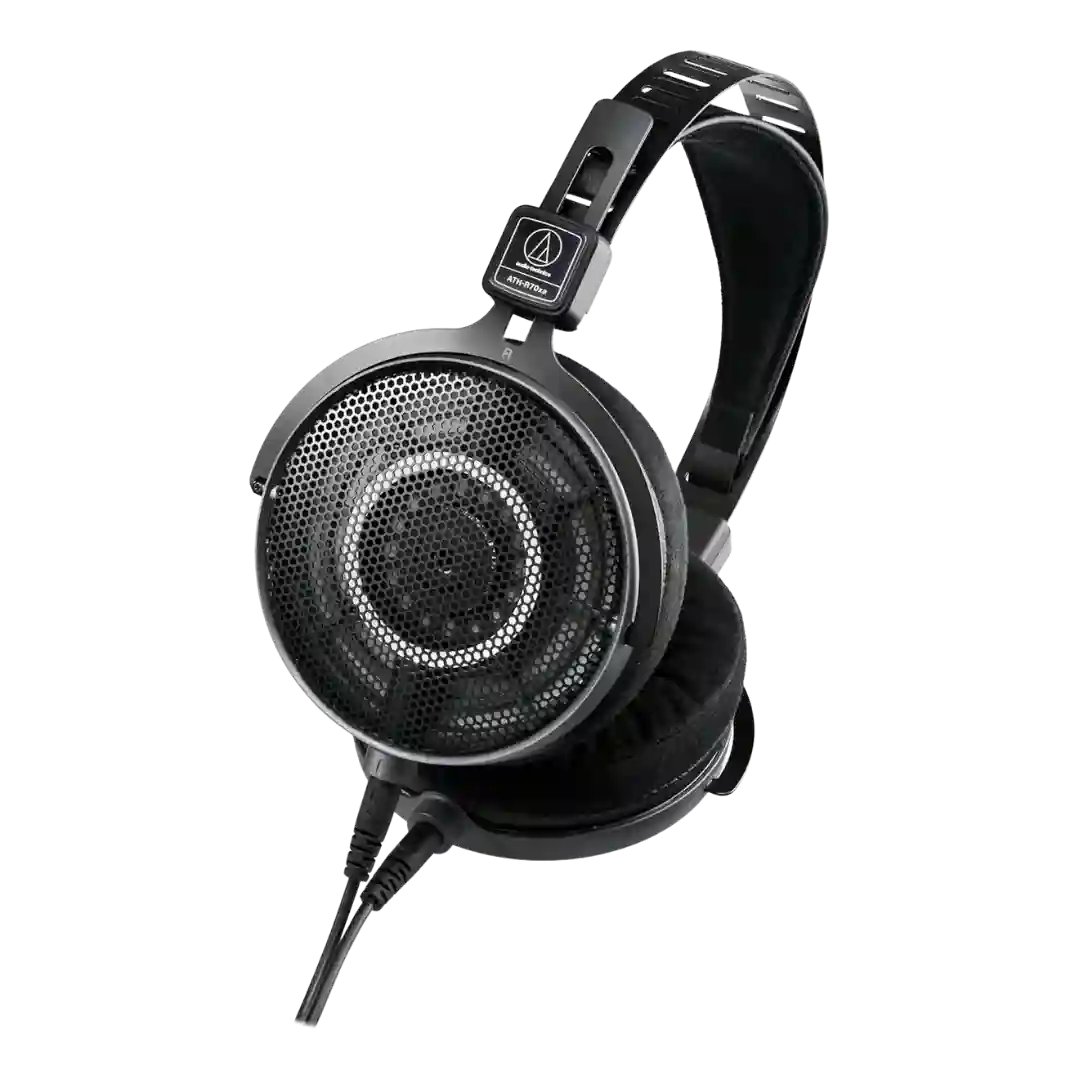
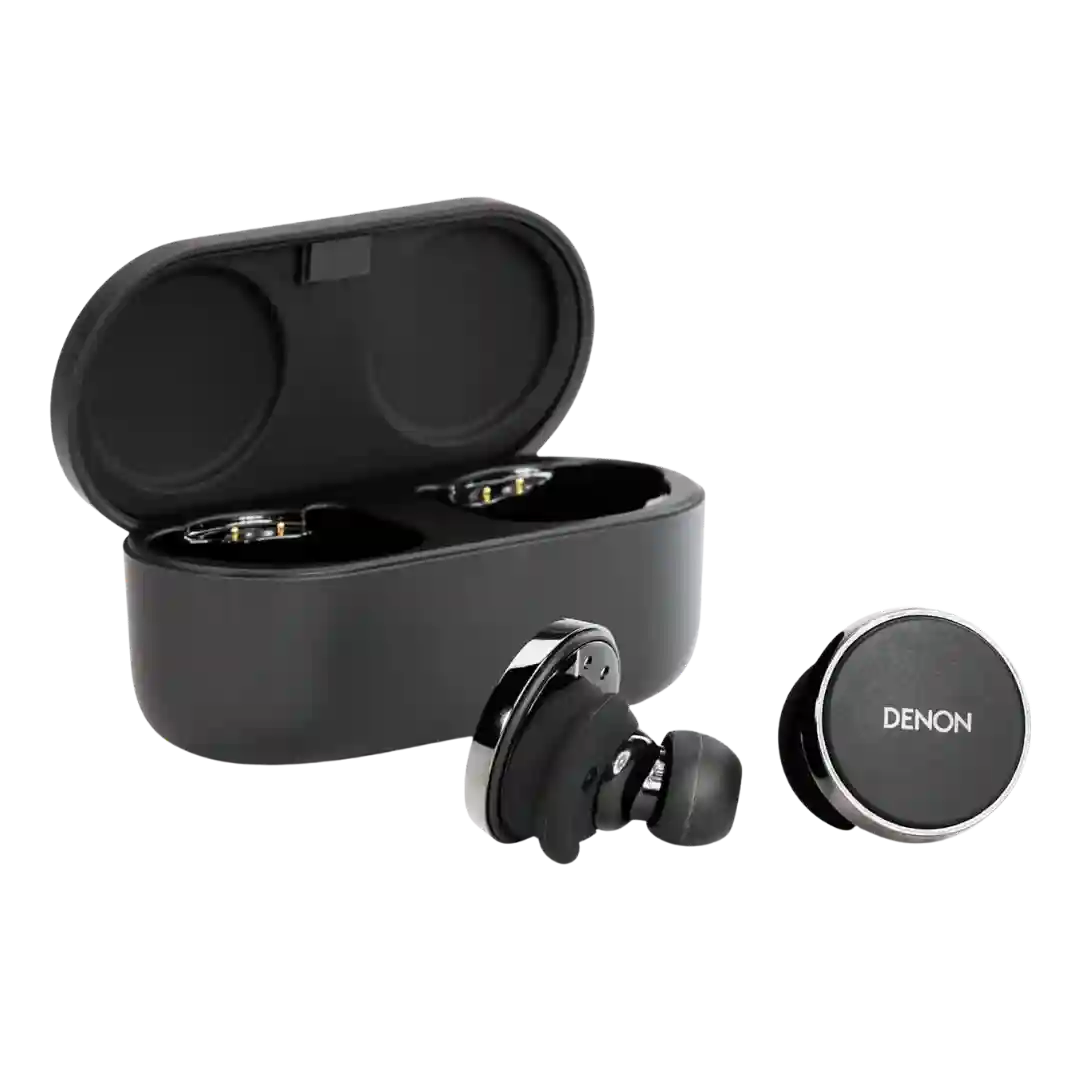
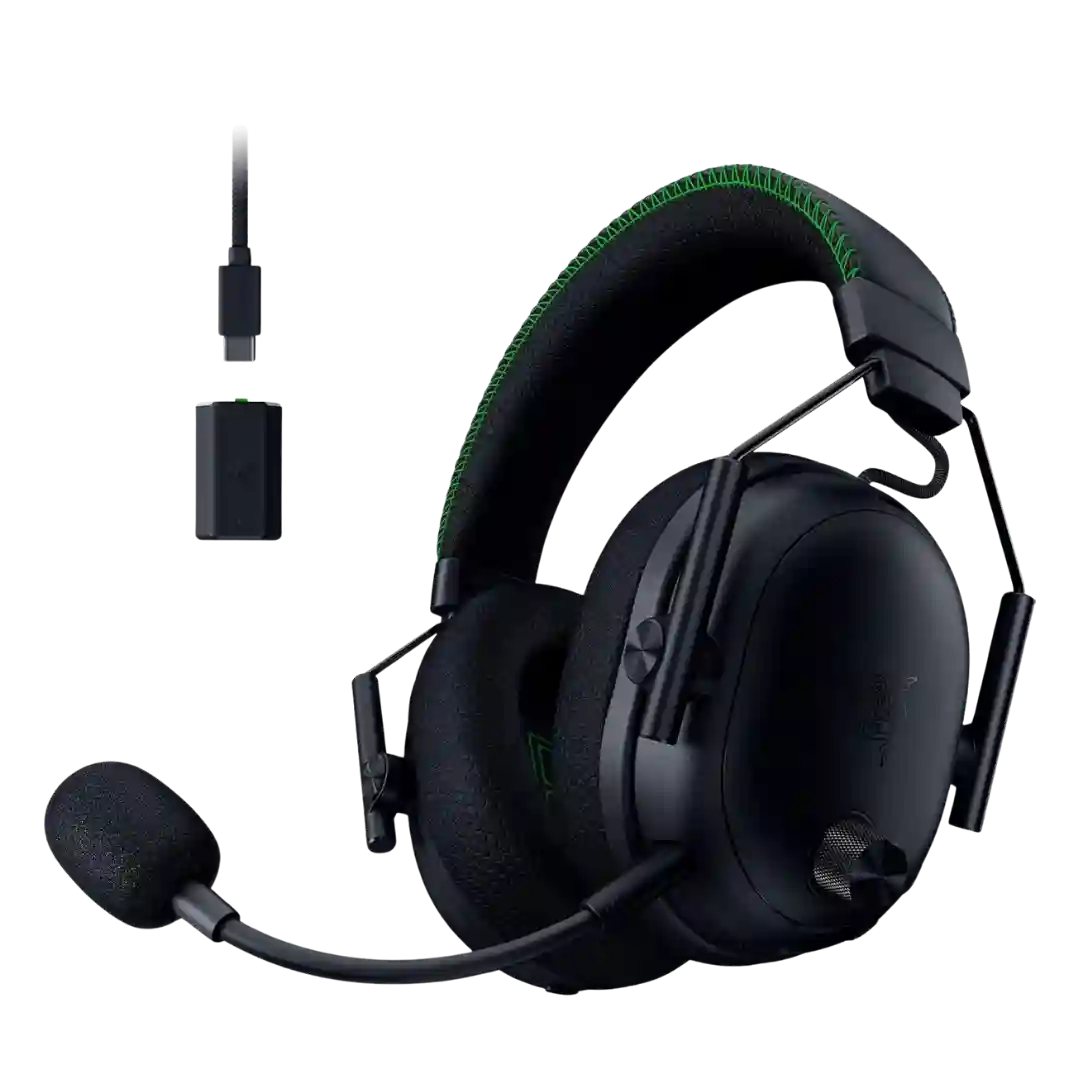
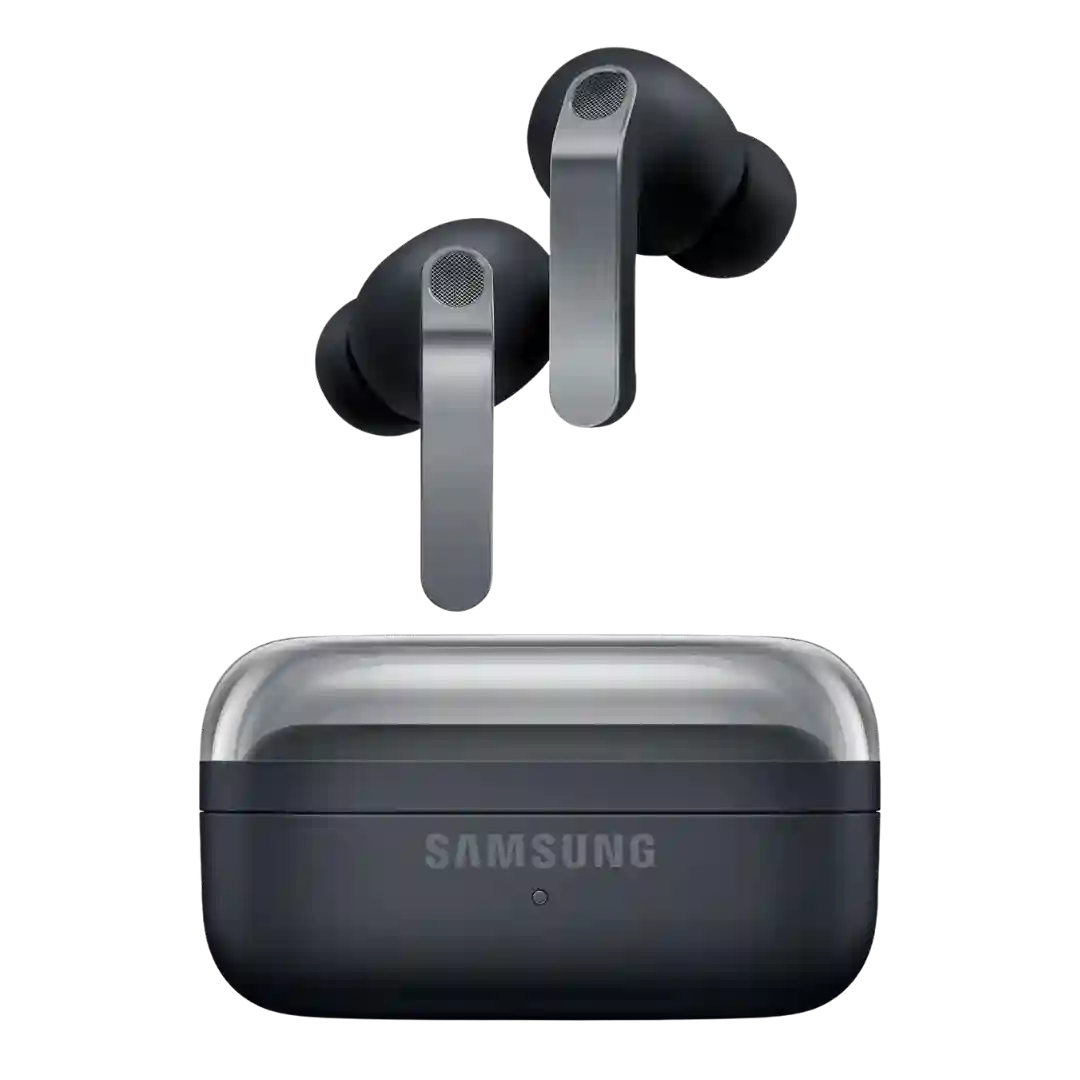
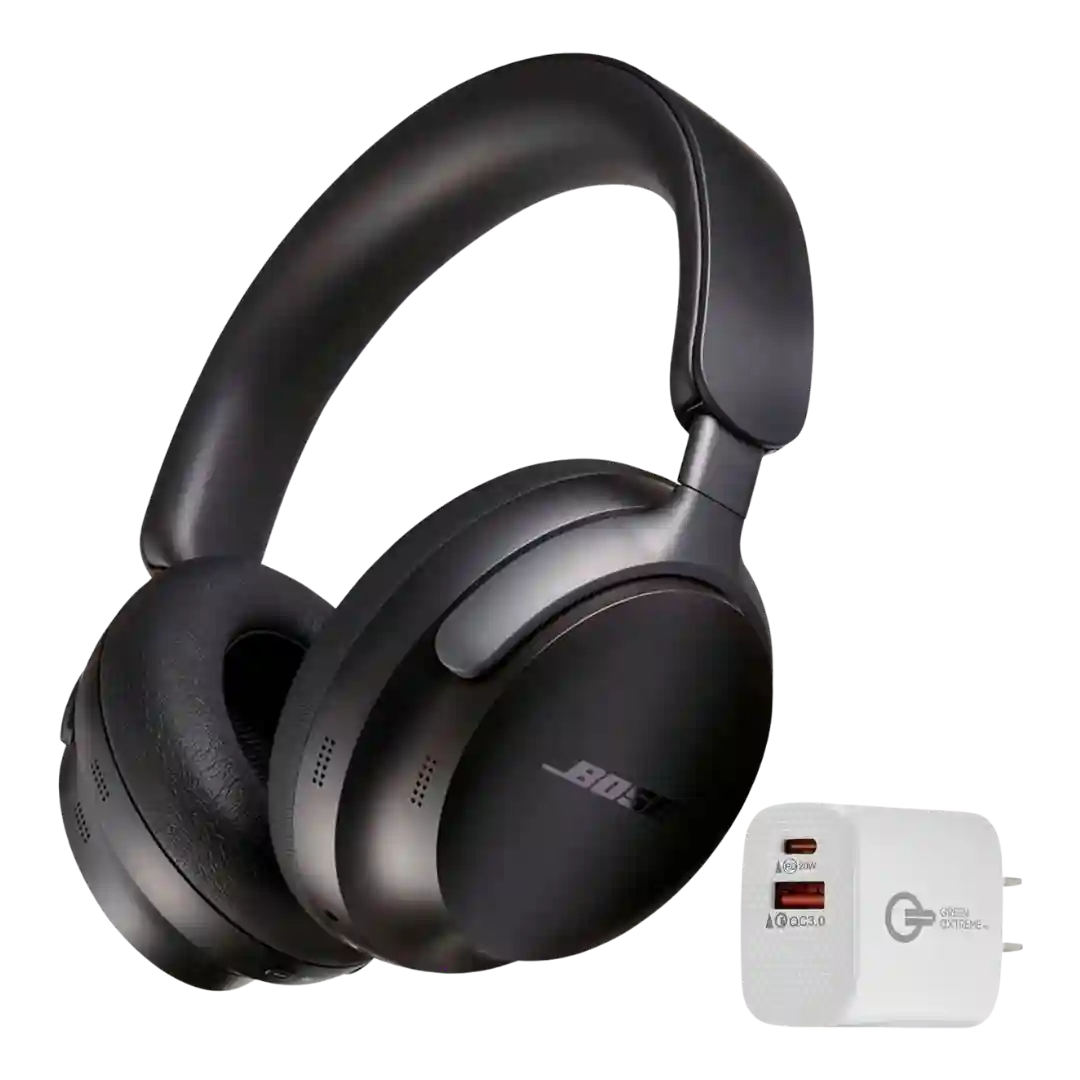
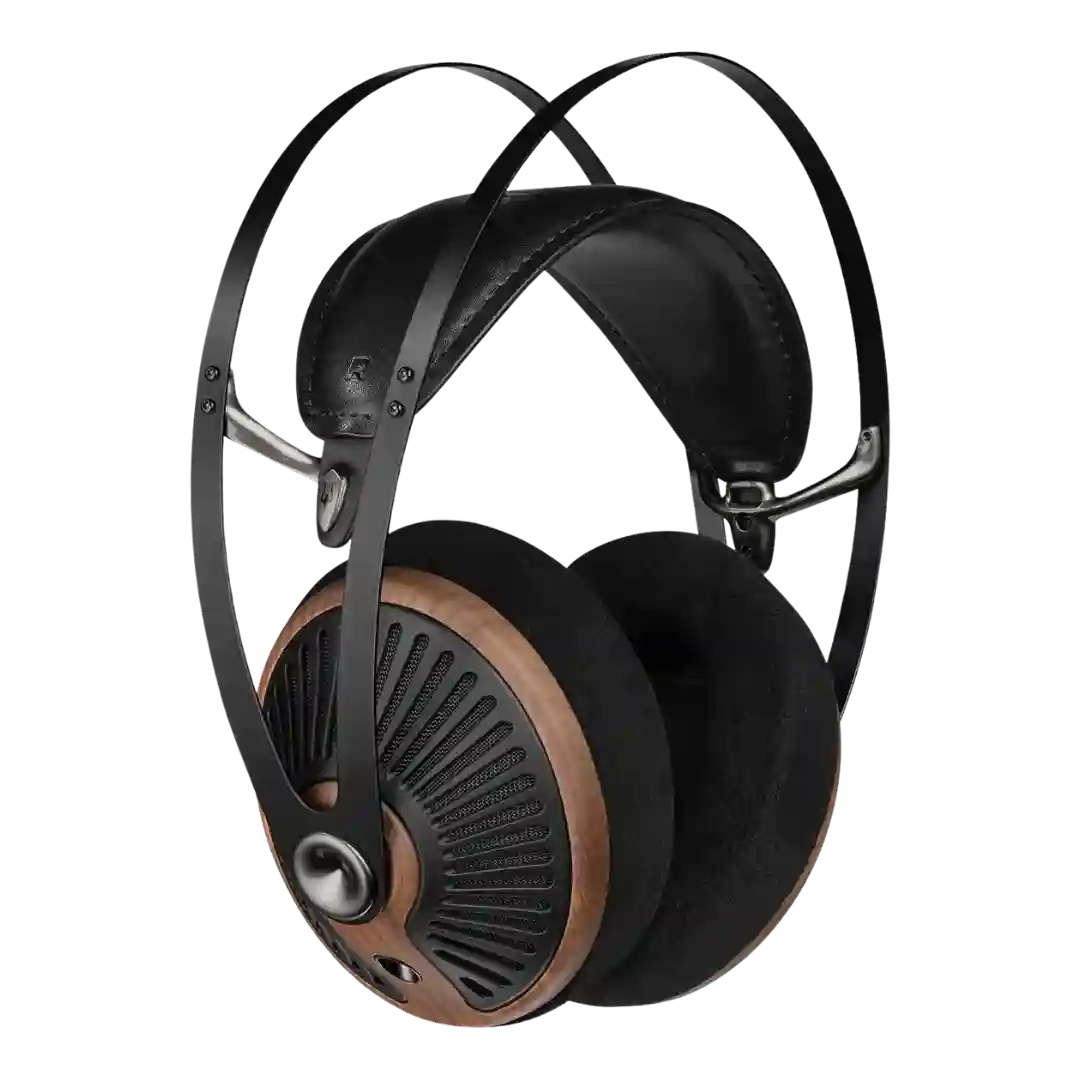
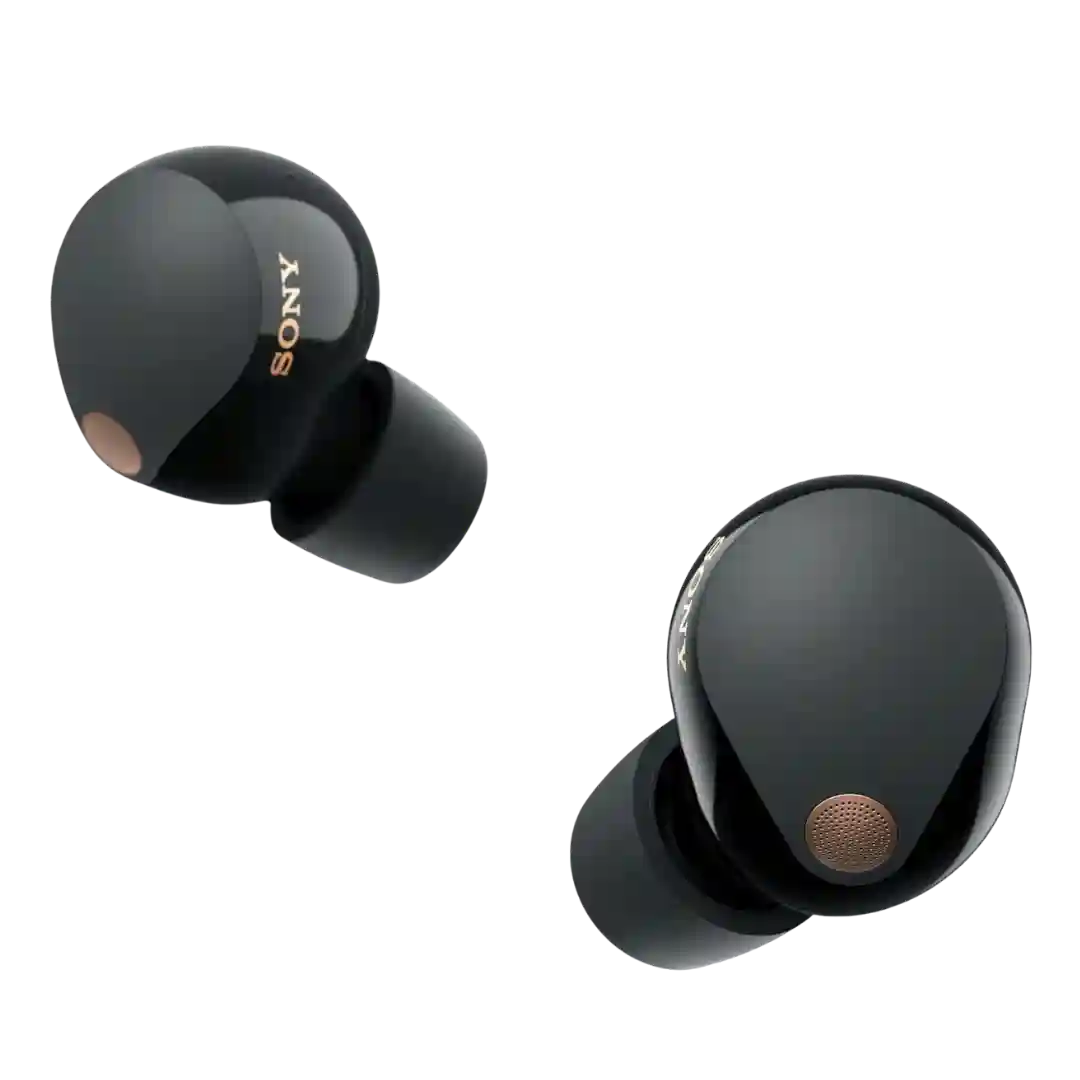
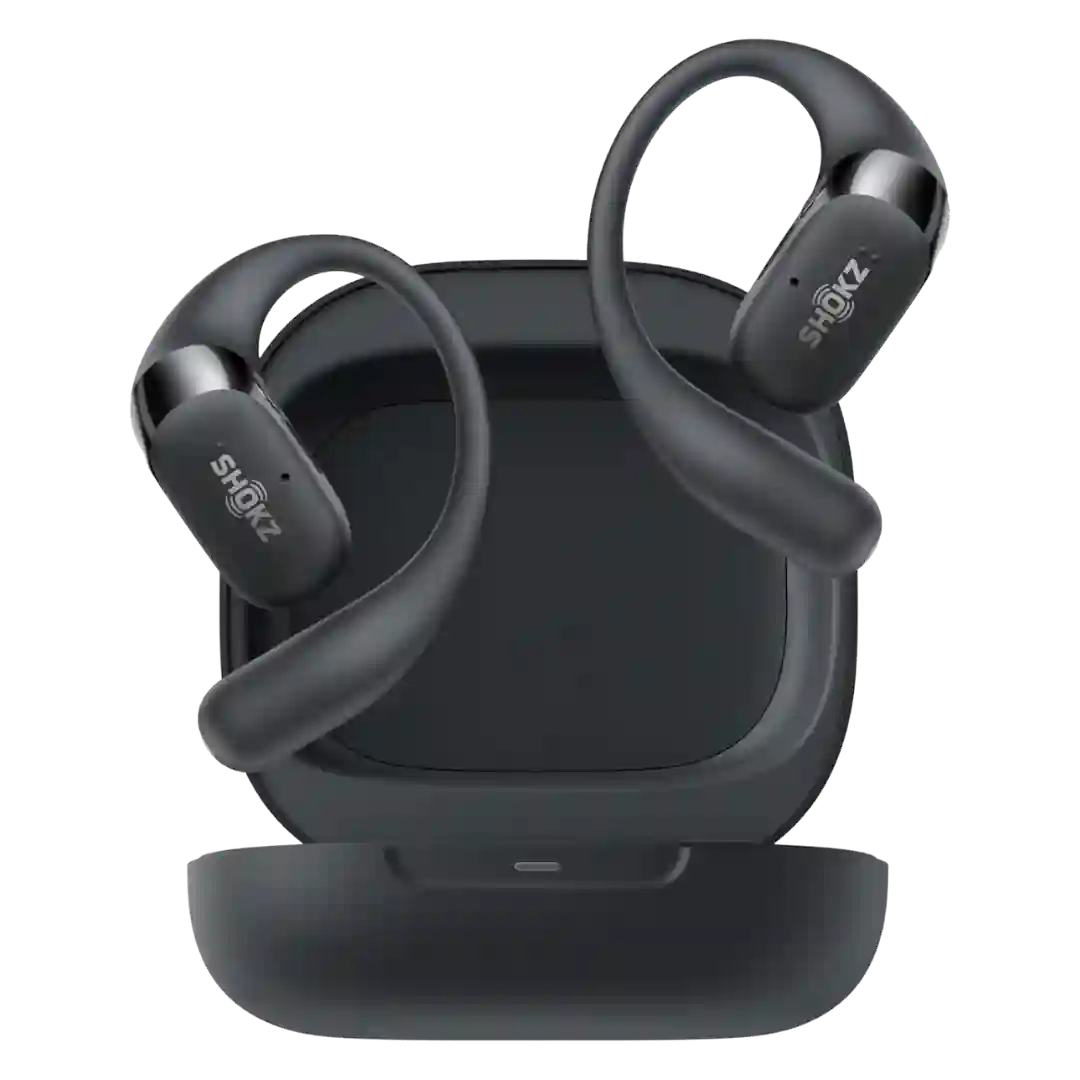
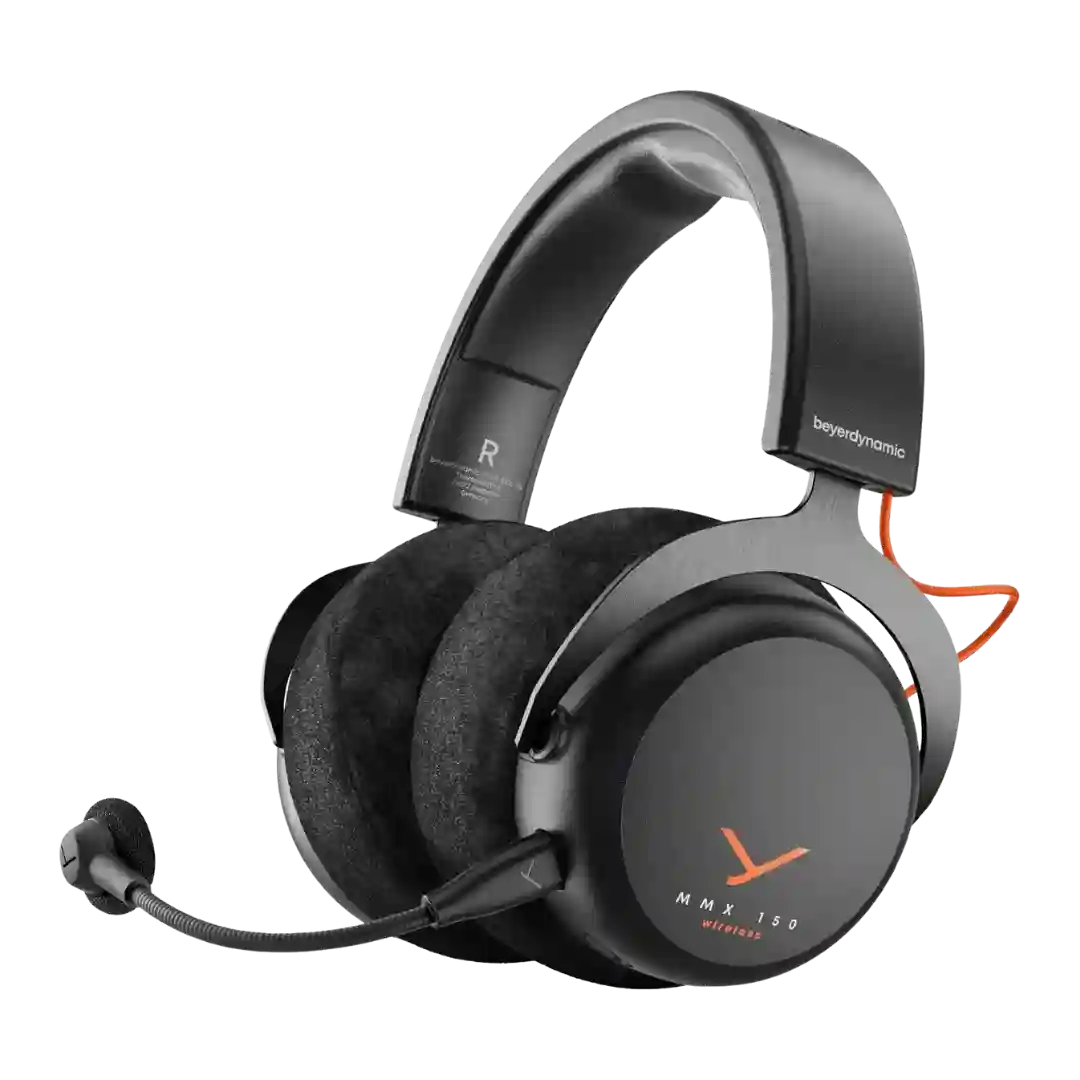
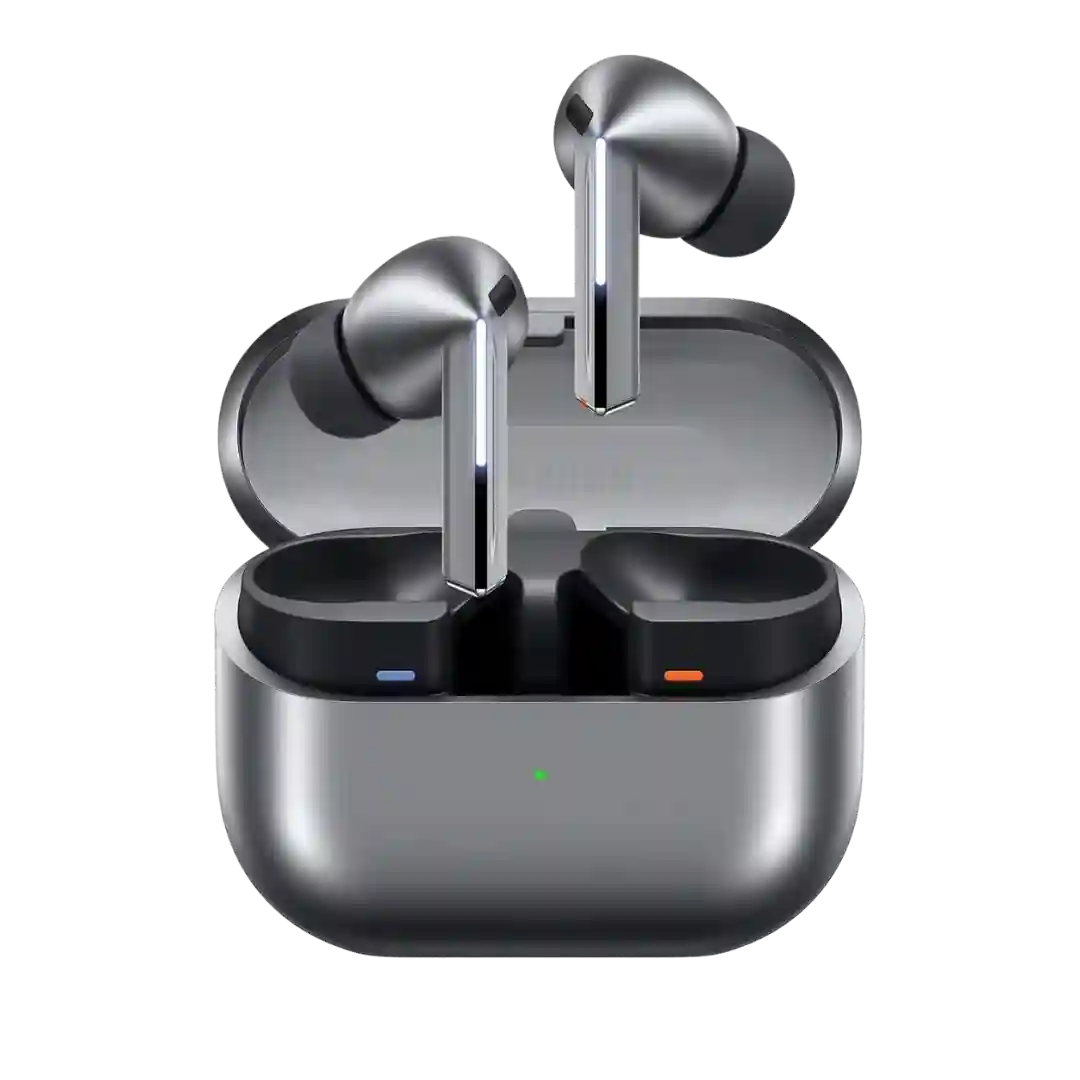
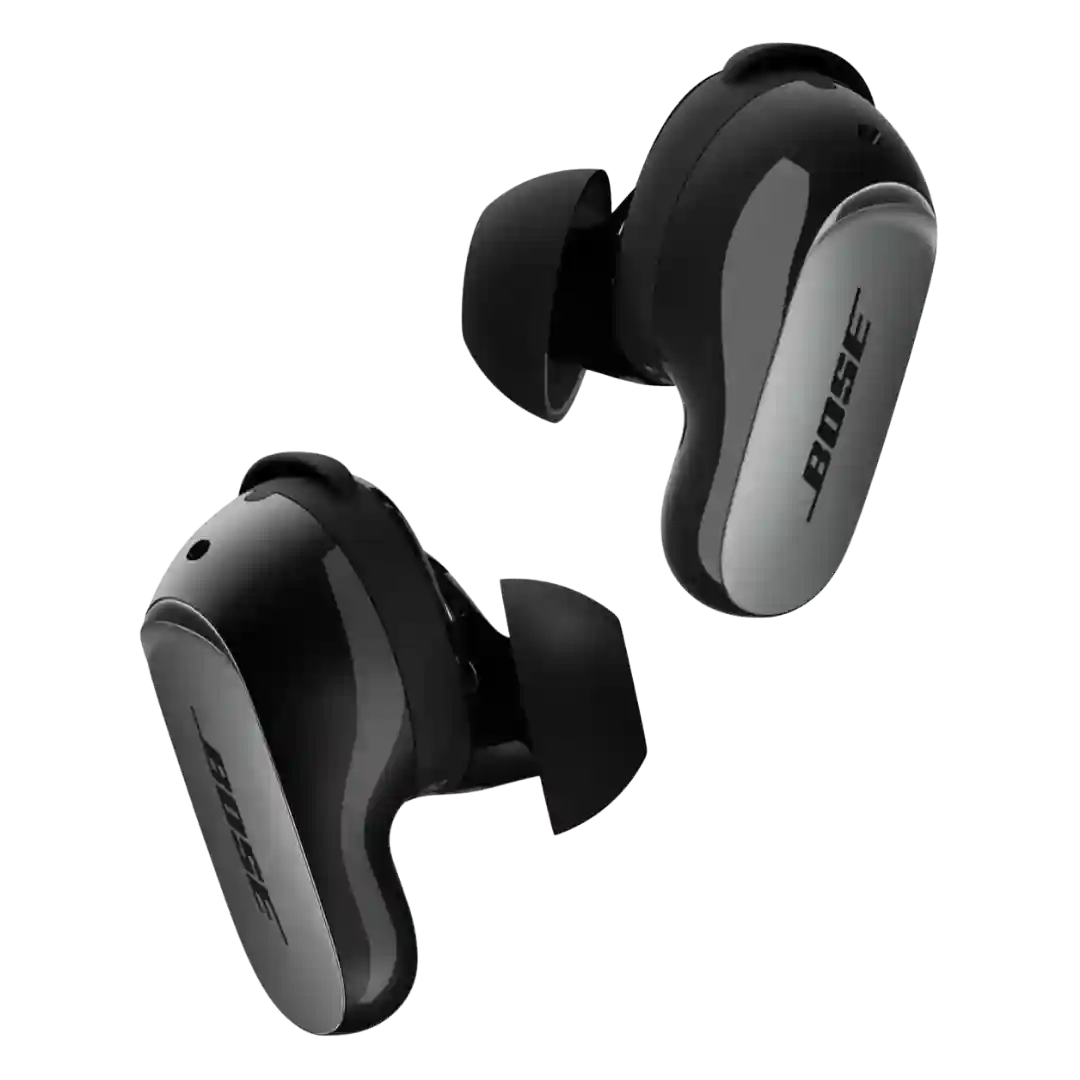
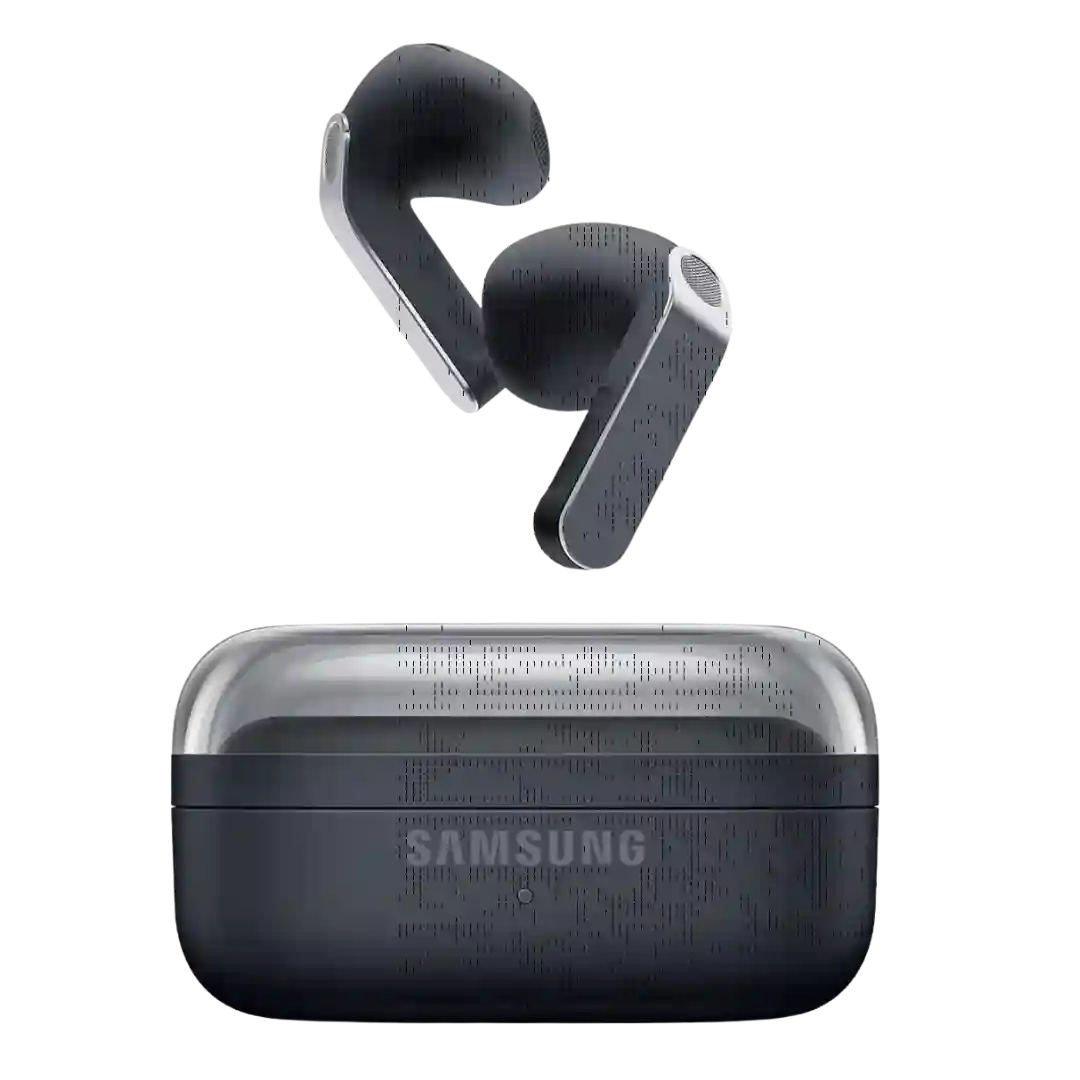
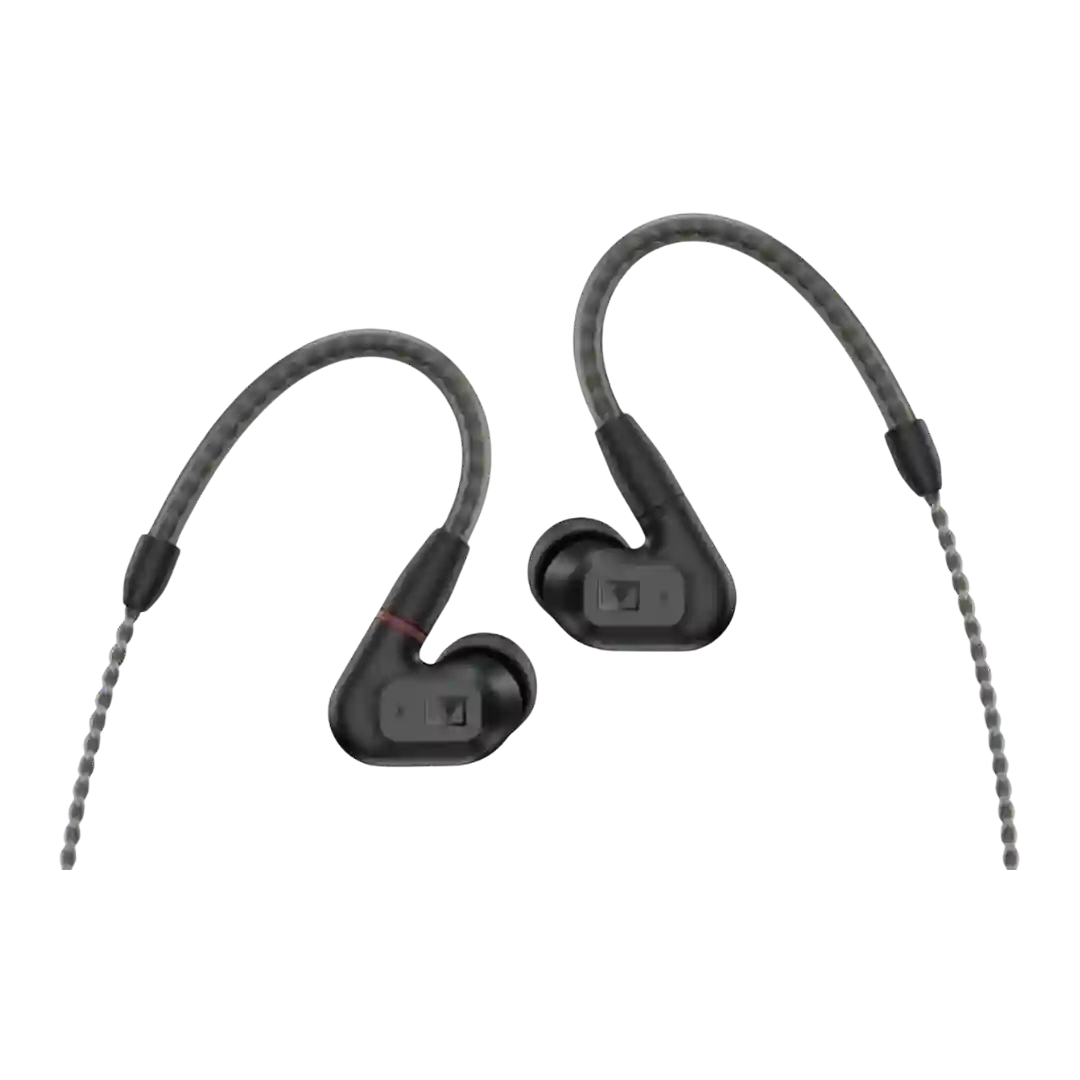
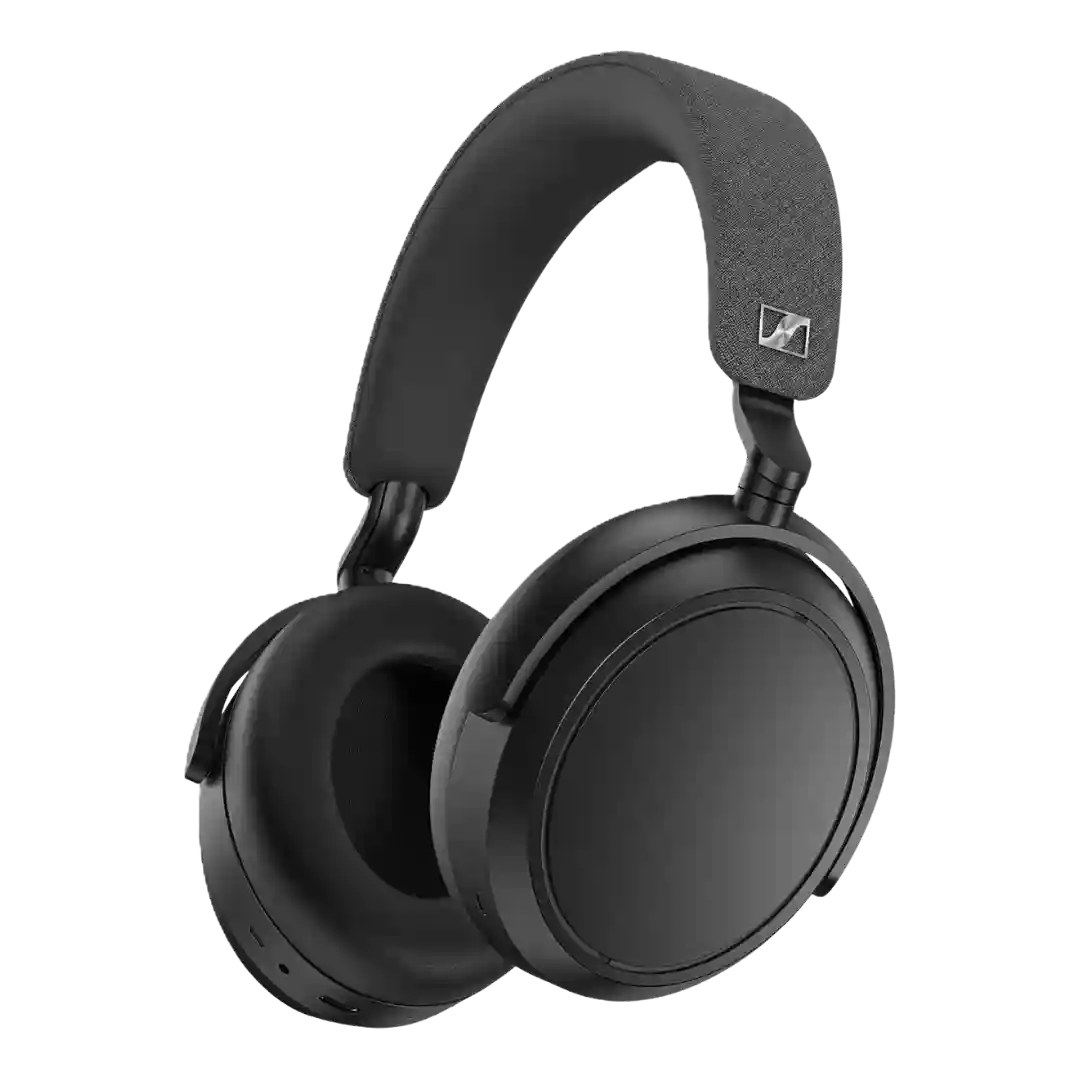
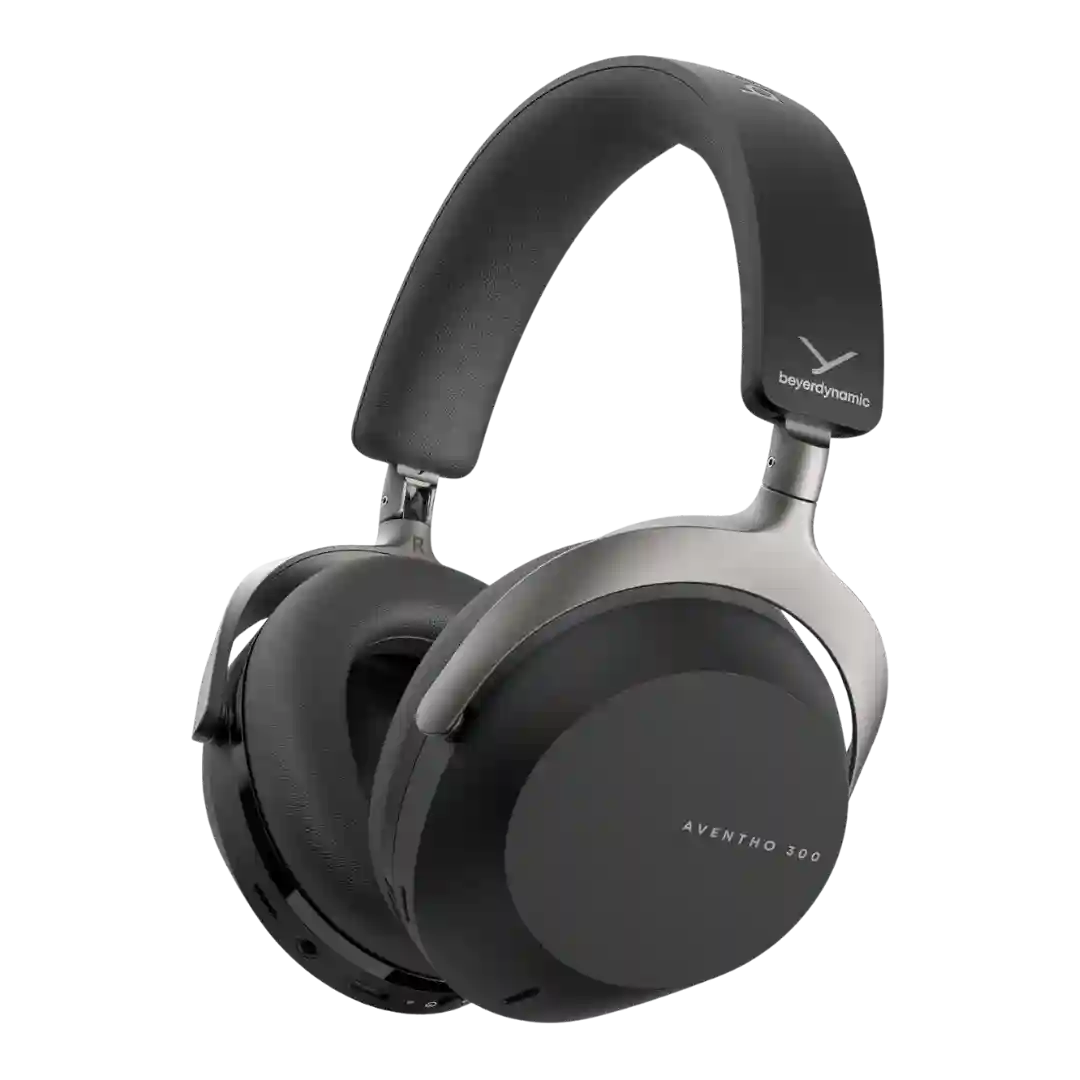
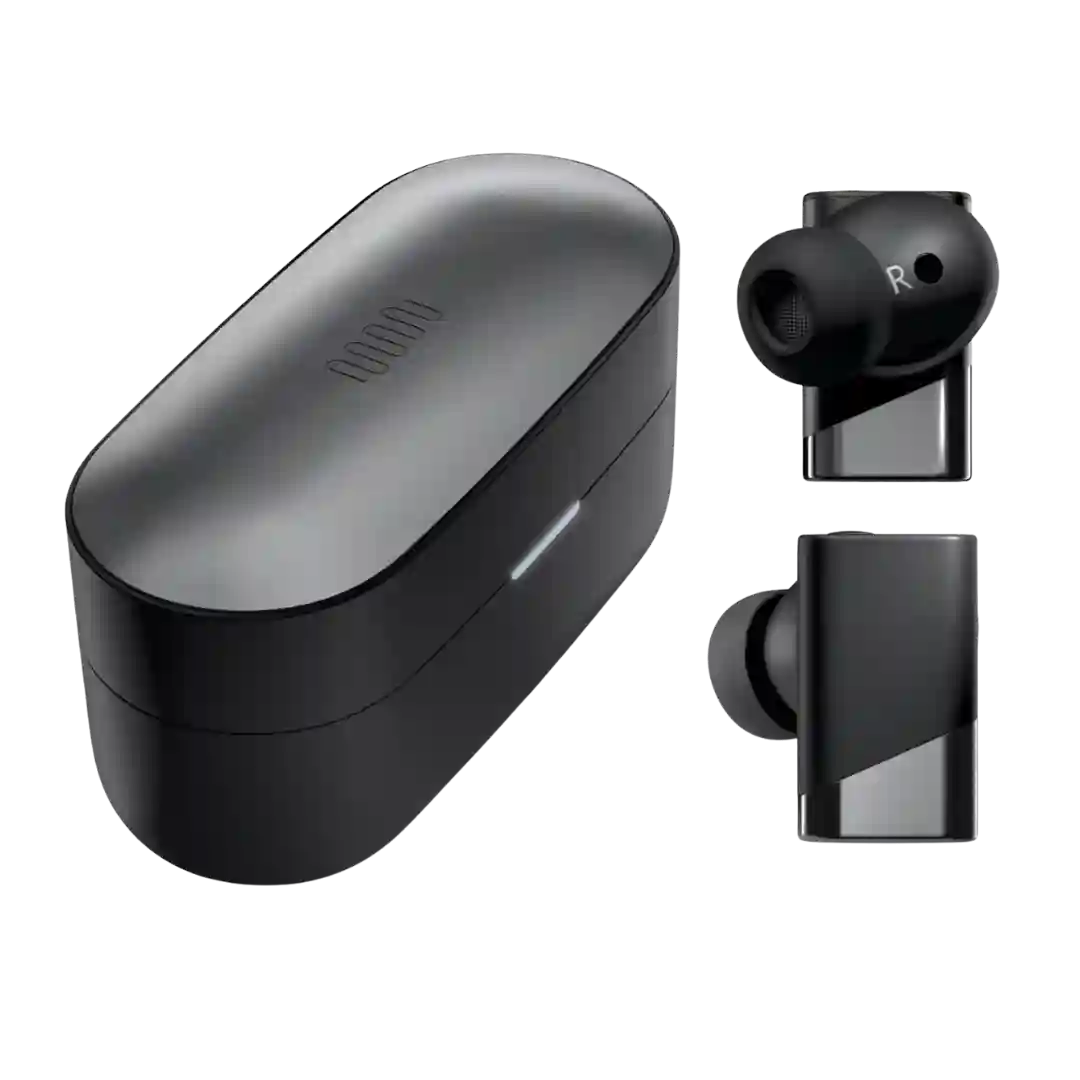
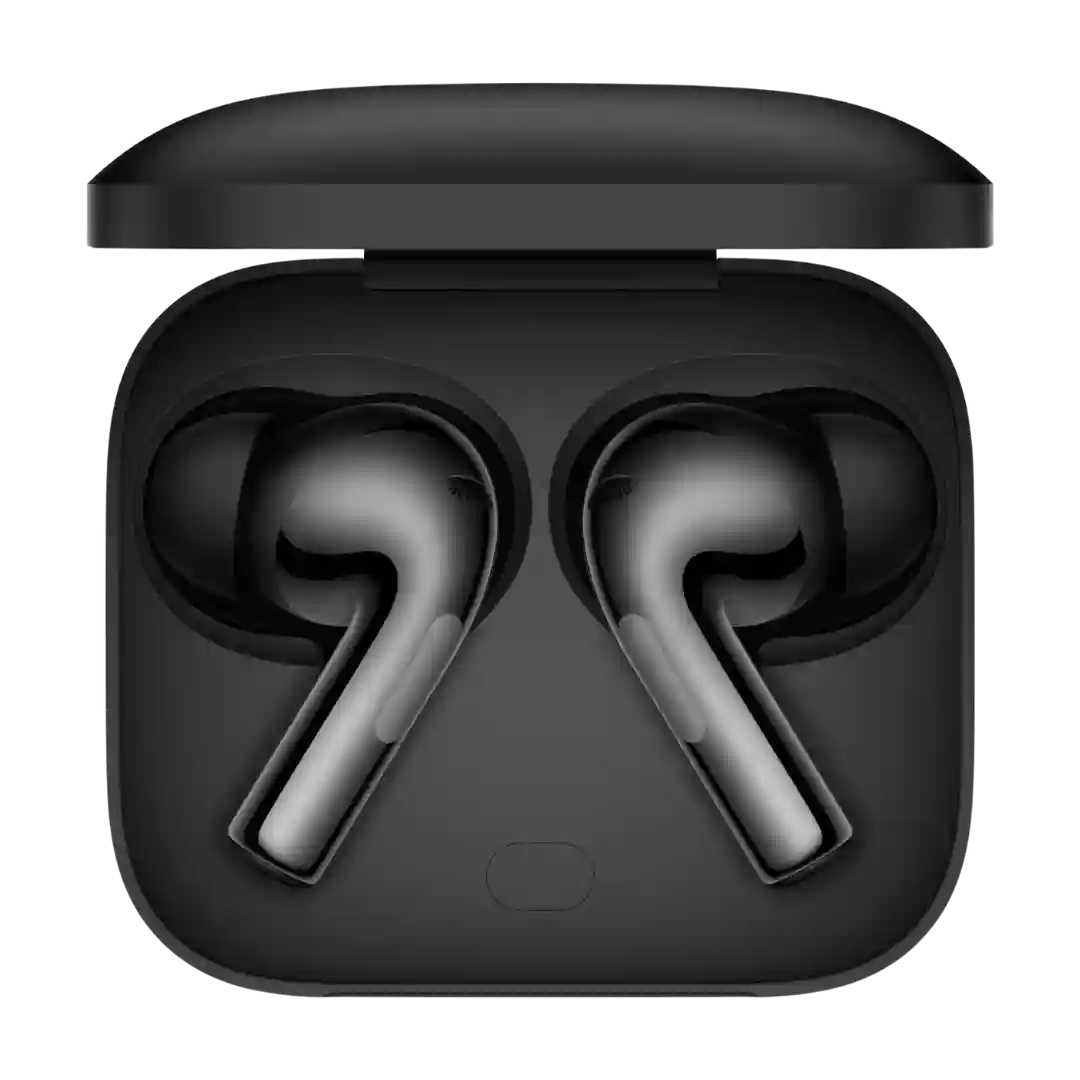
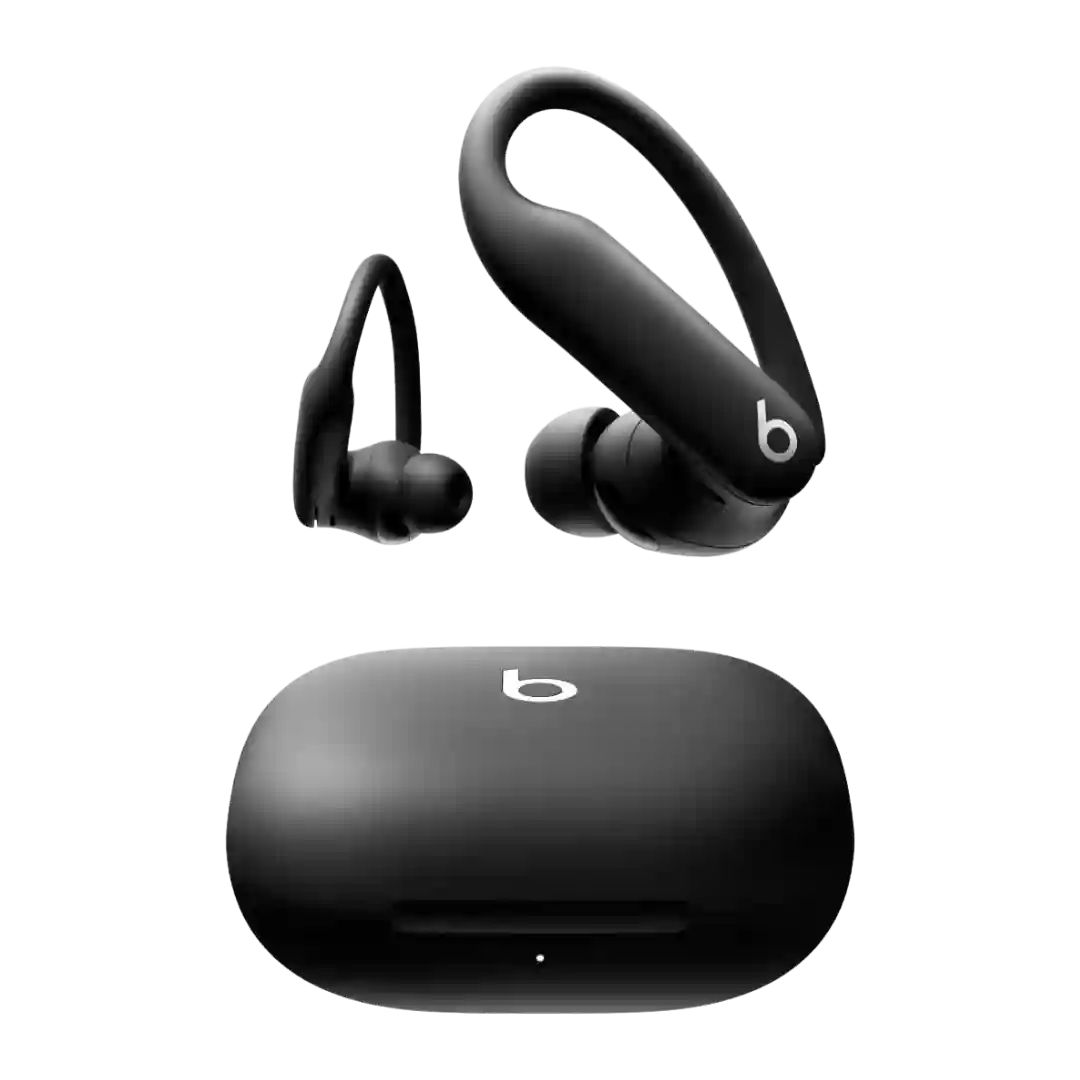
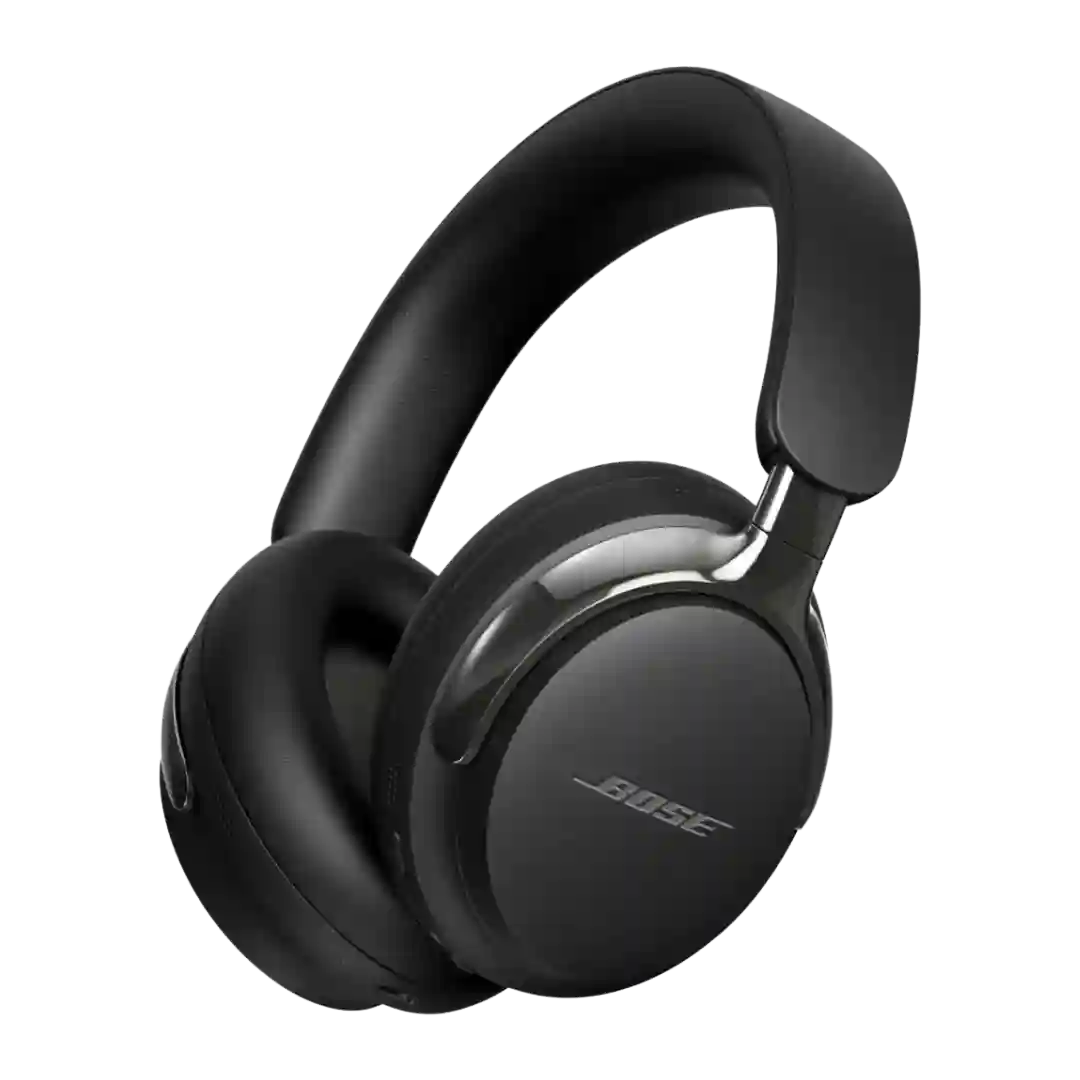
Instrument separation is frequently singled out as excellent, with strong channel separation, precise placement, and the ability to keep dense mixes organized.
Separation is a notable strength, with elements staying easy to localize even in denser mixes. That precision supports cueing, beatmatching, and fast mix decisions.
Separation of key sounds is very good in games. Multiple reviewers highlighted how clearly footsteps, reloads, dialogue, and other positional cues cut through the mix.
Instrument separation and layering are recurring strengths, helping dense mixes stay intelligible and improving localization, especially with higher-quality sources.
Instrument separation and imaging are strong, with reviewers frequently noting easy placement of instruments and clean layering. This is a recurring reason these are favored for immersive music listening.
Instrument separation and layering are a standout, with reviewers repeatedly noting strong clarity in busy mixes and easy-to-track placement of vocals and instruments.
Instrument and cue separation is a highlight, repeatedly praised for pulling out fine details like footsteps and layered music elements. Multiple reviewers describe the sound as precise rather than just loud.
Layering and instrument separation are repeatedly noted as strong, especially on busy tracks where many earbuds smear details. Imaging and placement remain stable with a good seal.
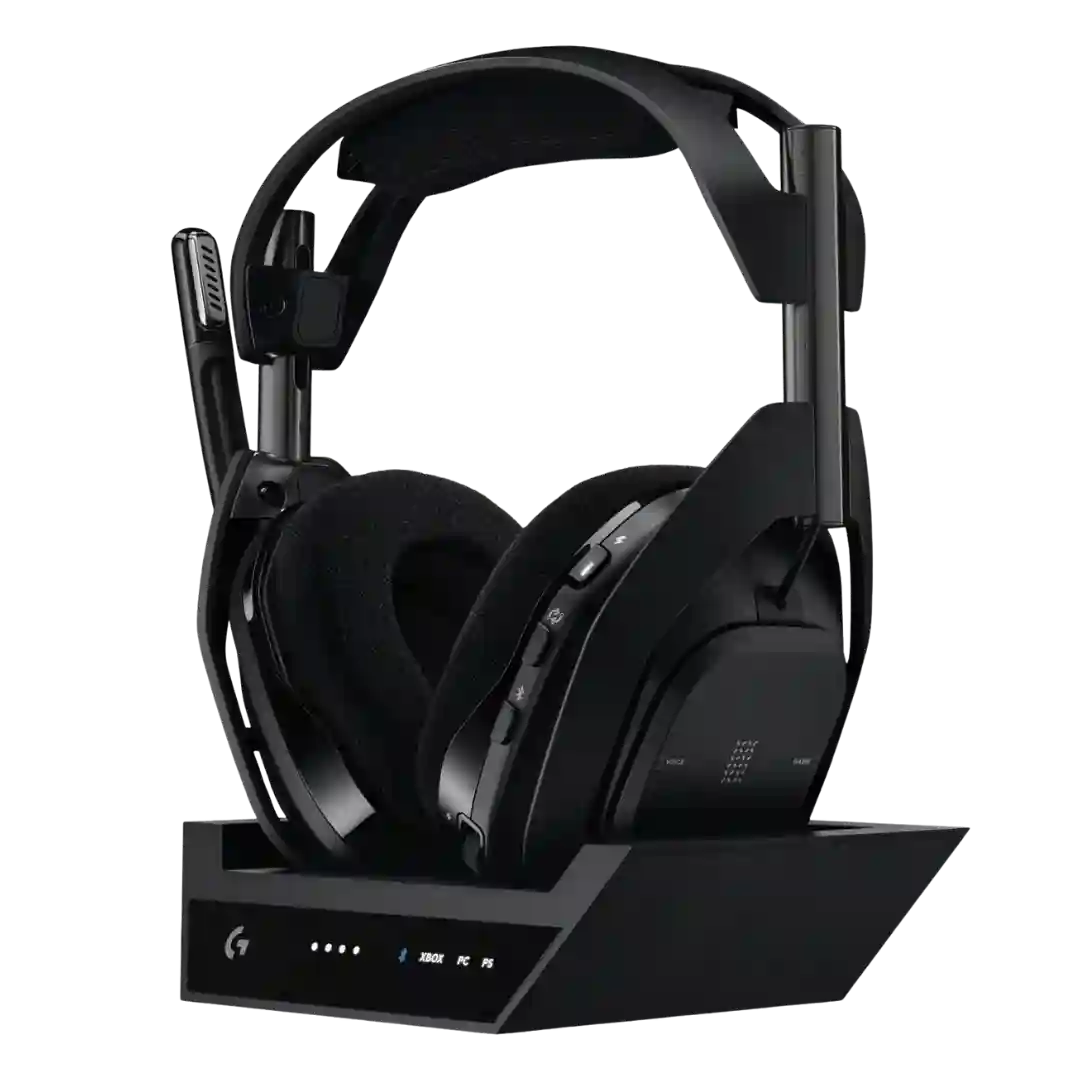
Instrument and effect separation is a standout strength, with many reviewers highlighting how easily they can pick out layers like footsteps, reloads, engines, and ambient details. This separation is often cited as a key reason the headset excels in competitive titles.
Instrument separation is frequently cited as a standout, with cleaner layering and better distinction between elements than earlier Galaxy Buds generations.
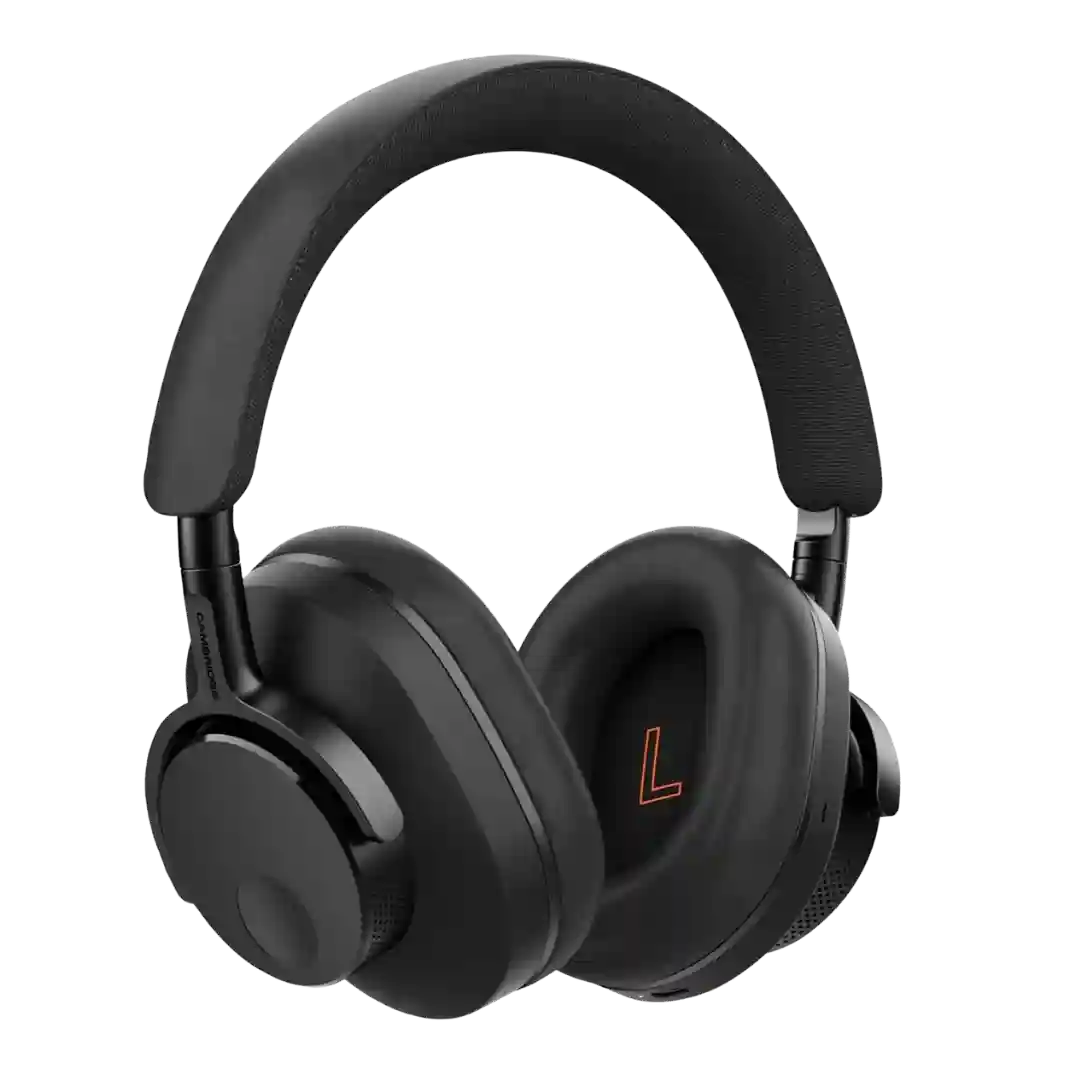
Instrument separation and imaging are widely regarded as excellent for the price, helping complex mixes stay organized and making positional cues easy to track. Even reviewers who nitpick tuning tend to credit the Silva’s placement and delineation.
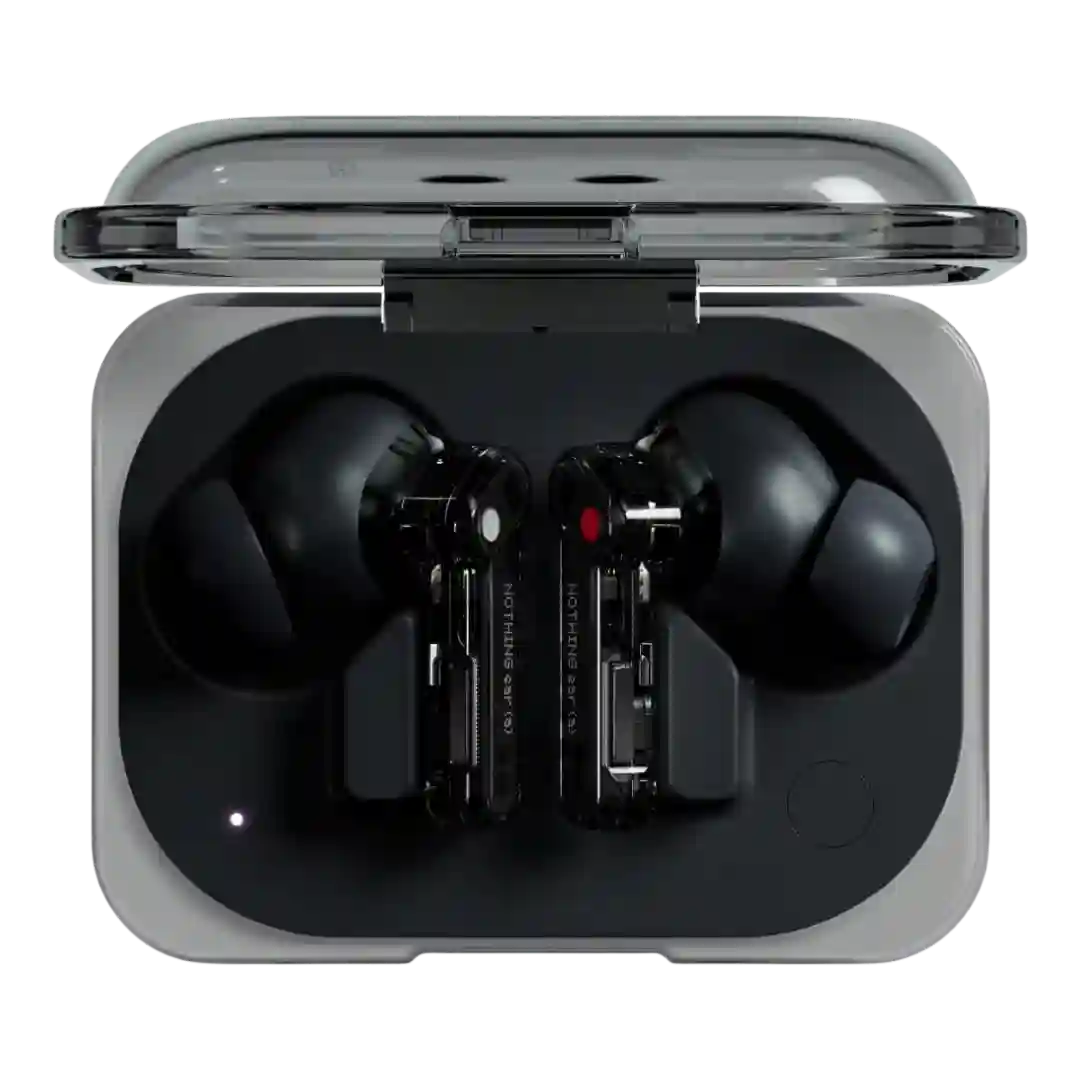
Where instrument separation was discussed, the Ear (a) performed well, making layered parts and small details easier to pick out than expected for budget buds.
Instrument separation and imaging are frequently highlighted as a strength, keeping mixes organized and easy to follow. A couple comparisons still place the very best rivals slightly ahead in ultimate layering.
Instrument separation and imaging are repeatedly called out as clear and well-defined for true wireless earbuds. A few reviewers say it is not the most surgically accurate staging available, but it remains easy to place elements in the mix.
Instrument separation is strong, with multiple reviewers noting they can track individual elements in busy mixes more easily than on older Galaxy Buds.
The Buds 4 separate vocals, synths, percussion, and layered mixes well for the class. They are not hyper-analytical, but they rarely sound congested or smeared.
Instrument separation and imaging are standout traits, making individual lines easy to place, though a few reviews find layering flatter than top competitors.
Instrument separation and imaging are commonly rated as strong for the category, with clear placement and good stereo definition, though not always a large leap over prior models.
Detail retrieval and layering are strong in many reviews, though at least one reviewer says separation can fall short for isolating specific cues like footsteps in busy scenes compared to more esports-tuned sets.
Instrument separation is generally described as clear and well-layered for a mainstream ANC headphone, though a few comparisons still give the edge to AirPods Max for openness.
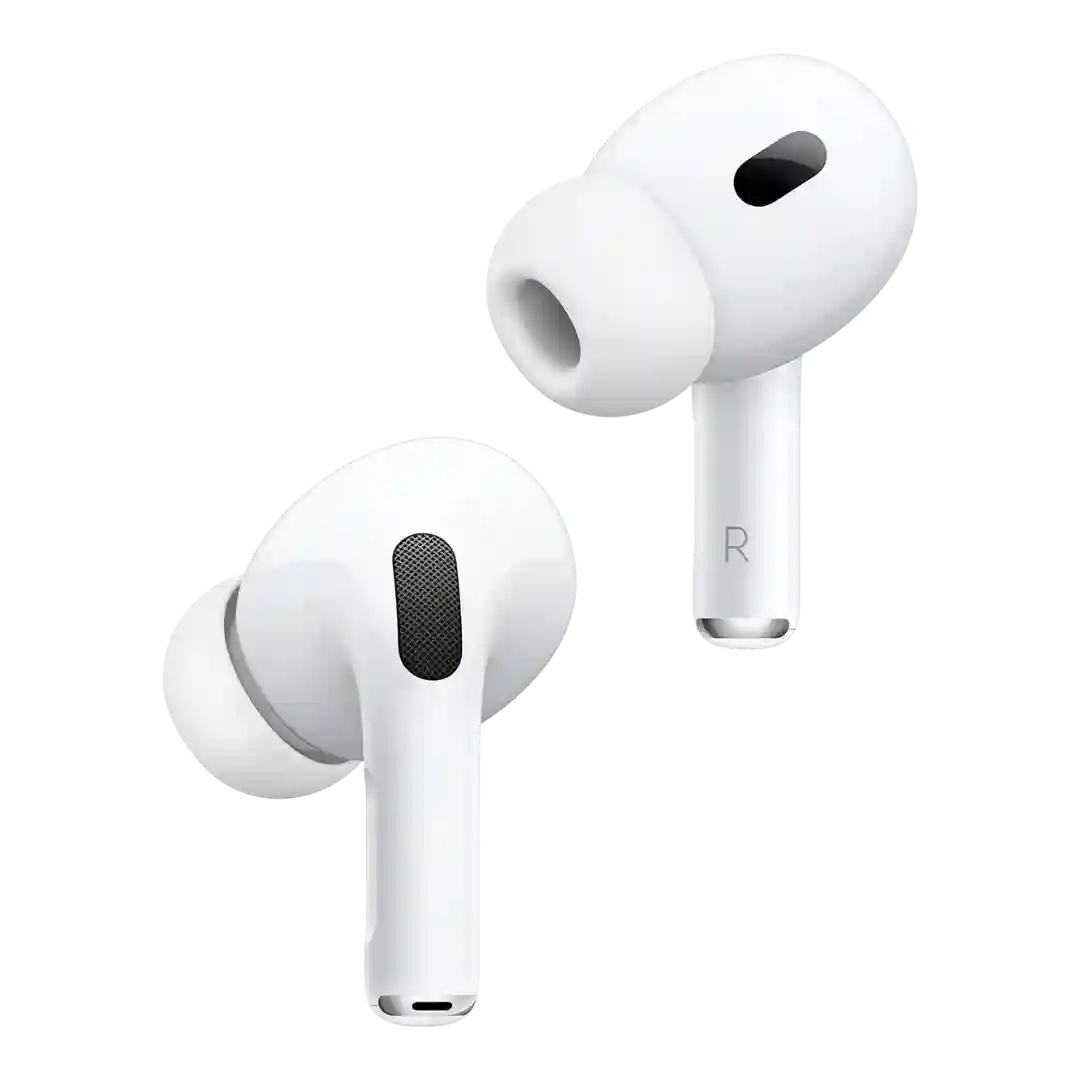
Instrument separation and imaging are generally considered improved or at least highly competitive, helping layered mixes sound less congested. Spatial processing can further enhance placement cues for some listeners.
Instrument separation is often praised for this class, helped by the dual-driver design and tuning tools. Not every review calls it exceptional, but most agree it is above average at the price.
Instrument separation is often praised as improved over older Beats buds, but it is not universally class-leading; some reviewers hear a slightly compressed presentation compared with the best premium earbuds.
Instrument separation is rated good-to-excellent, with most reviewers finding layering and placement strong; a few note busy mixes can still blur slightly.