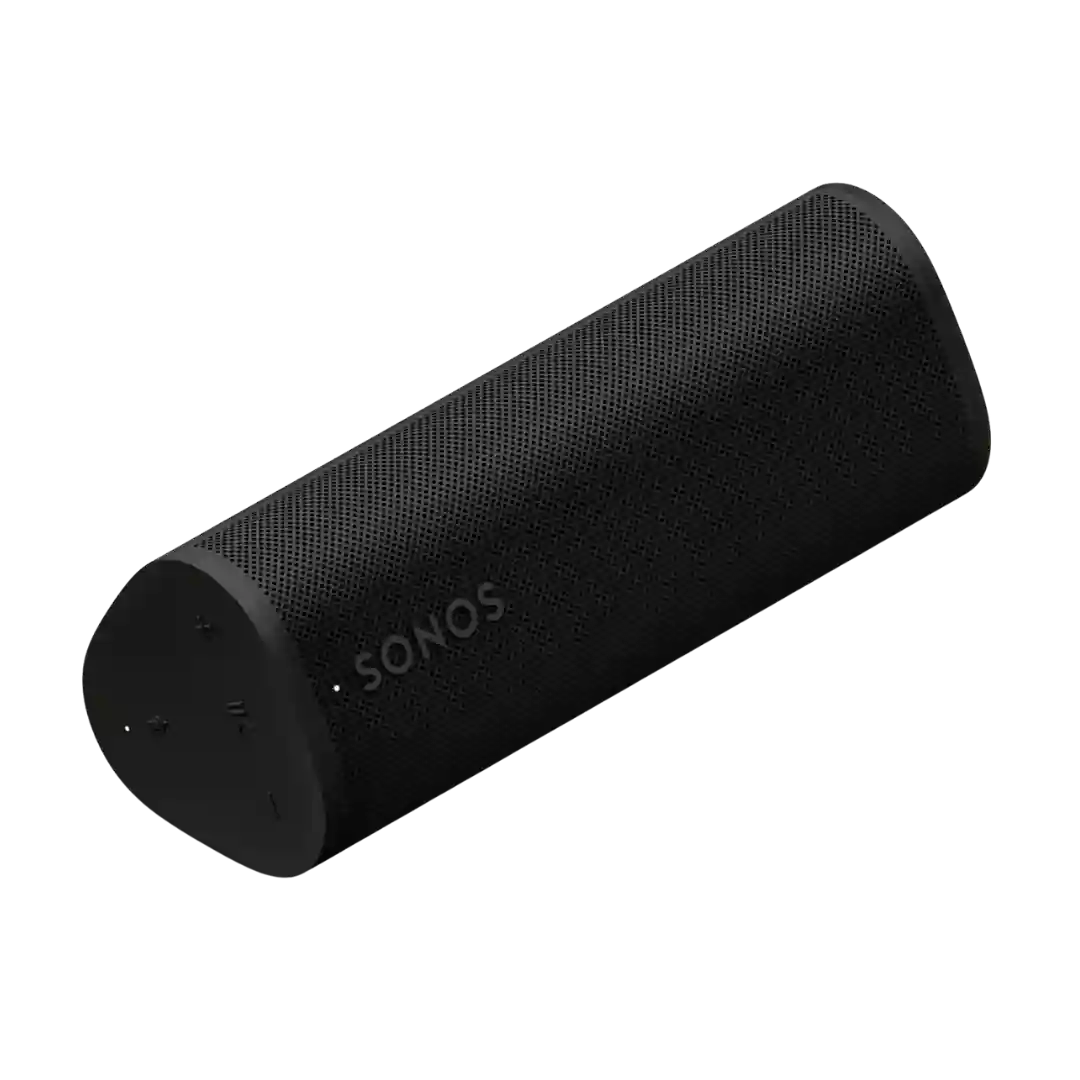
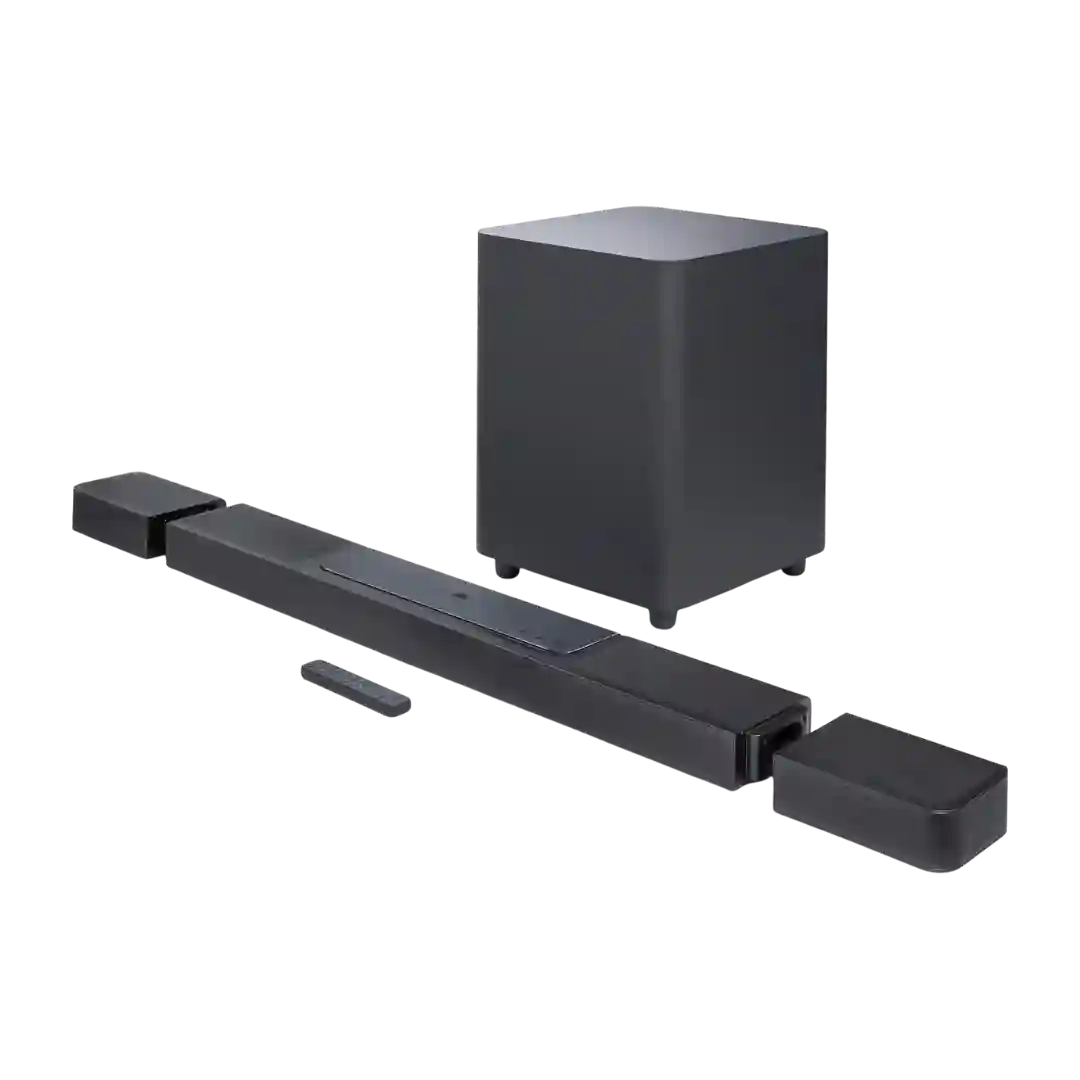
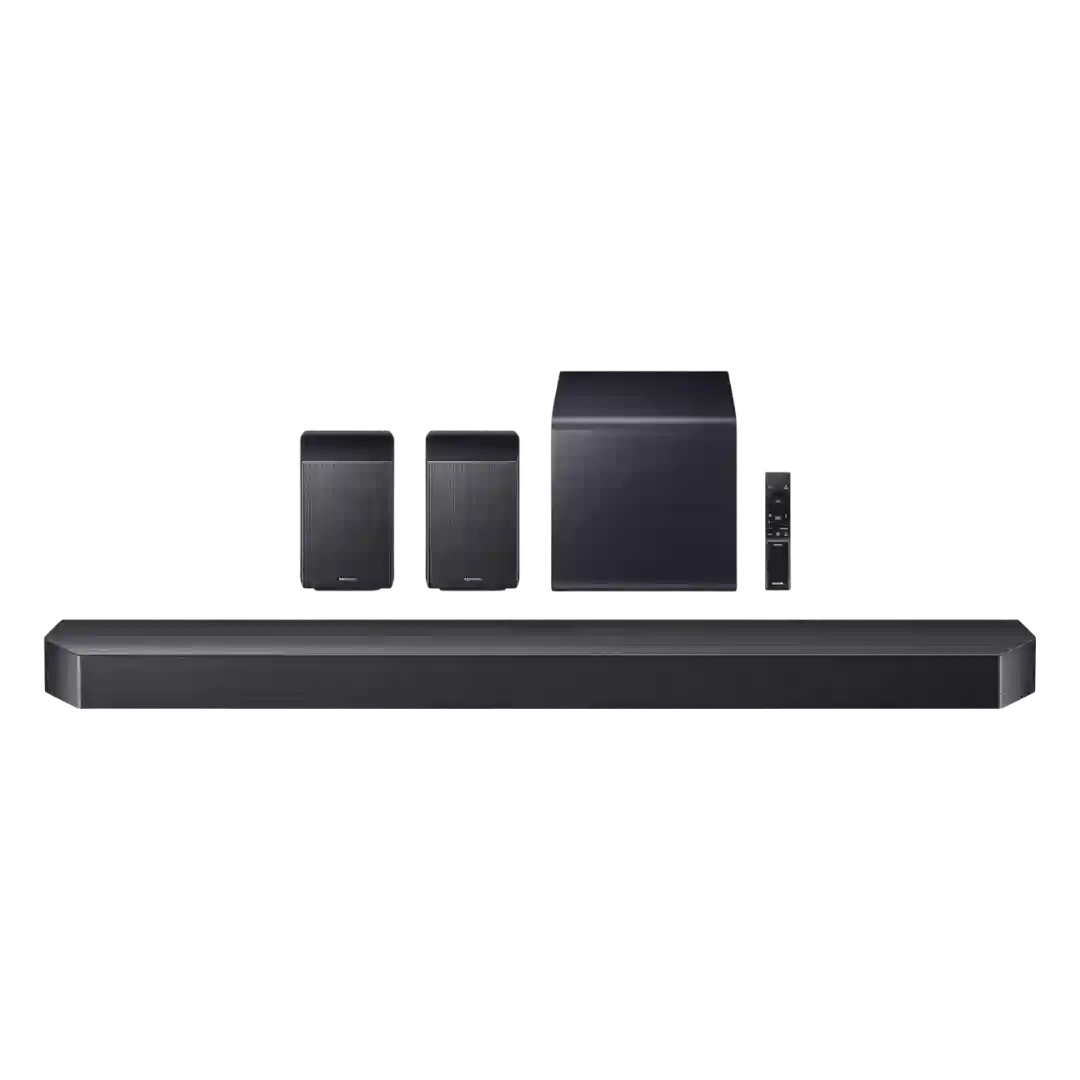
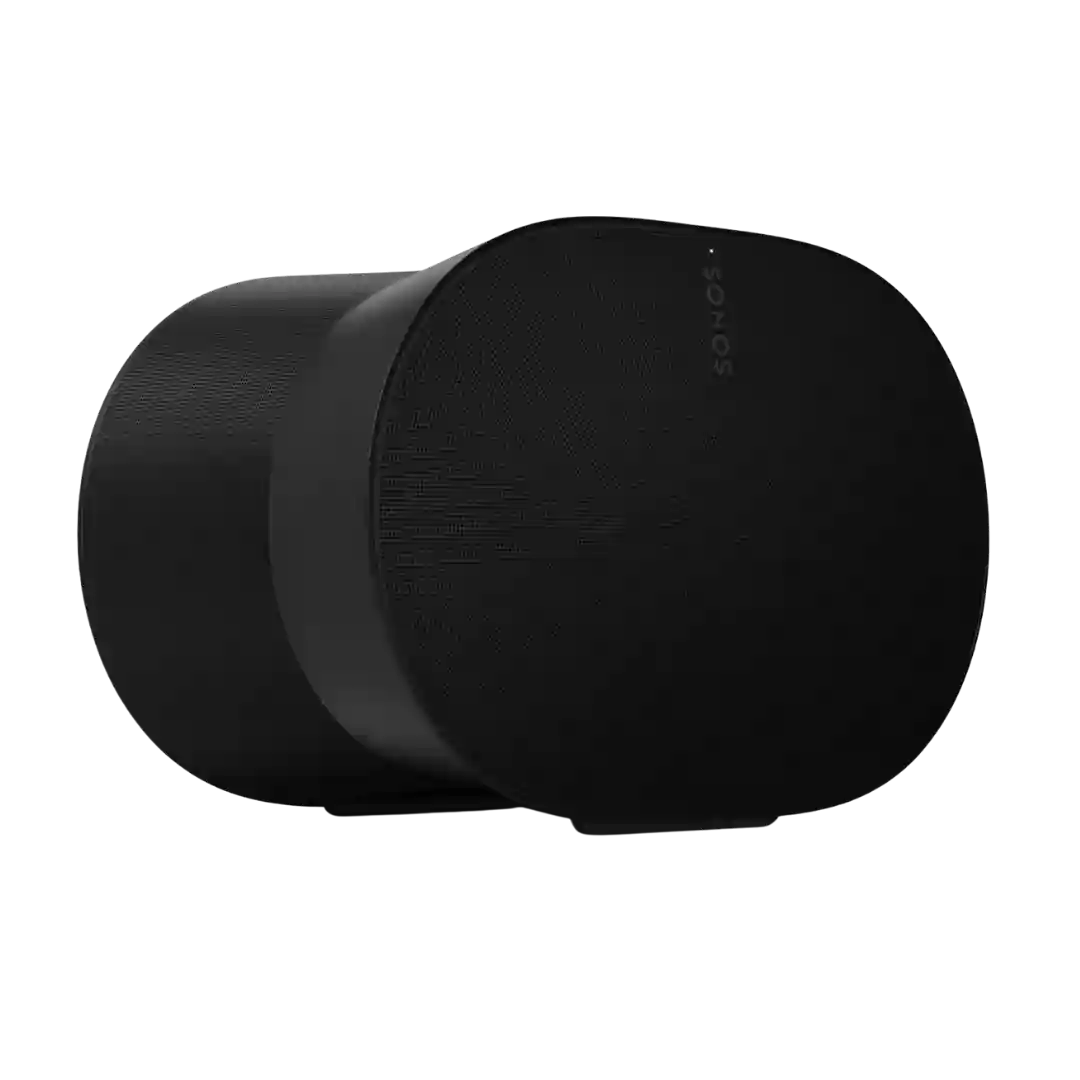
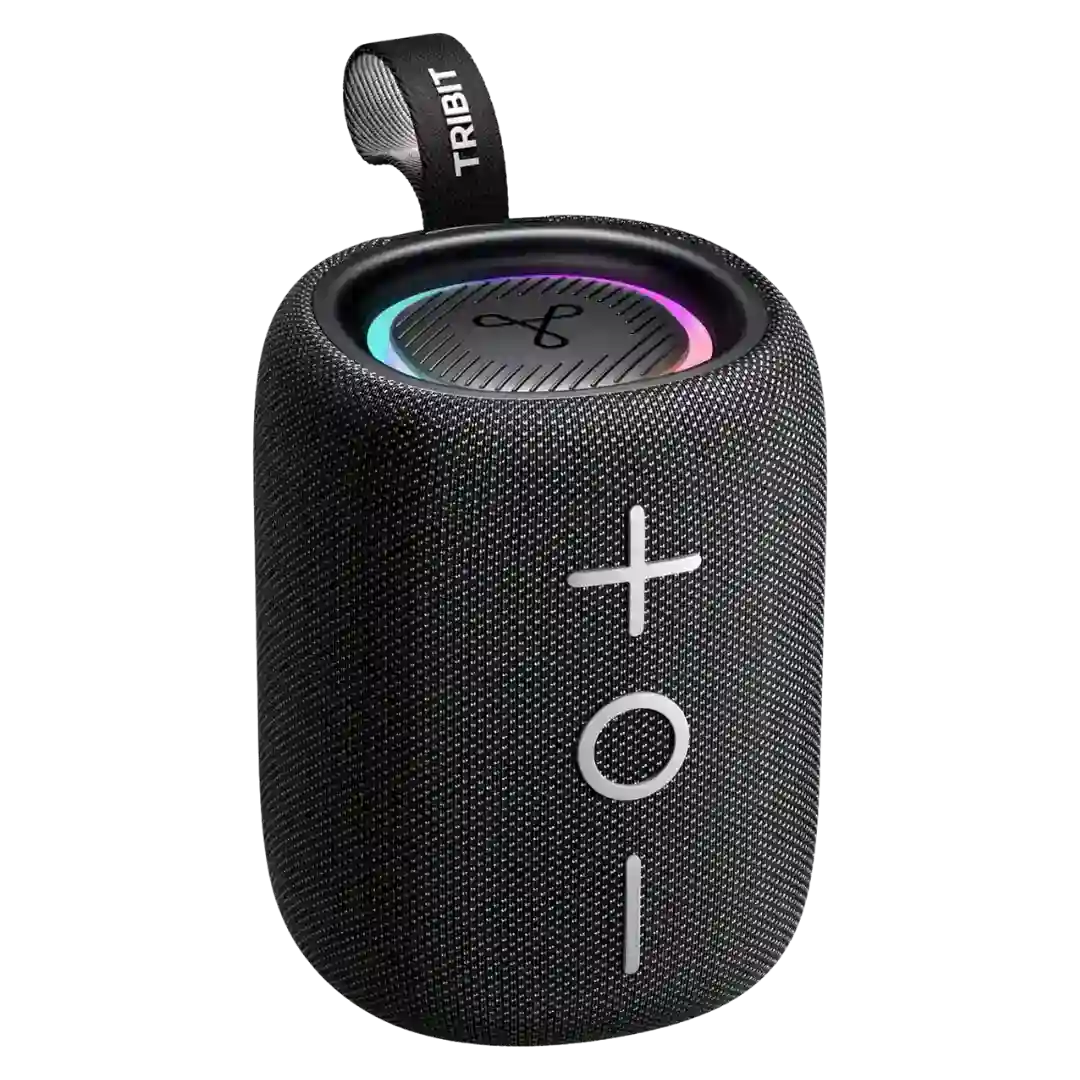
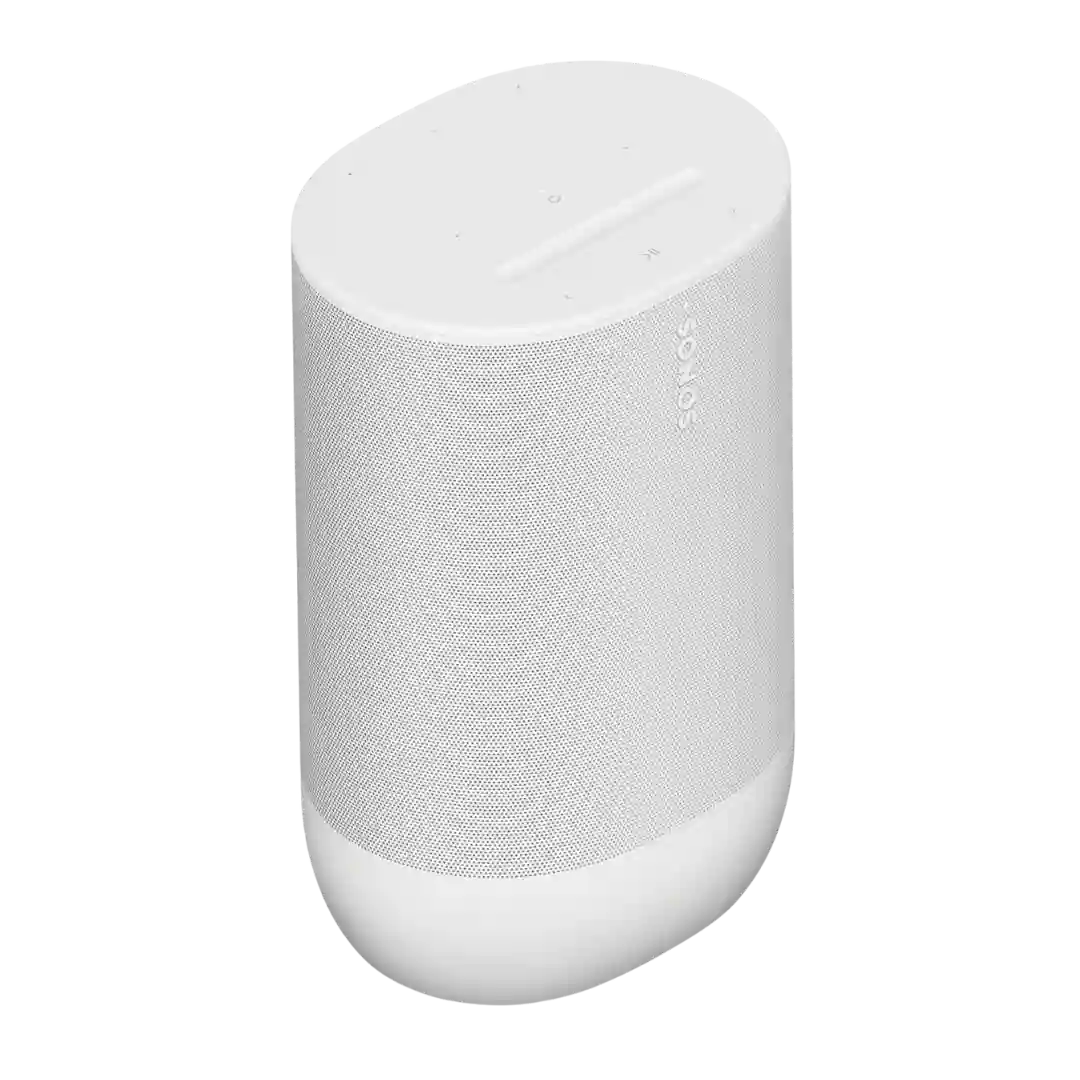
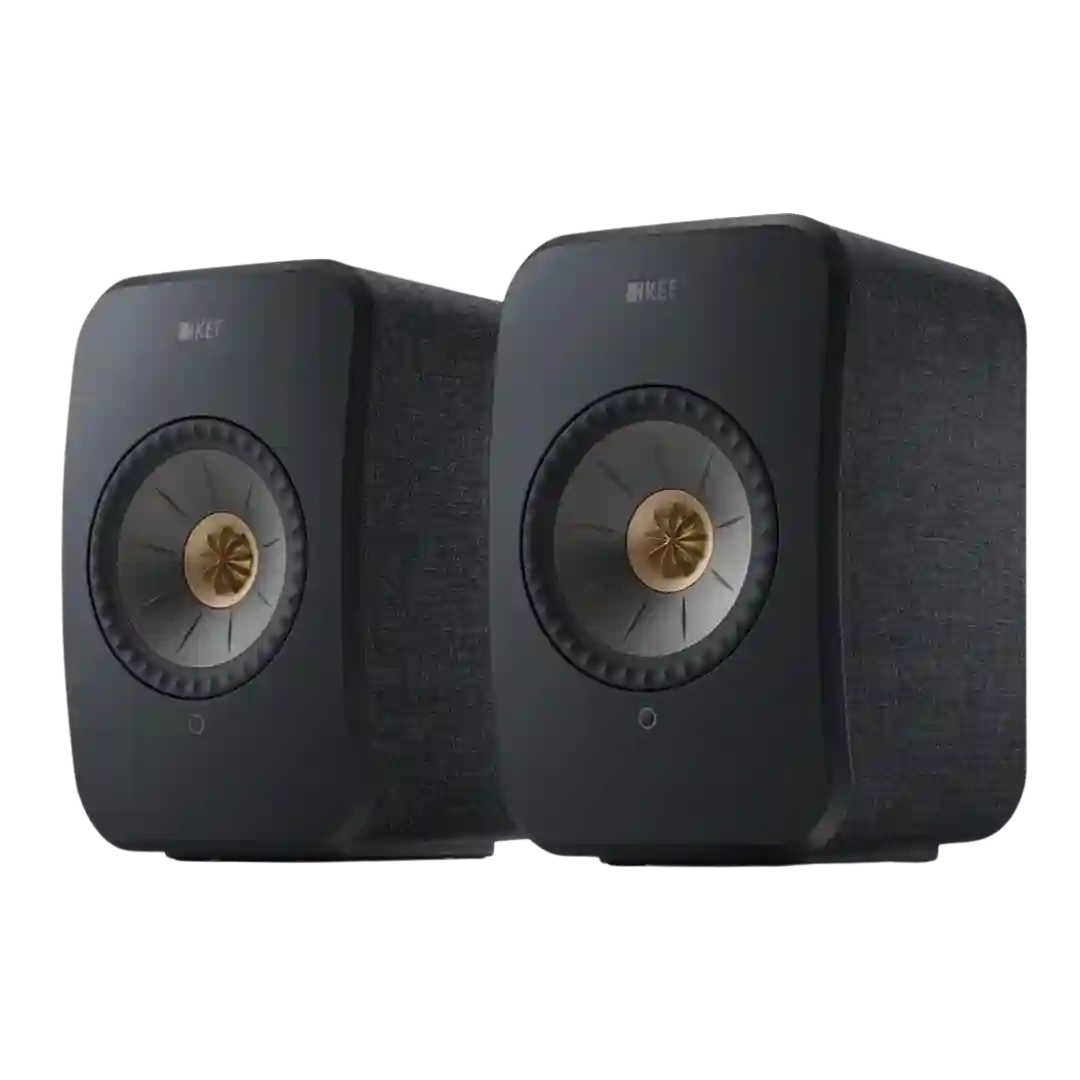
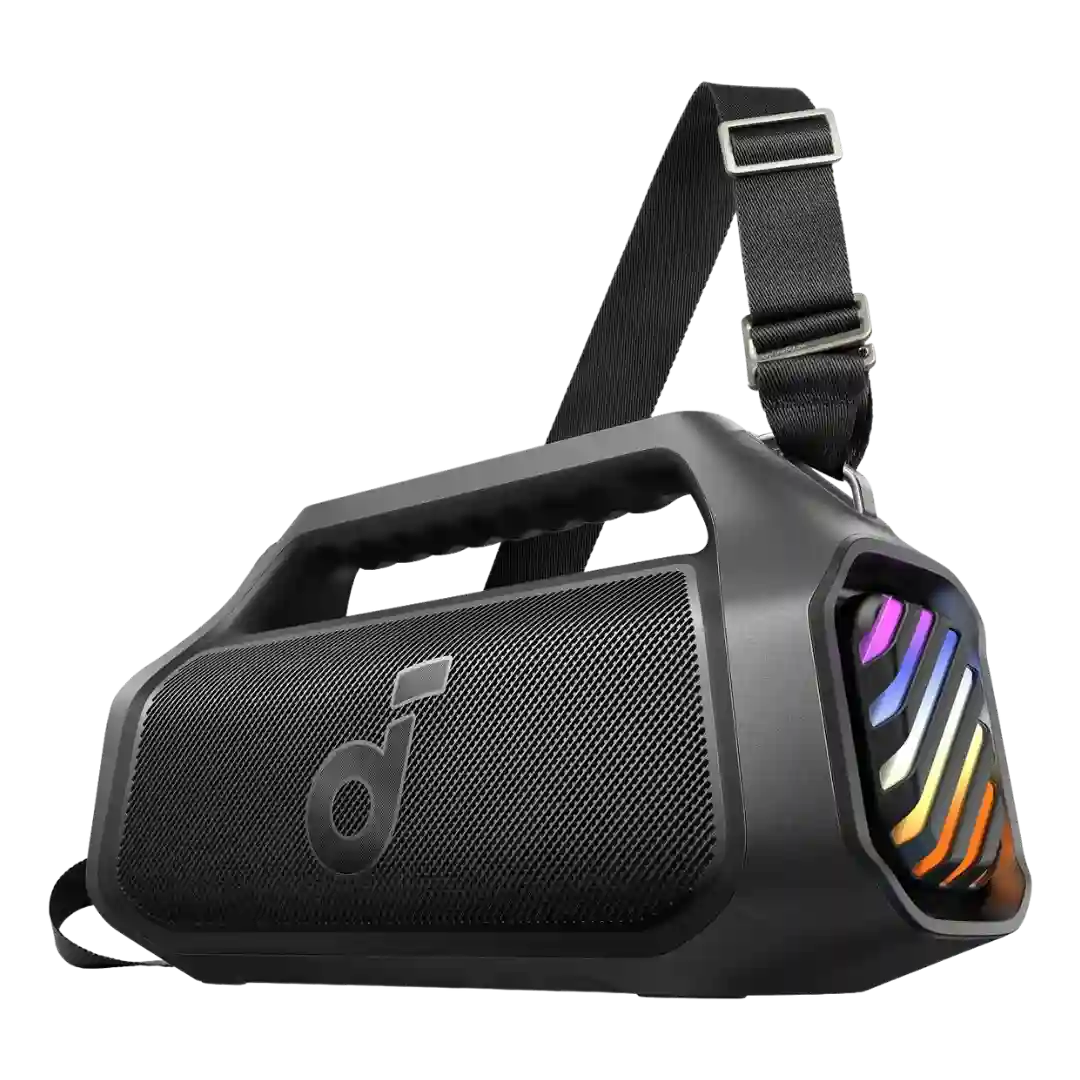
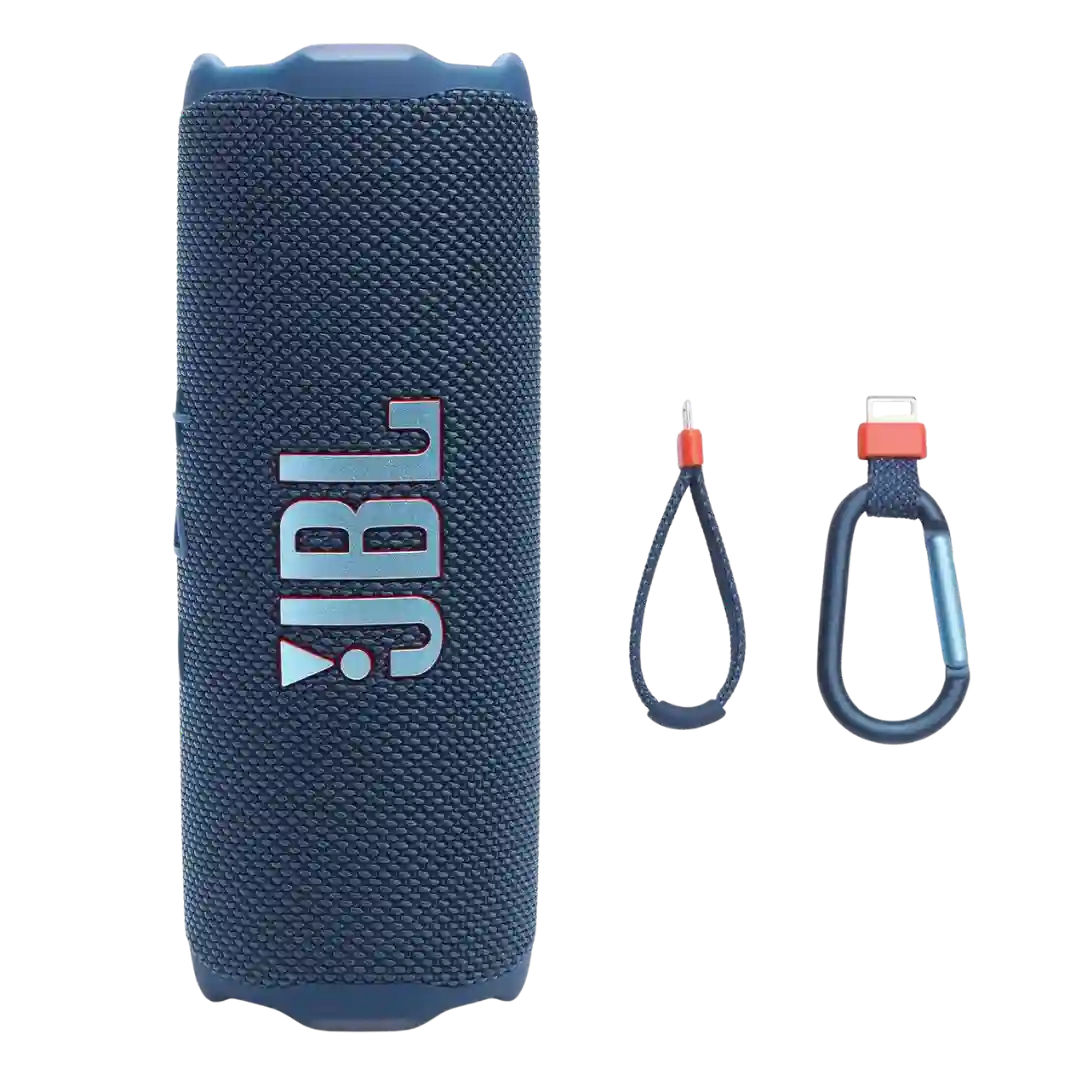
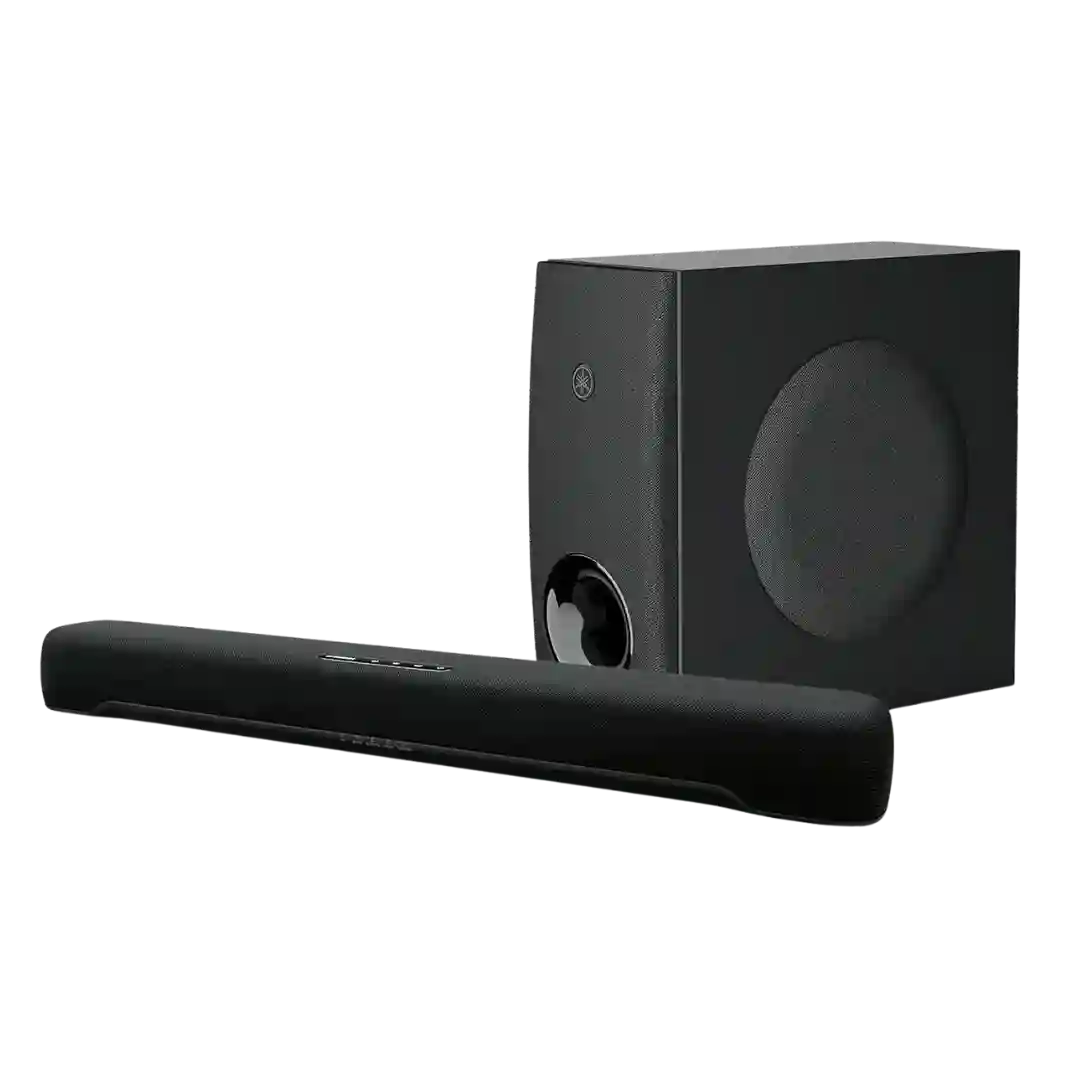
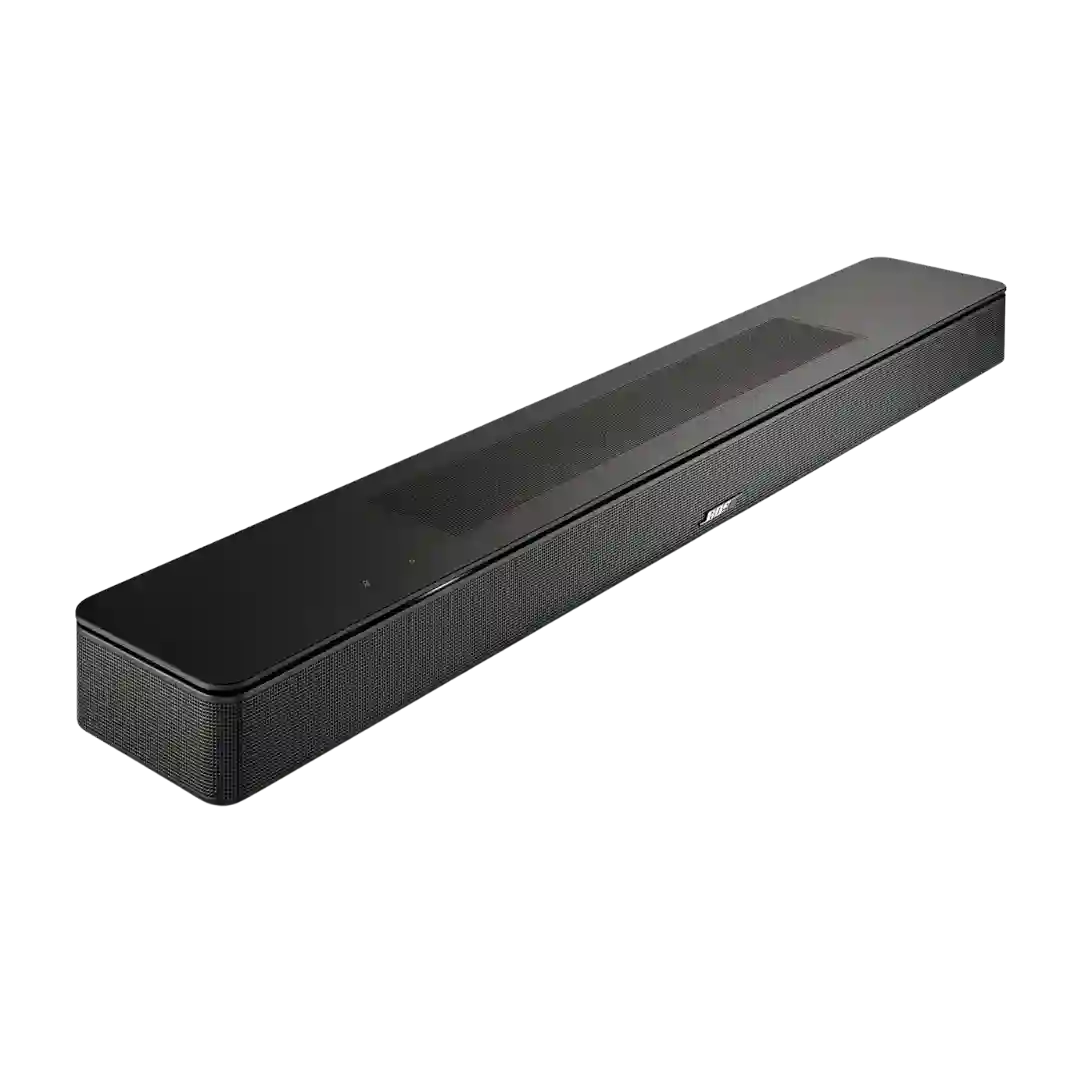
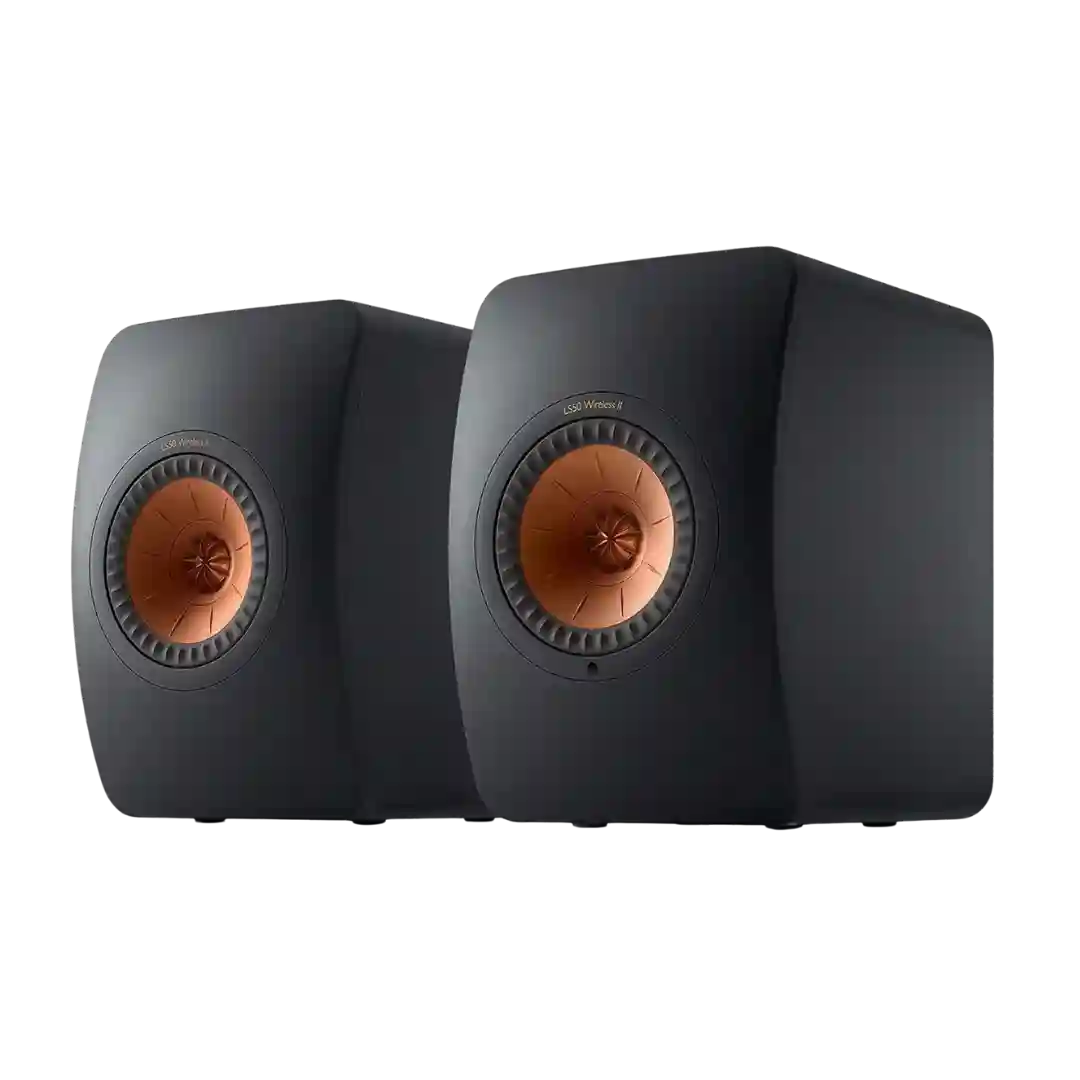
Its biggest differentiator is Sonos ecosystem integration: multi-room grouping, easy handoff between rooms, and features like Sound Swap extend its usefulness beyond a typical Bluetooth speaker.
When used with other Sonos gear, the Era 300 generally integrates seamlessly and helps create a more unified soundfield. Reviewers especially praised how well it hands off effects within Arc-based theater systems.
Stereo pairing and dual-speaker use are widely praised. When two units are linked, reviewers say the setup sounds noticeably bigger, wider, and louder, making inter-speaker connectivity one of the best reasons to buy into the model.
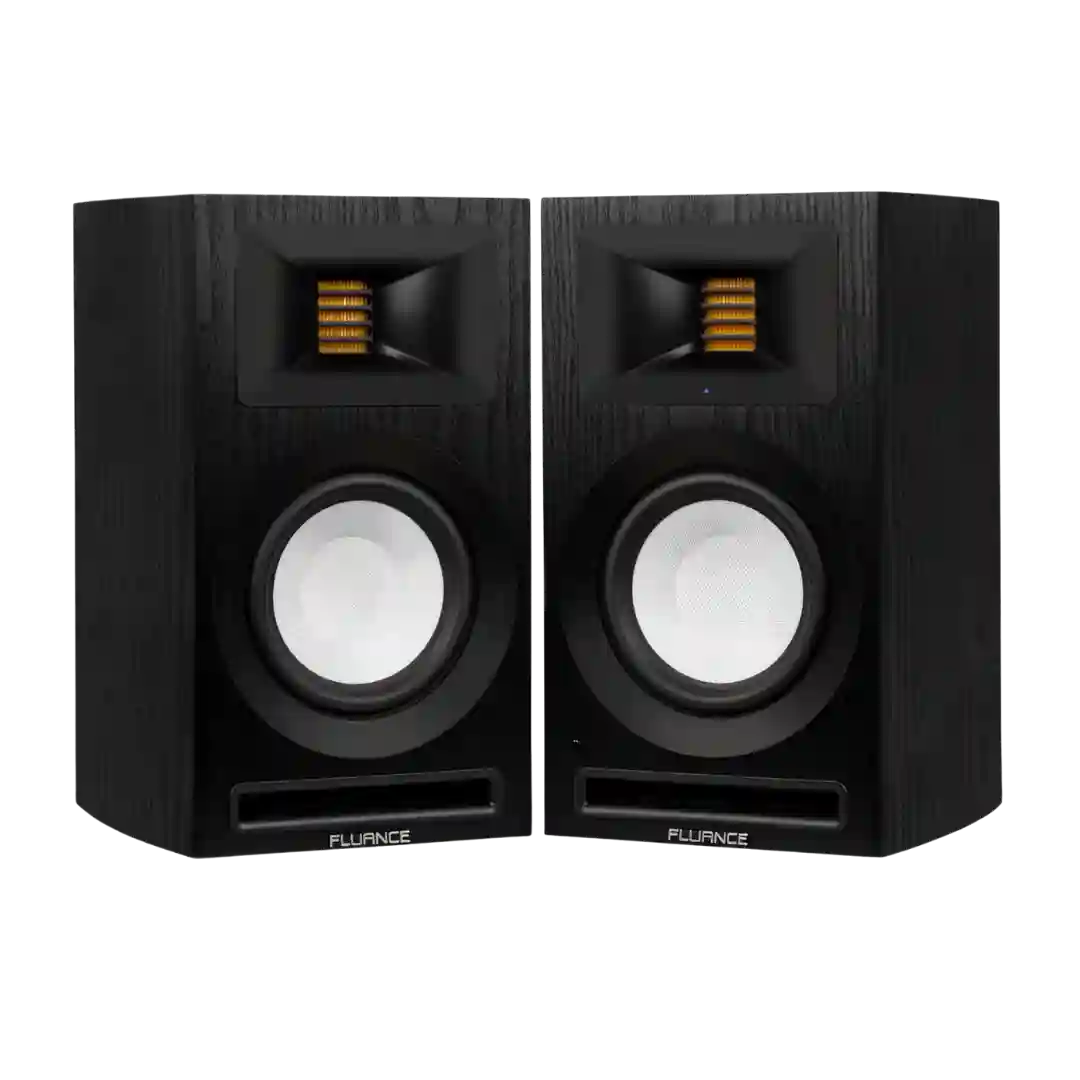
The active-passive speaker arrangement is straightforward, and the ability to swap which side is powered is genuinely useful for room layout. Included speaker cable length is generally seen as sufficient and flexible.
Multi-room grouping and syncing are a core Sonos advantage, and reviewers frequently highlight how well Arc integrates with other Sonos speakers throughout the home.
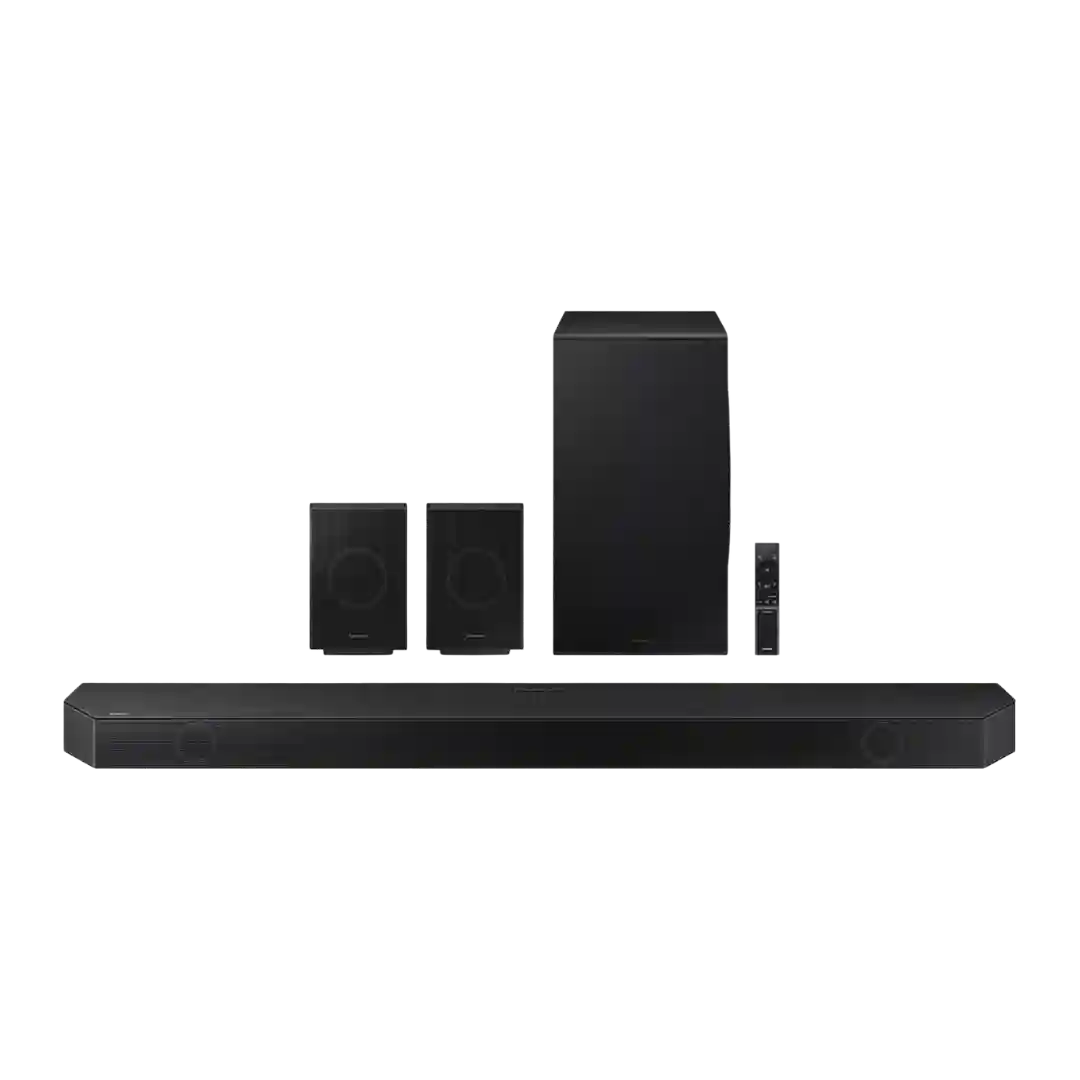
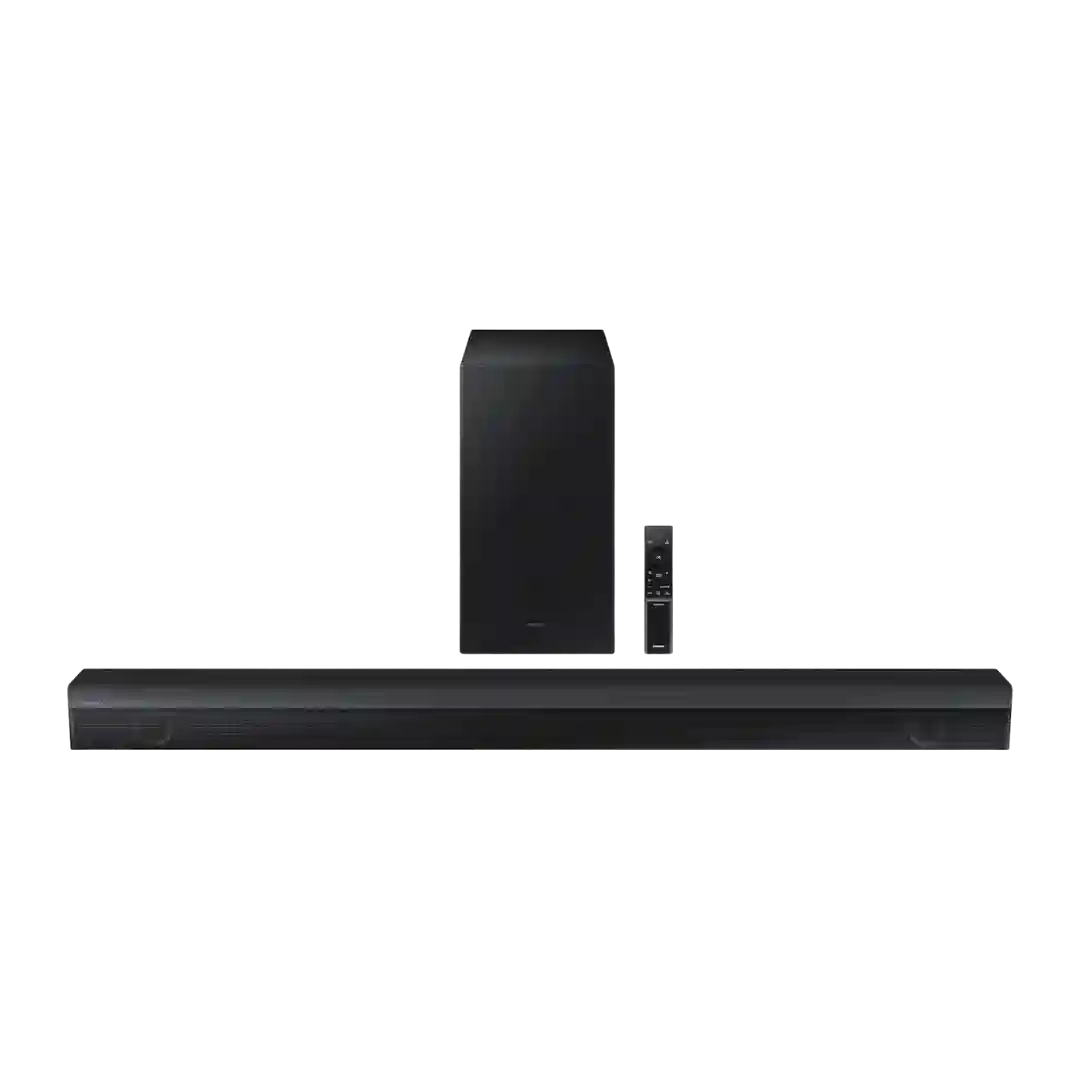
Wireless linking between the bar, surrounds, and sub is commonly reported as stable with few dropouts; isolated anecdotes mention occasional blips or unit-specific issues, but most experiences are robust.
Multi-room/grouping is referenced via JBL speaker grouping features and casting ecosystems, enabling playback across multiple compatible speakers in a home setup.
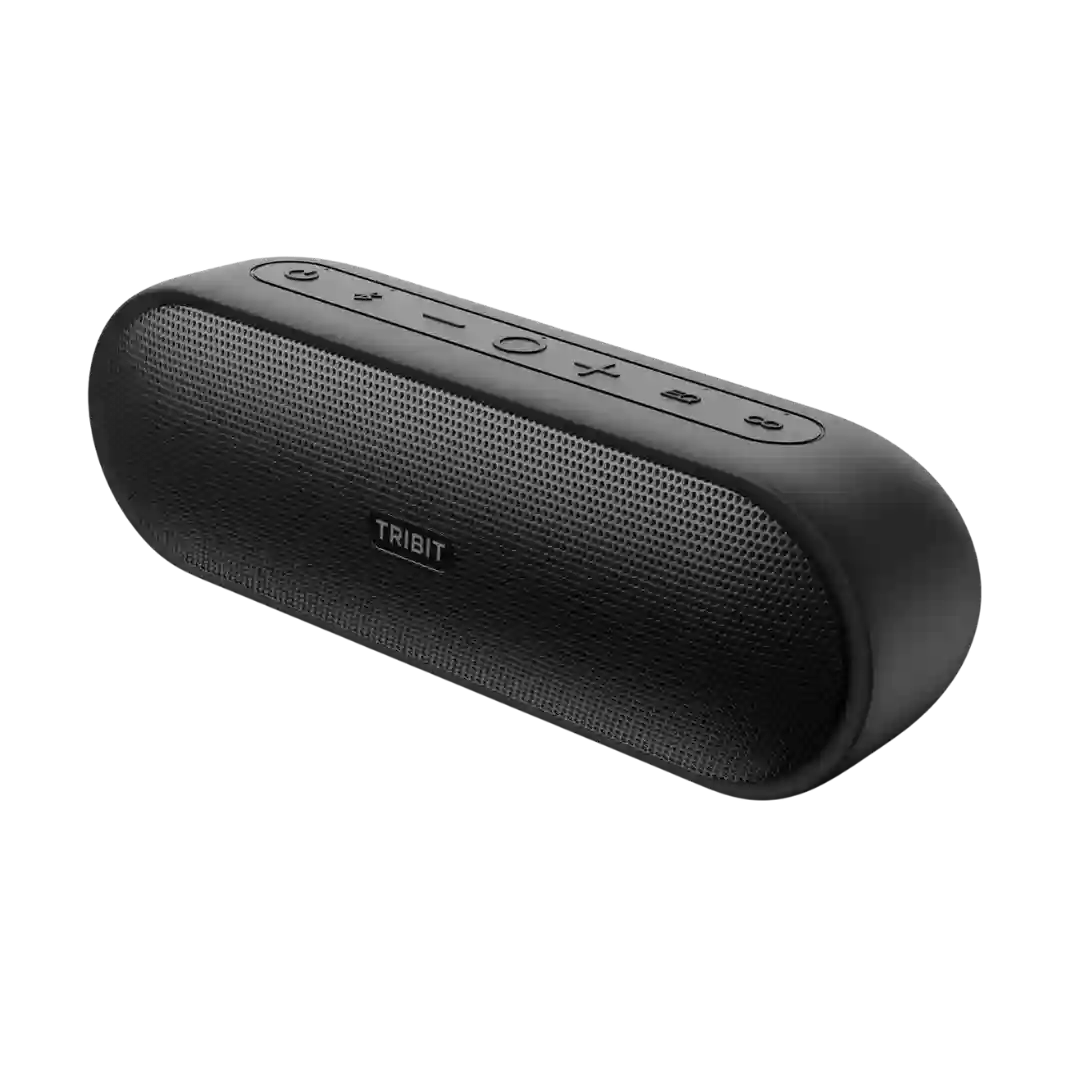
Inter-speaker connectivity is broadly praised: multiple reviews describe stereo pairing as effective and easy enough, and several suggest buying two units is the best way to level up the experience. A key limitation is that wired AUX use can disable Bluetooth features like pairing.
The inter-speaker link works well, and several reviewers preferred the slightly weightier, more stable sound when the speakers were connected by cable rather than run wirelessly.
Stereo pairing and party linking are appealing extras. Reviews commonly mention support for linking two units or chaining many speakers together, although deep real-world testing of large-group behavior was limited.
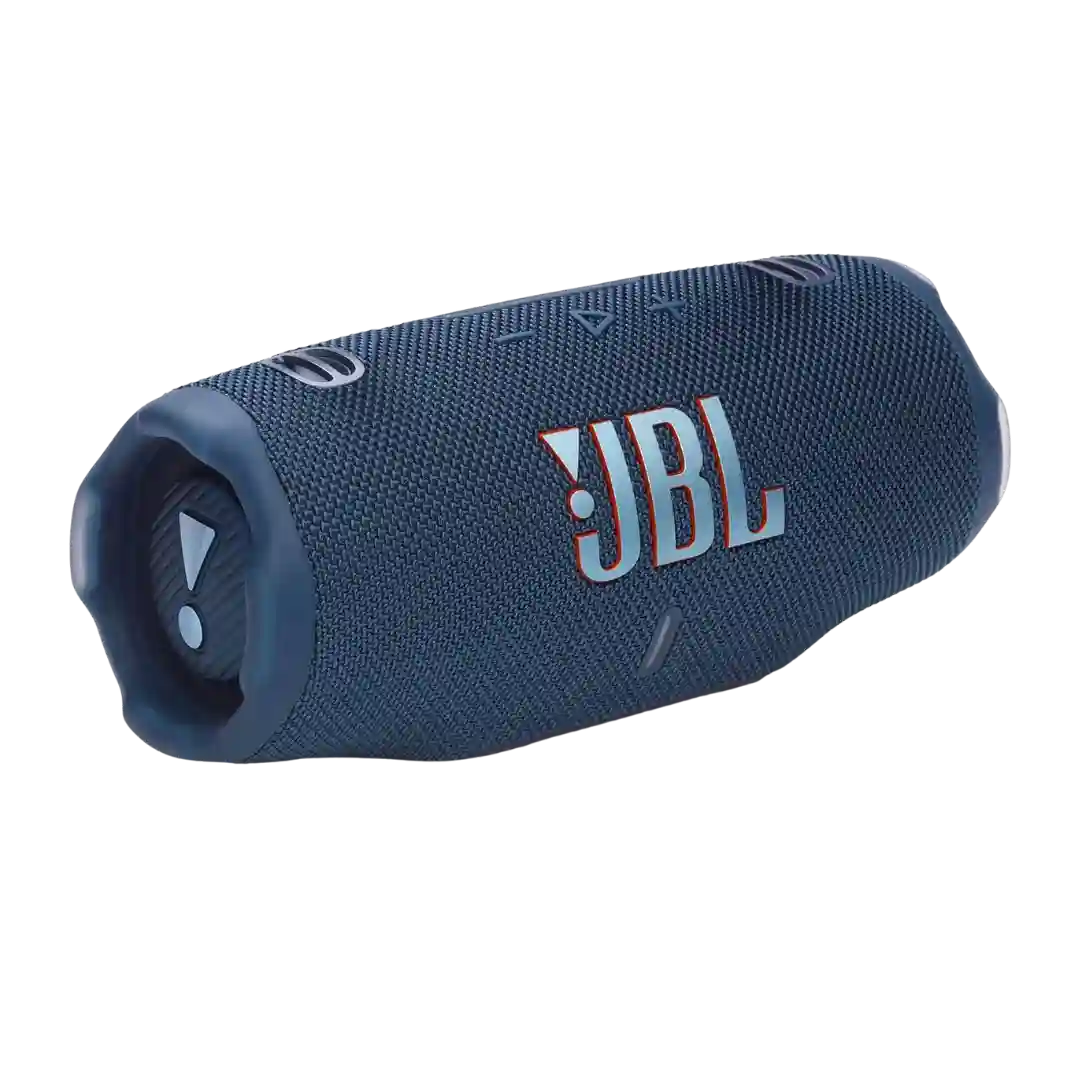
The move to Auracast is central: reviews describe linking to other Auracast-capable JBL speakers and pairing two Charge 6 units for stereo, with some sources claiming very large group limits.
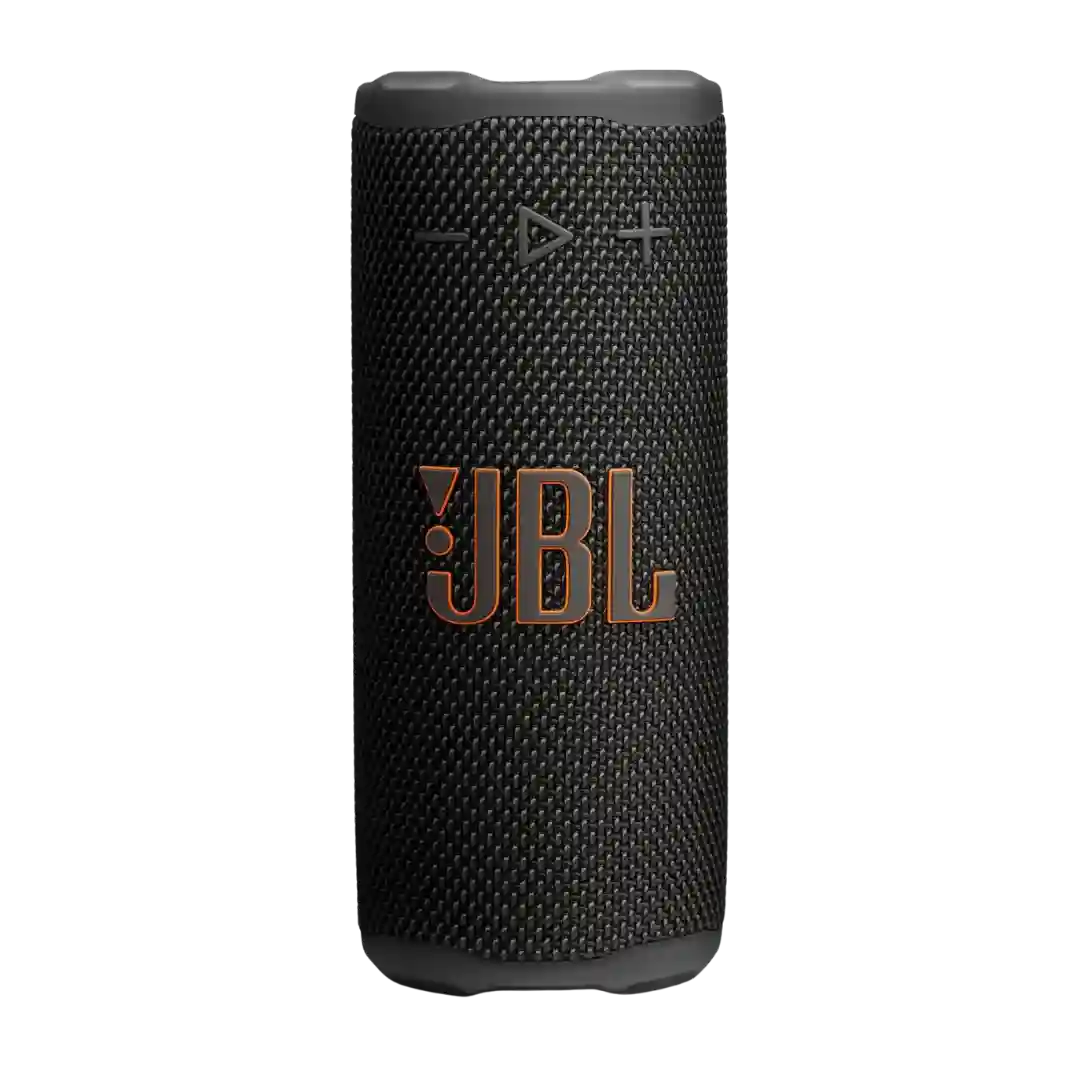
Auracast is widely highlighted for linking compatible speakers (and two Flip 7s for stereo), though some note Auracast is used mainly for broadcasting and cannot bridge to older PartyBoost models.
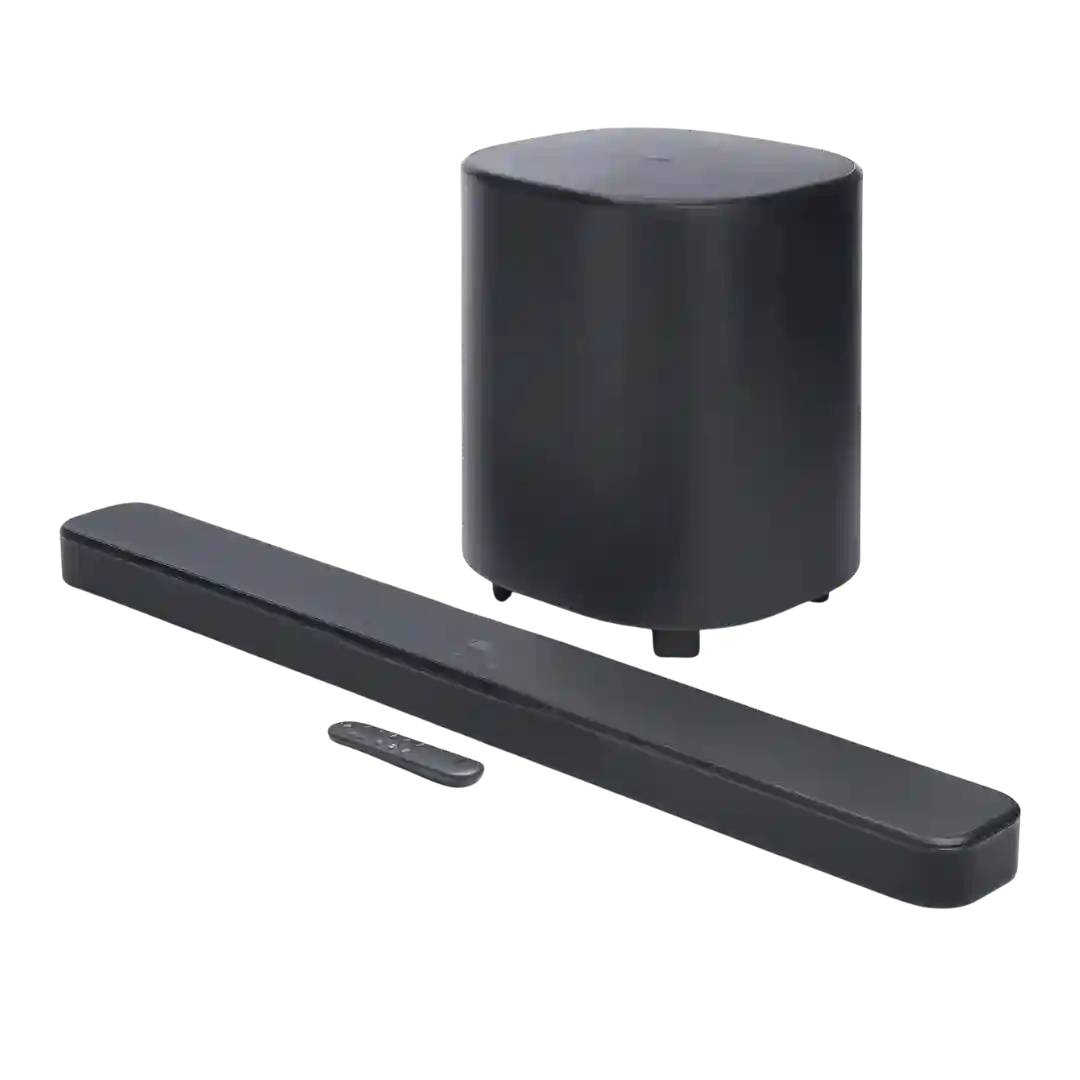
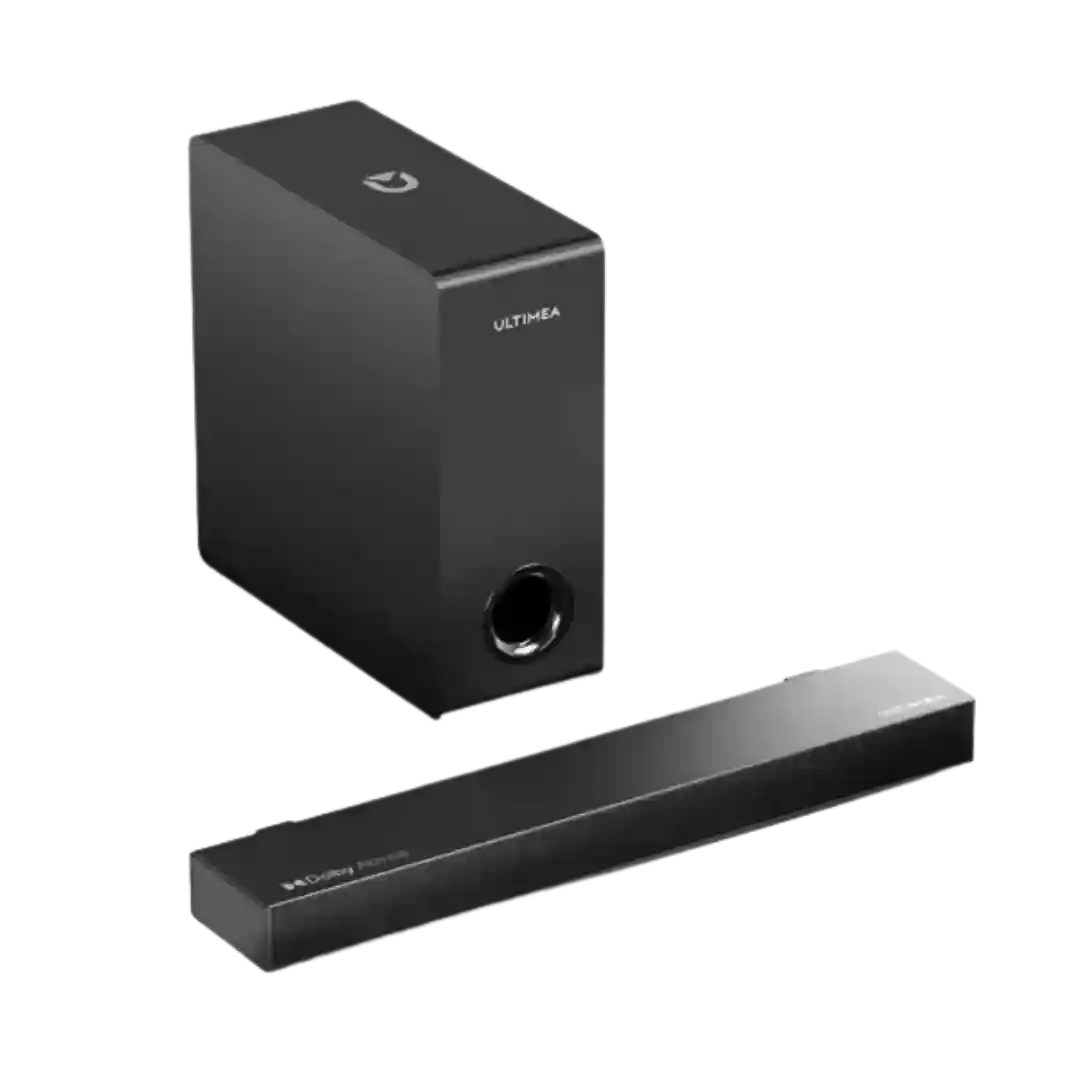
Inter-speaker connectivity between the bar and wireless sub is generally reported as quick and reliable, with automatic pairing common and flexible placement (upright or on its side) frequently mentioned.
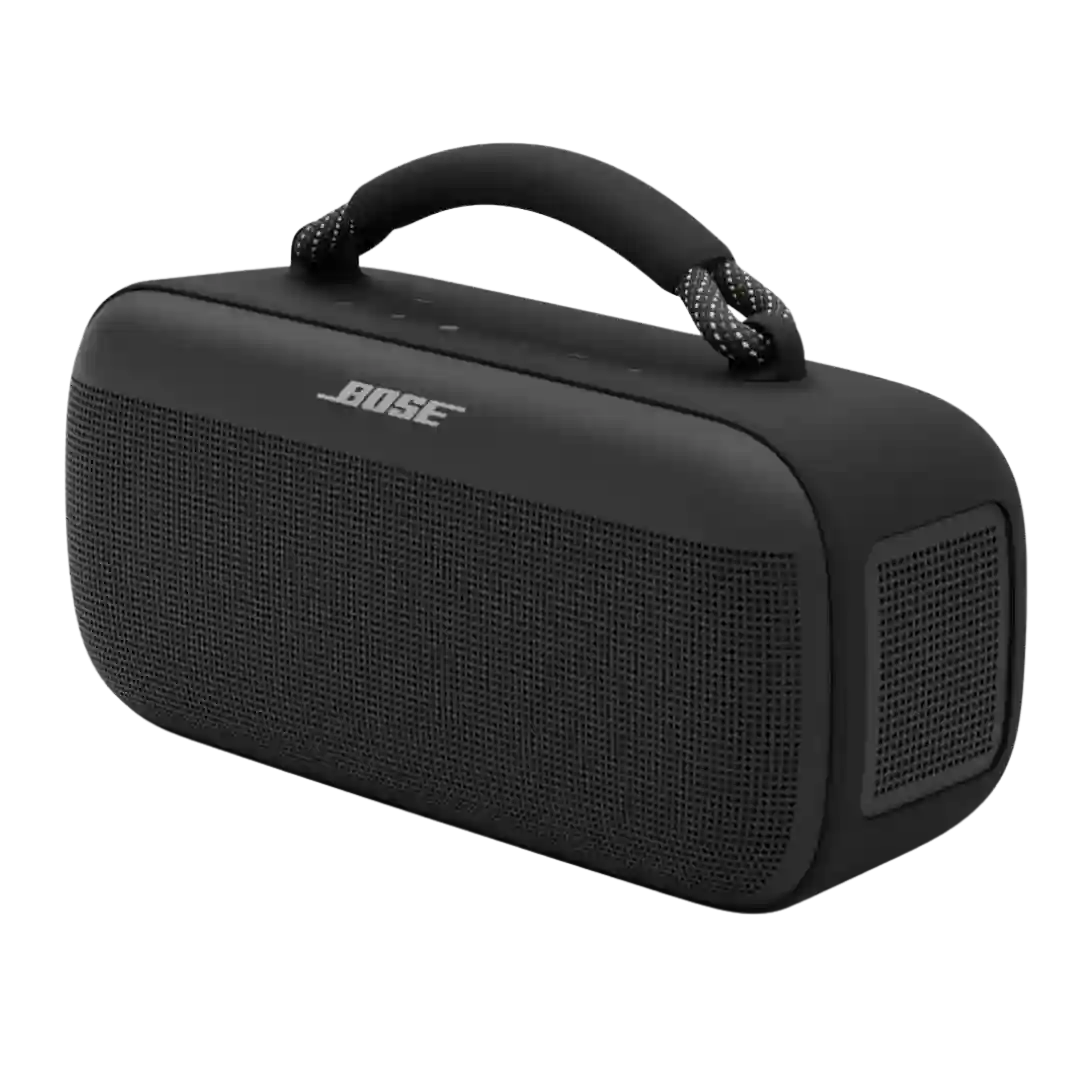
Connectivity with other Bose products is a major selling point, especially for adding subs, surround speakers, or Ultra Open Earbuds for the Personal Surround feature.
Wireless II’s ability to link the speakers wirelessly and optionally via Ethernet is a recurring plus; wiring is portrayed as a stability and resolution upgrade, while older-gen coverage notes the inconvenience of needing a permanent inter-speaker cable.
Inter-speaker connectivity is a key feature via Party Link/Auracast concepts, enabling stereo or group playback with compatible devices. Some limitations are noted around how features are accessed and managed through the app.
Inter-speaker connectivity is a key feature: reviewers mention Auracast/Oracast for linking speakers and the ability to create a stereo setup with a second Rave 3S.
Supports stereo pairing with another Gen 2 and a party or link mode with certain Bose speakers; coverage expansion is easy but the ecosystem is more limited than some rivals.
Connectivity between the bar, optional sub, and optional rears is a key ecosystem benefit; some advanced surround/LFE features are still software-dependent.
Bose ecosystem connectivity is a recurring theme, including linking with another Max for stereo or synchronized playback and broader Bose pairing options. The experience is generally positive, but some mention firmware timing around feature availability.
Pairing a second speaker is commonly supported for louder playback or true stereo. However, reviewers disagree on cross-generation pairing and many note a lack of broader multi-speaker party modes compared with app-driven ecosystems.
The passive wired subwoofer is simple to connect and avoids wireless syncing headaches, but the cable limits placement freedom and can make the setup feel less tidy.
Using standard speaker wire between the active and passive cabinets is flexible, but the included cable is basic and the one-box electronics create some asymmetry.
Fixed, non-replaceable cables and limited speaker spacing are the most common hardware complaints, reducing placement flexibility and making cable management messier than expected.