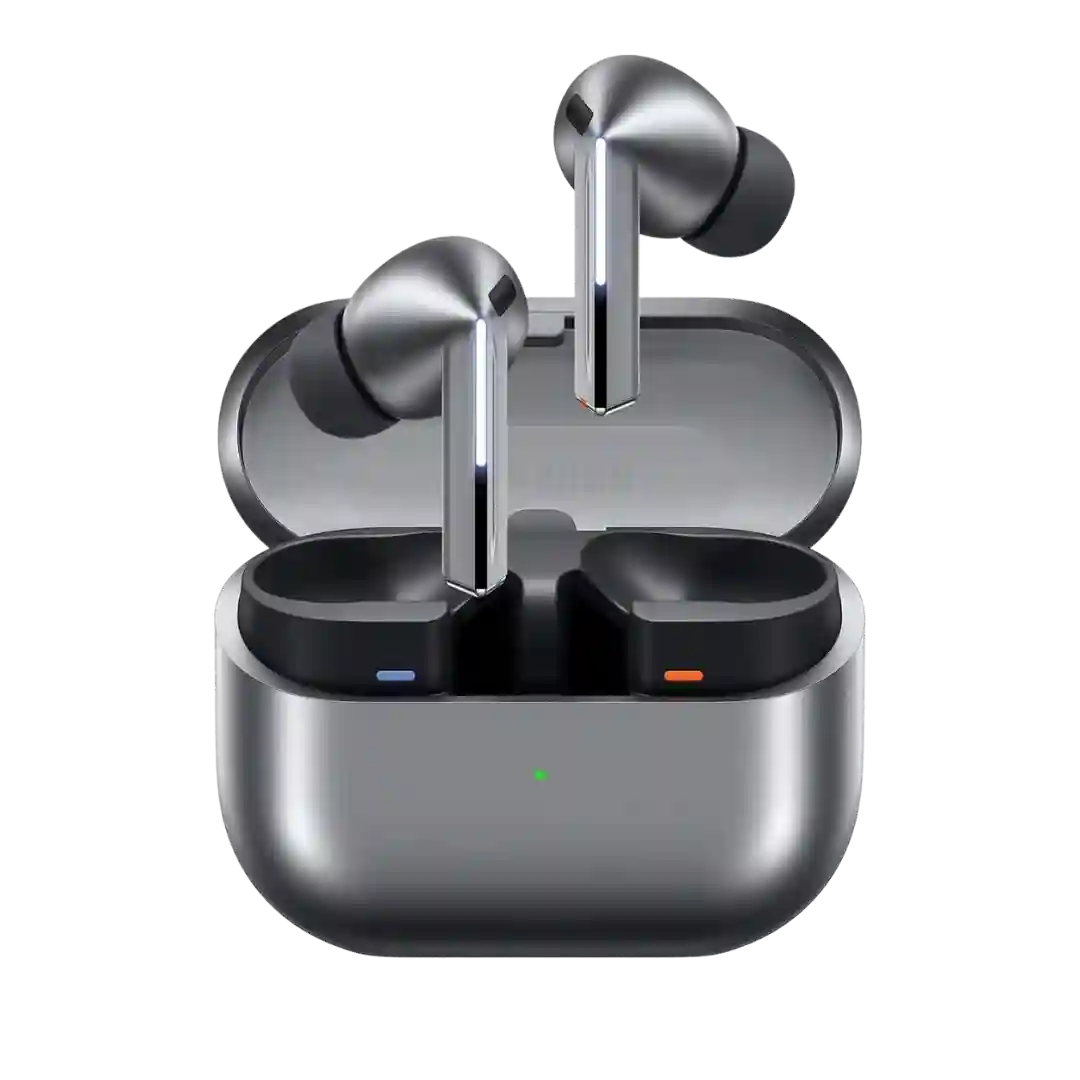
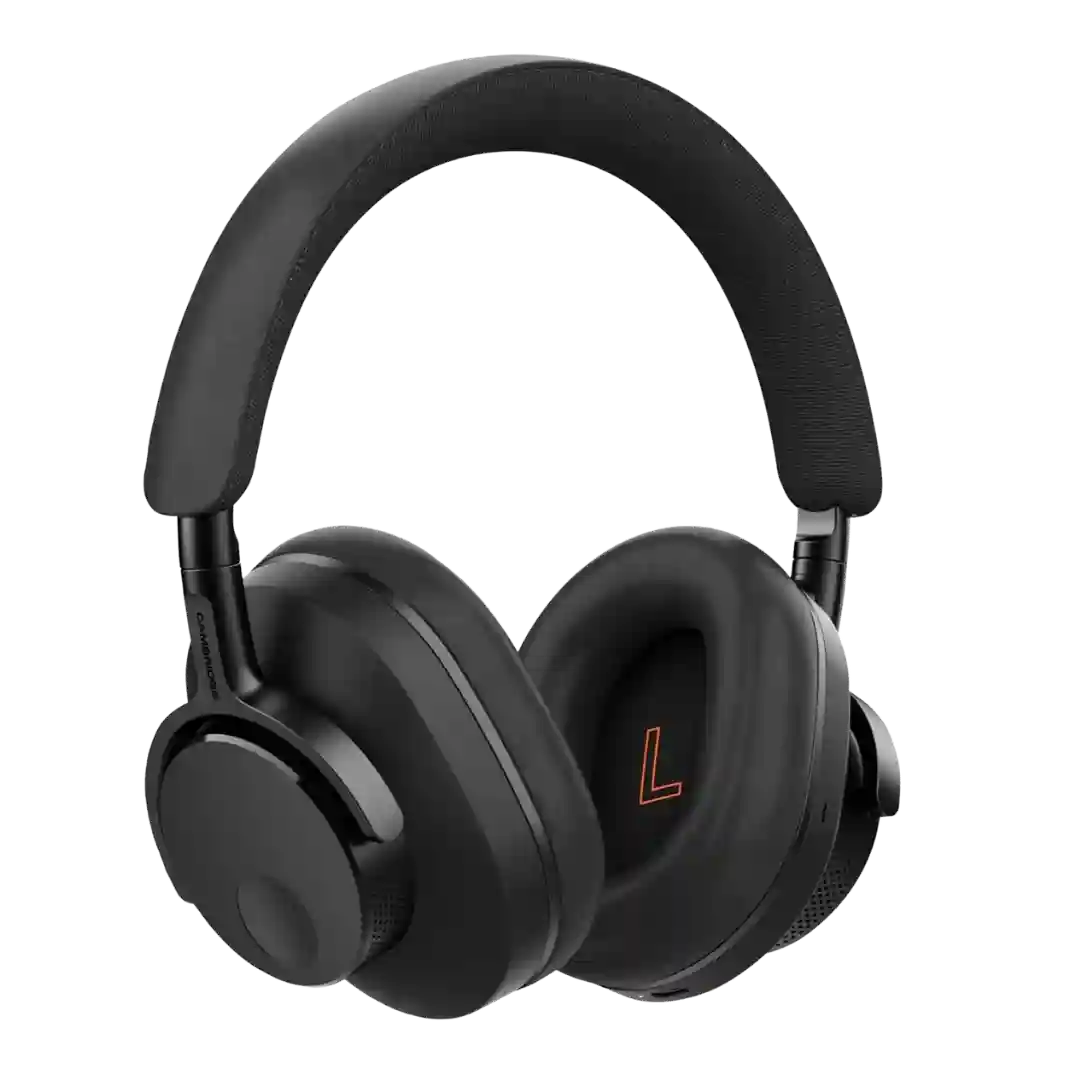
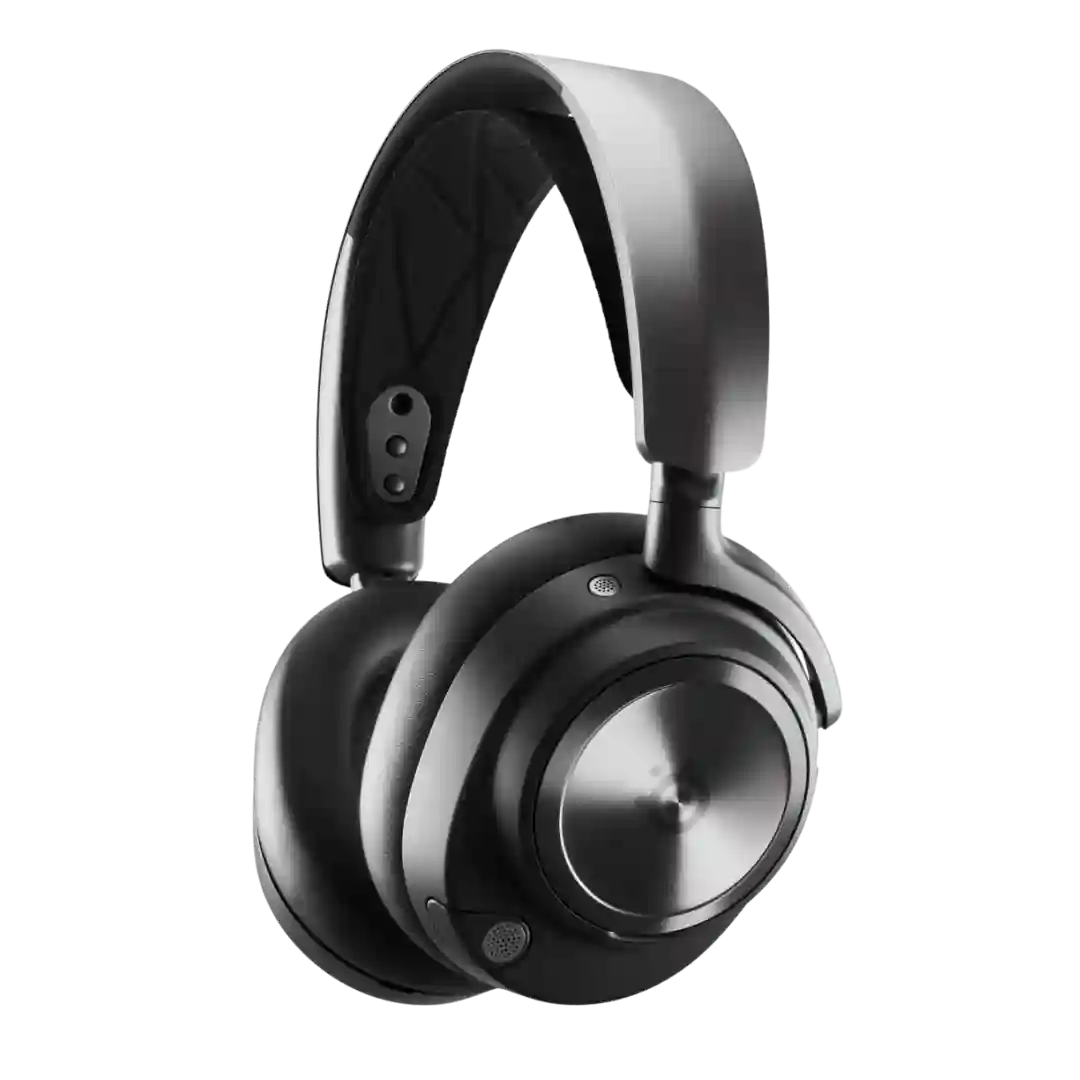
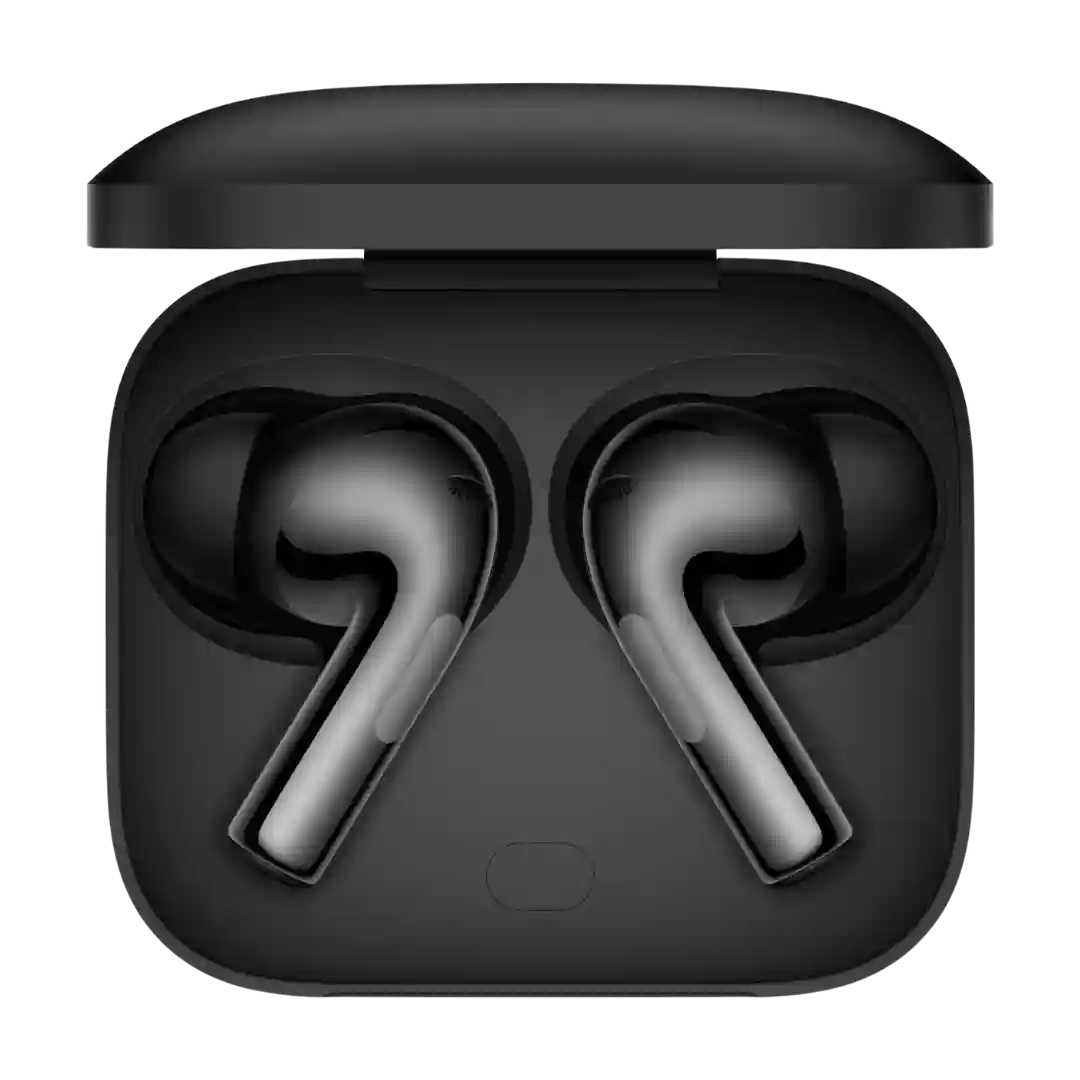
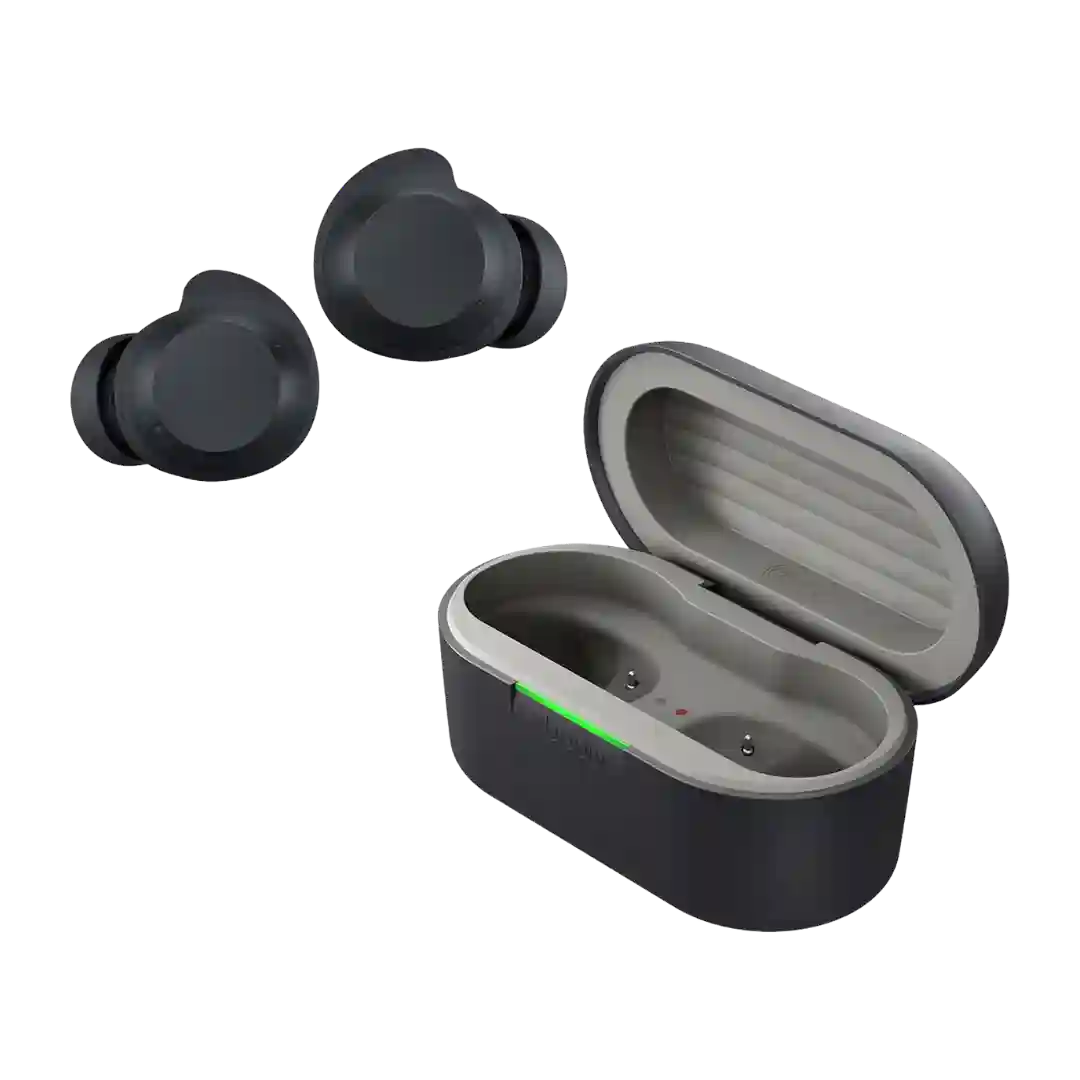
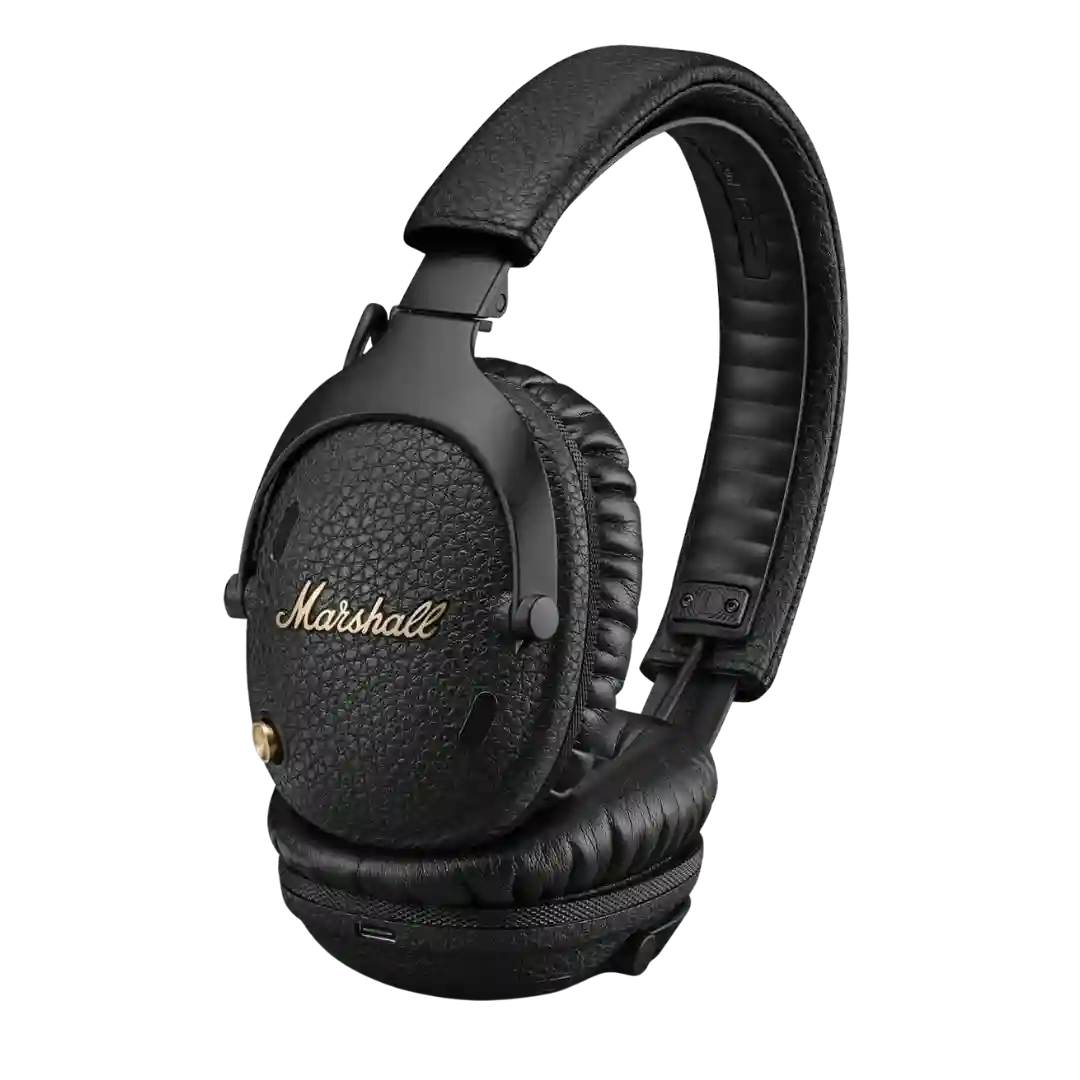
LDAC is repeatedly called a major advantage for Android listeners who want higher-resolution wireless audio. Reviewers also note it is not available to iPhone users.
LDAC support is a key advantage for Android listeners who want higher-quality Bluetooth audio, with some notes that dropping to a lower LDAC mode can help stability on certain phones.
LDAC is widely appreciated by Android users for higher-quality wireless audio and is treated as a premium advantage. Tradeoffs show up in a few reviews: higher drain/latency and, in some implementations, disabling certain extra processing features.
LDAC is a major upside for Android users seeking higher-bitrate Bluetooth audio, though the best results may require device-side settings and it is not an Apple ecosystem feature.
LDAC support is repeatedly called a key differentiator for Android users, enabling higher-bitrate streaming; expect higher power draw and the need to toggle settings in the app.
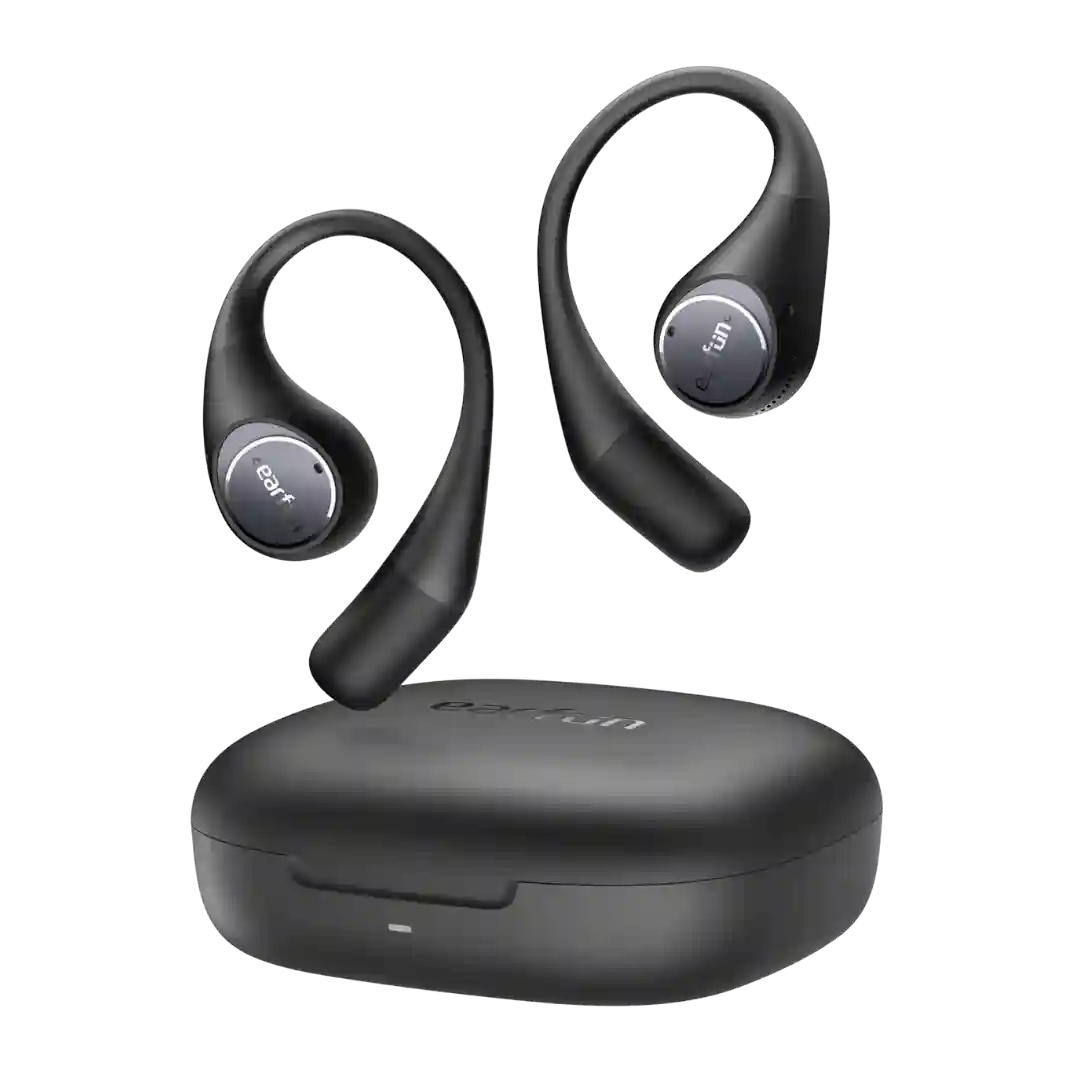
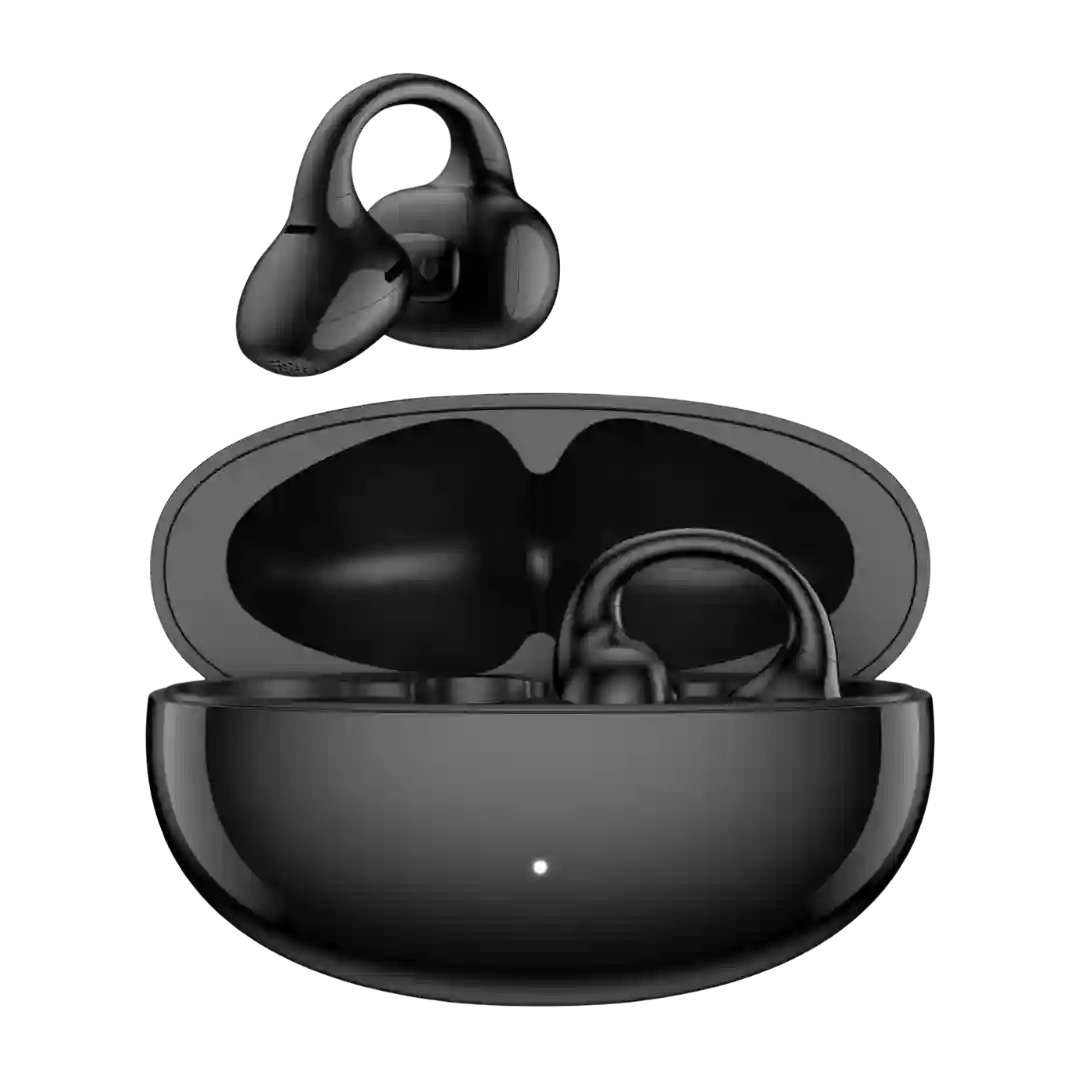
LDAC support is repeatedly highlighted as a standout extra for an open-ear design, including confirmation in one review that it works alongside multipoint.
LDAC support is praised in several later Android-focused reviews, but earlier coverage and Apple-device use show it is not universal across all setups.
LDAC is a major feature highlight and can add detail, but it can reduce battery life and some reviewers report difficulty enabling or maintaining LDAC on certain phones or via the app.
One review explicitly notes uncertainty about LDAC support because codec information is not clearly specified, making it hard to compare against rivals that advertise LDAC.
Most reviews state there is no LDAC/hi-res support, but one review explicitly lists LDAC among available codecs. Treat LDAC support as inconsistent across sources and confirm if it matters to you.