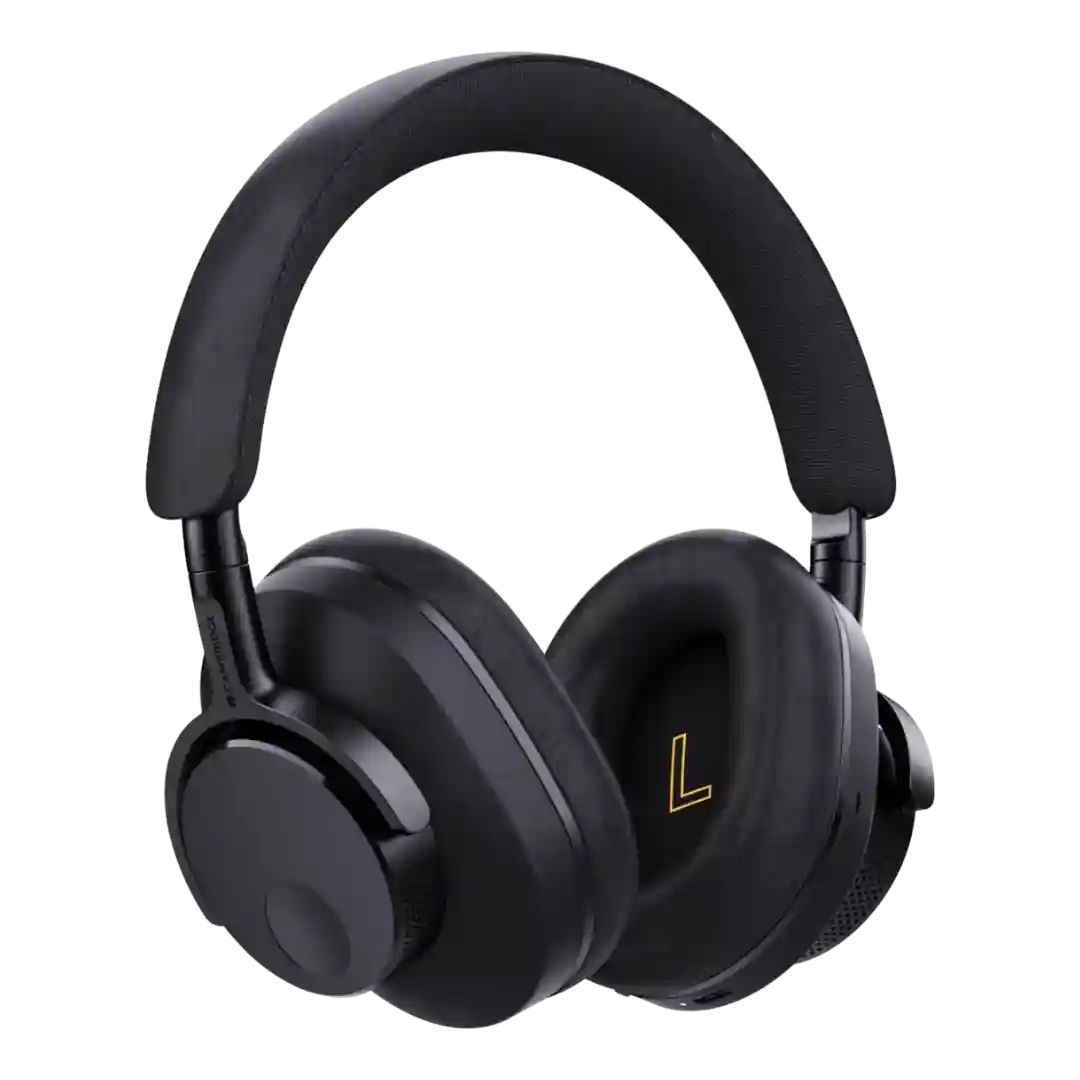
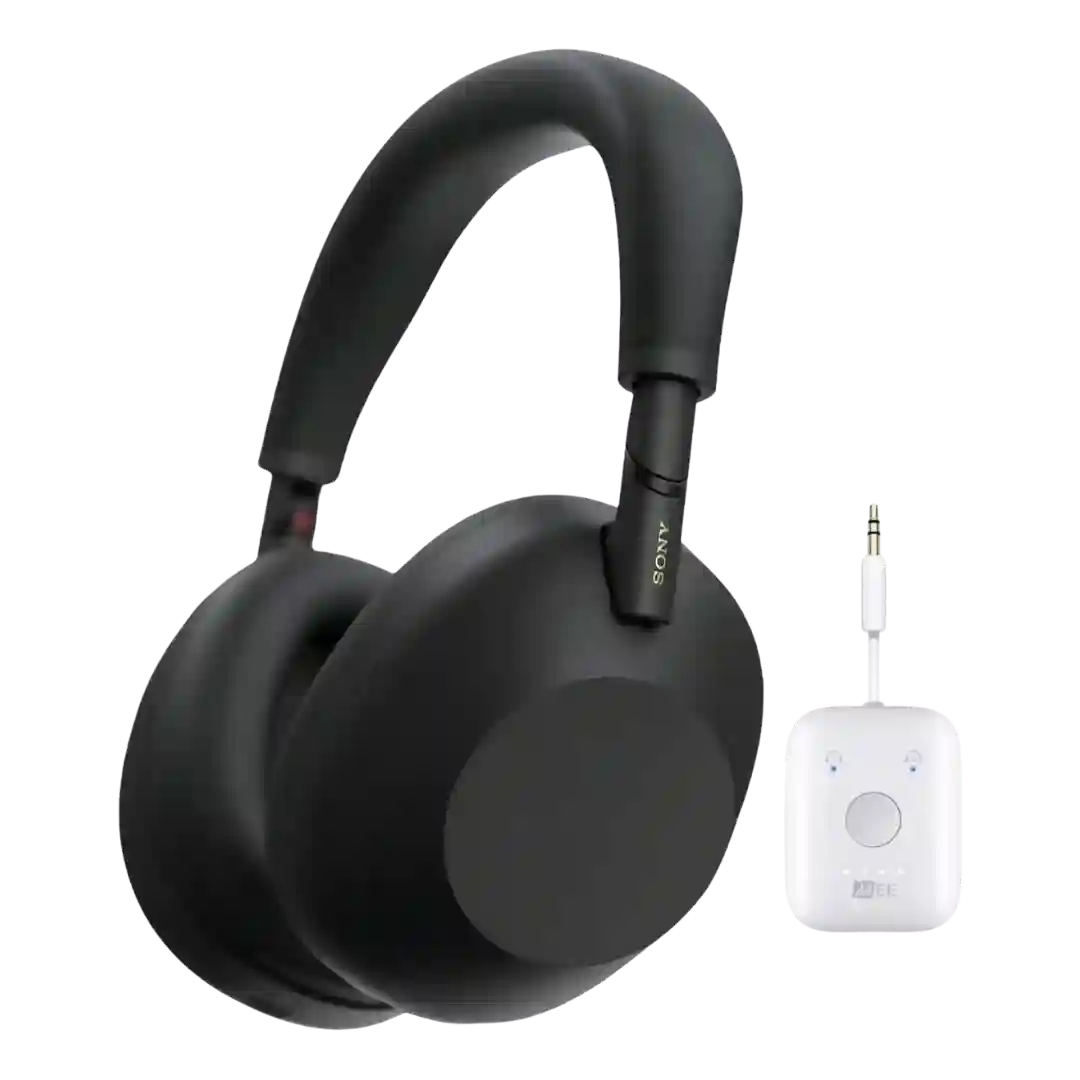
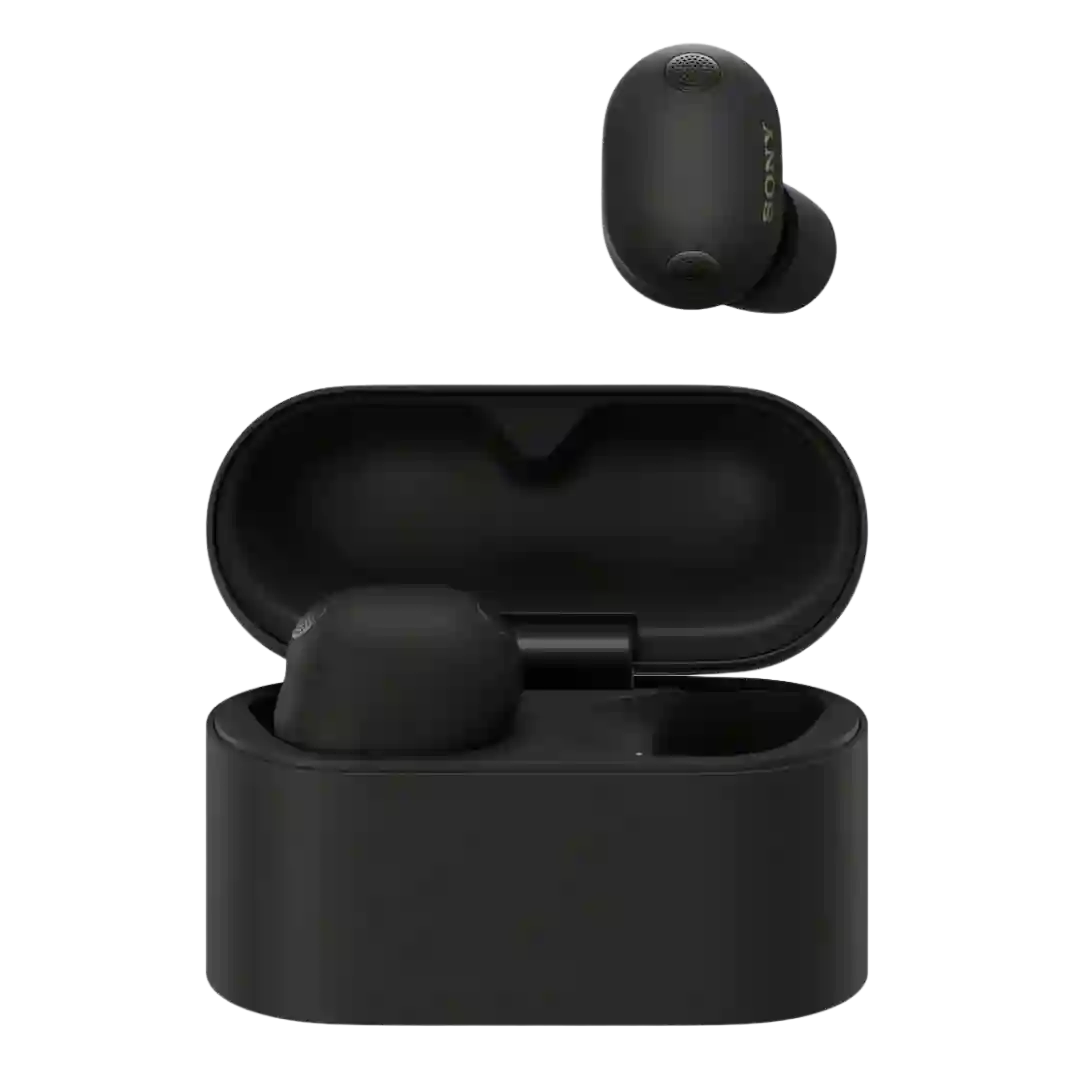
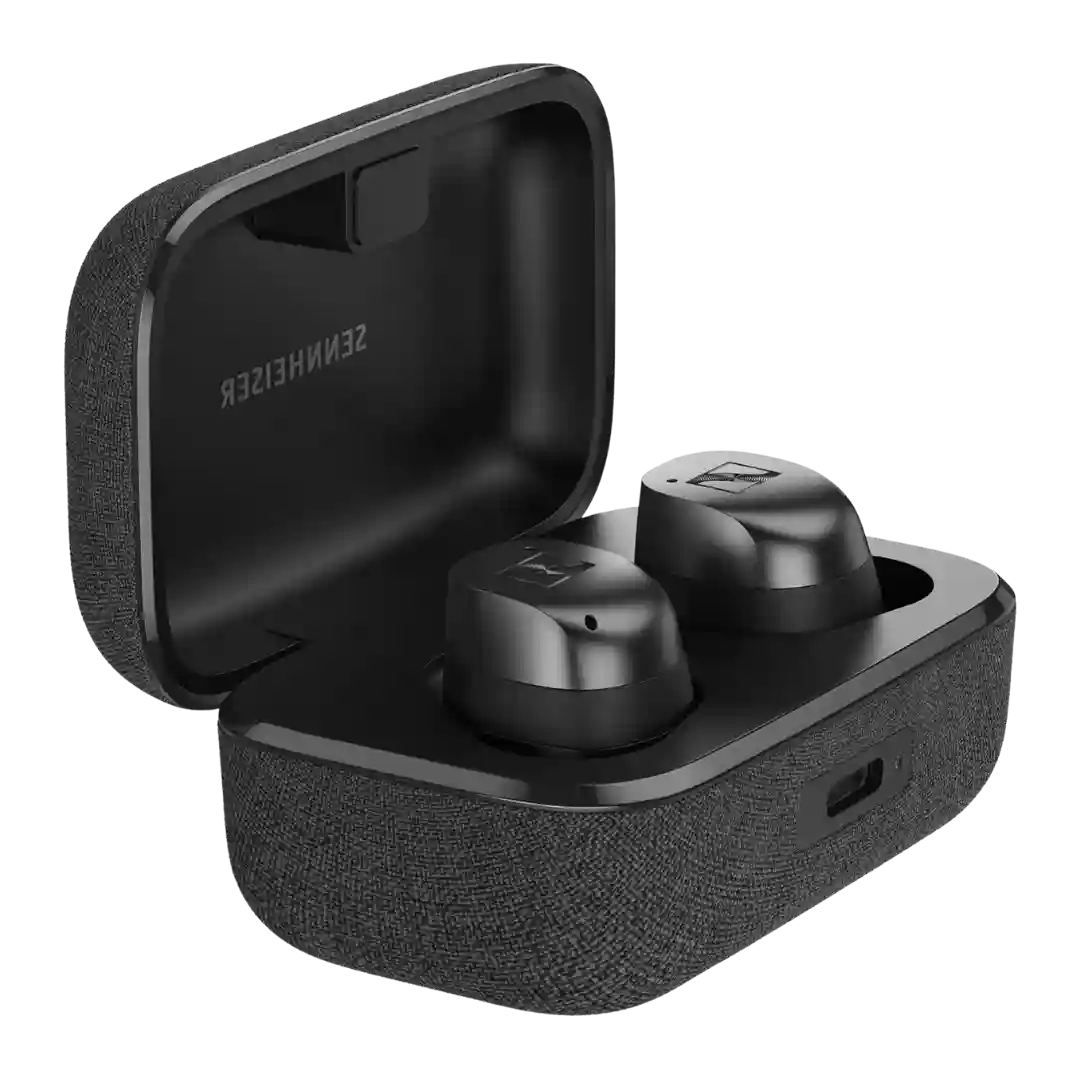
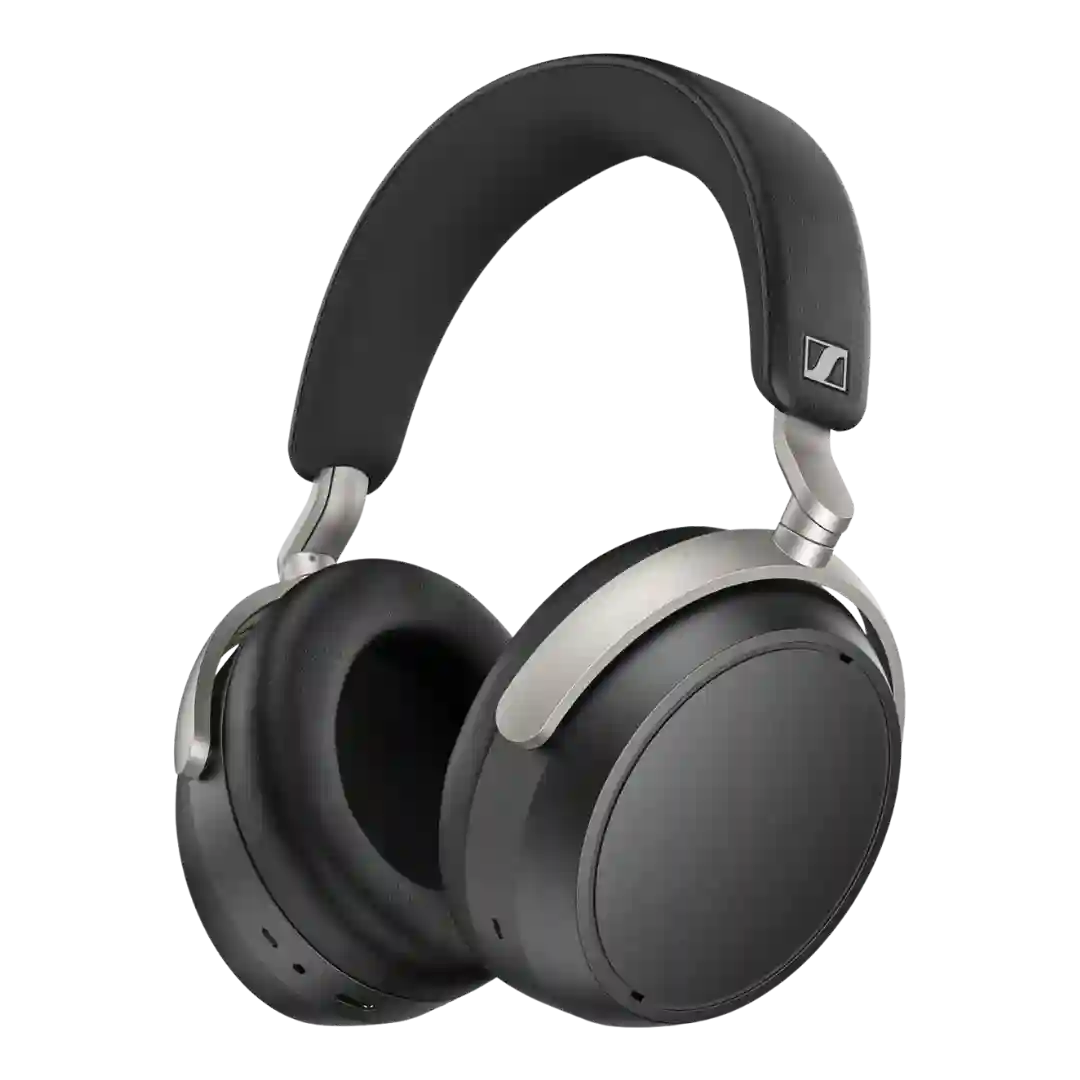
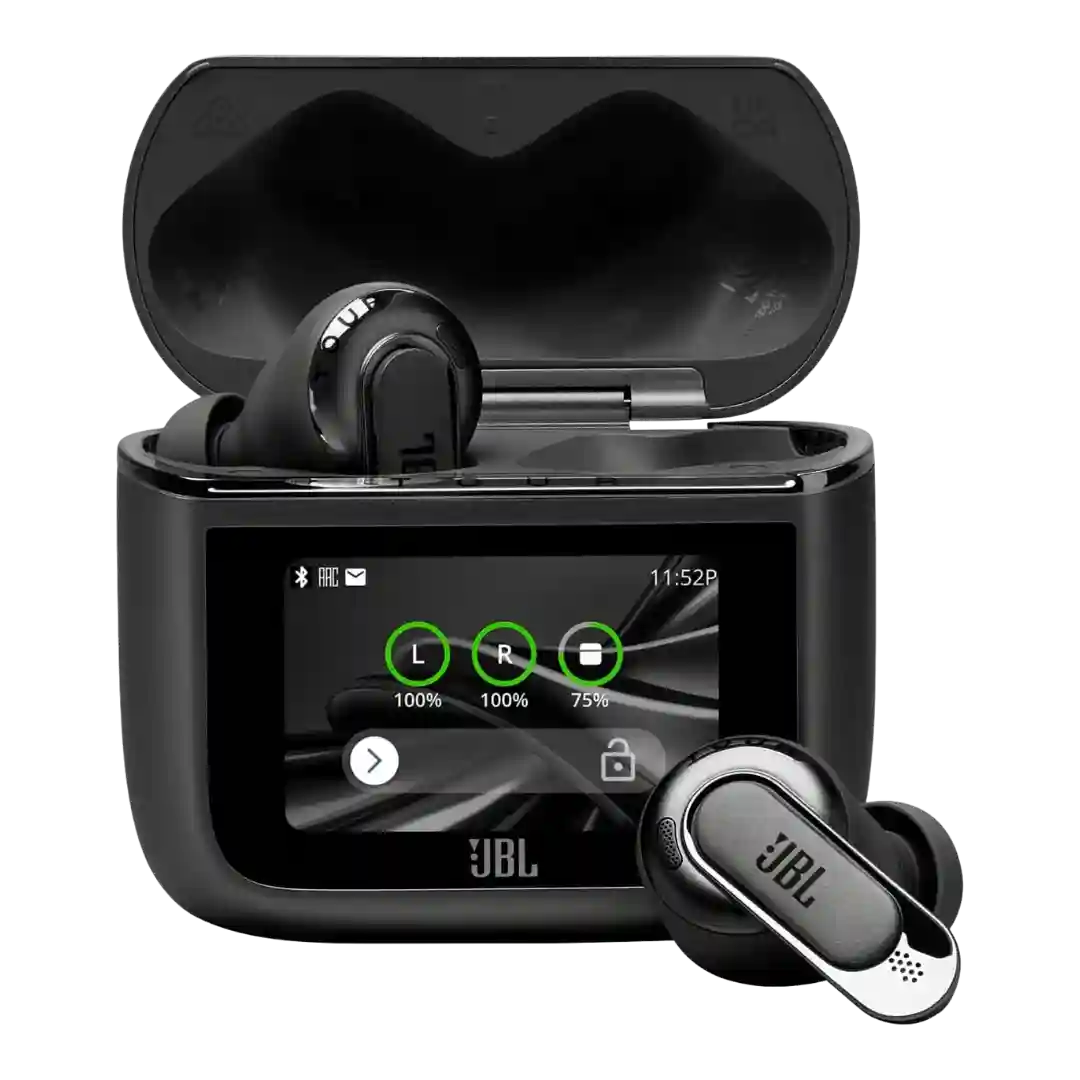
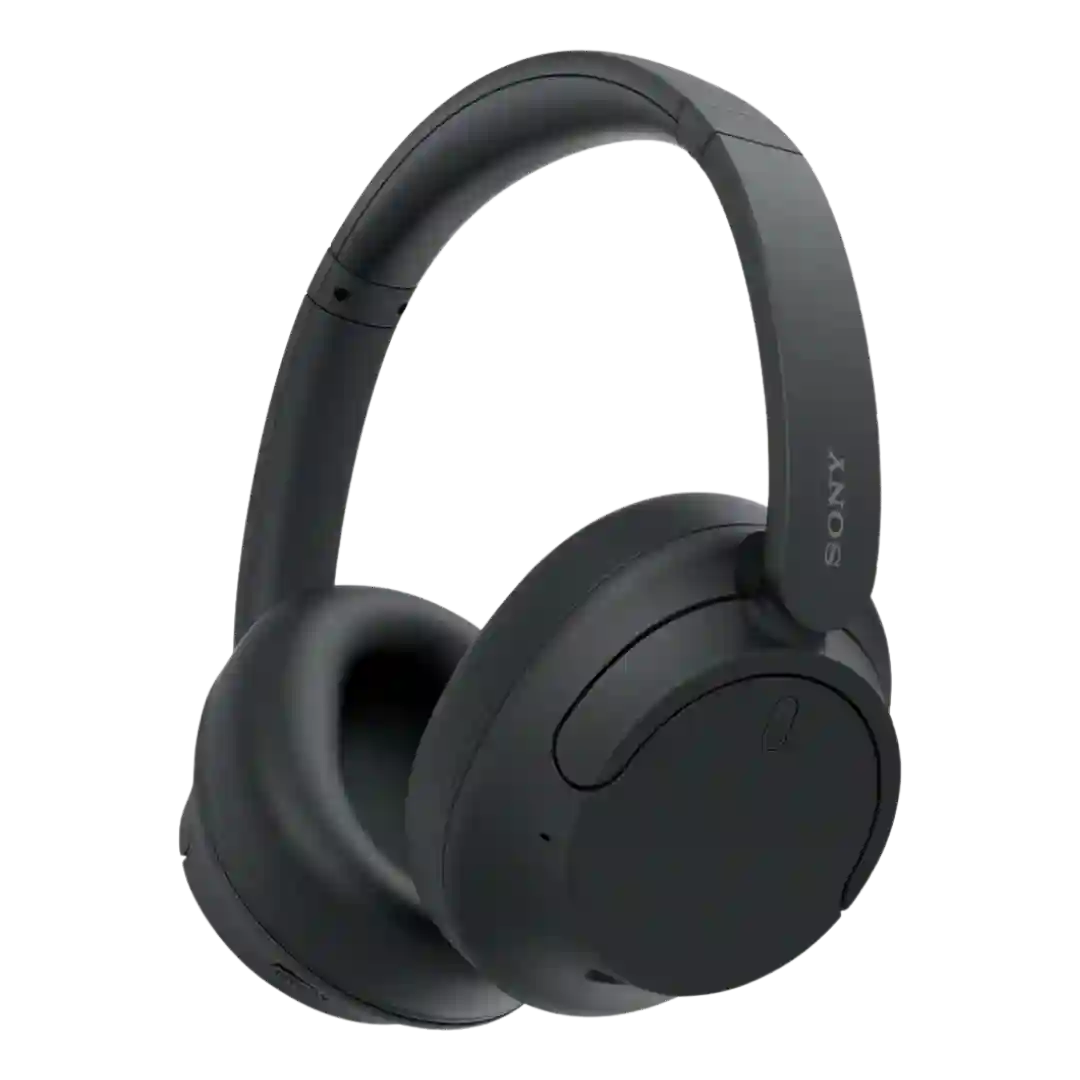
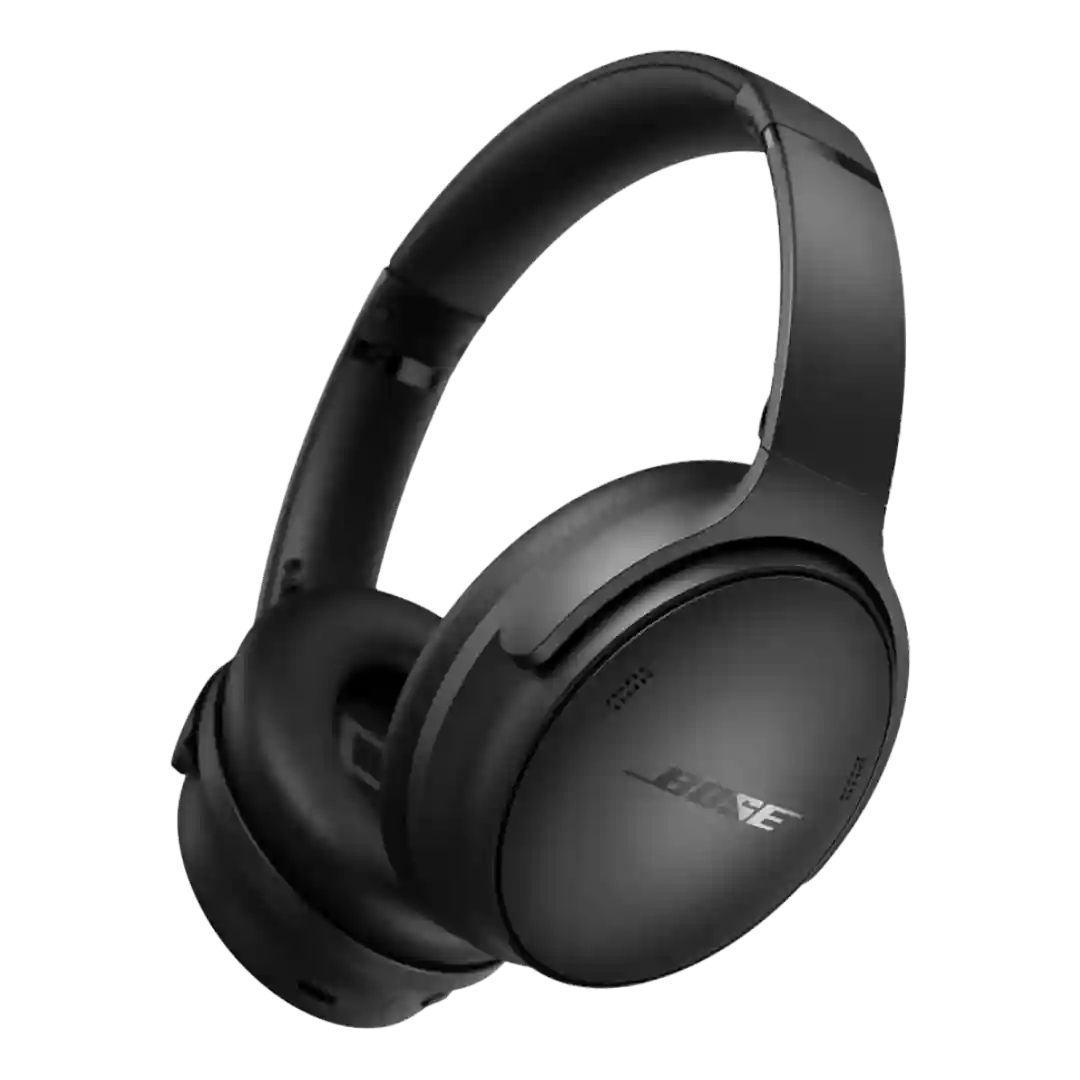
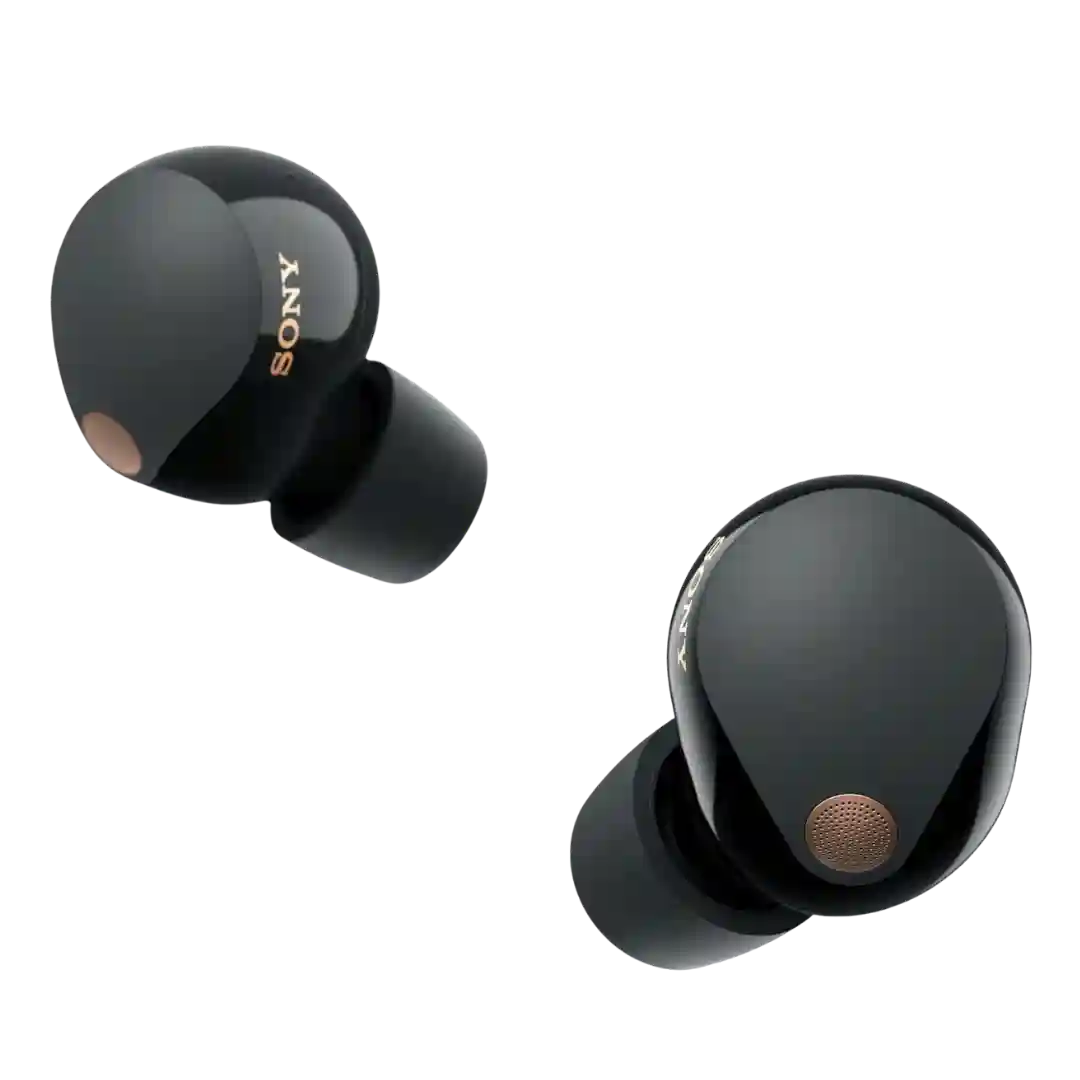
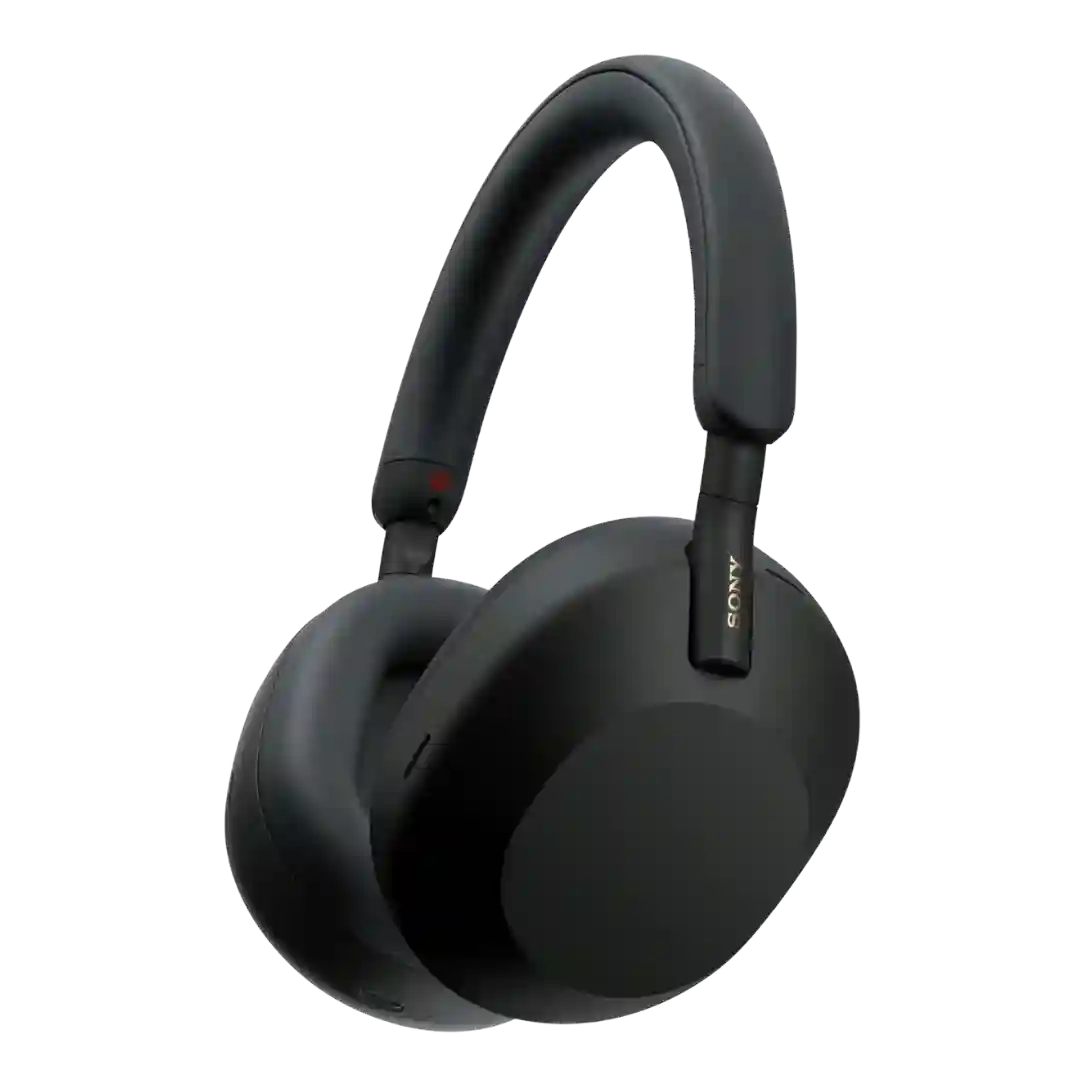
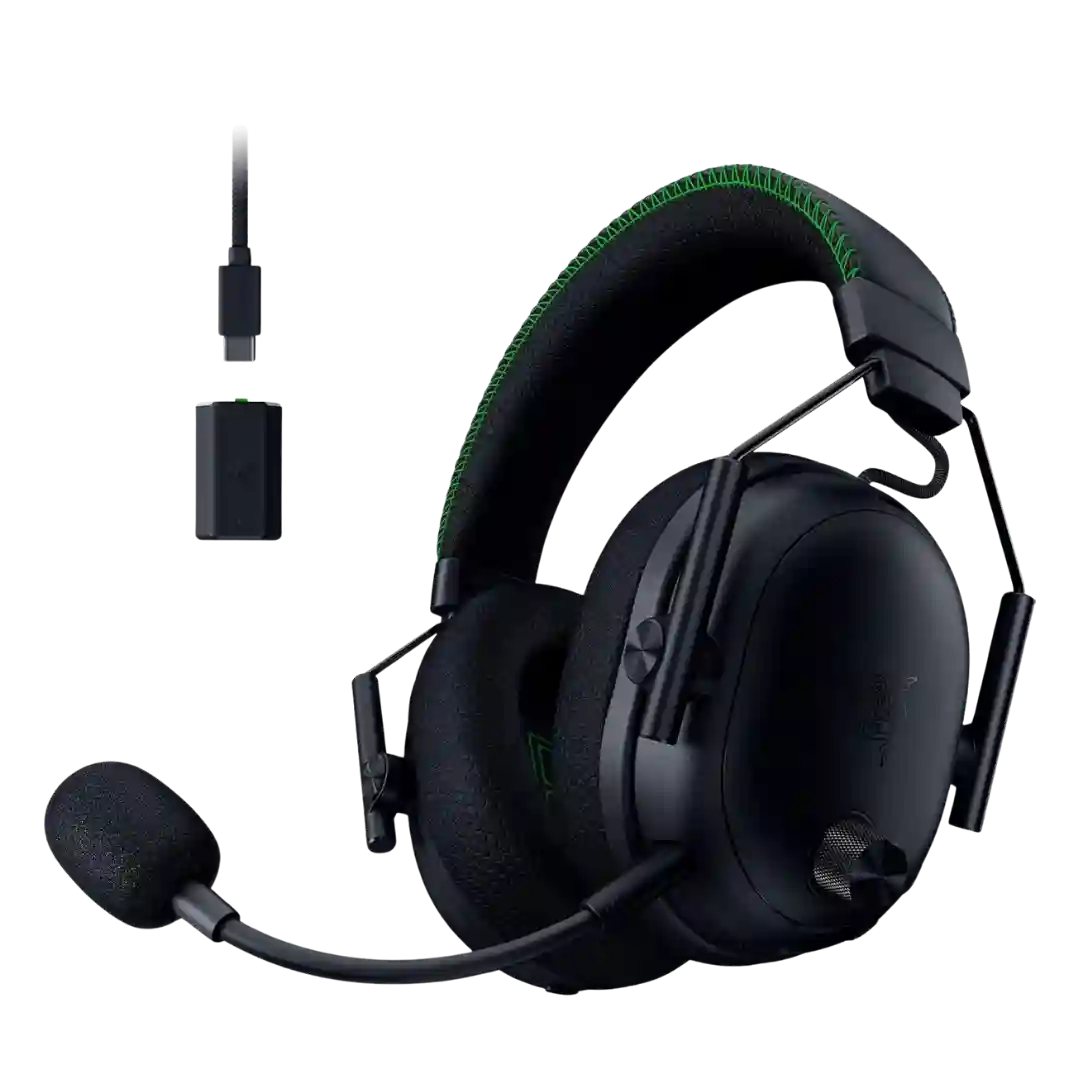
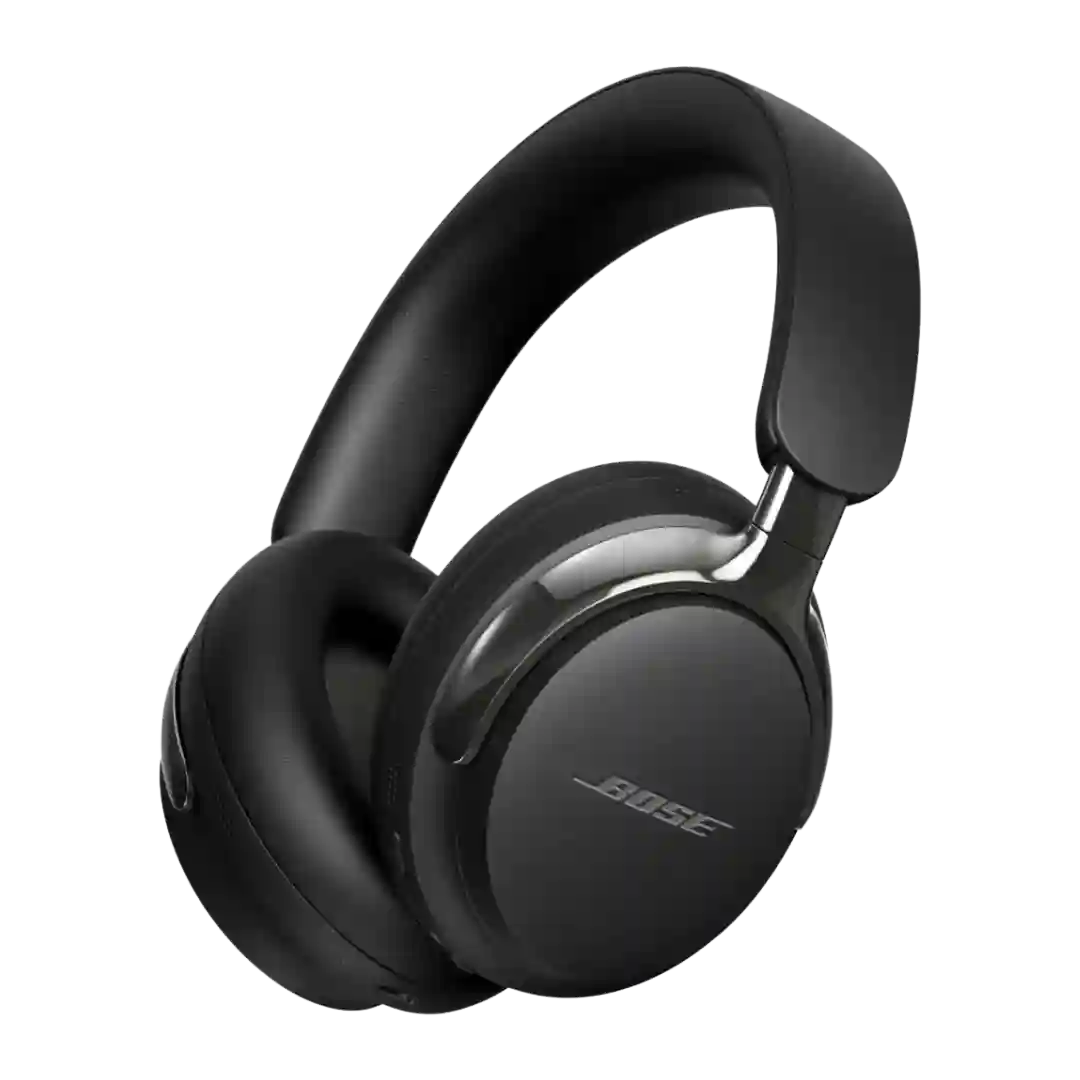
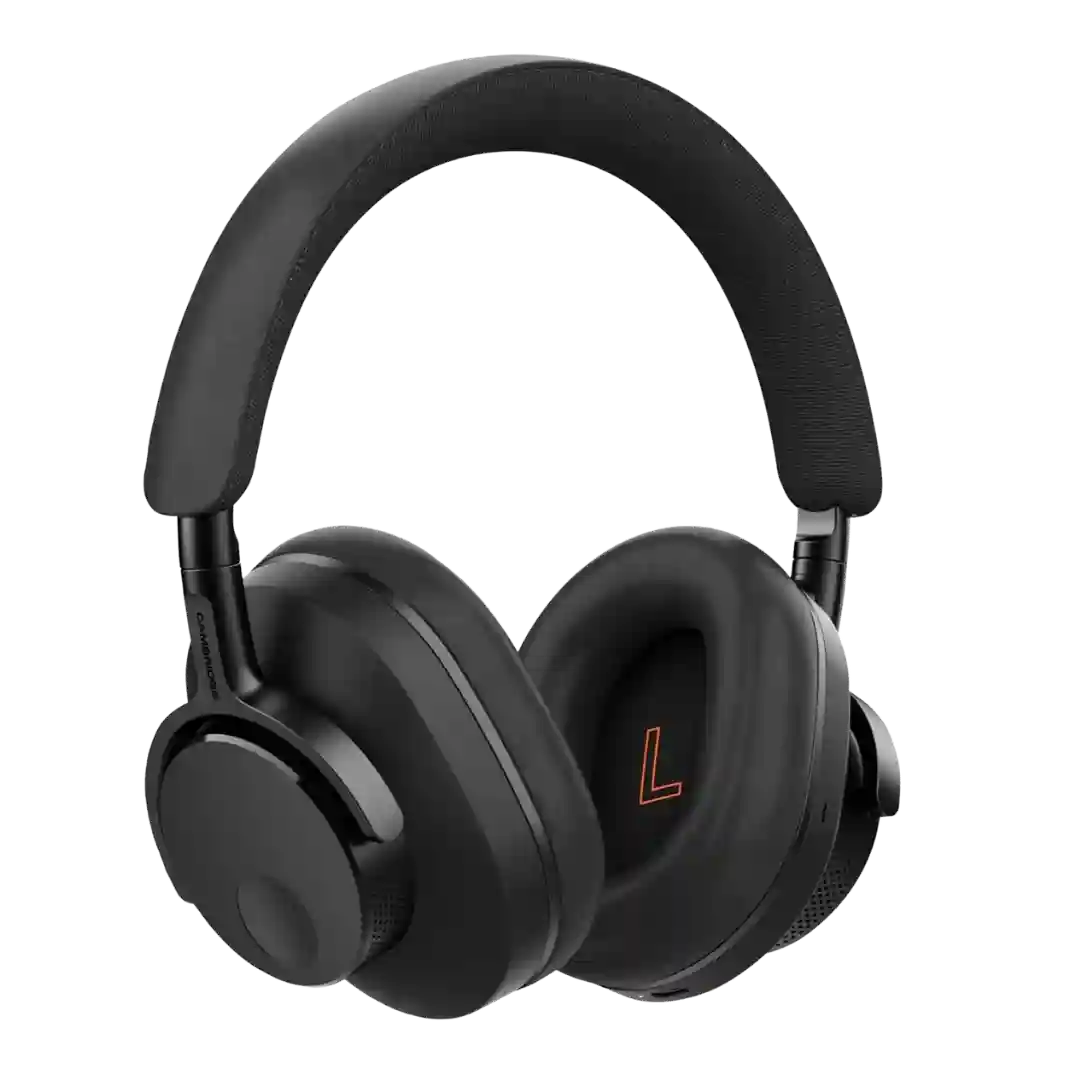
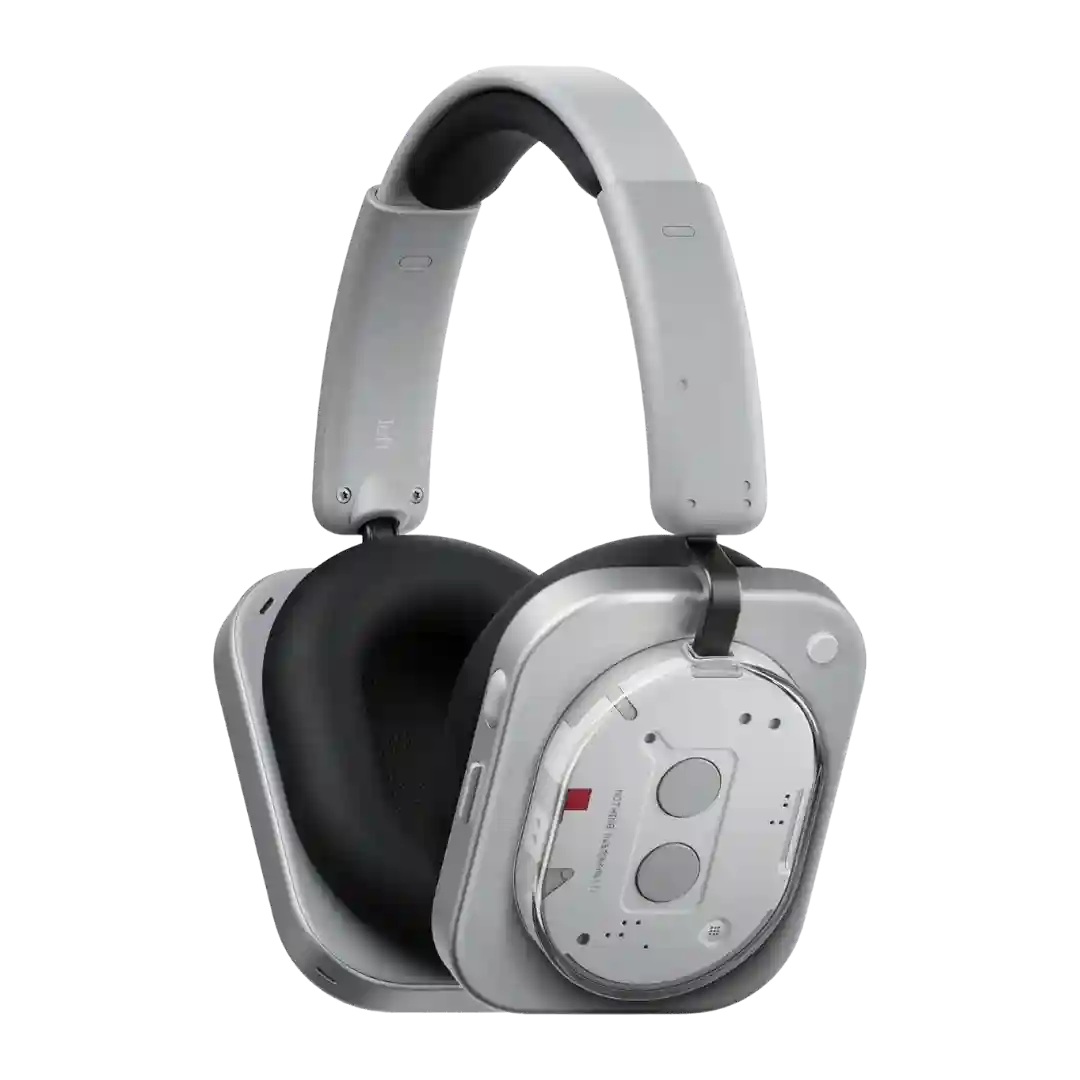
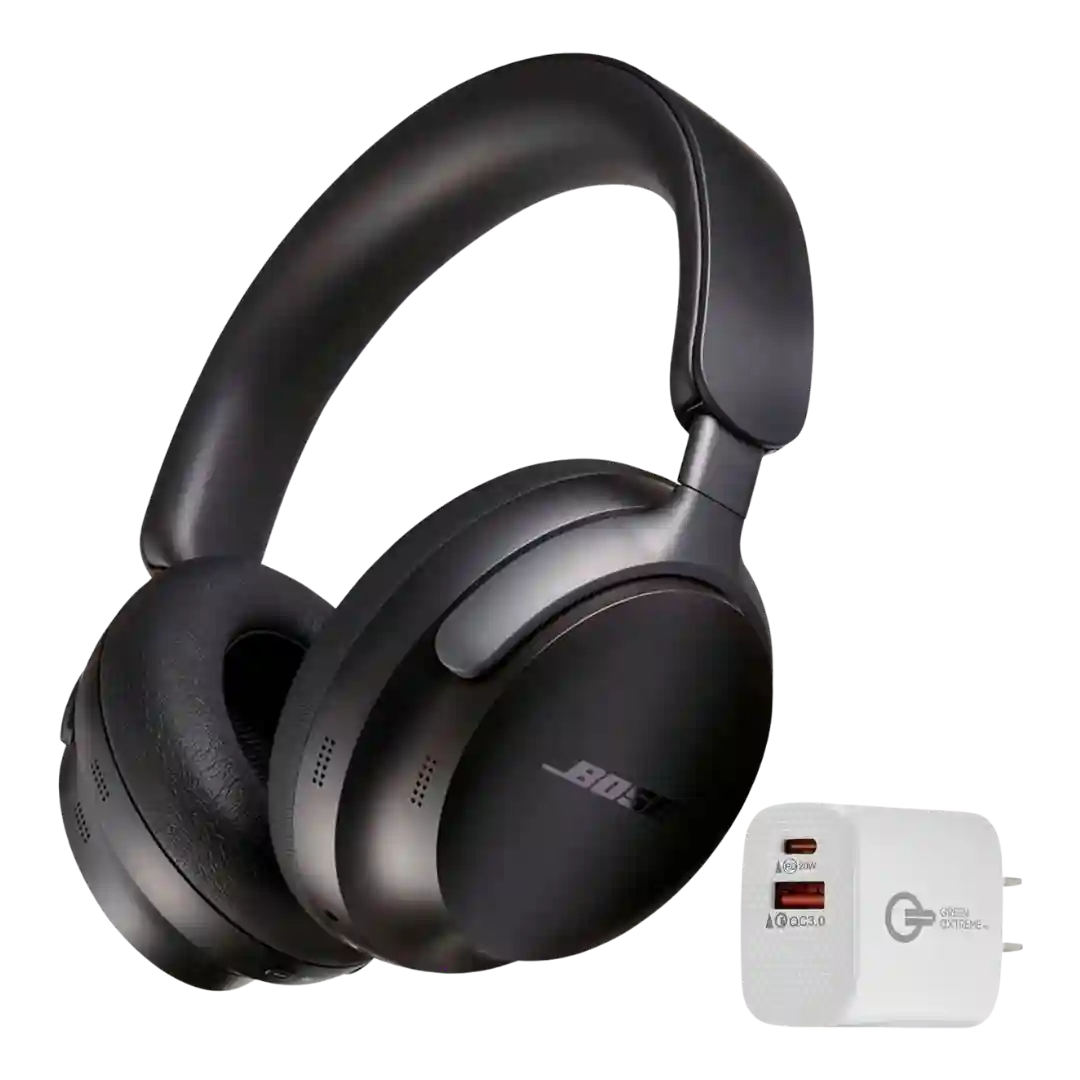
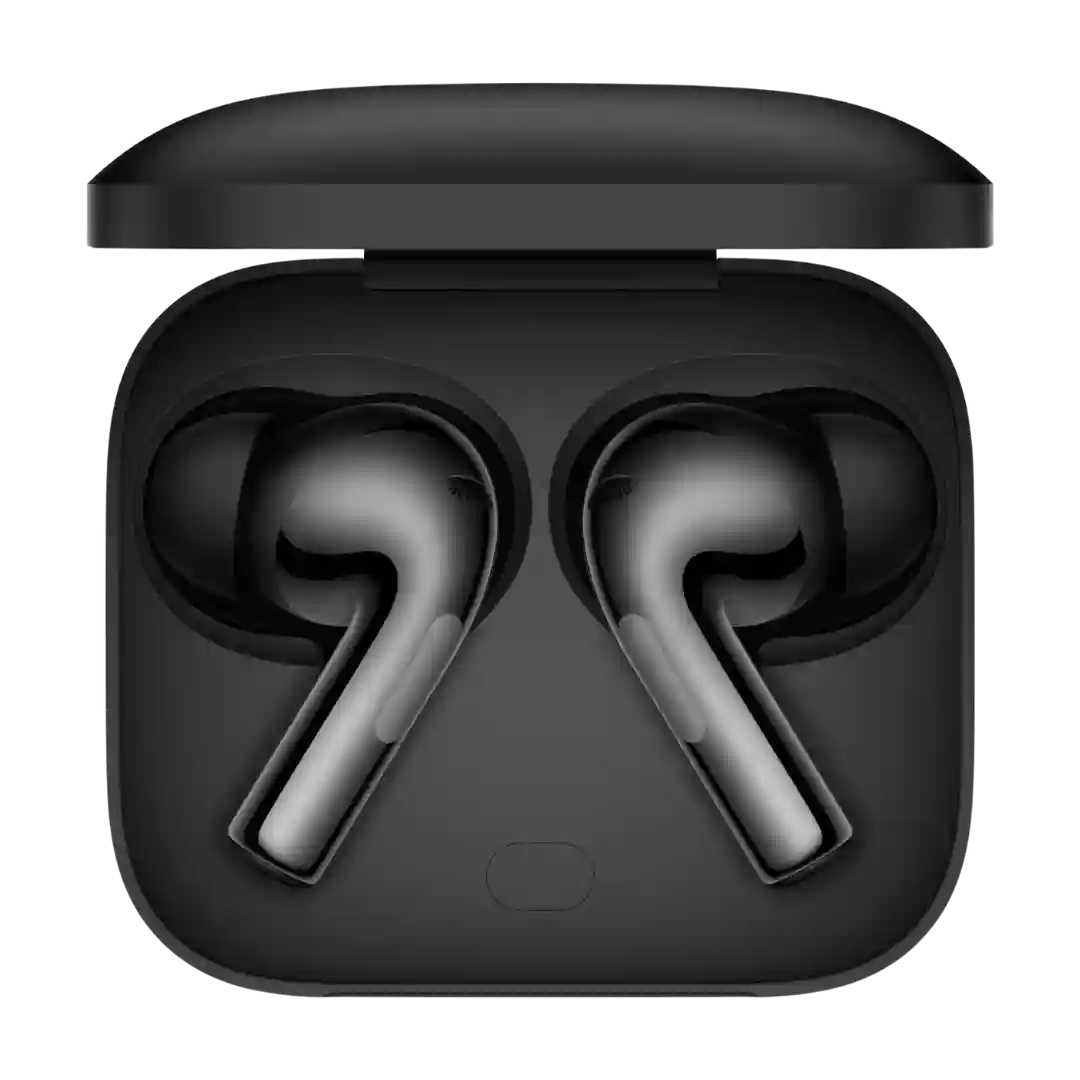
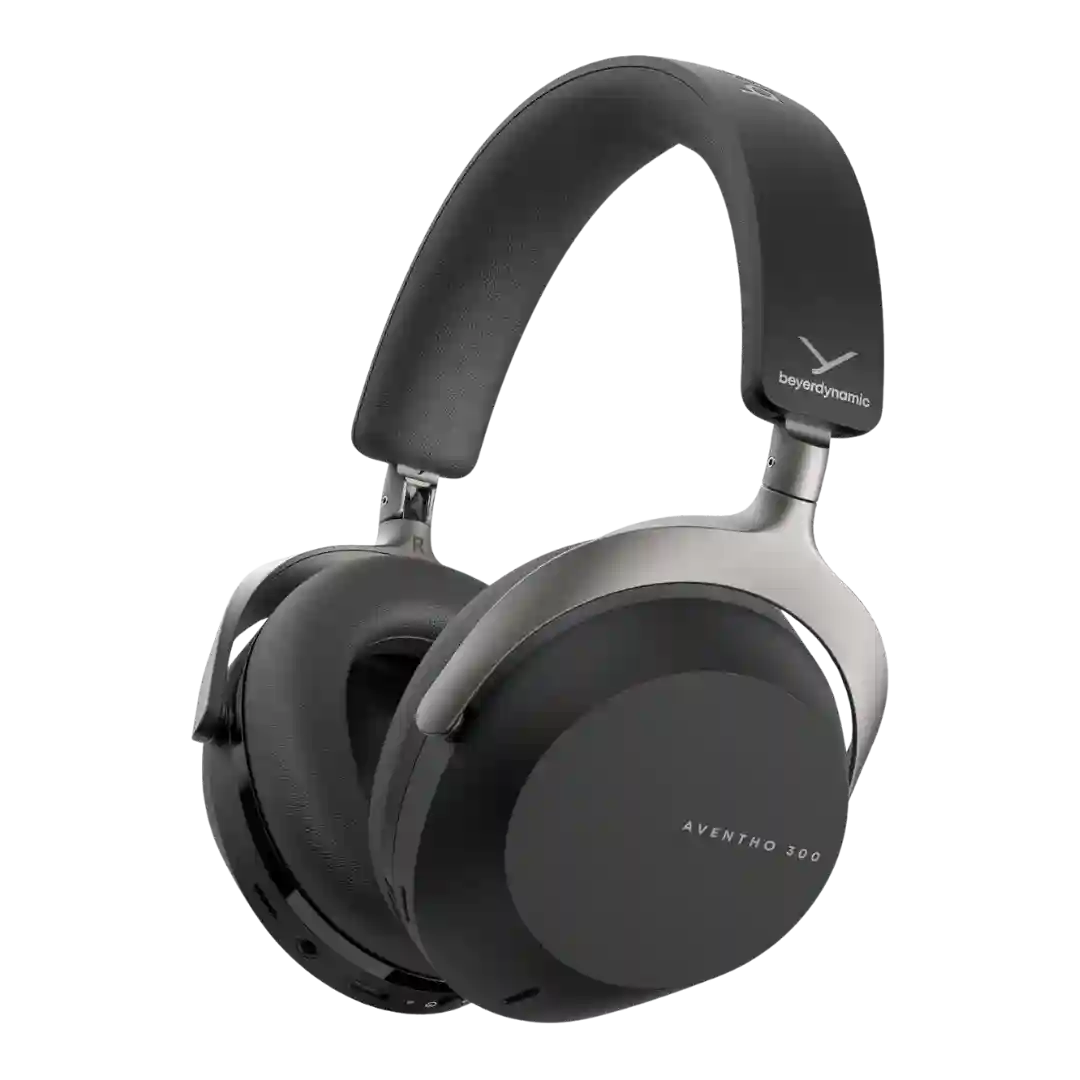
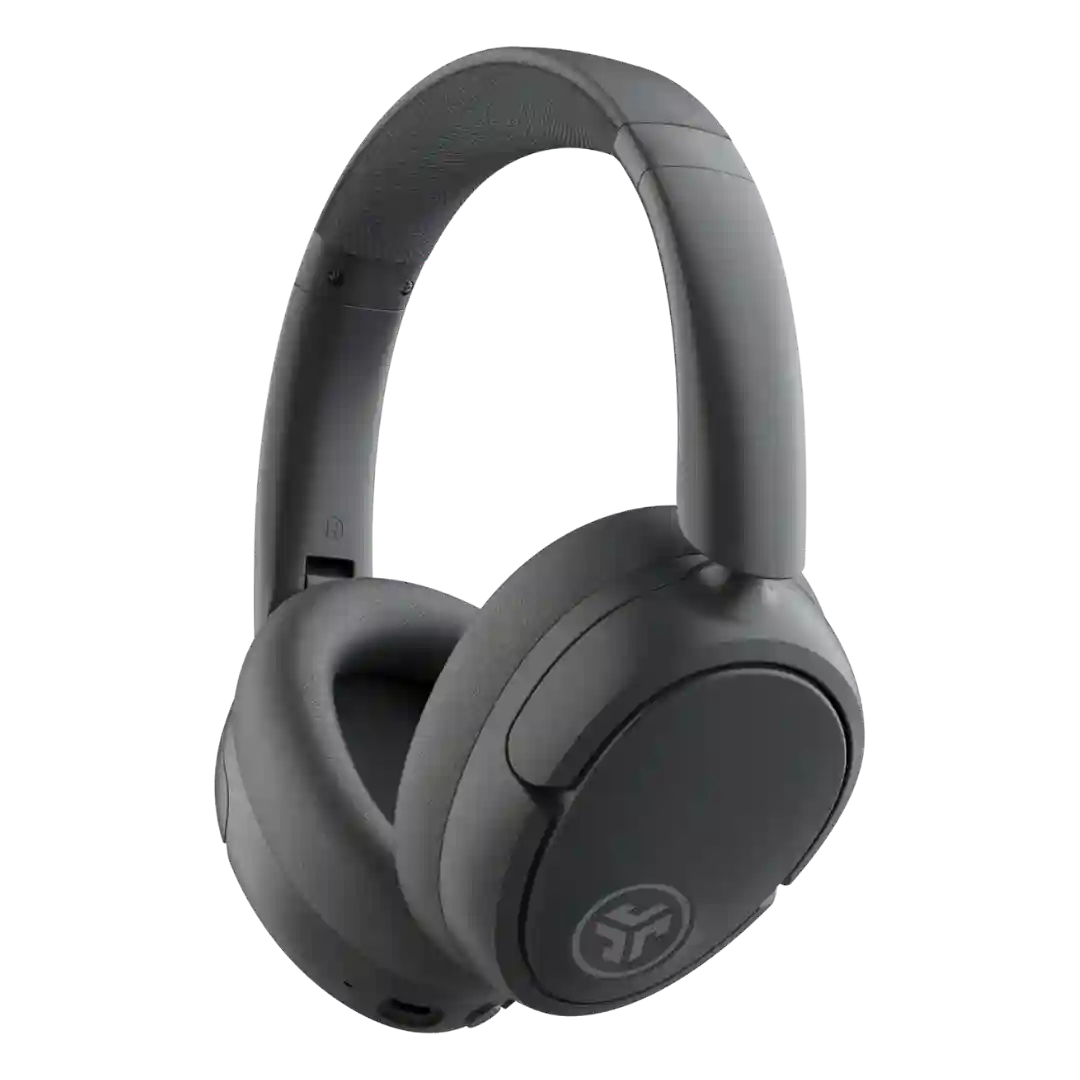
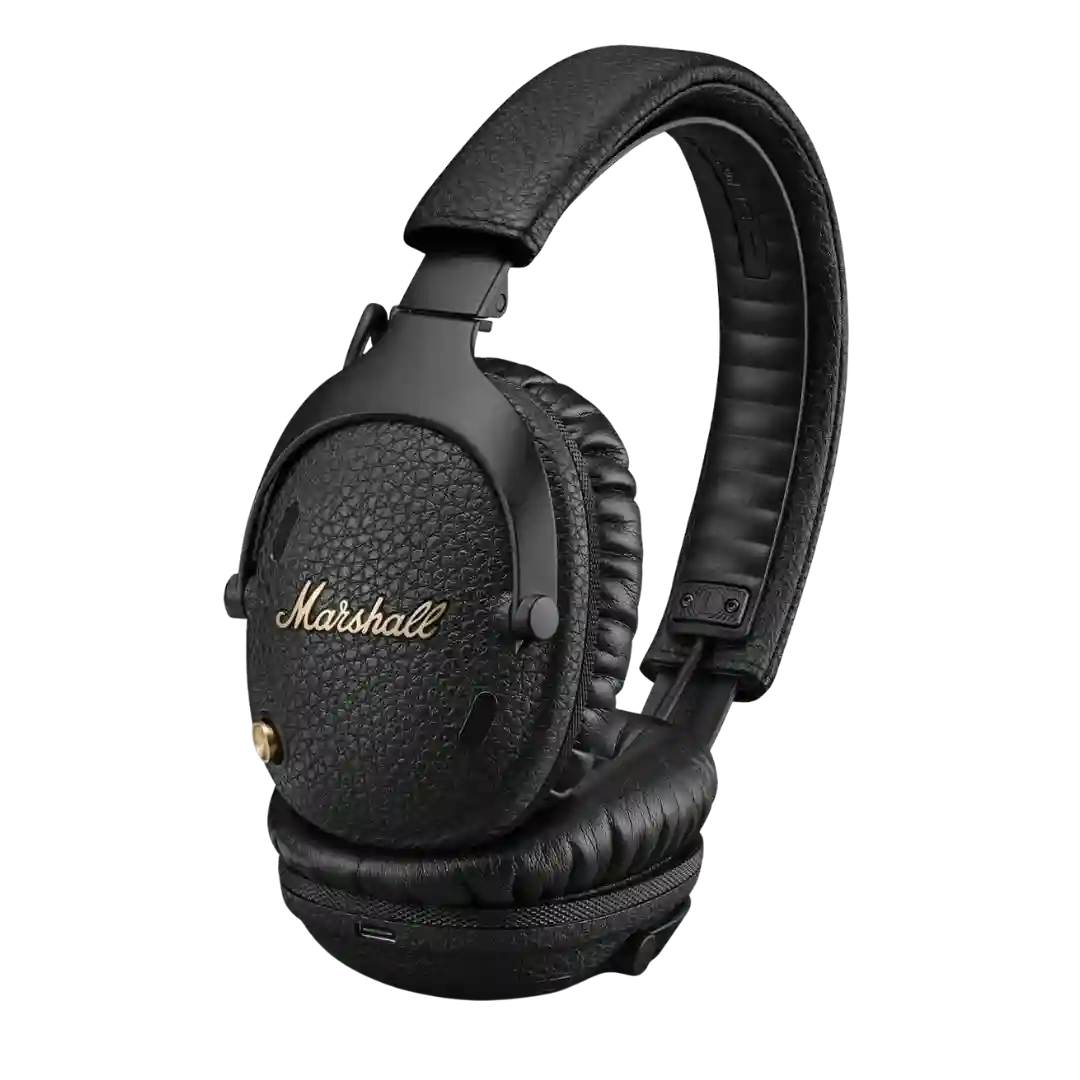
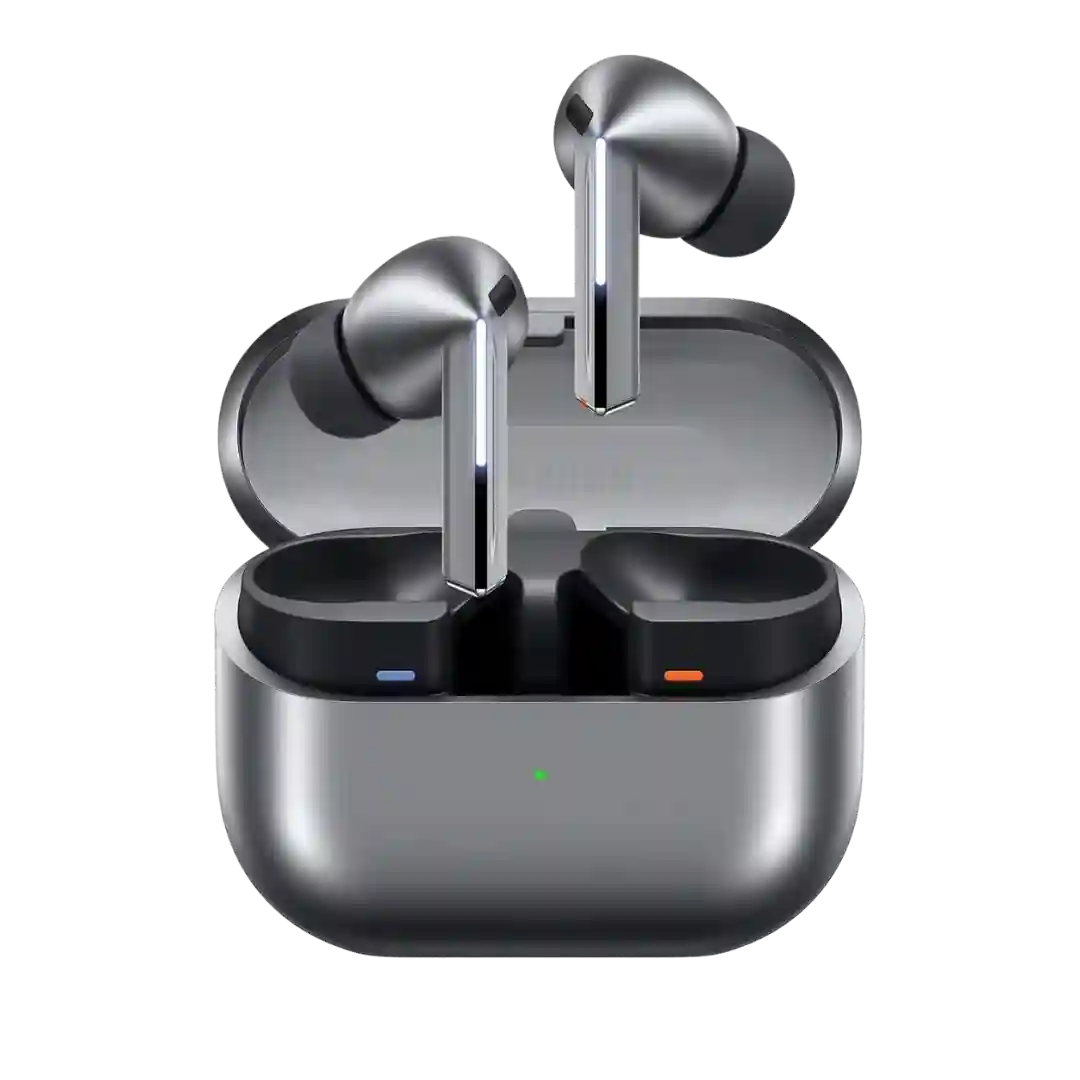
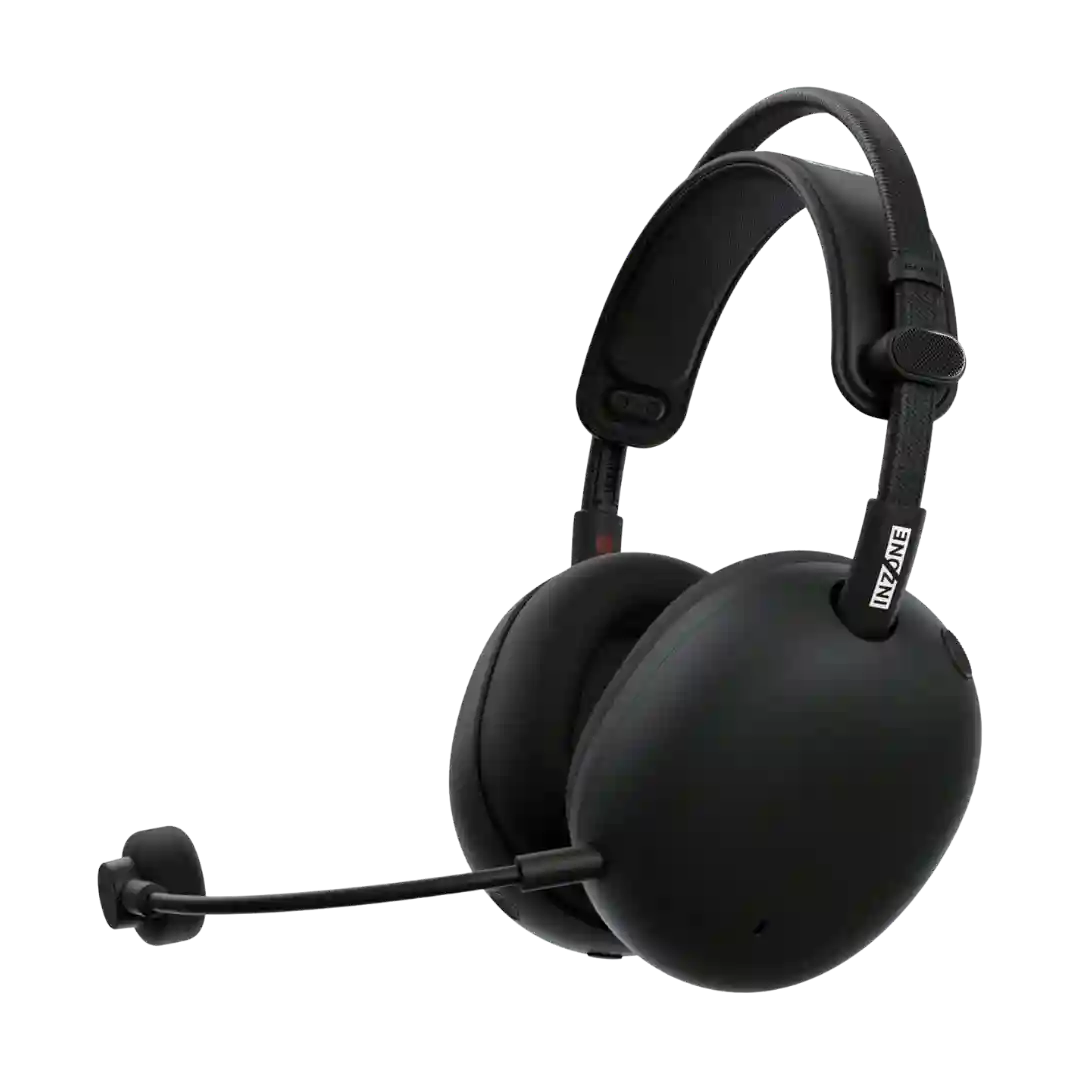
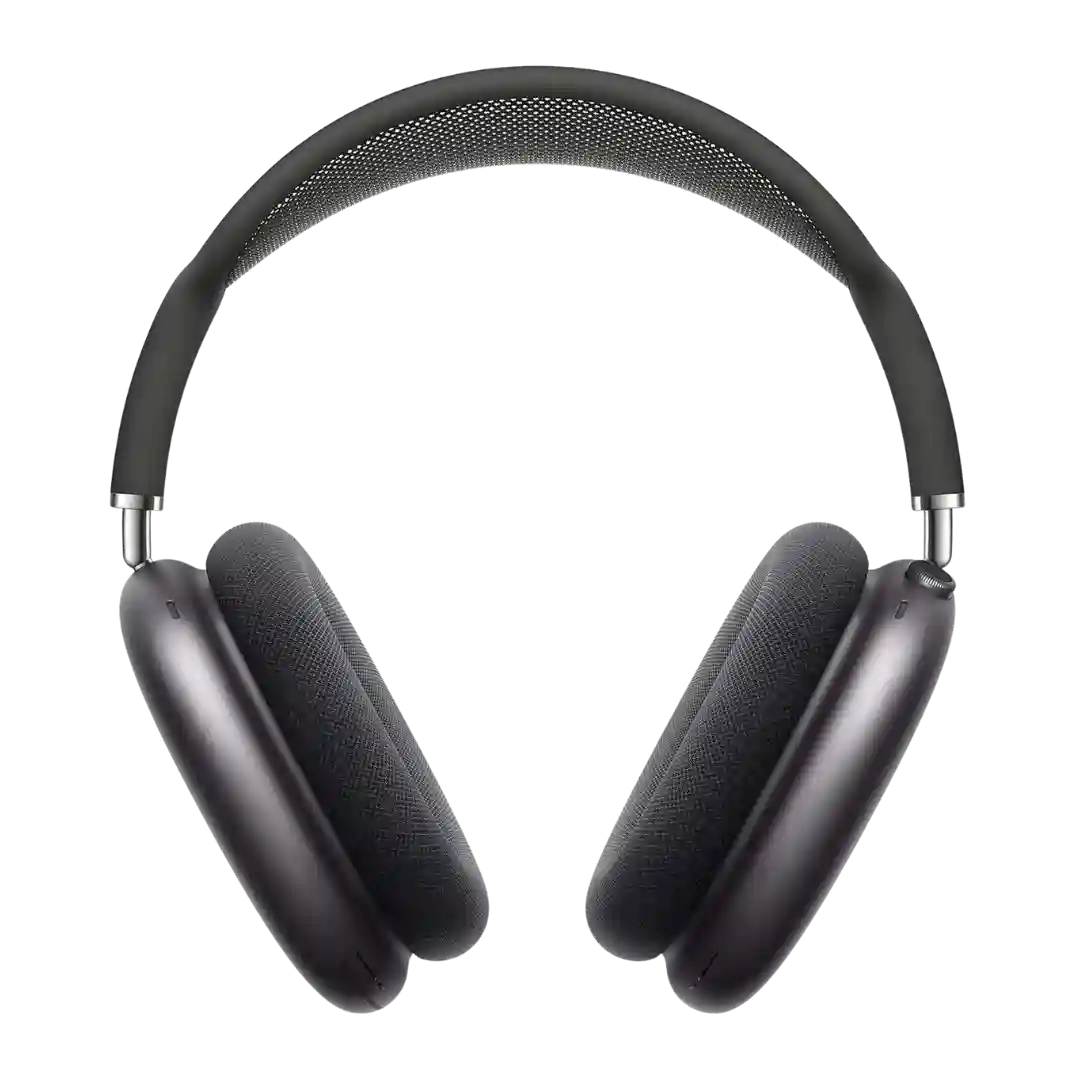
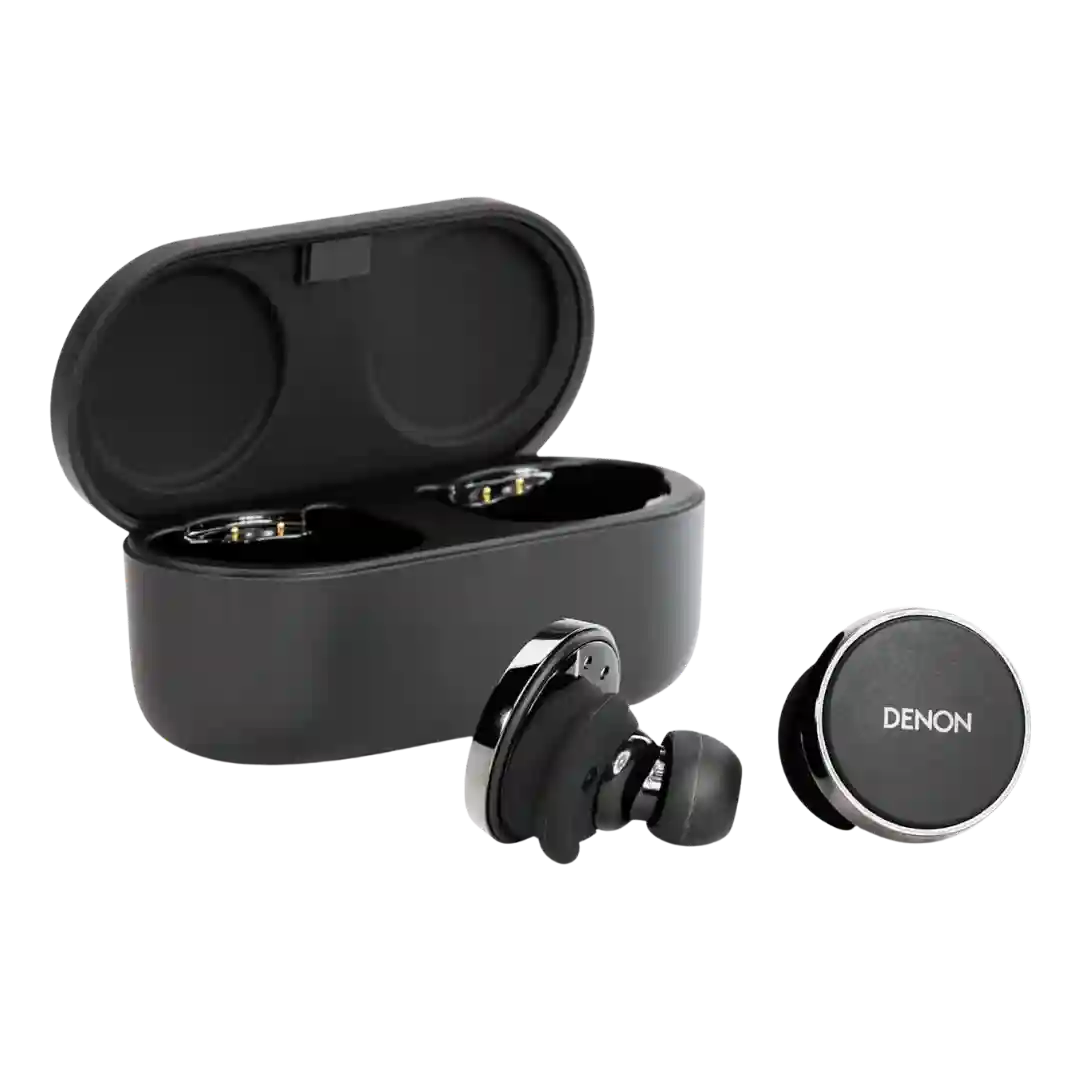
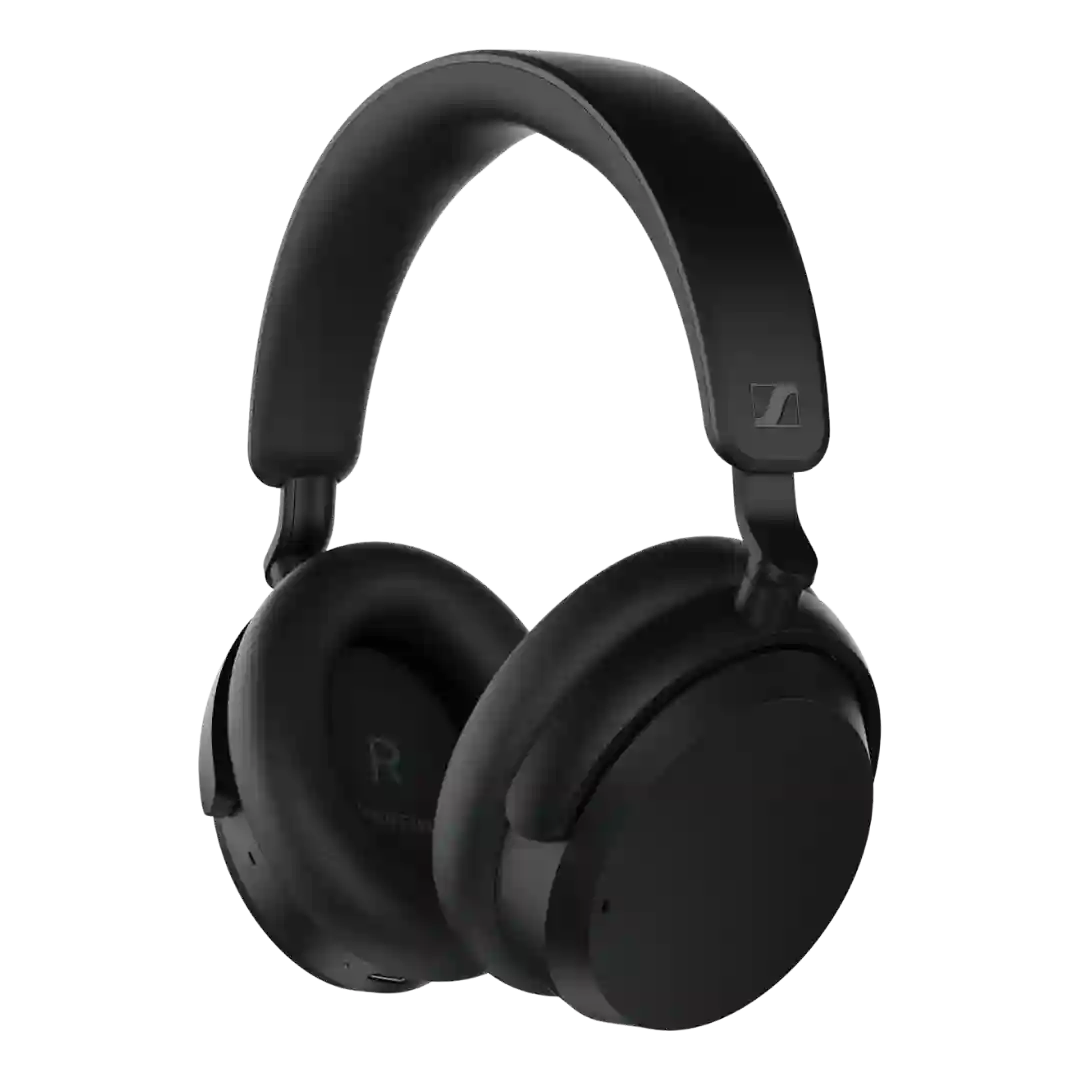
The XM6 offers plenty of ANC control through adaptive modes, multiple ambient levels, and quick gestures like covering the earcup, giving users more ways to tailor isolation than simple on/off.
Sound Connect adds adaptive NC optimization plus auto ambient and voice passthrough options. Some reviewers still note the core ANC toggle feels more like on or off than truly granular, but the ambient controls are highly adjustable.
Reviews highlight flexible ANC control via the app, including adaptive behavior and anti-wind options. The tradeoff is that some modes can reduce cancellation strength compared with a full-max setting.
ANC adjustability is widely praised thanks to sliders, adaptive behavior, and app-driven profiles and zones that let you tune isolation versus awareness.
ANC is highly adjustable through the app, with adaptive and manual control plus optional wind-related processing, making it easy to tune for different environments.
Adjustability is strong via app modes and sliders, including custom levels and adaptive behavior (such as smoothing spikes), though some mode limitations and UI quirks are mentioned.
Noise canceling is highly tunable, with adaptive modes and manual strength steps/sliders available in the app and often from the case screen. Most reviewers found it easy to dial in more reduction or more awareness depending on environment.
Some reviews highlight granular ambient/ANC controls in the app and adaptive behaviors, while others focus on simple mode toggling. Overall adjustability is viewed as good for the price.
ANC is adjustable with app modes and multiple levels; reviewers like the ability to dial it back or add wind-related control, though you generally cannot fully disable processing in the mode system.
ANC/ambient controls are flexible, with adjustable ambient levels and adaptive modes; some users dislike automatic switching and prefer manual control.
The app enables meaningful ANC and ambient tuning (including adaptive sound profiles and multiple ambient levels), though some sources note you are not always directly setting a granular ANC strength slider.
ANC controls are flexible, with app-based level adjustment and on-headset cycling between ANC, ambient, and off. Reviewers generally like having multiple options rather than a simple on/off implementation.
Most reviews highlight easy ANC control through modes or a slider (often 1–10) and note Gen 2 can fully disable ANC, which improves flexibility and battery options.
Noise control modes and adjustability are a highlight: reviews repeatedly mention multiple ANC levels/adaptive behavior and the ability to map controls to switch modes.
Noise canceling is highly adjustable through modes and a 10-step slider, often with wind control, but several reviewers dislike the lack of a true ANC-off state.
Most reviewers note multiple ANC strength options (Mild/Moderate/Max plus Smart/adaptive). Smart can be handy, but lower settings may feel much weaker than Max and the adaptive shifts are not always obvious.
Multiple listening modes (ANC, transparency, adaptive blends) make it easy to adjust noise control for different situations, and mode switching is generally smooth. Customization is still more preset-driven than fully user-tunable.
Noise control is adjustable via modes (ANC/off/Be Aware) and in-app intensity sliders, letting you dial in how much cancellation or pass-through you want.
You can adjust ANC strength in the app and set how the ANC button cycles modes; the common complaint is the lack of true adaptive ANC that auto-adjusts for you.
The buds offer multiple noise modes and adaptive behaviors. Some like the options, but multiple reviews describe adaptive switching as inconsistent or not clearly different from other modes.
Noise canceling can be toggled and adjusted via onboard controls and companion software. Tuning options exist, but some reviewers note mode feedback relies on chimes rather than clear voice prompts, which can be confusing.
ANC offers manual and adaptive modes plus strength presets, but several testers report little real-world difference between levels, and changing presets from the earbuds is limited; others find the adjustability useful enough to dial in.
ANC mode control is straightforward (on, off, pass-through) and can be mapped to a quick-action button in some setups. Reviewers note fewer adjustment options than Sony-style multi-mode systems.
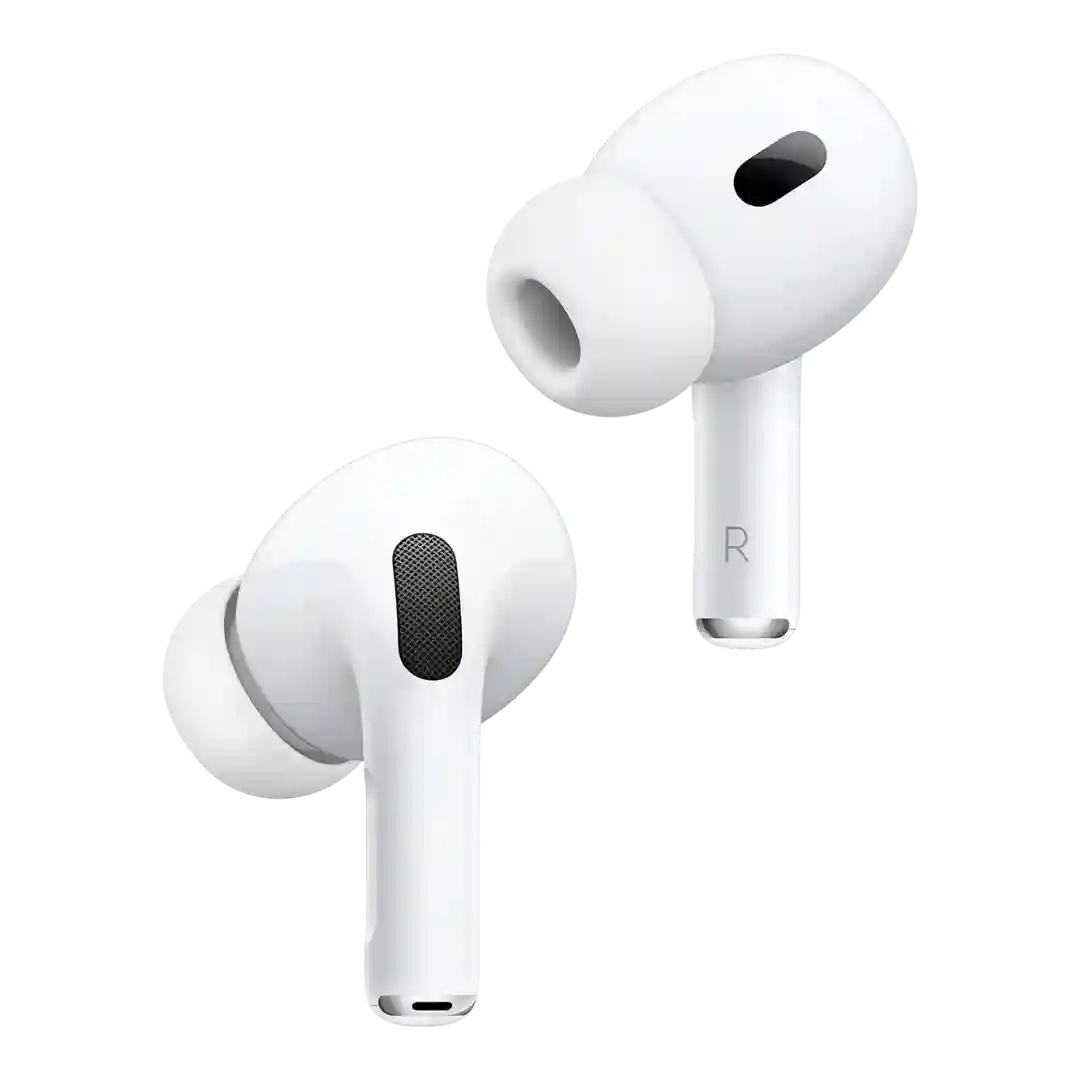
Instead of a granular ANC intensity slider, AirPods Pro 2 rely on mode switching (ANC/Transparency/Adaptive) and software features like Adaptive Audio. Updates add useful behavior, but manual control remains more limited than Sony/Bose-style sliders.
You can toggle ANC and often adjust transparency, but control over ANC strength itself is limited in some reports. Overall, adjustability is seen as useful but not as granular as premium travel headphones.
Noise cancellation adjustability is limited to onboard mode switching in most coverage, with some sources noting multiple ANC modes, but no fine tuning via app.
Most reviews describe limited user control over ANC intensity: typically on, off, or Aware mode, with some adaptive behavior added over time. If you want multiple manual levels like Bose offers, this is a common disappointment.
Most reviews describe simple mode switching (ANC on, off, transparency) without multiple strength levels; tonal balance can shift when toggling modes on some units.
Noise control is mostly presented as mode-based rather than fine-grained, typically toggling between ANC, transparency, and sometimes off. Several reviewers wish for adjustable strength or a transparency intensity slider.
Noise cancelling and awareness modes are often limited in fine control, with some reviews noting on/off style behavior and few intensity tweaks compared with competitors.
Adjustability is limited in many reports: several reviewers note you cannot fine-tune ANC intensity and some say you cannot fully disable ANC, only switch to transparency.