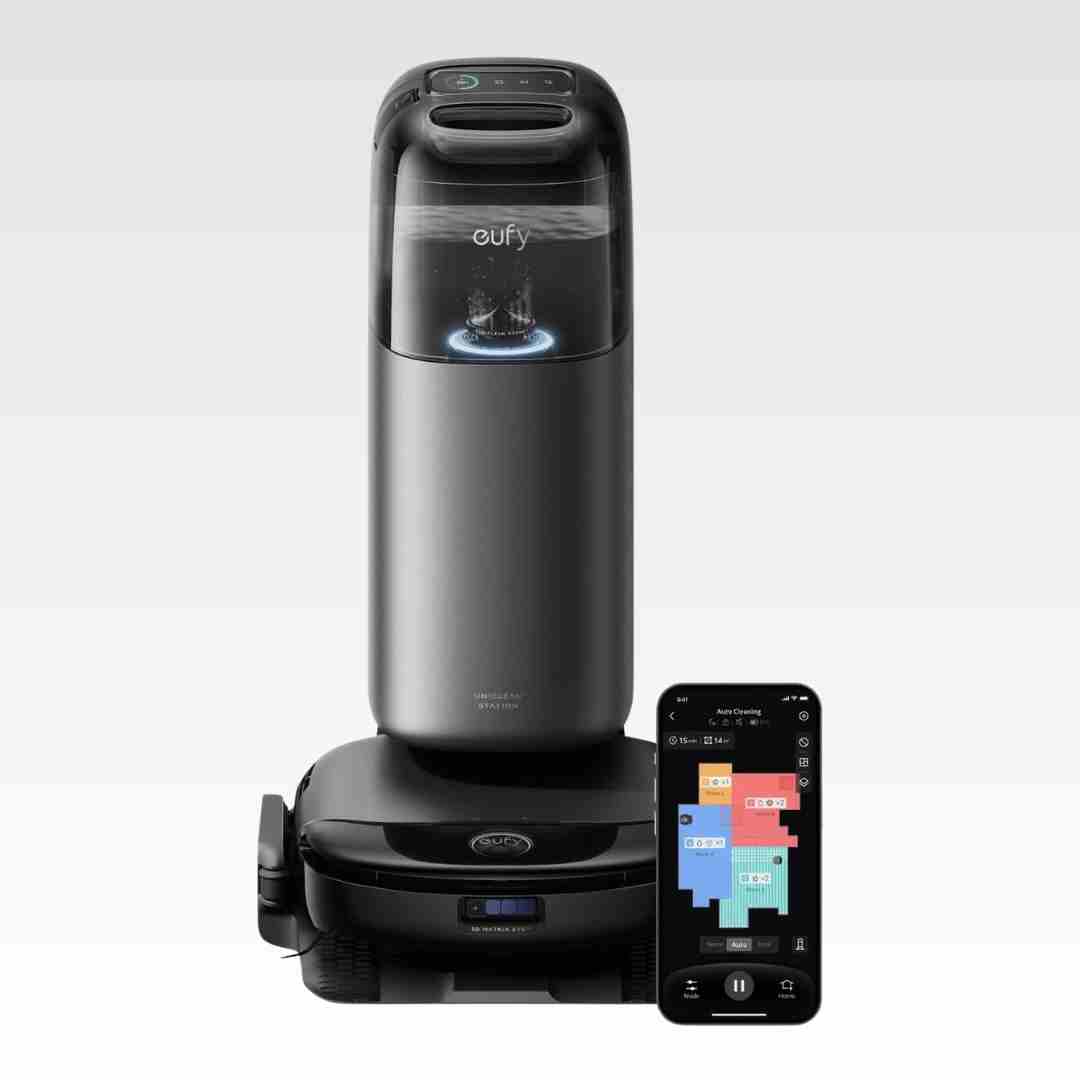
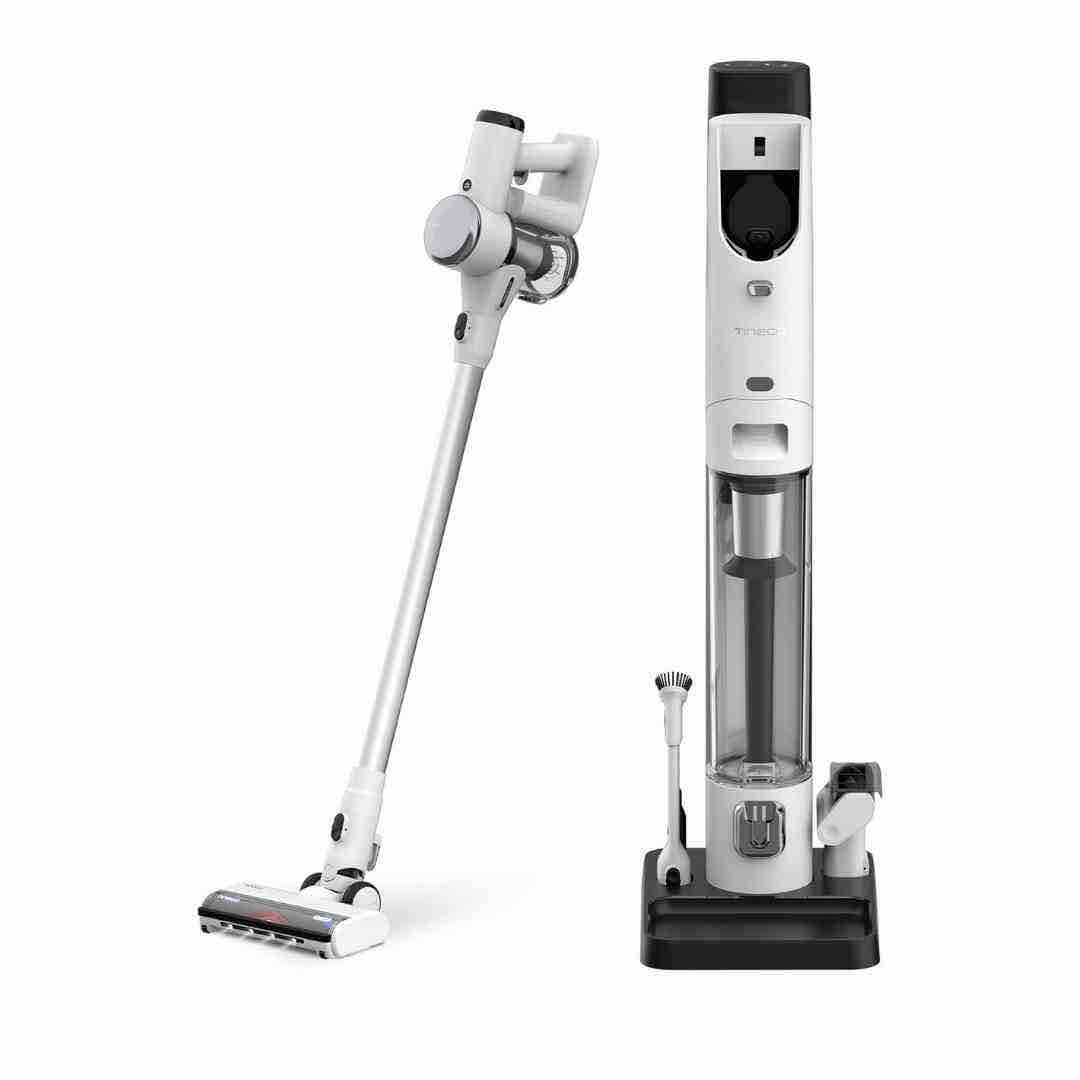
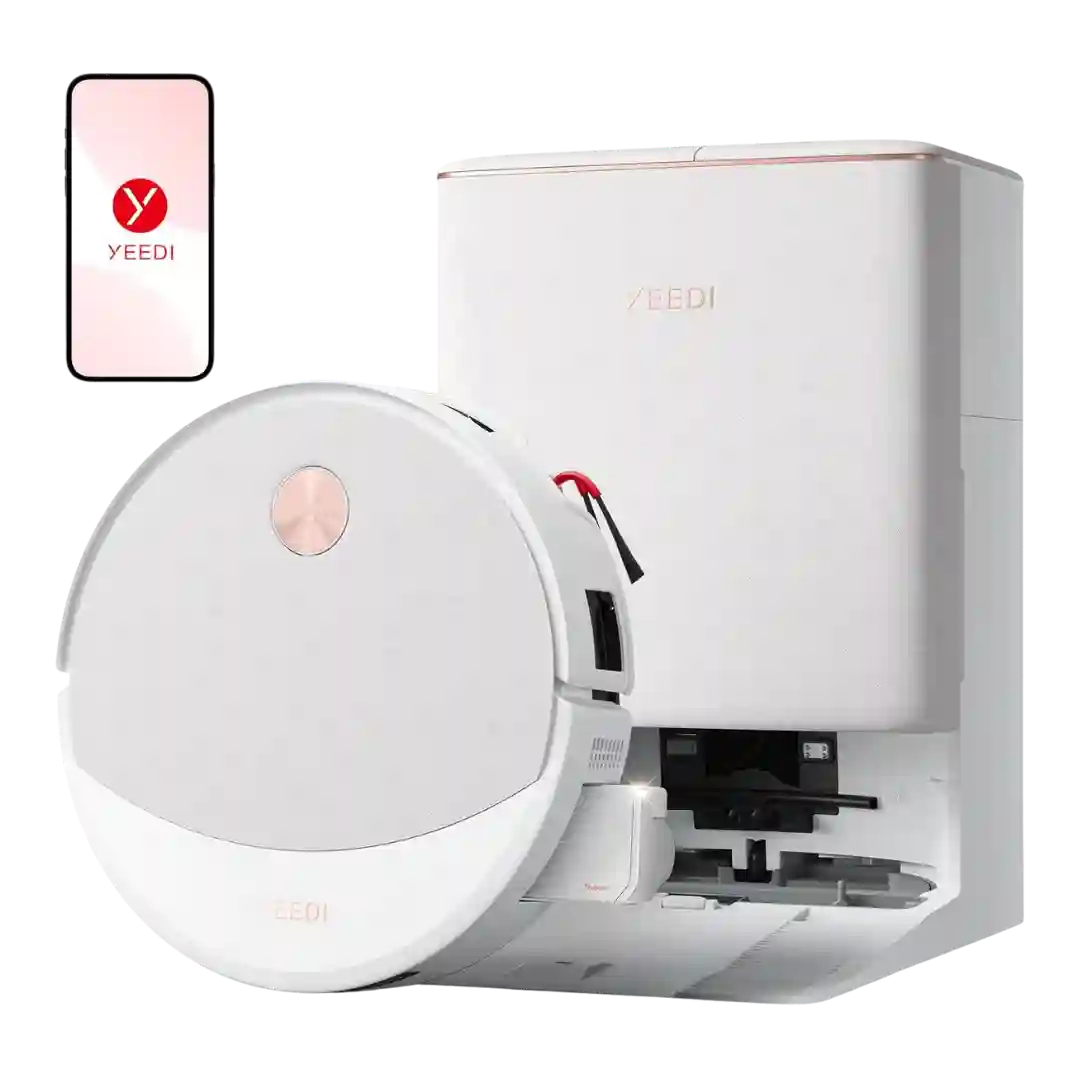
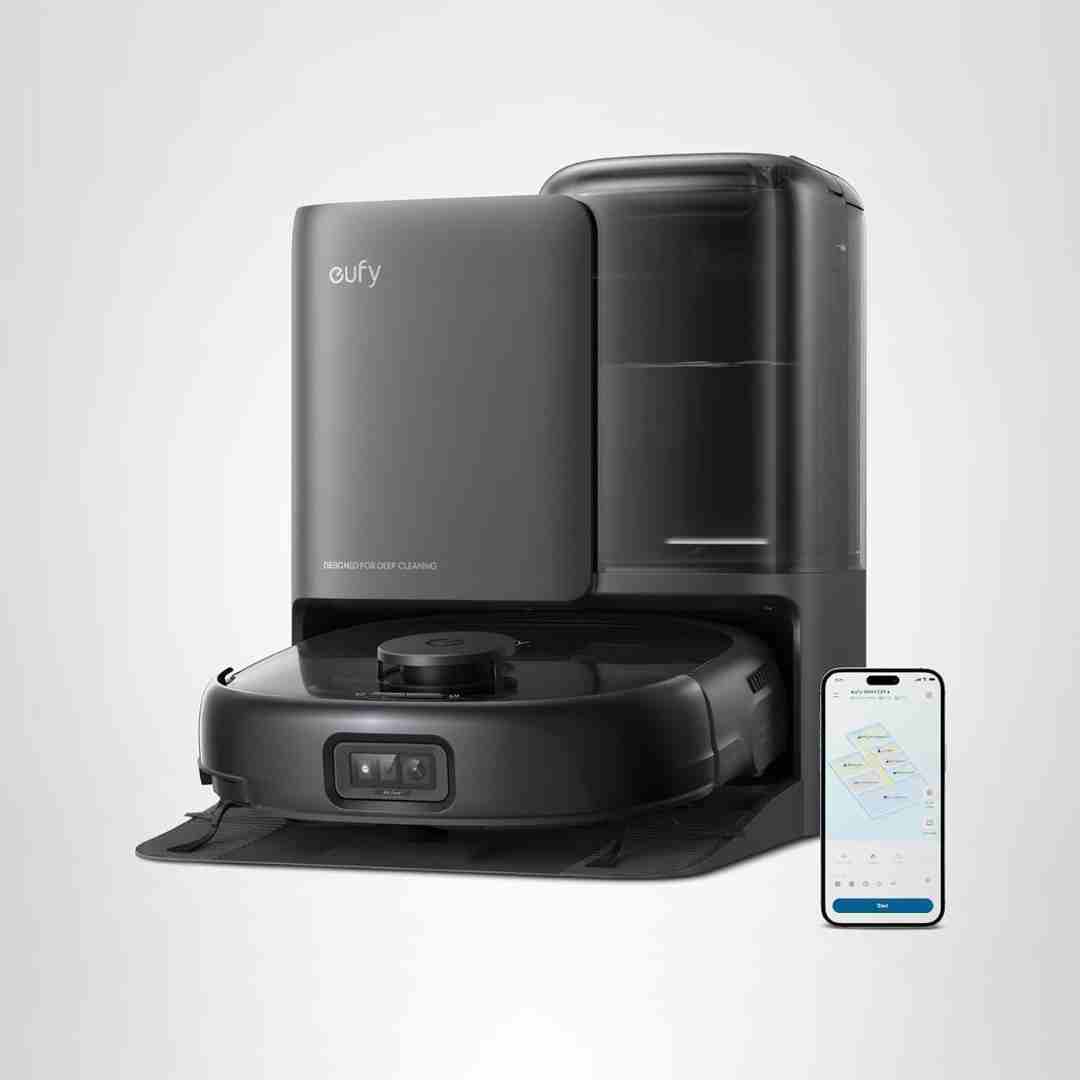
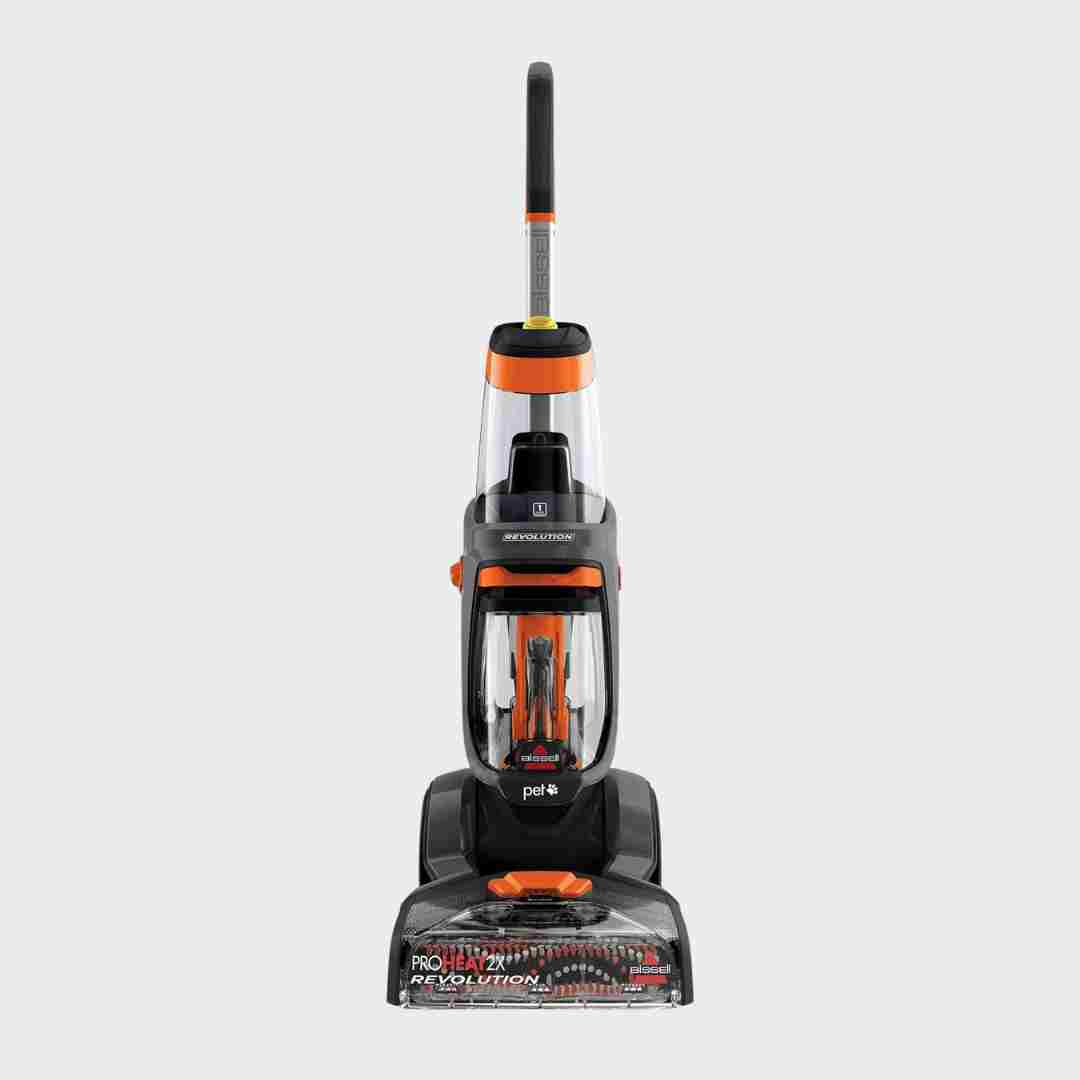
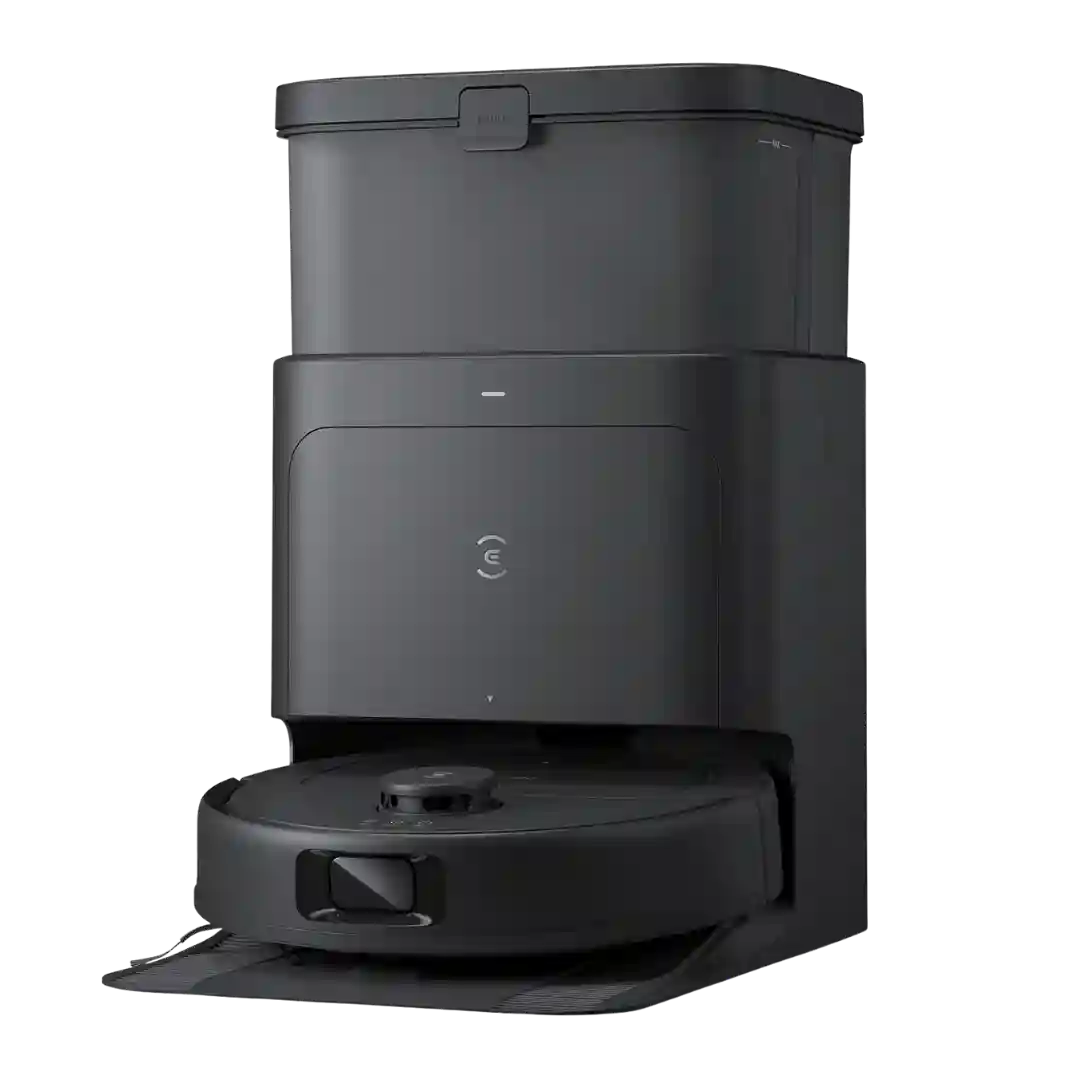
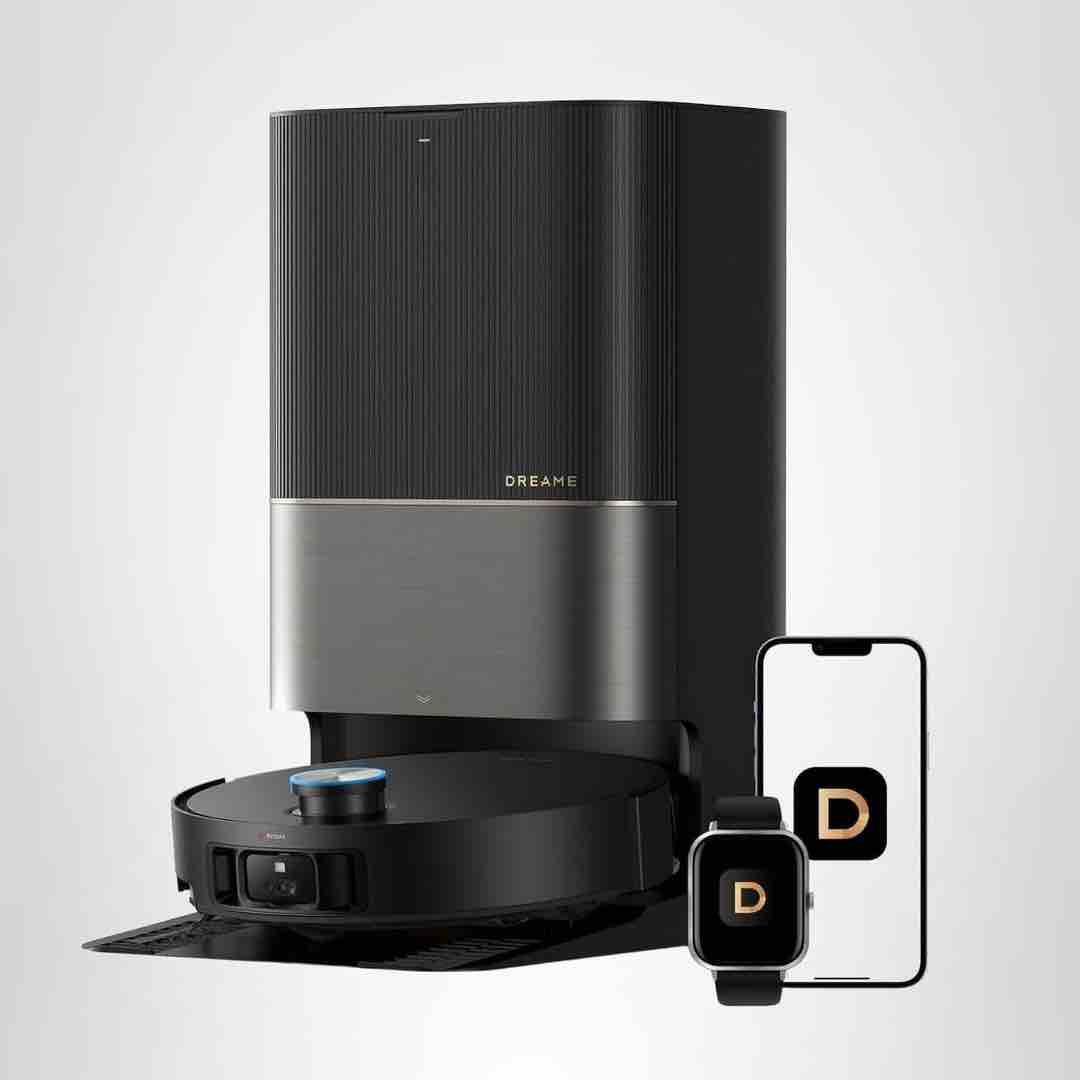
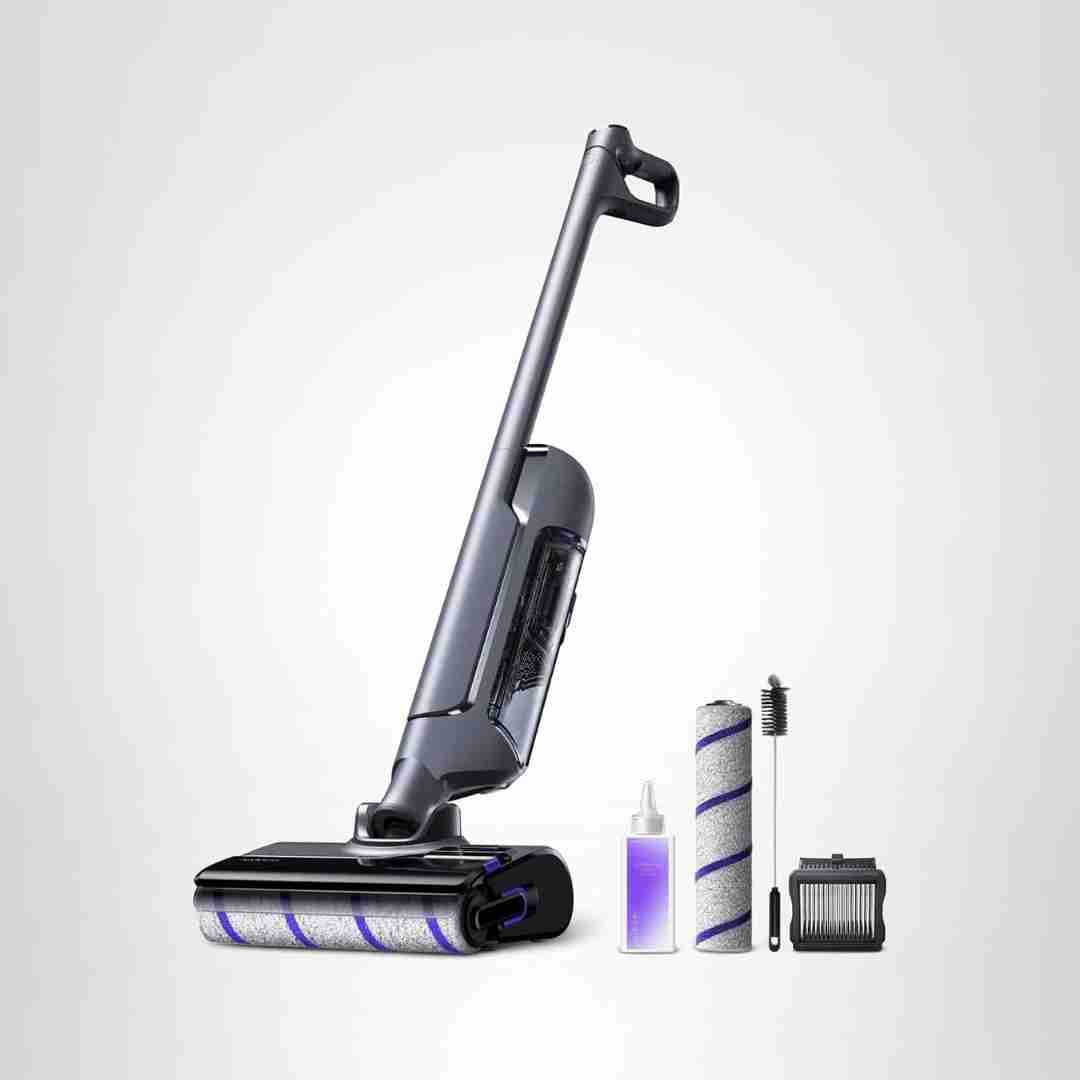
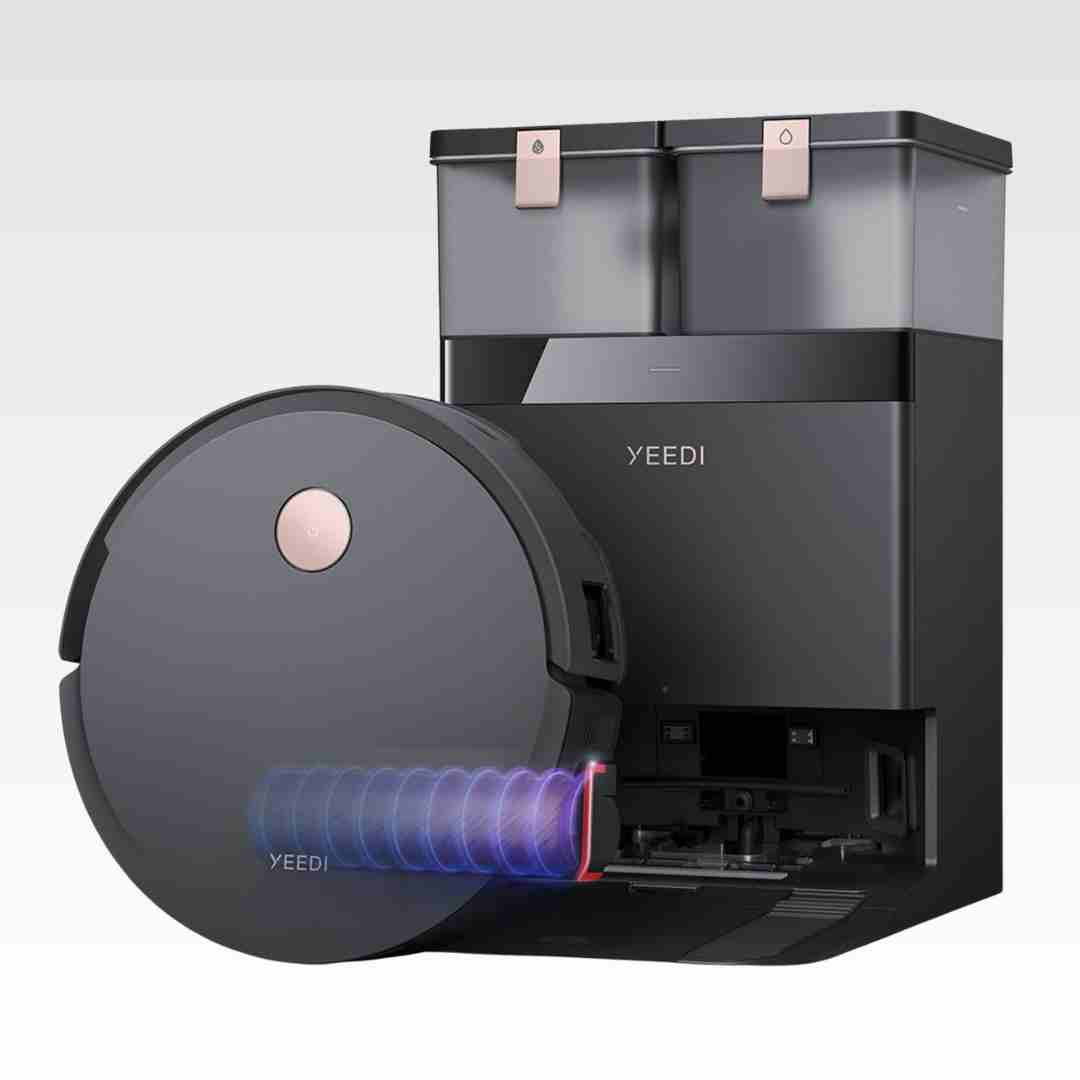
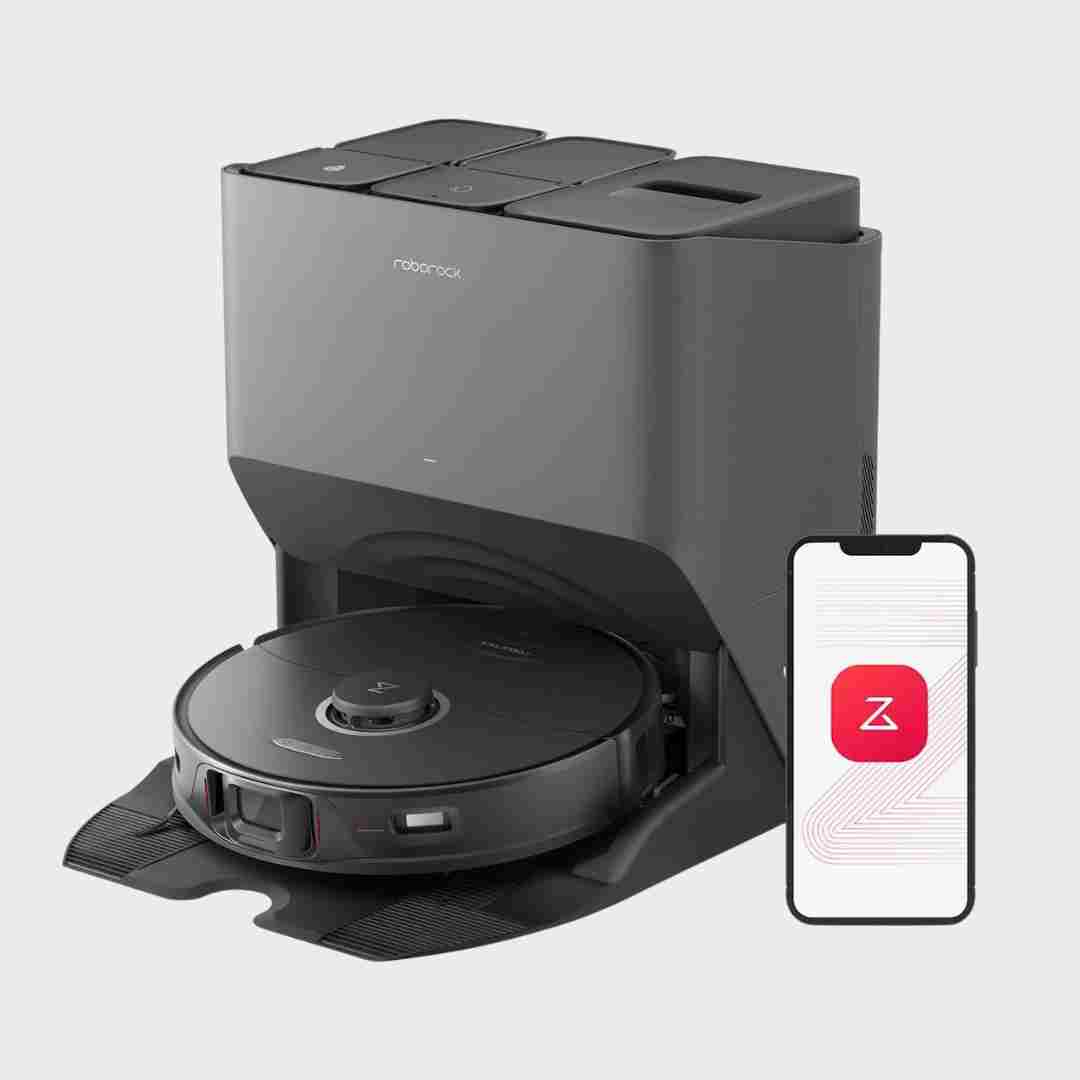
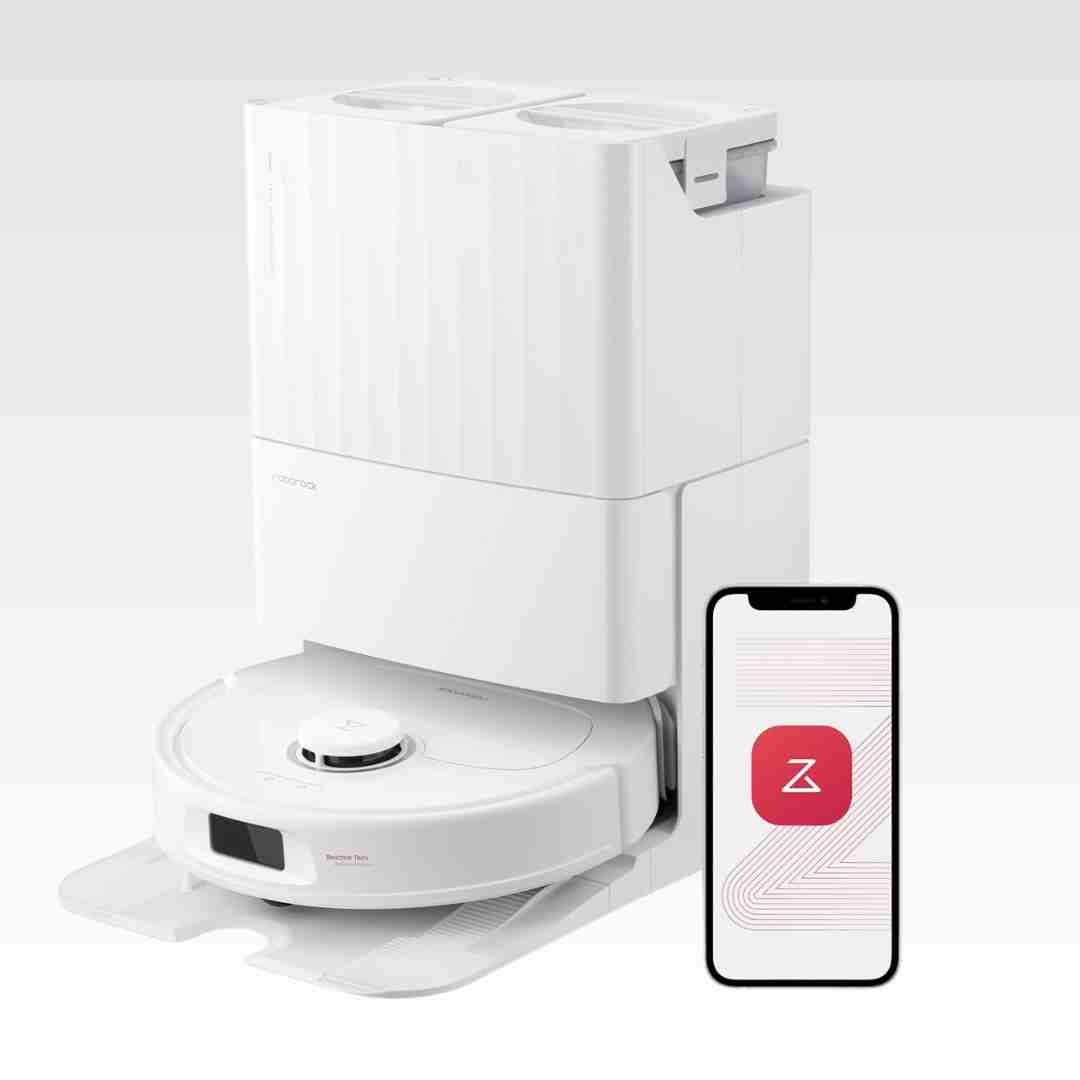
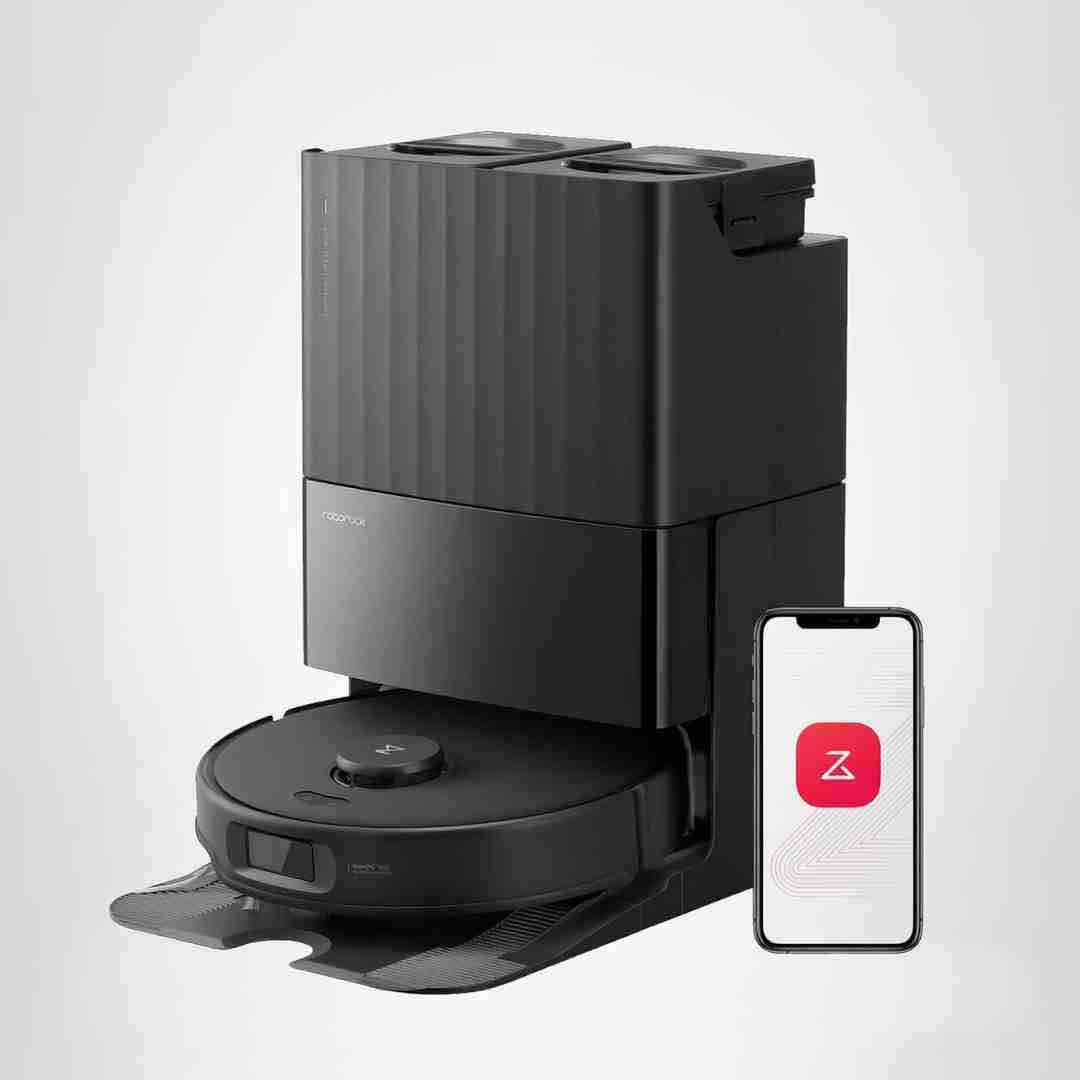
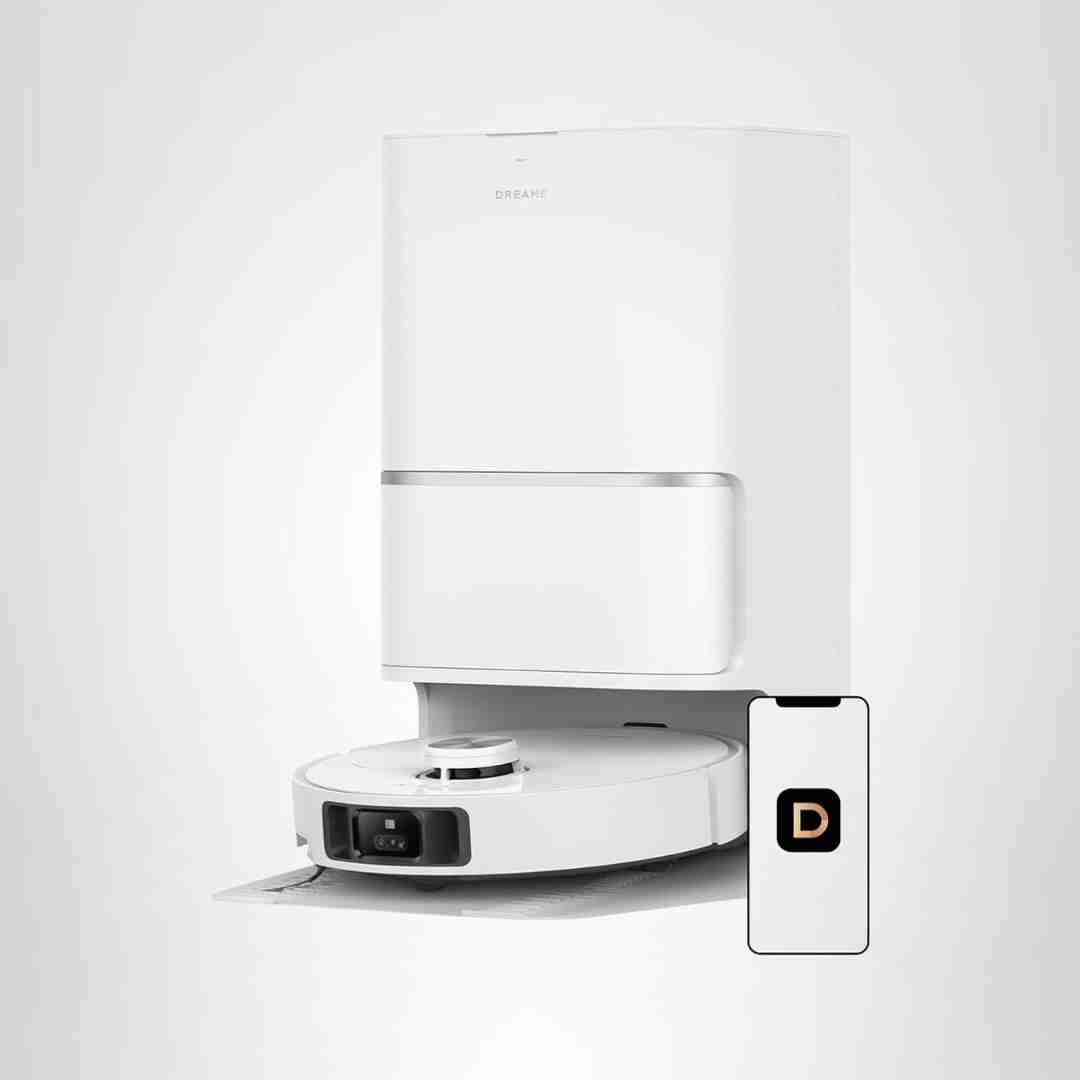
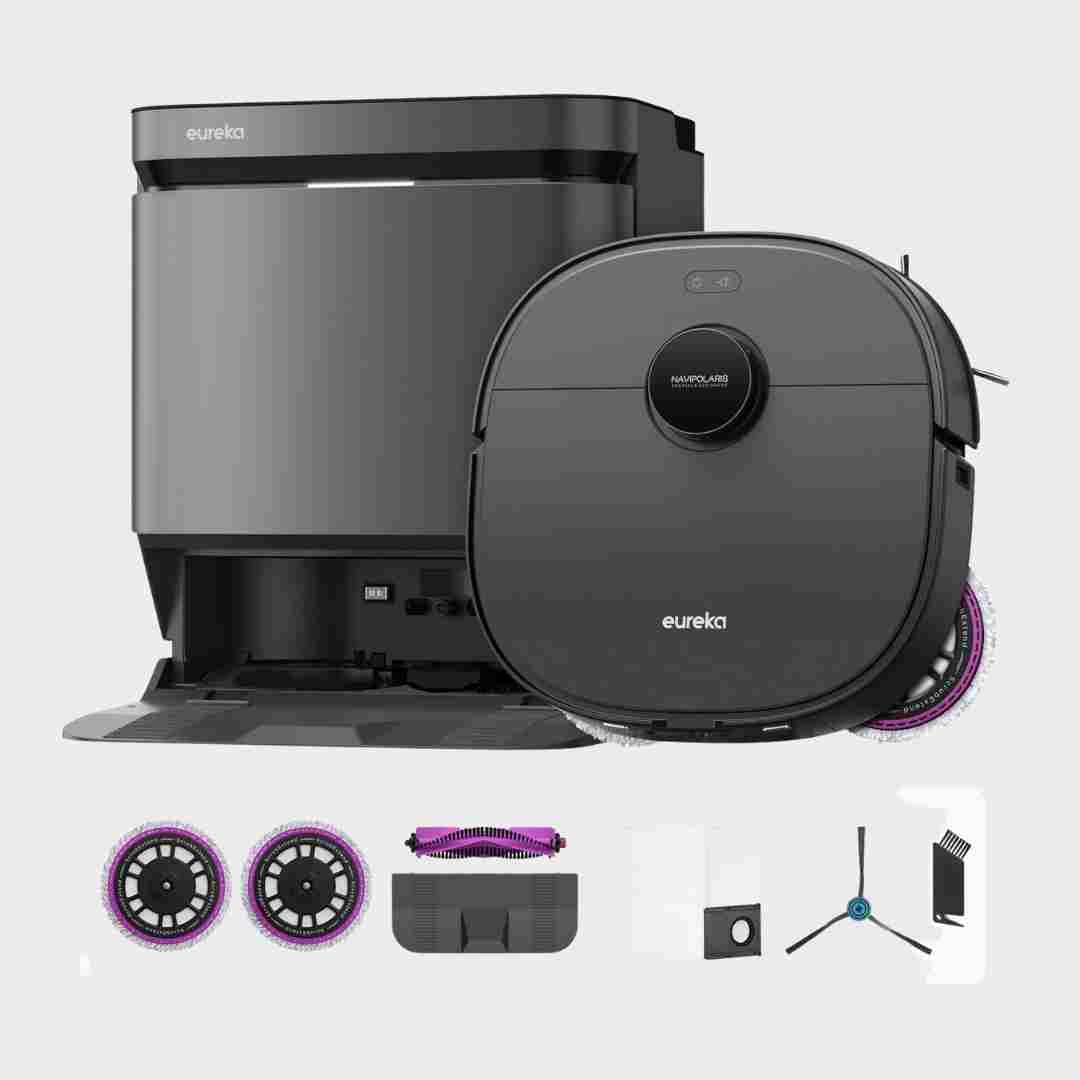
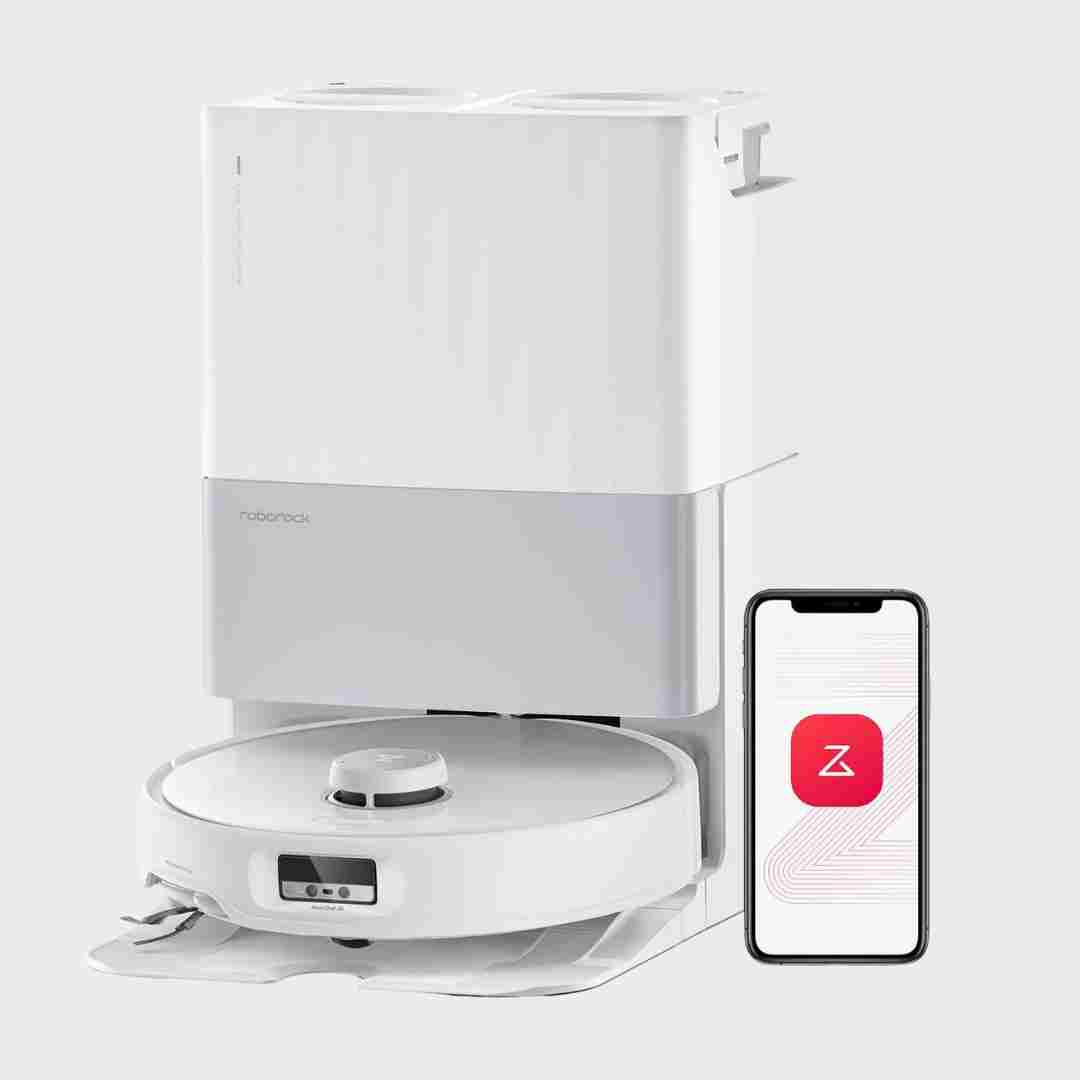
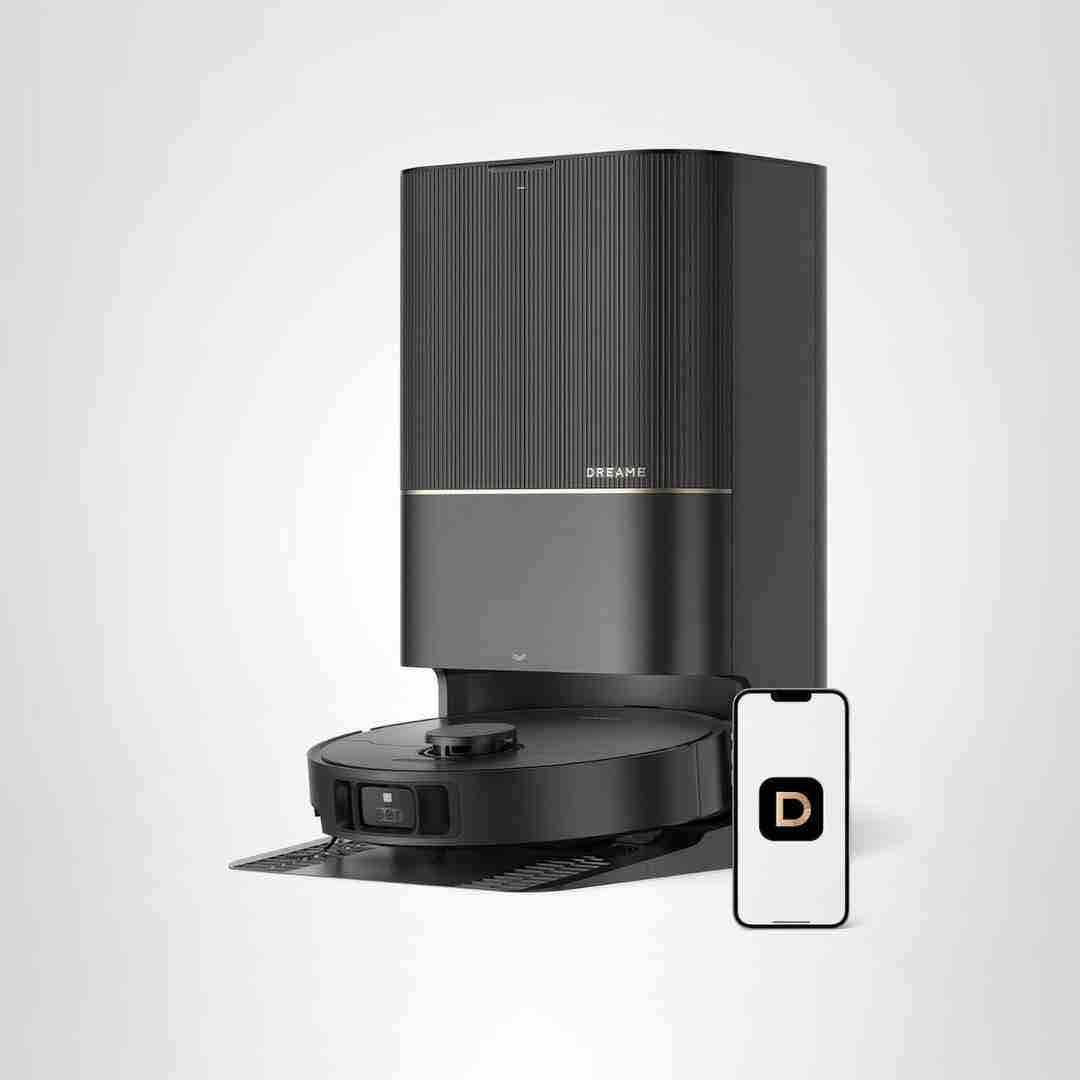
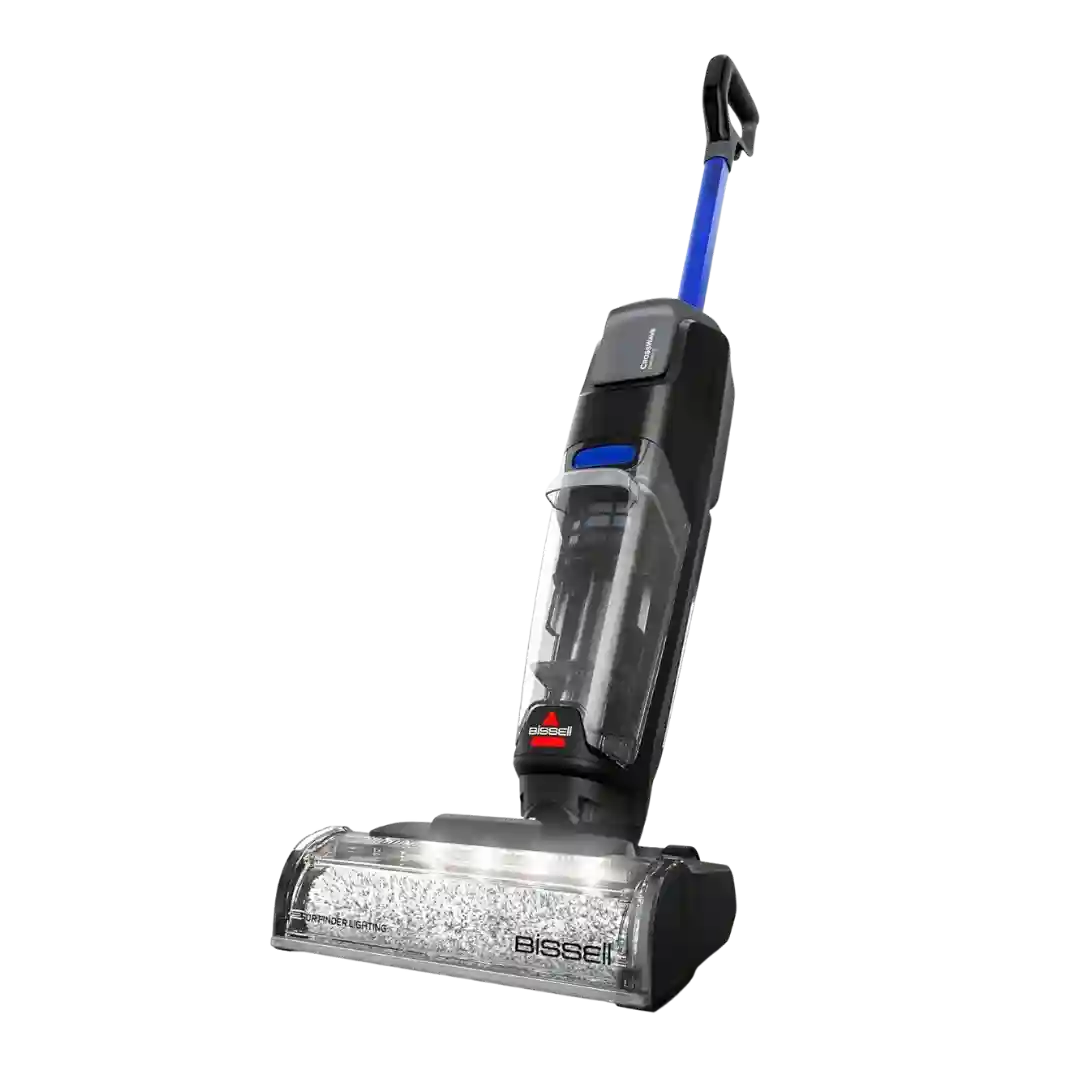
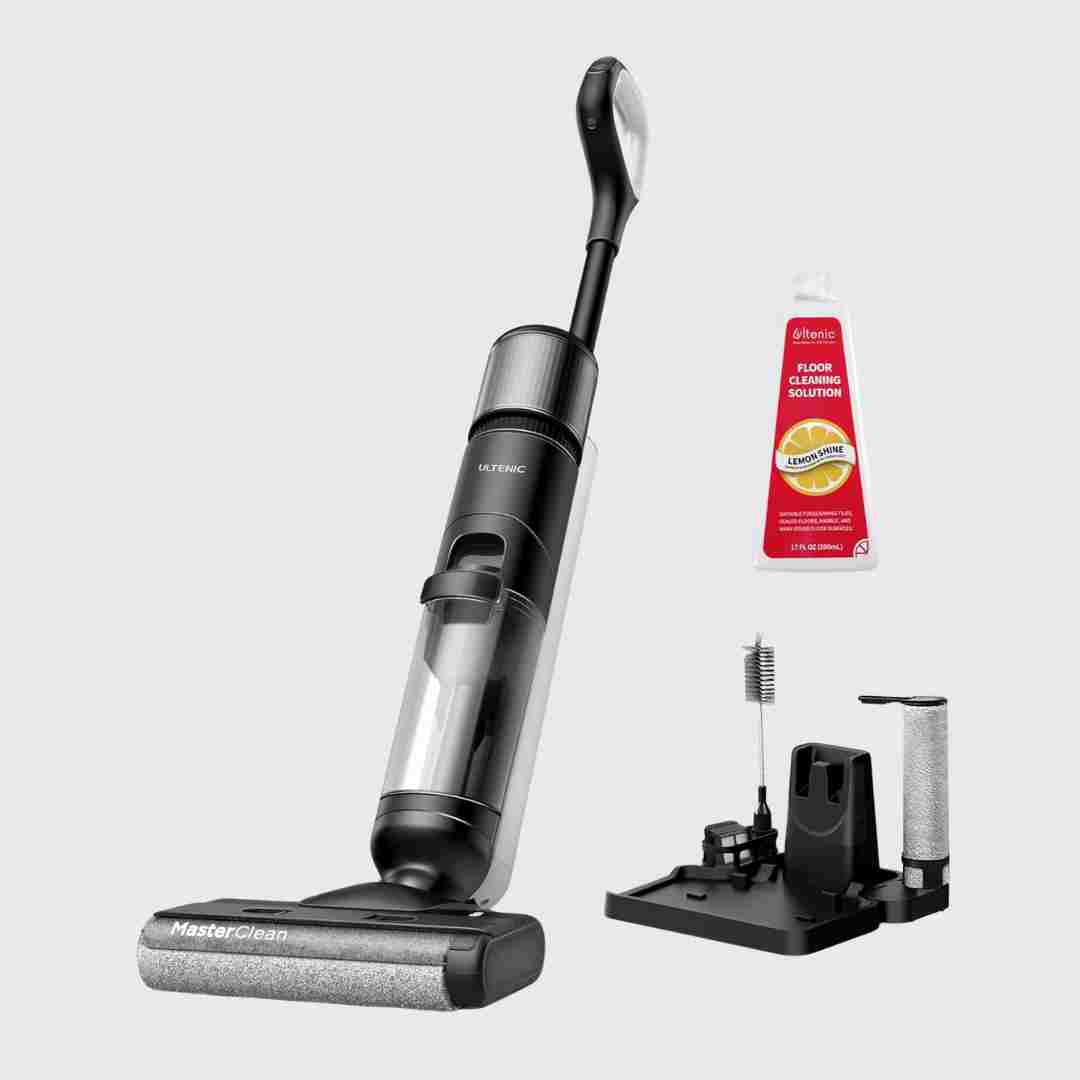
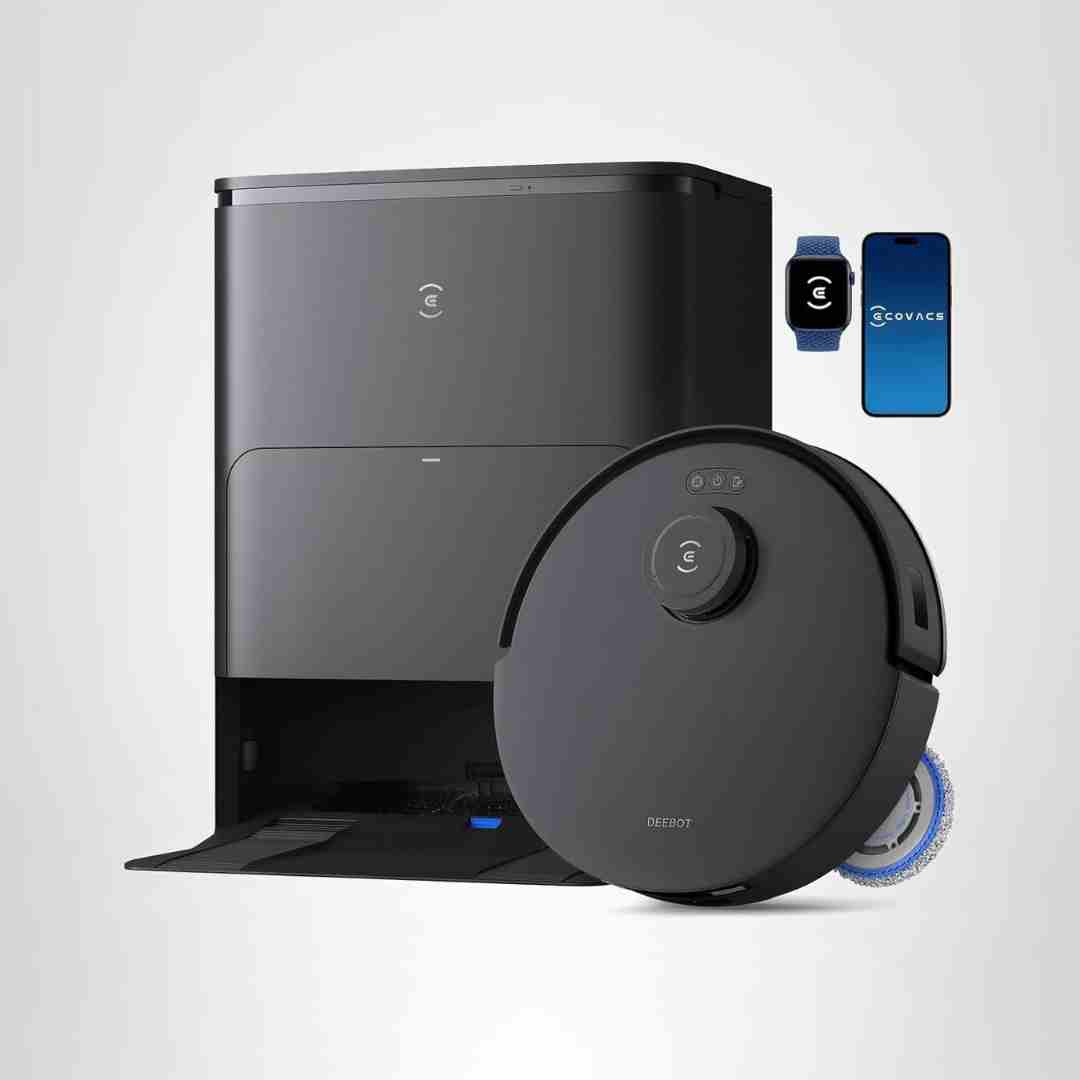
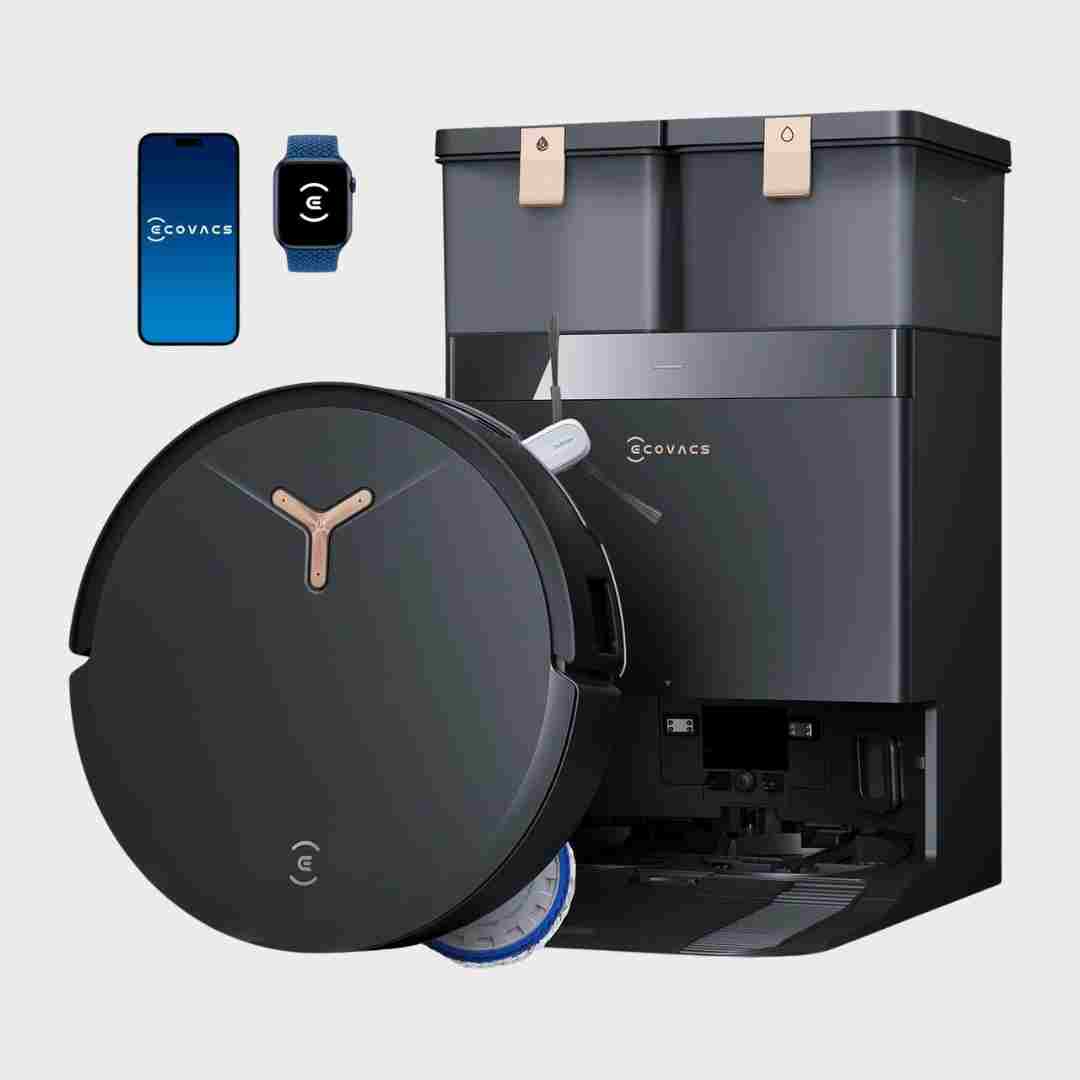
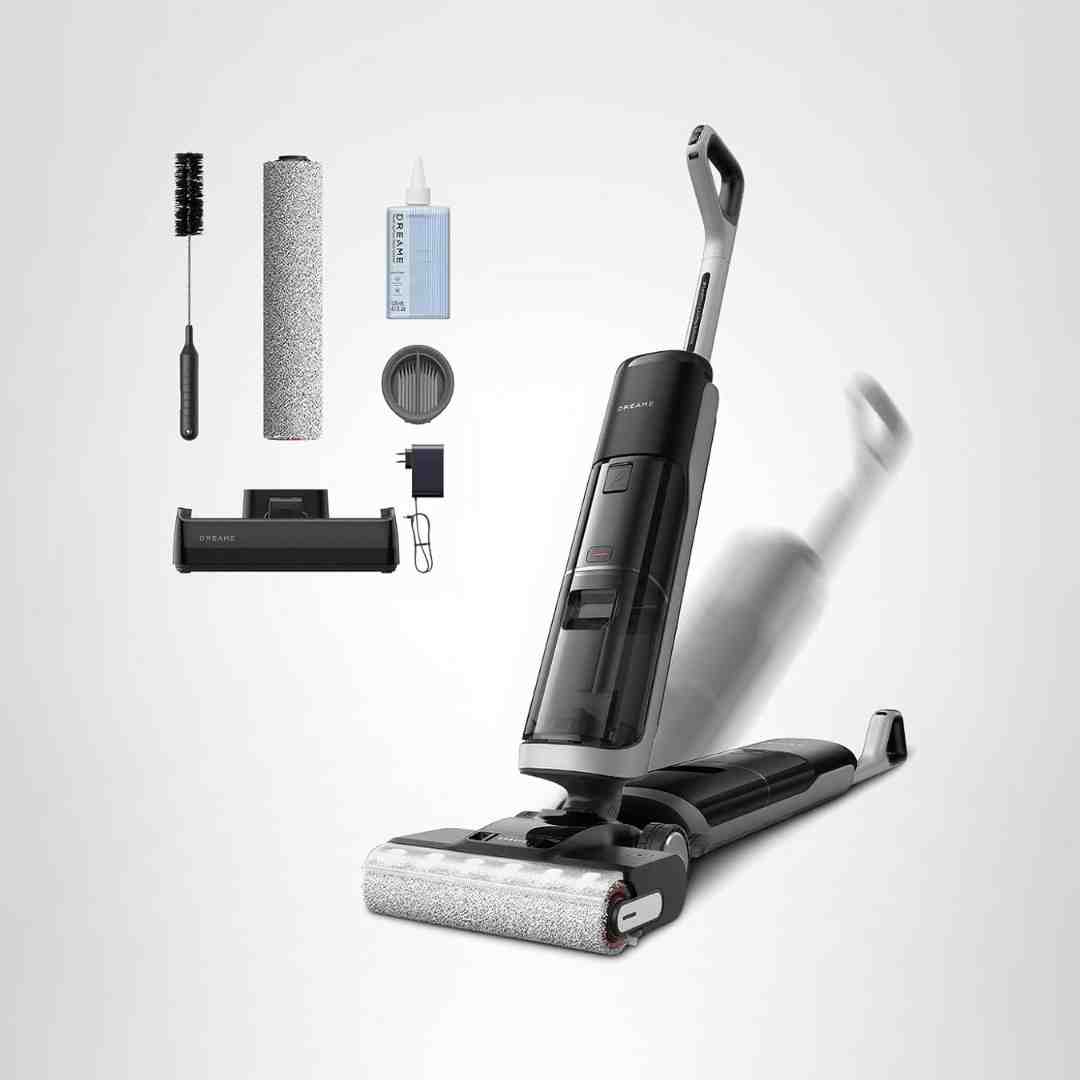
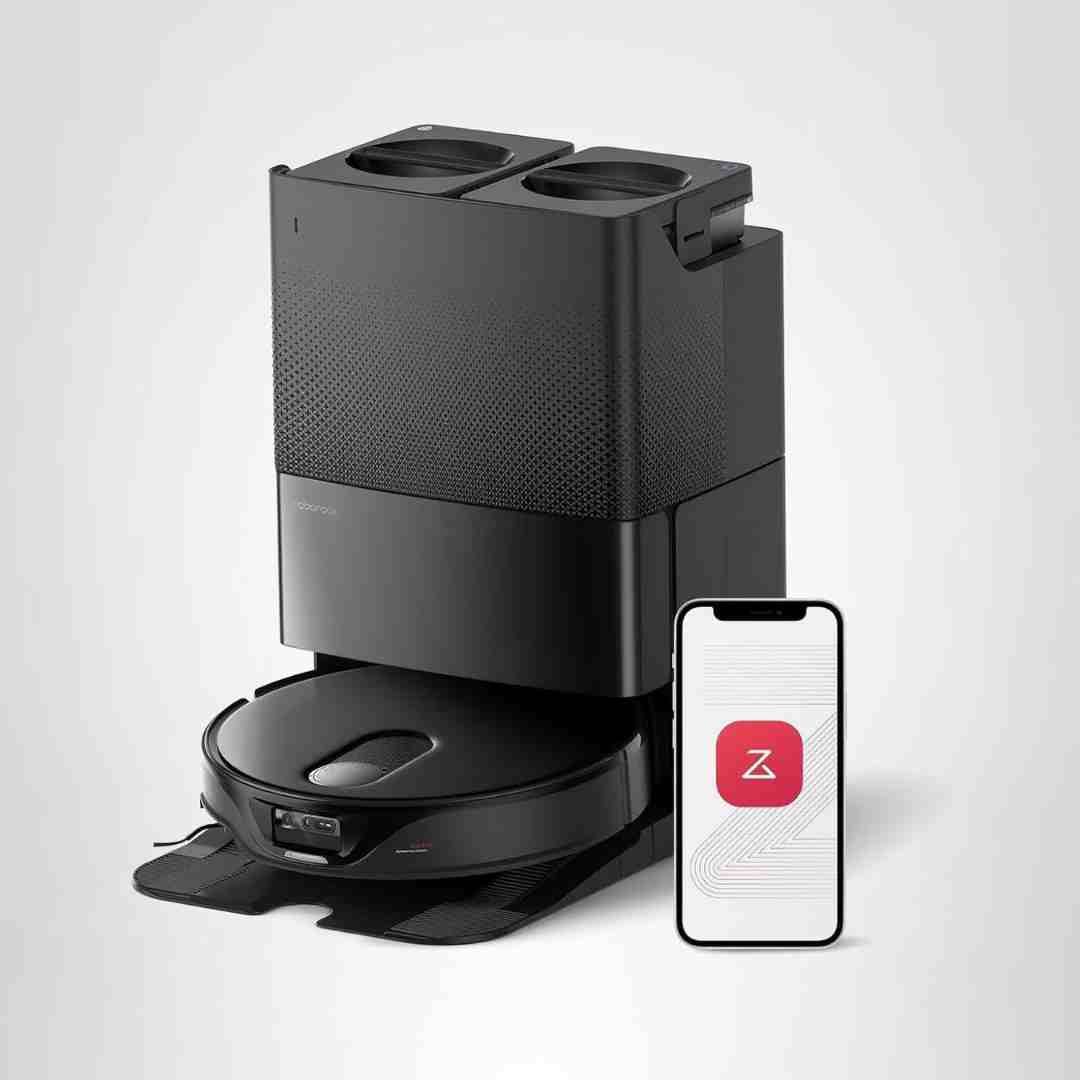
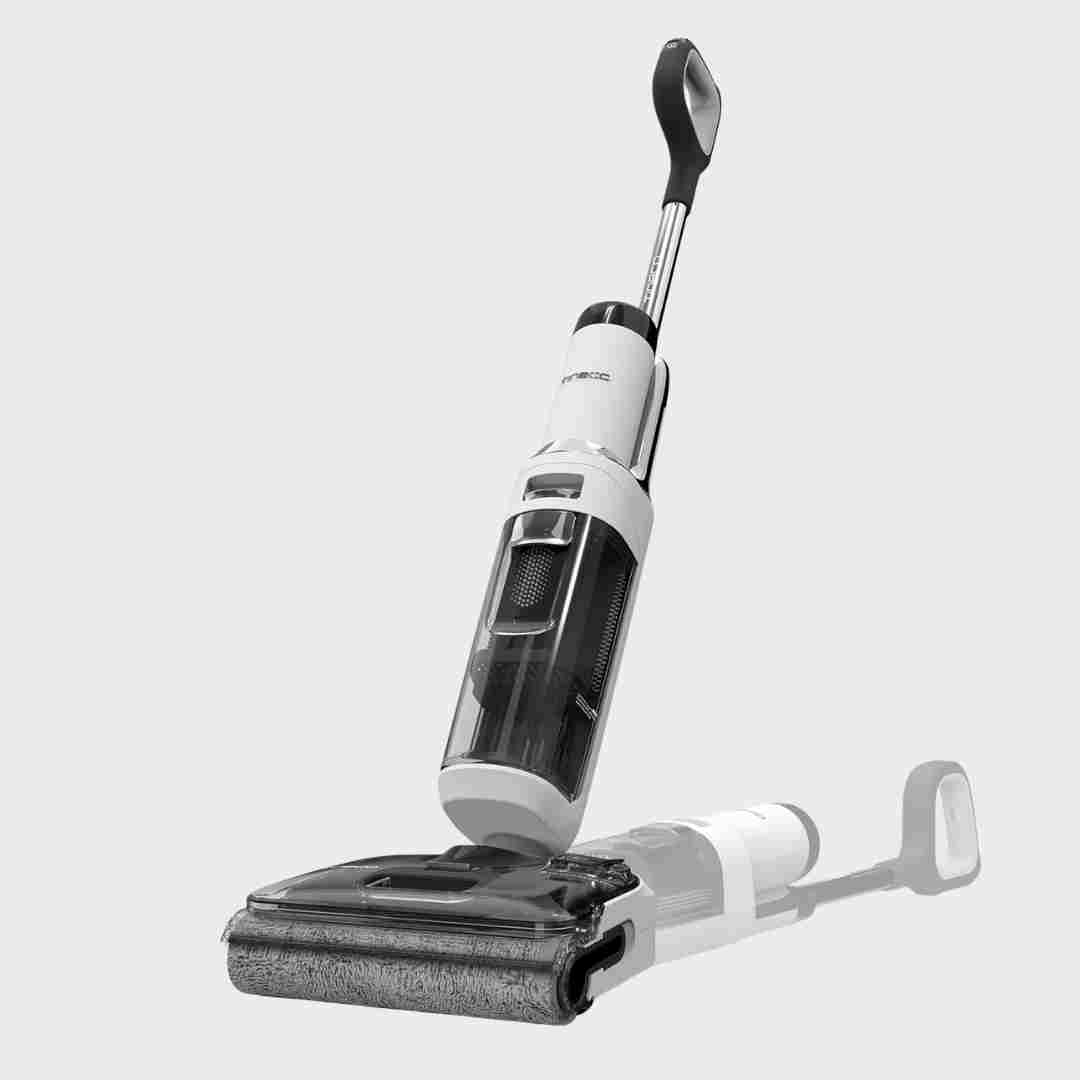
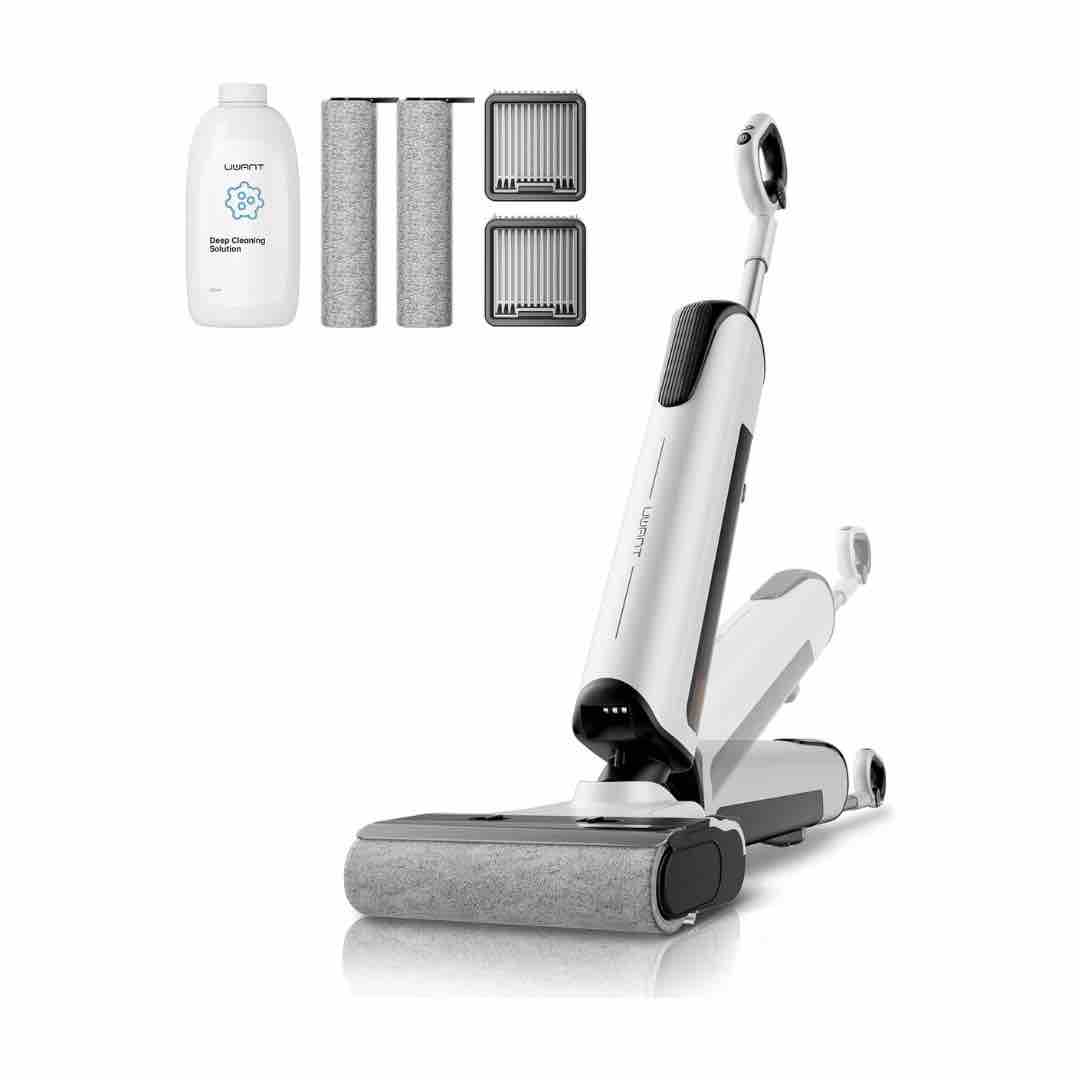
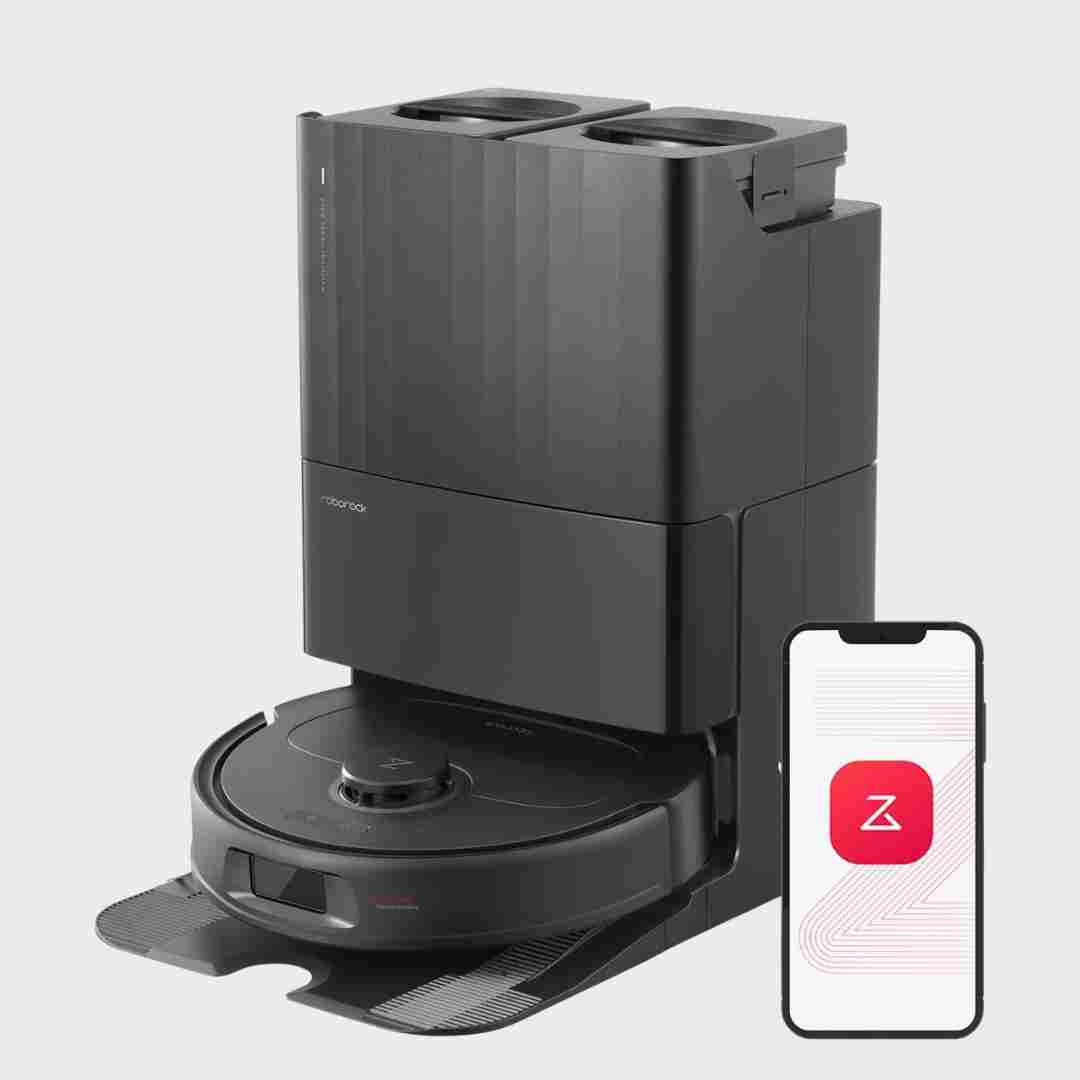
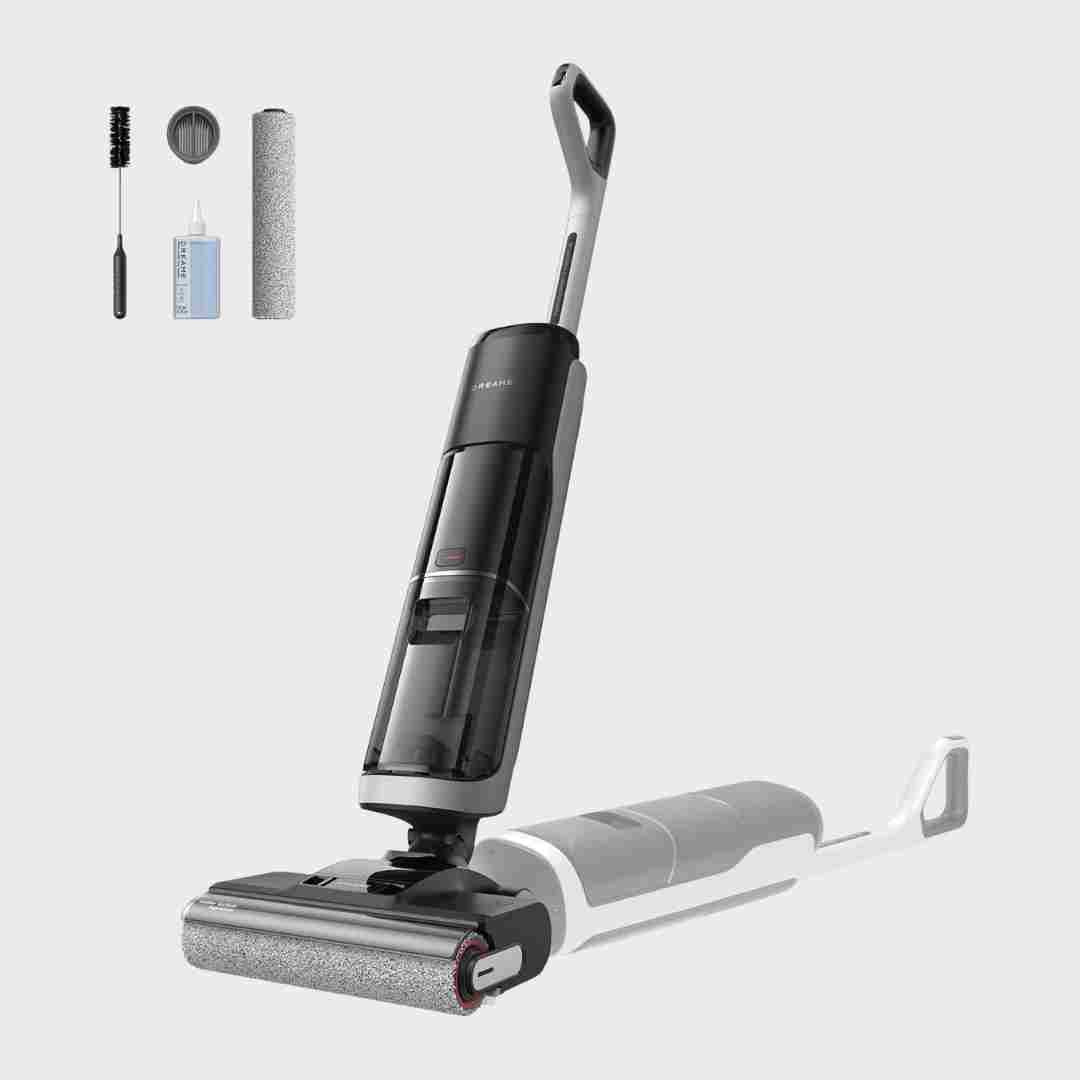
Self-cleaning is frequently praised: roller washing at the dock and in-use mop refreshing are described as leaving the roller cleaner with minimal buildup after messy tests.
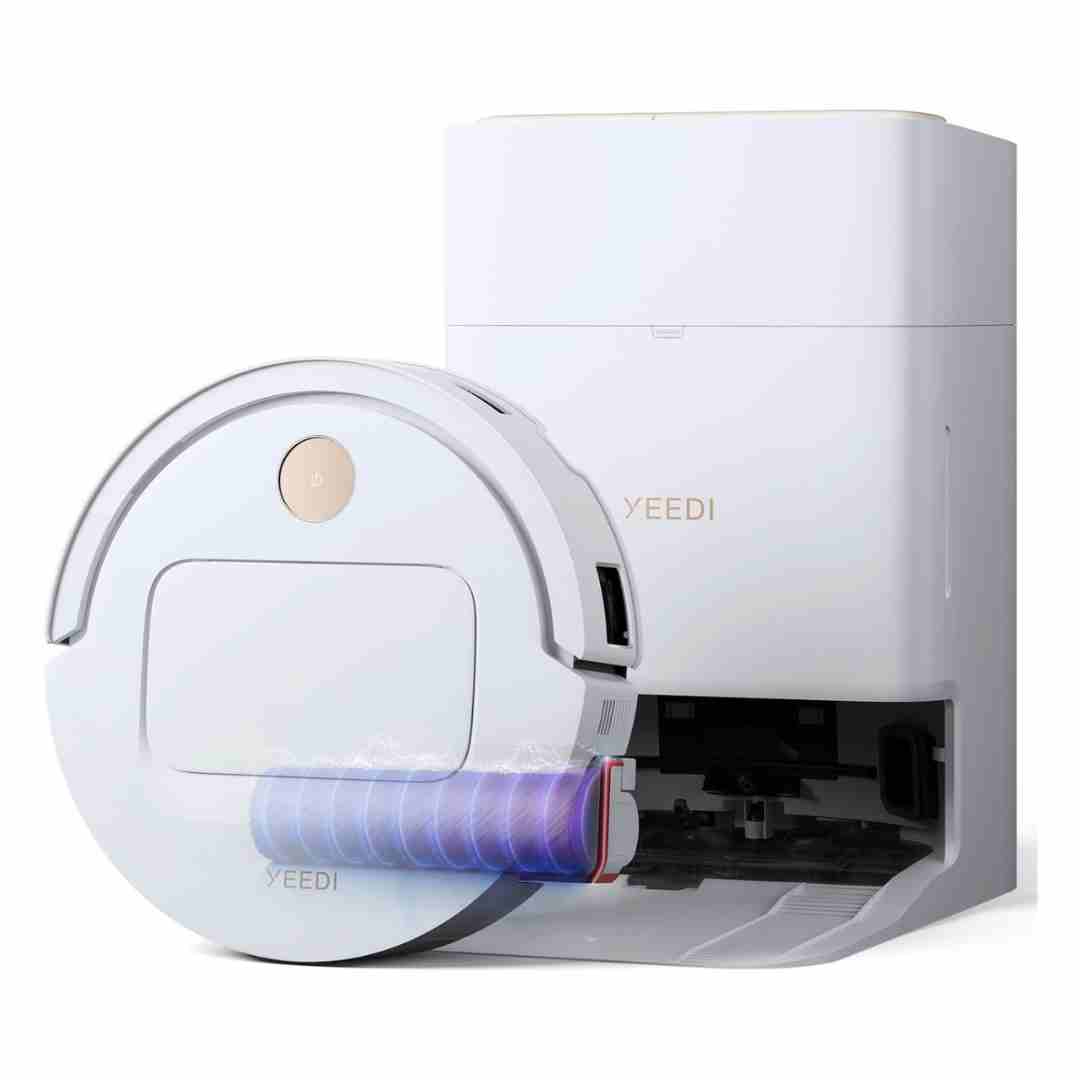
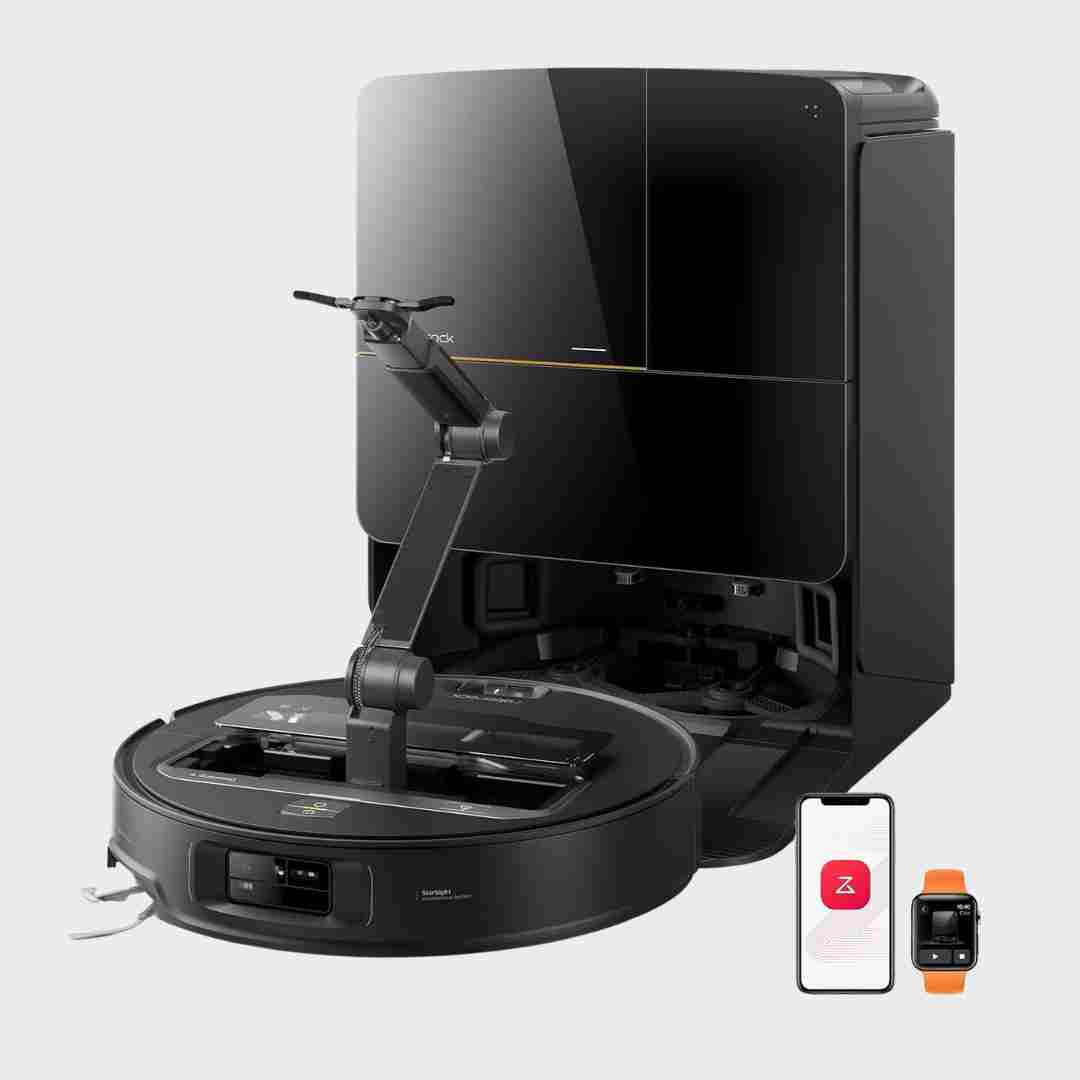
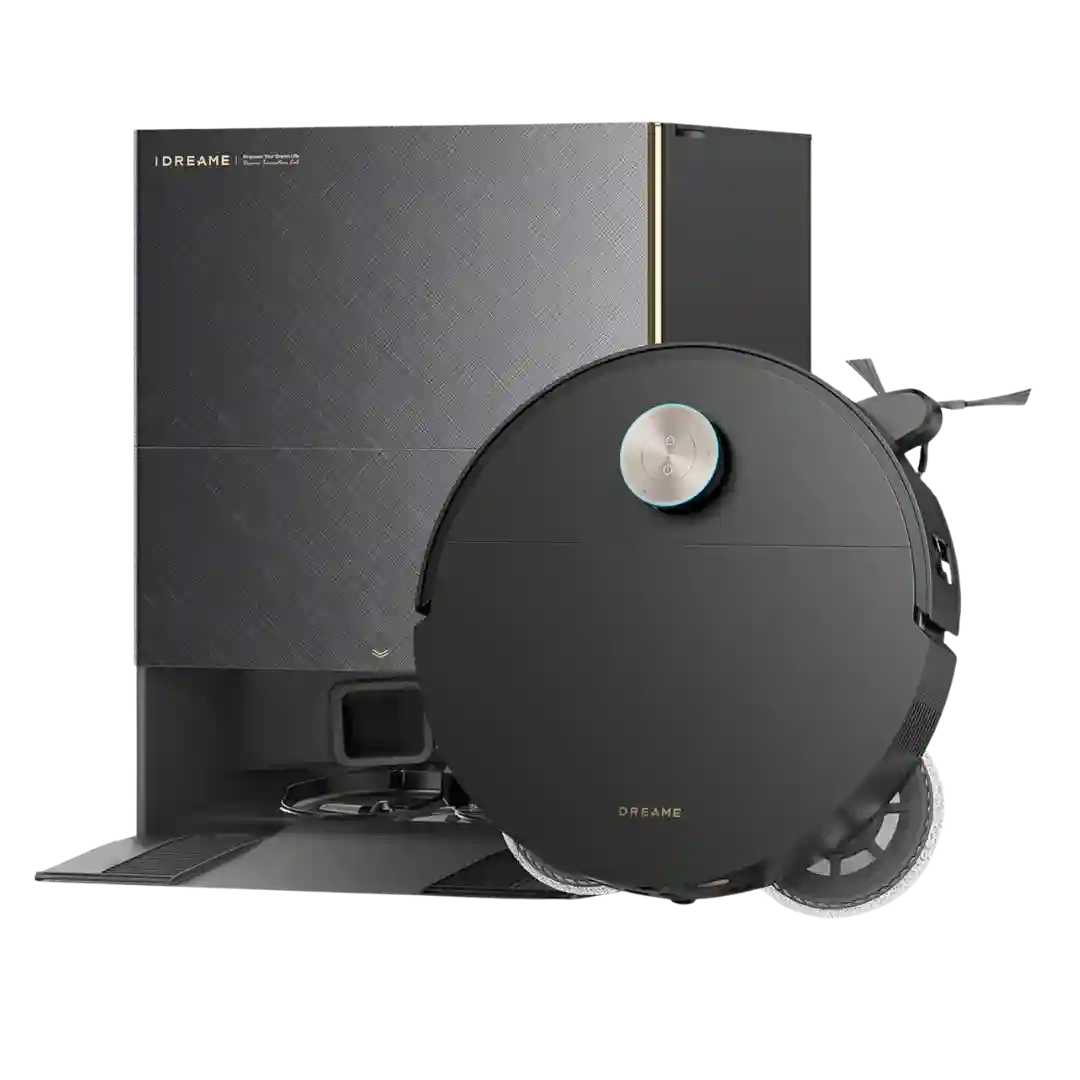
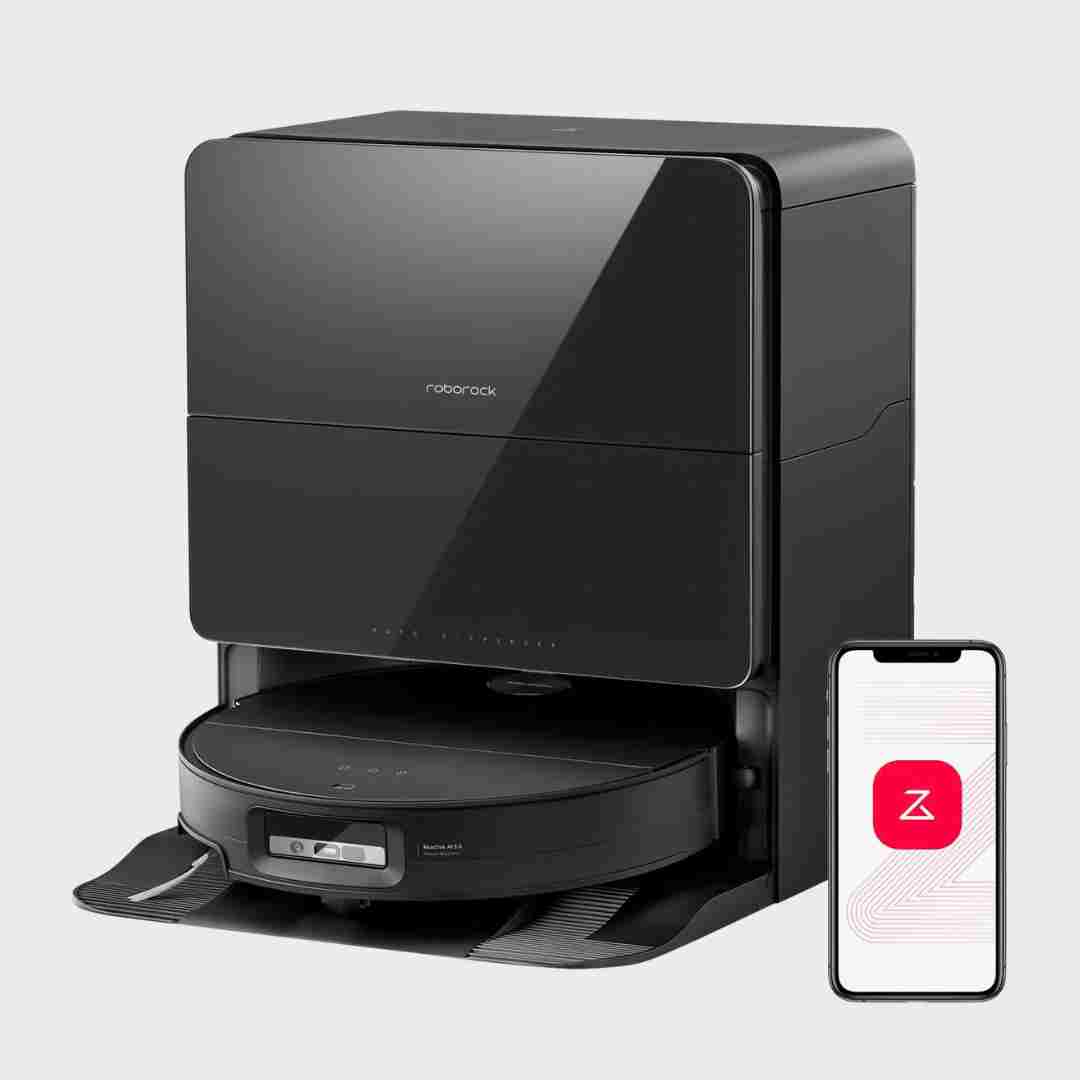
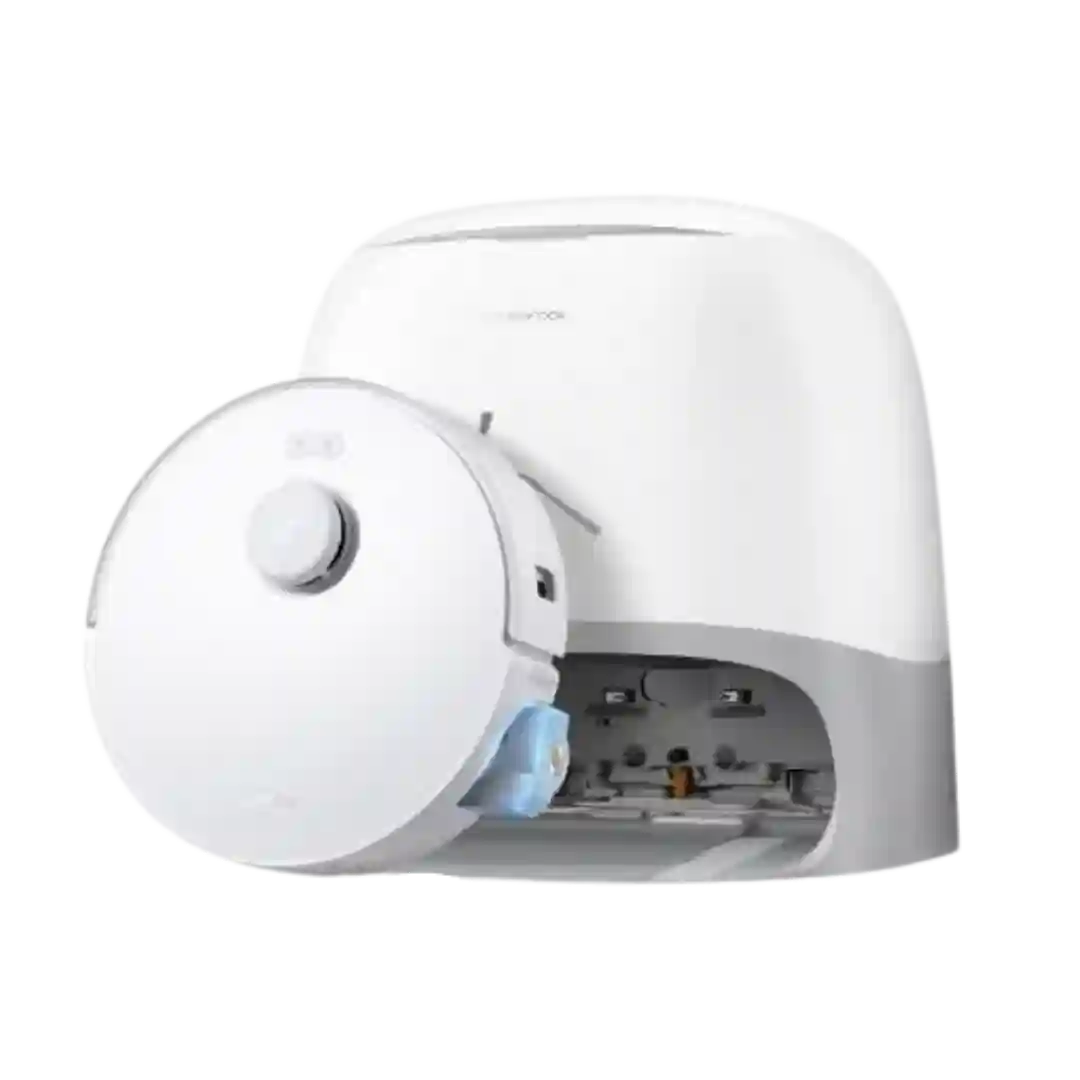
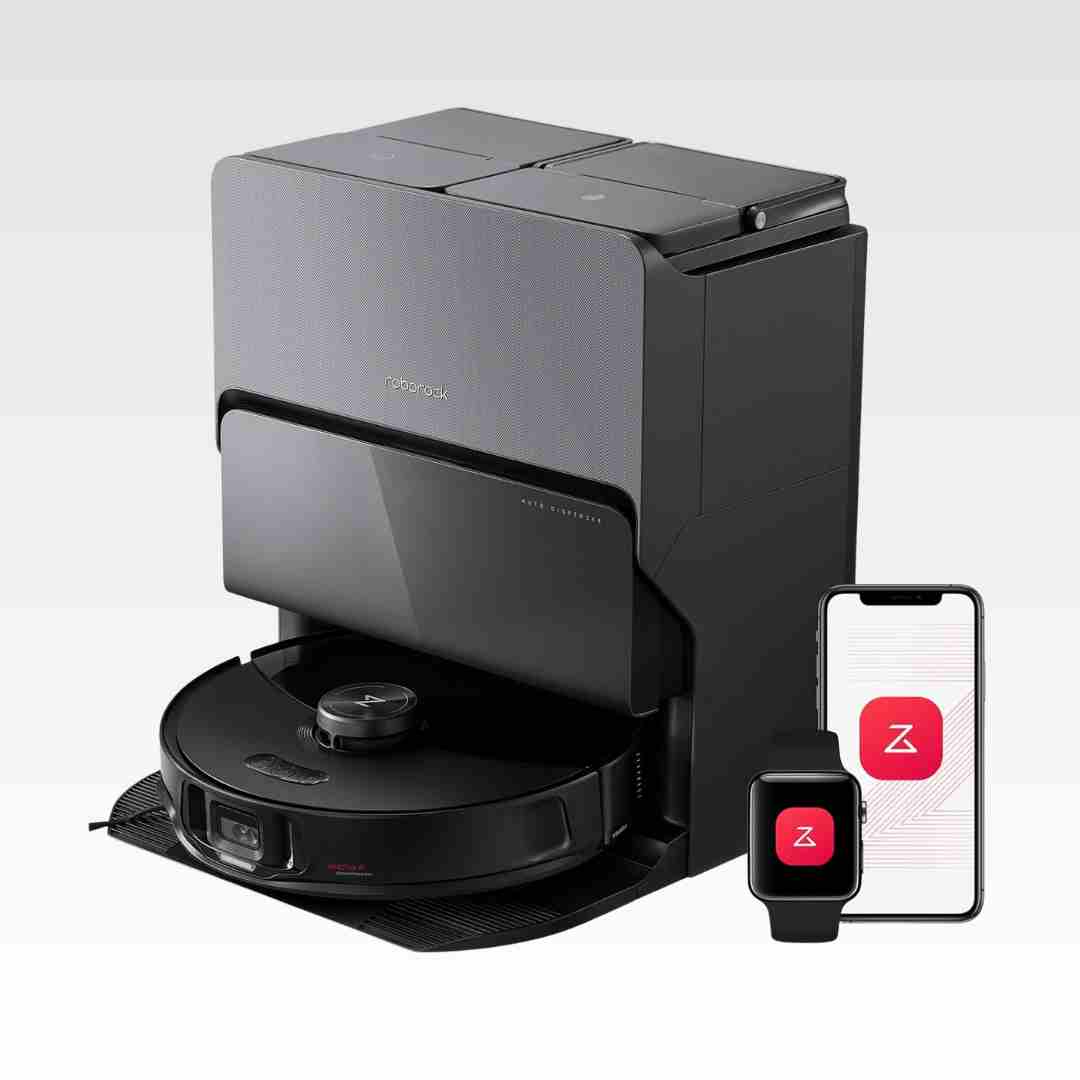
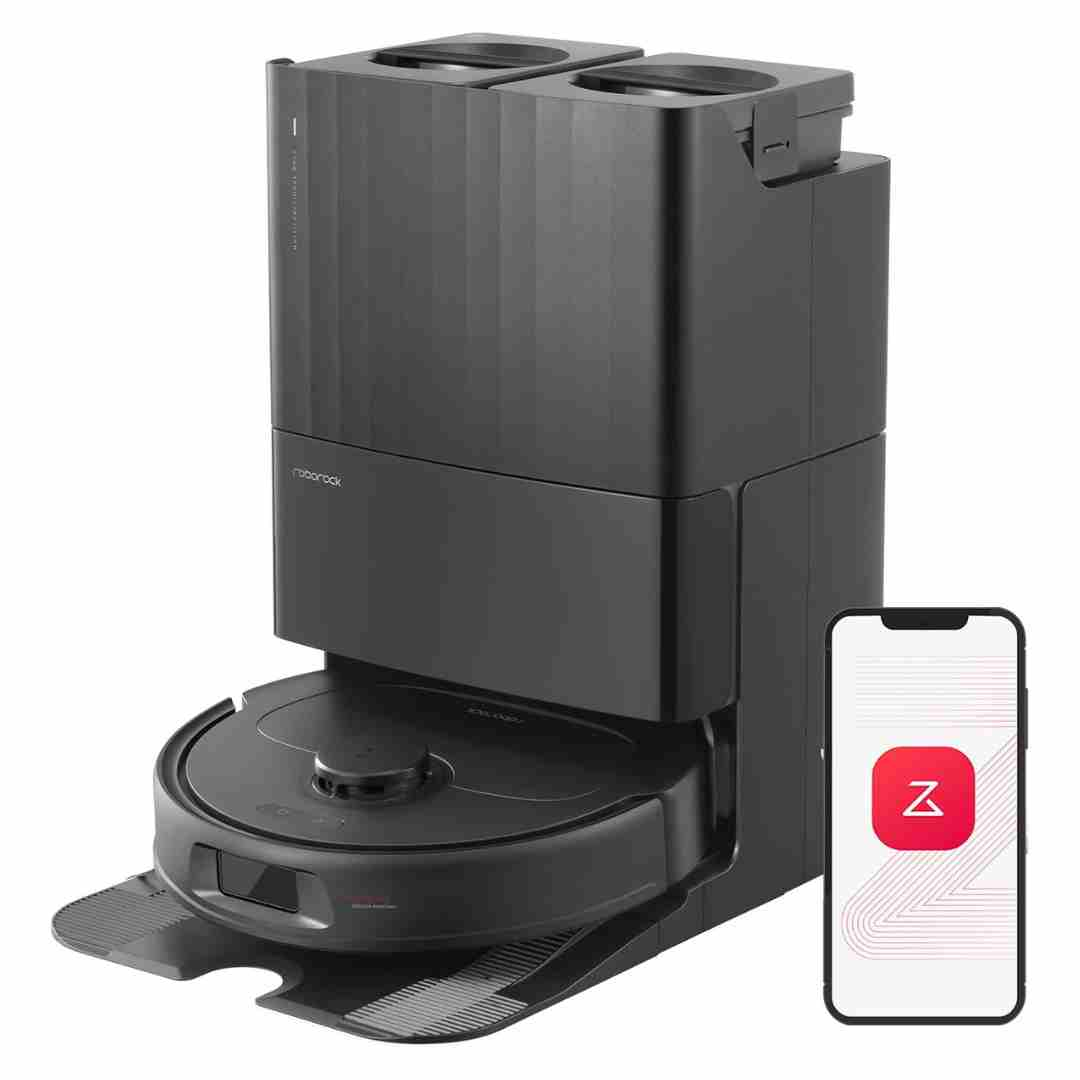
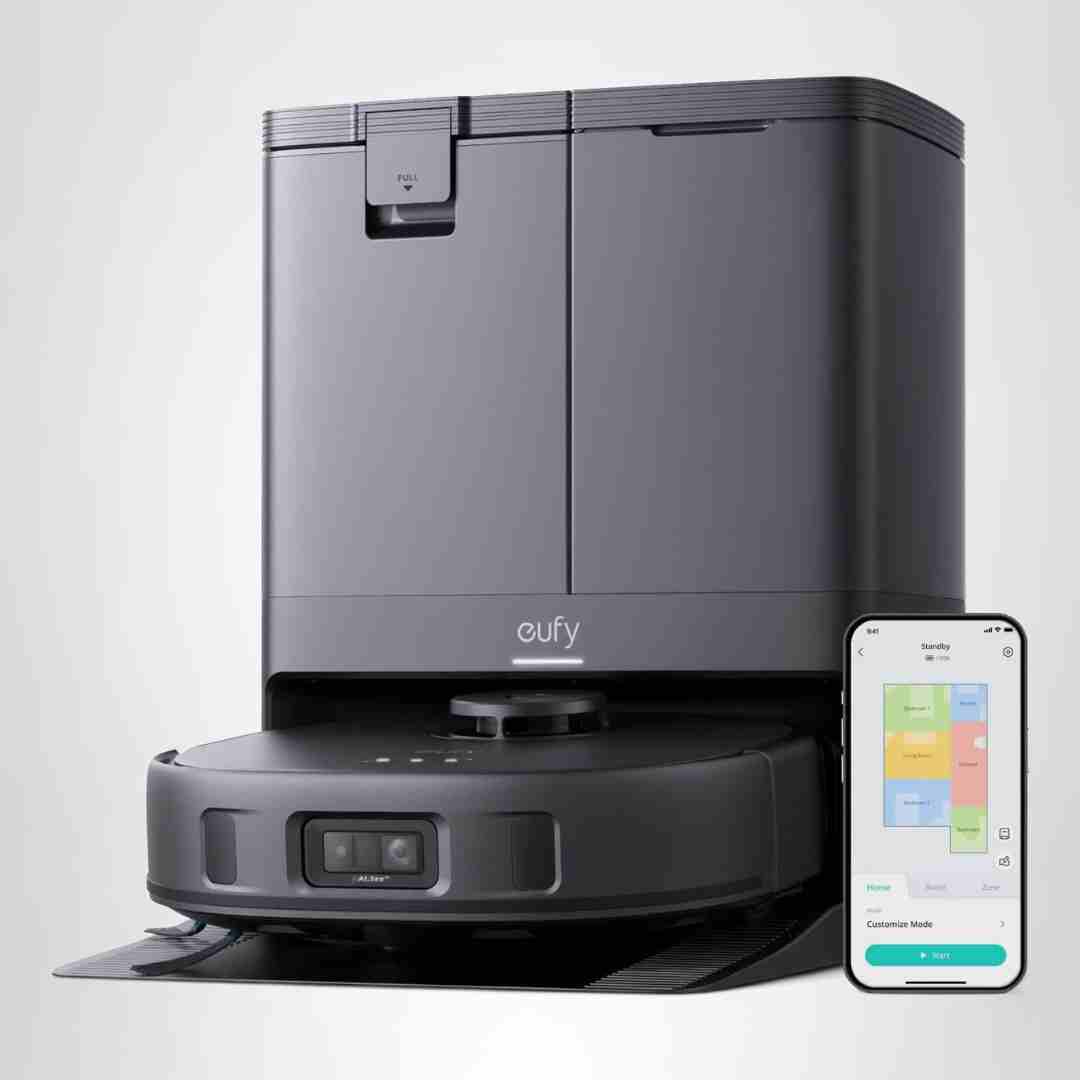
The self-cleaning dock is consistently the headline feature, with multiple reviews describing full-path cleaning (bin, tube, brush, and filters) and multiple cleaning cycle options or automatic intensity decisions.
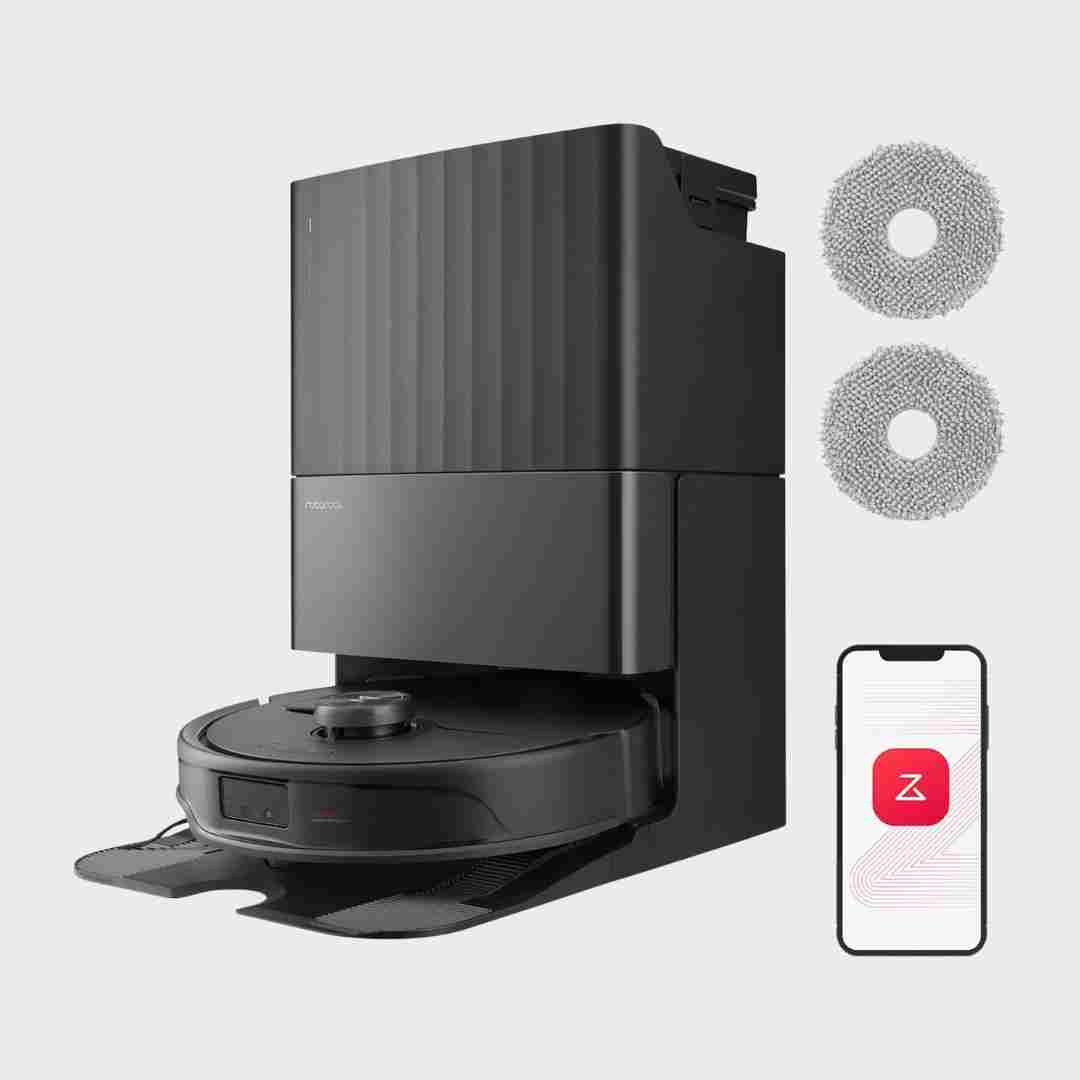
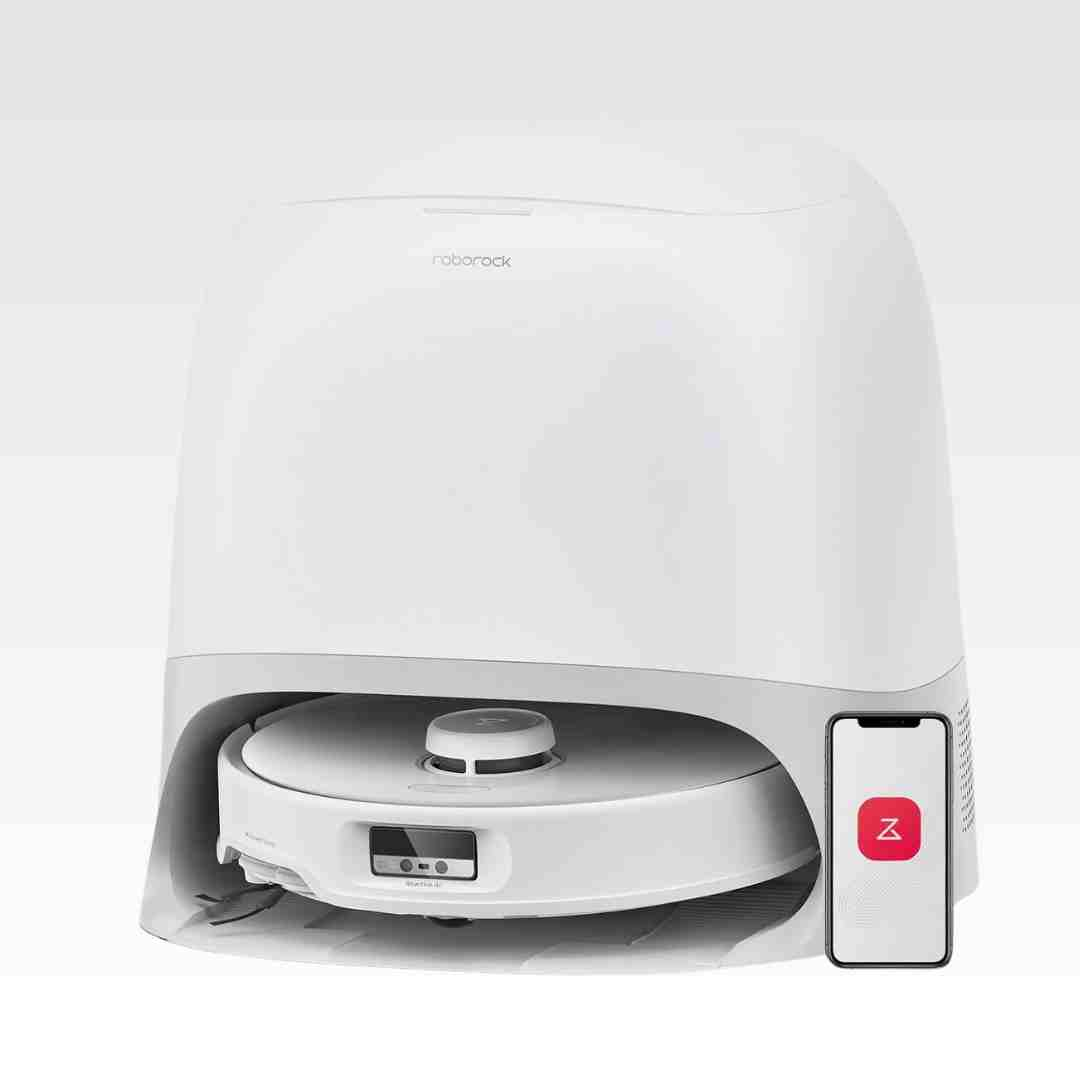
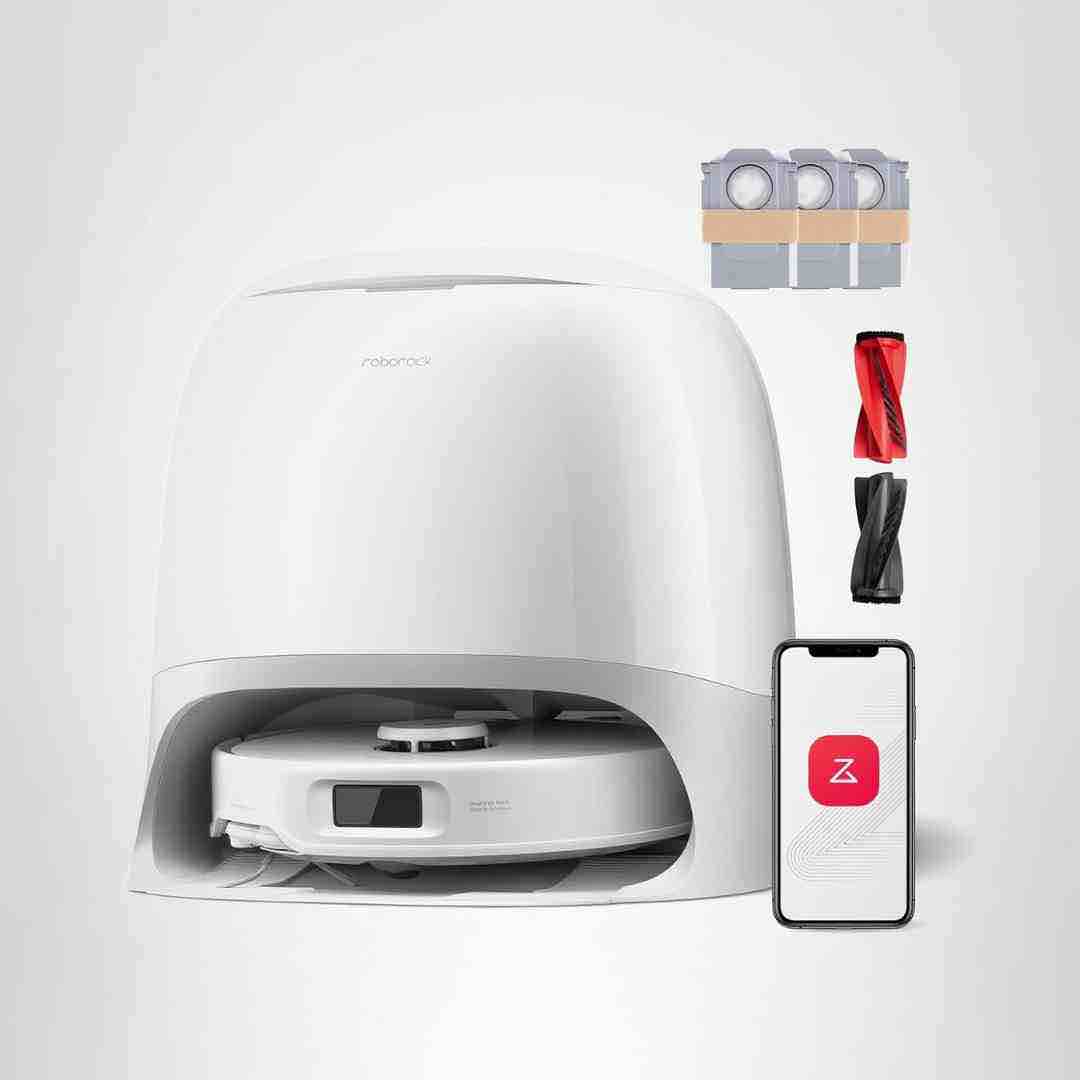
The self-cleaning mop workflow is a key differentiator, with real-time roller rinsing during runs plus dock wash and hot-air drying reducing manual mop upkeep.
A self-rinse/self-clean style tray/base is mentioned as helpful for flushing the system after a job, reducing post-cleaning hassle and helping avoid funky residue in the machine.
The dock’s self-cleaning routine (mop washing, drying, and washboard management) is widely praised for reducing hands-on cleanup. Several reviews call out newer design elements aimed at minimizing residue and keeping the base cleaner over time.
Self-cleaning is a core strength: the roller can be kept clean during runs and the dock performs extended wash/dry cycles afterward. This is repeatedly linked to better results and less maintenance versus traditional mop-pad systems.
The self-clean and heated self-dry base is one of the biggest strengths, with multiple reviewers saying the roller comes out genuinely dry. Drying time is often described as sensor-controlled (roughly 30 to 80 minutes), though a few reviewers wish the wash used more water or note that strongly colored sauces may require extra manual cleaning.
Dock self-maintenance is a major strength overall, with repeated praise for hot-water pad washing, hot-air drying, and strong mop-cleaning performance.
Self-cleaning behaviors are a core highlight, with automated mop washing/drying and dock-assisted upkeep reducing the need for frequent manual cleaning.
Self-cleaning behavior (mop washing and dock cleaning routines) is widely praised, with multiple sources highlighting that the mop is cleaned during/after runs and dries over time to reduce odors and upkeep.
The self-cleaning workflow is a major value point: the dock washes the mop pads (including hot/warm water in some descriptions), can trigger extra rewashing based on detected dirtiness, and dries pads to reduce odor.
The dock automates mop washing, pad drying, water refills, and in some cases self-cleaning of the base tray. Reviews generally find these cycles effective and appreciate the reduced hands-on maintenance.
Automated mop-pad washing with hot water and hot-air drying is consistently highlighted as a key convenience feature, keeping pads cleaner between runs and improving hygiene.
The dock delivers a largely automated wash, squeegee, and dry routine for the roller mop, but it still benefits from occasional manual cleaning of filters, trays, and catch points.
Both the robot and dock emphasize self-cleaning: the roller refreshes during runs, and the dock can wash and dry the mop and clean its basin. Reviewers still report occasional manual cleanup after unusually sticky or heavy messes.
Self-cleaning behavior is a highlight, including mop pad washing and drying and references to dock self-cleaning elements. Overall, reviewers describe low manual intervention for keeping the mop system fresh.
The self-cleaning dock experience is a major theme: hot-water mop washing, warm/hot-air drying, and base self-cleaning/scrapers reduce manual mess and frequency of hands-on cleaning.
The self-cleaning dock is a core strength, handling mop washing, drying, dust emptying, and water management with minimal involvement. Some manual upkeep remains, such as wiping sensors and occasionally cleaning trays to avoid buildup.
The dock earns consistent praise for hands-off care: hot-water mop washing, warm-air drying, and self-cleaning functions that keep pads fresher between manual deep cleans.
The dock self-cleans and maintains the mopping system by washing pads and the washboard and drying with hot air, often with scrapers and repeat-clean logic. This is repeatedly credited for reducing hands-on upkeep and improving hygiene.
The dock’s self-cleaning behaviors (scrapers/wipers and a removable base) are praised for reducing manual cleanup. Reviews still note that buildup can occur over time and the removable dock base makes periodic rinsing/wiping more practical.
Dock-driven self-cleaning is a core strength: automatic mop pad washing and heated/air drying reduce odors and day-to-day mop maintenance; some note longer cycles due to frequent washing.
The roller mop’s continuous self-washing and the dock’s wash/dry routines are repeatedly praised for keeping the mop cleaner during the run. This is one of the main reasons reviewers report less smearing and better long-session mopping.
Self-cleaning behavior is a major part of the ownership story: the dock can wash mop pads with heated water, dry them with warm air, and clean the wash base. Most reviews treat this as a big win, though one stress test noted pad washing can struggle with very sticky residues.
One-button self-cleaning is widely liked and can rinse internal lines and the roller, but it does not eliminate all maintenance: the roller may remain damp and tanks/filters still need periodic rinsing.
The self-cleaning system is a real advantage. Hot-water washing, warm-air drying, and easy access to the roller hardware reduce day-to-day mop maintenance.
The dock does more than empty and wash: multiple reviews mention self-cleaning elements and hot-water mop washing that reduce hands-on cleanup, though periodic manual cleaning is still needed.
The self-cleaning dock is a core differentiator: reviews cite hot-water mop washing, automatic drying, and automated emptying as major convenience wins. Minor complaints include incomplete mop drying in some cases and occasional need for manual pad cleaning after strong-smelling spills.
Self-care is a major strength: hot-water mop washing plus hot-air drying and base cleaning reduce manual effort; a few edge-case reliability issues (pooling water or a malfunctioning wash tray on one unit) were reported.
Self-cleaning with hot water plus hot-air drying is a major strength, and the fast vs quiet drying choice is a differentiator. A few reviewers say brush cleaning is good but not always best-in-class.
The dock’s automated mop washing, drying, and self-cleaning elements reduce day-to-day chores, but periodic manual cleanup of filters/basins is still part of ownership.
Self-cleaning behavior is a major convenience: reviewers highlight mop washing plus hot-air drying that reduces mildew smells and hands-on pad cleaning. Washing water temperature is a point of disagreement across sources, but drying effectiveness is consistently praised.
Dock self-cleaning details (washboard/squeegee-style cleaning and removable trays for deep cleaning) are commonly praised for reducing manual mess. Periodic maintenance is still required, but overall workload is described as low.
The dock’s mop washing is repeatedly praised, including agitation in the tray and the ability to remove/rinse the base for easier hygiene. Auto-emptying and tank refills add to the hands-off ownership experience.
The dock self-clean is widely seen as convenient and thorough, with options that rinse the roller and help it dry, but users frequently note the cycle is loud and can take a while.
The dock automates mop washing and air drying along with auto-emptying, greatly reducing hands-on work; some reviews still note periodic manual cleaning of the base/tray and the absence of hot-water washing.
The dock’s wash-and-dry routine is consistently highlighted as effective and convenient; drying can take hours and the tray/tanks still need periodic manual cleaning.
The rinse + hot/warm-air dry routine is a headline feature and widely praised for reducing manual roller washing. Reported drying is often ~1 hour at ~60°C, leaving the roller mostly dry (sometimes not 100%). A major complaint is persistent beeping during the drying phase in at least one long-term test.
Dock self-care is a major strength: automatic mop washing and hot-air drying are repeatedly mentioned as reducing ongoing manual effort and helping with cleanliness.
Self-cleaning is generally seen as effective at rinsing the roller and internal paths, with strong drying options afterward. The biggest recurring complaint is workflow rigidity: some users cannot initiate drying without first running the full cleaning cycle.