#1
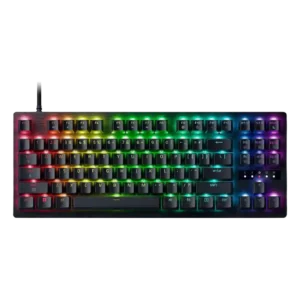
Analog support is one of the board's biggest strengths, with reviewers praising pressure-sensitive control, controller-style behavior, and precise optical switching. It is most useful for players who will actually tune...
Pros: polling rate, RGB customization
Cons: key stability, typing comfort
#2
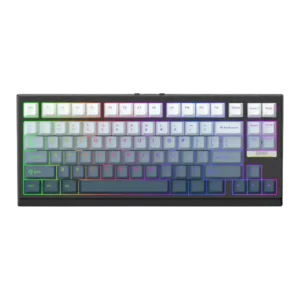
Analog-like input support was praised for racing-game control, where the reviewer valued linear control behavior for precise key actions.
Pros: desk space efficiency, layout options
Cons: compatibility
#3
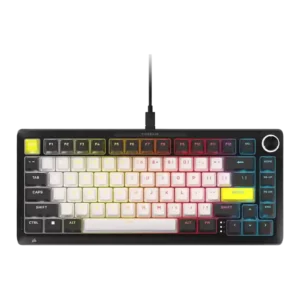
One review treated analog input as niche but genuinely useful for users who need proportional key-depth control.
Pros: per-key lighting control, durability
Cons: portability, noise level
#4
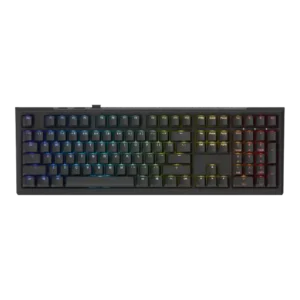
Analog-style functionality was a mixed strength: multi-point and adjustable actuation impressed some reviewers, while others said induction did not add enough beyond existing Hall-effect boards.
Pros: typing feel, key stability
Cons: profile management, wrist rest quality
#5
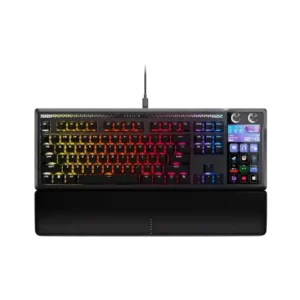
The keyboard does not deliver analog switch behavior, and multiple reviewers call that out as a limitation. This matters most for buyers who expect adjustable actuation or analog-style gaming controls.
Pros: customization options, ease of switch replacement
Cons: reliability, analog input support
#6
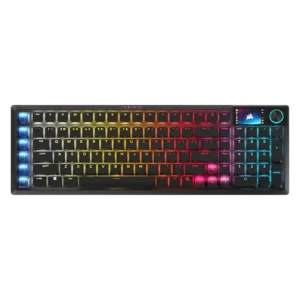
The fixed optical switches do not provide analog input or adjustable actuation. Buyers seeking Hall Effect-style control will need another keyboard.
Pros: key stability, stabilizer quality
Cons: analog input support, rapid trigger support
#7
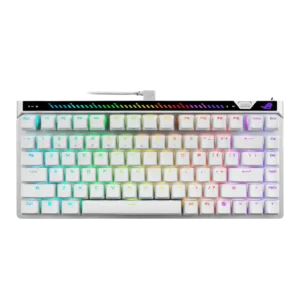
Analog support was a clear weakness because one reviewer specifically noted the lack of analog mode.
Pros: key responsiveness, latency
Cons: analog input support, wrist rest quality
#8
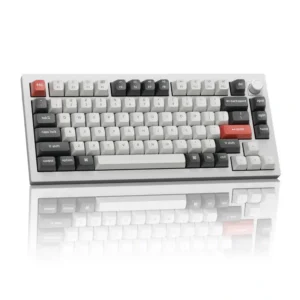
The fixed mechanical actuation point cannot be freely adjusted like a magnetic keyboard. That limits analog-style control and actuation tuning.
Pros: legend visibility, RGB customization
Cons: actuation consistency, rapid trigger support