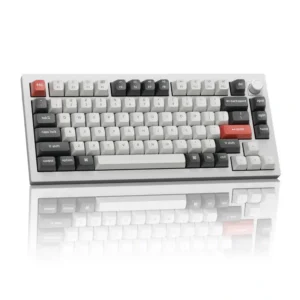
The compact layout frees meaningful mouse space while retaining a full function row, arrows, and a small navigation cluster.
Pros: legend visibility, RGB customization
Cons: actuation consistency, rapid trigger support
The compact layout frees meaningful mouse space while retaining a full function row, arrows, and a small navigation cluster.
Pros: legend visibility, RGB customization
Cons: actuation consistency, rapid trigger support
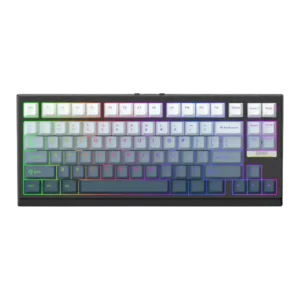
Desk space efficiency was a clear strength, with reviewers valuing the compact footprint for laptop overlay use and mouse-space comfort.
Pros: desk space efficiency, layout options
Cons: compatibility
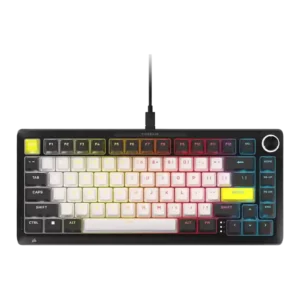
The 75% footprint was repeatedly praised for freeing mouse space while keeping important keys accessible.
Pros: per-key lighting control, durability
Cons: portability, noise level
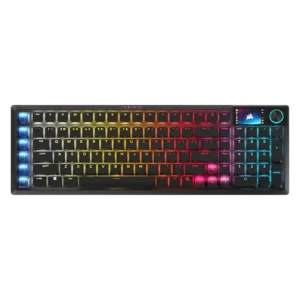
The 99% layout keeps a numpad and function row while using less horizontal space than a conventional full-size board. It frees meaningful mouse room without abandoning productivity keys.
Pros: key stability, stabilizer quality
Cons: analog input support, rapid trigger support
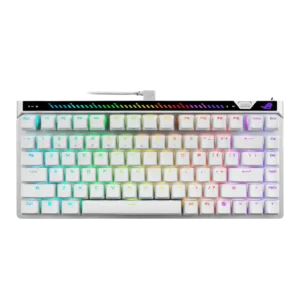
Desk space efficiency was positive where discussed, with the smaller profile taking up less space.
Pros: key responsiveness, latency
Cons: analog input support, wrist rest quality
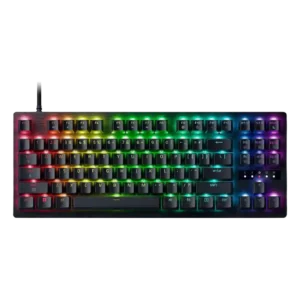
The compact TKL body is treated as easy to fit on a setup while still feeling solid, making it friendlier for tighter desks than a full-size board.
Pros: polling rate, RGB customization
Cons: key stability, typing comfort
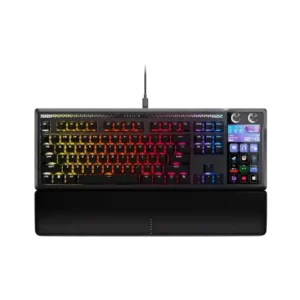
Opinions split on desk space: the integrated Stream Deck can reduce separate-device clutter, but the keyboard itself is wide. It saves room only if it replaces a standalone deck you...
Pros: customization options, ease of switch replacement
Cons: reliability, analog input support
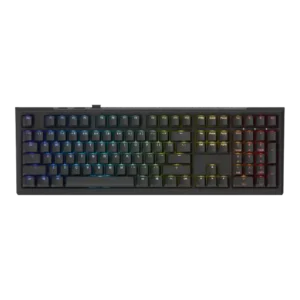
Desk space efficiency depended on layout: the Mini/compact version freed mouse room, while full-size reviewers noted less space for wide mouse sweeps.
Pros: typing feel, key stability
Cons: profile management, wrist rest quality