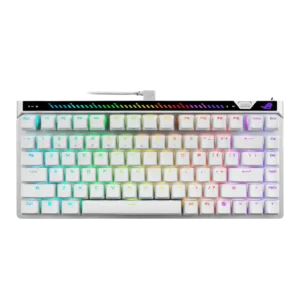
Actuation consistency was praised through even resistance, precise inputs, and consistent key behavior.
Pros: key responsiveness, latency
Cons: analog input support, wrist rest quality
Actuation consistency was praised through even resistance, precise inputs, and consistent key behavior.
Pros: key responsiveness, latency
Cons: analog input support, wrist rest quality
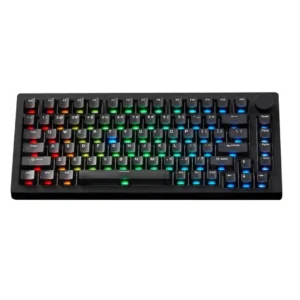
Actuation consistency is strong at practical settings, with reviewers generally avoiding accidental inputs, while very sensitive settings or mechanical switches with rapid trigger can need adjustment.
Pros: switch options, hot-swappable switches
Cons: portability, cable quality
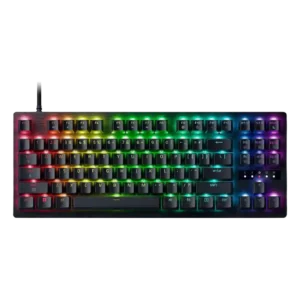
The analog switches are repeatedly praised for precise, consistent actuation and highly adjustable reset behavior. The main caveat is that very sensitive settings can lead to accidental inputs until tuned.
Pros: polling rate, RGB customization
Cons: key stability, typing comfort
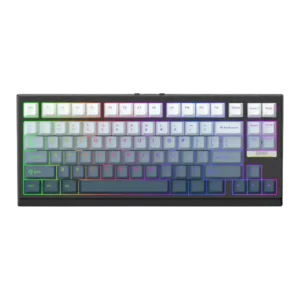
Actuation consistency drew mixed evidence: some reviewers praised dialed-in settings and precise actuation, while others hit accidental presses with very sensitive setups.
Pros: desk space efficiency, layout options
Cons: compatibility
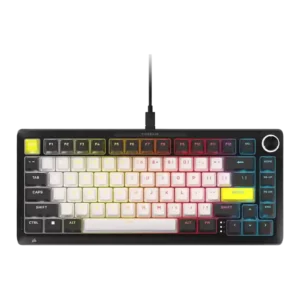
Actuation drew praise when calibrated or dialed in, but one reviewer reported out-of-box travel and calibration inconsistency.
Pros: per-key lighting control, durability
Cons: portability, noise level
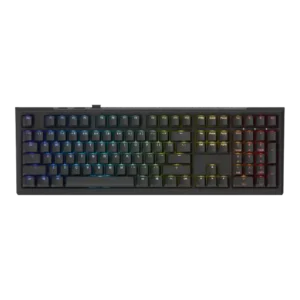
Reviewers saw the consistency claim as plausible but not clearly transformative, with multiple reviewers saying they did not feel a practical advantage over Hall-effect alternatives.
Pros: typing feel, key stability
Cons: profile management, wrist rest quality
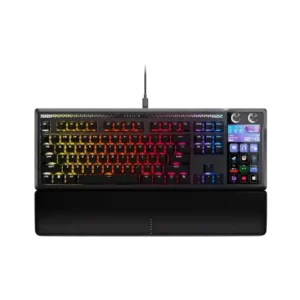
The main switches are praised for smooth, even actuation, but customer defect reports are the big caution. Some owners describe shift, caps lock, stuck-key, or cross-key activation problems.
Pros: customization options, ease of switch replacement
Cons: reliability, analog input support