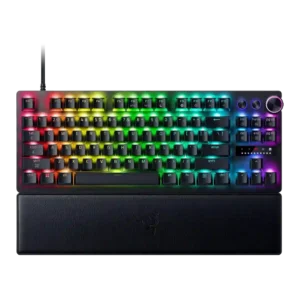
Actuation precision was praised where discussed, with reviewers calling the switches incredibly accurate and the press measurement impressive.
Pros: key responsiveness, actuation consistency
Cons: switch options, hot-swappable switches
Actuation precision was praised where discussed, with reviewers calling the switches incredibly accurate and the press measurement impressive.
Pros: key responsiveness, actuation consistency
Cons: switch options, hot-swappable switches
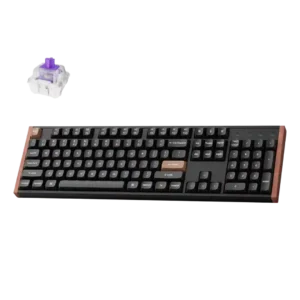
Actuation consistency was praised through comments about outstanding consistency and magnetic switches that feel linear and stable.
Pros: wireless performance, key responsiveness
Cons: switch options, desk space efficiency
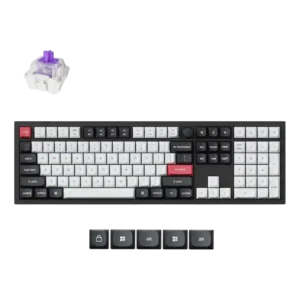
Actuation consistency was praised when the heavier baseline force prevented mis-presses while still allowing fast Hall Effect tuning.
Pros: key stability, frame rigidity
Cons: portability, switch options
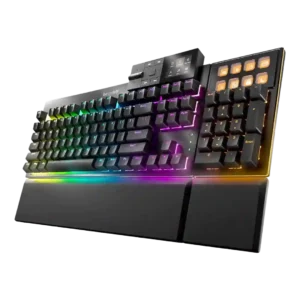
Actuation was described as smooth, consistent, and accurate, though reviewers also noted the board lacks adjustable actuation controls.
Pros: key stability, per-key lighting control
Cons: analog input support, wireless performance
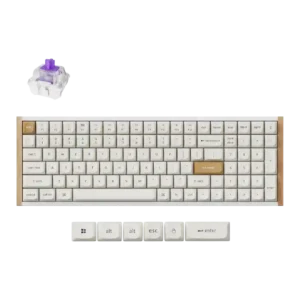
Actuation was praised as consistent, responsive, and well-balanced, especially where reviewers connected the magnetic switches to stable control and fast input.
Pros: durability, rapid trigger support
Cons: per-key lighting control, stabilizer quality
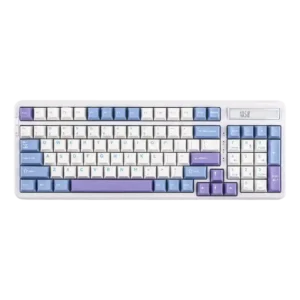
One reviewer specifically praised actuation consistency, saying the keypresses felt consistent and smooth.
Pros: ease of switch replacement, typing feel
Cons: key spacing, layout options
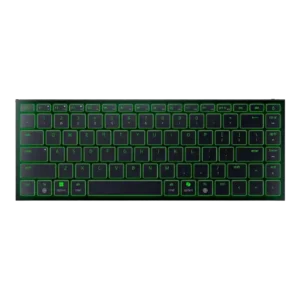
PCMag found the typing feel consistent across the whole board, supporting a strong actuation-consistency score.
Pros: frame rigidity, size and form factor
Cons: sound dampening, per-key lighting control
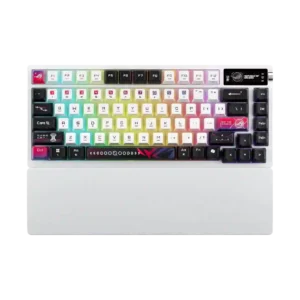
Actuation consistency was praised where discussed, with reviewers noting consistent switch feel and minimal friction across keypresses.
Pros: latency, wireless performance
Cons: rapid trigger support, analog input support
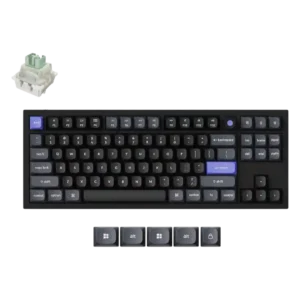
The TMR-based switching was praised for giving complete control over switch behavior and response.
Pros: key responsiveness, polling rate
Cons: switch options, portability
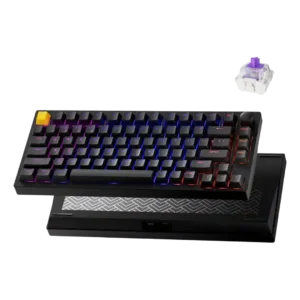
Actuation consistency was praised through reliable repeated recognition, especially when rapid trigger was enabled.
Pros: frame rigidity, stabilizer quality
Cons: per-key lighting control, RGB customization
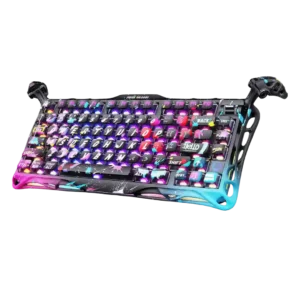
Actuation tuning was viewed positively where tested, with reviewers describing it as accurate and working well.
Pros: legend visibility, key responsiveness
Cons: connectivity, cable quality
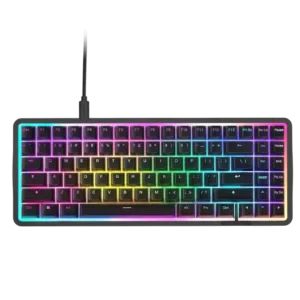
Actuation was often praised for precision and adjustability, though a few reviewers noted the 0.6mm floor trails more sensitive competitors.
Pros: latency, acoustics
Cons: passthrough features, wireless performance
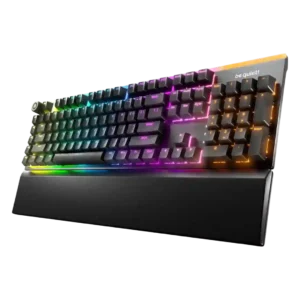
The available evidence says actuation is consistent enough for fast-paced games, but this attribute is not discussed broadly.
Pros: ease of switch replacement, acoustics
Cons: rapid trigger support, analog input support
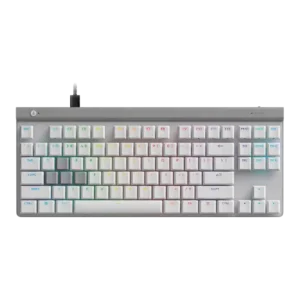
Adjustable actuation was praised when used per key, though the short low-profile travel made multi-stage precision harder in one review.
Pros: key responsiveness, ergonomics
Cons: wireless performance, volume control