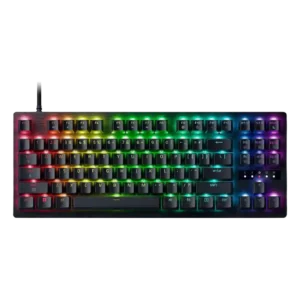
Build quality lands as a clear strength: reviewers describe the board as solid, sturdy, premium-feeling, and competitive-grade despite its compact size.
Pros: polling rate, RGB customization
Cons: key stability, typing comfort
Build quality lands as a clear strength: reviewers describe the board as solid, sturdy, premium-feeling, and competitive-grade despite its compact size.
Pros: polling rate, RGB customization
Cons: key stability, typing comfort
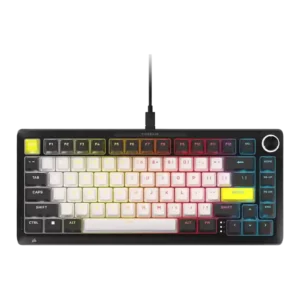
Reviewers overwhelmingly agreed the board feels premium, solid, and well built, with only value and DIY-positioning caveats tempering the praise.
Pros: per-key lighting control, durability
Cons: portability, noise level
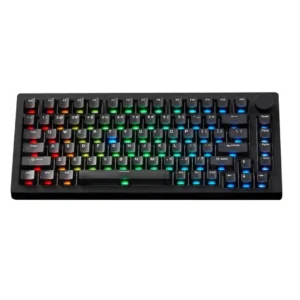
Build quality is one of the strongest areas, with repeated praise for aluminum construction, premium feel, weight, and overall solidity.
Pros: switch options, hot-swappable switches
Cons: portability, cable quality
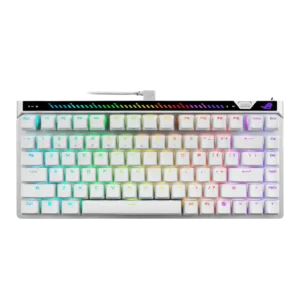
Build quality was a consistent strength, with reviewers calling the board premium, solid, well assembled, and excellent in fit and finish.
Pros: key responsiveness, latency
Cons: analog input support, wrist rest quality
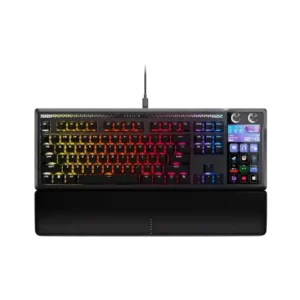
Build quality is broadly praised, especially the aluminum construction, cohesive integration, and premium feel. Customer experiences are split by a few defect reports, but the physical chassis itself is usually...
Pros: customization options, ease of switch replacement
Cons: reliability, analog input support
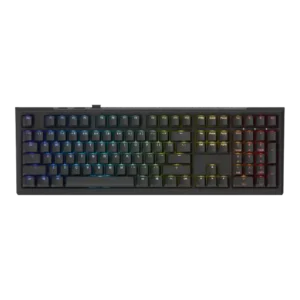
Build quality was widely praised, with reviewers repeatedly describing the keyboard as solid, sturdy, tank-like, durable, and well built.
Pros: typing feel, key stability
Cons: profile management, wrist rest quality
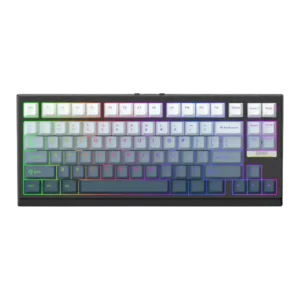
Build quality was generally positive for a plastic board, with reviewers calling it solid or not cheap, though one noted flex.
Pros: desk space efficiency, layout options
Cons: compatibility