Best for build quality
HyperX Alloy Origins
4.9 feature score
Highest scored product for this feature based on supporting review evidence.
Highest scored product for this feature based on supporting review evidence.
Balances feature score, supporting reviews, and overall product strength.
Has the broadest review evidence for this feature.
Strongest overall product among items with scored evidence for this feature.
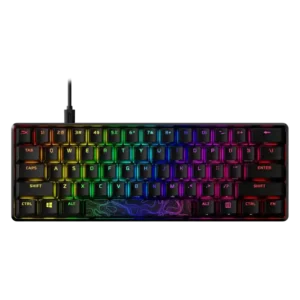
Build quality is the standout consensus strength, with reviewers repeatedly praising the aluminum body, weight, sturdiness, and premium feel.
Pros: latency, actuation consistency
Cons: ease of switch replacement, reliability
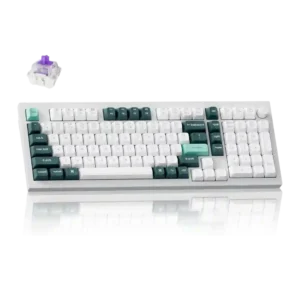
Build quality was one of the strongest points, with reviewers repeatedly calling the keyboard sturdy, premium, solid, and exceptionally well built.
Pros: cable quality, typing comfort
Cons: portability, switch options
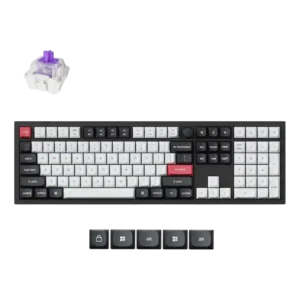
Build quality received some of the strongest praise, centered on the heavy aluminum body, premium feel, and unusually solid construction.
Pros: key stability, frame rigidity
Cons: portability, switch options
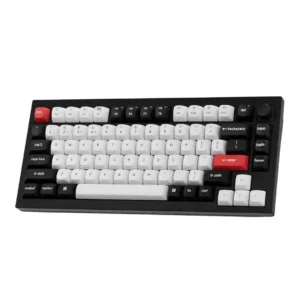
Build quality is one of the strongest points, with reviewers repeatedly praising the solid metal body, premium feel, rigidity, and high-quality construction.
Pros: key stability, frame rigidity
Cons: profile management, reliability
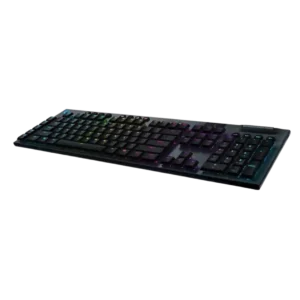
Reviewers strongly praised the premium, solid construction, frequently describing the keyboard as sturdy, durable, tank-like, or a real step up.
Pros: latency, polling rate
Cons: passthrough features, cable quality
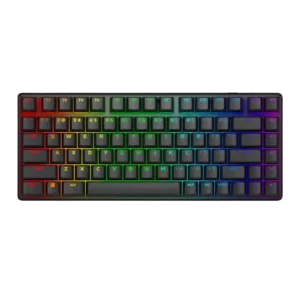
Build quality was one of the strongest consensus points, with repeated praise for the solid, sturdy, premium-feeling chassis.
Pros: key stability, backlight brightness
Cons: rapid trigger support, wrist rest quality
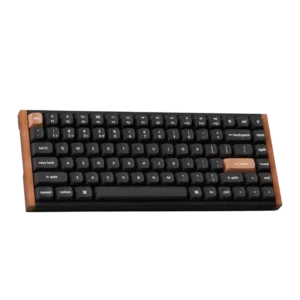
Build quality was a consistent strength, with reviewers calling it solid, premium, rigid, and well made across editions.
Pros: wrist rest quality, onboard memory
Cons: per-key lighting control, switch options
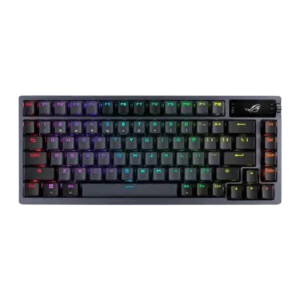
Build quality was one of the strongest themes, with reviewers repeatedly describing the Azoth as solid, premium, tank-like, exceptionally built, and durable in long-term use.
Pros: durability, wireless performance
Cons: passthrough features, onboard memory
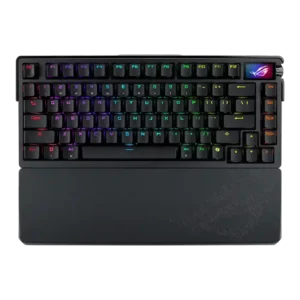
Build quality received the broadest praise, with reviewers repeatedly calling the Azoth Extreme premium, tank-like, solid, and among the best-built gaming keyboards.
Pros: key spacing, reliability
Cons: rapid trigger support, analog input support
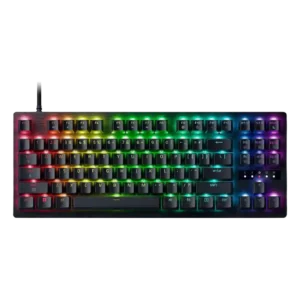
Build quality lands as a clear strength: reviewers describe the board as solid, sturdy, premium-feeling, and competitive-grade despite its compact size.
Pros: polling rate, RGB customization
Cons: key stability, typing comfort
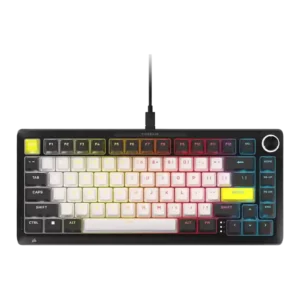
Reviewers overwhelmingly agreed the board feels premium, solid, and well built, with only value and DIY-positioning caveats tempering the praise.
Pros: per-key lighting control, durability
Cons: portability, noise level
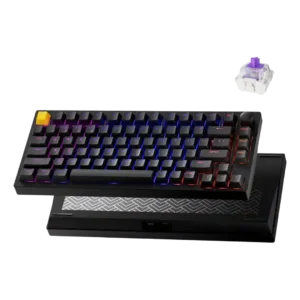
Build quality was one of the strongest points, with repeated praise for the high-quality full-metal aluminum body.
Pros: frame rigidity, stabilizer quality
Cons: per-key lighting control, RGB customization
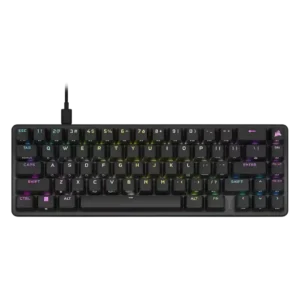
Build quality was a major strength across reviews, with repeated praise for the sturdy, premium-feeling construction.
Pros: volume control, key responsiveness
Cons: wireless performance, wrist rest quality
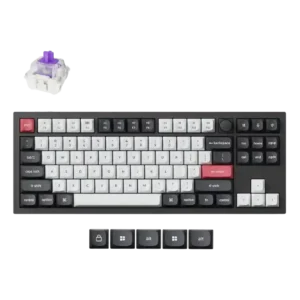
Build quality had unanimous strong praise, with every review describing the board as solid, sturdy, premium, or exceptionally well built.
Pros: build quality, extra gaming features
Cons: switch options, hot-swappable switches
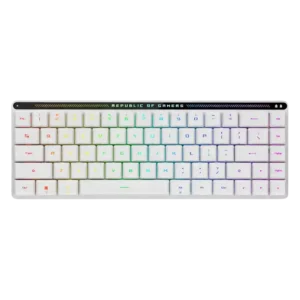
Build quality is broadly praised as solid, premium, and well put together despite the compact low-profile body.
Pros: reliability, typing comfort
Cons: cable quality, wrist rest quality
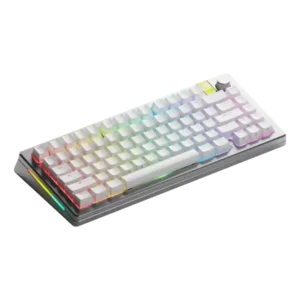
Build quality was one of the most consistent strengths, with reviewers calling the keyboard premium, sturdy, improved, heavy, and extremely well built.
Pros: materials quality, customization options
Cons: reliability, actuation consistency
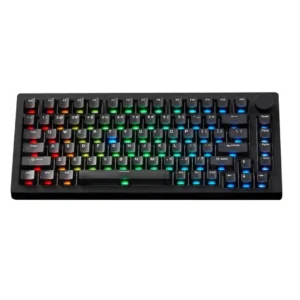
Build quality is one of the strongest areas, with repeated praise for aluminum construction, premium feel, weight, and overall solidity.
Pros: switch options, hot-swappable switches
Cons: portability, cable quality
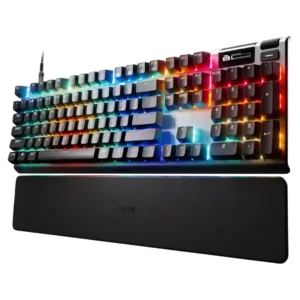
Build quality was widely praised as sturdy, robust, premium, and tank-like despite some plastic construction caveats.
Pros: key responsiveness, durability
Cons: passthrough features, analog input support

Build quality was a major point of agreement, with every review giving positive evidence around the aluminum body, dense feel, assembly, or lack of flex.
Pros: value for money, customization options
Cons: cable quality, portability
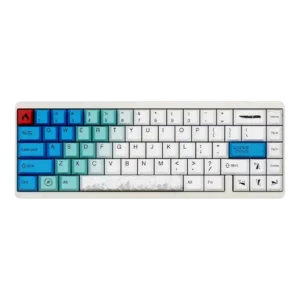
Build quality was a consistent highlight, with reviewers describing the keyboard as premium, solid, metal, and tank-like.
Pros: durability, key responsiveness
Cons: reliability, RGB customization
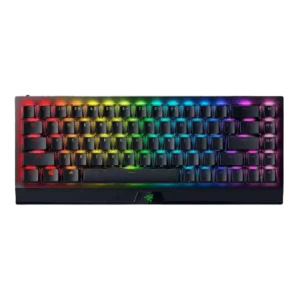
Build quality was one of the strongest consensus areas, with reviews calling it excellent, sturdy, robust, substantial, and well built.
Pros: per-key lighting control, backlight brightness
Cons: passthrough features, compatibility
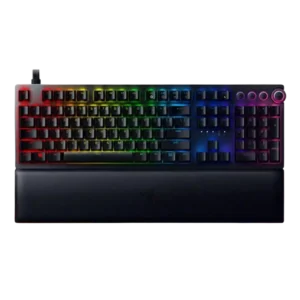
Build quality was consistently strong, with reviewers describing the keyboard as sturdy, premium, well-built, and solid on the desk.
Pros: per-key lighting control, wrist rest quality
Cons: polling rate, portability
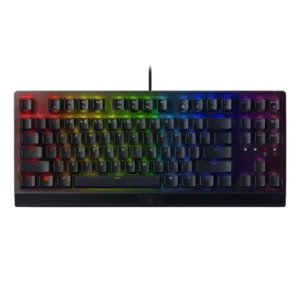
Build quality was a major strength across reviews, with repeated praise for the sturdy feel, aluminum top, rugged construction, and quality overall.
Pros: latency, durability
Cons: sound dampening, passthrough features
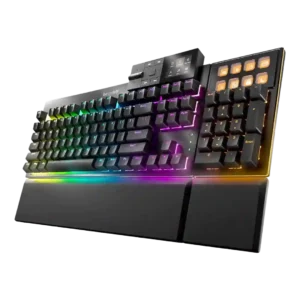
Build quality was broadly strong, especially for the core board, with reviewers praising rigidity, premium feel, and robust construction.
Pros: key stability, per-key lighting control
Cons: analog input support, wireless performance
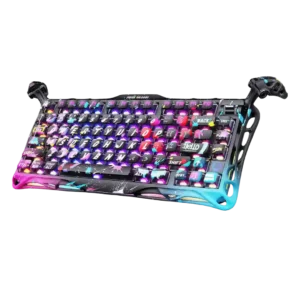
Build quality received strong praise across reviews, with repeated comments about premium feel, sturdy construction, and high quality.
Pros: legend visibility, key responsiveness
Cons: connectivity, cable quality
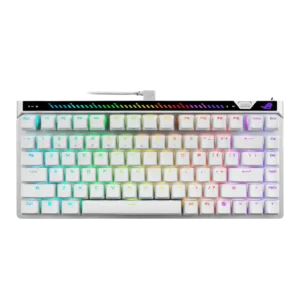
Build quality was a consistent strength, with reviewers calling the board premium, solid, well assembled, and excellent in fit and finish.
Pros: key responsiveness, latency
Cons: analog input support, wrist rest quality
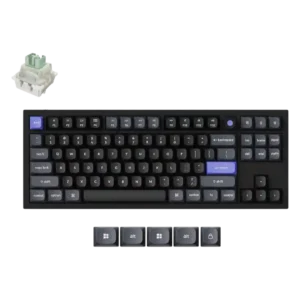
The aluminum construction was framed as durable, stable, and premium-feeling.
Pros: key responsiveness, polling rate
Cons: switch options, portability
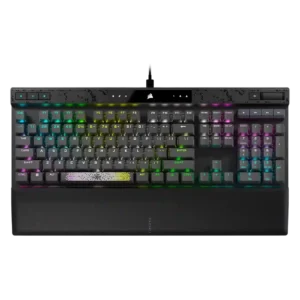
Build quality was widely praised as solid, premium, rock solid, or excellent, though one reviewer felt it was merely okay for the price.
Pros: reliability, key responsiveness
Cons: desk space efficiency, wireless performance
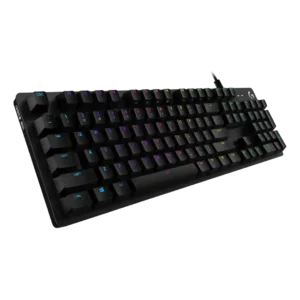
Build quality is one of the clearest strengths, with reviewers repeatedly describing the keyboard as sturdy, solid, rock-solid, or exceptional.
Pros: key spacing, key responsiveness
Cons: reliability, connectivity
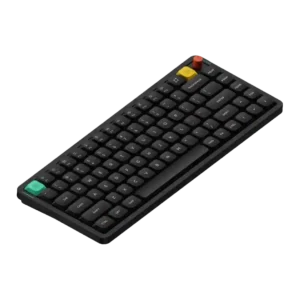
Build quality was consistently strong, with reviewers calling the board solid, premium-feeling, and resistant to flex.
Pros: key responsiveness, typing feel
Cons: per-key lighting control, legend visibility
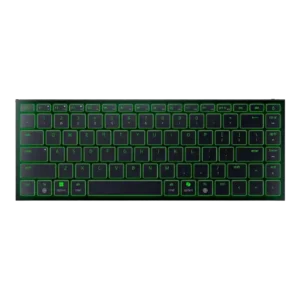
Build quality was one of the strongest themes, with reviewers repeatedly praising the rigid, sturdy construction despite the ultra-thin chassis.
Pros: frame rigidity, size and form factor
Cons: sound dampening, per-key lighting control
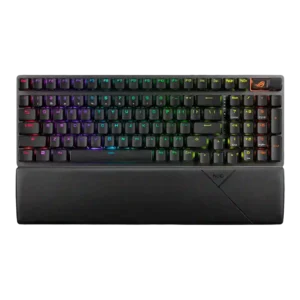
Build quality is consistently strong, with reviewers describing the keyboard as solid, tank-like, well made, and premium-feeling.
Pros: per-key lighting control, wireless performance
Cons: rapid trigger support, analog input support
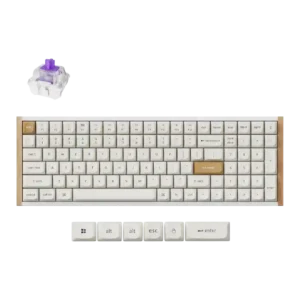
Build quality drew broad praise for feeling premium, solid, sturdy, and well-made, with only minor caveats around plastic elements.
Pros: durability, rapid trigger support
Cons: per-key lighting control, stabilizer quality
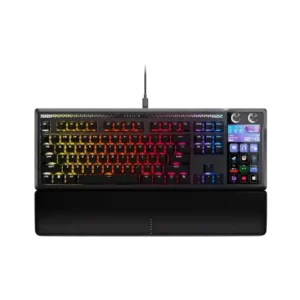
Build quality is broadly praised, especially the aluminum construction, cohesive integration, and premium feel. Customer experiences are split by a few defect reports, but the physical chassis itself is usually...
Pros: customization options, ease of switch replacement
Cons: reliability, analog input support
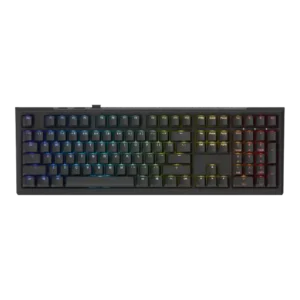
Build quality was widely praised, with reviewers repeatedly describing the keyboard as solid, sturdy, tank-like, durable, and well built.
Pros: typing feel, key stability
Cons: profile management, wrist rest quality
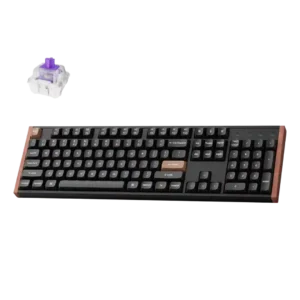
Build quality drew broad praise for weight, durable-feeling materials, substantial construction, and an excellent overall build.
Pros: wireless performance, key responsiveness
Cons: switch options, desk space efficiency
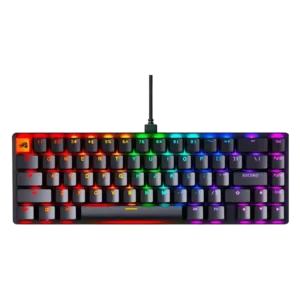
Build quality was widely praised; reviewers repeatedly described the board as solid, sturdy, weighty, well-built, or premium for the price.
Pros: compatibility, key responsiveness
Cons: wrist rest quality, key spacing
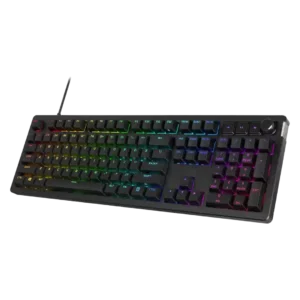
Build quality is generally strong, with reviewers calling the keyboard solid, sturdy, high-grade, or robust despite some concerns around magnetic pieces.
Pros: compatibility, legend visibility
Cons: wrist rest quality, cable quality
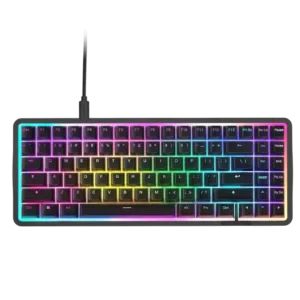
Most reviewers praised the heavy, sturdy construction and premium feel, though one review found the build only solid rather than exceptional.
Pros: latency, acoustics
Cons: passthrough features, wireless performance
Build quality was broadly praised, with reviewers describing the board as sturdy, solid, premium-feeling, or well put together.
Pros: frame rigidity, rapid trigger support
Cons: switch options, legend visibility
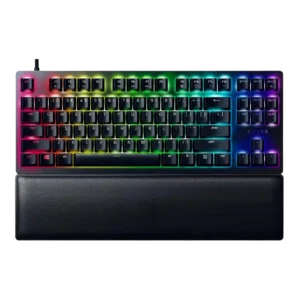
Build quality was repeatedly praised as premium, sturdy, rock-solid, or excellent, despite some light plastic-body caveats.
Pros: key stability, per-key lighting control
Cons: stabilizer quality, media controls
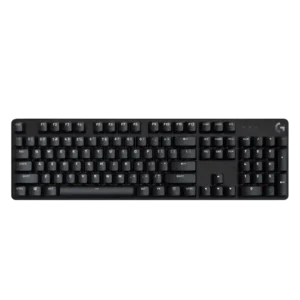
Build quality is consistently strong, with reviewers repeatedly praising the sturdy aluminum-topped construction and premium feel for the price.
Pros: durability, desk space efficiency
Cons: switch options, onboard memory
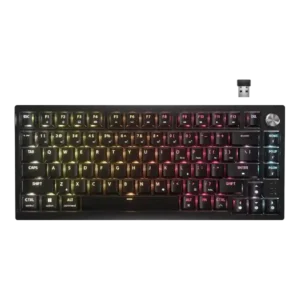
Build quality was a consistent strength, with reviewers calling the board sturdy, solid, hefty, and well-built despite its plastic-heavy shell.
Pros: latency, durability
Cons: legend visibility, rapid trigger support
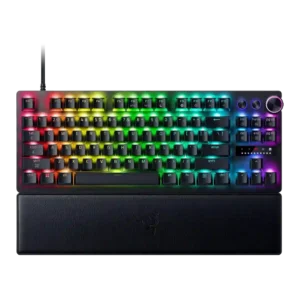
Build quality was usually praised for premium materials, sturdy construction, and solid feel, though a few reviewers found the plastic-heavy body cheaper than expected.
Pros: key responsiveness, actuation consistency
Cons: switch options, hot-swappable switches
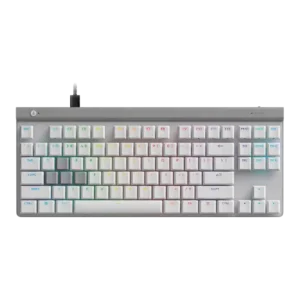
Build quality was one of the strongest areas, with repeated praise for sturdy construction, premium feel, steel reinforcement, and minimal flex; one reviewer still found the plastic package less premium...
Pros: key responsiveness, ergonomics
Cons: wireless performance, volume control
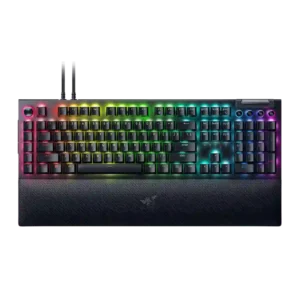
Build quality was broadly praised on the full-size model for solidity and premium feel, though one 75% Pro reviewer criticized the case quality for the price.
Pros: key stability, ease of switch replacement
Cons: compatibility, battery life
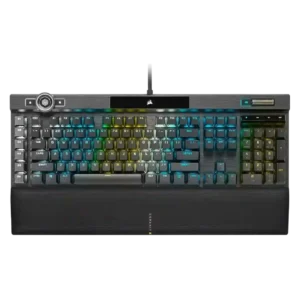
Build quality is usually described as premium, sturdy, solid, or excellent, but one Tom's Hardware sample left concerns because of magnet and key issues.
Pros: actuation consistency, key stability
Cons: hot-swappable switches, switch options
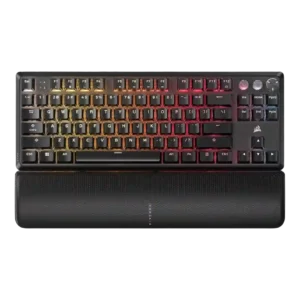
Build quality was mostly praised for solidity and premium feel, though some reviews flagged simplicity, ping-related build concerns, or cost-cut corners.
Pros: per-key lighting control, key responsiveness
Cons: ease of switch replacement, battery life
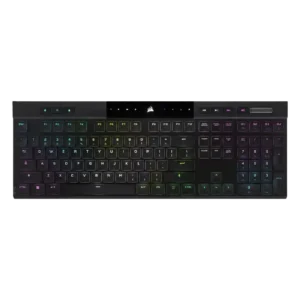
Build quality was widely praised for solidity and premium feel, though a few reviewers noted flex, average supporting parts, or plastic elements.
Pros: backlight brightness, actuation consistency
Cons: sound dampening, stabilizer quality
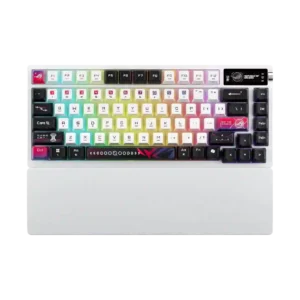
Build quality was generally sturdy and solid, but the plastic base, premium-price expectations, and scratch-prone finish produced mixed marks.
Pros: latency, wireless performance
Cons: rapid trigger support, analog input support