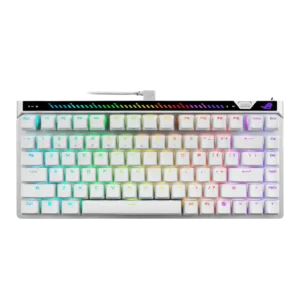
Frame rigidity was excellent, with no flex or looseness reported and a torsion-resistant feel.
Pros: key responsiveness, latency
Cons: analog input support, wrist rest quality
Frame rigidity was excellent, with no flex or looseness reported and a torsion-resistant feel.
Pros: key responsiveness, latency
Cons: analog input support, wrist rest quality
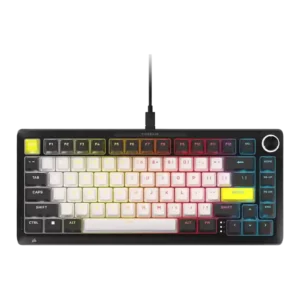
The aluminum frame was repeatedly described as rigid, stable, and resistant to creaks or flex.
Pros: per-key lighting control, durability
Cons: portability, noise level
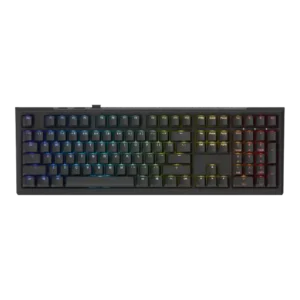
Frame rigidity earned strong marks where tested, with minimal flex and little meaningful twisting or bending reported.
Pros: typing feel, key stability
Cons: profile management, wrist rest quality
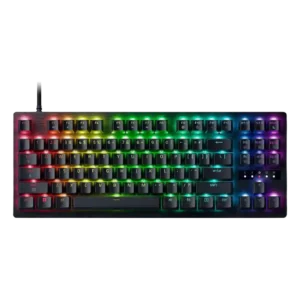
The frame feels rigid and premium, with very little flex called out and sturdy construction reinforced by the board's compact build.
Pros: polling rate, RGB customization
Cons: key stability, typing comfort
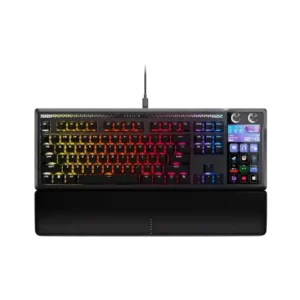
The frame is repeatedly described as solid, rigid, and low-flex. Reviewers like that the large hybrid design still feels cohesive rather than flimsy.
Pros: customization options, ease of switch replacement
Cons: reliability, analog input support
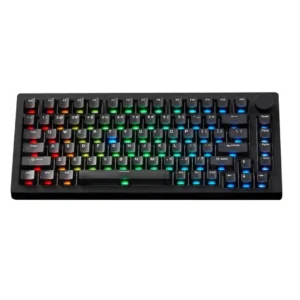
Frame rigidity is mostly strong thanks to the aluminum case, though a few reviewers noticed looseness in ball-catch handling or uneven flex after foam removal.
Pros: switch options, hot-swappable switches
Cons: portability, cable quality
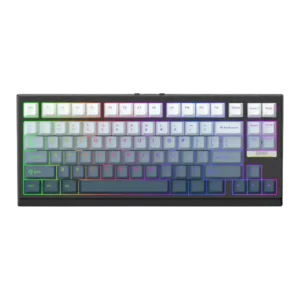
Frame rigidity was mixed: feet and desk grip were praised, but several reviewers noted plastic-case flex or lower rigidity than aluminum.
Pros: desk space efficiency, layout options
Cons: compatibility