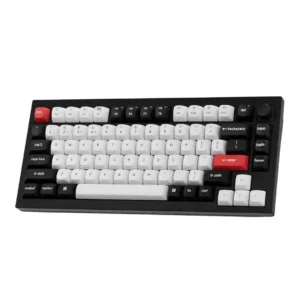
Frame rigidity is unanimously praised in the scored evidence, with reviewers noting no flex, no shifting, and strong aluminum construction.
Pros: key stability, frame rigidity
Cons: profile management, reliability
Frame rigidity is unanimously praised in the scored evidence, with reviewers noting no flex, no shifting, and strong aluminum construction.
Pros: key stability, frame rigidity
Cons: profile management, reliability
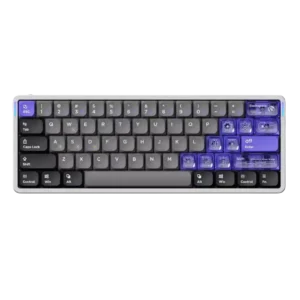
Frame rigidity was strongly praised in the PC Gamer review, which reported no flex or creaking.
Pros: frame rigidity, rapid trigger support
Cons: switch options, legend visibility
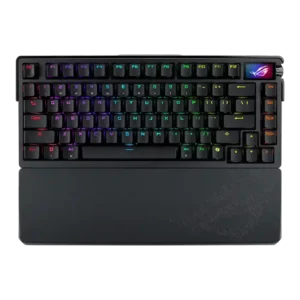
Frame rigidity was rated very highly because reviewers emphasized the aluminum frame, lack of flex, and tank-like solidity.
Pros: key spacing, reliability
Cons: rapid trigger support, analog input support
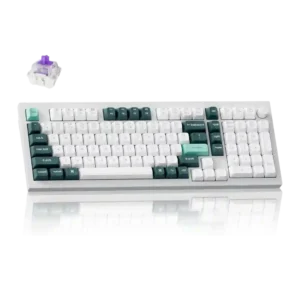
Frame rigidity was strongly praised, with reviewers pointing to a solid metal body, sturdy construction, and zero flex.
Pros: cable quality, typing comfort
Cons: portability, switch options
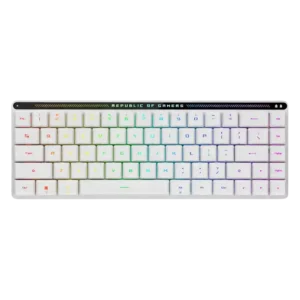
Frame rigidity is a major strength; multiple reviewers report no deck flex, creaking, or a rock-solid base.
Pros: reliability, typing comfort
Cons: cable quality, wrist rest quality
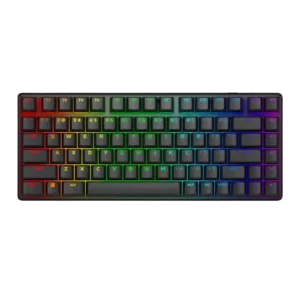
Frame rigidity was excellent across the reviews that tested it, with reviewers reporting little to no flex.
Pros: key stability, backlight brightness
Cons: rapid trigger support, wrist rest quality
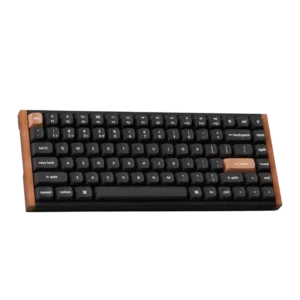
Frame rigidity was praised in the reviews that discussed it, including no deck flex, rigid construction, and ultra-stable typing.
Pros: wrist rest quality, onboard memory
Cons: per-key lighting control, switch options
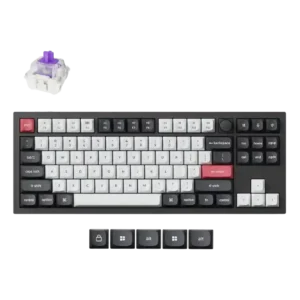
Frame rigidity and desk stability were strong positives, with reviewers noting solidity, lack of movement, and clean manufacturing.
Pros: build quality, extra gaming features
Cons: switch options, hot-swappable switches
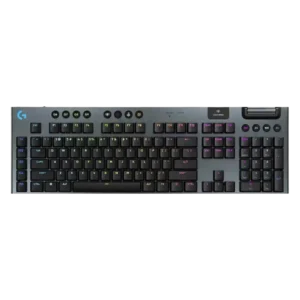
Frame rigidity was one of the strongest areas, with reviewers repeatedly reporting little to no flex and a rigid aluminum-reinforced frame.
Pros: stabilizer quality, latency
Cons: ease of switch replacement, hot-swappable switches
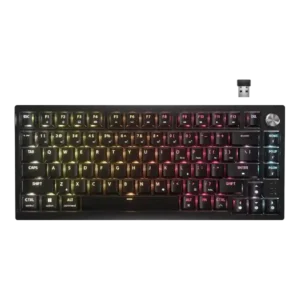
The frame was usually described as rigid and flex-resistant thanks to internal plates and solid construction, with one reviewer noting some chassis flex.
Pros: latency, durability
Cons: legend visibility, rapid trigger support
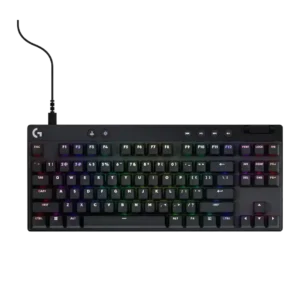
Frame rigidity is a major positive in many reviews, with repeated praise for no flex, sturdy frames, and inflexible plates.
Pros: durability, per-key lighting control
Cons: noise level, sound dampening
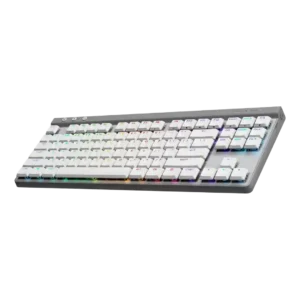
Frame rigidity was praised, with several reviewers reporting little to no flex despite the all-plastic construction.
Pros: latency, wireless performance
Cons: rapid trigger support, ease of switch replacement
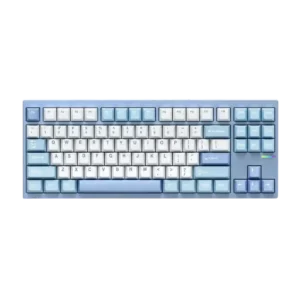
Frame rigidity was mostly praised for its solid, flex-free construction, though the quick-release design was seen by one reviewer as less sturdy than screws.
Pros: value for money, customization options
Cons: cable quality, portability
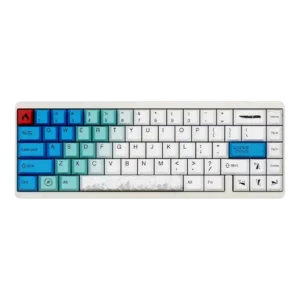
Frame rigidity and heft were praised because the heavy board felt stable, solid, and hard to knock around.
Pros: durability, key responsiveness
Cons: reliability, RGB customization
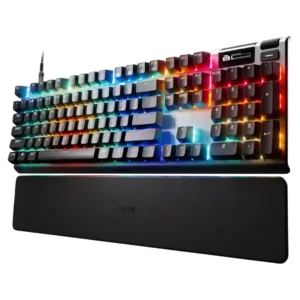
The Mini review found the board difficult to flex or bend, supporting strong frame rigidity for that version.
Pros: key responsiveness, durability
Cons: passthrough features, analog input support
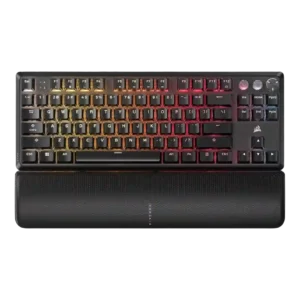
Frame rigidity was usually strong, with many reviewers noting little or no flex, though one review found more flex than expected.
Pros: per-key lighting control, key responsiveness
Cons: ease of switch replacement, battery life
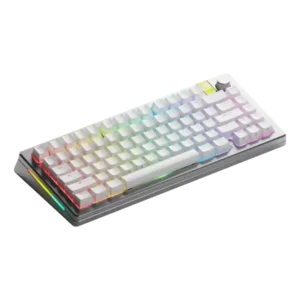
Frame rigidity was generally strong on metal builds, though one review noted the entry-level plastic version felt too flexible.
Pros: materials quality, customization options
Cons: reliability, actuation consistency
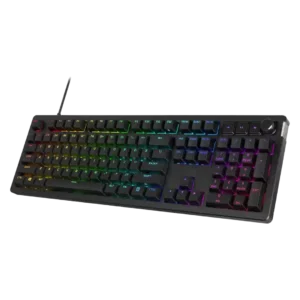
Frame rigidity is mixed: reviewers praise flex-free construction, but several criticize the magnetic top plate for looseness or easy removal.
Pros: compatibility, legend visibility
Cons: wrist rest quality, cable quality
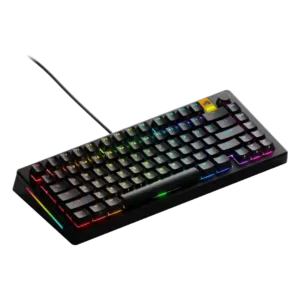
Frame rigidity was mixed, with one reviewer noting chassis flex while another said the case was generally rigid aside from top-case movement.
Pros: RGB lighting quality, layout options
Cons: frame rigidity, value for money