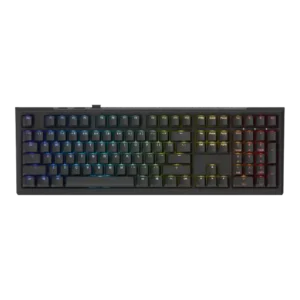
Key stability drew strong praise where discussed, especially for reduced wobble, stable switches, and well-controlled larger keys.
Pros: typing feel, key stability
Cons: profile management, wrist rest quality
Key stability drew strong praise where discussed, especially for reduced wobble, stable switches, and well-controlled larger keys.
Pros: typing feel, key stability
Cons: profile management, wrist rest quality
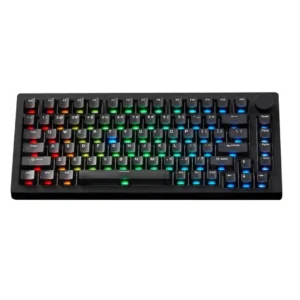
Key stability receives strong praise, especially for minimal stem wobble and stable switch feel.
Pros: switch options, hot-swappable switches
Cons: portability, cable quality
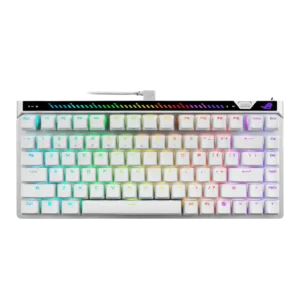
Key stability was strong, with reviewers reporting little wobble and a firm, stable board feel.
Pros: key responsiveness, latency
Cons: analog input support, wrist rest quality
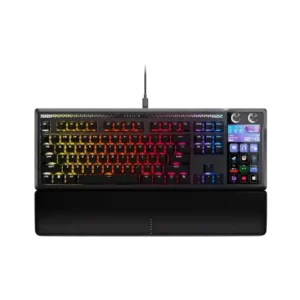
Key stability is generally positive where discussed, with firm keycaps and limited stem wobble. The better-tuned examples feel stable rather than loose or rattly.
Pros: customization options, ease of switch replacement
Cons: reliability, analog input support
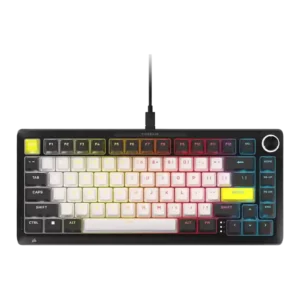
Key stability was generally positive, with smooth, stable switches, non-wobbly keys, and useful gaming firmness.
Pros: per-key lighting control, durability
Cons: portability, noise level
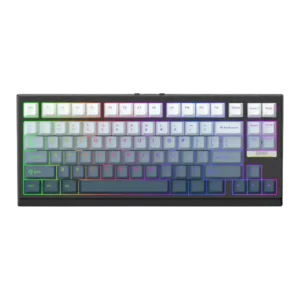
Key stability was positive overall, with one reviewer noting limited wobble and another praising how the board stayed put while typing.
Pros: desk space efficiency, layout options
Cons: compatibility
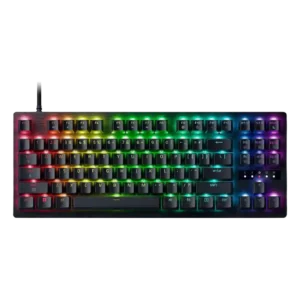
Key stability is a weak point in one review, which reports noticeable wobble that makes presses feel less secure.
Pros: polling rate, RGB customization
Cons: key stability, typing comfort