Best for key stability
be quiet! Dark Mount
5.0 feature score
Highest scored product for this feature based on supporting review evidence.
Highest scored product for this feature based on supporting review evidence.
Balances feature score, supporting reviews, and overall product strength.
Has the broadest review evidence for this feature.
Strongest overall product among items with scored evidence for this feature.
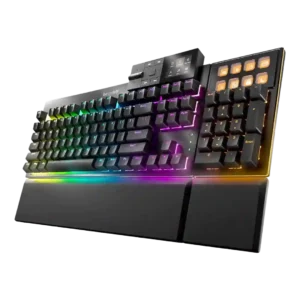
Key stability was strong in the main board, with reviewers highlighting little wobble, consistent stabilized keys, and planted feel.
Pros: key stability, per-key lighting control
Cons: analog input support, wireless performance
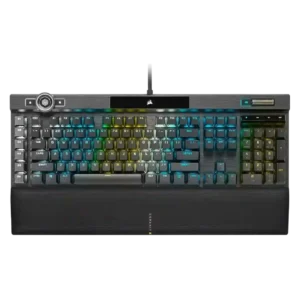
Key stability receives strong praise from reviewers who note almost no tilt, no rattle, and no flex or wobble in the keys.
Pros: actuation consistency, key stability
Cons: hot-swappable switches, switch options
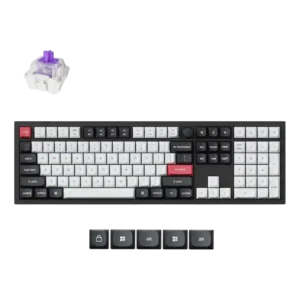
Key stability was a major strength, with reviewers emphasizing virtually no wobble and very stable magnetic switches.
Pros: key stability, frame rigidity
Cons: portability, switch options
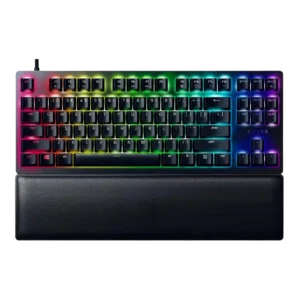
Longer keys were described as stable in some reviews, though this did not erase broader stabilizer complaints.
Pros: key stability, per-key lighting control
Cons: stabilizer quality, media controls
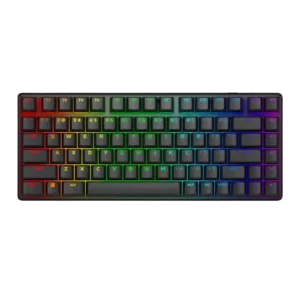
Key stability received limited but very positive evidence, with switch wobble described as minimal.
Pros: key stability, backlight brightness
Cons: rapid trigger support, wrist rest quality
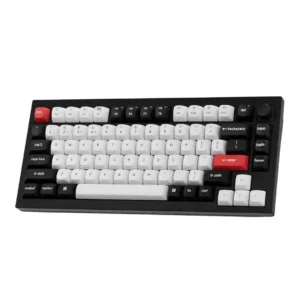
The only direct evidence is very positive, with one reviewer finding minimal lateral movement or stem wobble.
Pros: key stability, frame rigidity
Cons: profile management, reliability
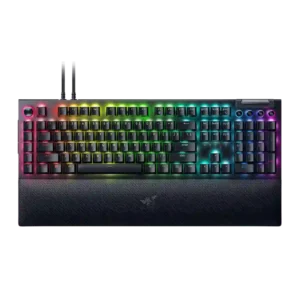
Key stability evidence was positive but limited, with one reviewer praising the switches for practically zero wobble.
Pros: key stability, ease of switch replacement
Cons: compatibility, battery life
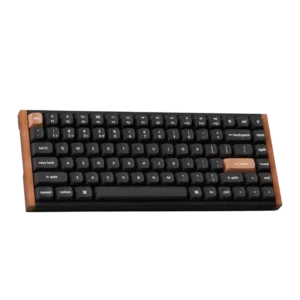
Key stability was repeatedly praised, with reviewers noting little or no wobble from double-rail switches and stabilized larger keys.
Pros: wrist rest quality, onboard memory
Cons: per-key lighting control, switch options
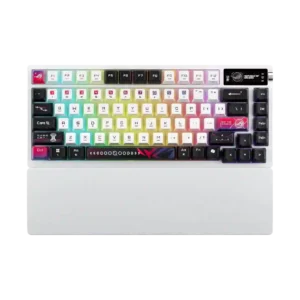
Key stability was praised through minimal stem wobble, stable keypresses, and no wobble or echo in typing tests.
Pros: latency, wireless performance
Cons: rapid trigger support, analog input support
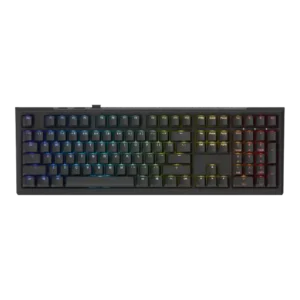
Key stability drew strong praise where discussed, especially for reduced wobble, stable switches, and well-controlled larger keys.
Pros: typing feel, key stability
Cons: profile management, wrist rest quality
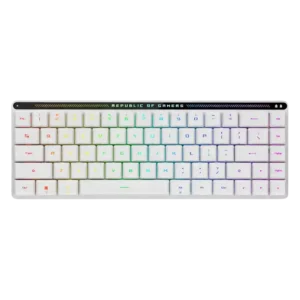
Key stability is highly praised; reviewers repeatedly mention minimal wobble, secure keycaps, and uniform feel.
Pros: reliability, typing comfort
Cons: cable quality, wrist rest quality
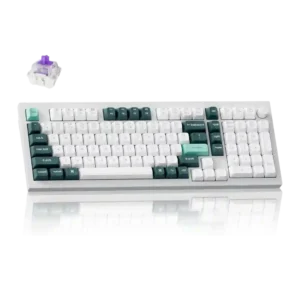
Key stability was praised thanks to the double-rail switch design, with reviewers noting reduced wobble and near-zero stem movement.
Pros: cable quality, typing comfort
Cons: portability, switch options
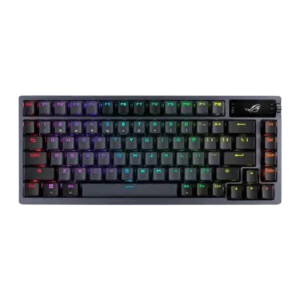
Key stability was praised mainly through the stable spacebar and measured keystrokes, with little wobble noted in broader switch feedback.
Pros: durability, wireless performance
Cons: passthrough features, onboard memory
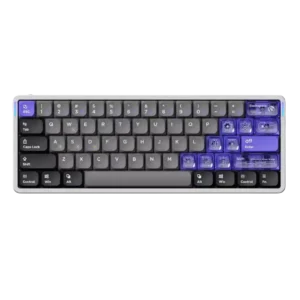
Key stability was praised when reviewers focused on dual-rail or low-wobble behavior, with only limited criticism elsewhere.
Pros: frame rigidity, rapid trigger support
Cons: switch options, legend visibility
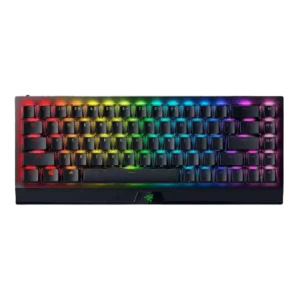
Key stability evidence was mostly positive where scored, with reviewers noting no wobble or very minimal wobble on the keys they tested.
Pros: per-key lighting control, backlight brightness
Cons: passthrough features, compatibility
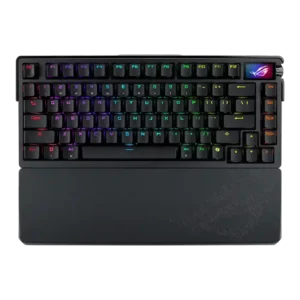
Key stability was praised for reduced wobble, commendable stability, and strong stabilization across the board.
Pros: key spacing, reliability
Cons: rapid trigger support, analog input support
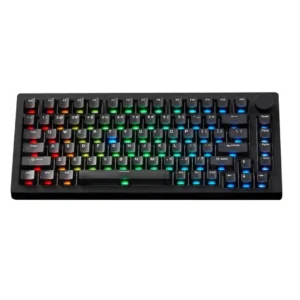
Key stability receives strong praise, especially for minimal stem wobble and stable switch feel.
Pros: switch options, hot-swappable switches
Cons: portability, cable quality
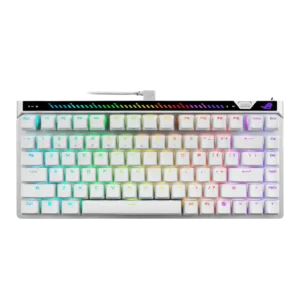
Key stability was strong, with reviewers reporting little wobble and a firm, stable board feel.
Pros: key responsiveness, latency
Cons: analog input support, wrist rest quality
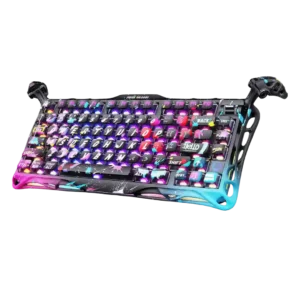
One reviewer praised the switches as stable with minimal wiggle or wobble.
Pros: legend visibility, key responsiveness
Cons: connectivity, cable quality
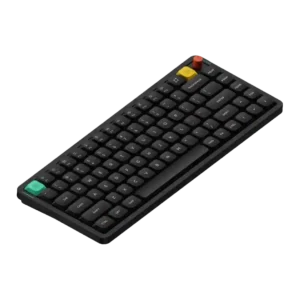
Switch stability received positive evidence from one reviewer, who reported minimal wobble and no spring ping.
Pros: key responsiveness, typing feel
Cons: per-key lighting control, legend visibility
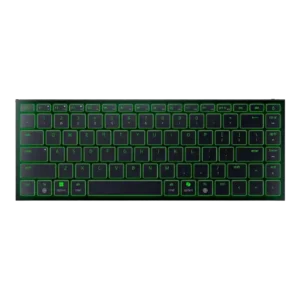
PCMag specifically found no wobble or mush in the keys, supporting a strong key-stability score.
Pros: frame rigidity, size and form factor
Cons: sound dampening, per-key lighting control
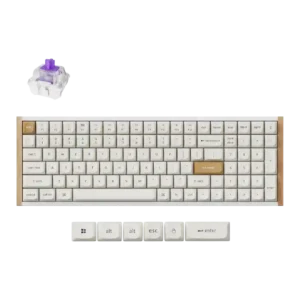
Key stability was praised through double-rail switch stability, low wobble, and smooth stable key behavior.
Pros: durability, rapid trigger support
Cons: per-key lighting control, stabilizer quality
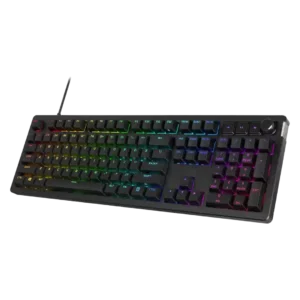
Key stability is praised where discussed, with reviewers noting stable switches and keys that stay in place even after customization.
Pros: compatibility, legend visibility
Cons: wrist rest quality, cable quality
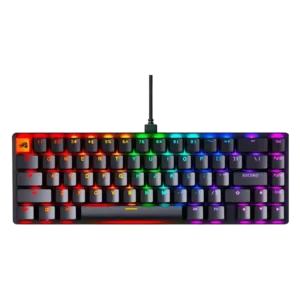
Key stability was generally strong, with comments about stable keys, reduced wobble, and a smoother switch feel.
Pros: compatibility, key responsiveness
Cons: wrist rest quality, key spacing
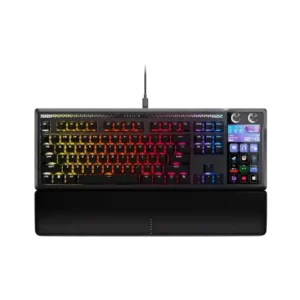
Key stability is generally positive where discussed, with firm keycaps and limited stem wobble. The better-tuned examples feel stable rather than loose or rattly.
Pros: customization options, ease of switch replacement
Cons: reliability, analog input support
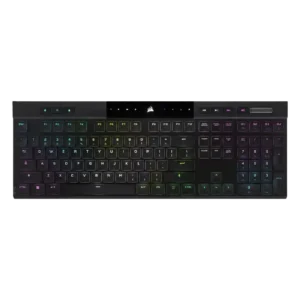
Key stability was praised where discussed, with reviewers citing balanced keys and very little wobble.
Pros: backlight brightness, actuation consistency
Cons: sound dampening, stabilizer quality
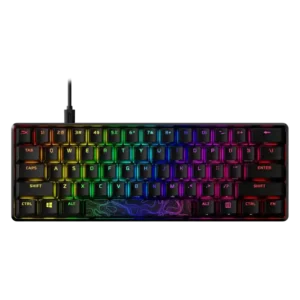
Key stability is generally positive, with reviewers noting no wobble or only minor wobble that was not distracting.
Pros: latency, actuation consistency
Cons: ease of switch replacement, reliability
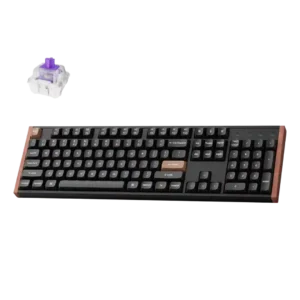
Key stability was praised through clean, stable keypresses and a nicely weighted spacebar.
Pros: wireless performance, key responsiveness
Cons: switch options, desk space efficiency
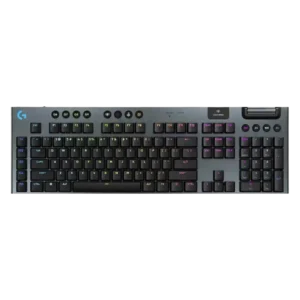
Key stability improved over prior models, with reviewers noting reduced wobble, stable keys, and less rattling.
Pros: stabilizer quality, latency
Cons: ease of switch replacement, hot-swappable switches
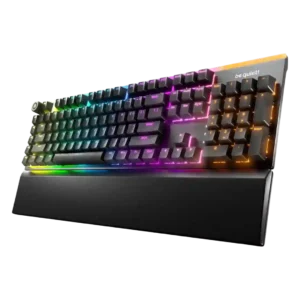
Key stability is a strength, with reviewers praising stable large keys, minimal rattle, and strong stabilizer behavior.
Pros: ease of switch replacement, acoustics
Cons: rapid trigger support, analog input support
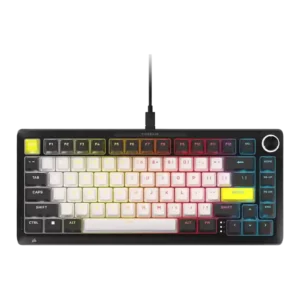
Key stability was generally positive, with smooth, stable switches, non-wobbly keys, and useful gaming firmness.
Pros: per-key lighting control, durability
Cons: portability, noise level
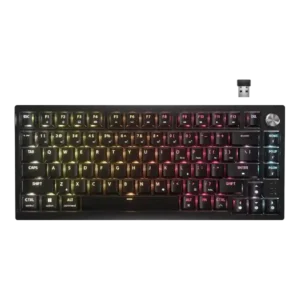
Key stability evidence was limited but positive, with reviewers noting little wobble and consistent key behavior.
Pros: latency, durability
Cons: legend visibility, rapid trigger support
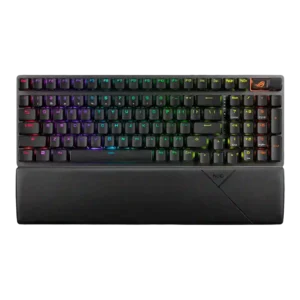
Key stability is a strong point: reviewers describe reduced wobble, stable keystrokes, better typing stability, and almost no wobble on the switches.
Pros: per-key lighting control, wireless performance
Cons: rapid trigger support, analog input support
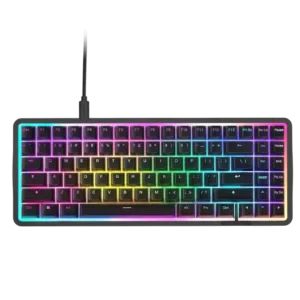
Key stability was mostly positive thanks to dual-rail switches and stabilized presses, with one side-by-side test finding slight wobble.
Pros: latency, acoustics
Cons: passthrough features, wireless performance
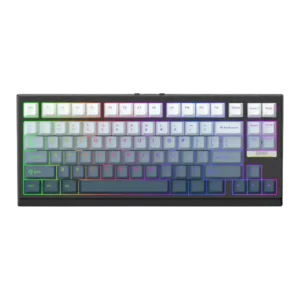
Key stability was positive overall, with one reviewer noting limited wobble and another praising how the board stayed put while typing.
Pros: desk space efficiency, layout options
Cons: compatibility
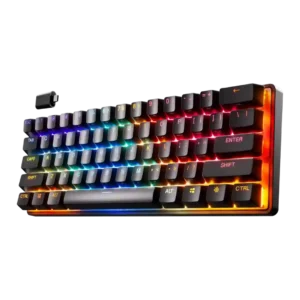
One review praised key stability, saying the keycaps felt nice with little to no wiggle on the switches.
Pros: latency, key responsiveness
Cons: hot-swappable switches, ease of switch replacement
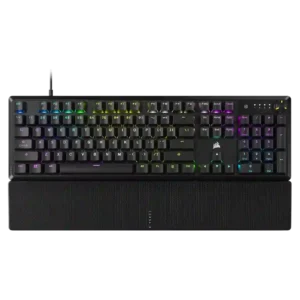
Key stability was viewed positively overall, with limited wobble noted across keycaps and stabilizer-supported keys.
Pros: per-key lighting control, compatibility
Cons: ease of switch replacement, hot-swappable switches
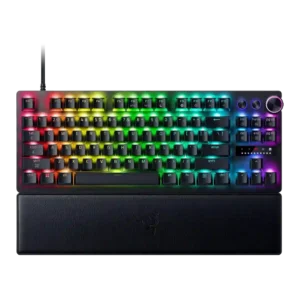
Key stability was mostly positive because reviewers noted reduced stem wobble or well-controlled stabilizing, though larger keys could still wobble on the Mini.
Pros: key responsiveness, actuation consistency
Cons: switch options, hot-swappable switches
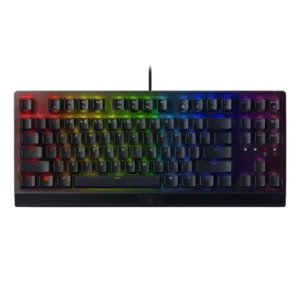
Key stability was mixed: some evidence praised the switch/keycap stabilizing design, while another review noted wobble on larger keys.
Pros: latency, durability
Cons: sound dampening, passthrough features
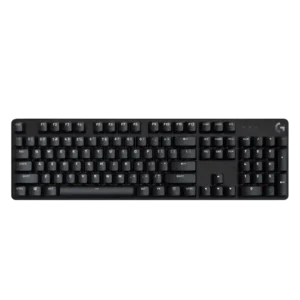
Key stability receives limited positive evidence from one reviewer who found only slight wobble and did not consider it worrying.
Pros: durability, desk space efficiency
Cons: switch options, onboard memory
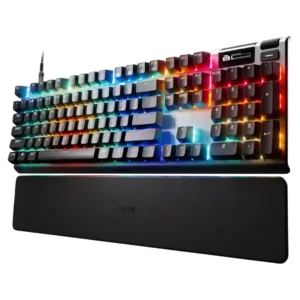
One review found individual key wobble small enough on the dual-rail Hall-effect switches, supporting generally stable key travel.
Pros: key responsiveness, durability
Cons: passthrough features, analog input support
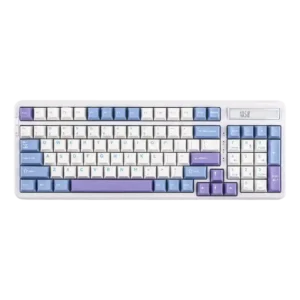
Key stability was mixed: several reviews praised stable larger keys, while one review criticized keys dipping into the PCB.
Pros: ease of switch replacement, typing feel
Cons: key spacing, layout options
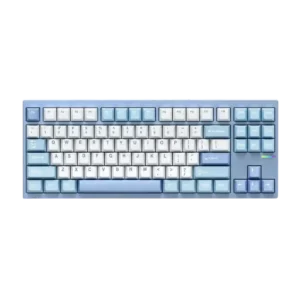
Key stability evidence was mixed: one reviewer disliked the plate-mounted stabilizer tradeoff, while another found the installed stabilizers secure and free of ticking.
Pros: value for money, customization options
Cons: cable quality, portability
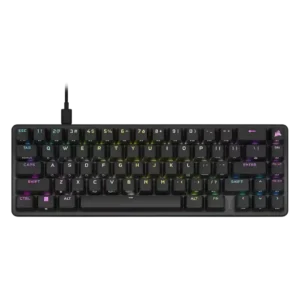
Key stability was generally good, helped by stabilizers, though one reviewer noted bounce or looseness in the small layout.
Pros: volume control, key responsiveness
Cons: wireless performance, wrist rest quality
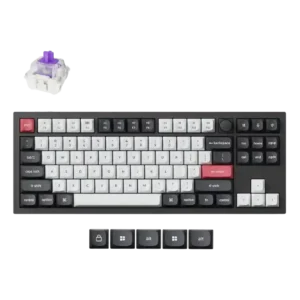
Key stability had a moderate caveat because the spacebar was described as a bit wobbly in one review.
Pros: build quality, extra gaming features
Cons: switch options, hot-swappable switches
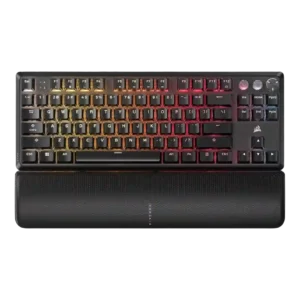
Key stability had limited evidence; the one scored review found some wobble but said it was not distracting in normal use.
Pros: per-key lighting control, key responsiveness
Cons: ease of switch replacement, battery life
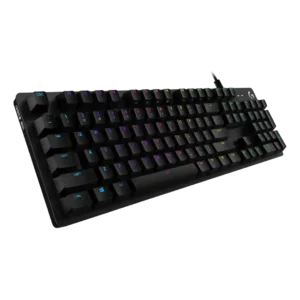
Large-key stability is acceptable but not flawless, with one reviewer noting slight rattle while still calling the bigger keys stable.
Pros: key spacing, key responsiveness
Cons: reliability, connectivity
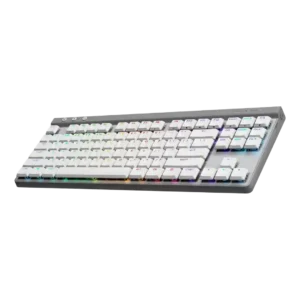
Key stability was mixed: some reviews found wobble minimal or improved, while others complained about loose keycaps or rattle.
Pros: latency, wireless performance
Cons: rapid trigger support, ease of switch replacement
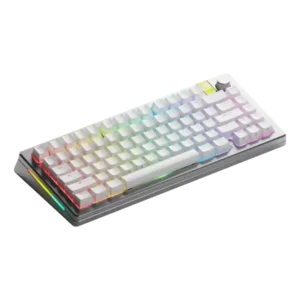
Key stability was mixed: some reviewers found low wobble, while others noted Hall effect switch wobble or loose-feeling keys depending on configuration.
Pros: materials quality, customization options
Cons: reliability, actuation consistency
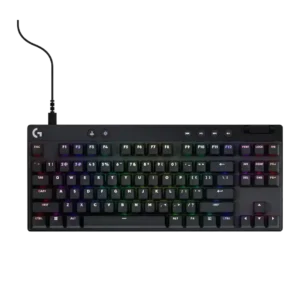
Key stability is inconsistent, ranging from firm, low-wobble keys to severe wobble complaints on the Pro X 60.
Pros: durability, per-key lighting control
Cons: noise level, sound dampening