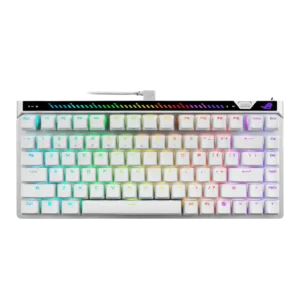
Latency feedback was excellent, with reviewers praising the wired connection and minimal signal delay.
Pros: key responsiveness, latency
Cons: analog input support, wrist rest quality
Latency feedback was excellent, with reviewers praising the wired connection and minimal signal delay.
Pros: key responsiveness, latency
Cons: analog input support, wrist rest quality
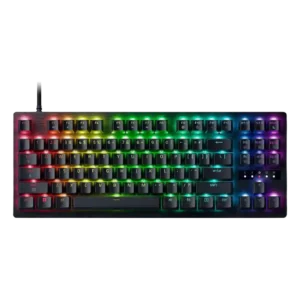
Latency is a major strength, with reviewers tying the 8KHz implementation to extremely low input delay and tight on-screen response.
Pros: polling rate, RGB customization
Cons: key stability, typing comfort
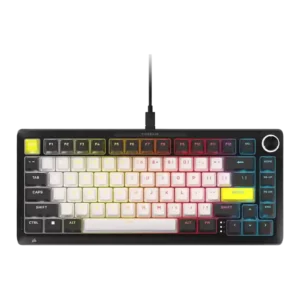
Latency evidence was strongly positive, especially around immediate feel, low-latency operation, and wired-equivalent responsiveness.
Pros: per-key lighting control, durability
Cons: portability, noise level
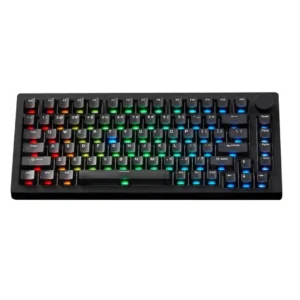
Latency evidence is positive overall, with reviewers reporting very low measured latency and no meaningful lag in wired or wireless use.
Pros: switch options, hot-swappable switches
Cons: portability, cable quality
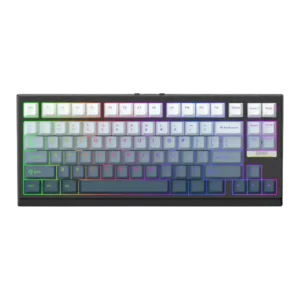
Latency evidence was positive where discussed, with the wired Type-C connection praised for consistency and less lag.
Pros: desk space efficiency, layout options
Cons: compatibility
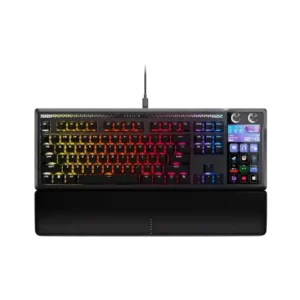
Reviewers like the low-latency promise of 8,000Hz polling and shorter hand travel to the Stream Deck controls. One reviewer did notice input delay on the Stream Deck side during rapid...
Pros: customization options, ease of switch replacement
Cons: reliability, analog input support
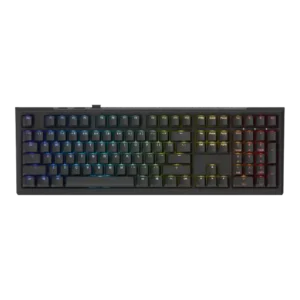
Latency impressions were mostly positive in wired and wireless use, but one reviewer questioned the latency tradeoff of going wireless for a performance keyboard.
Pros: typing feel, key stability
Cons: profile management, wrist rest quality