Best for latency
Logitech G915 Lightspeed
5.0 feature score
Highest scored product for this feature based on supporting review evidence.
Highest scored product for this feature based on supporting review evidence.
Balances feature score, supporting reviews, and overall product strength.
Has the broadest review evidence for this feature.
Strongest overall product among items with scored evidence for this feature.
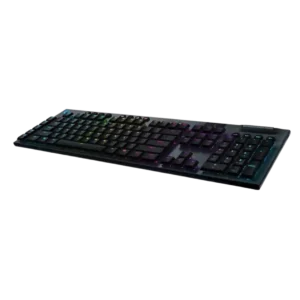
Latency is a major strength, with reviewers repeatedly saying lag was imperceptible, nonexistent, or indistinguishable from wired use.
Pros: latency, polling rate
Cons: passthrough features, cable quality
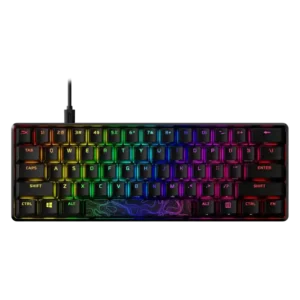
Latency evidence is strongly positive: reviewers measured tight or very low latency and reported no detectable lag in use.
Pros: latency, actuation consistency
Cons: ease of switch replacement, reliability
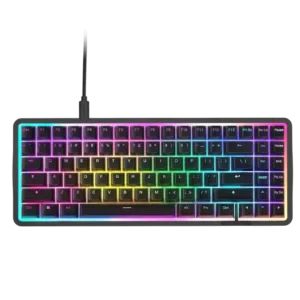
Latency impressions were highly positive, with reviewers citing near-zero or nearly no delay in typing and gameplay.
Pros: latency, acoustics
Cons: passthrough features, wireless performance
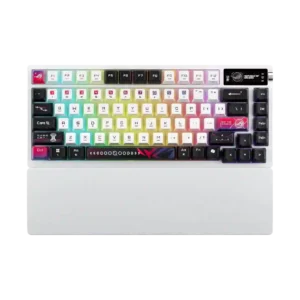
Latency evidence was strongly positive, with reviewers reporting delay-free input and no wireless latency problems in testing.
Pros: latency, wireless performance
Cons: rapid trigger support, analog input support
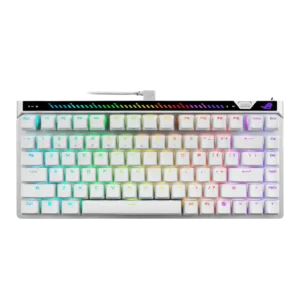
Latency feedback was excellent, with reviewers praising the wired connection and minimal signal delay.
Pros: key responsiveness, latency
Cons: analog input support, wrist rest quality
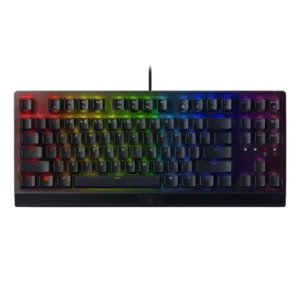
Latency evidence was strongly positive, with one review calling it remarkably low and another praising the fast Yellow switch for rapid-fire key presses.
Pros: latency, durability
Cons: sound dampening, passthrough features
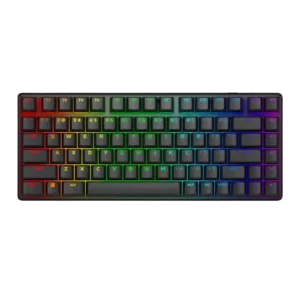
Latency feedback was strongly positive: multiple reviewers reported no noticeable lag or delay over 2.4GHz wireless, wired use, or general testing.
Pros: key stability, backlight brightness
Cons: rapid trigger support, wrist rest quality
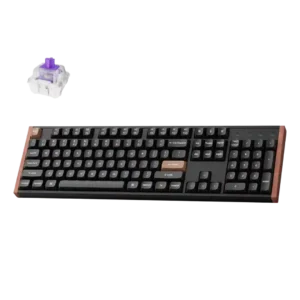
Latency impressions were highly positive, with reviewers calling response time blazingly fast and the keyboard very responsive.
Pros: wireless performance, key responsiveness
Cons: switch options, desk space efficiency
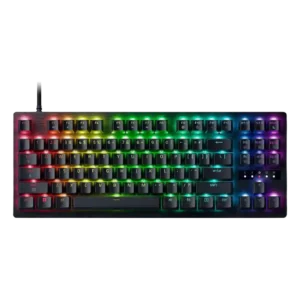
Latency is a major strength, with reviewers tying the 8KHz implementation to extremely low input delay and tight on-screen response.
Pros: polling rate, RGB customization
Cons: key stability, typing comfort
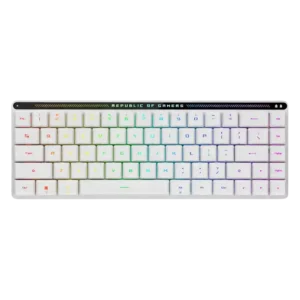
Latency evidence is strongly positive, with reviewers reporting near-zero latency, no perceivable input delay, and strong low-latency wireless performance.
Pros: reliability, typing comfort
Cons: cable quality, wrist rest quality
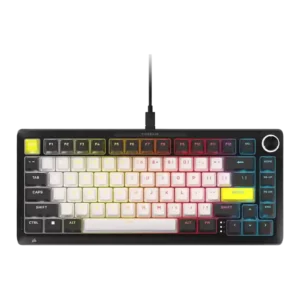
Latency evidence was strongly positive, especially around immediate feel, low-latency operation, and wired-equivalent responsiveness.
Pros: per-key lighting control, durability
Cons: portability, noise level
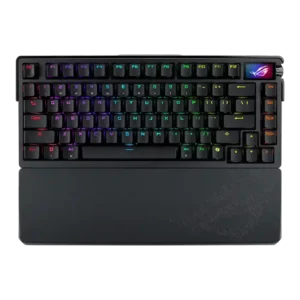
Latency evidence was strongly positive, with reviewers reporting no noticeable lag, near-zero latency, and improved reaction feel.
Pros: key spacing, reliability
Cons: rapid trigger support, analog input support
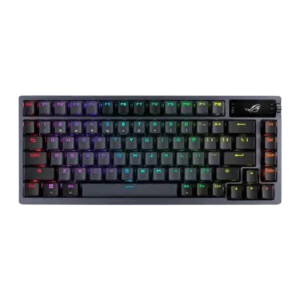
Latency was considered excellent for wireless gaming, with multiple reviewers reporting there was no noticeable lag between me pressing a key or very low-latency behavior.
Pros: durability, wireless performance
Cons: passthrough features, onboard memory
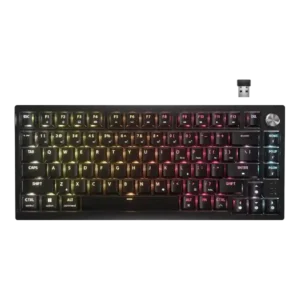
Wireless latency feedback was very positive, with reviewers reporting no noticeable lag or dropout issues in gaming.
Pros: latency, durability
Cons: legend visibility, rapid trigger support
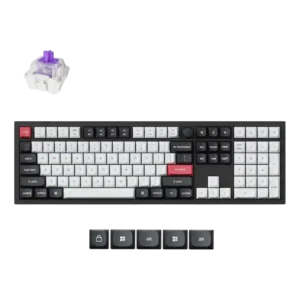
Latency evidence was highly positive for wired testing, where the reviewer reported no lag and very responsive input.
Pros: key stability, frame rigidity
Cons: portability, switch options
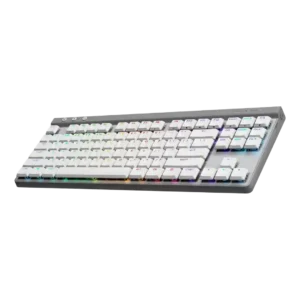
Latency impressions were excellent over Lightspeed, with reviewers repeatedly saying the wireless connection felt indistinguishable from wired or showed no noticeable delay.
Pros: latency, wireless performance
Cons: rapid trigger support, ease of switch replacement
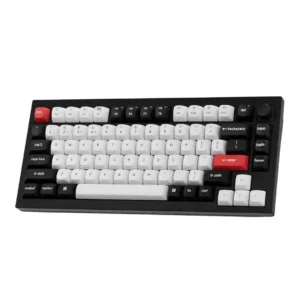
Latency evidence is very strong in wired and 2.4GHz modes, with reviewers finding wireless close to wired or solid in testing.
Pros: key stability, frame rigidity
Cons: profile management, reliability
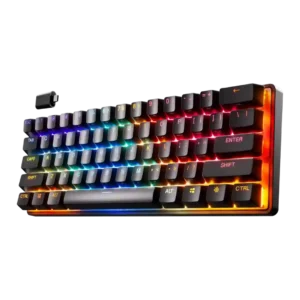
Latency impressions were very positive in gaming-focused reviews, where the board was described as lightning fast, hair-trigger, and immediately in sync with movement.
Pros: latency, key responsiveness
Cons: hot-swappable switches, ease of switch replacement
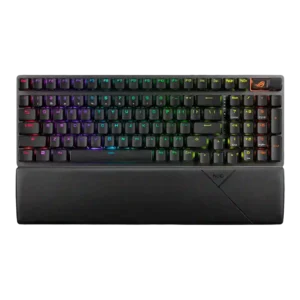
Latency is a major strength in the evidence: reviewers report low response times, no felt lag, and near-zero wireless delay in real gaming use.
Pros: per-key lighting control, wireless performance
Cons: rapid trigger support, analog input support
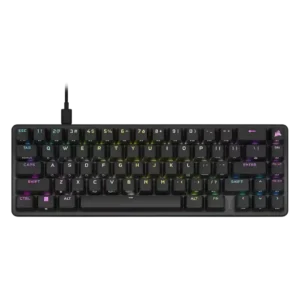
Latency was praised where discussed, especially in reviews that emphasized the wired connection and very low-latency behavior.
Pros: volume control, key responsiveness
Cons: wireless performance, wrist rest quality
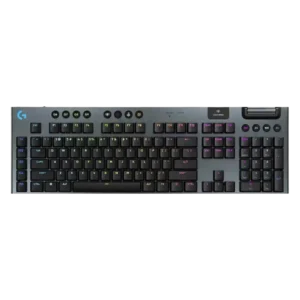
Latency was consistently praised in Lightspeed or wired use, with reviewers reporting no noticeable lag and very low input delay.
Pros: stabilizer quality, latency
Cons: ease of switch replacement, hot-swappable switches
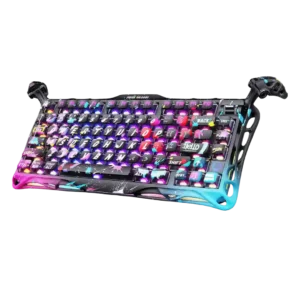
Latency impressions were very positive, with reviewers reporting no lag and one latency test calling the measured result crazy fast.
Pros: legend visibility, key responsiveness
Cons: connectivity, cable quality
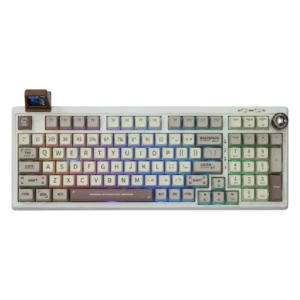
Latency evidence is mostly positive, with several reviewers reporting no discernible lag over 2.4GHz and acceptable wireless responsiveness.
Pros: noise level, acoustics
Cons: rapid trigger support, actuation consistency
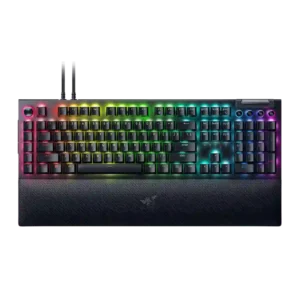
Latency was praised on the wired full-size board, especially alongside high polling, where reviewers reported zero lag, smoothness, and low-latency gaming.
Pros: key stability, ease of switch replacement
Cons: compatibility, battery life
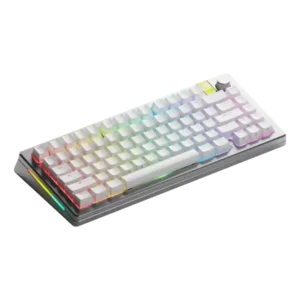
Latency impressions were strongly positive in the reviews that discussed it, with no reported lag in wireless use and flawless delay-free performance.
Pros: materials quality, customization options
Cons: reliability, actuation consistency
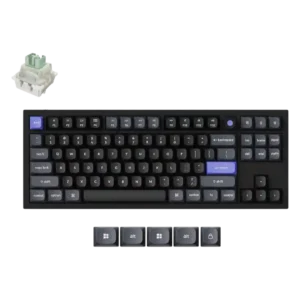
The switch sensing was described as high-accuracy and ultra-low-latency.
Pros: key responsiveness, polling rate
Cons: switch options, portability
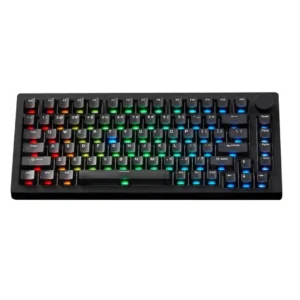
Latency evidence is positive overall, with reviewers reporting very low measured latency and no meaningful lag in wired or wireless use.
Pros: switch options, hot-swappable switches
Cons: portability, cable quality
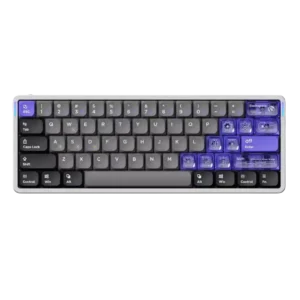
Latency was consistently praised as very low or imperceptible, with reviewers tying the board’s wired design and 8K capability to fast response.
Pros: frame rigidity, rapid trigger support
Cons: switch options, legend visibility
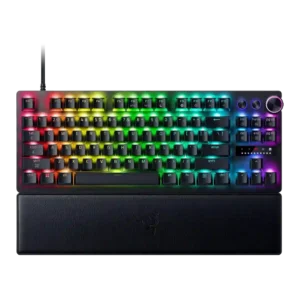
Latency impressions were mostly excellent, especially on 8K models, though one reviewer argued the measured advantage was too small for humans to feel.
Pros: key responsiveness, actuation consistency
Cons: switch options, hot-swappable switches
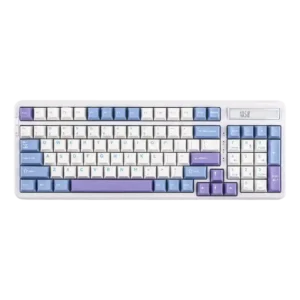
Latency evidence was positive, especially for wired and 2.4GHz use, with Bluetooth impact described as negligible by one reviewer.
Pros: ease of switch replacement, typing feel
Cons: key spacing, layout options
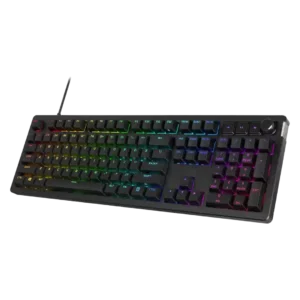
Latency is usually praised as essentially unnoticeable or extremely low, though Dexerto notes it cannot match faster hall-effect gaming boards.
Pros: compatibility, legend visibility
Cons: wrist rest quality, cable quality
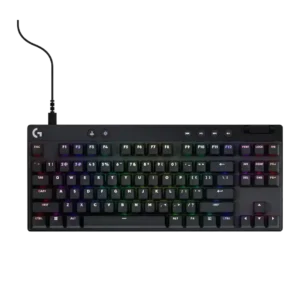
Latency is a strength in wireless models, where reviewers repeatedly describe Lightspeed as low-latency or effectively wired-like.
Pros: durability, per-key lighting control
Cons: noise level, sound dampening
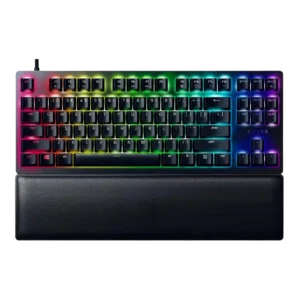
Latency measured as a strength in reviewer impressions, though several reviewers questioned whether users can actually feel the difference.
Pros: key stability, per-key lighting control
Cons: stabilizer quality, media controls
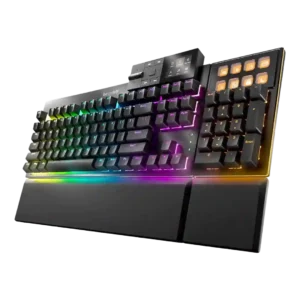
Latency-related feedback was positive where discussed, with reviewers saying response time felt sharp and quick during fast or complex input.
Pros: key stability, per-key lighting control
Cons: analog input support, wireless performance
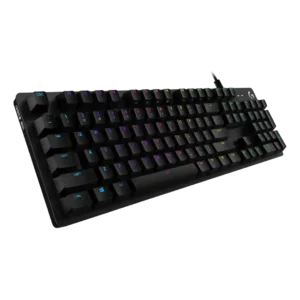
Latency impressions are positive, with reviewers saying performance felt fast and one calling the switch response extremely quick.
Pros: key spacing, key responsiveness
Cons: reliability, connectivity
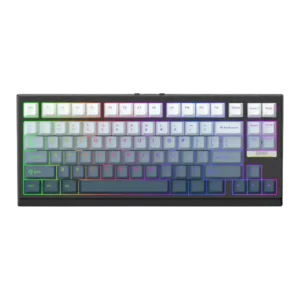
Latency evidence was positive where discussed, with the wired Type-C connection praised for consistency and less lag.
Pros: desk space efficiency, layout options
Cons: compatibility
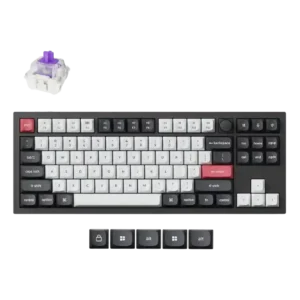
Latency evidence was positive in testing, with no input lag noticed during use.
Pros: build quality, extra gaming features
Cons: switch options, hot-swappable switches
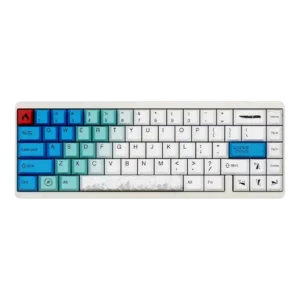
Latency was praised in testing, with no input lag noticed during gameplay.
Pros: durability, key responsiveness
Cons: reliability, RGB customization
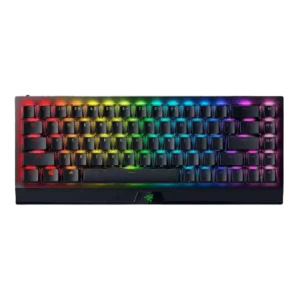
Latency feedback was mostly strong for wired and HyperSpeed use, with reviewers seeing little or no delay; lag mainly appeared with Bluetooth, low battery, or unified dongle issues.
Pros: per-key lighting control, backlight brightness
Cons: passthrough features, compatibility
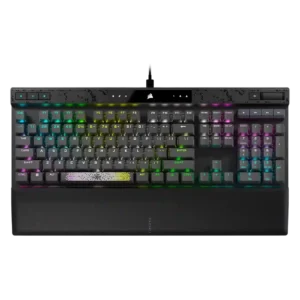
Latency performance was mostly praised, especially with fast polling and instant-feeling registration, though some reviewers framed the highest settings as niche.
Pros: reliability, key responsiveness
Cons: desk space efficiency, wireless performance
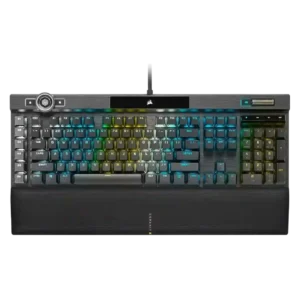
Latency impressions are mostly positive in real use, including reports of no lag or instant action, but some reviewers question whether the sub-millisecond gains are perceptible.
Pros: actuation consistency, key stability
Cons: hot-swappable switches, switch options
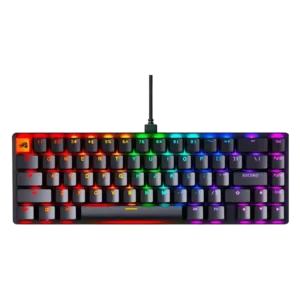
Latency control was viewed positively, especially when reviewers lowered input latency for more responsive or more competitive gaming.
Pros: compatibility, key responsiveness
Cons: wrist rest quality, key spacing
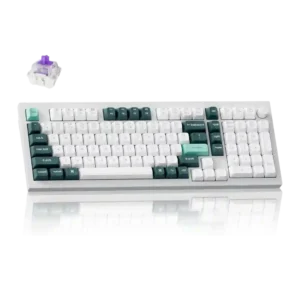
Latency impressions were positive overall, with reviewers reporting no noticeable input lag, while still acknowledging some competitors measure faster.
Pros: cable quality, typing comfort
Cons: portability, switch options
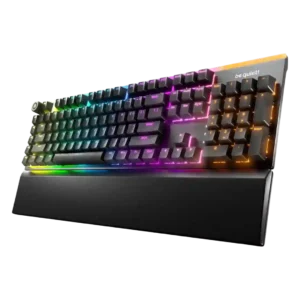
Latency evidence is limited but positive, with reviewers reporting no noticeable delay or performance limitation.
Pros: ease of switch replacement, acoustics
Cons: rapid trigger support, analog input support
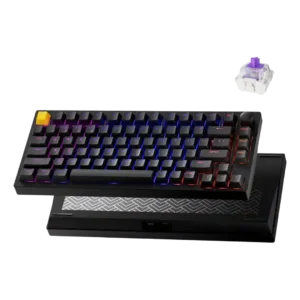
Latency was considered good enough for most users, with no input-lag problems reported, though not at the fastest esports tier.
Pros: frame rigidity, stabilizer quality
Cons: per-key lighting control, RGB customization
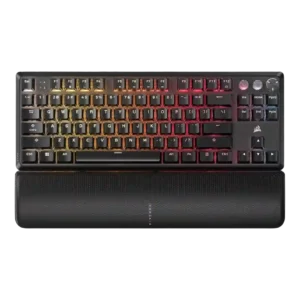
Latency impressions were positive in several gaming reviews, but some reviewers said the measurable gains were too small for humans to feel.
Pros: per-key lighting control, key responsiveness
Cons: ease of switch replacement, battery life

Latency impressions were positive overall, helped by 1,000 Hz operation and an ultra-low-latency mode, though this is still framed as strong budget performance rather than elite Hall Effect speed.
Pros: value for money, customization options
Cons: cable quality, portability
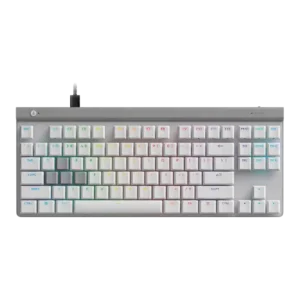
Latency was considered strong for wired competitive use, though one review noted the absence of newer 8K polling limits the ceiling.
Pros: key responsiveness, ergonomics
Cons: wireless performance, volume control
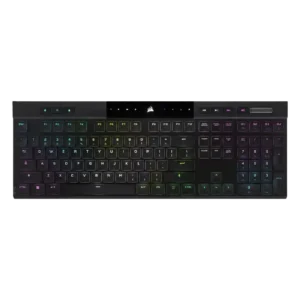
Latency was generally strong for wired and Slipstream use, though Bluetooth drew a lower judgment in one review.
Pros: backlight brightness, actuation consistency
Cons: sound dampening, stabilizer quality
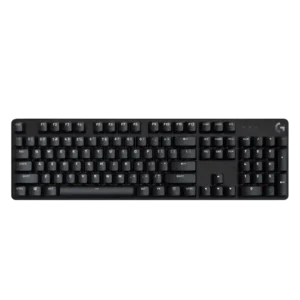
Latency-related evidence is positive but limited, with reviewers describing the keyboard as keeping up and parsing commands quickly.
Pros: durability, desk space efficiency
Cons: switch options, onboard memory