
Level design was widely admired for dense, layered spaces, fresh ideas, and challenge variety, especially once the game opens up.
Pros: gameplay mechanics, world interactivity
Cons: economy and resource balance, enemy variety
Showing Nintendo only. Switch back to all brands anytime.
Level design was widely admired for dense, layered spaces, fresh ideas, and challenge variety, especially once the game opens up.
Pros: gameplay mechanics, world interactivity
Cons: economy and resource balance, enemy variety

Level design is praised for distinct areas, route variety, and region-specific mechanics that add structure beyond simple room chains.
Pros: skill tree depth, dialogue quality
Cons: emotional impact, economy and resource balance
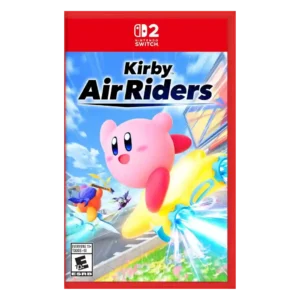
Track design was usually praised for style, branching, and spectacle, with only a few complaints about cramped layouts or visual overload.
Pros: flying mechanics, exploration quality
Cons: AI behavior, boss design

The main facilities drew praise for set-piece design and atmosphere, while linearity and the connective hub lowered scores for some critics.
Pros: world-building, frame rate stability
Cons: companion AI, upgrade system

Level design was praised when interiors, rooftops, and compact city layouts felt purposeful, even as repeated streets limited variety.
Pros: crash stability, gameplay mechanics
Cons: AI behavior, monetization fairness

Dedicated courses earned broad praise, especially standout tracks and Rainbow Road, but route-driven structure and wide connecting roads reduced enthusiasm for some.
Pros: animation quality, sound design
Cons: difficulty balance, AI behavior

Level design was a repeated weakness, with corridors, boxes, bland routes, and underused depths/sky spaces criticized.
Pros: animation quality, multiplayer design
Cons: save system reliability, companion AI