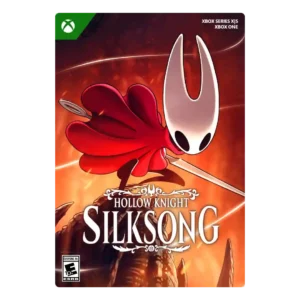
Level design is strongly praised for seamless area flow, purposeful rooms, thoughtful platform placement, and dense Metroidvania structure.
Pros: core gameplay loop, world interactivity
Cons: loot system, accessibility options
Level design is strongly praised for seamless area flow, purposeful rooms, thoughtful platform placement, and dense Metroidvania structure.
Pros: core gameplay loop, world interactivity
Cons: loot system, accessibility options

Level design was widely admired for dense, layered spaces, fresh ideas, and challenge variety, especially once the game opens up.
Pros: gameplay mechanics, world interactivity
Cons: economy and resource balance, enemy variety
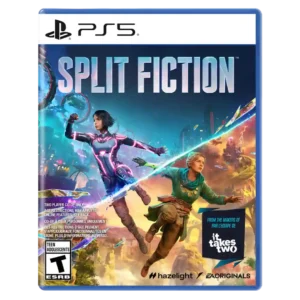
Level design stood out for memorable finales, strong set pieces, and mechanics that could sustain larger ideas.
Pros: puzzle design, level design
Cons: exploration quality, side character depth

Level design was praised for verticality, density, handcrafted routes, and spaces that felt larger than their footprint.
Pros: tutorial quality, level design
Cons: stealth mechanics, endgame content
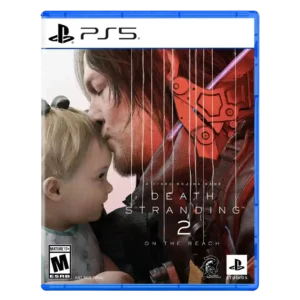
Level and environment design is praised for being more thoughtful and confident in how it leverages traversal.
Pros: animation quality, facial animations
Cons: quest design, AI behavior

Level design was praised for compact, meaningful areas and strong map layout, especially when supporting exploration, puzzles, and atmosphere.
Pros: voice acting, emotional impact
Cons: family friendliness, menu usability
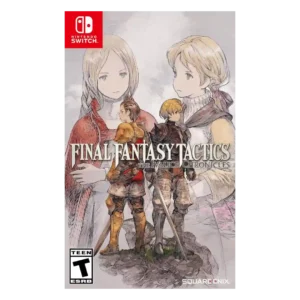
Level and map design remained a major strength because verticality and terrain created memorable tactical spaces.
Pros: emotional impact, polish
Cons: bug frequency, crash stability

Stage and level design earn praise for evolving Power Stone arenas and thoughtful layouts that support strategy and spectacle.
Pros: emotional impact, sound design
Cons: cross-play support, boss design
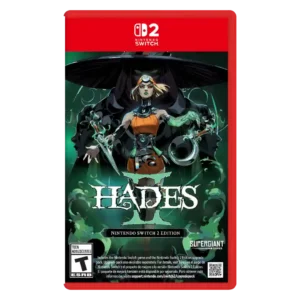
Level design is praised for distinct areas, route variety, and region-specific mechanics that add structure beyond simple room chains.
Pros: skill tree depth, dialogue quality
Cons: emotional impact, economy and resource balance
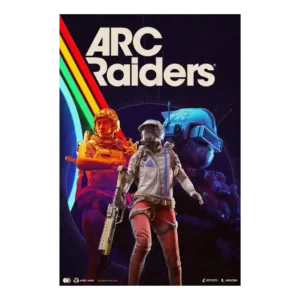
Maps received strong praise for flow, density, varied spaces, and strategic layouts across multiple reviews.
Pros: frame rate stability, platform-specific feature support
Cons: voice acting, writing quality
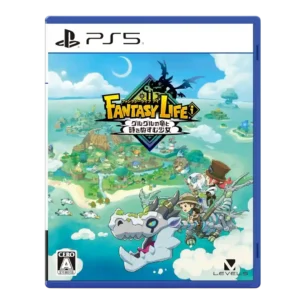
The roguelike dungeon rooms are praised for turning gentle life activities into timed, tense challenges.
Pros: load times, crash stability
Cons: originality, voice acting
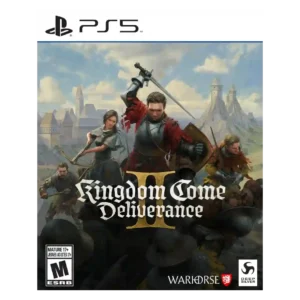
One reviewer praised the way locations were recontextualized into memorable set-pieces that rewarded planning and awareness.
Pros: soundtrack quality, fun factor
Cons: checkpoint system, family friendliness
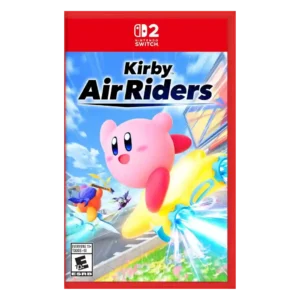
Track design was usually praised for style, branching, and spectacle, with only a few complaints about cramped layouts or visual overload.
Pros: flying mechanics, exploration quality
Cons: AI behavior, boss design
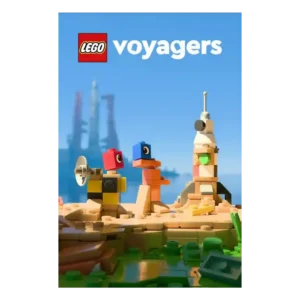
Reviewers praised level design for its handcrafted worlds, co-op readability, and sense of wonder, with a few comments on unclear routes.
Pros: writing quality, checkpoint system
Cons: menu usability, user interface design

Level design was broadly positive, especially THPS3 classics and the new Waterpark/Pinball/Movie Studio stages, though some THPS4 conversions drew criticism.
Pros: core gameplay loop, controls responsiveness
Cons: crash stability, cross-save support
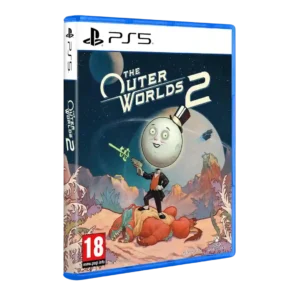
Dense openings and dungeon spaces earned strong praise, with reviewers singling out alternate routes and thoughtful layouts.
Pros: world-building, mission design
Cons: mission variety, enemy variety
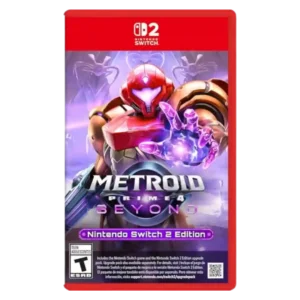
The main facilities drew praise for set-piece design and atmosphere, while linearity and the connective hub lowered scores for some critics.
Pros: world-building, frame rate stability
Cons: companion AI, upgrade system
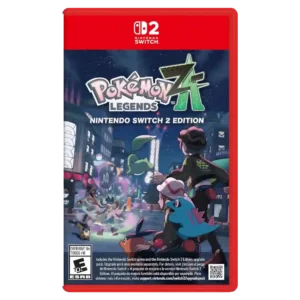
Level design was praised when interiors, rooftops, and compact city layouts felt purposeful, even as repeated streets limited variety.
Pros: crash stability, gameplay mechanics
Cons: AI behavior, monetization fairness
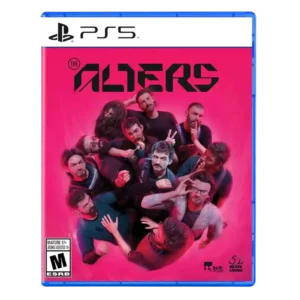
Level and map design were praised for dense, hand-crafted layouts and well-crafted act-specific maps.
Pros: controls responsiveness, onboarding experience
Cons: crash stability, grind level
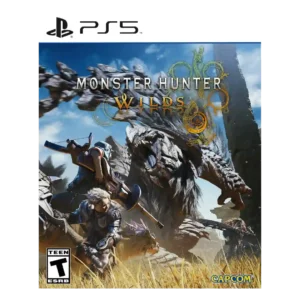
Level design was praised for world spaces with nooks, crannies, verticality, and useful layouts.
Pros: art direction, cross-play support
Cons: dialogue quality, monetization fairness

Level design is usually praised for scale, variety, secrets, and challenge structure, but some reviewers criticize flow, pacing, or underused combat spaces.
Pros: graphics quality, environmental detail
Cons: bug frequency, dialogue quality
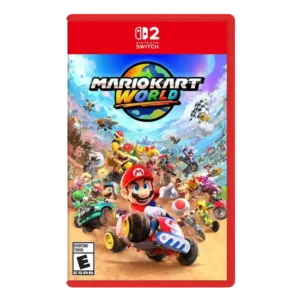
Dedicated courses earned broad praise, especially standout tracks and Rainbow Road, but route-driven structure and wide connecting roads reduced enthusiasm for some.
Pros: animation quality, sound design
Cons: difficulty balance, AI behavior
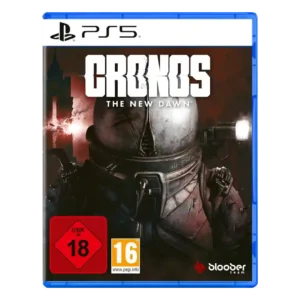
Level design was usually praised for shortcuts, layout, and environmental flow, but a few reviewers noted padding, repetition, or a lack of meaningful puzzle-like structure.
Pros: core gameplay loop, emotional impact
Cons: checkpoint system, bug frequency
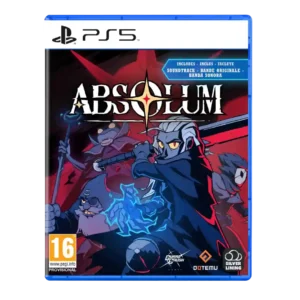
Level design earned praise for criss-crossing paths and route variety rather than a purely linear brawler flow.
Pros: mission design, world interactivity
Cons: quest design, endgame content
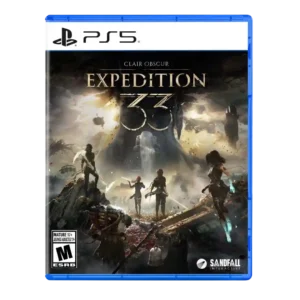
Level design ranged from hard-to-navigate areas to extravagant maps with rewarding side paths.
Pros: monetization fairness, microtransaction impact
Cons: platforming precision, menu usability
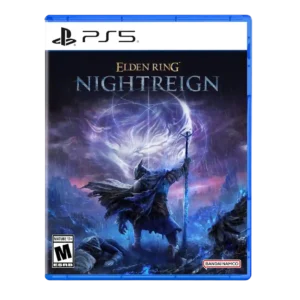
Level design split reviewers between praise for purposeful terrain and criticism of copy-pasted or repetitive layouts, with later updates improving map mutations.
Pros: emotional impact, visual effects quality
Cons: crash stability, cross-play support
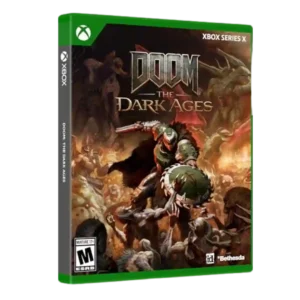
Level design received mixed praise for larger arenas, secrets and vistas, but some reviewers found open spaces flatter, bland or less tightly paced.
Pros: environmental detail, polish
Cons: camera behavior, value for money

Level design is highly divisive: some reviews praise memorable layouts and shortcuts, while others call the levels basic, boring, recycled, or even terrible.
Pros: core gameplay loop, controls responsiveness
Cons: mission design, learning curve
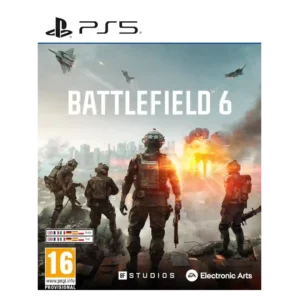
campaign level design had occasional barriers and spawn issues that limited otherwise solid encounters.
Pros: haptic feedback integration, performance optimization
Cons: pacing, microtransaction impact
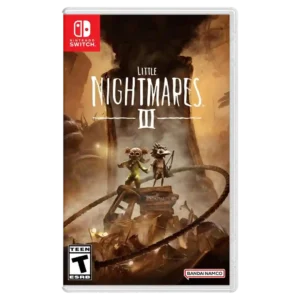
Level design was mixed, with praise for standout locations and fair layouts offset by criticism that some design felt lacking or overly linear.
Pros: load times, haptic feedback integration
Cons: save system reliability, aiming precision

Level design split opinion, with some praising comfort or scenery and others criticizing railroading, strict linearity, or repetitive structure.
Pros: atmosphere, voice acting
Cons: world interactivity, camera behavior
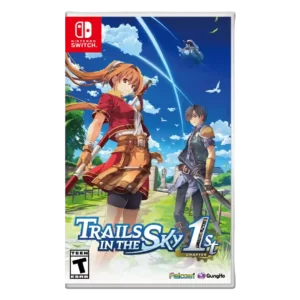
Level design received limited criticism, mainly that some repeated tower-style spaces could feel tedious.
Pros: protagonist appeal, art direction
Cons: camera behavior, tutorial quality
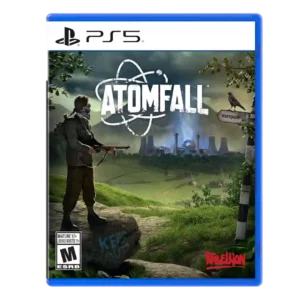
Level design was mixed: some linear interiors were interesting to explore, but others felt empty, shallow, or short on curated encounters.
Pros: art direction, frame rate stability
Cons: boss design, camera behavior

The two-line stage concept is treated as a nostalgic extra, but one reviewer says swapping planes feels odd rather than core to the experience.
Pros: emotional impact, animation quality
Cons: enemy variety, server reliability

Level design is the most obvious old-game seam: reviewers praised the contained structure less than the stealth, citing small zones and dated foundations.
Pros: world interactivity, sandbox freedom
Cons: crash stability, learning curve
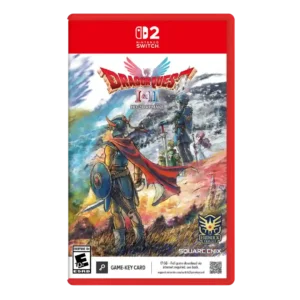
Dungeon design drew criticism from one reviewer for feeling visually varied but structurally uninspired and light on distinctive traits.
Pros: visual effects quality, environmental detail
Cons: AI behavior, level design

The only scored level-design evidence is critical, describing certain mission spaces as single-route and overly linear.
Pros: movement feel, environmental detail
Cons: puzzle design, age appropriateness
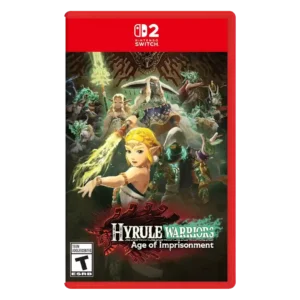
Level design was a repeated weakness, with corridors, boxes, bland routes, and underused depths/sky spaces criticized.
Pros: animation quality, multiplayer design
Cons: save system reliability, companion AI
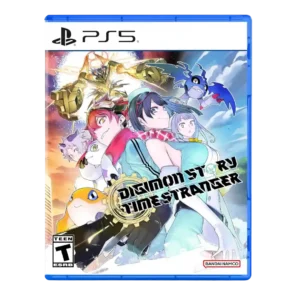
Level design was a recurring weak point, with multiple reviewers calling dungeons linear, basic, repetitive, or hallway-like despite stronger worlds around them.
Pros: atmosphere, world-building
Cons: HUD clarity, fast travel convenience
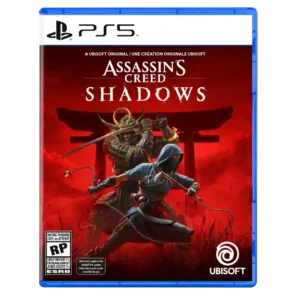
Level and city design drew criticism where locations blurred together or felt artificial rather than fully reactive playgrounds.
Pros: environmental detail, cross-save support
Cons: writing quality, enemy variety
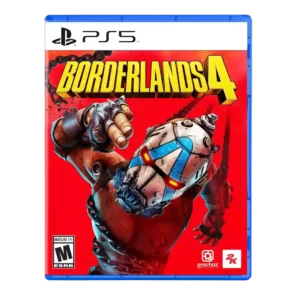
Level design draws negative evidence from a reviewer who felt the open-world gaps were filled with weak filler content.
Pros: sandbox freedom, art direction
Cons: polish, save system reliability