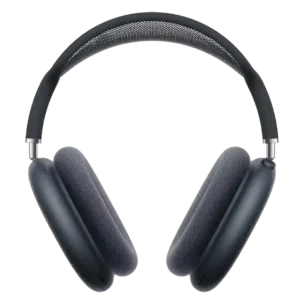
Transparency mode was one of the strongest consensus wins, often described as best-in-class, natural and conversation-friendly.
Pros: Button control usability, Design and Aesthetics
Cons: Water/sweat resistance rating, Included accessories
Showing Over-Ear Headphones only. Switch back to all Headphones & Earbuds anytime.
Transparency mode was one of the strongest consensus wins, often described as best-in-class, natural and conversation-friendly.
Pros: Button control usability, Design and Aesthetics
Cons: Water/sweat resistance rating, Included accessories
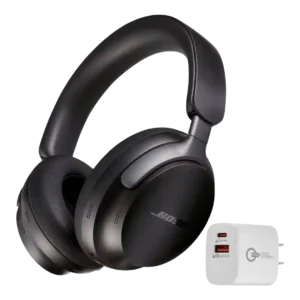
Transparency/Aware mode was consistently praised for natural, low-hiss ambient sound and clear self-voice during conversations.
Pros: Volume output, Active noise cancellation
Cons: Water/sweat resistance rating, USB-C
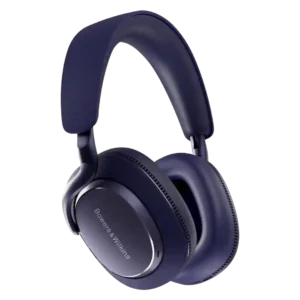
Transparency mode is generally good to excellent, with several reviewers calling it natural, close to not wearing headphones, or conversation-friendly.
Pros: Frequency response accuracy, Multipoint connectivity reliability
Cons: LDAC, Wear detection performance
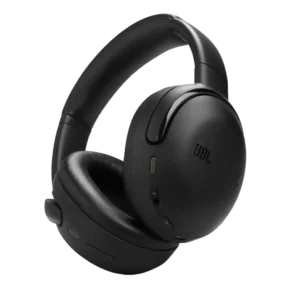
Transparency mode was generally praised as natural or effective, with some minor caveats about hiss, muffling, or not matching Apple’s best tone.
Pros: Immersive audio quality, ANC background noise level
Cons: Replaceable pads/headband, Replaceable earpads
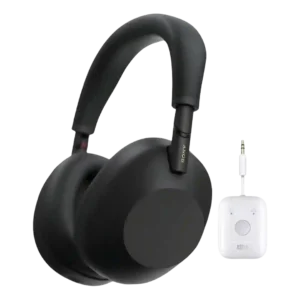
Transparency mode improved substantially and often sounded natural, though some reviewers still found AirPods Max more realistic or Sony slightly unnatural.
Pros: Smart Pause performance, Award recognition
Cons: Cable quality, USB-C
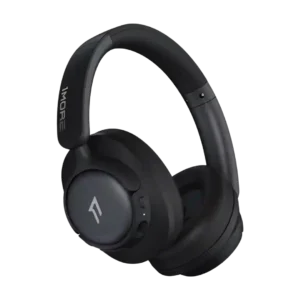
Transparency mode was generally useful and sometimes excellent, though one reviewer heard some distortion in ambient sound.
Pros: Battery, ANC sound impact on audio
Cons: 3.5mm analog input availability, Treble clarity
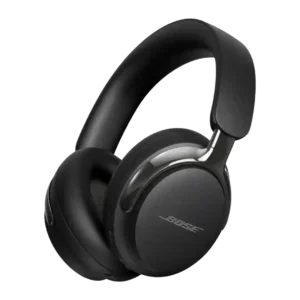
Transparency mode is generally praised as natural and useful, though several reviewers note hiss, reduced level, or weaker performance than AirPods Max or Sony.
Pros: Award recognition, ANC sound impact on audio
Cons: Water/sweat resistance rating, LE Audio readiness
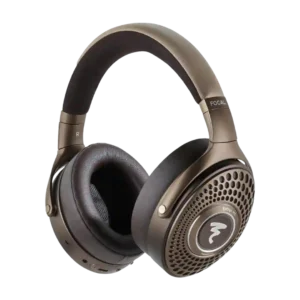
Transparency mode is generally considered effective, making conversations and surroundings audible without removing the headphones.
Pros: ANC effect on sound signature, Multi-platform compatibility
Cons: LE Audio readiness, Auracast support
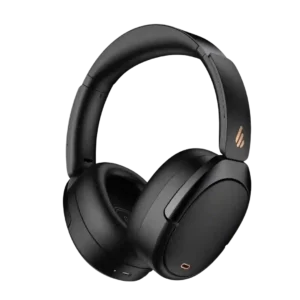
Transparency or ambient mode was praised as useful for awareness and dialing in outside sound.
Pros: Instrument separation, USB-C
Cons: Button control usability, Maximum volume clarity
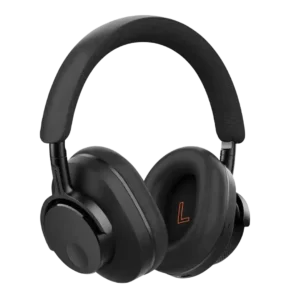
Transparency mode ranges from natural and useful to merely acceptable and less airy than competitors.
Pros: Codec support, aptX
Cons: LDAC, Water/sweat resistance rating
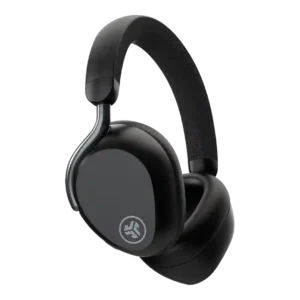
Transparency mode was generally usable and sometimes praised, but several reviewers said it was weaker than ANC or sounded unnatural.
Pros: Award recognition, Audio-video sync accuracy
Cons: ANC sound impact on audio, ANC effect on sound signature
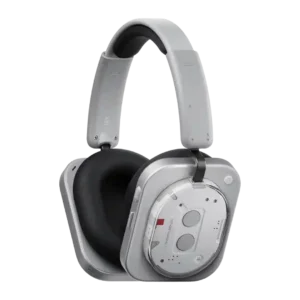
Transparency mode was generally usable and often natural enough for conversations, but several reviewers found it less natural than Apple, Bose, or Sony.
Pros: Smart Pause performance, App
Cons: Wear detection performance, Wear detection auto-pause
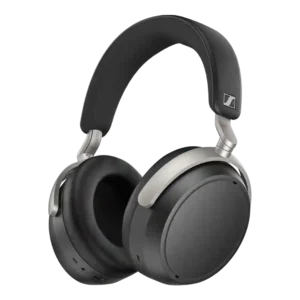
Transparency mode is usable to good, but reviewers who compared it to Apple or Sony found it less natural or less impressive.
Pros: Instrument separation, Charging
Cons: Xbox compatibility, Water/sweat resistance rating
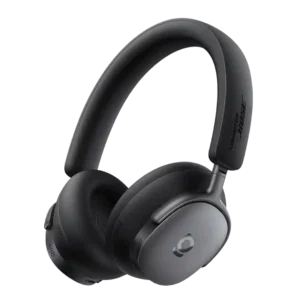
Transparency mode was polarized, ranging from excellent and natural to merely usable, amplified, hissy, or unnatural.
Pros: Maximum volume clarity, Headband adjustability
Cons: Cable quality, Smart Pause performance
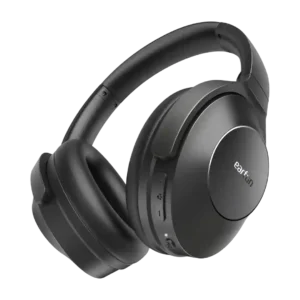
Transparency mode is serviceable but uneven, ranging from usable and natural enough to average or barely helpful.
Pros: Stability, Bluetooth
Cons: Smudge resistance, Smart Pause performance
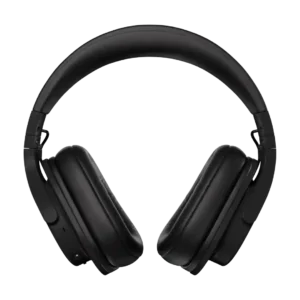
Transparency mode was a clear weakness because voices were muffled and quick conversations required removing the headphones.
Pros: Audio-video sync accuracy, Clamping force comfort
Cons: Transparency mode quality, Sustainability and repairability