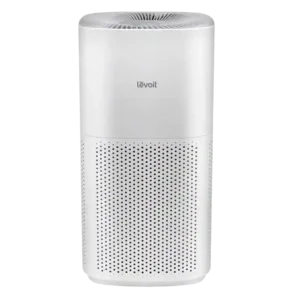
Room coverage is a clear strength for large rooms and open plans, but some warn it is overkill or limited for whole houses.
Pros: ozone-free operation, air purification performance
Cons: VOC sensor accuracy, washable pre-filter
Room coverage is a clear strength for large rooms and open plans, but some warn it is overkill or limited for whole houses.
Pros: ozone-free operation, air purification performance
Cons: VOC sensor accuracy, washable pre-filter
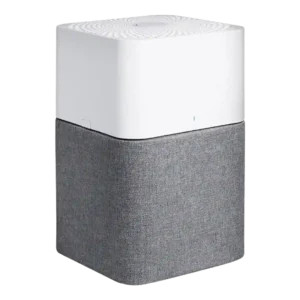
Room coverage is strong, with reviewers consistently positioning the unit for living rooms, basements, offices, and open areas.
Pros: particle removal effectiveness, CADR rating
Cons: child lock, app connectivity
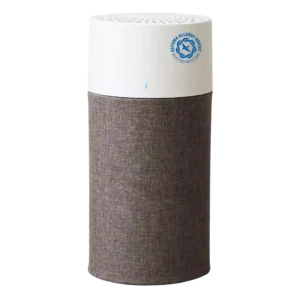
Coverage evidence supports medium rooms, larger bedrooms, offices, and dens; the strongest guidance avoids treating it as a large-space purifier.
Pros: indicator lights, ozone-free operation
Cons: scheduling options, true HEPA filter
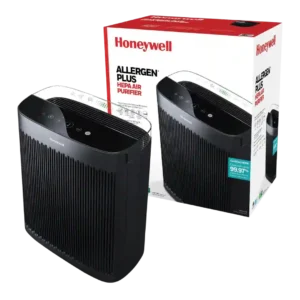
Room coverage is positive in limited evidence, with users saying it handled a master bedroom, large room, or desired square footage.
Pros: odor reduction, filter availability
Cons: particle removal effectiveness, durability
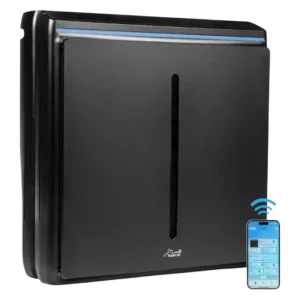
Coverage was usually praised for medium to large rooms, though one review noted price raises expectations for larger spaces.
Pros: particle removal effectiveness, dust removal
Cons: remote control, control placement
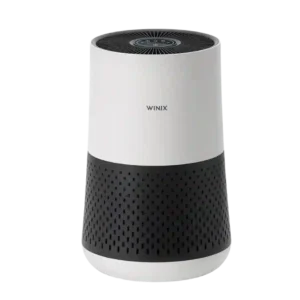
Room fit is strongest in bedrooms, offices, dorms, RVs, bathrooms, and other small spaces. Several people tried it beyond that, but larger rooms and whole-house use call for bigger machines...
Pros: mold spore reduction, durability
Cons: VOC reduction, power adapter inclusion
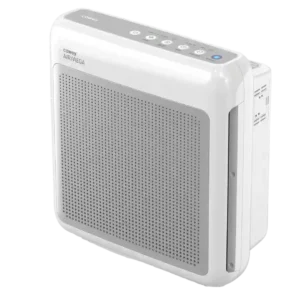
Room coverage is viewed as good for medium spaces, bedrooms, kitchens, and living rooms, but less suitable for larger rooms above roughly 400 square feet.
Pros: durability, ozone-free operation
Cons: app connectivity, smart features
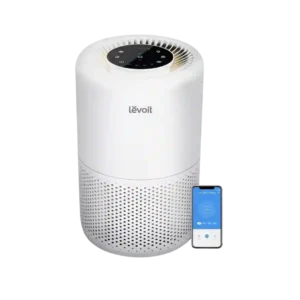
Room coverage is positive for small rooms and bedrooms but clearly limited for larger rooms, where reviewers recommend larger models.
Pros: pollen removal, filter availability
Cons: real-time air quality monitoring, aromatherapy feature
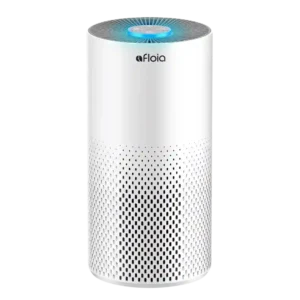
Room coverage is one of the clearest tradeoffs: customers sometimes use it in larger areas, but expert testing points to small rooms as the realistic sweet spot.
Pros: ozone-free operation, UV-C light effectiveness
Cons: real-time air quality monitoring, safety concerns
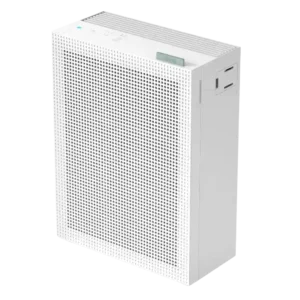
Room coverage was context-dependent: reviewers liked it for bedrooms and smaller rooms, but warned against larger spaces at quieter speeds.
Pros: maintenance ease, ozone-free operation
Cons: voice assistant compatibility, child lock
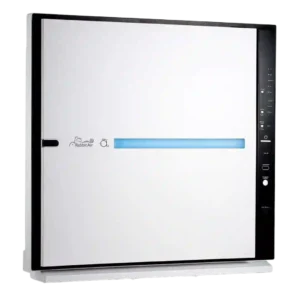
Room coverage worked well for many spaces, but a few reviewers found it underpowered for larger rooms or heavier smoke.
Pros: reliability, HEPA filtration
Cons: scheduling options, mold spore reduction
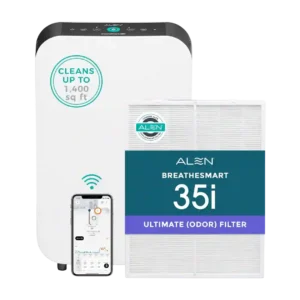
Room coverage is best for small rooms; reviewers repeatedly caution against expecting large-room performance.
Pros: allergen reduction, air quality sensor accuracy
Cons: durability, reliability
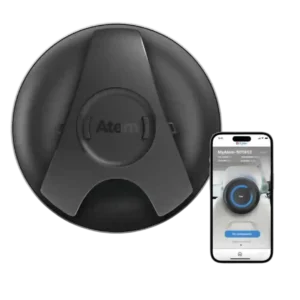
Room and vehicle coverage is context-dependent. It works better in small cars and passenger spaces, while SUV and van owners were more likely to call it too small.
Pros: dust removal, pollen removal
Cons: air changes per hour, filter replacement cost