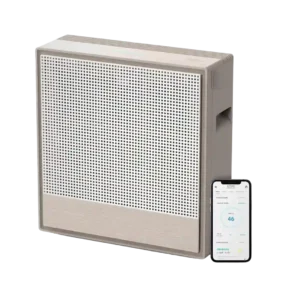
Room coverage was a major strength, with reviewers emphasizing effective large-room purification.
Pros: pre-filter quality, room coverage
Cons: fan speed options, filter replacement cost
Room coverage was a major strength, with reviewers emphasizing effective large-room purification.
Pros: pre-filter quality, room coverage
Cons: fan speed options, filter replacement cost
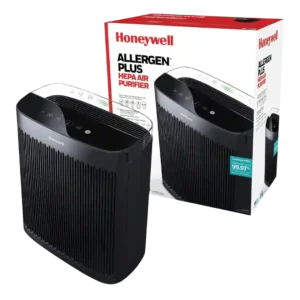
Customer evidence for room coverage was strongly positive across 9 review(s), based only on cited transcript evidence.
Pros: particle removal effectiveness, pollen removal
Cons: child lock, listing accuracy
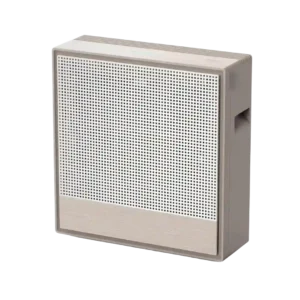
Room coverage was widely praised for large rooms and apartments, with the main caveat that marketing-size claims require attention to ACH.
Pros: smoke removal, CADR rating
Cons: filter replacement cost, app connectivity
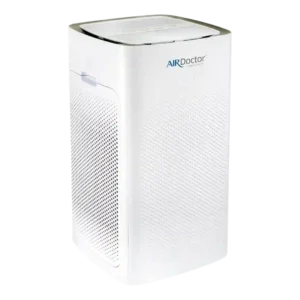
Room coverage is a major reason to buy this model, especially for open living areas, offices, and large rooms. The downside is that one owner returned it because the unit...
Pros: ozone-free operation, particle removal effectiveness
Cons: filter replacement cost, app connectivity
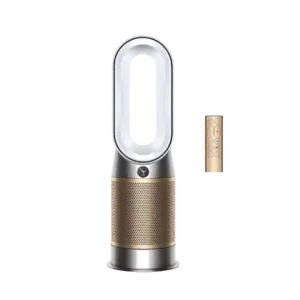
Room coverage evidence was positive for rated coverage and heating a whole room quickly.
Pros: dust removal, PM2.5 detection
Cons: mold spore reduction, durability
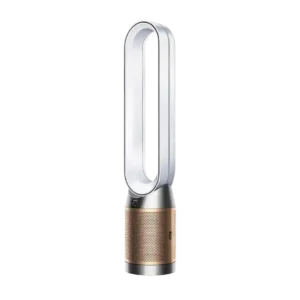
Room coverage evidence is positive in expert reviews and one customer’s whole-house foyer placement, though not universal.
Pros: allergen reduction, smoke removal
Cons: customer support, reliability
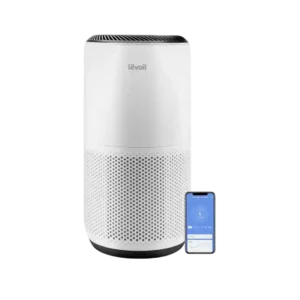
Room coverage evidence was positive for medium and moderately large rooms, but reviewers cautioned against relying on oversized headline coverage or very large open plans.
Pros: ozone-free operation, build quality
Cons: VOC sensor accuracy, washable pre-filter
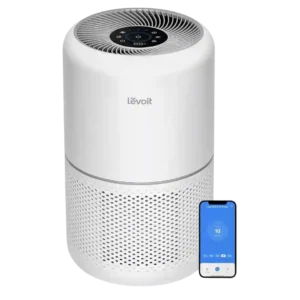
Room coverage was context-dependent: reviewers liked it for bedrooms, offices, and small spaces, but warned it is not ideal for big or open-plan rooms.
Pros: ozone-free operation, safety certifications
Cons: VOC sensor accuracy, handle design
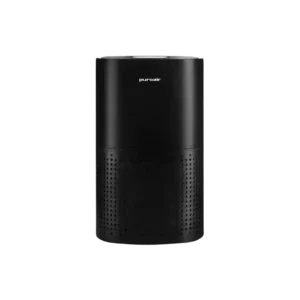
Room coverage is the most contested claim. Many owners are happy in bedrooms, apartments, and open rooms, but the critical tester says the large-room marketing is overstated.
Pros: particle removal effectiveness, dust removal
Cons: CADR rating, air changes per hour
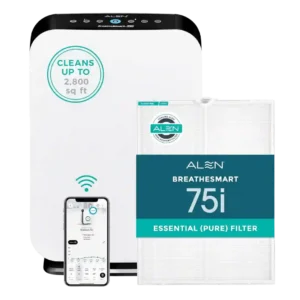
Large-room coverage is strongly supported across expert reviews and customer use in big rooms, offices, lofts, basements, and open plans.
Pros: particle removal effectiveness, HEPA filtration
Cons: real-time air quality monitoring, filter replacement cost
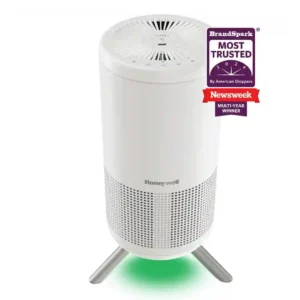
Room coverage is best for small to medium rooms; experts say it performs well near its rated range but is limited for larger spaces.
Pros: dust removal, pollen removal
Cons: app connectivity, remote control
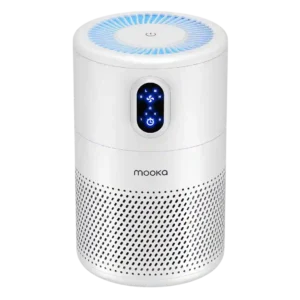
Room coverage is context-dependent: customers often like it in bedrooms and multi-unit homes, but experts caution it is better for smaller spaces than advertised.
Pros: ozone-free operation, breathing relief
Cons: CADR rating, remote control
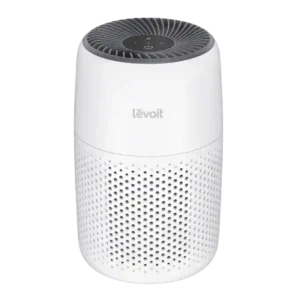
Room coverage was the clearest limitation: reviewers consistently recommended tiny bedrooms, desks, cars, RVs, or small offices rather than large rooms.
Pros: energy efficiency, power consumption
Cons: scheduling options, true HEPA filter
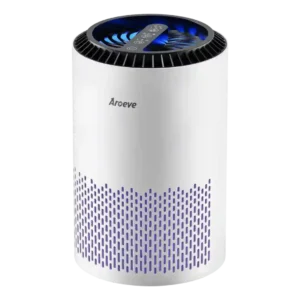
Room fit is the central caveat. Customers like it for bedrooms, dorms, nurseries, offices, and small apartments, while testers warn it is underpowered for larger rooms.
Pros: customer support, allergen reduction
Cons: app connectivity, smart features
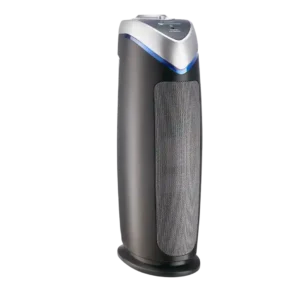
Room coverage is a clear limitation: the unit is mainly suitable for small rooms, with better results when kept near the recommended square footage.
Pros: filter availability, ozone-free operation
Cons: washable pre-filter, VOC reduction
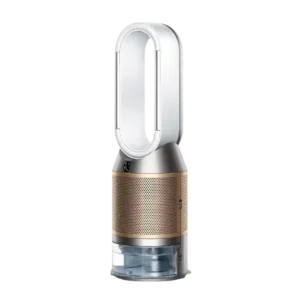
Review evidence is mixed or context-dependent.
Pros: pollen removal, VOC reduction
Cons: documentation quality, condition on arrival
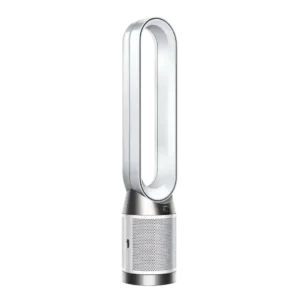
Evidence for room coverage appears in the listed reviews; scores reflect whether each source praised, criticized, or qualified that trait.
Cons: customer support, reliability