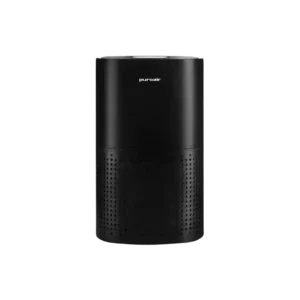
Sleep mode is a consistent positive because it runs quietly and turns off lights. Bedroom owners often connect it with better sleep.
Pros: particle removal effectiveness, dust removal
Cons: CADR rating, air changes per hour
Sleep mode is a consistent positive because it runs quietly and turns off lights. Bedroom owners often connect it with better sleep.
Pros: particle removal effectiveness, dust removal
Cons: CADR rating, air changes per hour
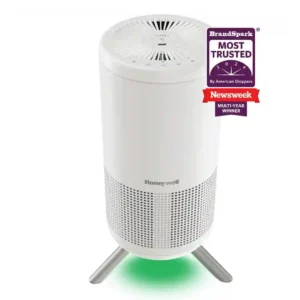
Sleep mode is praised for low noise and dimming behavior, especially for bedroom use.
Pros: dust removal, pollen removal
Cons: app connectivity, remote control
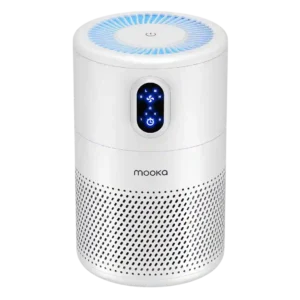
Sleep mode is well liked because it quiets the fan and can turn off lights, making the unit easier to keep in bedrooms overnight.
Pros: ozone-free operation, breathing relief
Cons: CADR rating, remote control
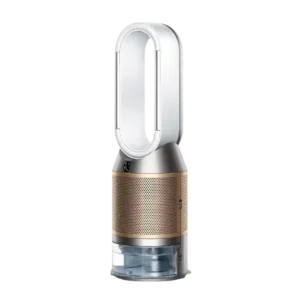
Review evidence is strongly positive.
Pros: pollen removal, VOC reduction
Cons: documentation quality, condition on arrival
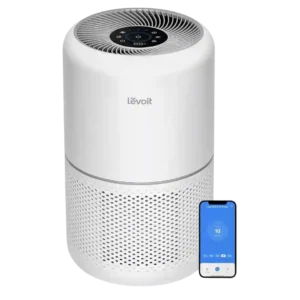
Sleep mode was praised for dimming lights, lowering fan noise, and making the purifier suitable for bedrooms or overnight use.
Pros: ozone-free operation, safety certifications
Cons: VOC sensor accuracy, handle design
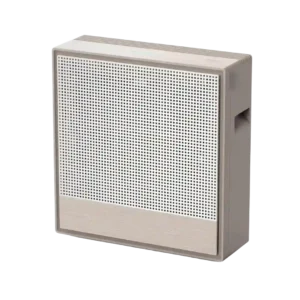
Sleep mode evidence was positive, with one reviewer calling the light-and-noise behavior suitable for bedrooms.
Pros: smoke removal, CADR rating
Cons: filter replacement cost, app connectivity
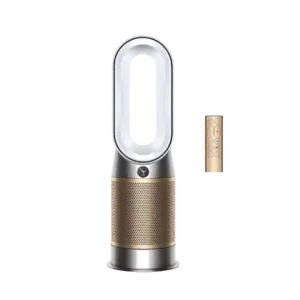
Sleep and night use were generally praised for quiet operation, white noise, dimming, and timers.
Pros: dust removal, PM2.5 detection
Cons: mold spore reduction, durability
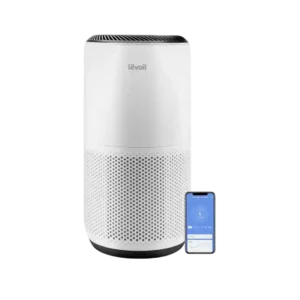
Sleep mode was widely praised for quiet operation and dimmed lights, with several reviewers calling it bedroom-friendly or nearly silent.
Pros: ozone-free operation, build quality
Cons: VOC sensor accuracy, washable pre-filter
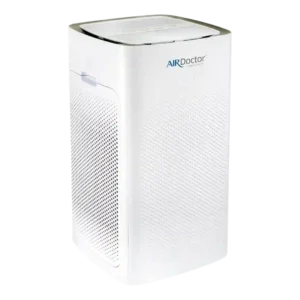
Sleep-friendly use is helped by quiet mode and dimmable lights. Reviewers liked being able to turn off the display at night while the purifier kept running.
Pros: ozone-free operation, particle removal effectiveness
Cons: filter replacement cost, app connectivity
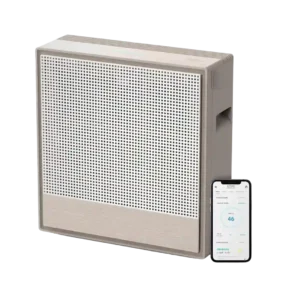
Sleep mode evidence was positive, with reviewers describing low-power or quieter nighttime operation.
Pros: pre-filter quality, room coverage
Cons: fan speed options, filter replacement cost
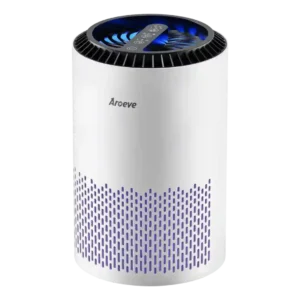
Sleep mode is usually praised for quiet bedroom use and dimmer lights. The tradeoff is that airflow can feel weak, and a few noisy units are poor for sleep.
Pros: customer support, allergen reduction
Cons: app connectivity, smart features
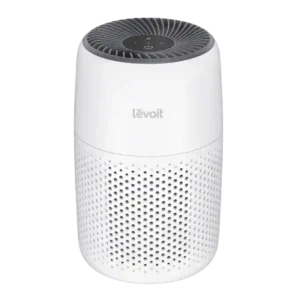
Sleep use was generally positive because low speed and dimming lights suit bedrooms, but airflow is weaker on the quietest setting.
Pros: energy efficiency, power consumption
Cons: scheduling options, true HEPA filter
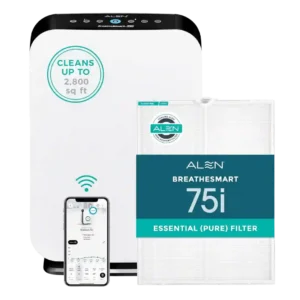
Bedroom/sleep use is positive because of quiet low speeds and light shutoff.
Pros: particle removal effectiveness, HEPA filtration
Cons: real-time air quality monitoring, filter replacement cost
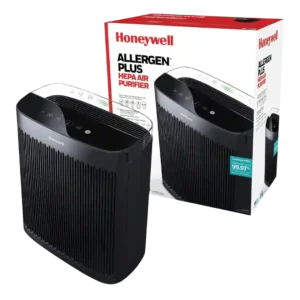
Customer evidence for sleep mode was mostly positive across 11 review(s), based only on cited transcript evidence.
Pros: particle removal effectiveness, pollen removal
Cons: child lock, listing accuracy
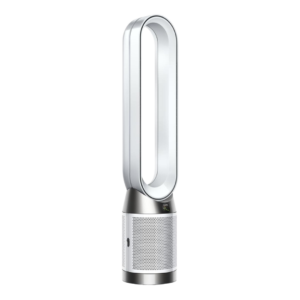
19 reviews provide opinionated evidence for sleep mode.
Pros: overall satisfaction, real-time air quality monitoring
Cons: VOC sensor accuracy, customer support
Evidence for sleep mode appears in the listed reviews; scores reflect whether each source praised, criticized, or qualified that trait.
Cons: customer support, reliability
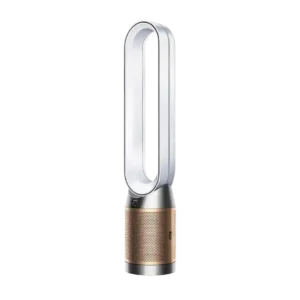
Sleep mode is mixed: some slept easily with it, while others say night mode is too weak or noise prevents sleep.
Pros: allergen reduction, smoke removal
Cons: customer support, reliability
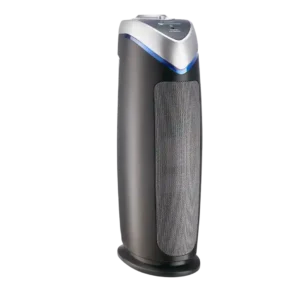
Sleep mode is a weakness because reviewers explicitly said the unit would benefit from one and called its absence a bedroom drawback.
Pros: filter availability, ozone-free operation
Cons: washable pre-filter, VOC reduction