#1
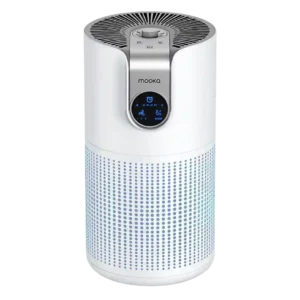
Paint-fume feedback is very positive in the one review that mentions it, with the purifier credited for removing paint smells during a stair project. Broader VOC performance is otherwise thin.
Pros: pet dander removal, VOC reduction
Cons: real-time air quality monitoring, PM2.5 detection
#2
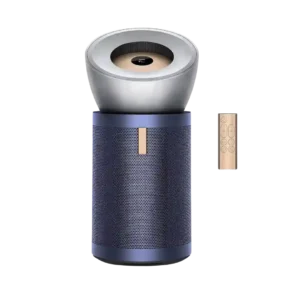
Reviewers were strongly positive on VOC reduction, with support from expert testing and customer use.
Pros: pet dander removal, HEPA filtration
Cons: condition on arrival, replacement experience
#3
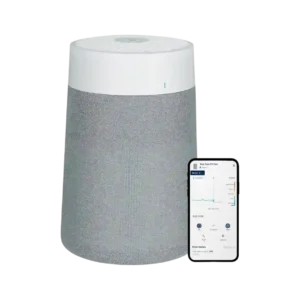
VOC reduction scored well in one review where the deodorant test was the most impressive performance area.
Pros: energy efficiency, power consumption
Cons: handle design, air quality sensor accuracy
#4
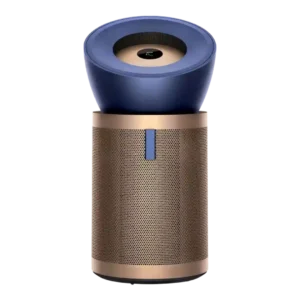
VOC reduction is a standout, with praise for detecting, tracking, and reducing VOCs and TVOC levels.
Pros: ease of use, noise level
Cons: condition on arrival, durability
#5
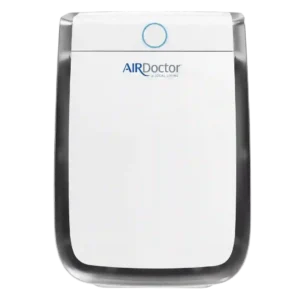
VOC handling is tied to the carbon/VOC filter, with testers calling out gases, odors, cooking, cleaners, hairspray, and renovation-related contaminants. The purifier is treated as useful for VOC-heavy household situations.
Pros: particle removal effectiveness, HEPA filtration
Cons: customer support, warranty coverage
#6
VOC feedback comes from a remodel user who liked having filtration aimed at renovation dust, allergens, and VOCs during poor indoor-air conditions.
Pros: pollen removal, handle design
Cons: mold spore reduction, condition on arrival
#7
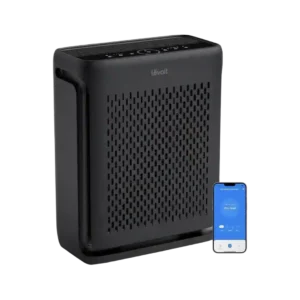
VOC reduction was supported by reviewers who credited the purifier with handling VOCs alongside allergens, pollen, dust, and pet odors, though deep gas removal was not a strength.
Pros: Wi-Fi reliability, filter stages
Cons: PM2.5 detection
#8
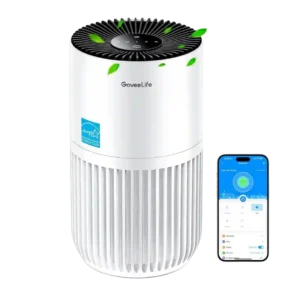
VOC reduction received limited positive support from one reviewer who treated the carbon filter’s handling of VOCs and gases as important.
Pros: sleep mode, filter stages
Cons: smoke removal, CADR rating
#9
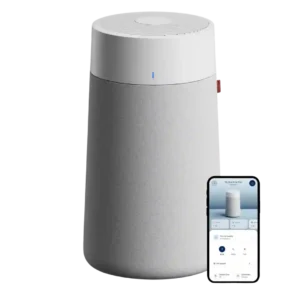
VOC reduction has limited mixed support: expert reviews say it can filter VOCs, but only without automatic detection.
Pros: smoke removal, allergen reduction
Cons: durability, reliability
#10
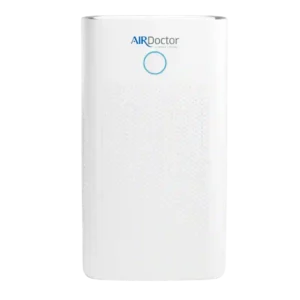
VOC and gas-related feedback is split. Expert reviewers like the carbon/VOC filter setup, but one customer disputed the gas and formaldehyde claims and said the device did not clean gases.
Pros: particle removal effectiveness, dust removal
Cons: customer support, formaldehyde removal
#11
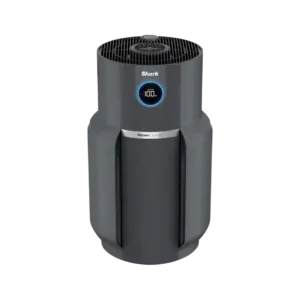
VOC confidence is limited: carbon and gas filtration are mentioned, but one review says genuine VOC mitigation is not a reason to choose this model.
Pros: particle removal effectiveness, ease of use
Cons: condition on arrival, Wi-Fi reliability
#12
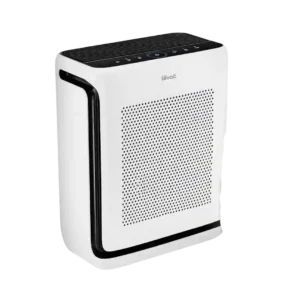
VOC reduction was mixed: reviewers liked the carbon options and test results, but warned that serious VOC or gas issues need much more carbon.
Pros: allergen reduction, safety certifications
Cons: PM2.5 detection, true HEPA filter
#13
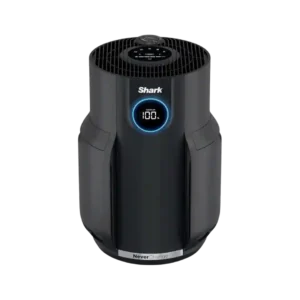
VOC evidence is mixed to weak: carbon exists, but experts warn the carbon amount and lack of VOC sensing limit serious VOC use.
Pros: particle removal effectiveness, ozone-free operation
Cons: Wi-Fi reliability, documentation quality
#14
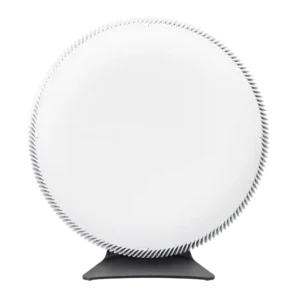
VOC and gas-related capability is a weak point in the U.S. configuration. Reviewers repeatedly noted the lack of gas or carbon filtration for people focused on gases, odors, or VOCs.
Pros: dust removal, pollen removal
Cons: voice assistant compatibility, condition on arrival
#15
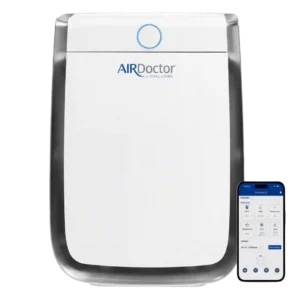
VOC-related removal is only supported by a negative experience: one owner says a post-UV lamp smell remained even after hours at maximum speed.
Pros: activated carbon filter, filter life
Cons: VOC reduction, mold spore reduction
#16
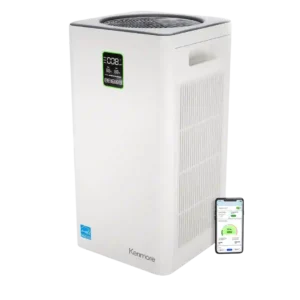
VOC-related odor performance was disappointing for the owner who tried it near newly applied paint, saying it did not detect those harmful scents.
Pros: particle removal effectiveness, allergen reduction
Cons: VOC reduction, VOC sensor accuracy