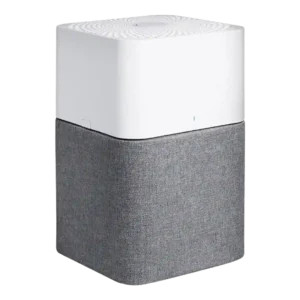
VOC reduction has limited but positive support from the combination carbon filter, balanced by separate carbon-limit concerns.
Pros: particle removal effectiveness, CADR rating
Cons: child lock, app connectivity
VOC reduction has limited but positive support from the combination carbon filter, balanced by separate carbon-limit concerns.
Pros: particle removal effectiveness, CADR rating
Cons: child lock, app connectivity
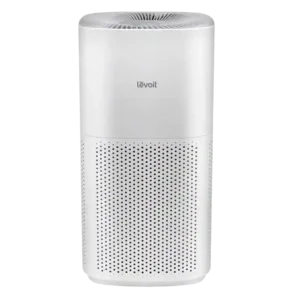
VOC reduction is supported mainly by carbon-filter discussion and odor/gas context, not broad independent VOC testing.
Pros: ozone-free operation, air purification performance
Cons: VOC sensor accuracy, washable pre-filter
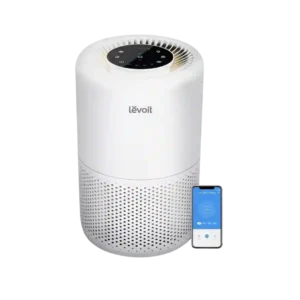
VOC reduction evidence is limited but positive for light VOC/fume mitigation, with caveats that the carbon layer is not built for heavy off-gassing.
Pros: pollen removal, filter availability
Cons: real-time air quality monitoring, aromatherapy feature
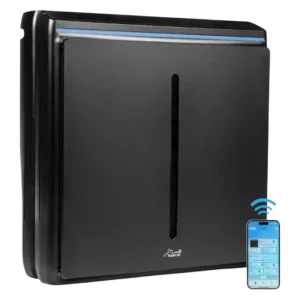
VOC reduction had limited but positive evidence tied to the toxin/carbon filter setup.
Pros: particle removal effectiveness, dust removal
Cons: remote control, control placement
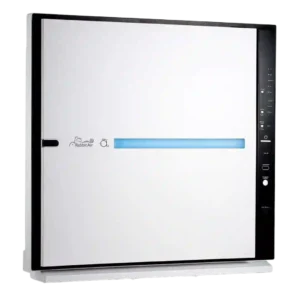
Several reviews supported VOC or toxin reduction, including new-carpet off-gassing and toxin-filter use cases, but one customer was disappointed.
Pros: reliability, HEPA filtration
Cons: scheduling options, mold spore reduction
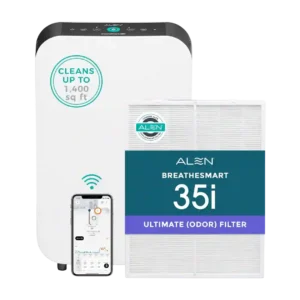
VOC evidence is mixed: monitoring and some detection are praised, while experts warn carbon is limited for serious VOC issues.
Pros: allergen reduction, air quality sensor accuracy
Cons: durability, reliability
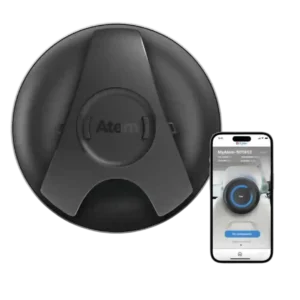
VOC and chemical feedback is mostly positive for new-car off-gassing and chemical sensitivity, but not universal. One MCS reviewer still needed a mask in the car, and one negative review...
Pros: dust removal, pollen removal
Cons: air changes per hour, filter replacement cost
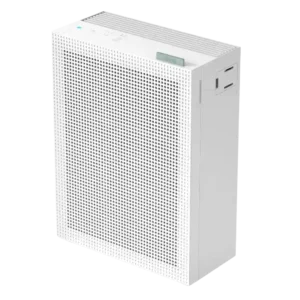
VOC reduction was mixed: carbon/VOC claims and use cases were noted, but several reviewers criticized the weak impregnated carbon approach.
Pros: maintenance ease, ozone-free operation
Cons: voice assistant compatibility, child lock
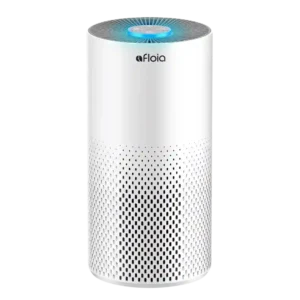
VOC-related confidence is low because the carbon layer is described as too limited for strong gases or VOCs, even though basic filtration performs well for particles.
Pros: ozone-free operation, UV-C light effectiveness
Cons: real-time air quality monitoring, safety concerns
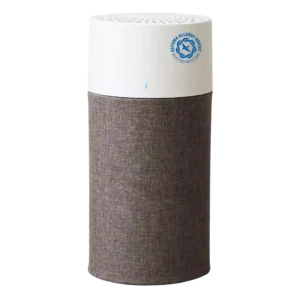
VOC reduction was a weak point in critical reviews because the carbon media was considered limited for volatile organic compounds.
Pros: indicator lights, ozone-free operation
Cons: scheduling options, true HEPA filter
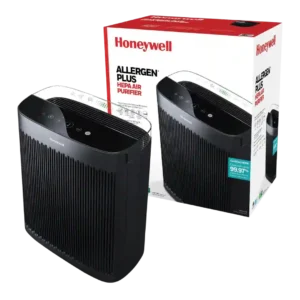
VOC reduction has one negative feature-evidence mention because the enhanced odor and VOC filter was not included.
Pros: odor reduction, filter availability
Cons: particle removal effectiveness, durability
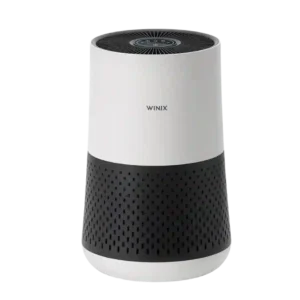
VOC reduction is a weak point for buyers focused on gases. The strongest criticism says the mesh-style carbon is not enough for serious VOC absorption.
Pros: mold spore reduction, durability
Cons: VOC reduction, power adapter inclusion