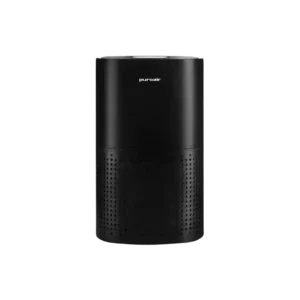
VOC and gas reduction are supported by video tests and carbon-filter discussion, though odor and gas cleanup takes longer than particle removal.
Pros: particle removal effectiveness, dust removal
Cons: CADR rating, air changes per hour
VOC and gas reduction are supported by video tests and carbon-filter discussion, though odor and gas cleanup takes longer than particle removal.
Pros: particle removal effectiveness, dust removal
Cons: CADR rating, air changes per hour
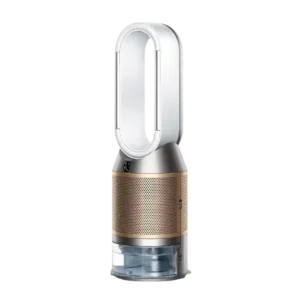
Review evidence is strongly positive.
Pros: pollen removal, VOC reduction
Cons: documentation quality, condition on arrival
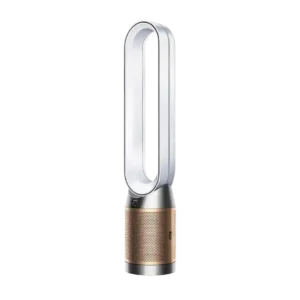
VOC reduction is usually positive in expert evidence and formaldehyde/off-gassing use, though odor outcomes do not always follow.
Pros: allergen reduction, smoke removal
Cons: customer support, reliability
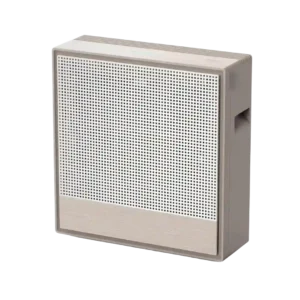
VOC reduction was praised where reviewers discussed carbon filtration and broader pollutant handling, though evidence was tied to filtration rather than a separate VOC test.
Pros: smoke removal, CADR rating
Cons: filter replacement cost, app connectivity
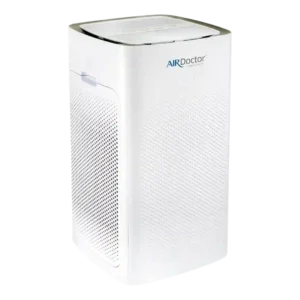
VOC and chemical-smell handling is treated as a meaningful advantage, especially around paint, caulking, and gas-trap filtration. The carbon/VOC layer is seen as useful for renovation and household odors.
Pros: ozone-free operation, particle removal effectiveness
Cons: filter replacement cost, app connectivity
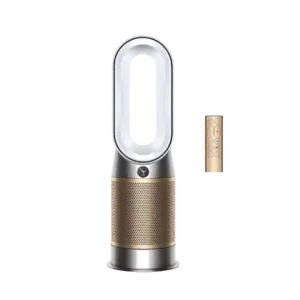
VOC reduction was supported by carbon filtration and aerosol/cooking tests showing the unit registering and clearing gases.
Pros: dust removal, PM2.5 detection
Cons: mold spore reduction, durability
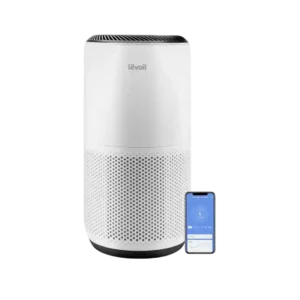
VOC reduction evidence was mixed: carbon was credited with VOC and smell reduction, but reviewers said the unit is not specialized for chemical-heavy environments.
Pros: ozone-free operation, build quality
Cons: VOC sensor accuracy, washable pre-filter
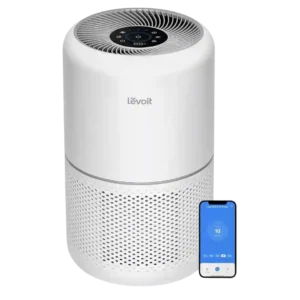
VOC reduction evidence was cautiously positive because reviewers reported filtration or deodorant-test improvements, while also noting that VOC readings are not directly displayed.
Pros: ozone-free operation, safety certifications
Cons: VOC sensor accuracy, handle design
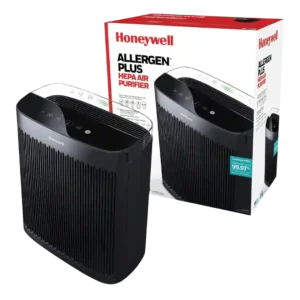
Customer evidence for VOC reduction was mostly positive across 3 review(s), based only on cited transcript evidence.
Pros: particle removal effectiveness, pollen removal
Cons: child lock, listing accuracy
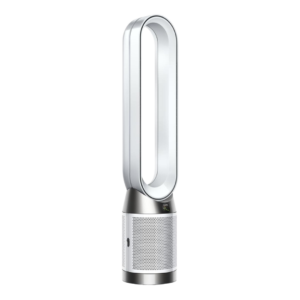
3 reviews provide opinionated evidence for VOC reduction.
Pros: overall satisfaction, real-time air quality monitoring
Cons: VOC sensor accuracy, customer support
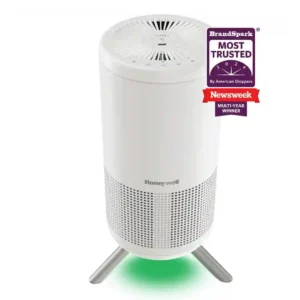
VOC evidence is mixed, with one expert saying VOC reduction is minor and others crediting carbon/VOC features.
Pros: dust removal, pollen removal
Cons: app connectivity, remote control
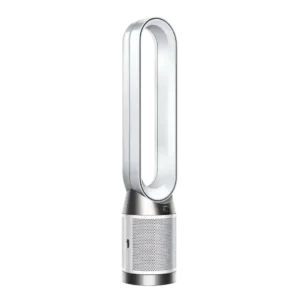
Evidence for VOC reduction appears in the listed reviews; scores reflect whether each source praised, criticized, or qualified that trait.
Cons: customer support, reliability
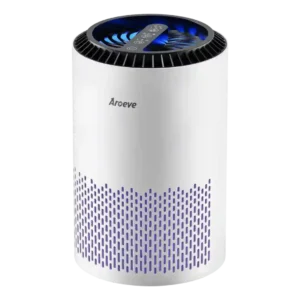
VOC reduction is a weak area in testing. The carbon layer may help lightly, but reviewers do not recommend this unit for serious gas, chemical, or VOC control.
Pros: customer support, allergen reduction
Cons: app connectivity, smart features
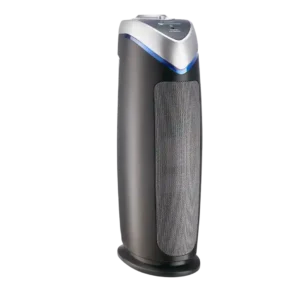
VOC reduction is consistently weak where tested or discussed, mainly because reviewers criticized the thin treated-carbon layer.
Pros: filter availability, ozone-free operation
Cons: washable pre-filter, VOC reduction