Best for Noise isolation (passive)
H2O Audio TRI 2 PRO Headphones
3.8 feature score
Highest scored product for this feature based on supporting review evidence.
Highest scored product for this feature based on supporting review evidence.
Balances feature score, supporting reviews, and overall product strength.
Has the broadest review evidence for this feature.
Strongest overall product among items with scored evidence for this feature.
Showing Open-Ear Headphones only. Switch back to all Headphones & Earbuds anytime.
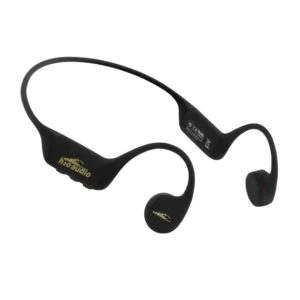
Passive isolation depends on the open-ear tradeoff: awareness is strong, but external noise can drown out playback unless earplugs are used.
Pros: Water/sweat resistance rating, Weight comfort
Cons: Equalizer customization, Instrument separation
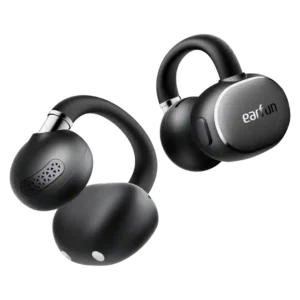
Very little outside sound is blocked, which helps awareness but makes noisy trains, streets, and gyms difficult. Buyers seeking a sealed listening experience will find the isolation inadequate.
Pros: Weight comfort, Hinge durability
Cons: Active noise cancellation, Sensors
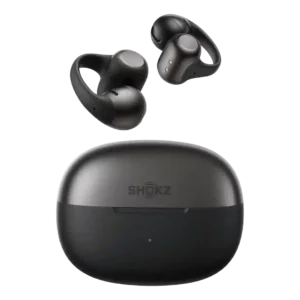
Isolation is intentionally limited, which is great for awareness but poor for blocking trains, planes, gyms, or traffic. Buyers wanting a sealed, quiet listening bubble will likely prefer ANC or...
Pros: Android compatibility, Multi-platform compatibility
Cons: Auracast support, Active noise cancellation
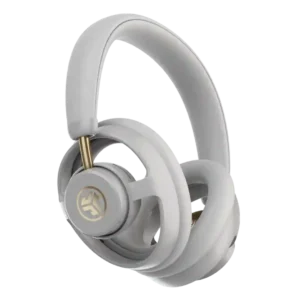
Passive isolation is intentionally weak because the cups are extremely open. That is useful for awareness, but traffic, chatter, and transit noise can overwhelm the audio.
Pros: Headband adjustability, Voice assistant integration
Cons: Maximum volume clarity, Xbox compatibility
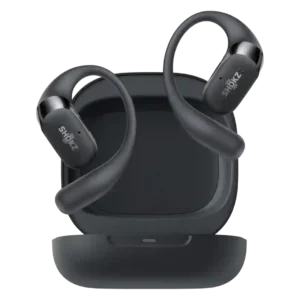
Passive isolation is weak by design, and reviewers warn that noisy environments can drown out podcasts or make the buds poor for focused blocking.
Pros: Microphone noise reduction, Bluetooth
Cons: Active noise cancellation, Codec support
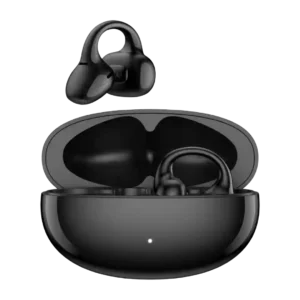
Passive isolation is intentionally weak because of the open/semi-open design, preserving awareness while letting external sound bleed in.
Pros: Weight comfort, Interchangeable left/right bud design
Cons: Smudge resistance, Voice assistant integration
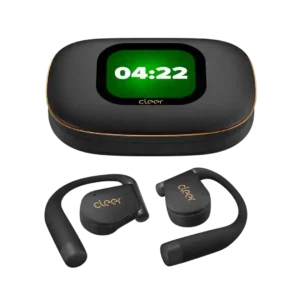
Passive isolation is intentionally minimal because the earbuds leave the ear canal open. That supports awareness but makes them a poor choice for buyers wanting outside sound blocked.
Pros: Instrument separation, Multipoint connectivity reliability
Cons: Noise isolation (passive)

Passive isolation is inherently weak because the open design lets outside noise through, which several reviewers framed as a core limitation in loud places.
Pros: Android compatibility, Software/setup simplicity
Cons: Active noise cancellation, Noise isolation (passive)
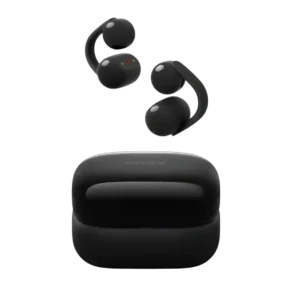
Passive isolation is intentionally weak, and reviewers repeatedly warn these do not block outside noise.
Pros: Transparency mode quality, Maximum volume clarity
Cons: Active noise cancellation, Spatial audio
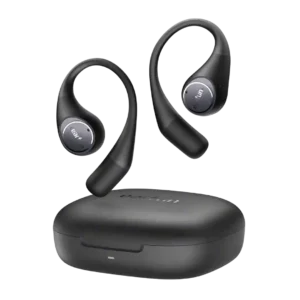
Passive isolation is intentionally minimal; the scored review framed the product as unsuitable for users trying to block outside noise.
Pros: Codec support, Water/sweat resistance rating
Cons: Noise isolation (passive), Design and Aesthetics
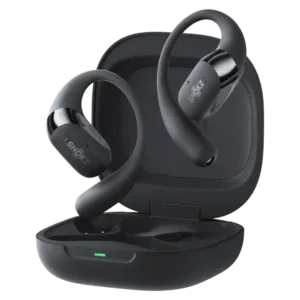
Passive isolation is essentially not the point of the design; the cited reviewer emphasized that the earbuds do not isolate the listener from the world.
Pros: Clamping force comfort, Battery
Cons: Active noise cancellation, Noise isolation (passive)
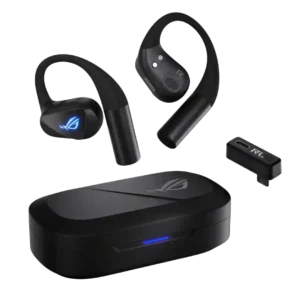
Passive isolation is essentially nonexistent by design. That is useful for awareness, but it makes noisy environments and fully immersive gaming poor fits.
Pros: Transparency mode quality, Touch control responsiveness
Cons: Noise isolation (passive), Packaging condition
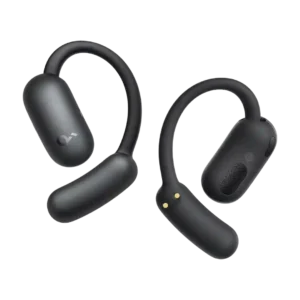
Passive isolation is essentially nonexistent by design, which helps awareness but makes these poor for blocking outside noise.
Pros: Software/setup simplicity, AI translation
Cons: Noise isolation (passive), Spatial audio