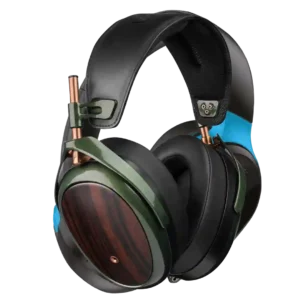
The standard 3.5mm connection is straightforward and plug-and-play with compatible computers and portable devices.
Pros: Hinge durability, Durability over time
Cons: Ear cup swivel/rotation range, Portability/foldability
The standard 3.5mm connection is straightforward and plug-and-play with compatible computers and portable devices.
Pros: Hinge durability, Durability over time
Cons: Ear cup swivel/rotation range, Portability/foldability
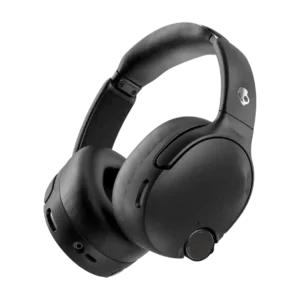
The 3.5mm input adds useful fallback listening and continues to work when the battery is dead. Sensory bass and other powered processing are unavailable in passive mode.
Pros: Treble clarity, Instrument separation
Cons: Codec support, Headband adjustability
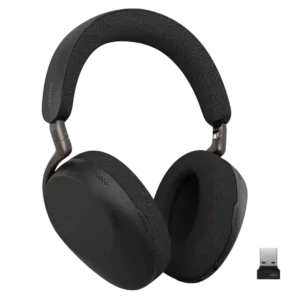
The analog jack is a practical bonus for flights, entertainment systems, and wired listening, and several testers specifically appreciated having it.
Pros: Frequency response accuracy, Clamping force comfort
Cons: Volume output, aptX
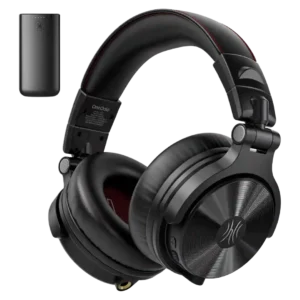
Analog input flexibility was a standout advantage, with repeated praise for built-in 3.5mm/6.35mm support and wired performance.
Pros: Battery, Detachable cable convenience
Cons: Active noise cancellation, Transparency mode quality

The 3.5mm input is useful for wired lossless listening, although the headphones still need power for their internal processing.
Pros: Microphone noise reduction, Multipoint connectivity reliability
Cons: Water/sweat resistance rating, Gaming performance

The 3.5mm analog input was praised as a welcome wired option.
Pros: Smart Pause performance, Wear detection performance
Cons: Water/sweat resistance rating, Wind noise handling
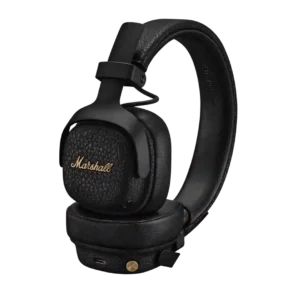
The included USB-C-to-3.5mm cable supports legacy wired sources and seatback systems. Analog mode still requires battery power, so it is not a true passive fallback.
Pros: Multipoint connectivity reliability, Codec support
Cons: aptX, Smart Pause performance
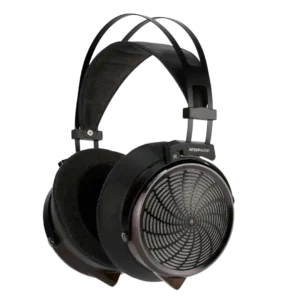
A 3.5mm adapter is included, so standard laptop and portable connections are possible. The long adapted plug is awkward, and a dedicated 3.5mm cable would be cleaner.
Pros: Overall satisfaction, Glasses and hat compatibility
Cons: Travel friendliness, Sound leakage

There is no native 3.5mm socket, which disappointed listeners who wanted a standard analog connection. Wired listening instead uses the included USB-C-to-3.5mm cable and still requires power.
Pros: Maximum volume clarity, Charging
Cons: 3.5mm analog input availability, Cable quality