#1
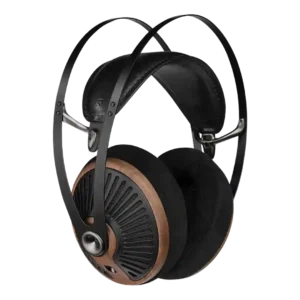
The standard 3.5 mm analog connection is secure and broadly compatible with conventional wired sources. Opinions about the narrow recessed cup sockets are covered separately under cable convenience.
Pros: Volume output, Carry case quality
Cons: Connectivity options, Noise isolation (passive)
#2
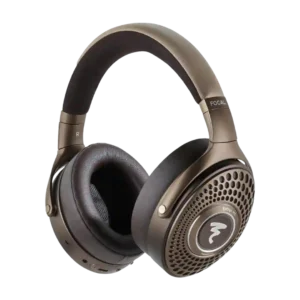
The 3.5mm analog input is valued as a rare, useful wired option in a premium wireless headphone.
Pros: ANC effect on sound signature, Multi-platform compatibility
Cons: LE Audio readiness, Auracast support
#3
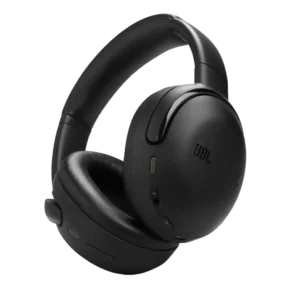
Reviewers valued the analog path mainly for travel and older sources, with the Smart Tx and included AUX/USB-C cabling making airplane and headphone-jack use more practical.
Pros: Immersive audio quality, ANC background noise level
Cons: Replaceable pads/headband, Replaceable earpads
#4
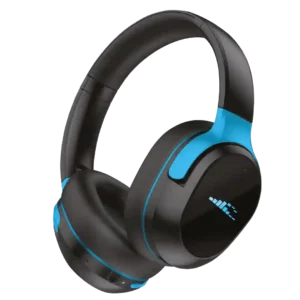
The included 3.5mm input is a valuable backup for airplanes, receivers, and low-latency listening. Wired sound can be strong, although one tester heard ground-loop hum when ANC was active.
Pros: Volume output, Bluetooth
Cons: LDAC, Find My
#5
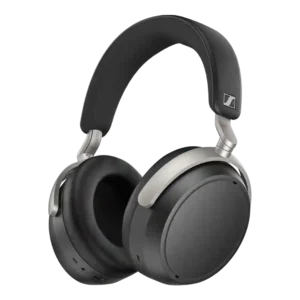
Analog input is treated as part of the headphones' unusually flexible wired/wireless connectivity package.
Pros: Instrument separation, Charging
Cons: Xbox compatibility, Water/sweat resistance rating
#6
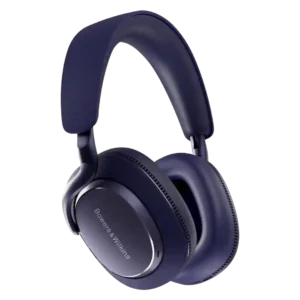
Review evidence treats the included analog cable option as a practical premium accessory for wired use, not just a box-checking extra.
Pros: Frequency response accuracy, Multipoint connectivity reliability
Cons: LDAC, Wear detection performance
#7
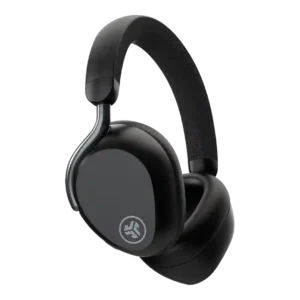
Analog or wired 3.5mm capability was mostly valued, especially for dead-battery use, though one reviewer missed a native 3.5mm jack.
Pros: Award recognition, Audio-video sync accuracy
Cons: ANC sound impact on audio, ANC effect on sound signature
#8
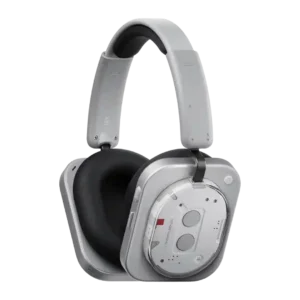
Reviewers liked that wired listening is covered with a 3.5mm jack, often alongside USB-C, making the headphones more flexible for planes and wired sources.
Pros: Smart Pause performance, App
Cons: Wear detection performance, Wear detection auto-pause
#9
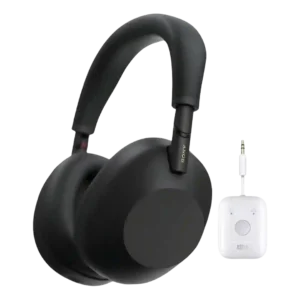
The 3.5mm input was generally appreciated as a practical wired option, especially because it enables analog listening despite missing USB-C audio.
Pros: Smart Pause performance, Award recognition
Cons: Cable quality, USB-C
#10
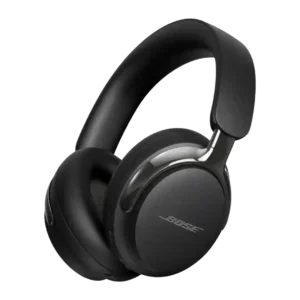
Analog input is useful and dedicated, though one reviewer notes the headphone-side cable connection is less common.
Pros: Award recognition, ANC sound impact on audio
Cons: Water/sweat resistance rating, LE Audio readiness
#11
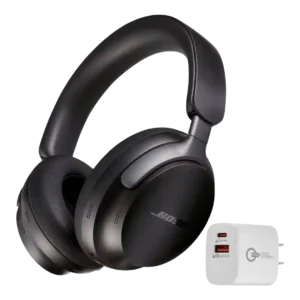
The analog cable input was valued for air travel, especially where in-flight entertainment still needs a wired connection.
Pros: Volume output, Active noise cancellation
Cons: Water/sweat resistance rating, USB-C
#12

The 3.5mm analog option was useful as a wired fallback for conserving battery or when wireless was unnecessary.
Pros: Audio-video sync accuracy, Clamping force comfort
Cons: Transparency mode quality, Sustainability and repairability
#13
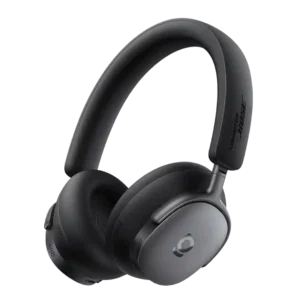
The 3.5mm analog input was useful as an emergency backup, but reviewers repeatedly said unpowered wired sound was thin or poor.
Pros: Maximum volume clarity, Headband adjustability
Cons: Cable quality, Smart Pause performance
#14
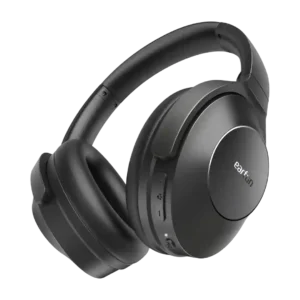
Analog input availability is weak because reviewers noted the lack of a 3.5mm jack or separate analog cable.
Pros: Stability, Bluetooth
Cons: Smudge resistance, Smart Pause performance
#15
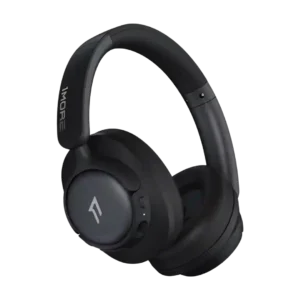
The lack of a headphone jack was a clear drawback in the one review that evaluated analog input availability.
Pros: Battery, ANC sound impact on audio
Cons: 3.5mm analog input availability, Treble clarity