Best for GPS accuracy
Oura Ring 4
5.0 feature score
Highest scored product for this feature based on supporting review evidence.
Highest scored product for this feature based on supporting review evidence.
Balances feature score, supporting reviews, and overall product strength.
Has the broadest review evidence for this feature.
Strongest overall product among items with scored evidence for this feature.
Showing Wearable Tech only. Switch back to all Activity & Fitness Trackers anytime.
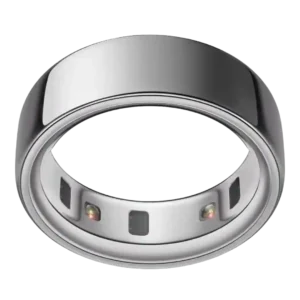
GPS accuracy was supported by a reviewer who found Oura's automatic route maps accurate.
Pros: GPS accuracy, swimming tracking
Cons: alarm function, calorie tracking usefulness
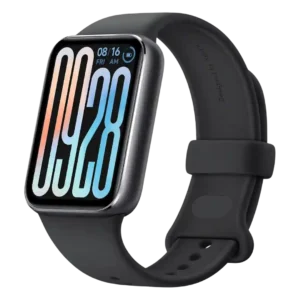
GPS accuracy was sharply mixed: some reviewers praised fast locks and accurate routes, while others found smoothing, jagged tracks, or poor scientific-test results.
Pros: workout mode variety, durability
Cons: activity reminders, calorie tracking usefulness
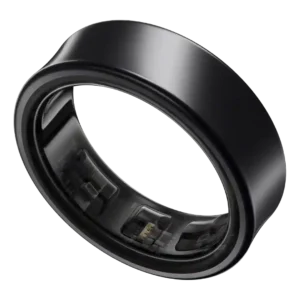
GPS accuracy evidence was limited but positive when judged as dependent on the paired phone's GPS.
Pros: weight, charging convenience
Cons: sleep apnea monitoring, calorie tracking usefulness
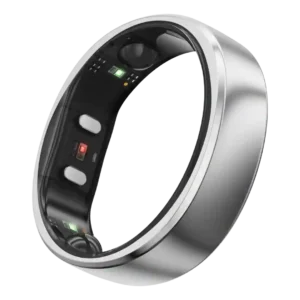
GPS accuracy evidence was limited and mixed, with one reviewer saying it sometimes had problems but was usually fine.
Pros: subscription value, weight
Cons: Strava compatibility, third-party app compatibility
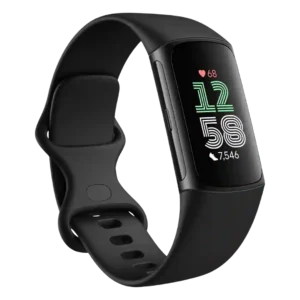
Built-in GPS accuracy was the most repeated weakness, with many reviews describing dropouts, slow locks, messy tracks, or poor performance unless using a phone.
Pros: Strava compatibility, workout mode variety
Cons: elevation tracking, data syncing reliability
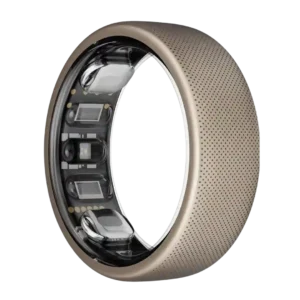
GPS accuracy had one mixed assessment, where the phone-based GPS was considered usable but not great.
Pros: distance tracking accuracy, pairing reliability
Cons: automatic workout detection, activity reminders
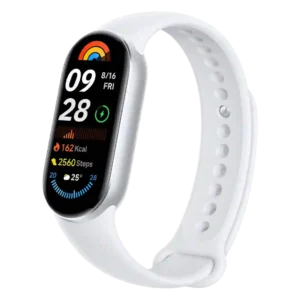
GPS accuracy was the clearest tradeoff: reviewers repeatedly noted no built-in GPS and phone dependence, with connected results ranging from acceptable to limiting.
Pros: subscription value, cadence tracking
Cons: fit, GPS accuracy
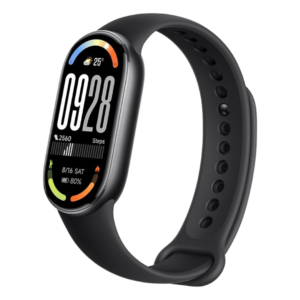
GPS accuracy was a limitation because the standard band lacks built-in GPS and depends on the phone for location.
Pros: Bluetooth reliability, weight
Cons: readiness score, GPS accuracy
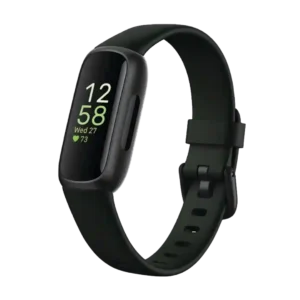
The lack of built-in GPS was repeatedly treated as a drawback for runners, walkers, cyclists, and anyone wanting accurate outdoor tracking without a phone.
Pros: fitness coaching, Strava compatibility
Cons: music controls, third-party app compatibility
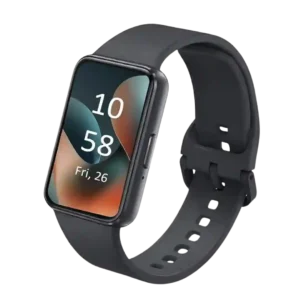
GPS accuracy was a major limitation because the Fit3 lacks built-in GPS and depends on a phone for better outdoor tracking.
Pros: cadence tracking, find my phone feature
Cons: data syncing reliability, sleep apnea monitoring
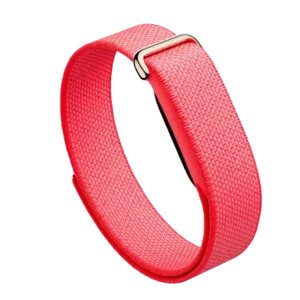
GPS accuracy is a weak point in the stricter evidence: phone-derived GPS estimates can be rough or significantly off.
Pros: weight, step counting accuracy
Cons: cadence tracking, elevation tracking
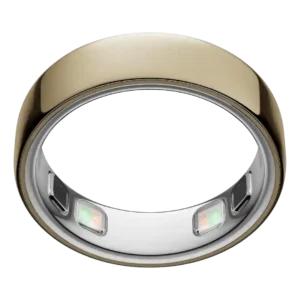
GPS accuracy was limited by the absence of built-in GPS, forcing users to rely on a phone for the most accurate outdoor exercise data.
Pros: pairing reliability, comfort
Cons: GPS accuracy, cadence tracking
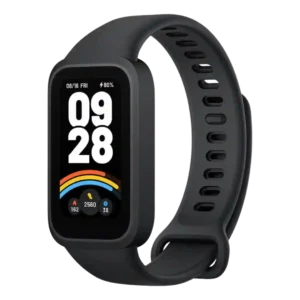
GPS-related accuracy was a common limitation, with no built-in GNSS and poor GPS readings compared with phone data.
Pros: alarm function, data syncing reliability
Cons: connected GPS reliability, GPS accuracy
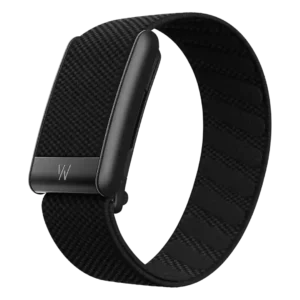
GPS accuracy scored low because reviewers emphasized that Whoop has no built-in GPS and depends on the phone/app for mapping.
Pros: activity reminders, goal tracking
Cons: music controls, smartphone notifications