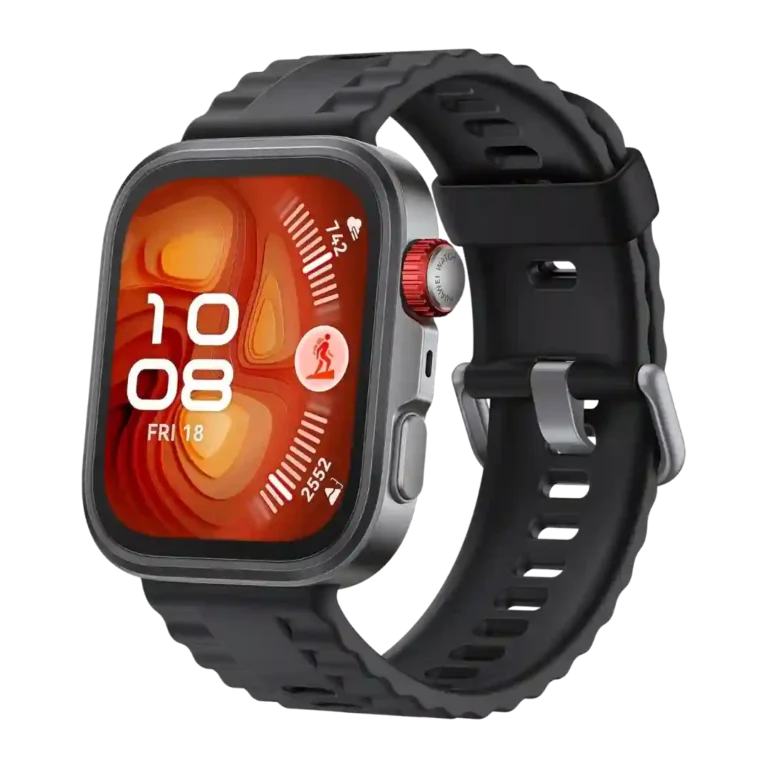
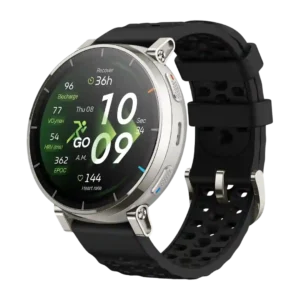
Choose the Amazfit Balance 2 for long battery life, strong fitness tracking, bright rugged hardware, and value. Skip it if you need full Apple/Wear OS-style apps, LTE, ECG, seamless payments, or top-tier sleep-stage accuracy.
Best for
Best for fitness-focused users who want long battery life, accurate everyday training data, golf or multisport coverage, and strong hardware value without paying premium sports-watch prices.
Not for
Not for users who need a full smartwatch ecosystem with LTE, deep third-party apps, music streaming, seamless payments, ECG, or the most dependable sleep-stage analysis.
Verdict
Across the reviews, the Amazfit Balance 2 stands out as a fitness-first smartwatch with unusually strong battery life, reliable GPS and heart-rate tracking in most tests, a bright AMOLED display, rugged materials, and broad workout coverage. The tradeoff is that its smartwatch side is less mature: reviewers repeatedly point to limited third-party apps, no LTE, weaker music streaming support, regional payment limits, and some uneven map or sleep-stage behavior. Its best case is as a value-packed sports and wellness watch that can handle golf, HYROX, daily health trends, and long stretches between charges, rather than as a full Apple Watch or Wear OS replacement.
Bluetooth connectivity evidence was positive for external sensor pairing, with one reviewer saying it paired seamlessly with the Helio Strap for workout metrics.
calorie tracking usefulness: 4.8, based on 3 reviews
Food and calorie logging stood out as unusually useful, with reviewers praising the AI/photo/voice-assisted logging workflow and approachable tracking.
Battery life was the clearest strength, with reviewers repeatedly confirming week-plus to multi-week endurance and calling it a major advantage over many smartwatch rivals.
Workout tracking variety was a clear strength, with reviewers repeatedly praising the huge sport-mode selection, golf/HYROX support, and broad activity coverage.
Brightness was praised in most reviews thanks to the 2,000-nit AMOLED display, though one reviewer found the screen experience less satisfying than the specs suggested.
Value for money was a major positive theme, with most reviewers saying the Balance 2 delivers unusually strong features, battery life, and hardware for the price.
Display quality was usually praised as sharp, vibrant, bright, and responsive, but a few reviewers disliked smudging or felt the display experience did not fully deliver.
GPS accuracy was one of the most frequently praised areas, though one scientific reviewer found it only adequate and less consistent than better devices.
Heart-rate accuracy was strong in most tests, especially running and general exercise, but it was less convincing in one weightlifting-focused scientific test.
Bands were consistently described as comfortable, easy to swap, and better than expected, with several reviewers appreciating the included second strap.
fitness tracking accuracy: 4.3, based on 4 reviews
Fitness tracking accuracy was usually judged strong, with reviewers describing reliable sports tracking, accurate activity metrics, and competitive GPS/heart-rate performance.
Reviewers found activity and strength recognition useful overall, especially for reps and logged movements, though one noted detection was less reliable for exotic movements.
Recovery insights were useful but not perfect: biocharge and readiness improved over older metrics, while some sleep/training-load scores seemed generous or immature.
Call handling was consistently useful, with multiple reviewers praising Bluetooth call clarity, speaker loudness, or the ability to answer calls from the wrist.
Voice assistant quality was generally positive, ranging from mildly useful to one of the better smartwatch assistants, though a few reviewers found it only decent.
Companion app quality drew mixed-to-positive reactions: some found it busy or unpolished, while others praised its insights, dashboards, and approachability.
Smartphone notifications were useful for basic viewing and replies, but reviewers complained about limited actionability compared with richer Android or Apple/Wear OS behavior.
Mapping and navigation were polarizing: golf and offline maps were praised, but reviewers complained about lag, non-routable maps, or awkward route creation.
Smartwatch features were adequate for many but clearly behind Apple and Wear OS watches, with fitness-first strengths outweighing full smartwatch polish.
The user interface was considered intuitive and responsive by some reviewers, but the default button logic and density of features created confusion for others.
Coaching evidence was split: Zepp Coach was criticized as impersonal or not very insightful, while AI workout explanations and training guidance impressed other reviewers.
Button controls were mixed: some reviewers liked the tactile buttons and crown, while others found the crown cheap or the activity controls easy to mis-trigger.
Size options were a caveat, with reviewers noting comfort but also that the larger size or lack of smaller-feeling options may matter for smaller wrists.
Third-party app support was the most repeated smartwatch limitation, especially around missing Spotify, limited app selection, and weaker ecosystem depth.
Contactless payment support was a clear caveat, with reviewers noting Zepp Pay is less seamless than Apple Pay and that support varies by region or bank.
Flashlight usefulness scored poorly because reviewers treated the lack of a built-in flashlight as a missing convenience compared with premium sports watches.
Compared With Category Average
Compared with other Smartwatches, this product is above average in calorie tracking usefulness, Bluetooth connectivity, voice assistant quality, near average in GPS accuracy, style and design, below average in flashlight usefulness, ECG functionality, watch face quality.
Summary
57 compared features
Above average0.4+ pts higher
26(46%)
Same as averagewithin 0.3 pts
24(42%)
Below average0.4+ pts lower
7(12%)
Largest category differences
Attribute
This product
Category average
Difference
flashlight usefulness
1.0
3.9
-2.9
calorie tracking usefulness
4.8
3.2
+1.6
ECG functionality
1.0
2.6
-1.6
Bluetooth connectivity
5.0
3.7
+1.3
voice assistant quality
4.1
3.0
+1.1
call handling
4.2
3.2
+1.0
value for money
4.5
3.8
+0.7
watch face quality
2.9
3.8
-0.9
Consider This Instead
If you want better value for money
Choose Amazfit Active 2. It scores 5.0 vs 4.5 for value for money, with a 4.0 overall score.
Similar: dive-proof water resistanceThe reviewer says few watches, including the Garmin Fenix 8, offer similar dive-ready features.
FAQ
How good is the battery life?
Battery life is the strongest point across the reviews. Reviewers repeatedly confirmed week-plus endurance and several saw the 21-day claim as realistic under lighter use.
Is the Amazfit Balance 2 accurate for workouts?
Most reviewers found GPS and heart-rate tracking reliable, especially for running and general exercise. One scientific review was more cautious, finding GPS only okay and weightlifting heart-rate tracking not good enough.
Is it a good smartwatch replacement for Apple Watch or Wear OS?
It handles basics like notifications, Bluetooth calls, apps, and some replies, but reviewers consistently said it does not match Apple Watch or Wear OS for app depth, LTE, streaming, or overall smart features.
How well does it work for golf?
Golf reviewers liked the course maps, yardages, hazard information, score tracking, and Zepp app reports. The main caveat was that golf mode can feel busy or clunky until you learn the menus.
Is sleep tracking reliable?
Several reviewers found core sleep trends useful or similar to other trackers, but the scientific review criticized REM sleep detection. It looks better for trends than precise sleep-stage analysis.
Can it play music or use payments without a phone?
It supports onboard MP3 storage and Zepp Pay in supported regions, but reviewers disliked the lack of streaming-service sync and noted payment support is not as seamless or universal as Apple Pay.
Sample Expert Reviews We Analyzed
These are a few of the reviews included in our analysis.
Good if you want premium running features, long battery life, and maps for under $200. Skip it if you need flawless heart-rate data, multiband GPS, LTE, or richer app support.
Best for accurate running metrics, excellent coaching tools, a bright AMOLED display, and dependable battery life. Skip it if you need offline maps, music storage, contactless payments, multi-band GPS, or...
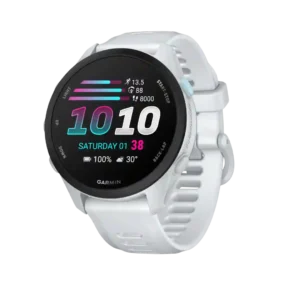
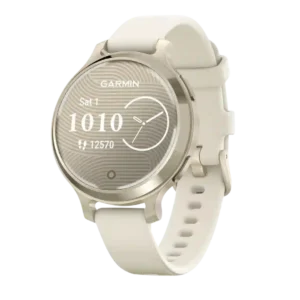
Good if you want a compact, stylish Garmin with strong GPS, comfort, and week-plus battery life. Skip it if you need richer smartwatch apps, onboard music, bright always-on display, or...
Pros: health tracking accuracy, blood oxygen tracking
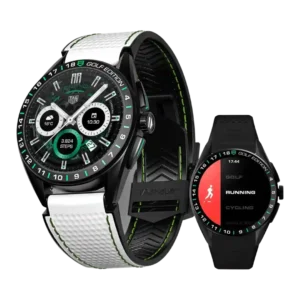
Best for luxury-watch styling, vivid TAG faces, solid build, and casual smartwatch use. Skip it if you need top fitness accuracy, call handling, LTE, or strong value.