If you want better Detachable cable convenience
Choose ASUS ROG Kithara. It scores 5.0 vs 1.8 for Detachable cable convenience, with a 3.9 overall score.
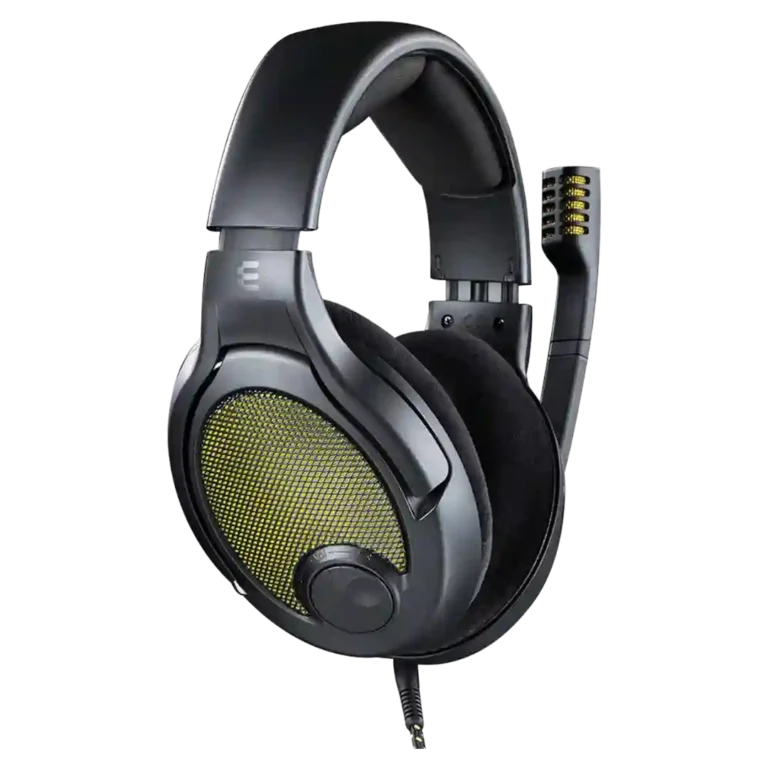
Choose the PC38X for superb wired sound, wide staging, accurate positioning, a strong boom mic, and long-session comfort. Skip it if you need isolation, wireless freedom, premium-feeling construction, easy EQ software, or a gentler out-of-box clamp.
Gamers who want a wired, open-back headset with spacious sound, strong positional cues, a clear integrated mic, and long-session comfort. It especially suits quiet rooms and users who value audio quality over wireless features.
Skip it if you need strong isolation, wireless freedom, native EQ software, or premium-feeling construction. It is also less ideal if you are very clamp-sensitive or want footsteps aggressively boosted for FPS play.
The PC38X earns unusually consistent praise for the things a wired gaming headset has to get right: sound quality, comfort, microphone clarity, and spatial presentation. Reviewers repeatedly describe a wide, immersive stage, clean and surprisingly full bass, natural mids, and useful directional cues, with several ranking it among their favorite gaming headsets. The tradeoffs are equally clear. Its open-back design leaks sound and blocks very little outside noise, the plastic construction can feel cheaper than the price suggests, and clamp is divisive until it breaks in. The fixed boom mic is generally strong but can be bulky and plosive-prone, while the lack of companion software limits EQ customization. Value depends on price, but the core wired audio experience remains the reason reviewers keep recommending it.
Compared with other Headsets, this product is above average in Smudge resistance, Volume output, Integrated microphone, near average in Overall satisfaction, Comfort during long use, below average in Footstep sound level scaling feature, Equalizer customization, Detachable cable convenience.
| Attribute | This product | Category average | Difference |
|---|---|---|---|
| Footstep sound level scaling feature | 1.0 | 4.2 | -3.2 |
| Equalizer customization | 1.3 | 3.9 | -2.5 |
| Detachable cable convenience | 1.8 | 3.8 | -2.1 |
| Smudge resistance | 5.0 | 2.9 | +2.1 |
| Noise isolation (passive) | 1.5 | 3.4 | -1.9 |
| Detachable microphone convenience | 2.2 | 4.0 | -1.8 |
| Volume output | 4.9 | 3.6 | +1.3 |
| Build quality | 3.1 | 4.1 | -0.9 |
Choose ASUS ROG Kithara. It scores 5.0 vs 1.8 for Detachable cable convenience, with a 3.9 overall score.
Choose RIG R5 Spear MAX HD. It scores 4.5 vs 1.0 for Footstep sound level scaling feature, with a 4.0 overall score.
Choose SteelSeries Arctis Nova 1. It scores 4.6 vs 1.3 for Equalizer customization, with a 3.9 overall score.
Choose HyperX Cloud Alpha. It scores 4.3 vs 1.5 for Noise isolation (passive), with a 4.1 overall score.
Products reviewers directly compared with this model, grouped into quick takeaways.
Usually yes. Most reviewers praise its imaging, direction and distance cues, but a minority found footsteps too quiet or imaging less precise in certain FPS games.
For most reviewers, yes. Its low weight and breathable pads work well for hours, though the initial clamp can feel tight until it loosens.
The flip-to-mute boom mic is generally clear and above average for a gaming headset. Plosives and background pickup can still be issues, and dedicated microphones sound better.
No. The open-back cups provide very little passive isolation and also leak sound, so the headset is best used in a quiet room.
Not through a PC38X companion app; reviewers repeatedly note that none is provided. External EQ software or a sound card can be used instead.
Yes, the included analog cable options are repeatedly praised for PC and controller use, including PlayStation and Xbox connections.
These are a few of the reviews included in our analysis.



Experience gaming like never before with the Drop + Epos PC38X headset delivering unmatched sound quality for true audiophiles.
The Drop + Epos PC38X could almost be considered old now, but it’s still great. If you can find it in stock, then it’s an easy recommendation...
Discover why the Drop + EPOS PC38X is a top choice for gamers seeking clear audio and comfort in an open-back design. Read our full review.
Review: Drop's collab with EPOS (formerly part of Sennheiser) has produced an almost cult-like following among its devotees. After getting my...
The DROP + EPOS PC38X Gaming Headset, Brought to You by Sennheiser DROP shipped us out their new EPOS PC38X Gaming Headset, the successor to...
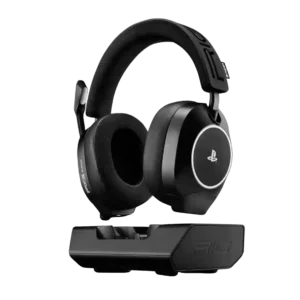
Best for sharp gaming audio, long battery life, an excellent dock, and strong value. Skip it if you need ANC, a detachable mic, maximum console volume, or seamless PS5/Xbox switching.
Pros: Spatial audio, Positional audio accuracy
Cons: Carry case quality, Detachable microphone convenience
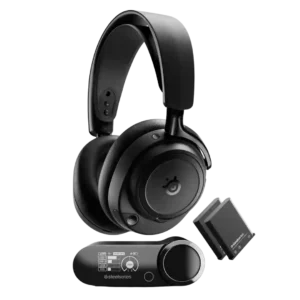
Choose the Arctis Nova Elite if you want top-tier wireless sound, ANC, hot-swap batteries, and multi-device mixing. Skip it if $600 feels excessive, you game on one console, or tight/heavy...
Pros: Maximum volume clarity, Multipoint connectivity reliability
Cons: Portability/foldability, USB-C
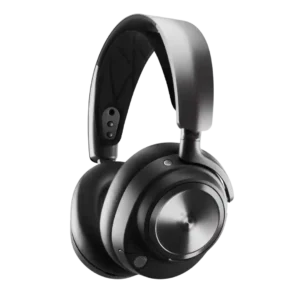
Choose the Arctis Nova Pro Wireless for premium gaming audio, hot-swappable batteries, broad device support, and deep EQ control. Skip it if the high price, mixed mic quality, or uneven...
Pros: Charging, Spatial audio
Cons: Hinge durability, Smudge resistance
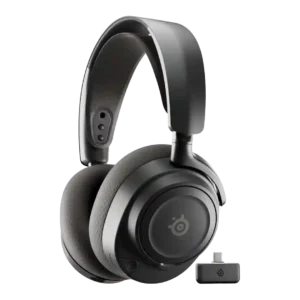
Best for long sessions, strong battery, customizable EQ, and easy dual-device gaming. Skip it if you need ANC, a slimmer dongle, premium mic fidelity, or the best value outside a...
Pros: Connectivity versatility, Multi-platform compatibility
Cons: Transparency mode quality, Active noise cancellation