If you want better app ecosystem
Choose Apple Watch Ultra 3. It scores 4.8 vs 2.0 for app ecosystem, with a 4.0 overall score.
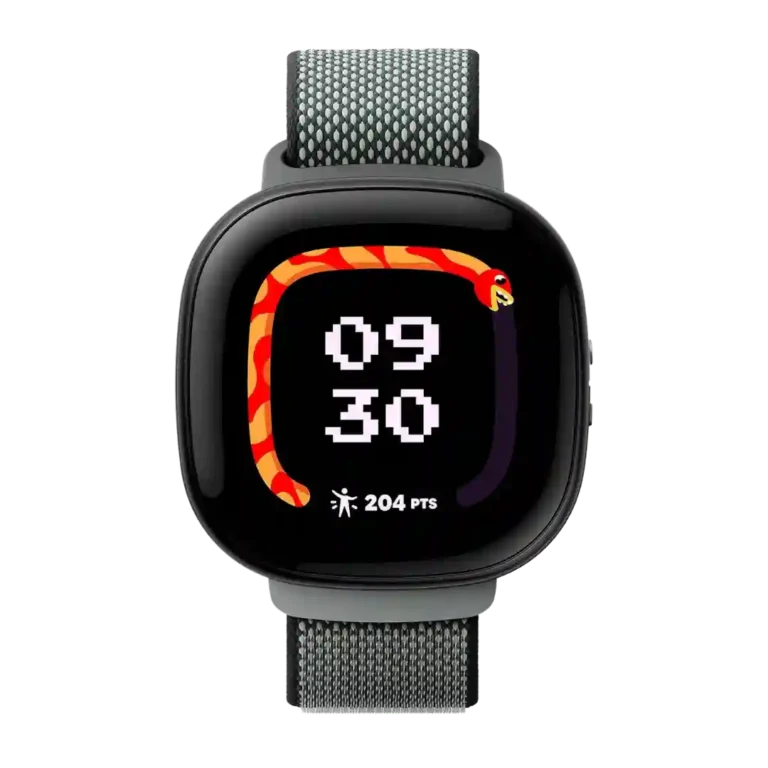
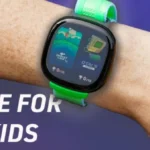
Choose the Fitbit Ace LTE for kids who need parent-approved calling, location tracking and activity-driven games. Skip it if you need long battery life, open apps, detailed health metrics or no monthly plan.
Best for elementary-age, pre-phone kids who will be motivated by games, Move Points, Eejie customization, and parent-approved communication. It especially fits families that value location tracking and controlled independence more than full smartwatch flexibility.
Not for families wanting multi-day battery life, an open app ecosystem, detailed health or sleep metrics, video calling, or no recurring service plan. Older kids who want music, maps, and broader apps may outgrow it faster.
The Fitbit Ace LTE stands out as a kid-first smartwatch rather than a stripped-down adult watch. Reviewers consistently praised its movement-gated games, Eejie customization, bright OLED screen, durable bumper-backed hardware, and controlled calling, texting, and location features. The tradeoff is that its most useful features depend on an Ace Pass subscription, and several reviewers wanted longer battery life, richer health data, broader app support, or more flexible parental controls. Communication and GPS were usually useful, but one long-term tester saw occasional locate and call failures. Overall, the evidence points to a polished, motivating pre-phone wearable with strong safety appeal, but not a replacement for a fuller smartwatch or a low-maintenance fitness tracker.
Compared with other Smartwatches, this product is above average in LTE connectivity, operating system experience, call handling, near average in value for money, display quality, below average in workout tracking variety, app ecosystem, button controls.
| Attribute | This product | Category average | Difference |
|---|---|---|---|
| LTE connectivity | 4.5 | 2.3 | +2.2 |
| workout tracking variety | 2.3 | 4.3 | -2.1 |
| app ecosystem | 2.0 | 3.6 | -1.6 |
| button controls | 2.5 | 3.9 | -1.4 |
| menu navigation | 2.5 | 3.8 | -1.3 |
| wellness insights | 2.8 | 4.0 | -1.3 |
| third-party app support | 2.0 | 3.2 | -1.2 |
| operating system experience | 4.9 | 3.8 | +1.1 |
Choose Apple Watch Ultra 3. It scores 4.8 vs 2.0 for app ecosystem, with a 4.0 overall score.
Choose Garmin Venu X1. It scores 4.7 vs 2.3 for workout tracking variety, with a 3.9 overall score.
Choose Garmin Forerunner 265. It scores 5.0 vs 2.0 for third-party app support, with a 4.0 overall score.
Choose Garmin Enduro 3. It scores 5.0 vs 2.3 for contactless payments, with a 4.2 overall score.
Products reviewers directly compared with this model, grouped into quick takeaways.
Yes. Reviewers repeatedly praised the movement-gated games, daily goals, Noodles, and Eejie rewards as fun ways to get kids active without framing it like adult exercise.
Battery life is mixed. Some reviewers easily got through a day, while others measured roughly 15 to 16 hours or wished the rated battery life were longer, so daily charging is part of the experience.
No. Communication runs through the Fitbit Ace app and approved contacts, which reviewers liked for safety but also found limiting for kids who want to talk to friends or Apple Watch users.
No. Reviewers noted that there is no app store and no third-party app support, which keeps the experience safer and simpler but limits older-kid usefulness.
Reviewer evidence is strongly positive. The watch survived drops, active play, and rough use, with praise for the bumper, sturdy design, and water-resistant build.
It depends on whether you value LTE calling, messaging, location tracking, and Fitbit Arcade. Reviewers often liked the safety and activity features, but the required subscription was one of the clearest value concerns.
These are a few of the reviews included in our analysis.

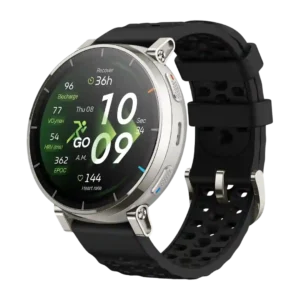
Good if you want premium running features, long battery life, and maps for under $200. Skip it if you need flawless heart-rate data, multiband GPS, LTE, or richer app support.
Pros: pairing reliability, brightness
Cons: Wi-Fi connectivity, Bluetooth connectivity
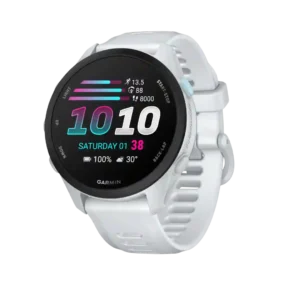
Best for accurate running metrics, excellent coaching tools, a bright AMOLED display, and dependable battery life. Skip it if you need offline maps, music storage, contactless payments, multi-band GPS, or...
Pros: step counting accuracy, app ecosystem
Cons: Bluetooth connectivity, pairing reliability
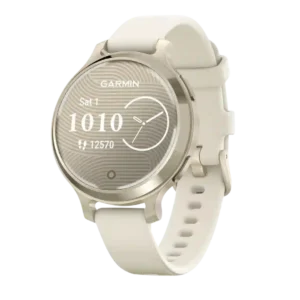
Good if you want a compact, stylish Garmin with strong GPS, comfort, and week-plus battery life. Skip it if you need richer smartwatch apps, onboard music, bright always-on display, or...
Pros: health tracking accuracy, blood oxygen tracking
Cons: ECG functionality, onboard music storage
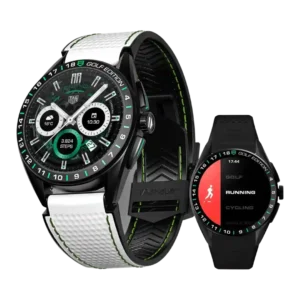
Best for luxury-watch styling, vivid TAG faces, solid build, and casual smartwatch use. Skip it if you need top fitness accuracy, call handling, LTE, or strong value.
Pros: contactless payments, pairing reliability
Cons: LTE connectivity, call handling