Best for third-party app support
Garmin Forerunner 70
5.0 feature score
Highest scored product for this feature based on supporting review evidence.
Highest scored product for this feature based on supporting review evidence.
Balances feature score, supporting reviews, and overall product strength.
Has the broadest review evidence for this feature.
Strongest overall product among items with scored evidence for this feature.
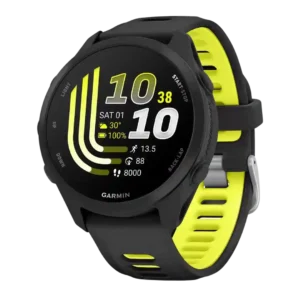
Connect IQ supports major services such as Spotify and YouTube Music plus a wide range of community apps and widgets.
Pros: recovery insights, fitness tracking accuracy
Cons: ECG functionality, call handling
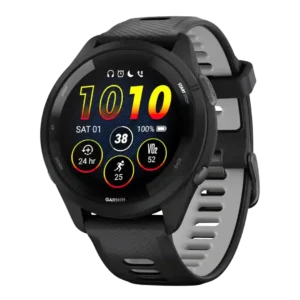
Third-party workout syncing was praised as very easy, especially for sending activities to external services.
Pros: step counting accuracy, third-party app support
Cons: ECG functionality, LTE connectivity
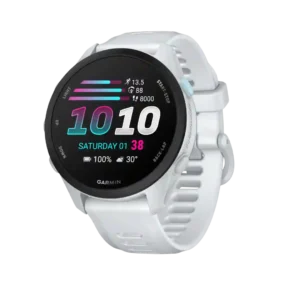
Completed workouts sync easily to services such as Strava and Apple Health. The broad integration makes Garmin data easy to use across a larger fitness setup.
Pros: step counting accuracy, app ecosystem
Cons: Bluetooth connectivity, pairing reliability
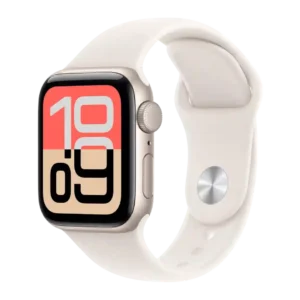
Third-party app support was praised for extending the native experience, with reviewers highlighting Apple’s App Store depth and useful fitness apps.
Pros: app ecosystem, operating system experience
Cons: cross-platform compatibility, ECG functionality
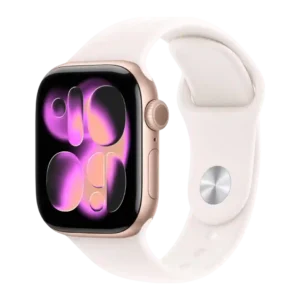
Third-party app support is a clear strength, especially for sports and customization apps such as WorkOutDoors.
Pros: ECG functionality, app ecosystem
Cons: cross-platform compatibility, recovery insights
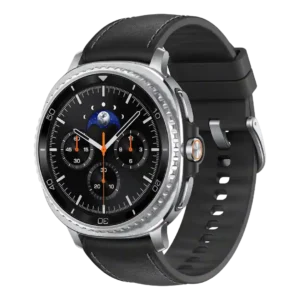
Third-party app support was praised strongly, with one reviewer saying the watch supports every major smartwatch app they wanted.
Pros: third-party app support, heart rate accuracy
Cons: music controls, cross-platform compatibility
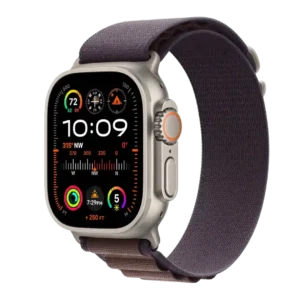
Third-party app support was a standout, with reviewers praising the selection and the ability to fill mapping or sports gaps with apps.
Pros: app ecosystem, smartwatch features
Cons: cross-platform compatibility, blood oxygen tracking
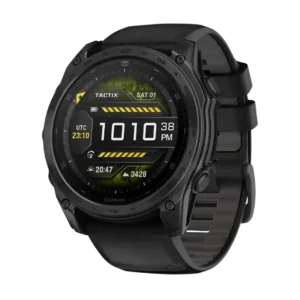
Third-party app support was positively noted for easy route loading and AllTrails-connected navigation support.
Pros: wellness insights, build quality
Cons: LTE connectivity, band quality
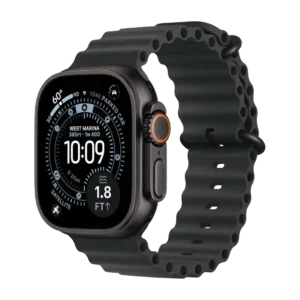
Third-party app support was a major advantage, especially for runners using apps such as WorkOutDoors, Strava, and other services.
Pros: app ecosystem, watch face quality
Cons: cross-platform compatibility, size options

Third-party app support was strong in the scored reviews, especially through Google Play and well-integrated Wear OS apps.
Pros: voice assistant quality, music controls
Cons: blood oxygen tracking, cross-platform compatibility
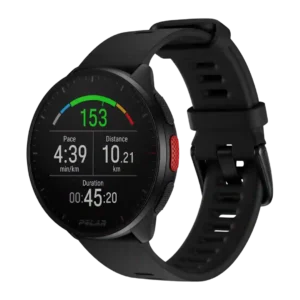
Third-party app support has limited but strong evidence, with one reviewer praising Strava, Adidas Running, Nike Run Club, and Strava Live Segments support.
Pros: third-party app support, comfort
Cons: contactless payments, onboard music storage
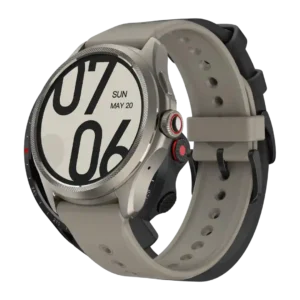
Third-party app support was consistently strong thanks to Play Store availability and broad watch-face or fitness-app options.
Pros: contactless payments, battery life
Cons: voice assistant quality, LTE connectivity

Third-party app support was strongly positive, with reviewers highlighting access to apps such as Google Maps, Spotify, WhatsApp, YouTube Music, and the Play Store.
Pros: pairing reliability, outdoor visibility
Cons: ECG functionality, running power support
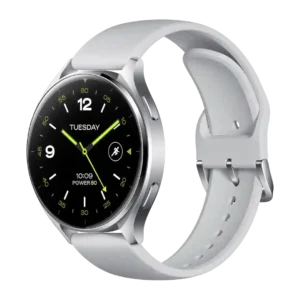
Third-party app support was a major advantage, with multiple reviewers praising access to Google Play apps and big-name services.
Pros: charging speed, Bluetooth connectivity
Cons: ECG functionality, recovery insights
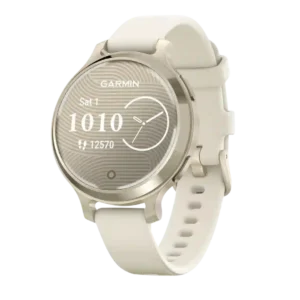
Third-party app support is positive, especially syncing workout data outward and broadcasting heart rate to other devices.
Pros: health tracking accuracy, blood oxygen tracking
Cons: ECG functionality, onboard music storage
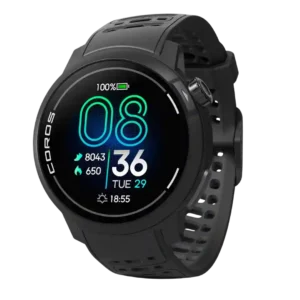
Third-party app support was positive where mentioned, with a rich set of apps and quick data sharing.
Pros: outdoor visibility, display quality
Cons: contactless payments, flashlight usefulness
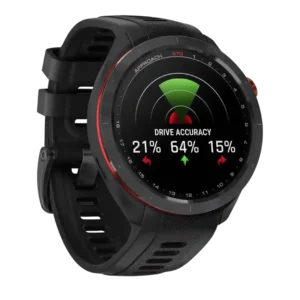
Third-party app support is positive but not seamless, with Spotify/Connect IQ setup described as smooth and straightforward rather than Apple-like.
Pros: recovery insights, GPS accuracy
Cons: software smoothness, fitness tracking accuracy
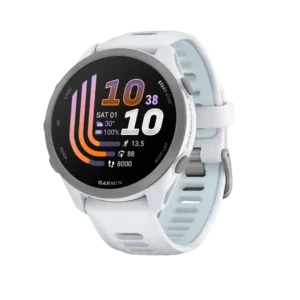
Connect IQ adds downloadable apps and watch faces, while services such as WhatsApp, Spotify, and Deezer broaden everyday usefulness.
Pros: music controls, pairing reliability
Cons: LTE connectivity, ECG functionality
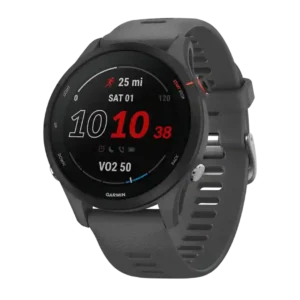
Third-party app support was praised in one walkthrough for the availability of free apps, glances, watch faces, and music apps.
Pros: durability, cross-platform compatibility
Cons: stress tracking, app ecosystem
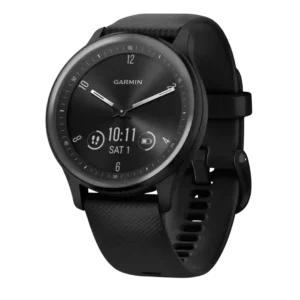
Third-party support was positive where discussed, especially easy syncing with Strava and other fitness apps.
Pros: pairing reliability, reliability
Cons: contactless payments, onboard music storage
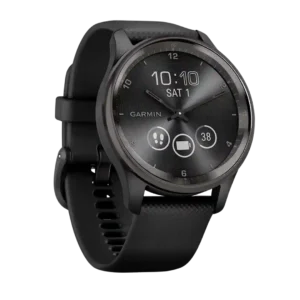
Third-party app support was positive where reviewed because workout data could flow to connected platforms such as Strava and MapMyFitness.
Pros: activity auto-detection, build quality
Cons: blood oxygen tracking, Bluetooth connectivity
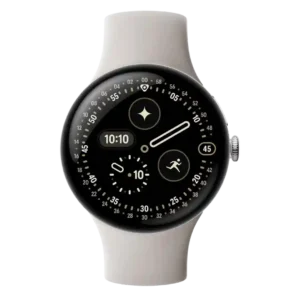
Third-party app support was strong, with reviewers saying major apps and options were present.
Pros: step counting accuracy, charging speed
Cons: stress tracking, band quality
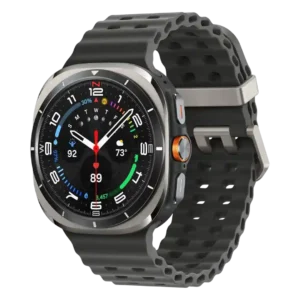
Third-party app support benefits from extra storage and useful fitness/media apps, giving users more room for services beyond Samsung’s own tools.
Pros: LTE connectivity, pairing reliability
Cons: antioxidant index, blood oxygen tracking
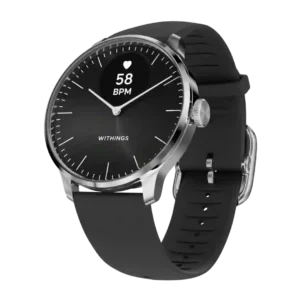
Third-party app support is positive in limited evidence, with syncing to Google Fit, Strava, and Samsung Health mentioned approvingly.
Pros: comfort, build quality
Cons: call handling, contactless payments
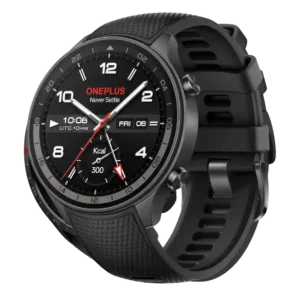
Third-party app support was strong overall through Wear OS, but one reviewer noted that some wanted apps were missing.
Pros: software smoothness, charging speed
Cons: ECG functionality, safety features

Third-party app support was strong through Play Store access and Google services, though individual apps could still have quirks.
Pros: blood oxygen tracking, step counting accuracy
Cons: LTE connectivity, calorie tracking usefulness
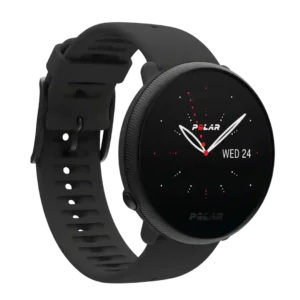
Third-party app support was positive where reviewers discussed integrations, especially exports to Strava and other training platforms.
Pros: wellness insights, coaching features
Cons: mapping and navigation, contactless payments
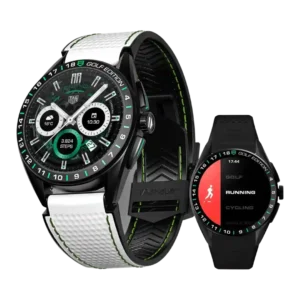
Third-party app support is positive overall, with reviewers valuing the ability to install apps and use external fitness options.
Pros: contactless payments, pairing reliability
Cons: LTE connectivity, call handling
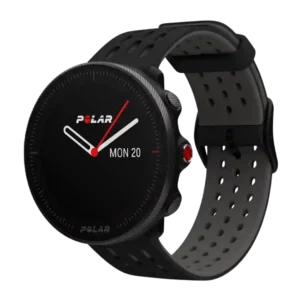
Third-party support was viewed positively, with reviewers noting adequate data export and broad connections to services such as Strava and Google Fit.
Pros: running power support, fitness tracking accuracy
Cons: contactless payments, smartphone notifications
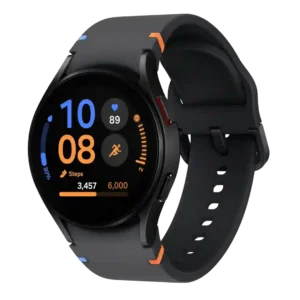
Third-party app support was rated well, with reviewers highlighting popular apps and an advantage over cheaper non-Wear OS watches.
Pros: materials quality, workout tracking variety
Cons: size options, cross-platform compatibility
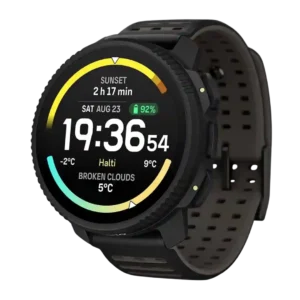
Third-party app support was positive where discussed, especially clean syncing with Strava, TrainingPeaks, and health-app workflows.
Pros: operating system experience, materials quality
Cons: contactless payments, onboard music storage
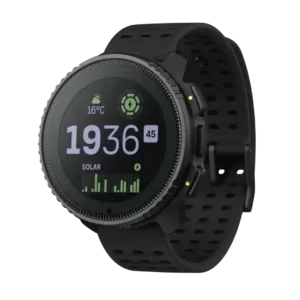
Third-party app support was praised as practical add-on functionality rather than cosmetic extras.
Pros: battery life, durability
Cons: resume later function, ECG functionality
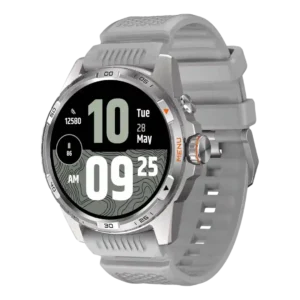
Third-party app support is solid through Wear OS and the Play Store, with Strava, Spotify, and other apps working well.
Pros: touchscreen responsiveness, software smoothness
Cons: ECG functionality, LTE connectivity
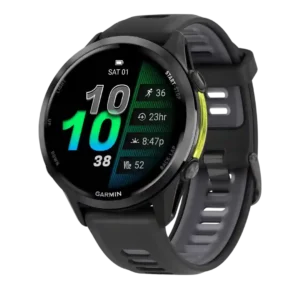
Third-party app support was useful for watch faces, data fields, and niche apps, though reviewers did not equate it with a full smartwatch app store.
Pros: stress tracking, customization options
Cons: menu navigation, companion app quality
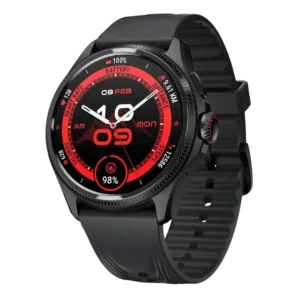
Third-party app support was a Wear OS advantage, with Strava, Spotify, WhatsApp, and low-power display integrations mostly viewed positively.
Pros: menu navigation, battery life
Cons: ECG functionality, voice assistant quality
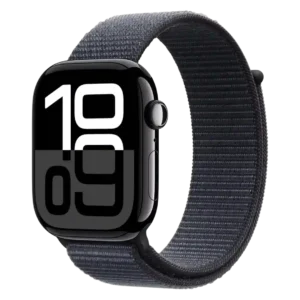
Third-party app support was valuable for sports and customization, though reviewers wanted better APIs for route syncing and deeper integration.
Pros: reliability, comfort
Cons: calorie tracking usefulness, mapping and navigation
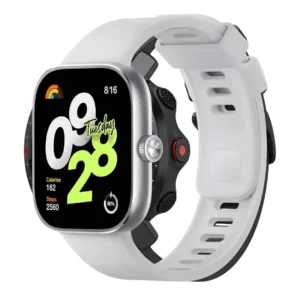
Third-party app support is a positive surprise, especially for sharing data with platforms such as Suunto, Apple Health, and Strava.
Pros: battery life, software smoothness
Cons: contactless payments, recovery insights
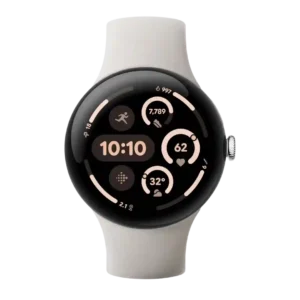
Third-party app support was generally strong, especially for Wear OS fitness and smartwatch apps, though app updating and some ecosystem limitations remained less intuitive.
Pros: outdoor visibility, pairing reliability
Cons: calorie tracking usefulness, materials quality
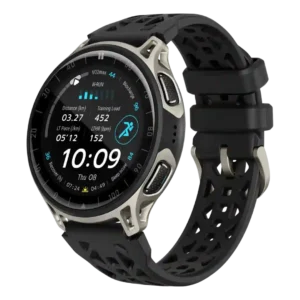
Third-party support was strong for fitness platforms like TrainingPeaks, Runna, Intervals.icu and Strava, but weaker for streaming services and app breadth.
Pros: calorie tracking usefulness, durability
Cons: ECG functionality, size options
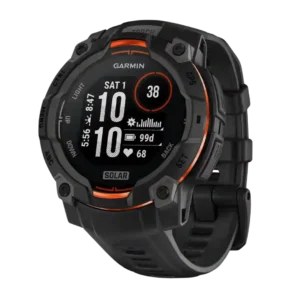
Third-party app support is present and somewhat useful through Connect IQ, but the evidence is limited and not central to the watch’s appeal.
Pros: customization options, charging speed
Cons: onboard music storage, voice assistant quality
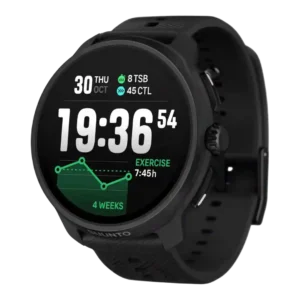
Third-party app support was mixed: SuuntoPlus integrations impressed one reviewer, while another found the two-app limit restrictive.
Pros: operating system experience, brightness
Cons: safety features, health tracking accuracy

Fitness-service connectivity and data export are useful, but wrist-app support is limited. The absence of Spotify and the shallow app catalog keep it behind Apple Watch and Wear OS for...
Pros: battery life, watch face quality
Cons: activity auto-detection, LTE connectivity
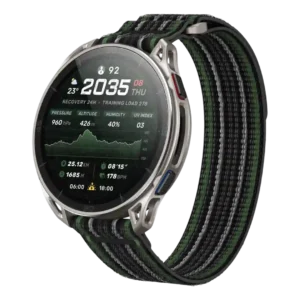
Third-party app support is mixed, with useful athlete integrations offset by a storefront lacking major apps.
Pros: software smoothness, flashlight usefulness
Cons: sleep tracking accuracy, ECG functionality
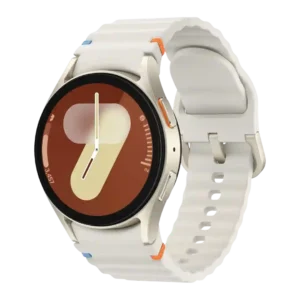
Third-party app support is generally good through Wear OS and the Play Store, but deeper Samsung Health data export and integration remain limited.
Pros: display quality, durability
Cons: cross-platform compatibility, antioxidant index
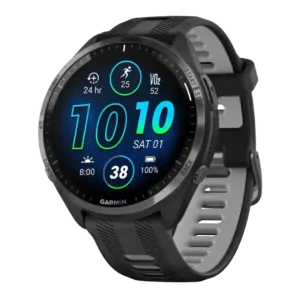
Third-party app support was mixed: Strava and Connect IQ are useful, but Garmin apps can feel clunky or less polished.
Pros: water resistance, workout tracking variety
Cons: LTE connectivity, ECG functionality
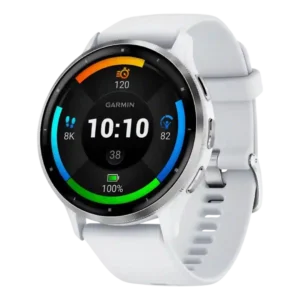
Third-party app support is limited compared with mainstream smartwatch platforms, though Garmin’s activity export and Connect IQ extras still add value.
Pros: health tracking accuracy, software smoothness
Cons: LTE connectivity, mapping and navigation
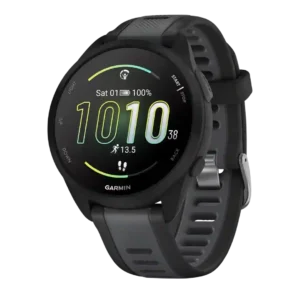
Third-party app/widget support was available and sometimes useful for tailoring data, though one reviewer did not find it especially useful.
Pros: smartphone notifications, watch face quality
Cons: music controls, Wi-Fi connectivity
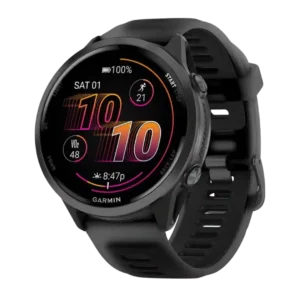
Third-party app support was useful but limited: Connect IQ adds apps and data fields, but trails watchOS and Wear OS.
Pros: charging speed, GPS accuracy
Cons: ECG functionality, smartphone notifications
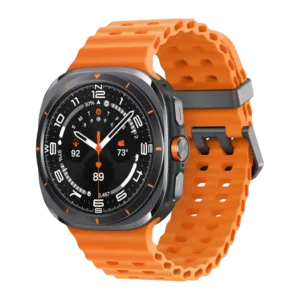
Third-party app support was useful through Wear OS, but custom watch-face support created a notable limitation for one reviewer.
Pros: build quality, software smoothness
Cons: stress tracking, blood oxygen tracking
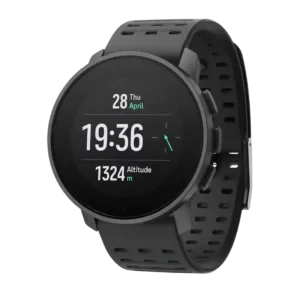
Third-party app support was promising but constrained: reviewers liked partner depth yet criticized the one-app-per-workout limitation.
Pros: step counting accuracy, durability
Cons: voice assistant quality, contactless payments