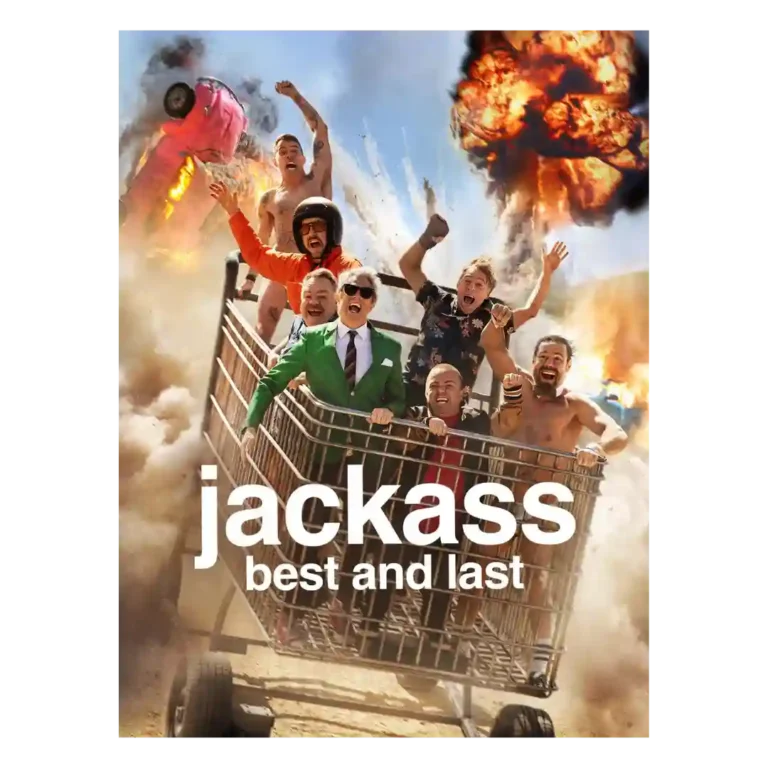
jackass: best and last Movie Review
Bottom Line
Choose it for a funny, unexpectedly moving farewell built on the crew’s camaraderie and classic crowd-pleasing stunts. Skip it if you want a mostly new movie or dislike relentless nudity, excrement, and painful gross-out comedy.
Longtime Jackass fans, adult viewers who enjoy extreme physical and gross-out comedy, and theater crowds that value communal laughter will get the most from the nostalgic farewell.
Viewers seeking a mostly original movie, polished narrative storytelling, restrained content, or family-friendly entertainment should skip it.
Jackass: Best and Last works best as an affectionate curtain call rather than a fully new installment. The crew’s chemistry, Johnny Knoxville’s visible emotion, and several inspired new stunts produce genuine laughter and an unexpectedly moving sense of finality. Its archival structure also gives newcomers a useful tour of the franchise and lets classic bits play well with a crowd. The tradeoff is substantial: familiar footage occupies too much of the runtime, the newer cast is often sidelined, and the fresh stunts are generally smaller than the series’ peak. The relentless rectal, excrement, nudity, and bodily-harm material will also be a hard stop for many viewers. For committed fans, the warmth and communal laughter outweigh the recycled construction; for everyone else, it can feel like an extended greatest-hits extra.
Feature Scorecards
Summary
29 reviewed features- Very positive 4.5-5.0 10% 3 features
- Positive 3.5-4.4 41% 12 features
- Neutral 2.5-3.4 38% 11 features
- Negative 1.5-2.4 10% 3 features
- Very negative below 1.5 0% 0 features
Pros
-
The cast’s affectionate camaraderie remains the movie’s greatest strength. Their shared laughter, trust, and willingness to look foolish turn extreme humiliation into a warm portrait of friendship.
-
The elaborate opening and closing sequences look polished, playful, and cinematic. The material between them is intentionally rougher and sometimes lacks the visual scale of earlier films.
-
The closing use of familiar torch songs gives the farewell scale and emotional lift, helping the final montage land.
-
The best classic stunts remain funny on repeat viewing, and a few new jokes linger long after the screening. Fans may still prefer rewatching the stronger original films in full.
-
Aging, injury, absent friends, and Johnny Knoxville’s visible emotion give the farewell surprising weight. The best moments balance tears and laughter without losing the franchise’s crude spirit.
-
It remains unmistakably Jackass: anarchic, juvenile, gross, dangerous, and unexpectedly sweet. Fans of the franchise’s stunt-comedy identity should get the farewell they expect.
-
Longtime fans and lively theater crowds are the clearest match, with the nostalgia and shared laughter doing much of the work. Newcomers may enjoy the historical overview, though some find it a weak starting point.
-
The old-new intercutting often creates an effective nostalgic rhythm, and brisk cutting keeps the grossest moments moving. The same structure can also feel padded, choppy, or overly dependent on recycled footage.
-
Beneath the gross-out comedy is a sincere theme of male friendship, aging, mortality, and communal acceptance. The movie is most meaningful when it lets that bond show through.
-
The final ride generally feels warm, affectionate, and fitting, with the cast’s bond carrying the goodbye. A minority see it as an anticlimactic or unnecessary follow-up to stronger earlier farewells.
-
Classic bits remain reliable laugh generators, and several new stunts reach inspired slapstick heights. The heavy reliance on feces and rectal jokes is the most common comedic turnoff.
-
The polished opening and closing sequences and improved multicamera coverage show how far the production has evolved. A few controlled, monochrome setups look flat or visually unclear.
-
The movie is frequently funny, warm, and crowd-pleasing, especially for established fans. Enjoyment drops sharply for anyone frustrated by recycled footage or overwhelmed by the poop, nudity, and bodily harm.
-
The short-sketch format usually keeps the film breezy and fast, with quick emotional resets between stunts. For some, the repeated vignette flow becomes numbing or feels like padded compilation viewing.
-
Its juvenile humor can connect with older teens, but the graphic nudity, excrement, dangerous stunts, and pervasive profanity make it a poor fit for younger or family audiences.
Cons
-
The exaggerated physical punishment remains a defining source of laughter, but the cast’s age makes the danger harder to enjoy. Some stunts inspire admiration; others create real concern that someone could be seriously hurt.
-
Jeff Tremaine gives the archival material thoughtful layering and the bookends a polished cinematic finish. The overall farewell can still feel hastily assembled and less inspired than earlier entries.
-
The strongest new stunts still deliver inventive, painful slapstick, but they are smaller and less daring than the franchise’s peak. Replayed classics frequently overshadow the fresh material.
-
The genuine danger can still push viewers to the edge of their seats, but some staged sequences lack the escalating surprise and tension of the franchise’s best work.
-
This works better as an epilogue, living wake, or franchise scrapbook than as a fully formed standalone movie. Its clip-show construction limits narrative shape and fresh momentum.
-
The greatest-hits structure is the clearest weakness. New and previously unseen footage adds value, but too much of the runtime revisits material longtime fans already know.
-
The blend of melancholy, nostalgia, and bodily chaos usually feels uniquely appropriate for the franchise. A few critics find the older cast’s pain, forced reactions, or hazing more sad and uncomfortable than funny.
-
Theatrical crowd energy, unseen footage, and a handful of strong new stunts provide real value for committed fans. Heavy recycling also makes the film feel like a cheap cash grab to its harshest critics.
-
The reflective interviews add welcome context and emotion, but they are too brief. More candid conversation about friendship, aging, injury, and the end of the series would have strengthened the film.
-
The new material is mostly confined to controlled sets and backlots, making the film feel less expansive and spectacular than earlier installments.
-
At roughly 92 minutes, the movie moves quickly but can feel padded because so much space is devoted to familiar greatest hits.
-
The abundant male nudity is sometimes appreciated for its body-positive, nonjudgmental presentation. The relentless genital, rectal, and excrement material is excessive or unpleasant for many viewers.
-
The newer cast receives uneven treatment. Poopies and Zach make strong impressions, while Rachel Wolfson, Jasper Dolphin, Dark Shark, and others are too often reduced to reactions or background presence.
-
The gross-out formula remains polarizing, and one strongly negative response dismisses it as cultural decline rather than worthwhile comedy.
Cast & Creators
-
Voice ActorAdam Ray’s voice work as Larry the Robot is a scene-stealing addition, bringing quick jokes and personality to several of the strongest new bits.
-
ActorSteve-O attacks the grossest new material with total commitment and emerges as a frequent MVP, though his most extreme rectal and excrement bits will divide viewers.
-
ActorSean “Poopies” McInerney is one of the strongest active performers in the new material, repeatedly enduring the film’s most punishing and memorable stunts.
-
ActorRyan Dunn’s archival presence brings sweetness and loss to the farewell, reminding viewers how much his personality contributed to the group’s chemistry.
-
ActorJohnny Knoxville’s charisma, impish timing, and visible emotion give the farewell its center. Injuries limit his physical participation, but his ringleader presence remains essential.
-
DirectorJeff Tremaine shapes the archival footage with care and gives the bookends a polished finish. The rushed compilation structure keeps this from feeling like his strongest Jackass feature.
-
ActorBam Margera’s restored archival presence helps the farewell feel more complete, and his return powers one of the most warmly received classic sequences.
-
ActorZach Holmes makes a strong impression among the newer cast, gamely turning his physical presence into several of the film’s most outrageous setups.
-
ActorChris Pontius remains an uninhibited physical comedian whose comfort with nudity still fuels memorable laughs, though one high-jump gag is dismissed as weak.
-
ActorEhren McGhehey remains a committed and expressive stunt performer, but the harshest electrocution material crosses from funny into genuinely worrying territory.
-
ActorJasper Dolphin makes the most of the moments he receives, but the film too often leaves him standing on the sidelines instead of carrying new stunts.
-
ActorPaul Walter Hauser’s guest appearance becomes part of an overlong gag that is less memorable than the film’s sharper, simpler stunts.
-
ActorRachel Wolfson is repeatedly praised as a welcome member of the group but is frustratingly underused here, often reduced to background reactions instead of meaningful stunt participation.
-
ActorCompston “Dark Shark” Wilson is given little meaningful screen time and is mostly displaced by the movie’s heavy use of archival material.
Compared With Category Average
Compared with other Movies, this product is above average in editing quality, emotional impact, below average in interview quality, critic appeal, supporting cast performance.
Summary
8 compared features- Above average 0.4+ pts higher 25% 2 features
- Same as average within 0.3 pts 0% 0 features
- Below average 0.4+ pts lower 75% 6 features
| Attribute | This product | Category average | Difference |
|---|---|---|---|
| interview quality | 2.5 | 4.7 | -2.2 |
| critic appeal | 1.5 | 3.6 | -2.1 |
| supporting cast performance | 2.2 | 3.9 | -1.7 |
| originality | 2.6 | 3.6 | -1.0 |
| production design | 2.5 | 3.7 | -1.2 |
| editing quality | 4.0 | 3.1 | +0.9 |
| tonal consistency | 2.5 | 3.4 | -0.9 |
| emotional impact | 4.2 | 3.7 | +0.5 |
FAQ
Is most of the movie new footage?
No. It mixes new stunts and previously unseen material with a substantial greatest-hits selection from earlier Jackass films and television footage.
Is it still funny?
For fans of physical and gross-out comedy, yes—several new bits and many classic stunts earn strong laughs. The poop and rectal humor is also the most common reason viewers disengage.
Does the farewell feel emotional?
Yes. Aging, injuries, Ryan Dunn’s absence, Bam Margera’s archival return, and Johnny Knoxville’s visible emotion give the movie an unexpectedly poignant tone.
Is it a good introduction for newcomers?
The compilation offers a broad overview, but the emotional payoff is strongest for longtime fans. Some critics recommend starting with a stronger earlier film instead.
Is it family-friendly?
No. It contains graphic nudity, pervasive profanity, dangerous stunts, excrement, vomiting, sexual material, and intense bodily harm.
Sample Expert Reviews We Analyzed
These are a few of the reviews included in our analysis.

Video Reviews
Article Reviews
- Review score
- 3.4
- Review score
- 2.2
- Review score
- 3.3
- Review score
- 2.3
Compared in Reviews
Products reviewers directly compared with this model, grouped into quick takeaways.
Jackass Forever
- Better: franchise ranking The reviewer still ranks Jackass Forever as the franchise's best film.
- Better: overall quality The previous film is directly described as much better.
- Better: farewell effectiveness Jackass Forever is viewed as the more logical and effective conclusion.
Jackass 3D
- Better: farewell satisfaction The reviewer considers Jackass 3D the franchise's more satisfying goodbye.
Jackass Number Two
- Better: overall quality The film is satisfying but falls short of Jackass Number Two as the series peak.
Consider This Instead
If you want better critic appeal
Choose The Invite. It scores 5.0 vs 1.5 for critic appeal, with a 4.5 overall score.
If you want better originality
Choose Night Nurse. It scores 4.7 vs 2.6 for originality, with a 3.5 overall score.
If you want better supporting cast performance
Choose Enola Holmes 3. It scores 4.1 vs 2.2 for supporting cast performance, with a 3.5 overall score.
If you want better production design
Choose Minions & Monsters. It scores 4.5 vs 2.5 for production design, with a 3.8 overall score.
Top Movies to Consider
Best for a profound, formally inventive meditation on grief, memory, and the ethics of filming family. Skip it if intensely personal addiction material, a 114-minute runtime, or occasional repetition will...
Pros: plot originality, ending satisfaction
Cons: runtime, pacing
Best for a tender, accessible portrait that lets Oliver’s poetry, friends, and archival voice carry the experience. Skip it if you want a brisk, deeply investigative biography; the calm rhythm...
Pros: romance quality, faithfulness to source material
Cons: none

Best for razor-sharp adult comedy, exceptional ensemble work, and a surprisingly moving marriage story. Skip it if talk-heavy chamber pieces, explicit relationship discussions, or an occasionally intrusive string score wear...
Pros: plot originality, lead performance
Cons: runtime, score quality
Best for luminous coastal imagery, an exceptional debut performance, and a tender search through family memory. Skip it if slow pacing, subdued conflict, or a late shift into magical realism...
Pros: ending satisfaction, acting performance
Cons: character development, score quality