If you want better Low-volume performance
Choose Edifier M90. It scores 5.0 vs 2.9 for Low-volume performance, with a 4.3 overall score.
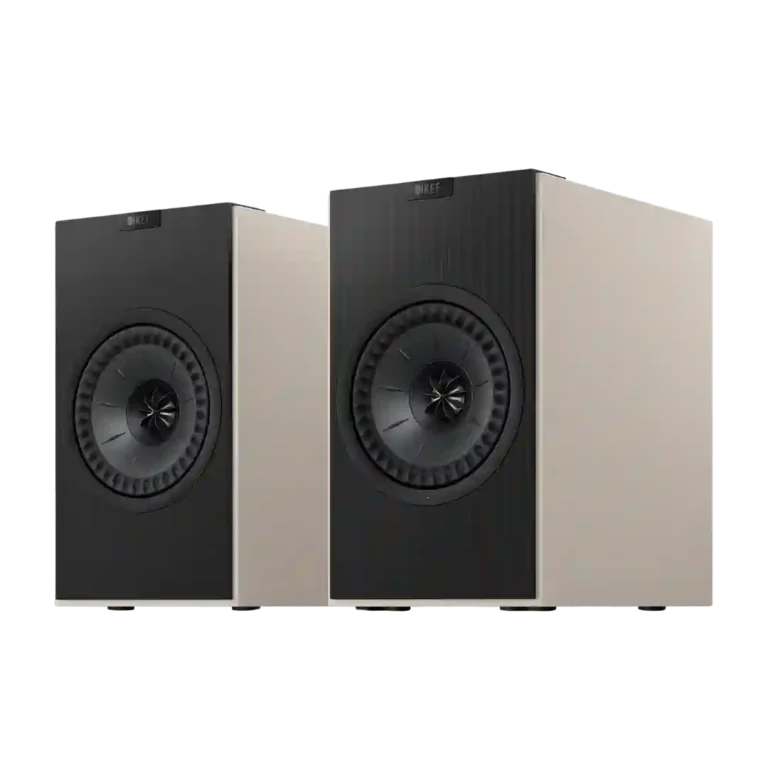
Choose the Coda W if you want big, precise stereo sound, strong bass, HDMI ARC and simple turntable/desktop connectivity without a separates stack. Skip it if built-in Wi-Fi/multi-room streaming, compact desktop size, or top-tier phono playback matters most.
Best for listeners who prioritize serious two-channel sound, deep bass, simple TV and turntable hookups, and a compact all-in-one hi-fi system over network-streaming features. It also suits buyers happy to add a small external streamer later.
Skip it if you need native Wi-Fi, multi-room playback, Dolby Atmos or a truly compact desktop pair. Vinyl-first listeners with a premium turntable may also prefer a stronger external phono stage.
The Coda W earns its strongest praise for sound: reviewers consistently describe a spacious, precise stereo image, natural tonal balance, strong detail and bass that reaches unusually deep for the cabinet size. Setup is straightforward, build quality is excellent, and the combination of HDMI ARC, USB-C, optical, RCA and Bluetooth makes the pair unusually flexible without requiring an external amplifier. The tradeoffs are deliberate. There is no built-in Wi-Fi, Spotify Connect or multi-room platform, the app and EQ are basic, and the wired link between speakers can complicate cable management. More critical tests also found that low-volume listening loses some energy and that the built-in phono stage, while convenient, trails the digital inputs in dynamics and clarity. For buyers who prioritize stereo performance over streaming smarts, the overall value is unusually strong.
Compared with other Bookshelf Speakers, this product is above average in On-device controls, Backwards compatibility, optical, near average in Stereo imaging accuracy, Value for money, below average in Smart features, Low-volume performance, EQ customization.
| Attribute | This product | Category average | Difference |
|---|---|---|---|
| Smart features | 2.5 | 4.0 | -1.5 |
| On-device controls | 4.3 | 3.0 | +1.3 |
| Low-volume performance | 2.9 | 4.2 | -1.3 |
| Backwards compatibility | 5.0 | 3.7 | +1.3 |
| optical | 4.8 | 3.6 | +1.1 |
| EQ customization | 3.3 | 4.2 | -0.9 |
| Wired input | 4.7 | 3.9 | +0.8 |
| Aesthetic design / Finish options | 4.8 | 4.2 | +0.6 |
Choose Edifier M90. It scores 5.0 vs 2.9 for Low-volume performance, with a 4.3 overall score.
Choose Fluance Ri71 Reference Powered Bookshelf Speakers. It scores 4.0 vs 3.0 for Remote control usability, with a 4.1 overall score.
Choose Kanto REN Speakers. It scores 4.5 vs 2.5 for Smart features, with a 4.2 overall score.
Choose KEF LSX II Wireless HiFi Speakers. It scores 4.4 vs 3.3 for EQ customization, with a 4.2 overall score.
Products reviewers directly compared with this model, grouped into quick takeaways.
No. Wireless music is Bluetooth-based, and reviewers repeatedly note the lack of Wi-Fi, Spotify Connect, and multi-room streaming. A small external streamer can be added through a wired digital input.
For most music, yes. Reviewers consistently found the bass surprisingly deep and authoritative for the cabinet size, though room placement can make it boomy and the deepest movie or electronic bass benefits from a subwoofer.
It is convenient and generally good enough for casual or entry-level turntables, but several critical reviews found it less dynamic and less clear than the digital inputs. Higher-end vinyl setups may benefit from an external phono stage.
Yes. HDMI ARC, clear dialogue, wide stereo separation, and natural vocal placement make it a strong two-channel soundbar alternative. It does not provide Dolby Atmos or true multichannel surround.
It can, and some reviewers liked near-field use, but the cabinets are larger than typical desktop speakers. A roomy desk, sideboard, or stands are usually a better fit.
Very. Reviewers praise the plug-and-play setup, responsive top controls, included remote, and KEF Connect app, although the app and EQ options are intentionally basic.
These are a few of the reviews included in our analysis.





KEF’s Coda W is a pair of powered, multi-input speakers that can be used with a TV, turntable, and CD player. The $999.99 speakers also...
With the Coda W active stereo speakers, KEF offers a new wireless sound system with a convincing sound and price.
Read our KEF Coda W review. Five-star active speakers with real hi-fi performance at £799. Lowest price guaranteed, five-year warranty, free...
The brand is expanding its range of active speakers. More affordable, the Coda Ws do without Wi-Fi but integrate HD Bluetooth.
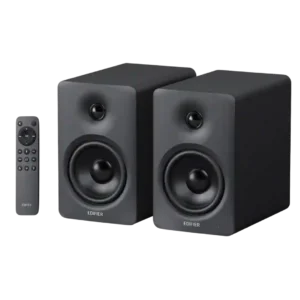
Choose the M90 for powerful, spacious sound, exceptional connectivity, and easy TV integration in a compact desktop-friendly pair. Skip it if you need Wi-Fi or AirPlay, front-mounted controls, or deep...
Pros: HDMI ARC, Low-volume performance
Cons: AirPlay compatibility, Wi-Fi streaming reliability
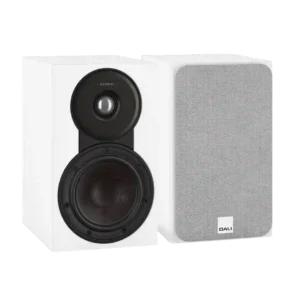
Choose the Sonik 1 for compact-room hi-fi with vivid vocals, punchy bass and precise imaging. Skip it if you need deep sub-bass, dislike forward treble, or cannot justify the steep...
Pros: Distortion at high volume, Dynamic headroom
Cons: Warranty support, Included accessories
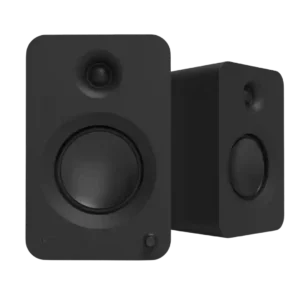
Choose the Kanto REN if you want stylish powered stereo speakers with HDMI ARC, strong imaging, easy setup, and flexible inputs. Skip them if you need Wi-Fi, surround/Atmos, maximum SPL,...
Pros: HDMI ARC, Stereo imaging accuracy
Cons: Surround sound simulation, Bluetooth codec support
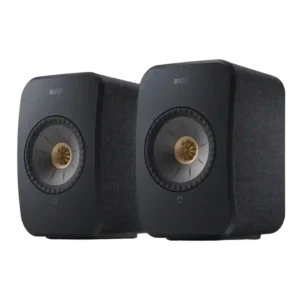
Choose the KEF LSX II if you want compact wireless speakers with sharp imaging, easy setup, strong streaming, and stylish design. Skip it if you need theater-style surround, deepest bass...
Pros: Soundstage height, Amplifier power requirements
Cons: On-device controls, Surround sound simulation