Best for Low-volume performance
Zvox AccuVoice AV855
5.0 feature score
Highest scored product for this feature based on supporting review evidence.
Highest scored product for this feature based on supporting review evidence.
Balances feature score, supporting reviews, and overall product strength.
Has the broadest review evidence for this feature.
Strongest overall product among items with scored evidence for this feature.
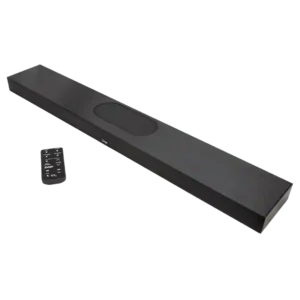
Low-volume speech is excellent: many owners lowered their usual TV volume substantially while understanding more dialogue.
Pros: Stereo imaging accuracy, Subwoofer
Cons: Wi-Fi streaming reliability, Dolby Atmos height effects
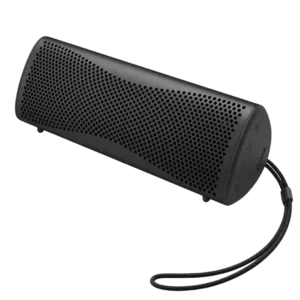
Low-volume listening is a standout strength, staying clear, composed, and full enough for late-night use. Bass support is strongest at quieter settings before DSP reduces it as volume rises.
Pros: Dialogue clarity (for TV/soundbar use), Multi-speaker pairing reliability
Cons: Power bank function, Float capability
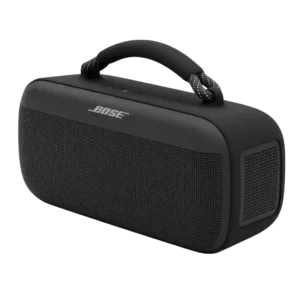
Low-volume performance received strong limited praise from long-term users who still felt bass and impact at moderate or lower volumes.
Pros: Dust resistance rating, Low-volume performance
Cons: Charging time, Microphone
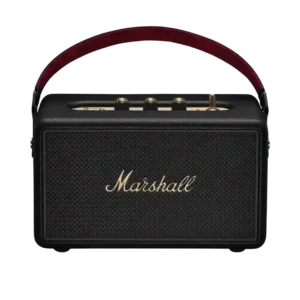
Low-volume performance is praised in the limited evidence available, especially for keeping richness, separation, and bass at modest listening levels.
Pros: Voice clarity, Bluetooth range
Cons: Multi-speaker pairing reliability, Inter-speaker connectivity
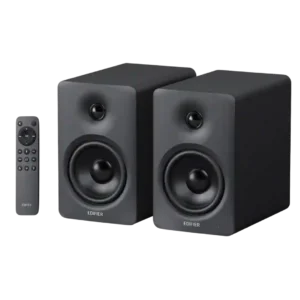
Detail and clarity remain intact at apartment-friendly listening levels, making the M90 especially effective for quiet desktop use.
Pros: HDMI ARC, Low-volume performance
Cons: AirPlay compatibility, Wi-Fi streaming reliability

Low-volume performance is excellent in one review, where the speaker still sounded great when played quietly.
Pros: Dust resistance rating, Low-volume performance
Cons: Speakerphone quality, Backwards compatibility
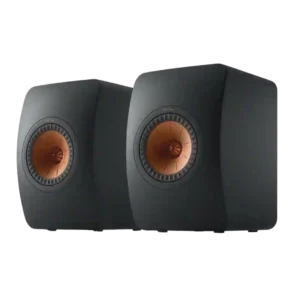
One review singled out very low-volume listening as a strength, saying subtle processing and details stayed easy to hear.
Pros: Dialogue clarity (for TV/soundbar use), Low-volume performance
Cons: Soundstage height, Subwoofer
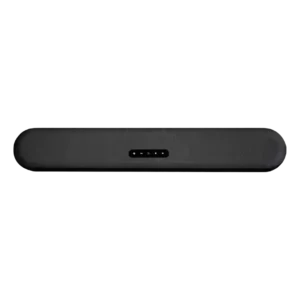
Low-volume performance is praised alongside high-volume listening. One reviewer says the bar stays enjoyable and capable at both low and high levels.
Pros: Distortion at high volume, Loudness / maximum volume
Cons: Chromecast compatibility, Google

Low-volume performance was praised by one reviewer who valued that the speaker can get impressively quiet as well as loud.
Pros: Google, Dust resistance rating
Cons: Wired input, Remote control usability
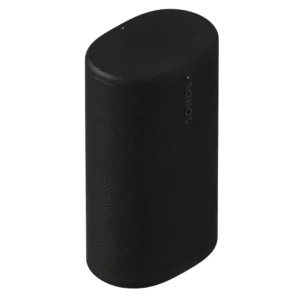
Low-volume listening is unusually capable, retaining balance and useful dynamic range even at quiet settings. Some reviewers still find the presentation becomes more energetic once volume rises.
Pros: Dialogue clarity (for TV/soundbar use), Multi-speaker pairing reliability
Cons: Surround sound simulation, Protective case inclusion
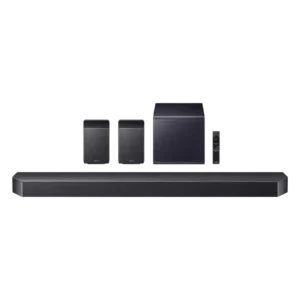
Low-volume performance is unusually strong, with reviewers praising quiet-detail audibility and private/low-level listening usefulness.
Pros: Multi-speaker pairing reliability, Gaming HDMI passthrough
Cons: Google, Cabinet construction / bracing
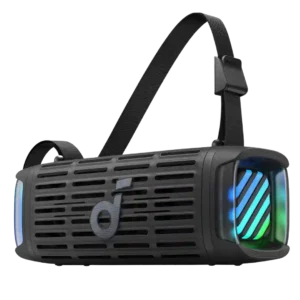
Low-volume performance was praised in camping use, where the speaker stayed clear and audible at minimum volume.
Pros: Price / value for money, On-device controls
Cons: Power bank function, Wired input
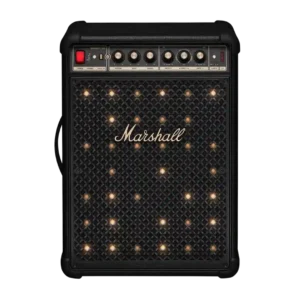
It performs unusually well at quieter levels, staying balanced and enjoyable for background listening. One test wanted a little more bass at low-to-medium volume.
Pros: Stereo imaging accuracy, Multi-speaker pairing reliability
Cons: Remote control usability, Bluetooth codec support
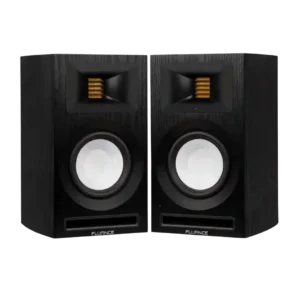
Low-volume evidence was positive, noting retained body, presence, and detail in quieter listening or scenes.
Pros: Setup simplicity, Bluetooth connection stability
Cons: optical, Smart features

Low-volume features were praised for improving late-night listening by reducing bass, stabilizing output, and keeping dialogue clearer.
Pros: Multi-speaker pairing reliability, Spotify Connect reliability
Cons: Gaming HDMI passthrough, Video passthrough support
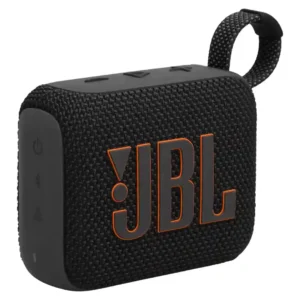
At low and moderate listening levels, the sound remains enjoyable and can compare closely with newer compact models. It works especially well for desk listening, quiet rooms, and background music.
Pros: Voice clarity, Multipoint connectivity
Cons: Cohesive presentation, Soundstage height
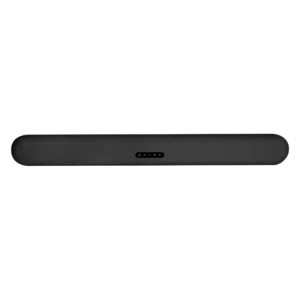
Low-volume performance had limited evidence, but Late Night mode was praised for taming volume swings.
Pros: Distortion at high volume, Voice clarity
Cons: Spotify Connect reliability, Chromecast compatibility
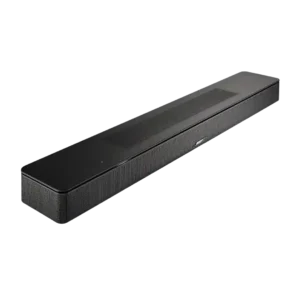
Low-level effects are a strength in at least one review, where quieter sounds remained audible during loud scenes.
Pros: Chromecast compatibility, Spotify Connect reliability
Cons: Google, Privacy and data
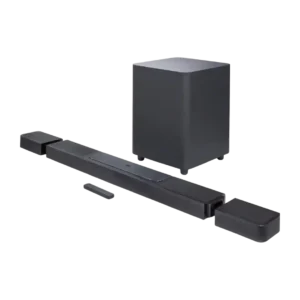
Low-volume and quiet-scene handling was praised in one review for keeping loud and quiet sounds delicately balanced.
Pros: Inter-speaker connectivity, Audio format support
Cons: optical, Gaming HDMI passthrough
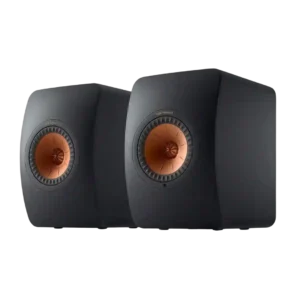
Low-volume performance has limited but positive evidence from soft piano notes still conveying scale and power.
Pros: AirPlay compatibility, Chromecast compatibility
Cons: Spotify Connect reliability, Status indicators
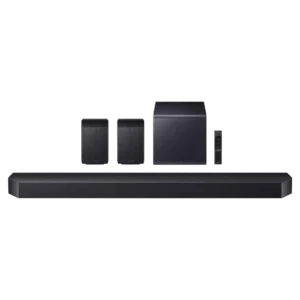
Night Mode and Private Rear Mode make late-night listening practical while keeping dialogue intelligible.
Pros: Loudness / maximum volume, Stereo imaging accuracy
Cons: Smart assistant integration (Alexa, Status indicators
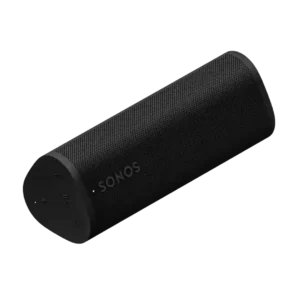
Low-volume or moderate-volume listening drew positive evidence, with one reviewer not needing more than half volume indoors.
Pros: Voice assistant responsiveness, Wi-Fi streaming reliability
Cons: Wired input, Float capability
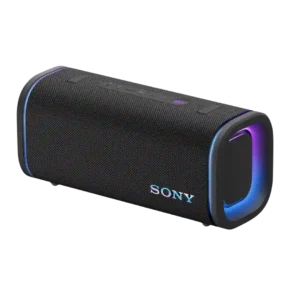
Low-volume performance gets direct praise from one reviewer who found 20% volume already sufficient at close range.
Pros: Latency with TV (lip sync), Multi-speaker pairing reliability
Cons: Energy efficiency, Amplifier power requirements
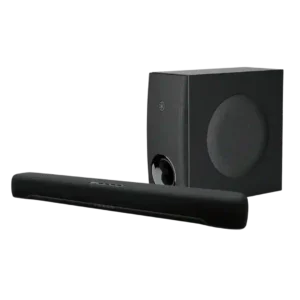
Low-volume performance is praised, especially Adaptive Low Volume keeping sound full and dialogue followable at quieter levels.
Pros: Inter-speaker connectivity, Stereo imaging accuracy
Cons: Status indicators, Distortion at high volume
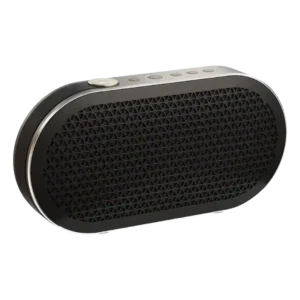
Low and normal-volume listening is strong, with reviewers praising normal listening levels and one saying the speaker makes more sense below 50 percent volume.
Pros: Wired input, Latency with TV (lip sync)
Cons: Dust resistance rating, Water resistance rating
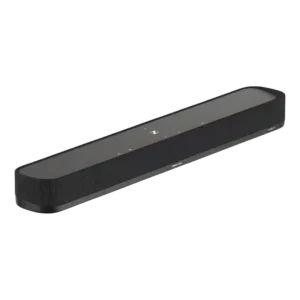
Low-volume use is a good fit for bedrooms and apartments. Reviewers like its full-bodied sound at bedroom volumes, voice enhancement, and night-mode tools for late viewing.
Pros: On-device controls, Dynamic headroom
Cons: Multi-speaker pairing reliability, Inter-speaker connectivity

One reviewer specifically liked the mellow default tuning for low-volume background listening.
Pros: Latency with TV (lip sync), Wi-Fi streaming reliability
Cons: Chromecast compatibility, Google
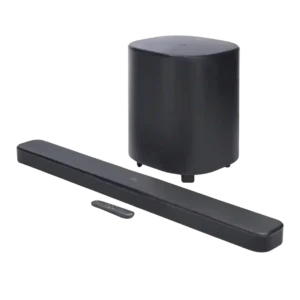
Low-volume performance was positive, especially for apartment or nighttime use where dialogue help and restrained volume matter.
Pros: Spotify Connect reliability, Setup simplicity
Cons: On-device controls, HDMI 2.1 gaming
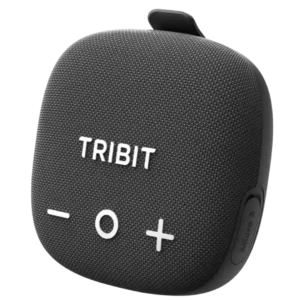
Low-volume performance was especially praised with XBass, where reviewers found it adds warmth and punch without overdriving the speaker.
Pros: Stereo imaging accuracy, Setup simplicity
Cons: Wired input, Backwards compatibility

At low and moderate volume, the speaker remains clear and works very well for background music, podcasts, and close listening. Several users specifically praise bass and clarity at quieter levels.
Pros: Google, Latency with TV (lip sync)
Cons: Charging cable inclusion, Chromecast compatibility
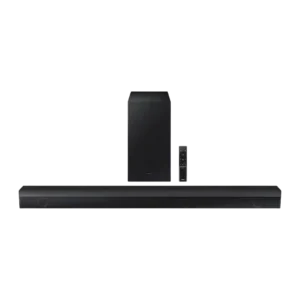
Low-volume and night listening received positive evidence through audible quiet effects and a night mode that keeps movies usable.
Pros: Bluetooth connection stability, Value for money
Cons: Smart assistant integration (Alexa, Video passthrough support

Low-volume performance received positive evidence, especially for retaining bass presence at reasonable or lower volumes.
Pros: Setup simplicity, Water resistance rating
Cons: Smart assistant integration (Alexa, Microphone
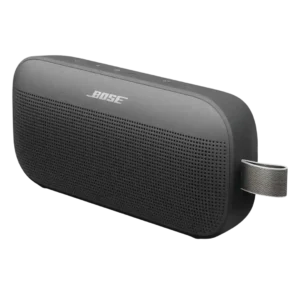
Low-volume performance was positive in the review that mentioned it, with clearer vocals at lower levels than at maximum volume.
Pros: Bluetooth connection stability, Dust resistance rating
Cons: Wired input, Power bank function

Night mode was praised in one review for reducing sudden loud effects and making late-night viewing easier.
Pros: Multi-speaker pairing reliability, Voice recognition accuracy
Cons: Bluetooth connectivity, Video passthrough support

The GS5 sounds clear and full at modest desktop levels, where many reviewers think it performs best. A whining power adapter can spoil quiet listening on defective units.
Pros: Bluetooth range, optical
Cons: Home theater integration, Headphone output quality
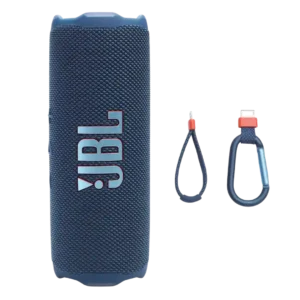
Low-volume performance is mixed: one reviewer found low-level separation weak, while others praised bass presence and no-distortion behavior even at low volume.
Pros: Google, Dust resistance rating
Cons: Backwards compatibility, Stereo imaging accuracy
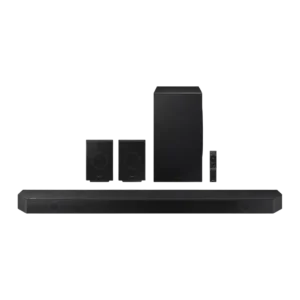
Low-volume features were useful for late-night listening, though they involved compromises such as reduced dynamics or rear-only playback.
Pros: Soundstage height, Surround sound simulation
Cons: Chromecast compatibility, Google
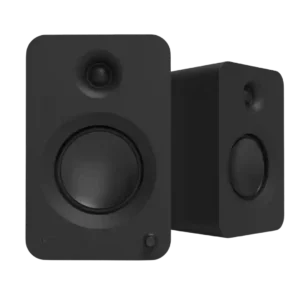
Low-volume/night-mode performance was viewed as useful, with one reviewer praising its handling of dynamics at neighbor-friendly levels.
Pros: HDMI ARC, Stereo imaging accuracy
Cons: Surround sound simulation, Bluetooth codec support
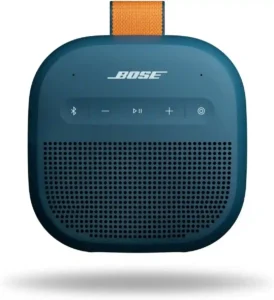
Low- and mid-volume playback is a strength in the review that assessed it, with clean, distortion-free sound at moderate levels.
Pros: Everyday usability, Bluetooth range
Cons: LED lighting effects, Lighting effects
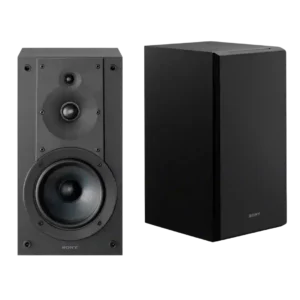
One reviewer framed the speaker as especially appealing for listeners staying below loud-volume levels and wanting low coloration.
Pros: Value for money, Home theater integration
Cons: Audio format support, Loudness / maximum volume
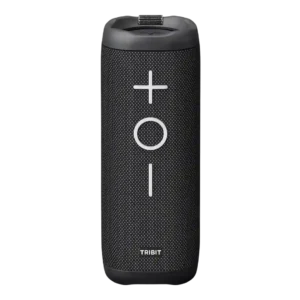
One reviewer said the speaker performs best at midrange volume or below.
Pros: Cohesive presentation, Stereo imaging accuracy
Cons: Surround sound simulation, App reliability
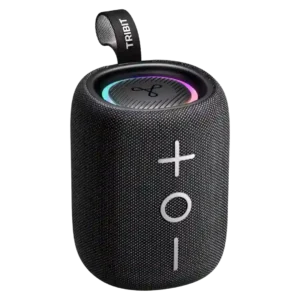
Low-volume performance was supported by TechRadar, which said keeping volume low avoids most complaints.
Pros: Multi-speaker pairing reliability, Drop resistance durability
Cons: Multipoint connectivity, Smart features
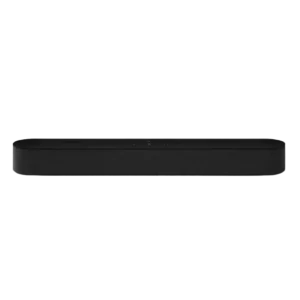
Low-volume tools such as Night Sound and speech enhancement were useful, but one reviewer did not find very quiet listening a meaningful TV-speaker upgrade.
Pros: Dynamic headroom, On-device controls
Cons: Video passthrough support, Bluetooth connectivity
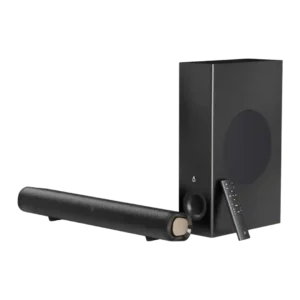
Low-volume performance is mixed: low-level dynamics and late-night control are praised, but HDMI volume steps can be too coarse or loud.
Pros: Setup simplicity, Weight convenience
Cons: Smart features, Rear speaker cable length
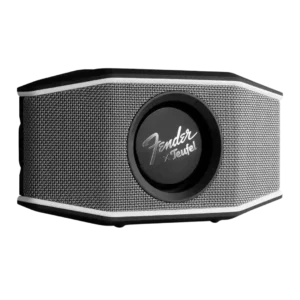
Low-volume performance is split, with one reviewer calling it meh, another praising clear vocals, and another liking its lower-volume quality.
Pros: Dust resistance rating, Cohesive presentation
Cons: Speakerphone quality, Microphone
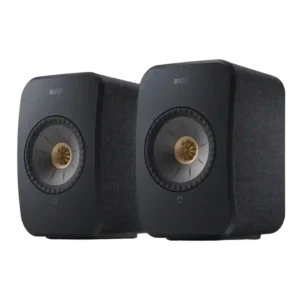
Low-volume evidence was mixed: one reviewer felt dynamics dropped when set too low, while another still felt bass at lower volumes.
Pros: Soundstage height, Amplifier power requirements
Cons: On-device controls, Surround sound simulation
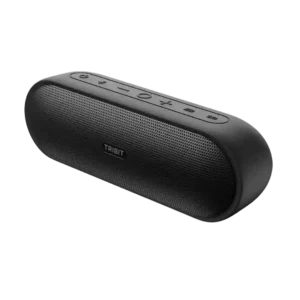
Low-volume evidence is split between praise for clear low-volume audio and criticism that the V-shaped tuning works poorly at low levels.
Pros: Latency with TV (lip sync), Price / value for money
Cons: Dust resistance rating, Bluetooth codec support
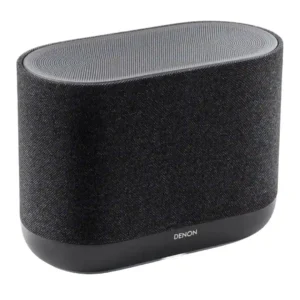
At lower volumes, the Home 400 can work well as a background speaker, but it may lose some energy when turned down. This is not its most thoroughly praised listening...
Pros: Dialogue clarity (for TV/soundbar use), Setup simplicity
Cons: Battery life (if portable), Water resistance rating
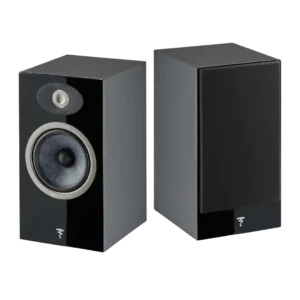
Low-volume performance is mixed: one review says it loses balance when played quietly, another calls it average, while a third finds it engaging at virtually all volumes.
Pros: Dialogue clarity (for TV/soundbar use), Loudness / maximum volume
Cons: Wired input, Low-volume performance
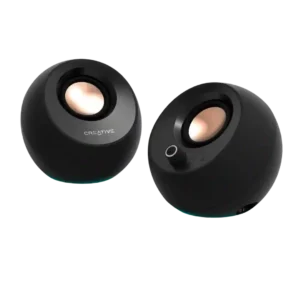
Low-level listening is inconsistent: some users hear crisp, distinct notes even very quietly, while others find bass and depth fade away. The result depends heavily on power and tuning.
Pros: Battery life (if portable), Detail retrieval
Cons: optical, Audio format support