If you want better software stability
Choose Turtle Beach Kone II Air. It scores 5.0 vs 1.5 for software stability, with a 4.3 overall score.
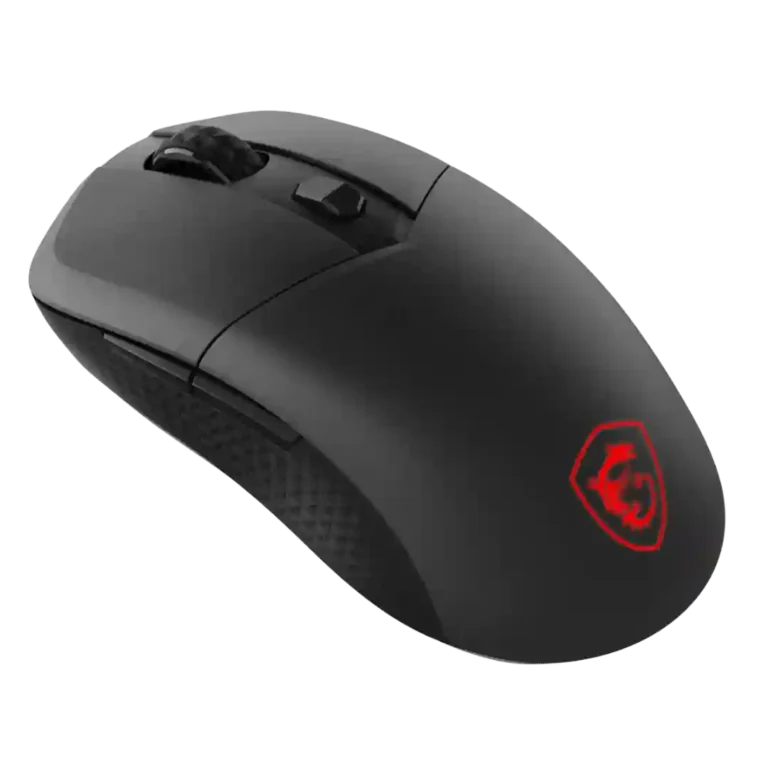
Choose it for precise wireless tracking, smooth glide, strong battery life, and unusually good 8K value. Skip it if you need polished software, quiet snappy clicks, true left-handed controls, or gentle grip textures.
Best for value-focused FPS players who want accurate tracking, wireless 8K polling, low weight, and long battery life without paying flagship prices. It also suits users who switch between a gaming PC and a Bluetooth laptop.
Skip it if you need advanced profiles, unified RGB control, quiet optical-style clicks, or fully ambidextrous side buttons. The aggressive grip texture may also bother texture-sensitive users.
The MSI Versa 300 Wireless 8K delivers the performance fundamentals unusually well for its price. Its PAW3395 sensor tracks accurately, the 2.4GHz link stays stable with little perceptible latency, and 8K polling gives competitive players useful headroom. The 66g shell feels solid, glides smoothly, and offers respectable battery life even at maximum polling. Its compromises are mostly outside raw performance: MSI Center and Portal X split configuration duties, RGB control is awkward, and some settings lack parity. The main clicks can feel heavier than optical rivals, while the diamond side texture and wheel divide opinion. It is also only shape-ambidextrous because the thumb buttons remain on the left side.
Compared with other Gaming Mice, this product is above average in Bluetooth support, value for money, debounce customization, near average in software usability, sensor performance, below average in profile switching, software stability, durability over time.
| Attribute | This product | Category average | Difference |
|---|---|---|---|
| profile switching | 2.0 | 3.8 | -1.8 |
| software stability | 1.5 | 3.0 | -1.5 |
| durability over time | 2.5 | 4.0 | -1.5 |
| Bluetooth support | 4.8 | 3.5 | +1.3 |
| value for money | 5.0 | 3.7 | +1.3 |
| debounce customization | 5.0 | 3.6 | +1.4 |
| palm grip comfort | 5.0 | 3.8 | +1.2 |
| scroll wheel quality | 2.8 | 4.0 | -1.1 |
Choose Turtle Beach Kone II Air. It scores 5.0 vs 1.5 for software stability, with a 4.3 overall score.
Choose Razer DeathAdder V3 HyperSpeed. It scores 5.0 vs 3.0 for balance and weight distribution, with a 4.3 overall score.
Choose ASUS ROG Harpe Ace Mini. It scores 4.7 vs 3.7 for long-session comfort, with a 4.2 overall score.
Choose Turtle Beach Burst II Air. It scores 4.6 vs 2.0 for profile switching, with a 4.3 overall score.
Products reviewers directly compared with this model, grouped into quick takeaways.
Yes. Reviewers consistently found its PAW3395 sensor precise, its 2.4GHz connection stable, and its high polling modes responsive for Counter-Strike 2 and other shooters.
Real-world testing landed around 75–80 hours with 8K enabled, depending on RGB use. The advertised 196 hours applies to a lower 1,000Hz setting.
The shell is symmetrical, but both side buttons sit on the left side. Left-handed users can hold it comfortably, though accessing those buttons is less practical.
Yes. It supports Bluetooth 5.3, 2.4GHz wireless through the included receiver, and wired USB-C operation.
The basic controls are clear, but customization is split between MSI Center and Portal X. Reviewers criticized missing feature parity, awkward RGB control, and occasional Portal X connection problems.
The switches feel firm and tactile, but opinions on speed differ. Some reviewers found them sharp and responsive, while others considered them heavier, longer-travel, and louder than optical rivals.
These are a few of the reviews included in our analysis.

![8K Wireless Mouse for $60… Worth It?! - MSI VERSA 300 WIRELESS 8K Mouse Review! [4K]](https://servicedig.com/wp-content/uploads/2026/04/59662_thumb-150x150.webp)
The MSI Versa 300 Wireless 8K delivers 26,000 DPI, 8000 Hz wireless polling, and solid battery life at $100. Here's what you need to know.
The latest Review,,,reviews, breaking news, comment, reviews and features from the experts at PC Gamer
The MSI Versa 300 Wireless 8K is competitively priced given its auspicious spec — but is it actually good value?
MSI has just refreshed its wireless gaming mouse lineup with a new 8,000Hz offering, aptly dubbed the Versa 300 Wireless 8K. That high...
MSI's new VERSA 300 Wireless 8K Gaming Mouse offers impressive specs and performance, including 8K polling, for competitive gaming.
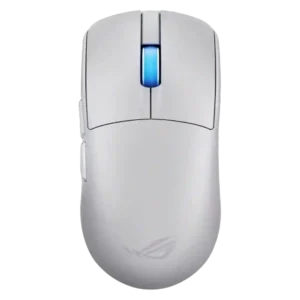
Choose the ROG Harpe II Ace for ultralight FPS play, precise tracking, smooth glide, and web-based tuning. Skip it if you need palm-grip support, MMO buttons, onboard profiles, or long...
Pros: acceleration control, wireless latency
Cons: onboard memory, MMO gaming suitability
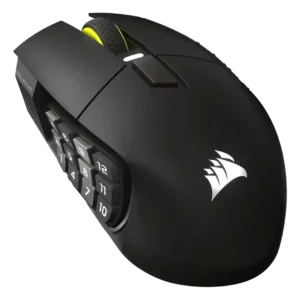
Choose it if you want a premium MMO/productivity mouse with 12 adjustable side buttons, strong battery life, and Stream Deck integration. Skip it if you need an ultralight FPS mouse,...
Pros: click latency, macro support
Cons: firmware reliability, tilt gesture controls
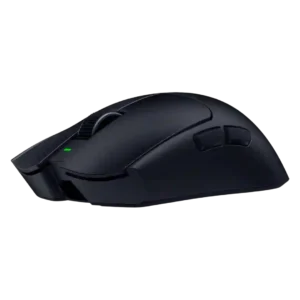
Best for ultra-light, competition-focused speed, precise tracking, stable wireless, and long battery life. Skip it if you need quieter clicks, left-handed support, Bluetooth, more buttons, or better value for casual...
Pros: balance and weight distribution, build quality
Cons: dock compatibility, Bluetooth support
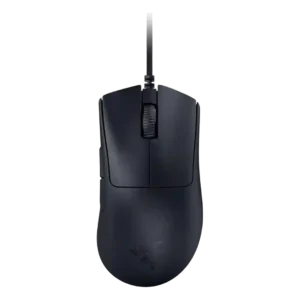
Good if you want an ultralight wired FPS mouse with elite tracking, fast clicks, and large-hand comfort. Skip it if you need wireless freedom, left-handed support, RGB, richer buttons, or...
Pros: Accuracy and tracking precision, sensor performance
Cons: handedness options, tilt gesture controls