If you want better output stability
Choose Anker Solix F3800. It scores 5.0 vs 1.0 for output stability, with a 4.0 overall score.
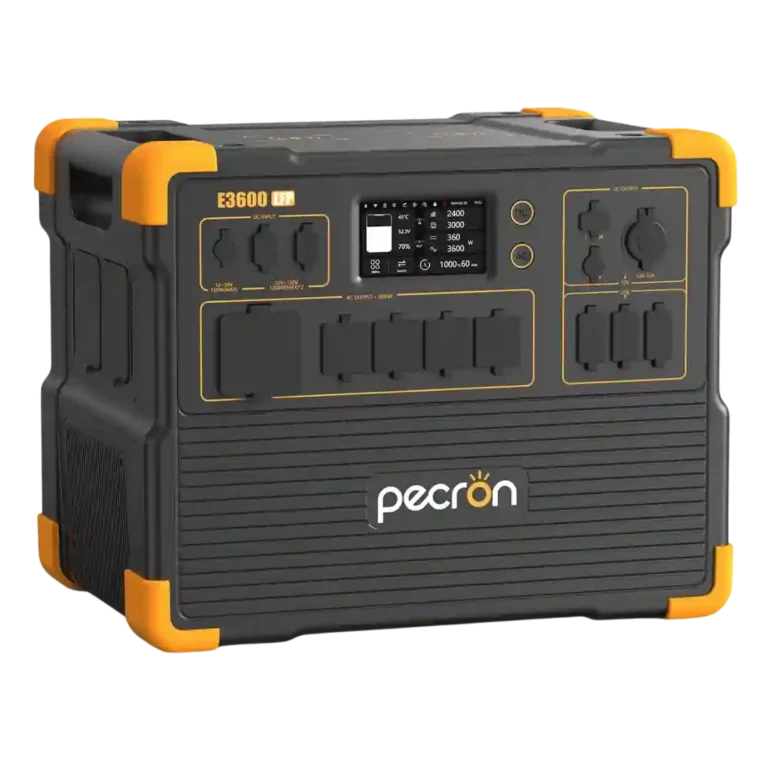
Choose it for affordable 3,600W power, fast charging, RV and solar flexibility, and low-cost expansion. Skip it if you need easy portability, consistently quiet operation, dependable support, or minimal risk of early hardware failure.
Best for value-focused RV owners, off-grid users, and households that want high-output emergency backup with fast solar or generator charging. It especially suits stationary setups where its weight is less important.
Not ideal for buyers who must move the station often, need bedroom-quiet operation, or require premium-brand consistency and support. Critical UPS users should also weigh the reported shutdown, voltage, and battery-calibration failures.
The E3600 delivers unusually strong capability for its price: a 3,600W inverter, fast AC and solar charging, a true 30-amp RV outlet, deep touchscreen controls, useful pass-through operation, and low-cost battery expansion. Real-world tests show excellent usable capacity, long refrigerator runtime, and enough output for serious home-backup and off-grid loads. The tradeoff is consistency. At nearly 80 pounds it is difficult to move, fan noise varies widely, and several owners reported battery, inverter, voltage, display, or shutdown failures. Customer support is similarly divided between outstanding replacement help and frustrating delays or limited contact options. It is compelling for value-focused buyers willing to accept more ownership risk than a polished premium alternative.
Compared with other Generators, this product is above average in replacement battery cost, wireless charging, weather resistance, near average in overall product satisfaction, recharge speed, below average in output stability, compactness, portability.
| Attribute | This product | Category average | Difference |
|---|---|---|---|
| replacement battery cost | 5.0 | 1.3 | +3.7 |
| output stability | 1.0 | 4.4 | -3.4 |
| compactness | 1.5 | 4.6 | -3.1 |
| portability | 1.5 | 4.4 | -2.9 |
| battery storage performance | 1.0 | 3.7 | -2.7 |
| voltage regulation | 1.0 | 3.6 | -2.6 |
| wireless charging | 5.0 | 2.5 | +2.5 |
| inverter quality | 2.3 | 4.8 | -2.5 |
Choose Anker Solix F3800. It scores 5.0 vs 1.0 for output stability, with a 4.0 overall score.
Choose DJI Power 2000. It scores 5.0 vs 1.0 for voltage regulation, with a 3.9 overall score.
Choose EcoFlow Delta 3 Plus Review. It scores 4.9 vs 1.5 for portability, with a 4.6 overall score.
Choose AFERIY P280. It scores 4.8 vs 2.3 for cooling performance, with a 4.5 overall score.
Products reviewers directly compared with this model, grouped into quick takeaways.
Yes. Healthy units powered refrigerators, freezers, kettles, microwaves, mini-splits, water heaters, dryers, stoves, and other demanding loads, although some HVAC startup combinations and defective units caused overloads.
Standard AC charging is roughly two hours, while the optional 30-amp cable can cut charging to around an hour or less under favorable conditions. Large solar arrays can also recharge it quickly.
Yes. The true TT-30 outlet is backed by the full 3,600W inverter, and owners successfully ran RV systems and 12-volt appliances from it.
Not very. It weighs roughly 79–80 pounds, usually needs two people to lift, and is much easier to move with the optional trolley.
The app offers useful remote monitoring and control, but pairing failures, Wi-Fi disconnects, and slow updates appear in several accounts. Most settings remain accessible from the touchscreen.
Many owners report months or a year of dependable daily use, but others experienced early inverter, battery, voltage, fan, or AC-output failures. Test the unit thoroughly before relying on it for a critical outage.
These are a few of the reviews included in our analysis.

Pecron E3600 review: we tested performance, solar charging and expandability on this cheap 3kWh unit. Find out why it wasn't at all what we...
An affordable power station that keeps pace with the competition
REVIEW - I have lived in Florida for almost my entire life. One thing I’ve never gotten used to is the hurricane season and the power outages...
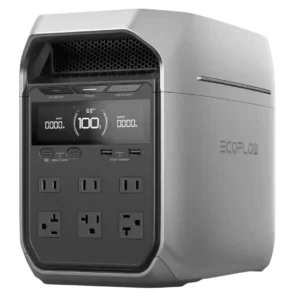
Best for rapid charging, versatile ports, excellent app control, and portable backup for appliances or electronics. Skip it for unattended low-load use or sustained heavy loads unless fan behavior and...
Pros: rated output, peak output
Cons: 30-amp output, parallel operation support
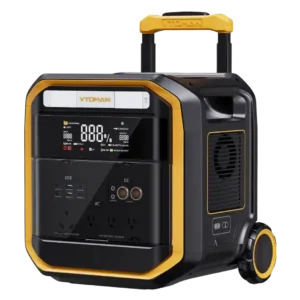
Best for fast-charging, high-output backup power that can run major appliances and roll easily between locations. Skip it if you need frequent lifting, a small footprint, or a screen that...
Pros: power output, surge capacity
Cons: specification accuracy, peak output
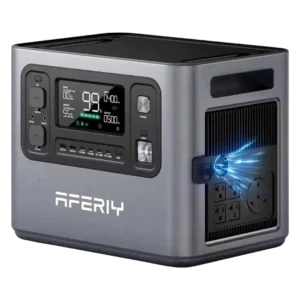
Choose the P280 for high-output home, RV, or off-grid backup with fast charging, strong usable capacity, UPS protection, and expansion. Skip it if you need lightweight portability, polished app control,...
Pros: rated output, peak output
Cons: app connectivity, voltage regulation
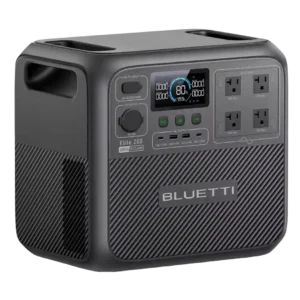
Best for compact, quiet, fast-charging backup power that can run serious appliances. Skip it if you need easy one-person carrying, waterproof outdoor use, battery expansion, or a built-in 30-amp RV...
Pros: output stability, pure sine wave output
Cons: specification accuracy, startup reliability