If you want better battery expandability
Choose AFERIY P280. It scores 4.9 vs 1.9 for battery expandability, with a 4.5 overall score.
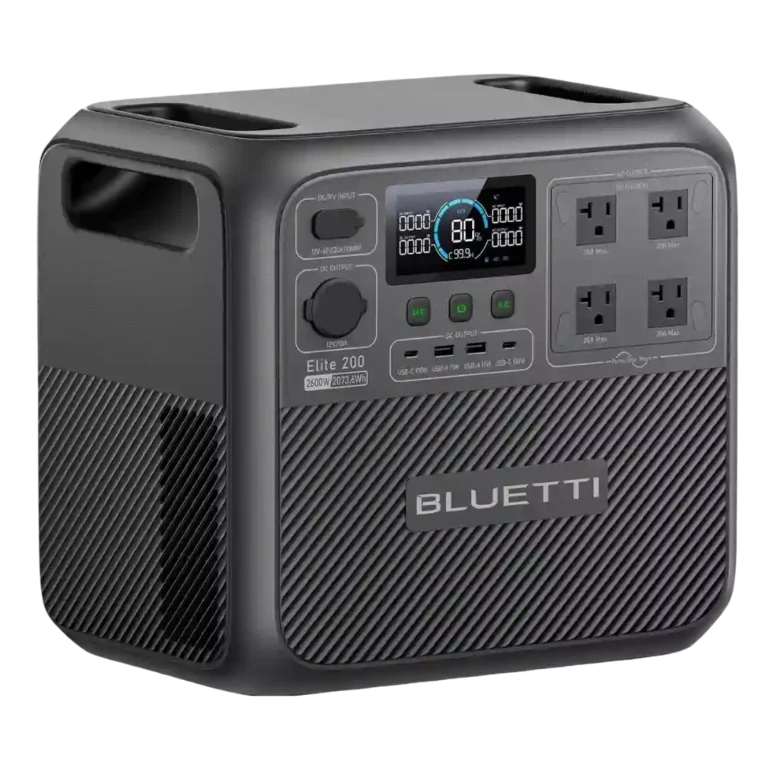
Choose it for compact, quiet, fast-charging backup power that can run serious appliances. Skip it if you need easy one-person carrying, waterproof outdoor use, battery expansion, or a built-in 30-amp RV outlet.
Best for home essential-load backup, vehicle-based camping, RV secondary power, workshops, job sites, and remote creators who need high output in a compact footprint.
Not ideal for hikers, frequent long-distance carrying, exposed wet-weather use, full 30-amp RV service, or buyers who expect to expand capacity later.
The Elite 200 V2 pairs roughly 2kWh of usable storage with unusually efficient, stable 2,600W output in a compact chassis. Across home-backup, camping, workshop, RV, and mobile-production tests, it repeatedly ran refrigerators, computers, heaters, tools, and multiple devices while staying impressively quiet. Fast AC charging, strong solar input, long-life LiFePO4 cells, and useful UPS behavior make it especially compelling at discounted prices. The tradeoff is physical and functional: at about 53 pounds it is awkward to carry, it lacks waterproofing, wheels, a built-in light, battery expansion, and a true 30-amp RV output. The app adds helpful monitoring but is less consistently polished than the hardware, and a small minority of owners reported charging, startup, or support failures.
Compared with other Generators, this product is above average in instruction quality, cold-weather performance, solar cable compatibility, near average in value for money, build quality, below average in RV outlet, specification accuracy, DC output.
| Attribute | This product | Category average | Difference |
|---|---|---|---|
| RV outlet | 1.8 | 4.2 | -2.4 |
| instruction quality | 5.0 | 2.8 | +2.2 |
| specification accuracy | 1.0 | 3.2 | -2.2 |
| DC output | 1.6 | 3.7 | -2.1 |
| 30-amp output | 1.7 | 3.5 | -1.8 |
| battery expandability | 1.9 | 3.3 | -1.4 |
| cold-weather performance | 4.8 | 3.0 | +1.8 |
| solar cable compatibility | 5.0 | 3.2 | +1.8 |
Choose AFERIY P280. It scores 4.9 vs 1.9 for battery expandability, with a 4.5 overall score.
Choose EcoFlow Delta 3 Plus Review. It scores 4.2 vs 2.5 for weight, with a 4.6 overall score.
Choose EcoFlow River 3. It scores 4.2 vs 1.7 for water resistance, with a 4.2 overall score.
Choose Jackery Explorer 1000 V2. It scores 4.8 vs 1.3 for built-in light, with a 4.4 overall score.
Products reviewers directly compared with this model, grouped into quick takeaways.
Yes. Multiple tests kept full-size or portable refrigerators running for roughly a day or longer, with runtime depending on the fridge, ambient temperature, and other loads.
Most reviewers reached about 80% in roughly an hour, with full charging commonly taking around 70 to 110 minutes depending on charging mode and regional input limits.
It accepts up to 1,000W of solar input through a non-proprietary XT60 connection. Under strong sun and with enough panels, reviewers reported full charging in roughly 2.4 to 4 hours.
The compact box and dual handles help, but it weighs about 53 to 55 pounds. It is manageable for short moves and vehicle use, not hiking or frequent long carries.
Yes. Multiple real-world tests reported seamless transfers that kept PCs, servers, networking equipment, and other electronics online, though one owner experienced a brief reboot.
No external battery expansion or dedicated 30-amp RV outlet is built in. An adapter can feed an RV from a standard AC outlet, but output remains limited by that connection.
These are a few of the reviews included in our analysis.





Bluetti Elite 200 V2 review: we tested recharge speed, battery life and noise on a brand we've had issues with. A genuinely solid comeback...
Full specs, real-world testing, and honest owner feedback on the BLUETTI Elite 200 V2 portable power station. Everything you need before you buy.
I've tested portable power stations for years, and the Bluetti Elite 200 V2 stands above the rest when dependable backup power matters most.
BLUETTI Premium 200 V2 review with hands-on tests. 2,048Wh LiFePO4, premium build quality, and enhanced features. See if it justifies the...
A battery to charge all the batteries that go with bikes these days.
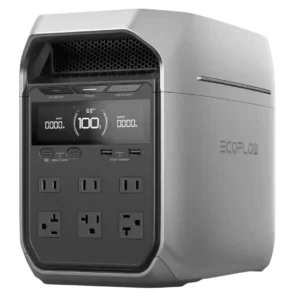
Best for rapid charging, versatile ports, excellent app control, and portable backup for appliances or electronics. Skip it for unattended low-load use or sustained heavy loads unless fan behavior and...
Pros: rated output, peak output
Cons: 30-amp output, parallel operation support
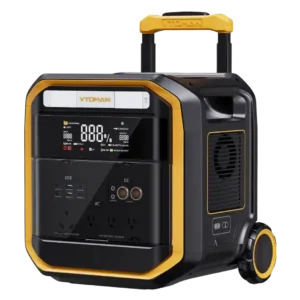
Best for fast-charging, high-output backup power that can run major appliances and roll easily between locations. Skip it if you need frequent lifting, a small footprint, or a screen that...
Pros: power output, surge capacity
Cons: specification accuracy, peak output
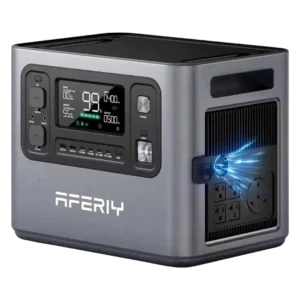
Choose the P280 for high-output home, RV, or off-grid backup with fast charging, strong usable capacity, UPS protection, and expansion. Skip it if you need lightweight portability, polished app control,...
Pros: rated output, peak output
Cons: app connectivity, voltage regulation
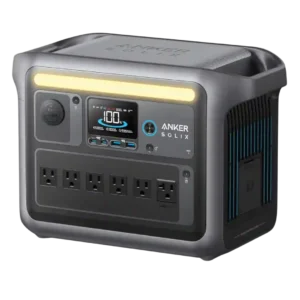
Best for fast charging, strong portable output, and short outage or camping duty. Skip it for quiet rooms, multi-day whole-home backup, or solar-only use with small panels.
Pros: power output, rated output
Cons: dual-input charging, cable storage