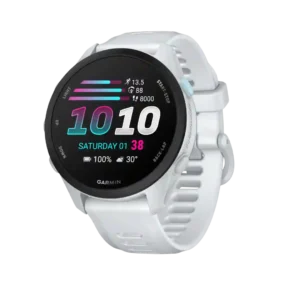
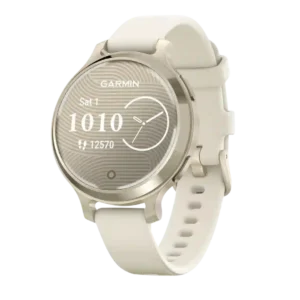
- Alternative: price and smartwatch balance PCMag preferred the lower-priced Garmin Venu Sq 2 for most exercise enthusiasts because it balances fitness tracking with smartwatch features.
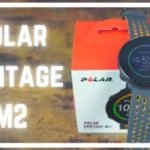
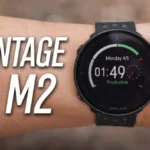
Polar Vantage M2 Review
Bottom Line
Choose the Polar Vantage M2 for a budget-friendly multisport watch with deep Polar Flow data, sleep/recovery tools, and long battery life. Skip it for rich apps, payments, music storage, or top-tier GPS/HR consistency.
Best for runners, triathletes, and fitness-focused users who want broad sport modes, training guidance, sleep/recovery insights, and long battery life without paying for a flagship watch.
Not for shoppers who want a rich smartwatch experience with downloadable apps, payments, calls, voice assistants, onboard music, or advanced navigation and ABC sensors.
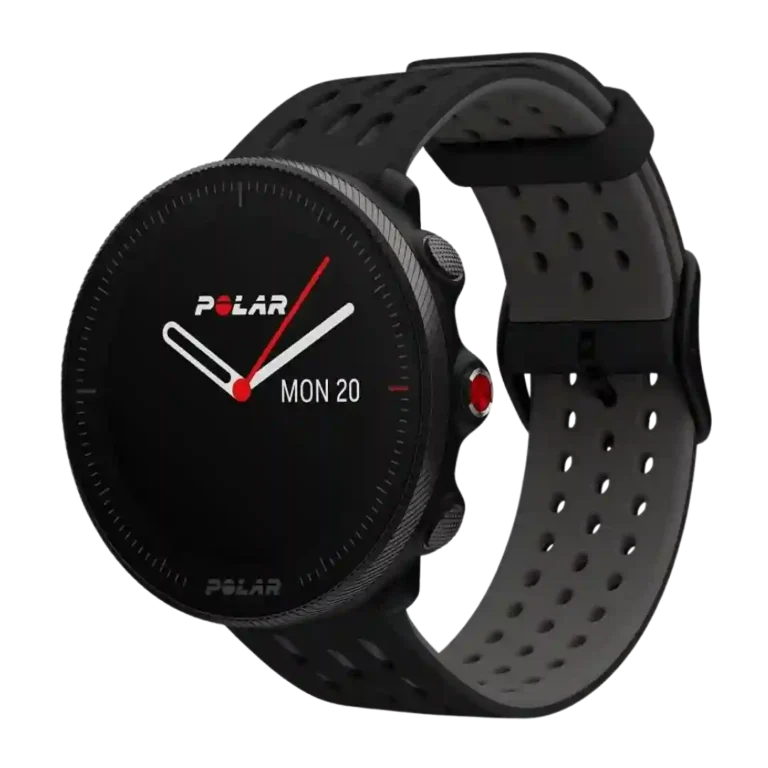
The Polar Vantage M2 lands as a capable midrange sports watch rather than a true smartwatch. Reviewers consistently praised its broad sport-profile support, Polar Flow depth, FitSpark guidance, Nightly Recharge sleep/recovery tools, and battery life that often reached five days to a week. The tradeoff is that the M2 feels intentionally restrained outside training: no onboard music, no payments, no touch screen, no downloadable watch apps, and limited watch-face customization. Accuracy evidence is split, too. Several reviewers saw strong heart-rate, GPS, sleep, and workout results, while others reported GPS drift, slow lock, or optical heart-rate inconsistency without a chest strap.
Compared in Reviews
Products reviewers directly compared with this model, grouped into quick takeaways.
- Alternative: features for the money The Polar Pacer was framed as offering most of the M2’s capabilities for less money.
Coros Pace 2
- More expensive: price competition The 5K Runner saw the lower-priced Coros Pace 2 as a major value challenge to the M2.
- Compared: platform and app polish DCRainmaker said the cheaper COROS Pace 2 is strong, but Polar has a more polished platform and deeper training load features.
Feature Scorecards
Pros
-
Workout variety is one of the strongest areas, with repeated support for 130-plus sport profiles and triathlon-ready tracking.
-
Sleep tracking is a clear strength, with multiple reviewers calling it accurate, useful, or among Polar’s best features.
-
Button controls are widely liked for workouts, rain, and reliable access, with several reviewers preferring them to touch input.
-
Style and design are well liked, especially the updated bezel, premium-looking sports-watch feel, and lifestyle-friendly colors.
-
Outdoor visibility is generally strong, with several reviewers saying the display was readable in bright sunlight or outdoors.
-
Coaching features are broad and useful, including FitSpark, Running Program guidance, structured workouts, and fuel prompts.
-
Recovery insights are a major strength, especially Nightly Recharge, training load, and readiness guidance, though one reviewer found training load cautious.
-
Wellness insights are robust, tying sleep, recovery, breathing, health metrics, and readiness into Polar Flow and the watch.
-
Band feedback is mostly positive, with reviewers praising comfort, breathability, and standard straps, though one noted clasp concerns.
-
Cross-platform compatibility is good across iOS, Android, desktop Flow apps, and Strava-style data exports.
-
Third-party app support is good through Polar Flow connections such as Strava and other fitness services.
-
Calorie and fueling data are useful, especially energy-source breakdowns and FuelWise carb reminders based on workout effort.
-
Battery life is a strong point, with most reviewers reporting about five days to a week and 30-hour GPS claims.
-
Polar Flow is repeatedly praised as deep and useful, though some reviewers felt it could be crowded or overwhelming.
-
Bluetooth support is useful for phones and sensors, but the evidence also shows no ANT+ support and occasional sensor-specific pairing limits.
-
Build quality is generally solid for the price, with durable plastic and metal accents, though it is not a luxury build.
-
Stress tracking evidence comes through Nightly Recharge’s recovery-from-stress framing rather than a standalone stress widget.
-
The app ecosystem is strong around Polar Flow, web tools, community features, and desktop/mobile access, not around downloadable watch apps.
-
Health tracking accuracy is supported mainly through responsive heart-rate behavior and Polar’s VO2-style fitness testing rather than medical-grade metrics.
-
Comfort is generally good for all-day wear, but wrist size, sleep bulk, and the tight fit needed for HR accuracy can create drawbacks.
-
The user interface is usually considered clear or easy, though it remains utilitarian rather than modern-smartwatch rich.
-
Step counting appears acceptable, with one reviewer finding counts in the same ballpark as a Garmin tracker.
-
Water resistance is adequate for swimming and showering, with reviews citing 30m resistance.
-
General reliability is positive for multisport use, based on reviewers saying it performs well across many sport types.
-
Reviewers generally found the M2 strong for its price, though some noted newer Polar or Coros/Garmin alternatives can undercut or out-feature it.
-
Music controls work as phone controls for play, pause, skip, and volume, but they are intentionally limited.
-
Heart rate accuracy is mixed-to-good, with strong running and some chest-strap comparisons, but inconsistent readings in harder or trail sessions.
-
Fitness tracking accuracy is mixed: general workout data and treadmill results impressed some reviewers, while GNSS/oHR concerns remain.
-
Pairing and connection reliability are mostly acceptable, but reviews mention slow sync and some sensor/pedal pairing problems.
-
GPS accuracy is mixed: some tests found quick, accurate results, while others reported slow lock, drift, or inconsistent tracks.
-
Charging convenience is acceptable through a dedicated or magnetic USB cable, though alignment can be a small annoyance.
-
Size options are limited; the evidence supports included wristband size options rather than multiple case sizes.
-
Software smoothness is mixed: some reviewers found smooth menus, while DCRainmaker felt the interface lagged and needed performance upgrades.
Cons
-
Display quality is functional but not smartwatch-like; reviews praise contrast and readability while noting dullness or scratch-prone materials.
-
Durability is mostly adequate, but reviews raise concerns about the clasp, pin, and scratch-prone front material.
-
Fit can be somewhat subjective: the watch is secure, but one reviewer with skinny wrists was always aware of its bulk.
-
Customization is modest, mostly limited to watch face views, accent colors, and data shown on dashboards.
-
Phone notifications work, but filtering and notification overload are common caveats.
-
Menu navigation ranges from easy to cumbersome, with buttons helping during workouts but deeper settings requiring many presses.
-
The operating system experience is serviceable but crowded in places, especially in Polar Flow and smartwatch-style interactions.
-
Materials are functional rather than premium, with plastic casing or screen materials offset by stainless steel design touches.
-
Brightness is mixed: the screen can be readable and bright outdoors, but several reviewers found it dim indoors or in lower light.
-
Smartwatch features are limited; the watch has notifications, weather, and music controls but lacks fuller app, payment, and assistant tools.
-
Safety features are basic, centered on back-to-start guidance rather than advanced safety or emergency tools.
-
Watch face quality is limited because customization exists, but one reviewer noted very few face options compared with rivals.
-
Onboard music storage is absent; several reviews explicitly say the watch only controls music on a connected phone.
-
The M2 does not have a touchscreen, so reviewers evaluated it as a button-only sports watch rather than a touch-responsive smartwatch.
-
Blood oxygen tracking is effectively absent on the M2, with reviewers contrasting it against watches that include SpO2.
-
Contactless payments are absent, which limits the M2 as an everyday smartwatch.
-
Voice assistant quality is effectively nonexistent because smart assistants are not offered.
Compared With Category Average
Compared with other Smart Watch, this product is below average in touchscreen responsiveness, blood oxygen tracking, onboard music storage.
| Attribute | This product | Category average | Difference |
|---|---|---|---|
| touchscreen responsiveness | 1.0 | 3.7 | -2.7 |
| blood oxygen tracking | 1.0 | 3.6 | -2.6 |
| onboard music storage | 1.0 | 2.9 | -1.9 |
| contactless payments | 1.0 | 2.9 | -1.9 |
| voice assistant quality | 1.0 | 2.7 | -1.7 |
| watch face quality | 2.2 | 3.9 | -1.7 |
| safety features | 2.4 | 3.9 | -1.5 |
| brightness | 3.1 | 4.2 | -1.1 |
FAQ
Is the Polar Vantage M2 good for triathlon training?
Yes. Reviews repeatedly describe it as a capable multisport or triathlon watch with many sport profiles and the ability to switch between sports, though niche multisport profiles and advanced navigation are limited.
How accurate is the Polar Vantage M2 heart rate sensor?
The evidence is mixed. Several reviewers saw accurate or very usable heart-rate results, especially for running, while others recommended a chest strap for data they would fully trust.
Does the Polar Vantage M2 have onboard music?
No. Reviewers state that it can control music playing on a connected phone, but it does not store music on the watch.
How long does the Polar Vantage M2 battery last?
Reviews generally report around five days to a full week in watch use, with GPS battery claims around 30 hours and extended power-saving options for longer activities.
Is Polar Flow a strength of this watch?
Yes. Reviewers repeatedly praised Polar Flow for detailed training, sleep, recovery, and workout data, though some found the amount of information crowded or daunting.
Does the Polar Vantage M2 work well as a smartwatch?
Only in a limited way. It supports notifications, weather, watch-face views, and phone music controls, but reviews note no payments, apps, smart assistants, touchscreen, or onboard music.
Consider This Instead
If you want better touchscreen responsiveness
Choose Fitbit Sense 2. It scores 4.9 vs 1.0 for touchscreen responsiveness, with a 3.5 overall score.
If you want better contactless payments
Choose Apple Watch SE 3. It scores 4.8 vs 1.0 for contactless payments, with a 4.1 overall score.
If you want better onboard music storage
Choose Huawei Watch Fit 4. It scores 4.7 vs 1.0 for onboard music storage, with a 4.1 overall score.
If you want better watch face quality
Choose Garmin Venu X1. It scores 4.8 vs 2.2 for watch face quality, with a 3.9 overall score.
Overall Top Smart Watch Alternatives
Good if you want the most rugged Apple Watch, brighter outdoor screen, better battery, LTE, and top apps. Skip it if you need Garmin-like mapping, recovery analytics, smaller sizing, or...
Pros: display quality, heart rate accuracy
Cons: cross-platform compatibility, recovery insights
Choose the Galaxy Watch 6 for a polished Android smartwatch with a bright screen, strong apps, and broad health tracking. Skip it if battery life, iPhone support, or full non-Samsung...
Pros: outdoor visibility, workout tracking variety
Cons: cross-platform compatibility, battery life
Good if you need a rugged Garmin with deep outdoor, tactical, GPS, training, and battery features. Skip it if you want a cheaper lifestyle watch or do not need the...
Pros: materials quality, durability
Cons: LTE connectivity, value for money
Good if you want premium golf maps, virtual caddie tools, health metrics, music, notifications, and long battery life in one watch. Skip it if you only need basic yardages or...
Pros: pairing reliability, brightness
Cons: software smoothness, user interface