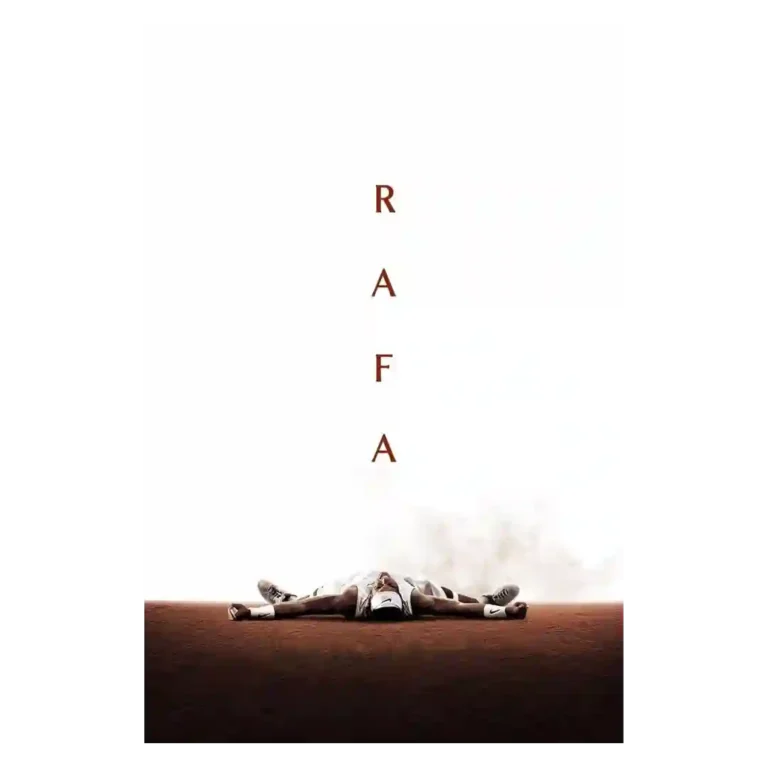
Rafa, Season 1

Rafa, Season 1 Review

Brand: Netflix
Released: May 29, 2026
Updated: 5 hours ago
4.0
Overall review score
133
Review evidence points
38
Scored features
14
Expert reviews

Bottom Line

Choose Rafa if you want an intimate, emotionally heavy Nadal documentary with rare family, rival and injury access. Skip it if you need breezy pacing, constant match action, or a sharper distance from its subject.

Best for

Best for Nadal fans, tennis followers, and viewers who like reflective sports documentaries about identity, pain, aging, and the cost of elite achievement. It also works for non-tennis fans who connect with stories about letting go.

Not for

Not for viewers who want brisk pacing, constant match footage, light celebrity nostalgia, or a documentary that keeps more critical distance from its subject.

Verdict

Rafa, Season 1 is strongest as an intimate documentary about the cost of greatness, using Nadal’s final season to revisit injuries, rivalries, family pressure, and the uneasy process of letting go. Critics praise the rare access, archival material, family and rival interviews, and the willingness to show physical pain and anxiety without turning Nadal into a simple myth. The tradeoff is weight: several reviews call it slow, overlong, or too close to its subject to fully explain what drove him. For viewers drawn to sacrifice, aging, and identity, that solemnity is part of its power.

Feature Scorecards

Summary

38 reviewed features
  • Very positive 4.5-5.0 26% 10 features
  • Positive 3.5-4.4 55% 21 features
  • Neutral 2.5-3.4 16% 6 features
  • Negative 1.5-2.4 3% 1 feature
  • Very negative below 1.5 0% 0 features

Pros

  • 5.0
    based on 1 review
    genre satisfaction: 5.0, based on 1 review
    As a sports documentary, Rafa lands strongly for at least one critic because it teaches something new about a very famous athlete. It is treated as more than a celebration and as a compelling piece of sports storytelling.
  • 5.0
    based on 1 review
    soundtrack quality: 5.0, based on 1 review
    The soundtrack gets a direct compliment for its musical selection. Music is one of the craft details that helps the documentary feel carefully finished.
  • 4.7
    based on 3 reviews
    critic appeal: 4.7, based on 3 reviews
    Critical enthusiasm is strongest from outlets that call it revealing, top-tier, or unusually fresh. Its appeal comes from finding new dimensions in a subject many fans thought they already knew.
  • 4.5
    based on 2 reviews
    editing quality: 4.5, based on 2 reviews
    Editing is a bright spot, especially the clean transitions between archival footage and the final-year material. The series is praised for making its timelines and footage sources coexist smoothly.
  • 4.5
    based on 2 reviews
    plot originality: 4.5, based on 2 reviews
    Several viewers felt Rafa finds fresh angles on a heavily documented athlete, especially by showing new sides of Nadal the man. Its originality comes less from surprise events than from reframing familiar career moments around pain, doubt, and endurance.
  • 4.5
    based on 1 review
    cinematography: 4.5, based on 1 review
    The cinematography is praised through the behind-the-scenes production account, especially the ability to capture intimate, tight-space moments. The result is described as a more engrossing cinematic experience.
  • 4.5
    based on 1 review
    cliffhanger effectiveness: 4.5, based on 1 review
    The standout cliffhanger note comes from the reveal of Novak Djokovic at the end of an episode. It gives Nadal’s rivalry history a sharp serialized tease.
  • 4.5
    based on 1 review
    pilot episode quality: 4.5, based on 1 review
    The opening is designed around Nadal preparing to announce retirement, giving the season an immediate emotional hook. That framing quickly signals that the story is about how he reaches acceptance, not just how many titles he won.
  • 4.5
    based on 1 review
    season finale quality: 4.5, based on 1 review
    The final chapter is praised for shifting the focus from titles to quality of life. It brings the season’s suffering-versus-success theme to a clear emotional resolution.
  • 4.5
    based on 1 review
    sound design: 4.5, based on 1 review
    The sound side is folded into praise for the documentary’s overall audiovisual craft. It is not discussed often, but the available response is clearly positive.
  • 4.4
    based on 5 reviews
    realism: 4.4, based on 5 reviews
    Rafa’s realism comes from showing aging, injury, doubt, and private vulnerability without turning every scene into triumph. Several critics valued how plainly it shows the cost of elite sport.
  • 4.3
    based on 5 reviews
    entertainment value: 4.3, based on 5 reviews
    Entertainment value is strong for viewers who want an emotional character study, with several critics calling it compelling or worth watching. It is less ideal for anyone expecting constant match action or a breezy sports montage.
  • 4.3
    based on 10 reviews
    interview and source material quality: 4.3, based on 10 reviews
    Access is one of Rafa’s defining strengths, from family interviews and rival commentary to home movies, archival footage, and locker-room vulnerability. Even critics who wanted more perspective acknowledge how close the camera gets.
  • 4.3
    based on 8 reviews
    emotional impact: 4.3, based on 8 reviews
    The emotional pull is a major strength, built from pain, retirement dread, family support, and the awe of Nadal’s sacrifice. Even more critical pieces describe moments of despair or agony that are hard to look away from.
  • 4.3
    based on 6 reviews
    directing quality: 4.3, based on 6 reviews
    Zach Heinzerling’s direction draws praise for access, restraint, polish, and refusing to make the project feel like an infomercial. Even mixed reviews credit the focused study of decline and cost.
  • 4.3
    based on 2 reviews
    finale satisfaction: 4.3, based on 2 reviews
    The closing stretch lands best when it lets viewers sit with the private retirement decision and Rafa’s family life. The final emphasis on refuge, health, and a life beyond tennis gives the farewell a tender payoff.
  • 4.2
    based on 13 reviews
    theme depth: 4.2, based on 13 reviews
    Theme depth is the series’ strongest throughline: critics repeatedly focus on suffering, aging, identity, anxiety, sacrifice, and the cost of greatness. The main caveat is that a few still wanted more distance or insight into Nadal’s deepest motivation.
  • 4.2
    based on 5 reviews
    accountability handling: 4.2, based on 5 reviews
    The documentary is generally praised for not sanding away the costs of Nadal’s choices. It discusses painkillers, Toni Nadal’s methods, and the family toll without fully condemning or glorifying the decisions.
  • 4.1
    based on 7 reviews
    audience appeal: 4.1, based on 7 reviews
    The show reaches beyond hardcore tennis fans when it leans into aging, identity, resilience, and letting go. Still, its best fit is clearly Nadal devotees, competitive players, and viewers comfortable with a solemn deep dive.
  • 4.1
    based on 4 reviews
    episode structure: 4.1, based on 4 reviews
    The structure earns praise for weaving Nadal’s final season with earlier career chapters. The back-and-forth timeline lets his teenage rise, rivalries, injuries, and retirement mirror each other without turning into a simple chronology.
  • 4.0
    based on 2 reviews
    character consistency: 4.0, based on 2 reviews
    The documentary draws a clear line between young Nadal and older Nadal through repeated habits, rituals, and competitive instincts. That consistency helps the later decline feel connected to the same mentality that made him great.
  • 4.0
    based on 2 reviews
    lore depth: 4.0, based on 2 reviews
    The career-history material gives fans a solid sweep of Nadal’s defining moments and rivalries. It is most effective when the historical chapters feed the final-season story rather than simply listing achievements.
  • 4.0
    based on 2 reviews
    media scrutiny portrayal: 4.0, based on 2 reviews
    The media-pressure material shows how Nadal’s public image was shaped by coverage of rituals, retirement rumors, and press expectations. It adds context to the gap between how he was watched and what he was privately experiencing.
  • 4.0
    based on 1 review
    continuity: 4.0, based on 1 review
    The contemporary and archival strands are described as blending smoothly. That continuity helps the series move between young Rafa and retiring Rafa without feeling disjointed.
  • 4.0
    based on 1 review
    suspense: 4.0, based on 1 review
    The suspense comes from uncertainty rather than twists: is Nadal preparing for another comeback, or for goodbye? That quiet unknown gives the final-season footage its tension.
  • 4.0
    based on 10 reviews
    character development: 4.0, based on 10 reviews
    Rafa gives a layered picture of Nadal as disciplined, anxious, resilient, and physically depleted. Some critics still wanted more access to his deepest motivations, but the strongest responses felt the series deepened the man behind the legend.
  • 3.9
    based on 9 reviews
    story quality: 3.9, based on 9 reviews
    The season works best when it treats Nadal’s final run as a story about identity, aging, and release rather than a trophy reel. A few critics felt the retirement arc lacked a dramatic engine, but most found the personal framing compelling.
  • 3.9
    based on 4 reviews
    supporting cast performance: 3.9, based on 4 reviews
    Mery, Toni Nadal, and the rival players add memorable texture, with Mery often singled out as a standout emotional presence. Toni’s sections are compelling and uncomfortable, while one critic thought the Federer and Djokovic appearances stay too superficial.
  • 3.8
    based on 3 reviews
    visual style: 3.8, based on 3 reviews
    The visual presentation is polished and sometimes striking, with praise for Rafa-on-court imagery and overall audiovisual craft. One critic’s caveat is that the luxurious surface can make the portrait feel too close and glossy.
  • 3.8
    based on 2 reviews
    main cast performance: 3.8, based on 2 reviews
    Nadal’s on-camera presence divides critics slightly: one finds him guarded and bland, while another finds his humility and self-deprecation charismatic. The guardedness itself becomes part of the portrait.
  • 3.5
    based on 2 reviews
    drama quality: 3.5, based on 2 reviews
    As sports drama, Rafa has moving highs, lows, and intimate hardship, but not everyone finds it thrilling. Its drama is quieter and more observational than a rousing underdog story.

Cons

  • 3.3
    based on 2 reviews
    plot twists: 3.3, based on 2 reviews
    Rafa is not a twist-heavy documentary, and one critic explicitly notes the lack of shocking turns. The real shift comes from the production itself changing from comeback story to acceptance story once injuries interrupt the plan.
  • 3.2
    based on 3 reviews
    humor: 3.2, based on 3 reviews
    Humor is uneven. Decider and Tucson note funny, humanizing moments around young Rafa and his team teasing him, while The Guardian felt the series has almost no levity.
  • 2.9
    based on 4 reviews
    season length: 2.9, based on 4 reviews
    Season length is split: some call the four-part deep dive too much for casual viewers, while another says the four hours are well spent. The length works best for Nadal fans or viewers drawn to the emotional story.
  • 2.8
    based on 4 reviews
    episode pacing: 2.8, based on 4 reviews
    Pacing is one of the clearest mixed points. Some critics admired the space given to recovery, doubt, and decline, while others found the series slow, overlong, or heavier than the material needed.
  • 2.5
    based on 1 review
    plot clarity: 2.5, based on 1 review
    The biggest clarity issue is Nadal’s inner drive: one critic felt the documentary explains what he achieved better than why he kept pushing. For viewers wanting a clean psychological answer, the portrait can feel just out of reach.
  • 2.5
    based on 1 review
    season pacing: 2.5, based on 1 review
    The season’s emotional heaviness is part of its identity, but it can make the four-part arc feel laborious. The story often favors solemn reflection over lighter momentum.
  • 2.0
    based on 1 review
    writing quality: 2.0, based on 1 review
    One critic found the storytelling too plain, arguing that the series leaves little subtext beneath its champion-and-sacrifice thesis. That makes the documentary clear, but not especially layered in its writing.

Compared With Category Average

Compared with other TV Shows, this product is above average in realism, editing quality, accountability handling, below average in writing quality.

Summary

8 compared features
  • Above average 0.4+ pts higher 88% 7 features
  • Same as average within 0.3 pts 0% 0 features
  • Below average 0.4+ pts lower 13% 1 feature
Attribute This product Category average Difference
writing quality 2.0 3.4 -1.4
realism 4.4 3.3 +1.1
editing quality 4.5 3.4 +1.1
accountability handling 4.2 3.2 +1.0
genre satisfaction 5.0 4.0 +1.0
plot originality 4.5 3.5 +1.0
character consistency 4.0 3.1 +0.9
soundtrack quality 5.0 4.1 +0.9

FAQ

Is Rafa only for tennis fans?

No. Several reviews say the themes of aging, sacrifice, doubt, and letting go can work for non-tennis fans, though the deepest appeal is clearly for Nadal followers.

What do reviewers like most about Rafa?

The strongest praise goes to its rare access, family and rival interviews, archival footage, and intimate scenes of Nadal facing injury and retirement.

Is Rafa slow?

Sometimes. Multiple critics mention slow pacing, heaviness, or an overlong four-part structure, especially for casual viewers.

Does Rafa glorify Nadal?

It celebrates his greatness, but several reviews note that it also shows the costs: anxiety, pain, family concern, medication, and the toll of Toni Nadal’s training approach.

How does the series handle Toni Nadal?

The portrait is complicated and sometimes uncomfortable. Reviewers describe Toni as fascinating, severe, and central to Nadal’s mentality, while noting that the series generally avoids simple moral judgment.

Is the documentary emotional?

Yes. Critics repeatedly point to the injury footage, retirement decision, family support, and Nadal’s physical decline as the series’ most affecting material.

Sample Expert Reviews We Analyzed

These are a few of the reviews included in our analysis.
Compared in Reviews

Products reviewers directly compared with this model, grouped into quick takeaways.

Federer: Twelve Final Days

  • Similar: retirement documentary dryness The Telegraph compares Rafa to Federer: Twelve Final Days as another respectable but dry retirement chronicle.
  • Worse: introspective retirement documentary portrait Decider says Rafa offers a more introspective portrait than Federer: Twelve Final Days.

Consider This Instead

Overall Top TV Shows Alternatives

#1 The Pitt, Season 2
4.6

Choose The Pitt Season 2 for a gripping, realistic medical drama with superb acting and emotional depth. Skip it if graphic procedures, unresolved arcs, or slower character-driven pacing bother you.

Pros: episode structure, main cast performance

Cons: age appropriateness, plot clarity
#2 Dark Winds, Season 4
4.3

Choose Dark Winds Season 4 for moody noir suspense, excellent acting, and richer Native-centered themes. Skip it if uneven pacing, thin conspiracy plotting, or a stranger L.A. detour would frustrate...

Pros: costume design, directing quality

Cons: family friendliness, age appropriateness

#3 The Agency, Season 2
4.3

Choose The Agency Season 2 for adult spy drama with superb acting, tense intrigue, and a stronger pace. Skip it if you want simple plotting, constant action, or a Fassbender-only...

Pros: directing quality, bingeability

Cons: none

#4 Silo, Season 3
4.3

Choose Silo Season 3 for revealing, ambitious sci-fi with strong performances and a rewarding finale. Skip it if slow-burn pacing, amnesia plots, or dense mystery-box storytelling test your patience.

Pros: drama quality, finale satisfaction

Cons: character development, season pacing