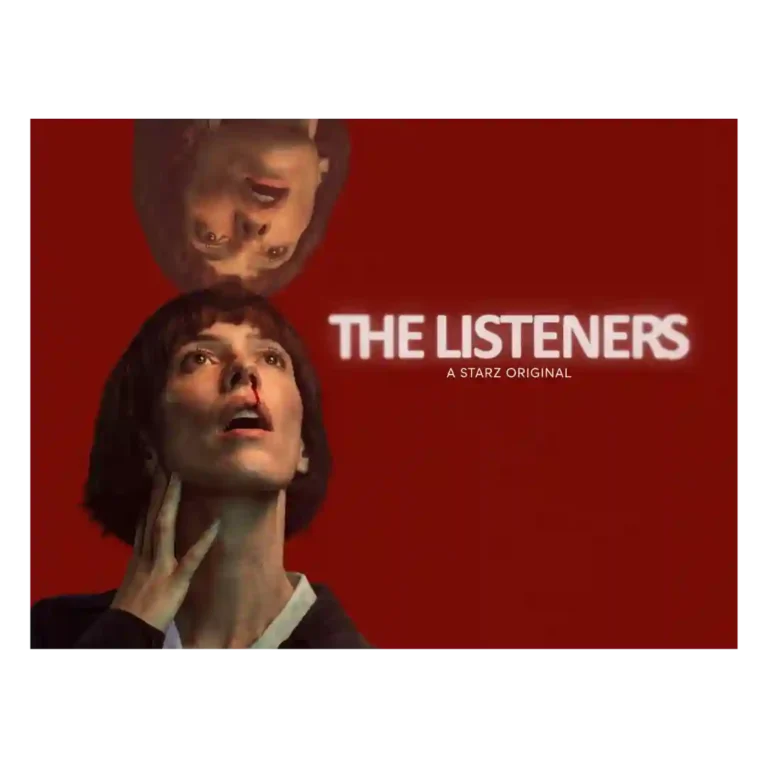
Choose The Listeners for Rebecca Hall, chilly atmosphere, immersive sound, and a thorny cult/conspiracy character study. Skip it if you need clean answers, brisk pacing, or fully developed supporting characters.
Best for
Best for viewers who like unsettling, performance-led psychological dramas with art-house restraint, cult-adjacent tension, and heavy thematic ambiguity.
Not for
Not for viewers who want a fast, answer-driven mystery, conventional genre thrills, or a finale that neatly resolves the central hum.
Verdict
The Listeners is most convincing as an eerie character study rather than a mystery box. Across the reviews, Rebecca Hall’s performance, Janicza Bravo’s controlled direction, the tactile sound design, and the chilly visual style carry the season. The central hum gives the show a strong hook for exploring loneliness, conspiracy culture, and the need to be heard. The tradeoff is that its ambiguity can feel evasive: several critics wanted sharper answers, richer supporting characters, and a finale that felt more earned. At its best, it is haunting and hypnotic; at its weakest, it is slow, over-symbolic, and emotionally underdeveloped outside Claire.
Compared in Reviews
Products reviewers directly compared with this model, grouped into quick takeaways.
Black Mirror
Compared: abstract speculative dramaThe Observer comparison is mixed, calling it Black Mirror-like but woolly and aggravating.
Similar: technology-inflected mystery moodDecider likens the show’s unsettling modern mystery energy to Black Mirror.
The Leftovers
Better: ambitious mystery dramaThe Hollywood Reporter says it is less successful than The Leftovers within the same ambitious mystery-drama lane.
Similar: ethereal tension and isolationCollider frames the series as sharing The Leftovers’ ethereal tension around inexplicable experience.
3 Body Problem
Compared: maddening early confusionDecider compares the early confusion of the hum to the private countdown mystery in 3 Body Problem.
Rebecca Hall is the consensus standout, praised as magnificent, captivating, subtle, and often the main reason to watch. Her quiet intensity carries the show through much of its ambiguity.
The show earns its strongest praise when it is treated as strange, stylish, performance-driven television. Hall, the mood, and the central hum premise are the main selling points.
The strongest political reading connects the hum to conspiracy culture, radicalization, and modern distrust. That framing is treated as timely, though not every critic wanted the show to be more direct.
The show’s photographed look draws strong praise for its deliberate, filmic control. Its visual compositions are part of the unnerving mood rather than simple surface polish.
Sound is one of the show’s defining strengths, turning the hum into an immersive source of tension, disorientation, and dread. Several critics specifically highlight attentive or headphone-style viewing.
The visual language is a major selling point: chilly, muted, filmic, and often hypnotic. Even mixed critics tend to notice the show’s distinctive art-house texture.
Janicza Bravo’s direction is one of the clearest strengths: hypnotic, unsettling, and visually controlled. Even mixed reviews often credit her with building tension and holding the strange premise together.
The opening episode receives praise for leaning confidently into horror imagery and atmosphere. Its early unease helps set the show’s nightmarish tone.
The show is richest when the hum opens into isolation, belief, conspiracy, mental strain, and the need to be heard. Dissenting takes argue those big ideas can become vague or underexamined.
Hall and West’s Claire-Kyle bond is repeatedly described as fascinating, intense, and intentionally uneasy. That chemistry gives the show much of its charge, even when the dynamic feels uncomfortable.
The suspense is strongest in the dread of the hum, the cultish group, and the fear that Claire is losing her grip. A few critics felt the later mass-hysteria turn becomes less original.
faithfulness to source material: 4.0, based on 2 reviews
The adaptation is credited with preserving some of the novel’s psychological nuance. At the same time, changes from the book are said to dilute some of the source’s sharper impact.
The early episodes are described as well balanced, moving between the mystery and its strain on Claire’s relationships without immediately overwhelming the viewer.
supporting cast performance: 4.0, based on 8 reviews
The supporting ensemble can shine, especially Rankin, Waked, Tharia, and Puwanarajah. The limitation is that some roles feel thinly sketched, leaving the actors to work around underwritten material.
The story can be haunting, intimate, and conceptually bold when its mood takes hold. It can also feel hollow or over-contrived when the symbolism overwhelms the human drama.
The screenplay receives both praise and criticism. Some admire its layered handling of obsession, while others say the scripts spell out symbolism while dodging literal answers.
The show is more unsettling and intellectually strange than easy entertainment. Some found that compelling, while one critic bluntly called it intriguing rather than entertaining.
The short season can feel punchy, but one critic also found the series rushed. Its compact length helps momentum when the ambiguity works and exposes thin writing when it does not.
Claire’s unraveling is often compelling, with praise for how the show tracks obsession, loneliness, and a shifting sense of self. The recurring drawback is that Paul, Ashley, and other supporting figures can feel thin or underdeveloped.
Horror and thriller viewers get atmosphere, dread, and cult-adjacent unease rather than a conventional genre payoff. The show lands better as a horror-inflected mood piece than as a clear sci-fi mystery.
Pacing is one of the most consistent caveats. Critics call it slow, glacial, or creeping, though some see that tempo as part of the layered, unsettling effect.
The shorter Starz cut gets a mild nod because the slow material may benefit from tighter installments. That advantage is tempered by complaints about where the recut episodes break.
The teacher-student boundary is one of the most divisive elements. The show treats it as part of the moral mess, though some responses feel it sidesteps the full power imbalance.
The writing is the main battleground. At its best it feels nuanced and carefully ambiguous; at its weakest it becomes mechanical, pretentious, didactic, or too vague.
This is best suited to patient viewers drawn to ambiguity, art-house mood, and open-ended dread. Anyone wanting a clean mystery, brisk momentum, or an easy-to-like protagonist may find it frustrating.
The mystery is deliberately unclear, which some found rich and others found evasive. The show favors ambiguity over answers, so the unresolved hum can be intriguing or irritating.
The five-episode recut is a clear structural complaint. One critic says the installments can stop in odd places compared with the original four-part shape.
The ending splits critics sharply. Some liked the final note, but repeated complaints say the conclusion feels dropped in, unearned, anticlimactic, or melodramatic.
Character behavior is a sticking point in the harsher takes. Claire’s choices can feel purposefully self-destructive, but one review argues the decisions become too infuriating and nonsensical.
Compared With Category Average
Compared with other TV Shows, this product is above average in modern political framing, critic appeal, plot originality, below average in audience appeal, finale satisfaction.
Summary
8 compared features
Above average0.4+ pts higher75%
6 features
Same as averagewithin 0.3 pts0%
0 features
Below average0.4+ pts lower25%
2 features
Attribute
This product
Category average
Difference
modern political framing
4.8
3.5
+1.3
critic appeal
4.8
3.7
+1.1
plot originality
4.6
3.5
+1.1
dialogue quality
4.5
3.4
+1.1
season finale quality
4.8
3.9
+0.9
audience appeal
3.3
4.1
-0.8
finale satisfaction
2.6
3.5
-0.8
pilot episode quality
4.5
3.6
+0.9
FAQ
Is The Listeners more mystery or character study?
It plays like a mystery at first, but the stronger pattern is character study. The hum matters less as a puzzle to solve than as a pressure point for Claire’s isolation and belief.
Is Rebecca Hall good in The Listeners?
Yes. Her performance is the clearest point of agreement, with repeated praise for her quiet intensity, subtle physical acting, and ability to make listening feel dramatic.
Does the show explain the hum?
Do not expect a clean answer. The series leans into ambiguity, which some found profound and others found frustrating.
Is The Listeners scary?
It is more unnerving than traditionally scary. The dread comes from sound, isolation, cultlike behavior, and the fear of not being believed.
How is the pacing?
The pacing is slow and deliberate. Some found the creeping tempo hypnotic, while others called it glacial or too quiet.
Who should watch it?
It is a stronger fit for patient viewers who enjoy ambiguous psychological drama, intense performances, and eerie mood over clear plot mechanics.
Sample Expert Reviews We Analyzed
These are a few of the reviews included in our analysis.

Choose The Pitt Season 2 for a gripping, realistic medical drama with superb acting and emotional depth. Skip it if graphic procedures, unresolved arcs, or slower character-driven pacing bother you.
Choose Dark Winds Season 4 for moody noir suspense, excellent acting, and richer Native-centered themes. Skip it if uneven pacing, thin conspiracy plotting, or a stranger L.A. detour would frustrate...
Choose The Agency Season 2 for adult spy drama with superb acting, tense intrigue, and a stronger pace. Skip it if you want simple plotting, constant action, or a Fassbender-only...
Choose Silo Season 3 for revealing, ambitious sci-fi with strong performances and a rewarding finale. Skip it if slow-burn pacing, amnesia plots, or dense mystery-box storytelling test your patience.