Best for accountability handling
Running Point, Season 2
4.9 feature score
Highest scored product for this feature based on supporting review evidence.
Highest scored product for this feature based on supporting review evidence.
Balances feature score, supporting reviews, and overall product strength.
Has the broadest review evidence for this feature.
Strongest overall product among items with scored evidence for this feature.

Cam’s manipulation, addiction, and misuse of family power are confronted directly rather than softened for comedy. The recovery-focused material feels thoughtful and unsentimental.
Pros: media scrutiny portrayal, season finale quality
Cons: cancellation satisfaction, product placement

The series is framed around moral responsibility rather than detached chronology. Hanks’s comments emphasize that viewers should not treat past atrocities as safely distant from present choices.
Pros: visual style, realism
Cons: episode pacing, season pacing
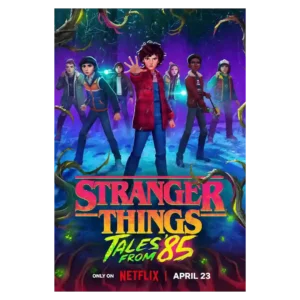
Mike’s overprotectiveness is confronted rather than ignored, allowing the characters to acknowledge the problem, understand one another, and learn from it.
Pros: world-building, production design
Cons: plot clarity, realism

The show handles accountability by making Byron flawed, not saintly. It presents a self-critical story where survival, harm, and responsibility can coexist.
Pros: genre satisfaction, main cast performance
Cons: family friendliness, violence level

The series faces the contradictions in America’s founding instead of treating the anniversary as simple celebration. Slavery, exclusion, hypocrisy, and democratic fragility are central to how it frames the story.
Pros: production design, bingeability
Cons: modern political framing, plot originality

The documentary is generally praised for not sanding away the costs of Nadal’s choices. It discusses painkillers, Toni Nadal’s methods, and the family toll without fully condemning or glorifying the...
Pros: genre satisfaction, soundtrack quality
Cons: writing quality, plot clarity

Accountability works best when the show lets characters own the damage they caused. Sue and Charlie’s responsibility-taking gives the melodrama more emotional weight.
Pros: directing quality, cinematography
Cons: character consistency, writing quality

Accountability is portrayed as grim and political rather than fair. The show’s space crises quickly become occasions for blame, control, and state self-protection.
Pros: cliffhanger effectiveness, main cast performance
Cons: humor, family friendliness

The show addresses police failure and accountability, including incompetence, missed opportunities, and institutional mistakes. Critics find this important, though some think the procedural side is less compelling than the family...
Pros: screenplay quality, critic appeal
Cons: plot twists, season pacing

Berlin’s reckless leadership is criticized early, but the season eventually allows serious consequences to puncture the crew’s glamorous criminal world.
Pros: main cast performance, bingeability
Cons: realism, season length

It acknowledges some less flattering career choices and relationship tensions, but one critic still sees the portrait as clearly authorized and controlled.
Pros: episode pacing, season finale quality
Cons: episode structure, season pacing

The teacher-student boundary is one of the most divisive elements. The show treats it as part of the moral mess, though some responses feel it sidesteps the full power imbalance.
Pros: main cast performance, critic appeal
Cons: character consistency, finale satisfaction

Accountability is handled inconsistently. One positive reading likes moments where characters recognize and correct bad assumptions, while another sees workplace-romance issues going underexamined.
Pros: renewal interest, bingeability
Cons: plot clarity, soundtrack quality

The season generally deepens its moral stakes by making selfish choices carry consequences. Monica’s abrupt death, however, is criticized for cutting off her agency rather than completing her arc.
Pros: score quality, critic appeal
Cons: character consistency, plot clarity

The series is strongest when it forces a reckoning with public belief, celebrity power, and whether the 2005 trial could ever feel fair. Dissenting voices argue it underplays the acquittal,...
Pros: directing quality, modern political framing
Cons: value for money, family friendliness

The show’s handling of blame and forgiveness is divisive. Stronger takes appreciate that it keeps messy people messy, while harsher ones feel Steve and Alice are not held to account...
Pros: directing quality, cast chemistry
Cons: family friendliness, language level

The series points directly at the cult’s refusal to face reality after public criticism. Richards’s account makes accountability feel like a core part of the psychological damage rather than a...
Pros: bingeability, critic appeal
Cons: editing quality, accountability handling

Conflict resolution is usually presented as compassionate and constructive, but the drunk-driving crash drew sharp criticism for lacking police consequences or meaningful intervention.
Pros: season finale quality, screenplay quality
Cons: character consistency, continuity

The revenge-and-accountability angle does not fully persuade. The Hexts do not become villainous enough to make Cola’s quest emotionally gripping.
Pros: world-building, cinematography
Cons: finale satisfaction, season finale quality

A large share of the reaction turns on how little the special engages with C.K.’s misconduct and return to Netflix. Some can still separate the craft from the context, but...
Pros: main cast performance, dialogue quality
Cons: accountability handling, family friendliness

The Brandi Glanville cameo becomes a liability because the boundary-crossing moment is framed as cringe spectacle rather than handled with much sensitivity.
Pros: world-building, costume design
Cons: family friendliness, age appropriateness